REVIEW · VALENCIA, SPAIN
Valencian paella cooking class, tapas and visit to Ruzafa market.
Paella tastes better when you make it. This Valencia experience pairs a visit to Ruzafa Market with hands-on cooking, local food traditions, and a generous meal. I like the market stop because it gives the dish a setting and a story, and I like that you actually help prepare the paella instead of watching a chef do all the work.
The social side is another strong point, especially with hosts such as Jose and Anna, who are praised for their humor and energy. The main consideration is the alcohol-focused format: sangria, wine, beer, mistela, and coffee are part of the meal, so this may not suit anyone seeking a quiet or strictly culinary class.
Key points to know before booking
- Shop first at Ruzafa Market: You begin by seeing the ingredients and hearing about Valencian food customs before cooking.
- Make chicken-and-rabbit paella: The class focuses on traditional Valencian paella, not a generic seafood version.
- Cooking is hands-on: You take part in the process, including small but important jobs such as seasoning and grinding saffron.
- Sangria and tapas come early: Patatas bravas, jamón serrano, Manchego cheese, mussels, olives, and drinks set a festive tone.
- The meal is substantial: Paella is followed by tomato salad, wine, fruit, Valencian cake, sweet wine, and coffee.
- Plan ahead: The class costs $78.60 per person, lasts about three and a half hours, and is often booked 33 days ahead.
Starting at San Valero Parish in Ruzafa
The meeting point is outside Parroquia de San Valero at Carrer del Pare Perera, 6, in Valencia’s L’Eixample district. The start time is 11:00 a.m., and the activity finishes back at this same meeting point.
That starting detail matters. The church is not the cooking kitchen. It is the place where the group gathers before heading into the market, so arrive ready to walk and look for the meeting point outside the parish. One useful lesson from the class format is that the group may be organized into smaller cooking teams after everyone meets.
The maximum group size is 20 people. That is not an intimate private lesson, but it is still small enough for a shared cooking session to work well, especially when several instructors are helping. Some sessions may include three guides working together, with Jose and Anna receiving especially warm praise for keeping the pace friendly and inclusive.
You should also expect an international group. The activity is offered in English, though it may be operated by a multilingual guide. That makes it a good choice if you want to meet people while you cook, rather than sit at a table with only your own party.
More Cooking Classes with a Market Tour in Spain
- Barcelona: Paella Cooking Experience & Boqueria Market Tour
★ 4.8 · 3,661 reviews - Barcelona Paella Cooking Class with Market Visit, Tapas & Sangria
★ 5.0 · 2,531 reviews - Paella Cooking Class, Wine Tasting & Central Market in Valencia
★ 5.0 · 1,150 reviews
Ruzafa Market: ingredients before instruction
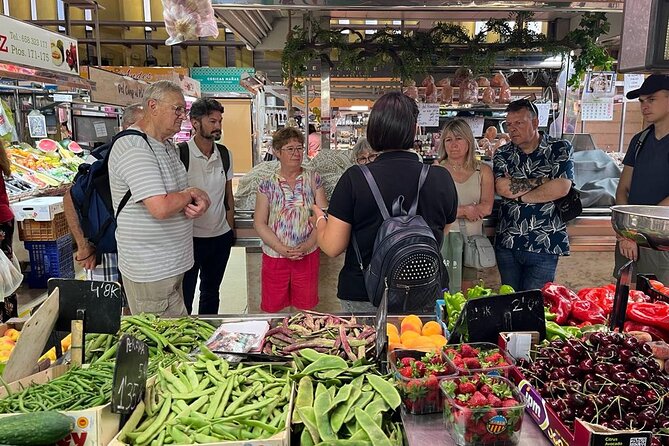
The first stop is Mercado de Ruzafa. You walk through the market with the guides and buy the fresh products needed for the meal. This is a practical beginning because paella makes more sense when you see the ingredients before they reach the pan.
The guides use the shopping trip to explain the origin of paella and customs connected with Valencian life. The goal is not simply to collect groceries. You get context for why paella matters as a shared meal and why the pan itself has such a social role.
The market visit also gives you a chance to see the local produce that supports the dish. The exact shopping sequence can vary, but the class is built around selecting what is needed for an authentic Valencian paella with chicken and rabbit.
There is a small logistical point to remember. The market visit happens at the beginning, so arriving late can mean missing more than a few introductions. One person who arrived late was still allowed to join the cooking portion, but you should not count on receiving the full market experience if your schedule slips.
The eight-minute walk to the cooking kitchen
After the market, the group walks about eight minutes to the kitchen. This is an easy connection between the two parts of the activity, but wear comfortable shoes because the class includes the market visit, the walk, standing, and active cooking.
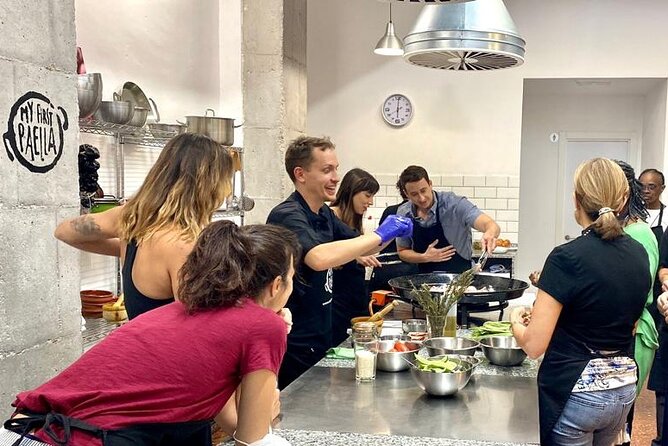
The kitchen is prepared for the group, and the atmosphere is designed to be social rather than formal. Tapas and drinks arrive before the main cooking begins, giving everyone time to meet the hosts and fellow participants.
The opening food includes:
- Patatas bravas with sojanesa
- Jamón serrano
- Manchego cheese
- Steamed mussels
- Olives
The drinks include sangria, beer, and water. Wine comes later with the meal. The portions are substantial enough that you should not plan a large lunch immediately afterward.
This is also the point where the class becomes more of a shared event. The guides are repeatedly praised for keeping conversation moving and making solo participants feel included. If you are traveling alone, this is one of the stronger reasons to choose the class. Cooking gives you an easy subject to discuss, and the shared meal provides a natural finish.
Making sangria before making paella
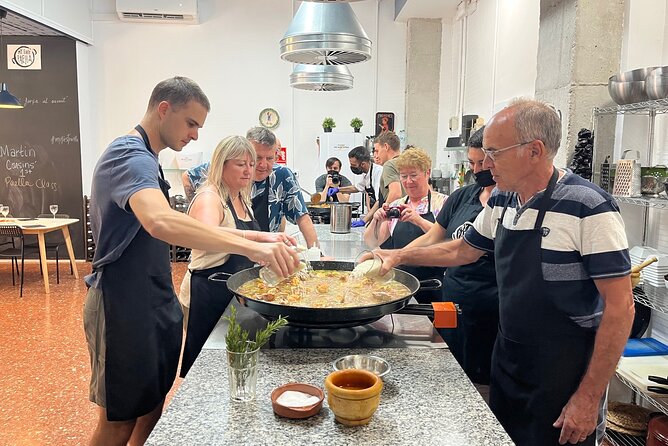
The sangria workshop comes before the paella lesson. You take part in preparing the drink, then enjoy it with the tapas. This adds a second useful recipe to the class, and it helps set the relaxed mood that many people appreciate.
The alcohol is not a minor detail. Several drinks are included throughout the session, and the class has a lively, cheerful tone. If you enjoy food experiences with plenty of conversation and wine, that will likely suit you. If you prefer a quiet demonstration, a dry class, or a tightly structured cooking school, this format may feel too casual.
The instructors are not there simply to serve you a prepared meal. You are expected to help. The class is designed so that everyone has a role, even if some jobs seem small. Adding salt at the right moment matters. Grinding saffron can also be more work than it sounds, so volunteer only if you want an active task.
That hands-on structure is valuable because it gives you a recipe you can repeat at home. The class does some preparation in advance, but you still participate in important steps. You leave with more than a pleasant lunch and a few photographs.
More Paella and Spanish Classes in Spain:
- Barcelona Interactive Spanish Cooking Experience
★ 4.5 · 2,155 reviews - Spanish Cooking Class Paella Tapas and Sangria in Madrid
★ 5.0 · 1,340 reviews - Paella Cooking Class in Madrid with Bottomless Wine Pairing
★ 5.0 · 985 reviews - Seville: Spanish Cooking Class with Dinner
★ 4.9 · 900 reviews
Traditional Valencian paella with chicken and rabbit
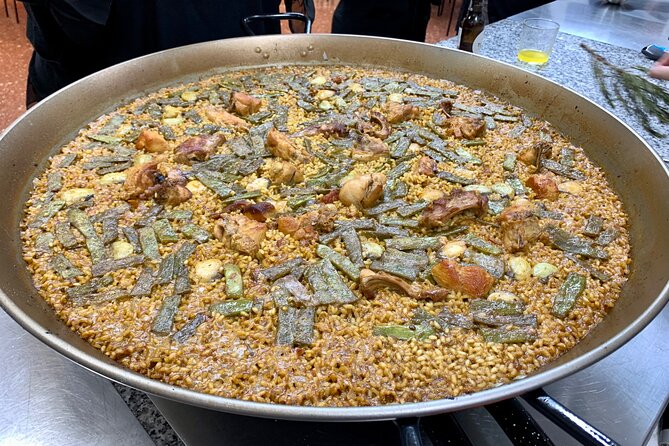
The main lesson centers on Valencian paella made with chicken and rabbit. This is an important distinction. Many visitors arrive in Spain expecting paella to mean seafood, but Valencian tradition includes land-based ingredients, and this class presents that local version.
The chef explains the process step by step. The guides help the group through the work, answer questions, and keep the cooking organized. The class does not simply place a finished pan in front of you. You help create the dish, then sit down to eat what the group has made.
The practical benefit is clear. You learn the order of the ingredients, the importance of seasoning, and the basic rhythm of preparing paella. The class will not turn you into a restaurant chef in one morning, but it can give you enough confidence to try the dish at home.
The instructors also connect the cooking to Valencian customs. That cultural layer is one of the best parts of the class because paella is presented as a social gathering for family and friends, not just a recipe. The meal becomes a lesson in how food functions in local life.
Expect some group participation rather than individual pans. The shared approach means you will not each produce a completely separate paella. Instead, you work together toward one meal, with the chefs making sure the tasks are spread around.
The meal includes more than paella
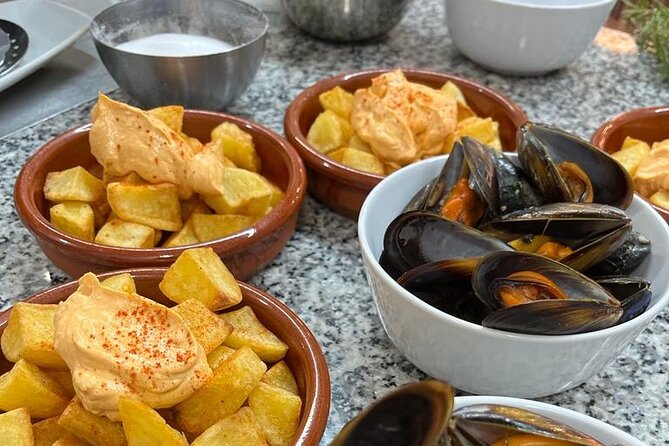
Once the paella is finished, the group gathers around the meal. The main dish is served with Valencian tomato salad, followed by local wine and the remaining courses.
The full meal includes:
- Valencian paella with chicken and rabbit
- Valencian tomato salad
- Valencia wines
- Seasonal fruit
- Valencian sponge cake
- Mistela, a sweet fortified wine
- Coffee
This is a generous amount of food for a three-and-a-half-hour activity. The tapas come first, then the paella, then dessert. I would arrive hungry, but not so hungry that you cannot enjoy the opening snacks.
The meal also gives you time to admire the finished paella before it is served. One especially nice touch is the chance to photograph the pan you helped prepare. That moment connects the cooking lesson to the final plate and gives the group a small sense of accomplishment.
The food is designed for sharing, which fits the cultural message of the class. You are not rushed through a restaurant meal. You eat with the people you met at the market and during the cooking session, while the guides continue to explain the food and local customs.
What the guides add to the day
The hosts are central to the quality of this activity. Jose is frequently singled out for his humor and enthusiasm, while Anna is praised for being cheerful, attentive, organized, and clear when explaining the cooking steps.
That combination matters. A paella class can become confusing if several people are working around one pan, but the guides divide tasks and keep the explanation moving. Depending on the session, you may have more than one instructor helping the group, which makes it easier for everyone to take part.
The tone is informal. Expect jokes, laughter, conversation, and plenty of encouragement. The class is not built around strict culinary technique or a silent chef demonstration. It feels closer to cooking with friendly local hosts, with enough instruction to keep the food on track.
You should still pay attention. Because the atmosphere is relaxed, it can be easy to focus on the sangria and lose track of the recipe. If learning to repeat the dish is your main reason for booking, ask questions and take notes when the chef explains the important steps.
What $78.60 buys you
At $78.60 per person, this is not the cheapest meal in Valencia. It is also not merely a restaurant lunch. The price covers the market walk, the guides, the cooking lesson, tapas, sangria, beer, water, wine, paella, salad, dessert, sweet wine, and coffee.
The value depends on what you want from the morning. If you only want to eat paella, you can spend less elsewhere. If you want food, instruction, local context, and a social activity in one package, the price is more reasonable.
The class lasts about three hours and 30 minutes. That gives you enough time for the market, the walk, the sangria workshop, the cooking, and the meal without making the activity an all-day commitment.
It is often booked around 33 days in advance, so I would reserve early if your Valencia dates are fixed. The high demand is especially relevant for weekends and popular travel periods, though the supplied details do not specify which dates sell out fastest.
Who should book this paella class
I would recommend it most strongly to:
- First-time visitors who want a food activity tied to Valencian culture
- Solo visitors who enjoy meeting people through shared activities
- Couples and friends who prefer participation over a simple tasting
- Home cooks who want a repeatable paella recipe
- Anyone who enjoys sangria, wine, tapas, and a long shared meal
- Families with older children, provided an adult accompanies each child
Children must be accompanied by an adult. The data does not specify a minimum age, child price, or special children’s menu, so check those details before booking for a young child.
I would be more cautious if you dislike rabbit or do not want a meat-based paella. The featured dish is specifically Valencian paella with chicken and rabbit, not a seafood alternative. I would also think twice if you need a very quiet setting, a private class, or a fully alcohol-free experience.
Booking details and cancellation
Confirmation is received at the time of booking, and you use a mobile ticket. The experience is offered in English, though the guide may be multilingual.
The activity ends at the original meeting point near San Valero Parish. Free cancellation is available if you cancel at least 24 hours before the local start time. Cancellations or changes made less than 24 hours before the start are not accepted for a refund.
The class requires a minimum number of participants. If that minimum is not met and the provider cancels, you are offered another date or experience, or a full refund.
Should you book My First Paella?
Book it if you want Valencia explained through its food, and if you like the idea of cooking, drinking, laughing, and eating with a mixed group. The market visit gives the day a local starting point, while the hands-on paella lesson gives you a skill you can use after your holiday.
The strongest reasons to choose it are the friendly guides, the shared cooking, the traditional chicken-and-rabbit recipe, and the generous menu. Just arrive on time at the church, expect an active and social class, and remember that the cooking kitchen is reached after the market rather than located at the meeting point.
For a visitor who wants more than a plate of paella, this is a good-value Valencia food experience.
FAQ
Where does the paella class meet?
The meeting point is outside Parroquia de San Valero at Carrer del Pare Perera, 6, in L’Eixample, Valencia.
What time does the activity start?
The experience starts at 11:00 a.m.
How long does the experience last?
It lasts approximately three hours and 30 minutes.
Does the activity visit Ruzafa Market?
Yes. The group visits Mercado de Ruzafa to buy the fresh products needed for the paella.
Where does the cooking take place?
After the market visit, the group walks about eight minutes to the kitchen where the sangria workshop and paella class take place.
What type of paella do you make?
The class teaches traditional Valencian paella made with chicken and rabbit.
What food and drinks are included?
Included items are tapas, sangria, beer, water, paella, Valencian tomato salad, Valencia wines, seasonal fruit, Valencian cake, mistela, and coffee.
Is the class offered in English?
Yes. The experience is offered in English, although it may be operated by a multilingual guide.
How many people can join the class?
The maximum group size is 20 participants.
Can children join the experience?
Yes, but children must be accompanied by an adult.
Can you cancel for a full refund?
Yes. You can cancel for a full refund up to 24 hours before the experience start time. Changes or cancellations made less than 24 hours before the start are not accepted.
What happens if the class does not meet its minimum number of participants?
If the provider cancels because the minimum number is not met, you are offered a different date or experience, or a full refund.
Just added around Spain
- Basque Pintxos and Tapas Cooking Class in Bilbao★ 5.0 · 73 reviews
- Paella and Burnt Basque Cheesecake Cooking Class (in Bilbao)★ 5.0 · 46 reviews
- Small-group Immersive Basque Cooking Class in Bilbao with Open Bar★ 5.0 · 65 reviews
- Pintxos and Tapas Cooking Class in Bilbao★ 5.0 · 38 reviews
- Rooftop Paella Seafood Cooking Class Experience in Barcelona★ 5.0 · 59 reviews
- Private Authentic Paella Cooking Class in Barcelona with Josh★ 5.0 · 3 reviews
- Private Barcelona Market Tour & Paella Cooking Class with Josh★ 5.0 · 4 reviews
- Premium Paella & Tapas Feast: Unlimited Wine & Rambla Views★ 5.0 · 13 reviews
Cooking Classes with a Market Tour, compared.
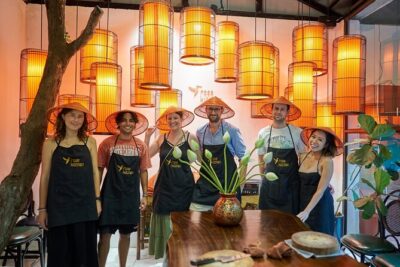
Hanoi Cooking Class: Culture, Local Market & Meaning CSR Impact
Read our review →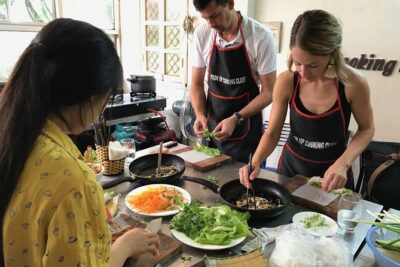
5 Traditional Dishes Hanoi Cooking Class with Market Trip
Read our review →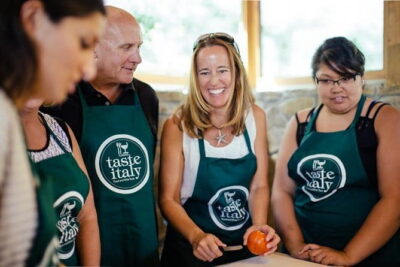
Cooking Class and Lunch at a Tuscan Farmhouse with Local Market Tour from Florence
Read our review →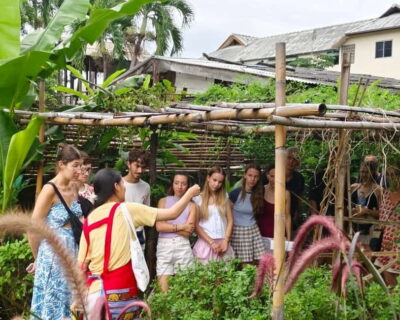
Cooking Class, Market & Thai Herbs Garden Tour
Read our review →
Authentic Cooking Class with Market & Farm Visit
Read our review →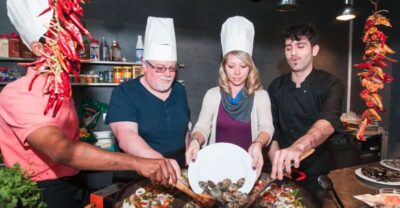
Paella Cooking Experience & Boqueria Market Tour
Read our review →
Cooking Class Hoi An:Local Market, Basket Boat, Fishing & Cooking
Read our review →