
REVIEW · CUSCO REGION, PERU
Cusco: Peruvian Cooking Class
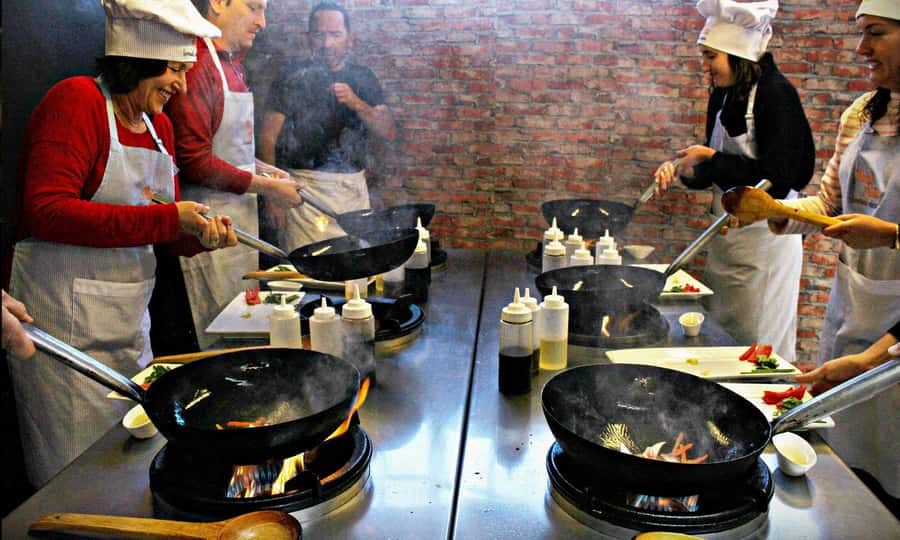
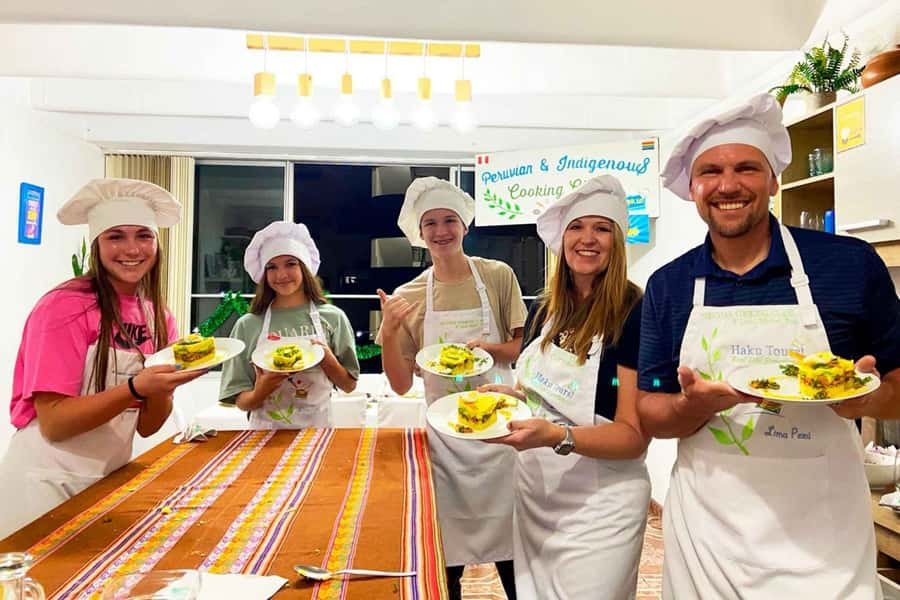
Good food makes Cusco even more memorable. This hands-on class gives you a practical way to understand Peruvian cooking, with a professional chef, local ingredients, lunch, and a pisco-based drink included. I like the chance to prepare three Peruvian dishes instead of simply watching a demonstration, and I like that you receive a recipe booklet to take home. The main point to check is the timing: the activity is listed as two hours, but the description also says the cooking experience may last about three hours.
You can choose dishes such as ceviche, lomo saltado, rocoto relleno, or quinoa with huancaína sauce. A recent confirmed booking included shopping for ingredients at a market, followed by a meal made with a friendly chef and two assistants. That market visit may not be part of every session, so ask when you reserve if it matters to you. People with food allergies should take special care, as the activity is not considered suitable for them.
Key things to know before booking
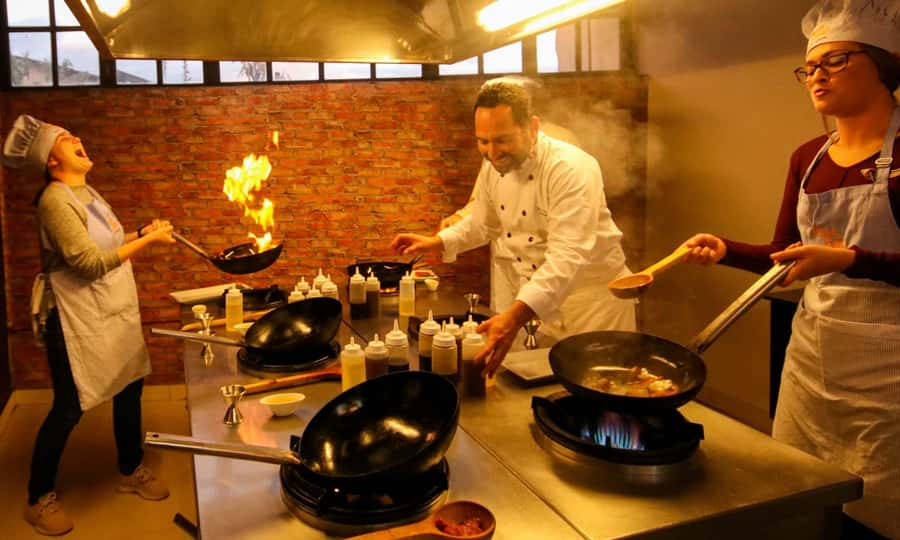
- You choose the menu: Select from quinoa with huancaína sauce, rocoto relleno, ceviche, lomo saltado, and pisco sour.
- You cook, rather than only watch: The class is designed around preparing the food yourself with help from a professional chef.
- The pisco sour is part of the lesson: You taste Peru’s emblematic cocktail and learn how to make it.
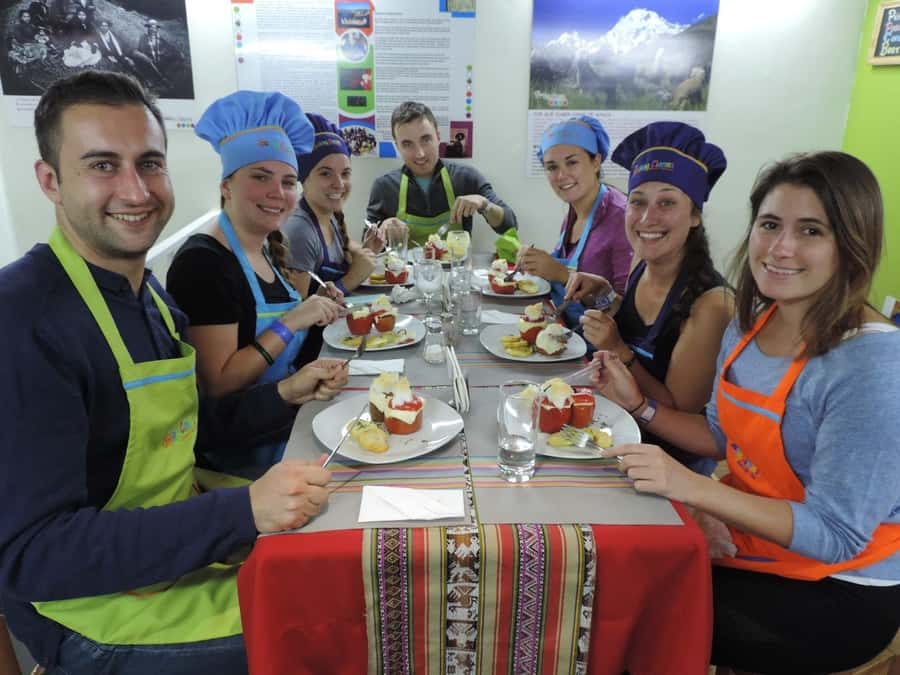
- Lunch is included: The food you prepare becomes the meal, so plan this as a midday activity.
- A market visit may be possible: One recent experience included buying ingredients before cooking, but confirm this in advance.
- Hotel pickup has limits: Pickup applies to hotels in Cusco’s historic center. A different meeting point may be arranged for hotels farther away.
Starting with Peruvian ingredients in Cusco
The class begins with pickup at your hotel if you are staying in Cusco’s historic center. If your hotel is outside that area, the provider will arrange a meeting point with you beforehand. That detail matters in Cusco, where a short distance on a map can mean a different pickup plan.
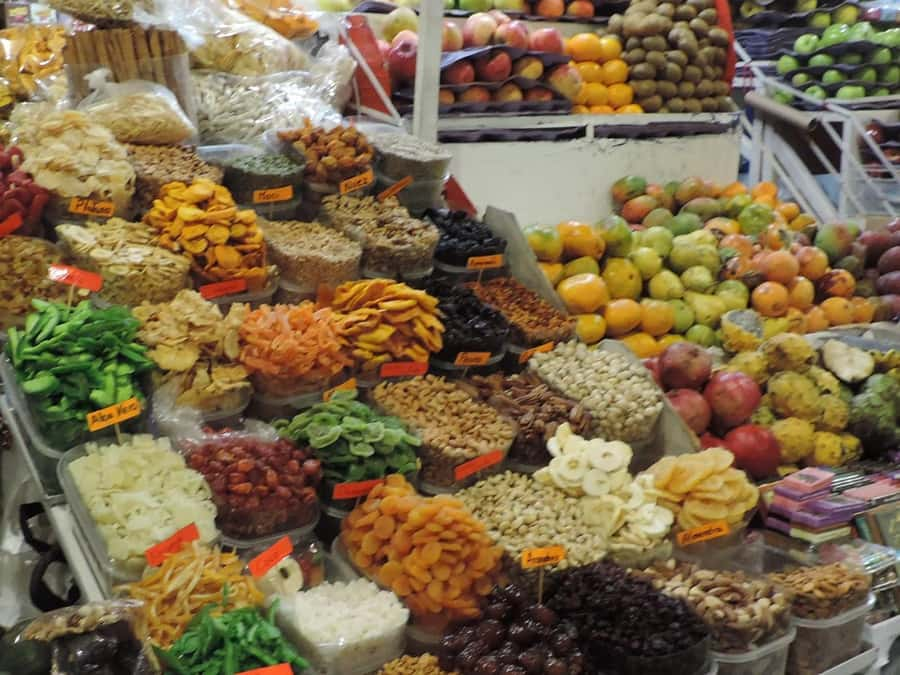
The food experience may begin at a market. In one recent session, the group bought ingredients before heading to the kitchen. That is a useful addition because it connects the finished plate with the produce and seasonings used to make it. You get a better sense of what goes into Peruvian cooking instead of meeting every ingredient only after it has been chopped and measured.
Still, do not assume the market portion is guaranteed. The main description focuses on meeting at the arranged point and then going to the kitchen. If shopping for ingredients is one of your main reasons for booking, ask about it when you reserve.
You should also arrive ready to participate. Comfortable shoes are recommended, and you may want water and a camera. Snacks are listed as suggested items, though the class includes lunch, so you should not need a large meal before arriving.
A few more cooking classes around Peru worth a look
- Cusco: Peruvian Cooking Class, Cocktails & Local Market Tour
★ 4.9 · 512 reviews - Cooking class and market tour with a local chef
★ 5.0 · 186 reviews - Market Tour, Tasting of 35 Fruits, and 4-Course Peruvian Cooking Class in Lima
★ 5.0 · 86 reviews
Inside the kitchen with a professional chef
The heart of the experience is a guided kitchen session with a professional chef. You learn about the ingredients and methods that give Peruvian food its distinct character, then put those lessons to work by preparing the selected dishes.
This format suits you if you like learning by doing. Instead of taking notes while someone else handles the knife, pan, and mixing bowl, you take part in the preparation. The chef can explain the purpose of each step and help you understand how the ingredients come together.
The class offers a choice from five Peruvian preparations:
- Quinoa with huancaína sauce
- Rocoto relleno
- Ceviche
- Lomo saltado
- Pisco sour
The wording indicates that you prepare three dishes and one pisco-based drink, choosing from the selection. Confirm the exact menu at booking, especially if you have a particular dish in mind. The available choices cover several sides of Peruvian cuisine, from the fresh acidity of ceviche to the hearty, pan-cooked character of lomo saltado.
One confirmed session included a chef and two assistants. That suggests you may have plenty of help during the preparation, though the exact staffing and group size are not specified. Since no group size is provided, I would not book this expecting a private lesson unless that is confirmed directly.
What the dish choices mean for your meal
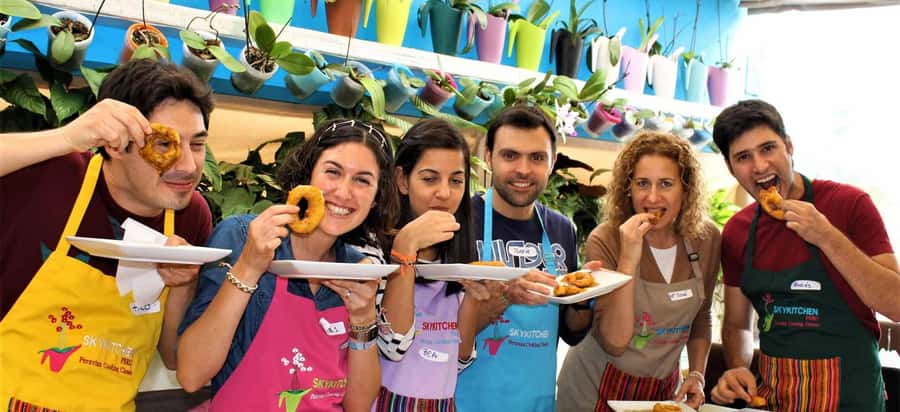
Ceviche is the most obvious choice if you want to work with one of Peru’s best-known dishes. The class gives you a chance to learn about its traditional ingredients and preparation rather than ordering it in a restaurant and guessing how it was made.
Lomo saltado offers a different lesson. It is a cooked dish and should appeal to you if you prefer a hot main course. Preparing it in class lets you see how Peruvian cooking combines familiar ingredients in a distinctly local style.
Rocoto relleno brings a stuffed pepper dish to the menu. The name refers to rocoto, a Peruvian pepper, so you should tell the guide about your tolerance for spicy food before choosing it. The supplied information does not promise an adjustment to the heat level, but it does say dietary preferences and special needs should be shared at booking.
Quinoa with huancaína sauce gives you a meat-free choice among the listed dishes. It may be the most useful option if you want a lighter or vegetarian-friendly preparation, though you should still confirm every ingredient with the guide if you follow a strict diet.
The third dish is important because it makes the class feel like a full meal rather than a single-recipe demonstration. You are not just learning one famous item. You are building a small Peruvian menu, then eating what you prepared.
Learning to make a pisco sour
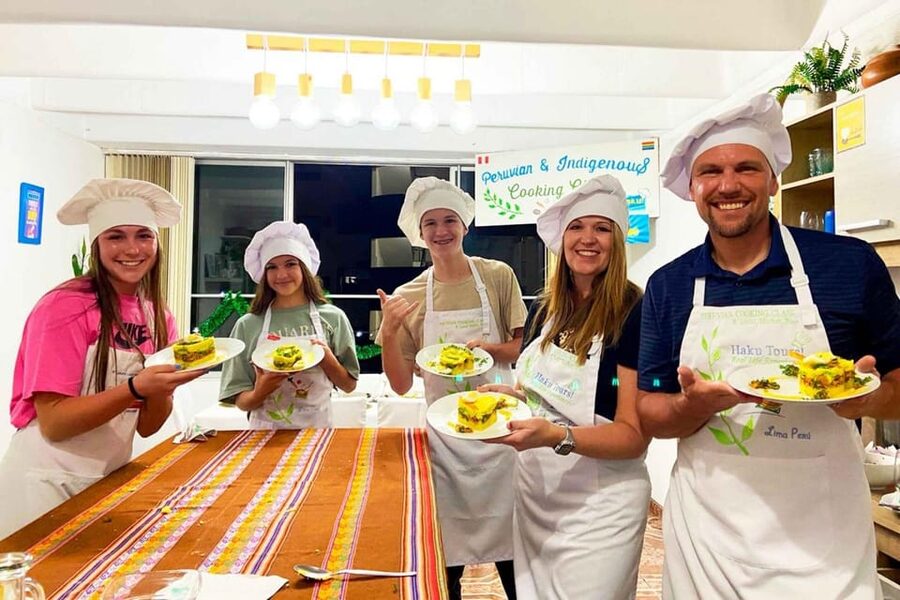
The pisco sour lesson is a pleasant part of the class because it adds a drink to the meal and teaches you something you can repeat at home. You taste the cocktail and learn how to make it, rather than receiving it as a separate bar order.
Pisco is Peru’s emblematic spirit, and the pisco sour gives the class a clear cultural marker. It also breaks up the cooking routine with a simple, social element. The activity includes a pisco sour tasting, so the drink is part of the price rather than an extra purchase.
If you do not drink alcohol, ask about your options when making the reservation. The supplied details confirm the pisco-based drink and tasting but do not state that a nonalcoholic replacement is available.
Same place, a different thing to cook:
- #1 Rated Cooking Classes with Local Market Tour & Pickup
★ 5.0 · 69 reviews - Miraflores: Amazing Peruvian Cooking Class Ceviche Seafood and Pisco Sour
★ 4.9 · 57 reviews - Cook with Maido’s creative chef and chef de cuisine
★ 5.0 · 53 reviews - Cusco: Peruvian Cooking Class & Market Tour
★ 4.9 · 19 reviews
Lunch, recipes, and the value of $75
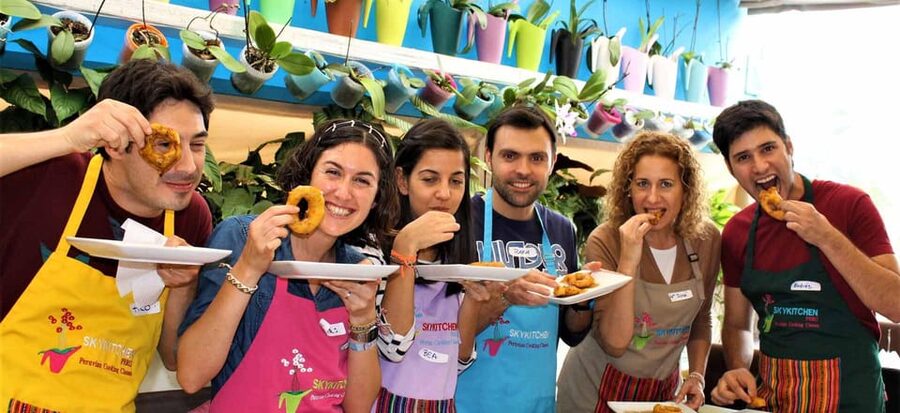
The price is $75 per person. That is not the cheapest way to eat in Cusco, but the value depends on how much you want from the activity. You are paying for instruction, ingredients, lunch, a pisco sour tasting, and a recipe booklet, not just for a restaurant meal.
I think the price makes the most sense for you if you value a hands-on lesson and want to recreate the dishes at home. The recipe booklet gives the experience some life after your trip. A meal disappears quickly. A recipe you can prepare for friends and family has more lasting value.
The price also covers the professional chef and the ingredients used during the session. You do not need to shop for the class yourself or pay separately for the food you prepare. If a market visit is included in your particular session, that adds another useful layer, but it should not be treated as guaranteed at this price.
For a food-focused visitor, $75 can be fair. For someone looking only for a quick lunch, it is expensive compared with eating at a local restaurant. The cooking time is the key difference. You are buying an activity as well as a meal.
Timing: two hours or closer to three?
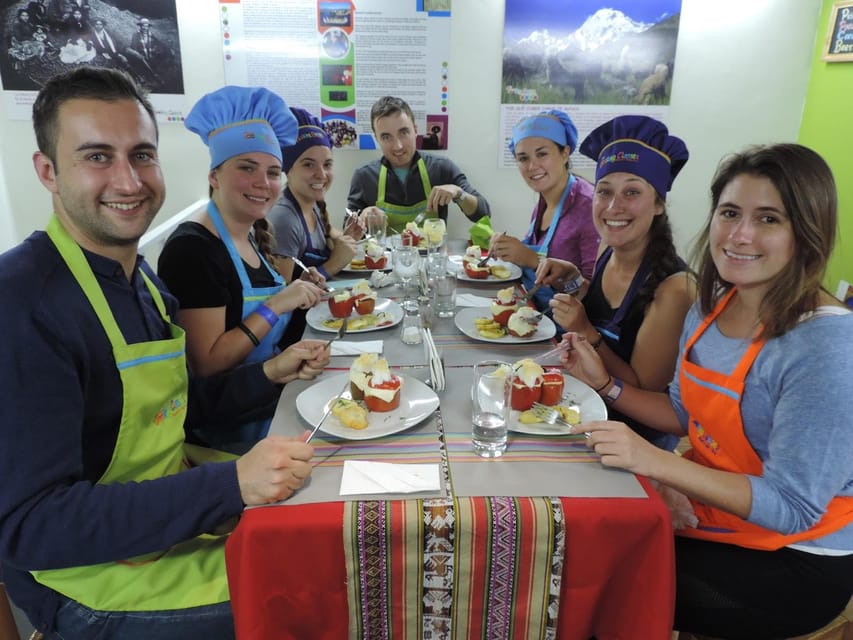
The published details give two different time estimates. The activity summary lists a duration of two hours, while the description says that after approximately three hours of cooking and fun, you will have completed the experience.
You should clarify the actual schedule before booking. This matters if you have a train, tour, museum reservation, or altitude adjustment plan afterward. A two-hour class fits neatly into a morning or afternoon. A three-hour session needs more room, particularly if pickup, transportation, or a market stop is involved.
I would reserve it on a day with an open block of time. The class includes preparation, cooking, the drink, lunch, and possibly shopping for ingredients. Rushing away halfway through would spoil the point.
Starting times are available according to the schedule on the booking calendar. Since the precise times are not provided here, check availability for your date rather than assuming the class runs at a fixed hour.
Dietary needs and food allergies
Tell the guide about dietary preferences or special dietary needs when you book. The activity says accommodations are available, and the menu includes several choices, including quinoa with huancaína sauce.
Food allergies require more caution. The experience is specifically listed as unsuitable for people with food allergies. That is the clearest limitation in the description, and you should not rely on a last-minute request at the kitchen.
You can still mention preferences such as avoiding meat, choosing a particular dish, or limiting certain ingredients. Ask what can actually be changed before paying. The class offers menu choices, but the information does not promise that every recipe can be altered safely.
Who will enjoy this Cusco cooking class?
I would recommend this for you if food is part of the reason you visit Peru, or if you enjoy bringing home skills instead of only souvenirs. It also suits couples, friends, and families who want a shared activity with a meal at the end.
It is a good fit after you have spent time seeing Cusco’s sights and want a slower way to connect with local culture. The class gives you something active to do without turning the day into another long walking tour.
It may not suit you if you dislike cooking, have serious food allergies, or need a tightly timed activity. The unclear two-hour versus three-hour duration is a practical concern. You should also confirm the menu, market visit, pickup arrangements, and any dietary changes before booking.
The limited feedback available is strongly positive. Christel from France gave the experience five stars after a May 2025 booking and praised the fact that the group handled everything from shopping for ingredients to creating an appetizer, starter, and main course with a friendly chef and two assistants. That description points to a warm, participatory format, but it does not establish that every session follows the same market-to-meal plan.
Booking and cancellation details
Pickup is available from hotels in Cusco’s historic center. If your hotel is farther away, a meeting point will be designated through prior coordination. Bring comfortable shoes, water, and a camera, and leave outside food at home because food is not allowed during the activity.
You can cancel up to 24 hours in advance for a full refund. The reserve-now, pay-later option lets you hold a place without paying immediately, which is useful while your Cusco schedule is still changing.
Should you book it?
Book this class if you want a practical food lesson, a proper meal, and a recipe booklet for $75. The strongest reasons are the broad menu choice, the chance to prepare several dishes, and the pisco sour lesson. The possible market visit makes it even more appealing, but confirm that detail first.
Skip it if you want only a fast lunch, need a guaranteed two-hour schedule, or have food allergies. For everyone else, this is a well-focused way to spend part of a Cusco day, especially if you would rather learn the method behind Peruvian food than simply order another plate of it.
FAQ
How much does the Cusco Peruvian cooking class cost?
The class costs $75 per person.
How long does the cooking class last?
The activity is listed as two hours, but the description also says the cooking experience may take approximately three hours. Confirm the expected duration when you reserve.
What dishes can I prepare?
You can choose from quinoa with huancaína sauce, rocoto relleno, ceviche, lomo saltado, and pisco sour. The description says you prepare three Peruvian dishes and one pisco-based drink.
Is lunch included?
Yes. Lunch, the ingredients used during the class, and a pisco sour tasting are included.
Is a pisco sour included?
Yes. You taste a pisco sour and learn how to prepare the drink.
Is hotel pickup provided?
Pickup is provided from hotels in Cusco’s historic center. If your hotel is farther away, a meeting point will be arranged in advance.
Can dietary needs be accommodated?
You should share dietary preferences or special dietary needs when booking. The activity says accommodations are available, but it is not suitable for people with food allergies.
Can I cancel for a refund?
Yes. You can cancel up to 24 hours before the activity for a full refund. You can also reserve now and pay later.
Just added around Peru
- Lima: Peruvian cooking class and tour of Surquillo market★ 5.0 · 2 reviews
- Lima: Market Tour and Cooking Class with Pisco Sour★ 5.0 · 3 reviews
- Lima: Cooking Workshop and Water Circuit Tour★ 5.0 · 16 reviews
- Lima: Market Tour, 35 Fruits Tasting & Cooking Class★ 5.0 · 3 reviews
- Lima: 4-Course Peruvian Cooking Class in Miraflores★ 5.0 · 4 reviews
- Lima : Cooking Class – A Peruvian Culinary exploration★ 5.0 · 2 reviews
- Lima: Demo Cooking Class with Lunch at Cala Restaurant★ 4.1 · 4 reviews
- Cusco: 3-Hour Peruvian Cooking Class★ 4.7 · 16 reviews
Cooking Classes, compared.

Half-Day Thai Cooking Class at Organic Farm in Chiang Mai
Read our review →

3 in 1 Cooking Class near Navona: Fettuccine, Ravioli & Tiramisu
Read our review →
Pasta & Tiramisu Cooking Class with Unlimited Wine
Read our review →
Hanoi Cooking Class: Culture, Local Market & Meaning CSR Impact
Read our review →
5 Traditional Dishes Hanoi Cooking Class with Market Trip
Read our review →
Cooking Class and Lunch at a Tuscan Farmhouse with Local Market Tour from Florence
Read our review →
Cooking Class, Market & Thai Herbs Garden Tour
Read our review →Lists this class appears in