
REVIEW · SHANGHAI, CHINA
2.5hrs Chinese Kitchen Cooking Class: Xiaolongbao Soup Dumplings
Soup belongs inside the dumpling. That is the charm of this Shanghai cooking class, where you learn to make xiaolongbao from dough and filling to the final bite. The class offers a close look at a famous local food without turning the lesson into a formal culinary course.
I like the small group of no more than 15 and the patient, hands-on teaching style praised by several participants. I also like that you cook the dumplings two ways, steamed and pan-fried, then sit down to eat them with tea and a homemade sauce. The main drawback is the meeting setup: the class is linked with Changshu Road, while the supplied address is on Guangyuan Road, and one participant found the entrance hard to identify.
- You make xiaolongbao from scratch, including dough, filling, soup, and dipping sauce.
- The dumplings are cooked two ways, giving you both the classic steamed version and a pan-fried style.
- English-speaking instructors such as Cici and Chef Yin are praised for patience, humor, and clear instruction.
- Children and beginners are welcome, with an age range listed from 3 to 100.
- Vegetarian and vegan versions are available on request, but you must note your preference when booking.
- The $98.88 price includes the lesson, meal, tea, and recipe, but not transportation or personal spending.
Why Shanghai Soup Dumplings Deserve a Class
Xiaolongbao are small steamed buns with a surprise inside: hot soup. The outer skin is delicate, while the filling carries the savory flavor. Eat one carelessly and you may send broth across the table, which is part of the fun and part of the technique.
A restaurant can serve you an excellent basket of dumplings, but it rarely explains how the soup gets inside. Here, you learn that process while handling the dough and filling yourself. That makes the meal more memorable, especially if you are curious about how familiar Chinese dishes are made.
The class also gives you a better sense of why xiaolongbao require care. The wrapper must be thin but strong enough to hold the broth. The filling needs the right balance of seasoning and moisture. The pleats around the top must close securely. You will not become a professional dumpling maker in two and a half hours, but you will understand the work behind each basket.
Meeting at Guangyuan Road Near Changshu Road
The class begins at 10:00 a.m. and ends back at the meeting point around 12:30 p.m. The experience is described as being near public transportation, with Changshu Road highlighted as the easy meeting area.
Pay close attention to the exact directions you receive after booking. The meeting information also gives Guangyuan Road, Guang Yuan Lu, in Xuhui District. One participant described arriving at an old lane and feeling unsure about the entrance until the instructor, Yin, came out to find them.
That point is worth taking seriously. The setting may look plain or confusing from outside rather than like a polished cooking school. Once inside, the studio was described as clean, small, and functional. If you arrive early, keep the phone number and meeting instructions handy, and allow a few extra minutes to locate the entrance.
There is no hotel pickup or drop-off. You need to make your own way to the studio and return from there. Since the class lasts only 2.5 hours, it fits neatly into a morning plan, leaving your afternoon open for Shanghai sightseeing.
More Chinese Cooking Classes in China:
- Flavors of Beijing: Eat Like A Real Chinese
★ 5.0 · 78 reviews - Online Cooking Class Beijing Dumplings and Cuisine by Sunflowerli Renowned Chef
★ 5.0 · 65 reviews - Shanghai-Cooking Dumpling & Meal in Local Family-w/Vegan
★ 4.9 · 36 reviews
10:00 a.m. Arrival and a Short Food Introduction
The first part of the class introduces the cooking culture and local ingredients. This gives the lesson some context before you start working with flour and filling.
The cultural material seems to be light and practical rather than a long lecture. That suits the format. You are there to cook, but a short explanation helps connect the dish with Shanghai food traditions and everyday local cooking.
The instructors receive particularly warm praise for their manner. Cici is described as fluent in English, organized, funny, and patient. Chef Yin is praised for her cooking skill, clear instruction, and friendly conversation. That matters in a class built around small hand movements, where you need to understand each step before copying it.
The group limit of 15 keeps the class from feeling like a large demonstration. It is still possible that some people will need to wait during shared steps, but the size is modest enough for a more personal lesson.
Making the Dough and Flavorful Filling
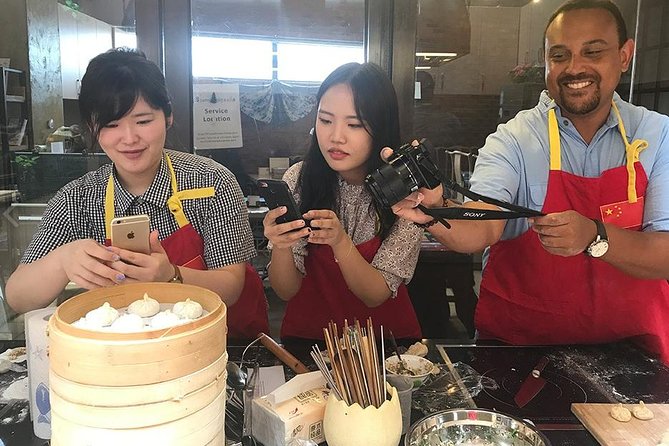
Around 11:00 a.m., the hands-on cooking begins. You learn to prepare the dough and filling, using fragrant Chinese spices to build the flavor.
Making dumpling dough sounds simple, but the texture matters. Too dry, and the wrapper can crack. Too soft, and it becomes difficult to fold. The instructor shows you the process, then gives you time to try it yourself. The class is designed for ordinary people rather than trained cooks, so beginners should not feel pressured to produce perfect shapes immediately.
One of the strongest points is the pace. Luke described Cici as someone who worked at his skill level, even when his wrapping technique was not strong. That is the right approach for this sort of class. Your first dumpling may look more like a tiny purse made by a distracted squirrel, but the point is to learn the method and improve.
You also learn how soup is wrapped into the xiaolongbao. This is the feature that makes the dish different from a regular dumpling or baozi. The explanation is likely to be the most useful part of the class for anyone who has wondered how a solid-looking dumpling can contain broth.
Folding Xiaolongbao Without Losing the Soup
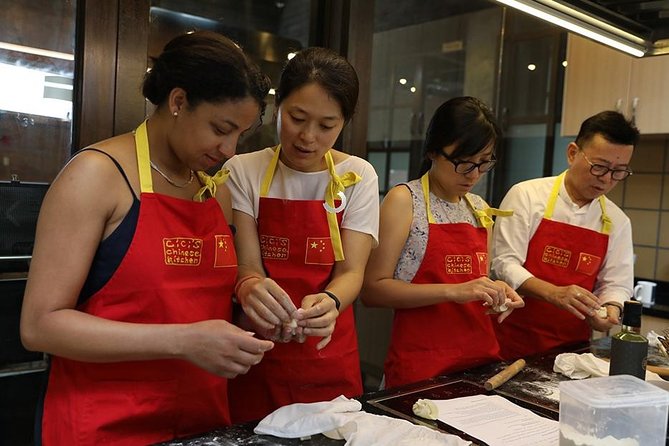
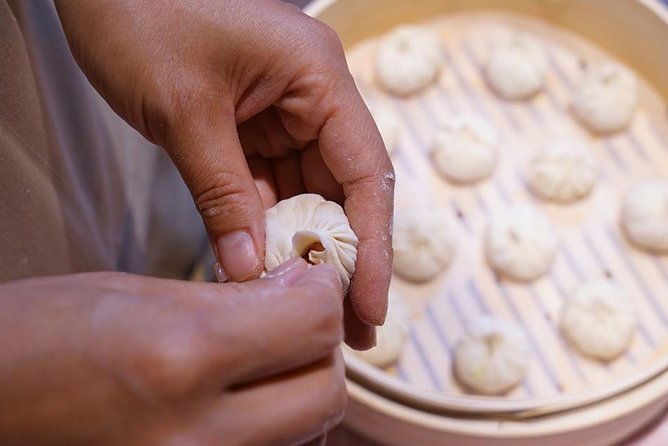
The folding stage is where the class earns its keep. You shape the dough around the filling and create the pleated top that seals the dumpling.
The technique takes practice. You need enough wrapper around the filling to close the top, but not so much dough that the skin becomes heavy. A secure seal is also important because the soup must remain inside during cooking.
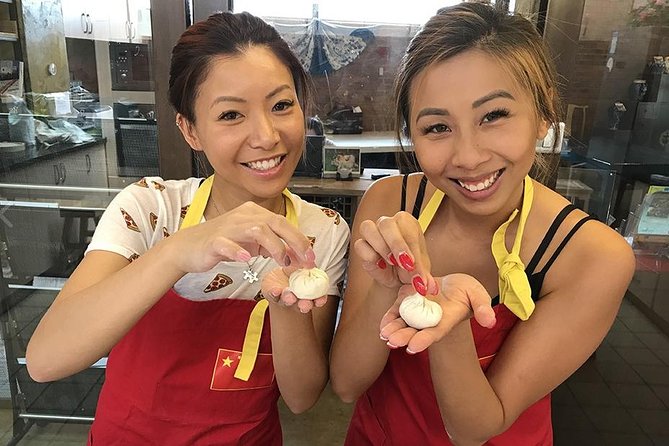
Several participants found this part especially interactive. One person described learning how to wrap xiaolongbao with a friend and called it a highlight of their time in Shanghai. That is a good clue about the class atmosphere: you are not simply watching a chef work while standing at a distance.
The class can also suit families. A family with children aged 9 and 6 found the experience educational and enjoyable. Children under 3 are listed as free, and the experience is open to ages 3 through 100. Still, very young children may need close adult help around dough, filling, and hot cooking equipment.
Do not expect every dumpling to look uniform. The handmade quality is part of the appeal. The final meal is about learning and eating something you shaped yourself, not competing with a factory line.
A few more cooking classes around China worth a look
- Half-Day Chengdu Cooking Class with a Local Market Visit
★ 5.0 · 465 reviews - Chengdu: Cooking Class with Fresh Market Half Day Experience
★ 5.0 · 42 reviews - Private Cooking Class: Make Your Own Dim Sum In Shanghai
★ 5.0 · 27 reviews - Half-Day steamed Buns Cooking Class with a Local Market Visit
★ 5.0 · 26 reviews
Steaming and Pan-Frying the Dumplings
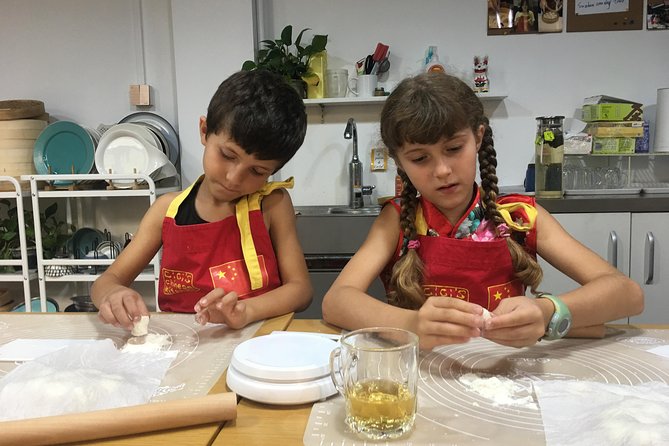
Your xiaolongbao are cooked in two ways. The first is the familiar steamed version, which highlights the soft wrapper and hot broth. The second is pan-fried, giving the bottom a firmer, browned texture.
Having both styles makes the class more useful than a single-method demonstration. You can compare the results and decide which approach you prefer. One participant specifically praised the combination of steamed and pan-fried dumplings, while another noted that the finished food was delicious.
You also learn to make a Chinese sauce to serve with the dumplings. The sauce gives the meal another layer of flavor and provides a practical recipe you can use later.
The cooking section is followed by the meal at about noon. Complimentary tea is included, and you eat the dumplings together with the class. This shared finish gives the morning a relaxed rhythm: learn, make, cook, then sit down with the results.
The Studio: Simple, Local, and Not Fancy
The physical setting may be part of the experience, but you should set your expectations correctly. This is not presented as a glossy restaurant kitchen or a luxury culinary school.
One account described entering through an old lane and initially feeling uneasy because the entrance looked abandoned. The studio itself was clean, small, and functional once located. Another positive detail is the intimate setting, which helped the lesson feel connected to ordinary Shanghai life.
I see this as both an advantage and a warning. If you want polished interiors, professional workstations, and a staged food show, this may disappoint. If you prefer a simple local setting with direct contact with the instructor, the plain surroundings can add character.
The best practical step is to confirm the precise location before the morning of the class. The supplied meeting details use both Changshu Road and Guangyuan Road, so do not rely only on a general map pin.
Vegetarian and Vegan Options
Vegetarian and vegan choices are available, but you must request them in advance by writing down your food preference when booking.
That is useful for plant-based eaters, since the standard filling is not specified in the information provided. Do not wait until you arrive to explain your needs. The earlier the instructor knows, the easier it is to prepare an appropriate filling and keep the lesson comfortable.
The class includes tea, but personal expenses are not covered. If you have other dietary restrictions beyond vegetarian or vegan food, the supplied details do not confirm that they can be accommodated, so ask before paying.
Is $98.88 Good Value?
At $98.88 per person, this is not a cheap meal. You can buy dumplings in Shanghai for far less. The value comes from the instruction, the hands-on practice, the cultural explanation, two cooking methods, tea, the shared meal, and the recipe you take away.
The class also gives you something a restaurant cannot: the ability to understand and repeat the process. If you enjoy food workshops or want a memorable activity between sightseeing stops, the price is easier to justify.
The value is strongest for two kinds of people. First, it suits anyone who wants to learn a distinctly Shanghai dish rather than simply eat one. Second, it works well for families or friends who enjoy doing an activity together. The chance to laugh at uneven pleats, compare folding attempts, and eat the results adds to the appeal.
For a solo visitor focused only on getting a filling lunch, the cost is harder to defend. You are paying for the class, not just the food. The 4.8 rating and 92 percent recommendation figure suggest broad satisfaction, but the small sample size means I would treat those numbers as encouraging rather than decisive.
Who Will Enjoy This Class Most?
You are a good match if you:
- Like cooking and want direct practice rather than a demonstration.
- Want to learn about a famous Shanghai food.
- Are comfortable in a small, informal studio.
- Enjoy group activities with an English-speaking instructor.
- Are traveling with children old enough to follow basic cooking instructions.
- Want a morning activity that ends with a proper meal.
- Need a vegetarian or vegan option and can request it ahead of time.
You may want to choose another activity if you need hotel transport, dislike unclear meeting locations, or expect a polished professional kitchen. The class is also not ideal if you want a quick food tasting with no participation.
Booking, Timing, and Cancellation Advice
The class is usually booked about 18 days ahead, so plan early if your Shanghai schedule is tight. Confirmation is provided at booking, and the experience has mobile ticketing.
The class requires a minimum number of participants. If the provider cancels because that minimum is not reached, you are offered another date or experience, or a full refund.
Your own cancellation terms are strict. The experience is non-refundable and cannot be changed for any reason, so confirm your dates, food preference, and meeting location before booking.
Should You Book the Xiaolongbao Class?
I would recommend this class if you want more than a restaurant meal and enjoy learning by doing. The strongest points are the patient instructors, the small group, the chance to cook xiaolongbao two ways, and the fact that you finish with a full meal and a recipe.
I would book it for a family, a pair of friends, or a food-focused solo visit. Just confirm the Guangyuan Road and Changshu Road meeting details, request any plant-based option in advance, and allow time to find the entrance.
If the $98.88 price feels high, remember that the food is only one part of what you are buying. You are paying for an English-language lesson, local context, guided practice, tea, and a meal you helped create. For a hands-on Shanghai experience, that is a fair trade. For a simple plate of dumplings, it is not.
FAQ
How long does the xiaolongbao cooking class last?
The class lasts approximately 2 hours and 30 minutes, from 10:00 a.m. until about 12:30 p.m.
Where does the class meet?
The meeting information highlights Changshu Road and gives the address as Guangyuan Road, Guang Yuan Lu, in Xuhui District, Shanghai. Confirm the exact directions after booking because the two location references should be checked carefully.
Is transportation included?
No. Hotel pickup and drop-off are not included. You must make your own way to the meeting point, which is near public transportation.
What do you learn to cook?
You learn to make xiaolongbao, including the dough, filling, soup inside the dumpling, and a Chinese dipping sauce. You also learn to cook the dumplings by steaming and pan-frying.
Are vegetarian or vegan options available?
Yes. Vegetarian and vegan options are available on request. You should give your food preference when booking.
Are children allowed to join?
Yes. Children are welcome, and the activity is listed for ages 3 to 100. Children under 3 can join for free.
What is included in the price?
The price includes the cooking class, complimentary tea, an English-speaking chef, the meal you prepare, and the recipe at the end of the class. Personal expenses and transportation are not included.
Can the booking be canceled for a refund?
The experience is non-refundable and cannot be changed for any reason. If the provider cancels because the minimum number of participants is not reached, you are offered another date or experience, or a full refund.
Just added around China
- Private Panda Tour with Cooking Class One-day Trip★ 5.0 · 11 reviews
- Half-day Dandan Noodles Cooking Class with a Local Market Visit★ 5.0 · 8 reviews
- Half-Day Private Hot-Pot Cooking Class with a Local Market Visit★ 5.0 · 3 reviews
- Half-day Chengdu Handmade Tofu Making and Mapo Tofu Cooking Class★ 5.0 · 3 reviews
- Chengdu Dujiangyan Leshan Buddha Tea Plantation and Sichuan Cooking 3 Days★ 5.0 · 2 reviews
- Half day Chengdu Dumpling Class: Make from Scratch★ 5.0 · 8 reviews
- Half-Day Sichuan Cooking Class Experience in Chengdu★ 4.0 · 17 reviews
- Beijing: Private Dumpling Cooking Class in Local Family★ 5.0 · 3 reviews
Chinese Cooking Classes, compared.

Warsaw’s No 1 cooking class-Polish dumplings with liqueur tasting
Read our review →
Gyoza Cooking Class in Kyoto: Traditional Japanese Dumplings
Read our review →
Ramen & Dumpling Cooking in Tokyo with Chef/Vegan possible
Read our review →
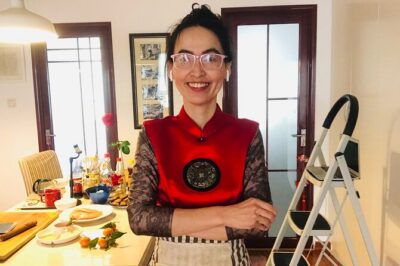
Online Cooking Class Beijing Dumplings and Cuisine by Sunflowerli Renowned Chef
Read our review →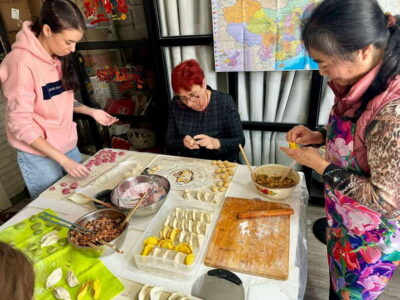
Private Cooking Class: Make Your Own Dim Sum In Shanghai
Read our review →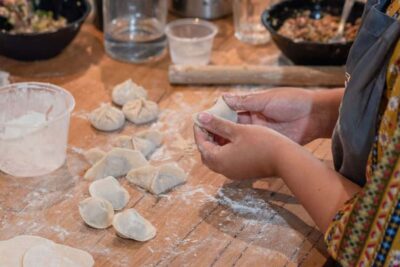
Melbourne: Chinese Dumpling Cooking Class with a Drink
Read our review →Lists this class appears in