
REVIEW · CUSCO REGION, PERU
Cusco: Peruvian Cooking Class & Market Tour
Peru’s best lessons may happen over lunch. This four-hour Cusco experience pairs a walk through San Pedro Market with a hands-on class led by an expert chef. I like the close look at local fruits and ingredients, and I like that you eat the dishes you prepare rather than watching a demonstration from the sidelines. The main consideration is that the market portion may last about 45 minutes to an hour, while extra alcoholic drinks cost more.
The class has a relaxed, social feel, with English and Spanish instruction and a choice of classic dishes. Chef Ronald receives especially strong praise for making the afternoon enjoyable. Still, this is a cooking lesson, not a full culinary school course, so you should book it for a friendly introduction to Peruvian food rather than advanced kitchen training.
Key points to know before booking
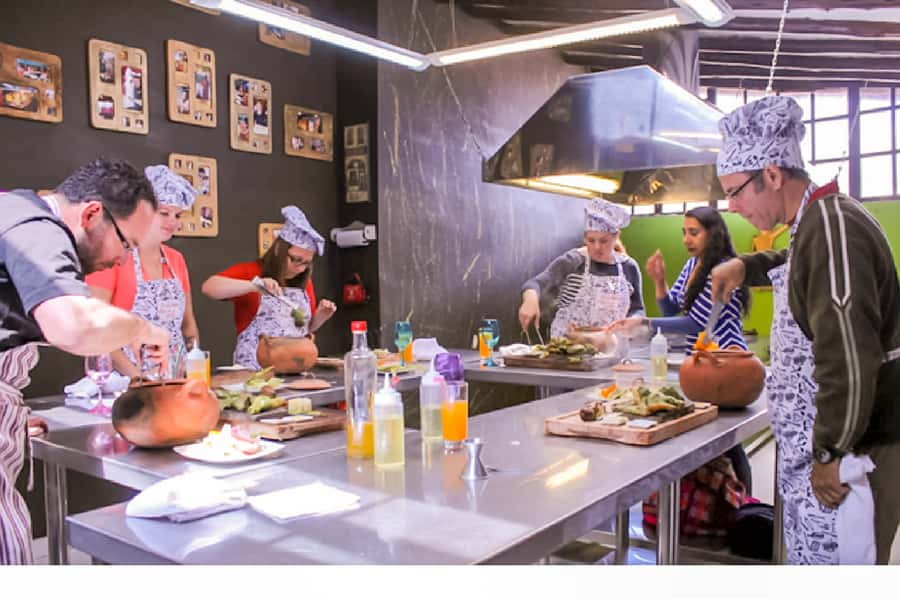
- San Pedro Market comes first: Spend roughly 45 to 60 minutes learning about the fruits and ingredients used in the class.
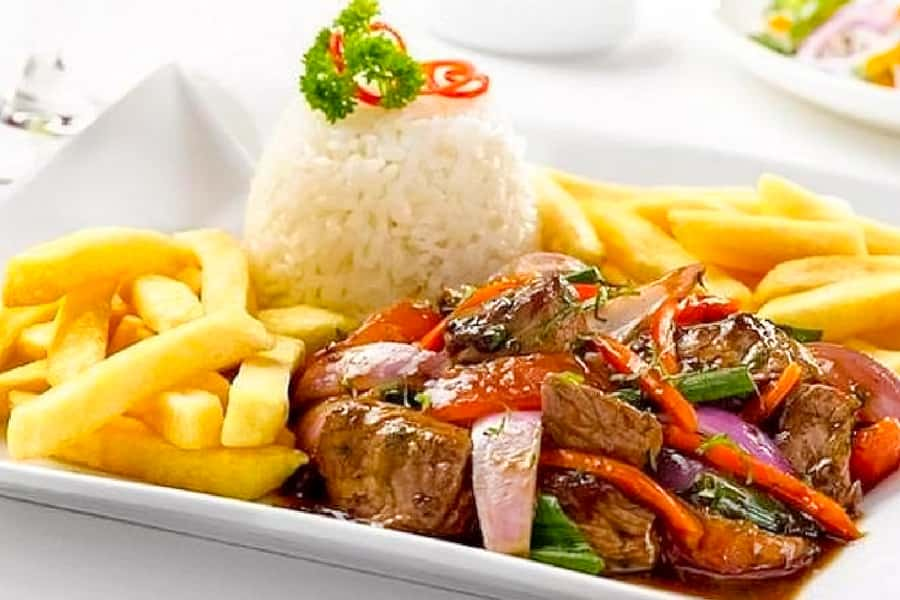
- You cook, then eat: The lesson includes a ceviche and Chilcano soup option, followed by Lomo Saltado or Ají de Gallina.
- Pisco gets its own introduction: Learn about pisco grapes, taste different qualities, and hear how Peru’s famous drink is used.
- Lunch is included: You eat the food prepared during the class, with extra orders and alcoholic drinks available at additional cost.
- Instruction is bilingual: The chef teaches in English and Spanish, with cooking equipment provided.
- The meeting point is simple: Meet at the fountain in the square, then return there when the experience ends.
Why this Cusco food class is worth your time
Cusco is full of grand sights, but food gives you a more ordinary and personal way to understand the region. This experience connects a local market with the kitchen table. You see ingredients in their everyday setting, learn what they are used for, and then turn them into lunch.
I especially like that the market walk is not treated as a separate sightseeing stop. It prepares you for the cooking lesson. When the chef later discusses fruit, peppers, fish, meat, or other ingredients, you have already seen some of them in the market.
At $65 per person, the price is fair if you value the combination of a guided market visit, a bilingual cooking class, equipment, lunch, and pisco instruction. A simple meal in Cusco would cost less, of course. The value comes from taking part in the preparation and getting context for the food.
The four-hour length also matters. You are not being rushed through a quick demonstration. At the same time, the experience is short enough to fit into a free morning or afternoon without taking over your whole day.
More Cooking Classes with a Market Tour in Peru:
- Cusco: Peruvian Cooking Class, Cocktails & Local Market Tour
★ 4.9 · 512 reviews - Cooking class and market tour with a local chef
★ 5.0 · 186 reviews - Market Tour, Tasting of 35 Fruits, and 4-Course Peruvian Cooking Class in Lima
★ 5.0 · 86 reviews
Starting at San Pedro Market
You begin at the water fountain in the square, then walk to San Pedro Market. The market visit lasts approximately 45 minutes according to the included details, though the wider description places it at about an hour. Plan on roughly that range rather than expecting a long guided market tour.
This is a useful opening because Peruvian cooking makes more sense when you see the raw materials first. The guide introduces local fruits and ingredients that will be used later. You get a chance to notice the colors, shapes, and names before encountering them in prepared dishes.
The market is also a good place to ask questions. If you do not recognize an ingredient, ask about its flavor and use. Since the class is bilingual, the guide can explain terms in English or Spanish. Bring a camera if you enjoy food photography, but stay focused on the explanations. The point is not simply to collect pictures of stalls.
The market can be an energetic public place, and it may feel less orderly than a cooking school. Wear comfortable clothes and shoes. Keep your belongings secure, as you would in any crowded market. Pets and smoking are not allowed during the activity.
One limitation is that you should not expect to shop for a complete meal here. The supplied details describe a guided introduction to ingredients, not a personal shopping session. The value is in seeing what you will use and learning how it fits into local cooking.
Returning to the kitchen for pisco
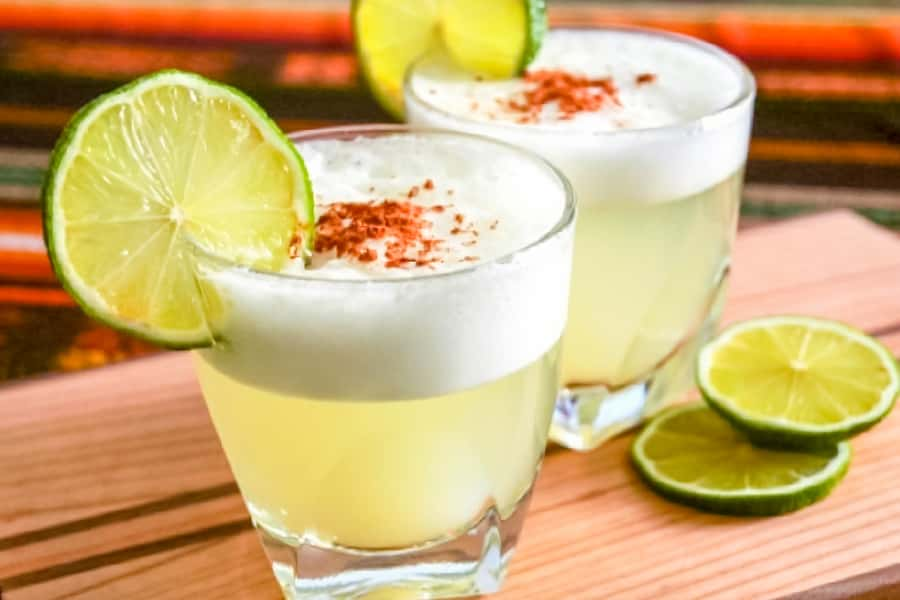
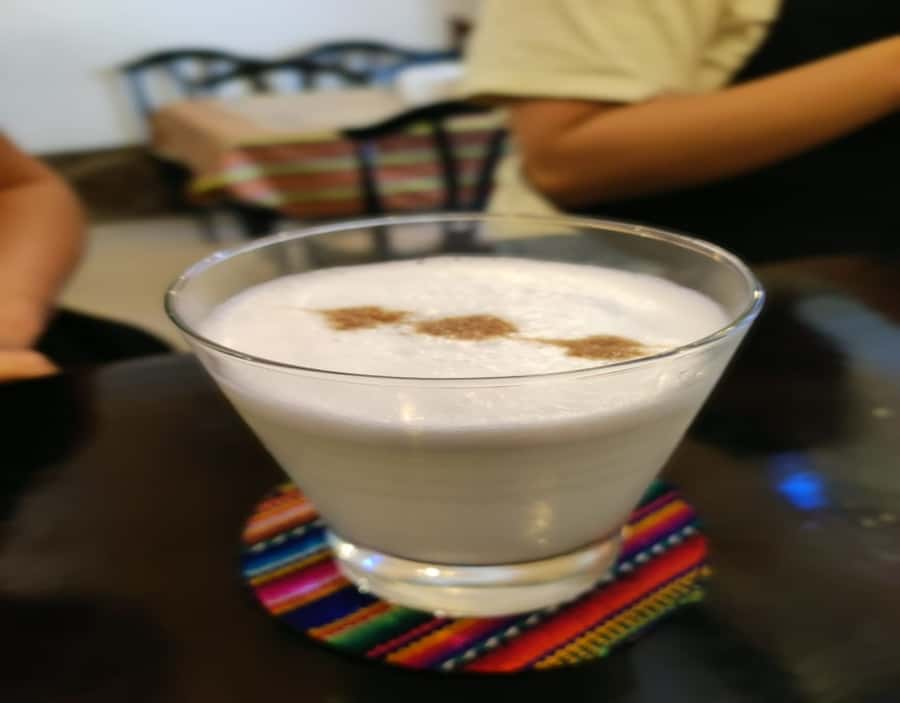
After the market walk, you return to the restaurant or cooking space. Before the cooking begins, the chef explains pisco, Peru’s best-known spirit. You learn about pisco grapes and the different qualities of pisco, followed by a tasting and a toast.
This part gives the class a useful cultural layer. Pisco is not just a drink added at the end of a meal. The lesson helps you connect the spirit to the grapes and to the preparation of a Pisco Sour. It is a pleasant way to shift from the market visit into the kitchen.
The information about drinks needs a little care. The experience description includes a pisco tasting and Pisco Sour discussion, while the conditions also state that alcoholic drinks are not included and can be purchased. Extra orders are not included either. If you want more than the tasting or included sample, ask the provider what carries an additional charge before ordering.
The pisco portion may be less suitable for anyone who does not drink alcohol. You can still take part in the food lesson, but the drink presentation is a defined part of the experience. The activity also does not permit smoking.
Choosing between ceviche, Chilcano soup, Lomo Saltado, and Ají de Gallina
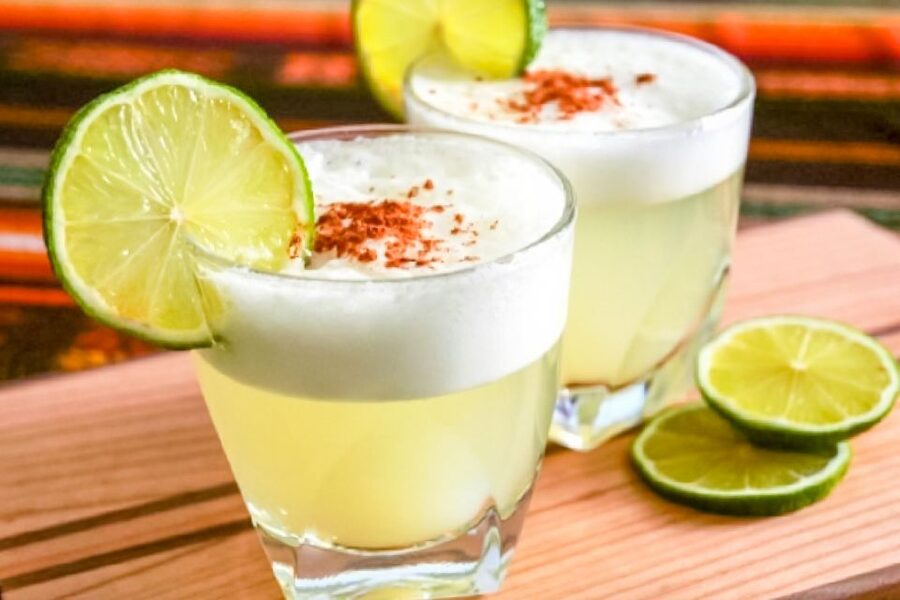
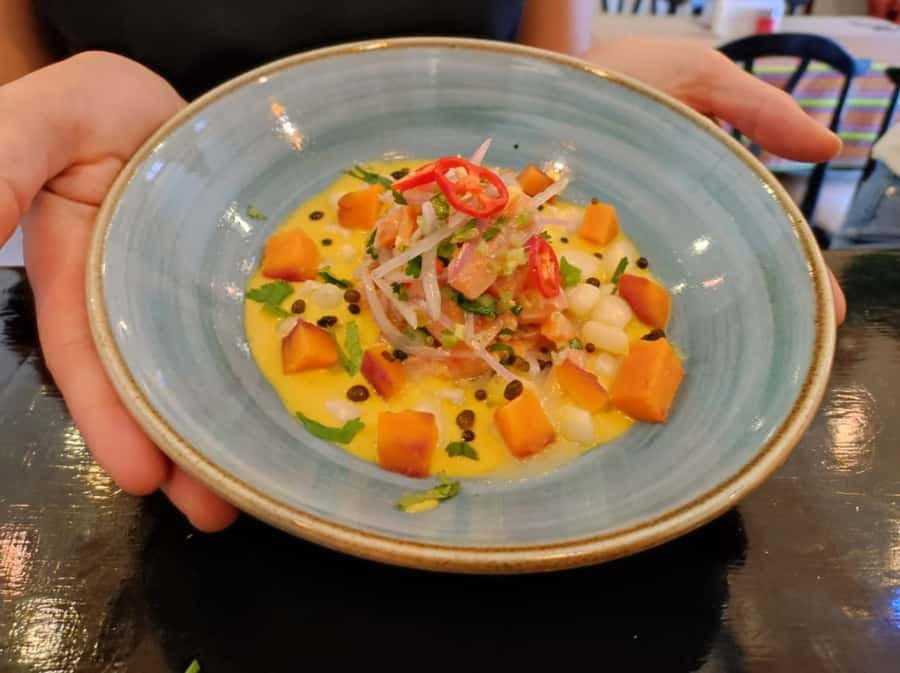
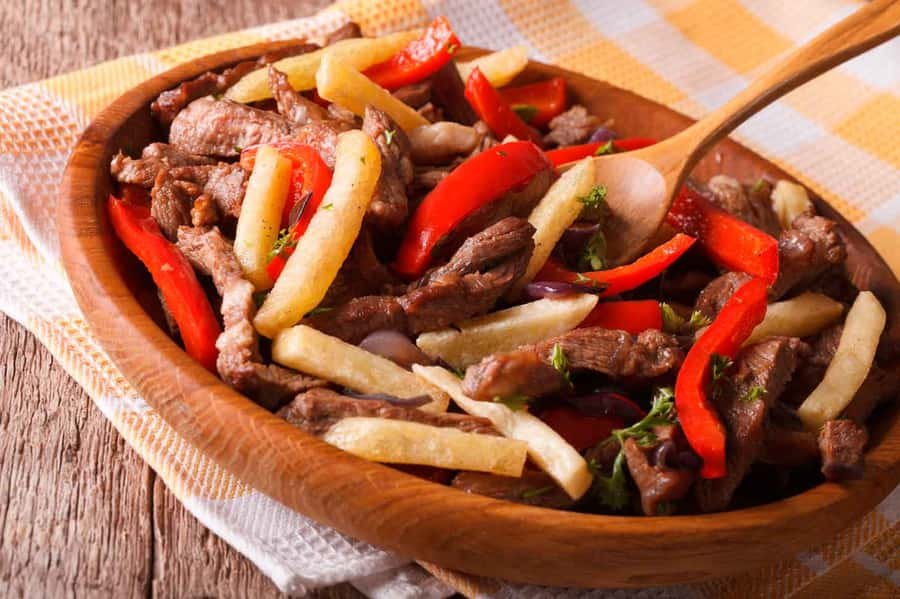
The cooking class focuses on well-known Peruvian dishes. The appetizer choices include ceviche and Chilcano soup. For the main course, you choose between Lomo Saltado and Ají de Gallina.
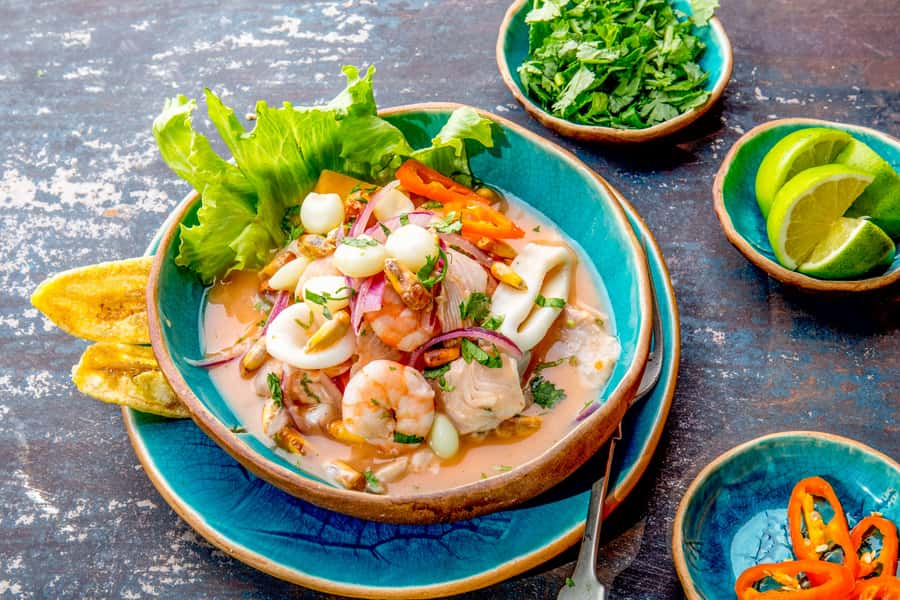
Ceviche is a natural choice for a Peruvian cooking class. The dish lets you learn how fresh ingredients come together in a preparation that depends on balance and timing. The supplied information does not specify the exact fish, seasoning, or preparation method, so you should not expect a fixed recipe in advance. The chef will explain the version used during your class.
Chilcano soup offers a different direction. It gives you a warm soup option instead of a cold seafood preparation. The class therefore allows some choice in style, which is helpful if one dish does not appeal to you.
Lomo Saltado is a hearty main course option, while Ají de Gallina provides another traditional Peruvian choice. The details do not state whether every participant makes the same dish or whether the class divides into groups. Ask the chef at the beginning if you want to know how the choices work.
I like the menu because it gives you a broad introduction without trying to cover too much. You get an appetizer and a main course, rather than a long list of recipes that you barely touch. The tradeoff is that you will not learn every major Peruvian dish in one afternoon.
The class is described as informative and entertaining, with an expert chef leading the work. Cooking equipment is provided, so you do not need to bring special tools. Comfortable clothing is recommended, which is sensible for a hands-on lesson.
A few more cooking classes around Peru worth a look
- #1 Rated Cooking Classes with Local Market Tour & Pickup
★ 5.0 · 69 reviews - Miraflores: Amazing Peruvian Cooking Class Ceviche Seafood and Pisco Sour
★ 4.9 · 57 reviews - Cook with Maido’s creative chef and chef de cuisine
★ 5.0 · 53 reviews - Lima: Cooking Workshop and Water Circuit Tour
★ 5.0 · 16 reviews
A lunch you helped prepare
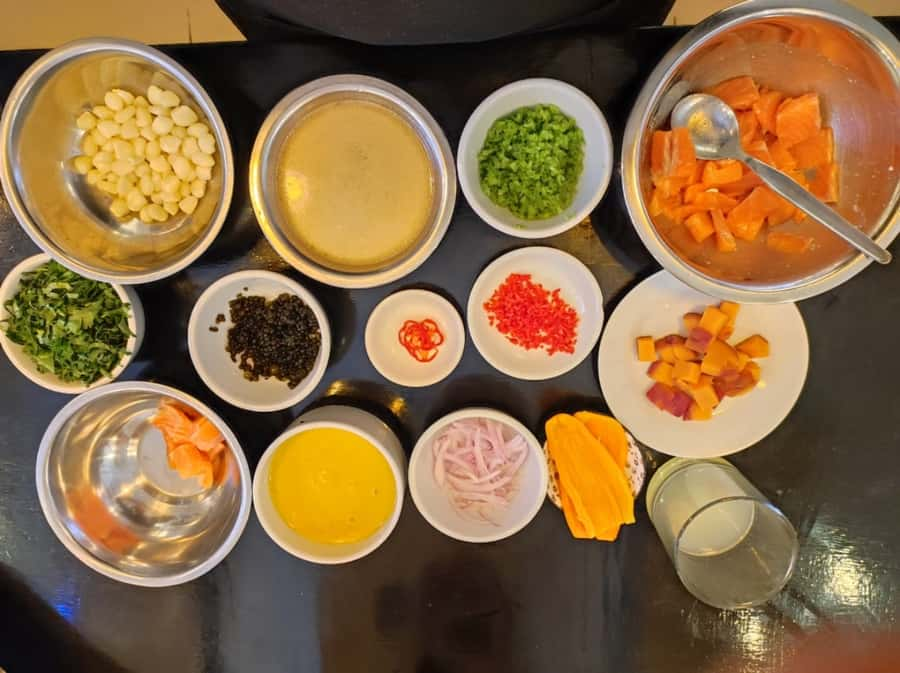
The best part of this experience is the meal at the end. You sit down to eat the dishes you prepared, turning the class into lunch rather than a stand-alone demonstration.
That small difference changes how you remember the food. You are not simply told that a sauce is fresh or a dish is balanced. You have watched the preparation and can connect the final plate with the work behind it.
The food has received particularly warm praise for being fresh and delicious. The cooking school is also described as well prepared, and the afternoon as pleasant and relaxed. Those details matter because a cooking class can become tiring if the pace is hurried or the kitchen is poorly organized.
You should keep your expectations realistic. This is a group food experience with a set menu, not a private chef’s table. The class aims to teach traditional Cusqueña cuisine in an accessible way. It is a good fit if you want to cook, taste, and ask questions in the same session.
The meal includes the food you prepare. Extra orders are not included, and additional drinks may cost more. If you are hungry after the class, plan to treat any further food or drink as an added expense.
The role of the chef and the feel of the class
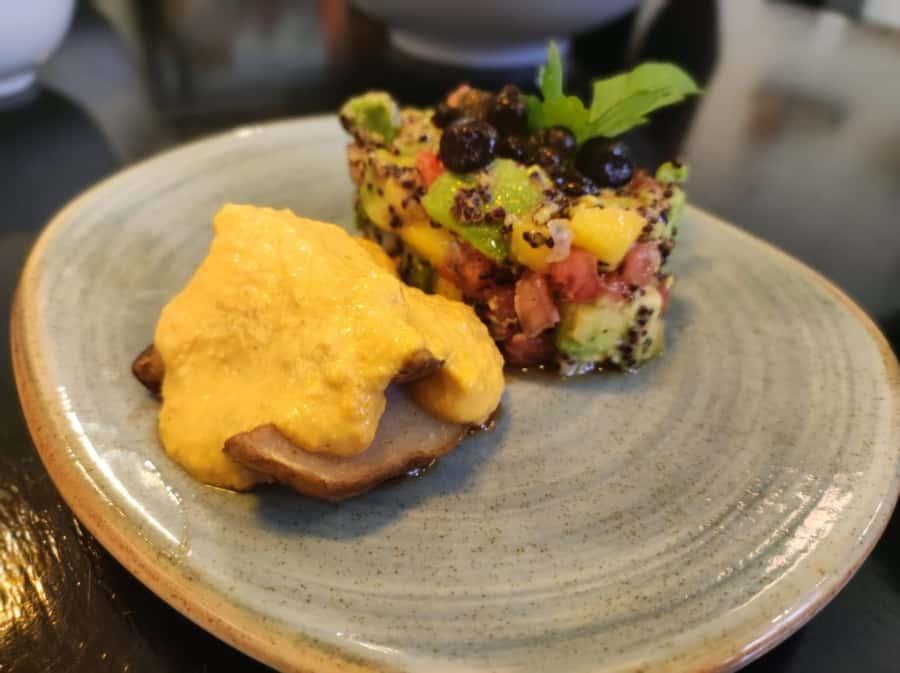
The chef is central to the experience. You are not just following a printed recipe. The class includes explanations of ingredients, pisco, and traditional Peruvian dishes, all delivered in English and Spanish.
Chef Ronald is specifically associated with very positive feedback, so his presence may be a welcome bonus. Since instructors can vary, I would not book solely on the expectation that he will lead your session. The stronger reason to book is the format: market, explanation, cooking, and lunch in one compact experience.
The class should suit curious beginners and people who enjoy food as a way to understand a place. You do not need to arrive with advanced cooking skills. The equipment is supplied, and the tone is intended to be informative and entertaining.
It may be less suitable if you want a quiet, highly private lesson or a technical course focused on knife skills and restaurant methods. The available details do not provide a group size or promise private instruction, so assume that you will share the experience with other participants.
The bilingual format is a useful advantage. English and Spanish instruction makes it easier to follow the chef and ask questions. If you speak some Spanish, you can also use the class as a relaxed setting to practice food vocabulary.
Timing, meeting point, and practical planning
The listed duration is four hours, while the full description places the activity at about three to four hours. Set aside the full four-hour window so you are not pressed for another appointment.
Starting times vary, so check availability before booking. Meet at the water fountain in the square, and the experience finishes back at the same meeting point. That makes the beginning and end easy to manage, especially if you are planning another activity afterward.
There is no stated transportation service. The information describes a walk through San Pedro Market and a return to the restaurant or cooking school, so you should plan to reach the meeting point on your own.
Wear comfortable clothes. A camera is welcome, particularly for the market portion, but food preparation is the main event. The activity is wheelchair accessible, which may help you decide if you need an accessible option. You should still confirm any specific mobility needs when booking, since the exact market route is not described.
Free cancellation is available up to 24 hours before the experience for a full refund. You can also reserve now and pay later, which is useful if your Cusco schedule is still changing.
Who should book this experience
I would recommend this class to you if you want three things in one outing: a short local market visit, a practical introduction to Peruvian cooking, and a sit-down lunch.
It is especially suitable for:
- First-time visitors who want more than restaurant meals
- Couples and families looking for a shared activity
- Food lovers curious about pisco and traditional Peruvian dishes
- Beginners who prefer learning by doing
- People who appreciate English and Spanish instruction
- Anyone with a free half-day in Cusco
You may want to skip it if you dislike group cooking, do not drink alcohol and have little interest in the pisco lesson, or prefer to spend your time on a longer market tour. The market visit is useful, but it is not the main event.
The class also makes sense after you have seen some of Cusco’s major sights. Food gives you a different view of the city, and the market stop adds a local setting without requiring a full day away from town.
Should you book the Cusco cooking class?
Book it if you want an approachable, hands-on introduction to Peruvian food at a reasonable $65 price. The combination of San Pedro Market, pisco education, bilingual teaching, prepared lunch, and supplied equipment gives you more than a standard meal.
Chef Ronald’s strong praise and the repeated emphasis on fresh food, good preparation, and a relaxed afternoon add confidence. Just clarify what alcohol is included, allow the full four hours, and remember that the market walk lasts less than the cooking and meal portion.
For a first taste of Cusqueña cuisine, this is a sensible choice. You leave with a meal in your stomach, a better sense of local ingredients, and recipes you can try to recreate at home.
FAQ
How long does the Cusco cooking class last?
The activity is listed as four hours, with the full description placing the experience at approximately three to four hours. Allow the full four-hour period when planning your day.
Where does the experience begin?
Meet at the water fountain in the square. The activity ends back at the same meeting point.
How long is the San Pedro Market visit?
The included details describe approximately 45 minutes, while the experience description says about one hour. Plan for a market walk in that range.
What dishes can I make?
The appetizer options include ceviche and Chilcano soup. The main course options are Lomo Saltado and Ají de Gallina.
Is lunch included?
Yes. Lunch consists of the dishes you prepare during the cooking class.
Are drinks included in the price?
The activity includes an introduction and tasting related to pisco, but alcoholic drinks are also listed as available for purchase and not included. Extra orders may cost more.
What languages does the chef speak?
The class is offered in English and Spanish.
Is the activity wheelchair accessible?
Yes, the activity is listed as wheelchair accessible.
Can I cancel for a refund?
Yes. You can cancel up to 24 hours in advance for a full refund. Reserve now and pay later is also available.
Just added around Peru
- Lima: Peruvian cooking class and tour of Surquillo market★ 5.0 · 2 reviews
- Lima: Market Tour and Cooking Class with Pisco Sour★ 5.0 · 3 reviews
- Lima: Cooking Workshop and Water Circuit Tour★ 5.0 · 16 reviews
- Lima: Market Tour, 35 Fruits Tasting & Cooking Class★ 5.0 · 3 reviews
- Lima: 4-Course Peruvian Cooking Class in Miraflores★ 5.0 · 4 reviews
- Lima : Cooking Class – A Peruvian Culinary exploration★ 5.0 · 2 reviews
- Lima: Demo Cooking Class with Lunch at Cala Restaurant★ 4.1 · 4 reviews
- Cusco: Peruvian Cooking Class★ 5.0 · 2 reviews
Cooking Classes with a Market Tour, compared.

Hanoi Cooking Class: Culture, Local Market & Meaning CSR Impact
Read our review →
5 Traditional Dishes Hanoi Cooking Class with Market Trip
Read our review →
Cooking Class and Lunch at a Tuscan Farmhouse with Local Market Tour from Florence
Read our review →
Cooking Class, Market & Thai Herbs Garden Tour
Read our review →
Authentic Cooking Class with Market & Farm Visit
Read our review →
Paella Cooking Experience & Boqueria Market Tour
Read our review →
Cooking Class Hoi An:Local Market, Basket Boat, Fishing & Cooking
Read our review →
Hoi An Cooking Class(Market,BasketBoat Crabfishing&Cooking Class)
Read our review →Lists this class appears in