
REVIEW · CUSCO REGION, PERU
Cooking class and market tour with a local chef
Cusco tastes best at market level. This four-hour cooking class pairs a walk through San Pedro Market with hands-on Peruvian cooking led by Cusco-born chef Ronal. I like the direct link between the market and the kitchen, where local fruits, cheeses, herbs, and other ingredients become lunch. I also like the flexibility: you choose your main dish and drink, and the chef can adjust recipes for allergies, vegetarian diets, and other food needs. The one drawback is value. At $57 per person, it costs more than a simple market visit or restaurant meal, and the package includes one cocktail rather than a second round.
The class is a good fit if you want more than a cooking demonstration. You chop, season, cook, and eat your own food, while Ronal adds practical advice about Cusco, Peruvian produce, and even altitude discomfort. Expect a friendly, social activity, though the market can be busy and people with altitude sickness, certain age limits, or mobility needs should check the restrictions before booking.
At a glance: what makes this Cusco class special
- San Pedro Market comes first: You explore local fruit, cheese, meat, herbs, and other produce before cooking with fresh ingredients.
- Chef Ronal leads the experience: He was born in Cusco and explains food alongside local customs and cultural details.
- You choose the main course: Pick lomo saltado or ceviche, with vegetarian adaptations available.
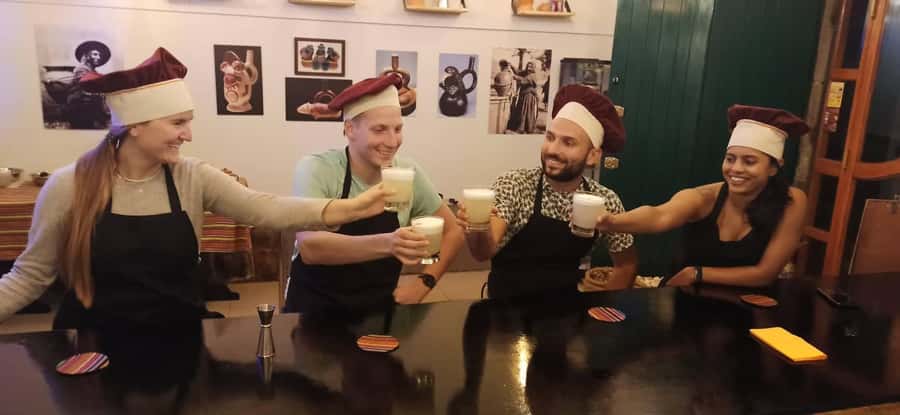
- The class includes a drink lesson: Make a classic pisco sour, passion fruit sour, or a nonalcoholic Peruvian fruit drink.
- The cooking is genuinely hands-on: You receive an apron, use kitchen equipment, and get help with cutting and preparation.
- The meal is substantial: The package includes a starter, main course, cocktail or nonalcoholic drink, water, and digestive teas if needed.
Starting on San Juan de Dios Street
The meeting point is at 264 San Juan de Dios Street, in front of the Aranwa Boutique Hotel. Look for a glass and wooden door across the street. There is no large sign, so the address matters more than a flashy storefront.
Transportation is not included. You will need to make your own way there, which is simple if you are staying in central Cusco, but allow time to find the unmarked entrance. The class lasts four hours, so it takes a meaningful part of your morning or afternoon. I would avoid placing it immediately before a train, flight, or tightly timed tour.
The activity is offered in English and Spanish. Chef Ronal is the main guide, and the class may include other participants. That group setup can work well for solo visitors, couples, and families who enjoy sharing a table with new people. At quieter times, the group may be very small. One morning class had only two participants, creating the feel of a private lesson.
More Cooking Classes with a Market Tour in Peru:
- Cusco: Peruvian Cooking Class, Cocktails & Local Market Tour
★ 4.9 · 512 reviews - Market Tour, Tasting of 35 Fruits, and 4-Course Peruvian Cooking Class in Lima
★ 5.0 · 86 reviews - #1 Rated Cooking Classes with Local Market Tour & Pickup
★ 5.0 · 69 reviews
San Pedro Market: start with ingredients, not recipes
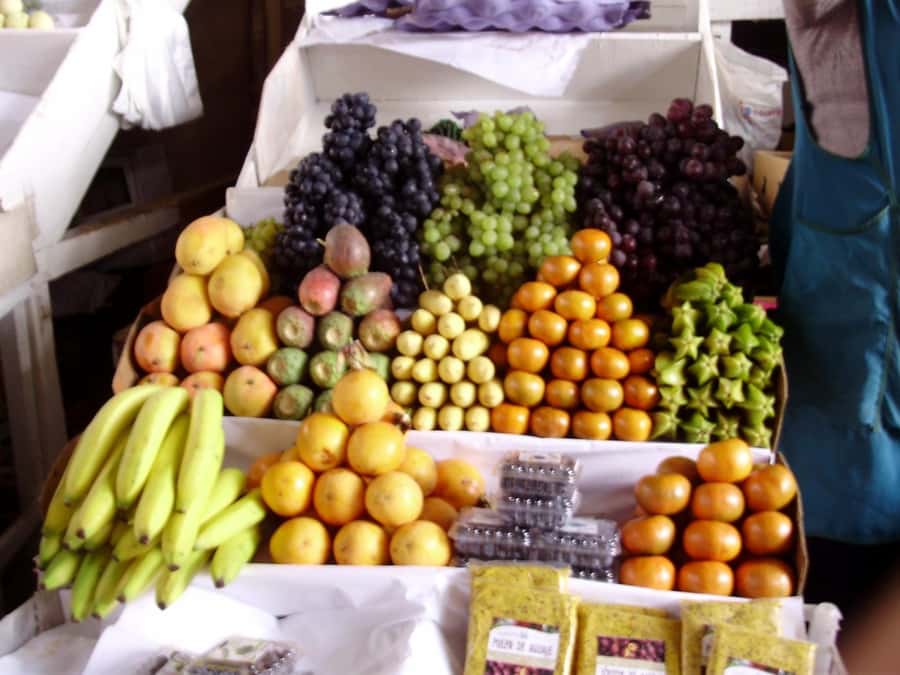
The market visit gives the class its local character. Instead of arriving at a kitchen with ingredients already measured, you first see the food in its everyday setting. You can expect to look at fruit, vegetables, meat, cheese, herbs, and other Peruvian products, with Ronal explaining what they are and how they fit into local cooking.
Fresh fruit tasting is one of the pleasant details. The fruit is selected for the class, and you may also taste local cheeses and bread. This turns an ordinary shopping stop into a useful introduction to Peruvian produce. You get a better sense of the ingredients before handling them at the stove.
The potato is an especially good topic in Peru. One class discussion highlighted the country’s thousands of potato varieties, a reminder that potato is not a single, boring side dish here. That kind of fact is more useful when you see the products in front of you rather than hearing it in a lecture.
The market is not a polished food hall. It is a working public market, and that is part of the point. You might find the sights, smells, and meat stalls a lot to take in, especially if you are sensitive to strong food displays. The activity also notes that meat from animals eaten by local people may be visible. If that would bother you, keep it in mind before booking.
The kitchen: practical, clean, and beginner-friendly
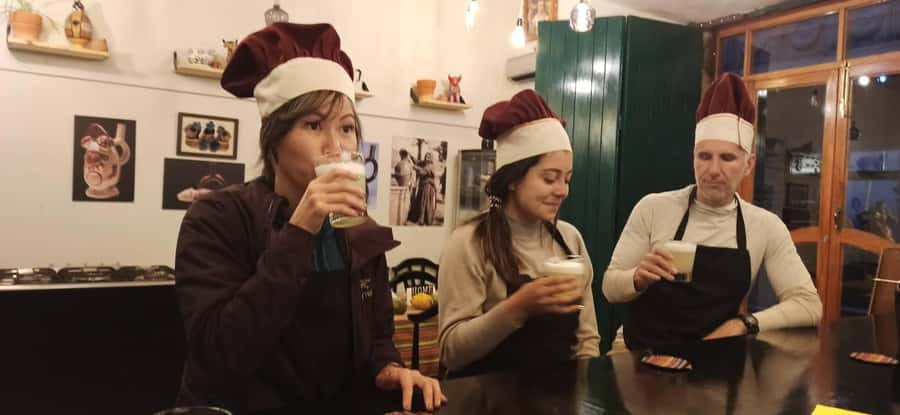
After the market, you return to the cooking workshop. Aprons, kitchen tools, bar equipment, and fresh ingredients are supplied. The venue has been praised for being clean and comfortable, which matters when several people are chopping and cooking in the same room.
You do not need advanced kitchen skills. The class includes guidance on basic cutting and preparation, and the chef helps when needed. Experienced home cooks can still pick up useful tips, especially around Peruvian seasoning, sauces, and the order in which ingredients are prepared.
The format is active rather than theatrical. You take part in the work, then sit down to eat what you have made. That makes the four-hour length feel justified, since the time includes the market, preparation, cooking, drinks, and meal.
The class menu has a set starter, then a choice of main course and drink. Choices are made before the cooking begins, which gives the chef time to plan dietary changes.
Starter course: rocoto relleno and causa rellena
The starter is the same for everyone, with the menu describing two Peruvian options: rocoto relleno and causa rellena. Confirm the exact starter arrangement when you book, since the supplied menu lists both dishes in the starter section.
Rocoto relleno is a stuffed chili prepared with meat, onions, peas, carrots, peanuts, and dried grapes. It is covered with local cheese and baked. The mix of savory filling, sweetness from the dried fruit, and heat from the chili gives you a useful introduction to the bold contrasts found in Peruvian food.
Causa rellena is built around potato mixed with yellow chili sauce. It is filled with avocado, fish tartare, mayonnaise, and spices. This dish shows how Peruvian potatoes can form the base of something cool, smooth, bright, and highly seasoned.
Dietary needs can be discussed before cooking. Vegetarian versions are available, and the chef has adapted dishes for allergies, food intolerances, dairy-free diets, and other restrictions. Still, tell the provider clearly in advance. Flexibility works best when the kitchen knows what you need before the class begins.
A few more cooking classes around Peru worth a look
- Miraflores: Amazing Peruvian Cooking Class Ceviche Seafood and Pisco Sour
★ 4.9 · 57 reviews - Cook with Maido’s creative chef and chef de cuisine
★ 5.0 · 53 reviews - Cusco: Peruvian Cooking Class & Market Tour
★ 4.9 · 19 reviews - Lima: Cooking Workshop and Water Circuit Tour
★ 5.0 · 16 reviews
Choosing between lomo saltado and ceviche
For the main course, you choose between two well-known Peruvian dishes.
Lomo saltado combines beef tenderloin with rice, onions, tomatoes, soy sauce, oyster sauce, vinegar, and native potato fries. It is a hearty option and a good choice if you want a hot meal with familiar ingredients and a strong savory sauce.
The cooking process also teaches how the dish balances meat, vegetables, sauce, rice, and fries. It is the sort of recipe that can be repeated at home, provided you can find the right ingredients. One useful feature is that recipes are sent by email after the class, so the lesson does not end when you leave Cusco.
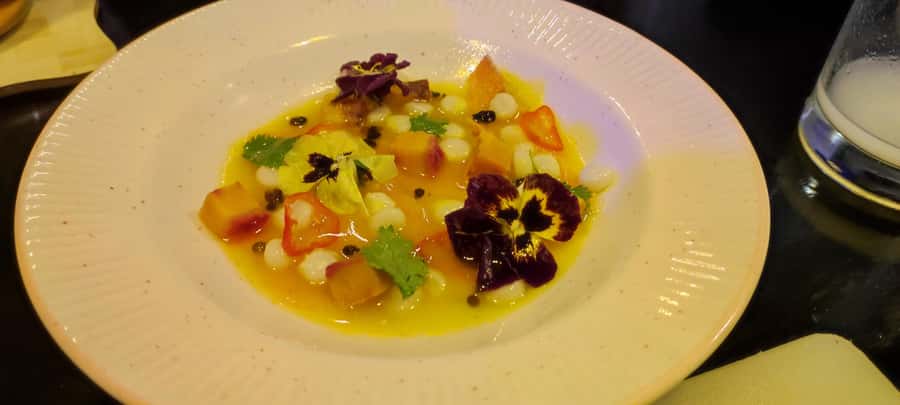
Ceviche uses trout, mango, avocado, lime juice, onions, celery, ginger, corn, and sweet potato. This version is not limited to the usual fish-and-lime combination. The fruit and vegetables add different textures and flavors, while the trout gives it a local highland connection.
If you are unsure, choose based on your appetite and comfort with raw fish. Lomo saltado is warmer and more filling. Ceviche is lighter, sharper, and more dependent on how much you enjoy citrus and fresh fish. Vegetarian alternatives can be arranged, but ask which ingredients will replace the meat or fish before the class begins.
Pisco, passion fruit, or a nonalcoholic drink
The drink portion introduces pisco, Peru’s grape-based national spirit. You can choose a classic pisco sour made with lime, syrup, and egg white, or a passion fruit sour using fresh passion fruit juice. The class also offers a nonalcoholic drink made with Peruvian fruit and honey.
Making the drink yourself adds a small bar lesson to the cooking class. It also gives you a chance to try a classic Peruvian cocktail without ordering it in a restaurant. The pisco sour is a favorite part of the meal for many participants.
One practical point: only one cocktail is included. At this price, some people may wish for a second drink, but the package already covers the class, market visit, ingredients, food, equipment, water, and one drink. If you want a longer cocktail session, this is not the right activity. If you want one well-made drink with lunch, it is enough.
Alcohol and drugs are not allowed beyond the included cocktail experience, and you can choose the alcohol-free option.
What Chef Ronal adds beyond the recipes
Chef Ronal’s role is more than showing you how to follow instructions. He grew up in Cusco and connects ingredients with local life, food traditions, and the city’s culture. His explanations include market customs, fruit, cooking methods, and practical kitchen advice.
His teaching style suits beginners. He explains how to cut ingredients, checks the food as it cooks, and answers questions without making the class feel formal. At the same time, experienced cooks can ask about seasoning, substitutions, and technique.
The class also includes practical support for Cusco’s altitude. Natural medicine for altitude discomfort and digestive teas may be offered if needed. This does not replace medical care, and the activity is not suitable for people currently suffering from altitude sickness. Still, it is a thoughtful touch during the first days of a high-altitude visit.
The cultural side is strongest when it grows out of the food. Learning why an ingredient matters, seeing it in the market, and then using it in a dish gives you something you can remember and repeat. I would book this early in a Cusco stay if you want food ideas for the rest of your visit. One participant specifically wished they had taken the class sooner so they could have ordered more local dishes afterward.
Is $57 a fair price?
At $57, this is not a bargain lunch. You can eat cheaply in Cusco, and a market visit alone costs little. The value comes from the complete package: four hours, a guided market walk, fresh ingredients, professional instruction, kitchen and bar equipment, an apron, a starter, a main course, water, and a drink.
I think the price is reasonable if you value participation and cultural context. You are paying for a lesson you can use at home, not just for the meal in front of you. The emailed recipes add practical value, especially if you want to recreate ceviche, lomo saltado, or the drink after returning home.
The value is weaker if you mainly want to eat. You will spend time chopping, waiting for food to cook, and moving through the market. That is the pleasure for some people and the inconvenience for others.
Who should book this experience?
I would recommend it to people who enjoy food, local markets, and relaxed group activities. It suits solo visitors because the shared cooking makes conversation easy. Couples can treat it as a hands-on date, and families with older children can enjoy it as long as everyone is comfortable using kitchen tools. A family with children aged 11 and 13 had a good experience, while the official restrictions exclude very young children.
It is also a good option for vegetarians and people with food allergies, provided you explain your needs ahead of time. The kitchen has a record of adapting meals rather than leaving someone with a token side dish.
I would skip it if you have active altitude sickness, dislike market meat displays, cannot comfortably take part in a kitchen, or want a quiet private meal. People over the stated weight limits and older than 70 should also check eligibility before paying.
Bring a clear idea of your dietary needs, arrive with enough time to find the door, and expect a real cooking session rather than a passive show. Comfortable clothes and attention around knives and hot equipment are sensible, though no special gear is required.
Should you book the Cusco cooking class?
Yes, if you want to understand Peruvian food by handling it, tasting it, and hearing where it comes from. The San Pedro Market visit gives the class a strong local base, while Chef Ronal’s warm teaching and practical advice keep the kitchen portion approachable.
I would book it early in your Cusco stay, especially if you want restaurant recommendations and new ingredients to try during the rest of your trip. At $57, it is best seen as a half-day food and culture lesson with lunch included. That makes it a solid choice for curious eaters, but less appealing for anyone seeking the cheapest possible meal.
FAQ
Where does the cooking class meet?
The meeting point is at 264 San Juan de Dios Street in Cusco, in front of the Aranwa Boutique Hotel. Look for a glass and wooden door across the street with no advertising.
How long does the experience last?
The activity lasts four hours, including the market visit, cooking workshop, drink preparation, and meal.
Is transportation included?
No. You must arrange your own transportation to and from the meeting point.
Which languages are available?
The experience is offered in English and Spanish.
What food can I prepare?
The menu includes rocoto relleno and causa rellena as starter options, plus a choice of lomo saltado or ceviche for the main course. The exact starter arrangement should be confirmed when choosing your dishes.
Which drinks can I make?
You can choose a classic pisco sour, a passion fruit sour, or a nonalcoholic drink made with Peruvian fruit and honey.
Can the class accommodate dietary restrictions?
Yes. Vegetarian options are available, and the chef can adapt the food for allergies, intolerances, and other dietary needs. Share your requirements before the class begins.
Is the activity suitable for children?
The activity is not suitable for children under the listed age restrictions, including very young children and babies. Families with older children have taken part successfully.
Can I cancel or pay later?
You can cancel up to 24 hours in advance for a full refund. Reserve now and pay later is also available, allowing you to keep your plans flexible.
Just added around Peru
- Lima: Peruvian cooking class and tour of Surquillo market★ 5.0 · 2 reviews
- Lima: Market Tour and Cooking Class with Pisco Sour★ 5.0 · 3 reviews
- Lima: Cooking Workshop and Water Circuit Tour★ 5.0 · 16 reviews
- Lima: Market Tour, 35 Fruits Tasting & Cooking Class★ 5.0 · 3 reviews
- Lima: 4-Course Peruvian Cooking Class in Miraflores★ 5.0 · 4 reviews
- Lima : Cooking Class – A Peruvian Culinary exploration★ 5.0 · 2 reviews
- Lima: Demo Cooking Class with Lunch at Cala Restaurant★ 4.1 · 4 reviews
- Cusco: Peruvian Cooking Class★ 5.0 · 2 reviews
Cooking Classes with a Market Tour, compared.
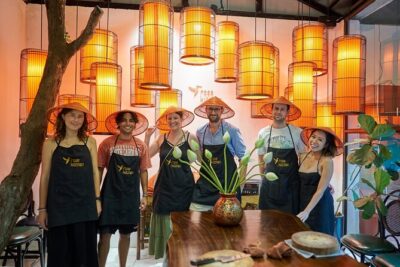
Hanoi Cooking Class: Culture, Local Market & Meaning CSR Impact
Read our review →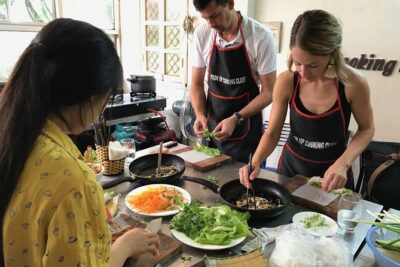
5 Traditional Dishes Hanoi Cooking Class with Market Trip
Read our review →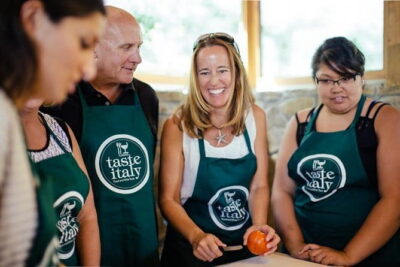
Cooking Class and Lunch at a Tuscan Farmhouse with Local Market Tour from Florence
Read our review →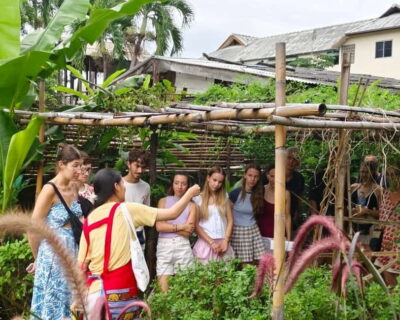
Cooking Class, Market & Thai Herbs Garden Tour
Read our review →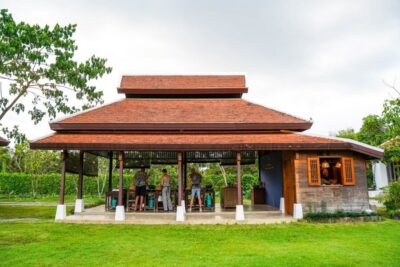
Authentic Cooking Class with Market & Farm Visit
Read our review →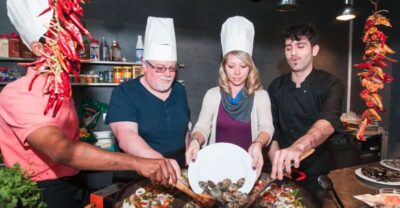
Paella Cooking Experience & Boqueria Market Tour
Read our review →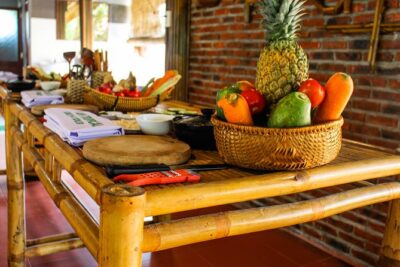
Cooking Class Hoi An:Local Market, Basket Boat, Fishing & Cooking
Read our review →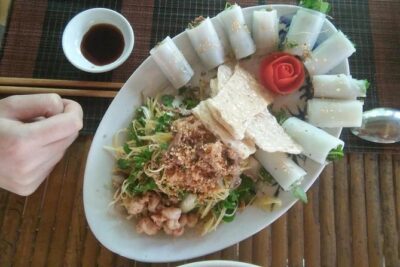
Hoi An Cooking Class(Market,BasketBoat Crabfishing&Cooking Class)
Read our review →Lists this class appears in