
REVIEW · RABAT-SALé-KéNITRA, MOROCCO
Rabat: Authentic Moroccan Cooking Class with Expert Chefs
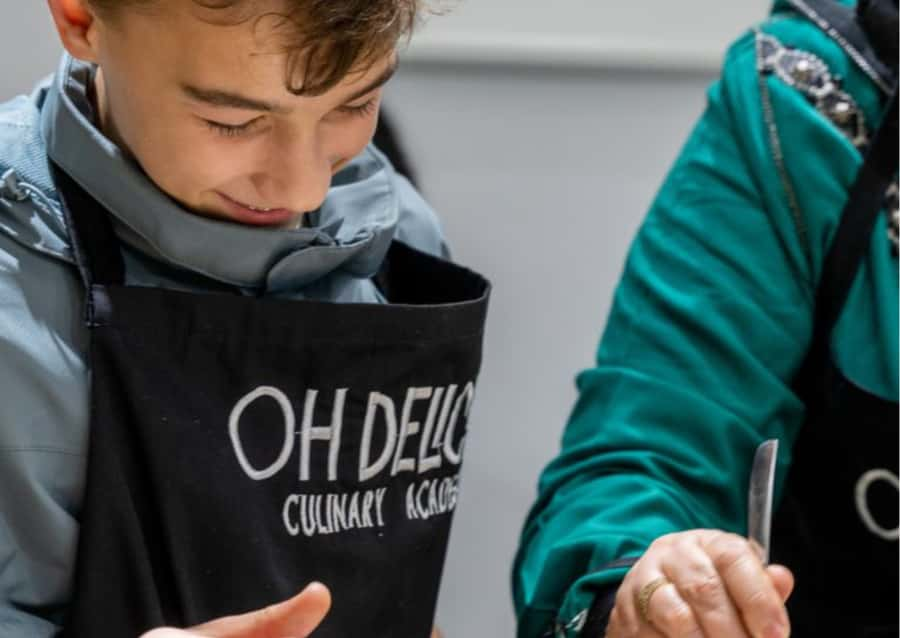
Moroccan food makes more sense at the stove. This three-hour class at OhDelices Culinary Academy gives you a practical way to understand the spices, breads, tagines, and sweets that shape everyday Moroccan cooking. You do not simply sit down to eat a finished dish. You help make a full meal, then enjoy it with mint tea and conversation.
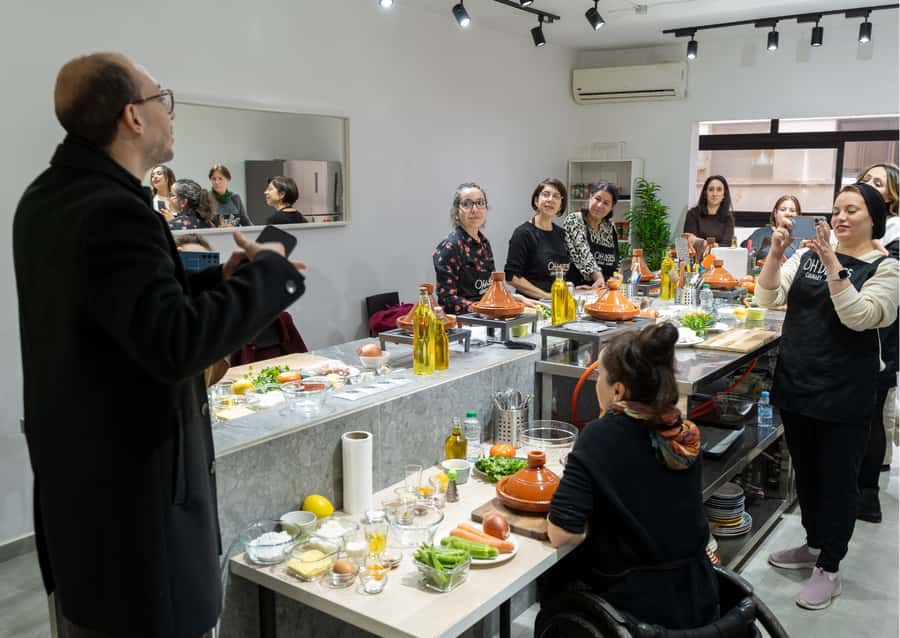
I like the small maximum of 10 people, which leaves room for questions and hands-on help. I also like the access to ingredients you may not handle elsewhere, including fermented butter and preserved lemon used in a lemon chicken tagine. The main consideration is that translation may be part of the lesson, since the chef may speak French while an assistant explains in English. One participant also noted that the cooking smells can cling to your clothes, so wear something casual.
Key points at a glance
- Three hours at the stove: You prepare food from starter through dessert, rather than watching a short demonstration.
- Traditional Moroccan ingredients: Fermented butter, preserved lemon, local spices, and seasonal produce help explain the real flavor of the dishes.
- Small class size: Groups are limited to 10 people, with recent classes sometimes running with only five participants.
- Chefs and translators work together: Instructors may speak Arabic or French, with English support available through a translator.
- A complete meal is included: Sit down afterward to eat what you made, with Moroccan mint tea and stories.
- Recipes go home with you: The class gives you a way to repeat the dishes after your trip.
What your three hours in the Rabat kitchen look like
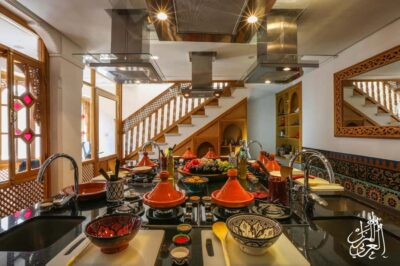
The class takes place at OhDelices Culinary Academy in Rabat, in the Rabat-Salé-Kénitra region. The building is next to the Goethe Center building, a useful landmark when you are finding the studio.
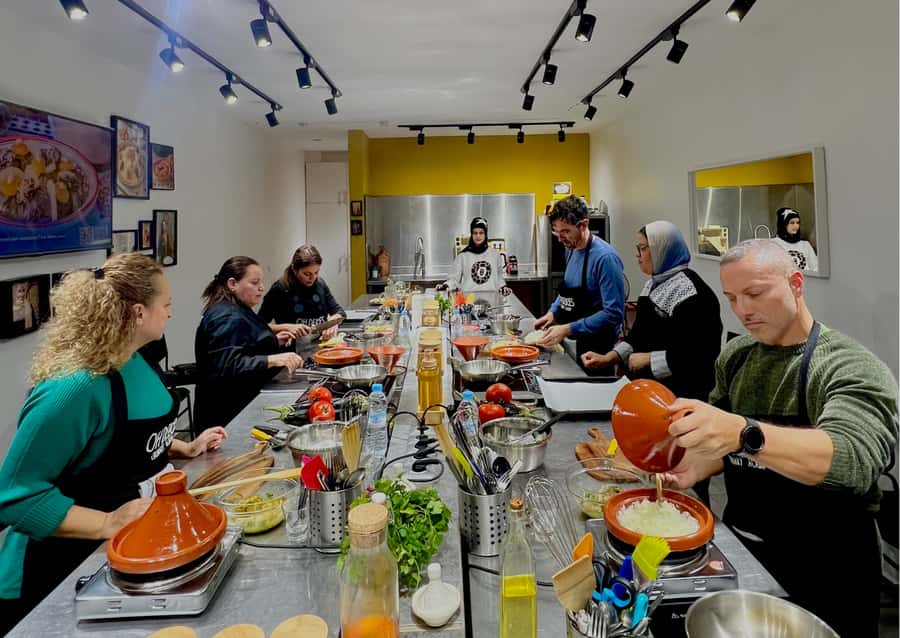
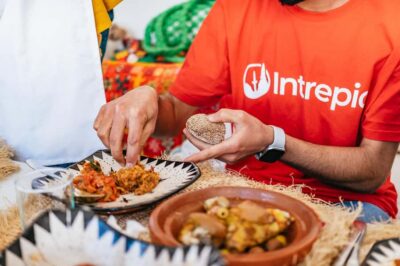
The format is built around making a complete traditional meal. You may work on an appetizer, a main dish, bread, and dessert during the same session. The exact dishes can change based on the group. Before cooking, you can share what you would most like to prepare, though the final menu may be adjusted for the class as a whole.
That flexibility is useful. If you have your heart set on one particular dish, mention it early and understand that it is not a private lesson with a fixed menu. One participant specifically requested preferred dishes and received them, but the class plan can still shift according to the other people attending.
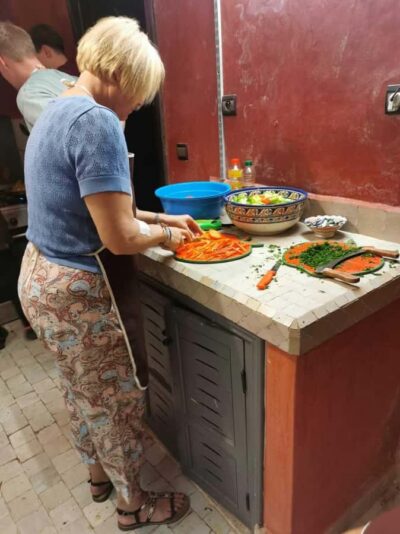
You should expect to chop, mix, shape, season, and watch the food as it cooks. The aim is not just to follow a recipe. The chefs explain how Moroccan flavors are built, including the role of spices and the balance between savory, sweet, sour, and aromatic notes.
At the end, you sit down to eat the meal prepared by the group. This final meal matters. It gives you a chance to taste the result while it is fresh, ask last questions, and enjoy Moroccan tea without rushing straight back into sightseeing.
More Moroccan Cooking Classes in Morocco:
- Marrakech: Moroccan Cooking Class with Pickup
★ 4.6 · 1,862 reviews - Marrakech: Traditional Moroccan Cooking Class & Market Visit
★ 4.8 · 1,861 reviews - Marrakesh: Moroccan Dishes Cooking Class with a Local Chef
★ 5.0 · 1,615 reviews
Tagine, pastilla, and the lessons behind the spices
Tagine is likely to be one of the most useful dishes to learn because it is both iconic and practical at home. The class can include different versions, such as lemon chicken tagine or beef tagine. You learn more than the name of a spice blend. You see how ingredients such as preserved lemon and fermented butter affect the finished dish.
Preserved lemon is especially important. It has a stronger, rounder flavor than fresh lemon and is often used in Moroccan cooking with restraint. Handling it in class helps you understand why the dish tastes different from a basic chicken stew with lemon juice added at the end.
Fermented butter is another ingredient worth noting. It is not the sort of item every visitor will encounter during a standard meal, and its flavor gives the cooking lesson a more local feel. If you enjoy food culture, this kind of detail is part of the value.
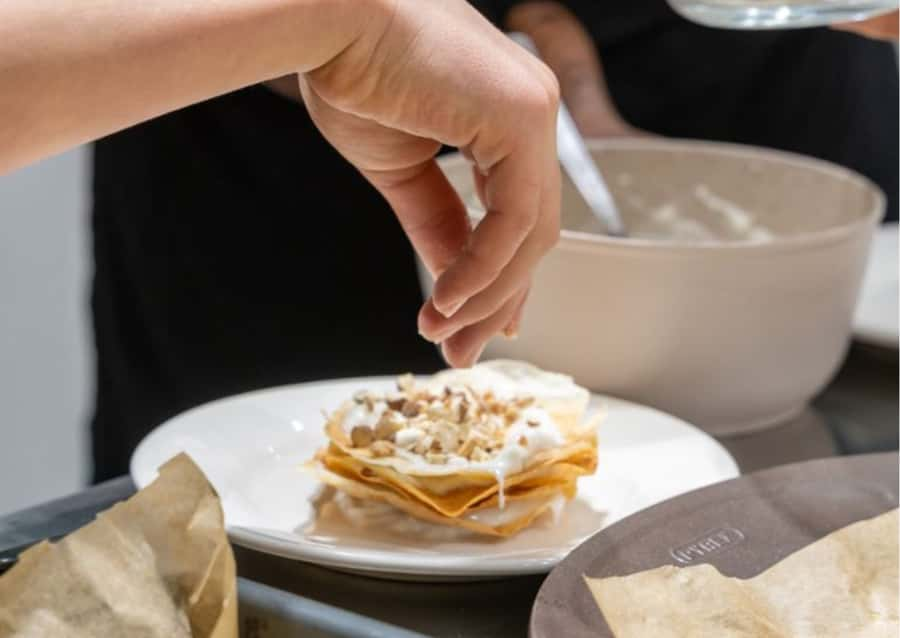
Pastilla brings a different lesson. This traditional pastry combines crisp layers with a carefully seasoned filling, and it requires attention to texture as well as flavor. Sweet Moroccan pastries offer another change of pace, showing how spices and nuts can work in dessert rather than only in savory food.
The menu may not include every named dish in one class. Tagine, couscous, msemen, pastilla, breads, and desserts are all part of the cooking program, but the actual selection depends on the session. Ask about the day’s dishes if you need to plan around a specific recipe.
Msemen and Moroccan bread: useful skills, not just decoration
Bread making is one of the hands-on parts of the class that can be harder to understand from a restaurant table. Msemen requires attention to dough, folding, and shaping. You get a better feel for the technique when someone can correct your movements instead of leaving you to guess from a printed recipe.
Traditional breads also help you understand how a Moroccan meal works. Bread is not merely an extra on the side. It can be part of the way you scoop, share, and enjoy a dish. Learning to make it connects the cooking lesson to the way food is eaten at home.
Do not worry if your first attempt looks less polished than the chef’s. The class is designed for beginners as well as confident home cooks. The experienced chefs and Moroccan dadas provide guidance, and the atmosphere is described as relaxed and easy to follow.
I would wear clothing you can cook in without concern. Comfortable shoes are requested, and comfortable clothing is recommended. A long cooking session around spices, oil, dough, and sauces is not the place for your best outfit.
Expert instruction from Loubna, Najat, Hannane, and Fatimah
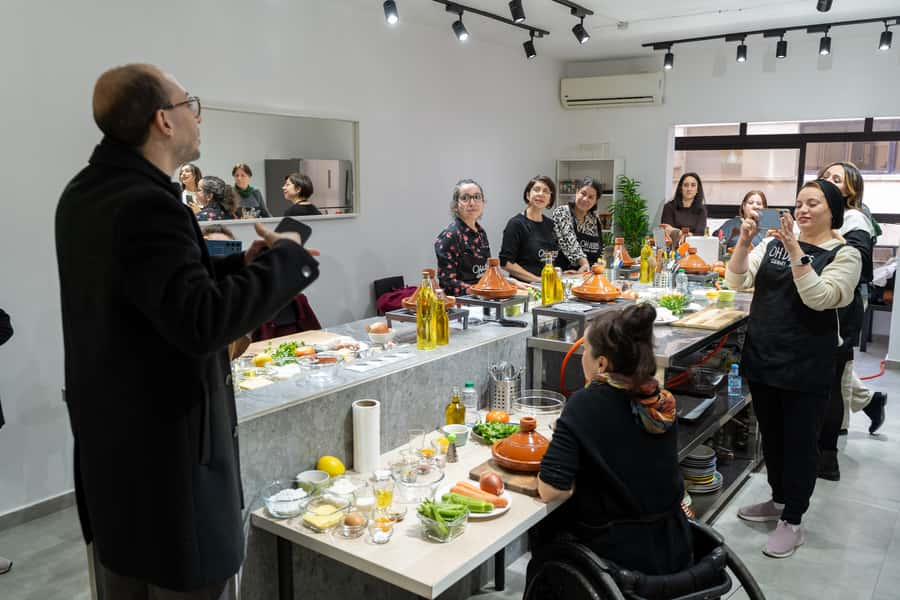
The teaching team can vary, but several names have been especially associated with the sessions: Chef Loubna, Chef Najat, Hannane, and Fatimah. Loubna is described as an accomplished Moroccan chef who teaches with warmth and enthusiasm. Najat led a class featuring eggplant starter, beef tagine, and a pastry dessert.
Hannane and Fatimah have also been praised for clear instruction and a relaxed setting. Fatimah may help keep the class moving, answer practical questions, and make the group feel at ease. The exact team on your date is not guaranteed, so think of these names as examples of the staff rather than a promise of a particular chef.
Language support is handled in a practical way. Classes are offered in Arabic, English, and French, and a translator can assist when the chef is speaking French. English speakers should be able to follow along, but you may hear the explanation first in French and then receive the English version.
That arrangement can add a few pauses to the lesson. It also means you should speak up if you miss a step. A cooking class moves quickly when dough is being shaped or ingredients are being added, so asking a question at once is better than trying to reconstruct the method later.
The teaching style appears to focus on useful tips for repeating the recipes at home. That is a stronger benefit than simply watching a chef perform. You leave with techniques, ingredient ideas, and written recipes rather than only a pleasant memory.
A few more cooking classes around Morocco worth a look
- Moroccan Cooking Class & Marrakech Market Visit with Chef Khmisa
★ 5.0 · 1,504 reviews - Half-Day Cooking Class with Local Chef Laila in Marrakech
★ 5.0 · 952 reviews - Marrakech: Moroccan Cooking Class with a Local Family
★ 4.9 · 668 reviews - Marrakech: Moroccan Cuisine Cooking Class in Local Home
★ 4.8 · 508 reviews
The full meal is where the class pays off
A $65 price tag is not cheap for a three-hour activity, but the value improves when you count what is included. You receive all ingredients, cooking equipment, professional guidance, a full meal, mint tea, and recipes to take home.
You are also paying for access to a working culinary setting and for instruction that can help you repeat the dishes. If you want only a quick taste of Moroccan food, a restaurant meal will cost less. If you want to learn how that food comes together, this class offers more substance.
The meal can include a starter, main course, and dessert. Past examples include eggplant as a starter, beef tagine as a main dish, and a pastry dessert. Another menu included lemon chicken tagine with preserved lemon. The food is meant to be eaten by the group after cooking, so you should arrive ready for a substantial meal.
The social side adds value, too. You cook alongside other people, compare results, and sit down together afterward. This works well for couples, families, solo visitors, and small groups that want a shared activity without committing to a full-day outing.
What could be better
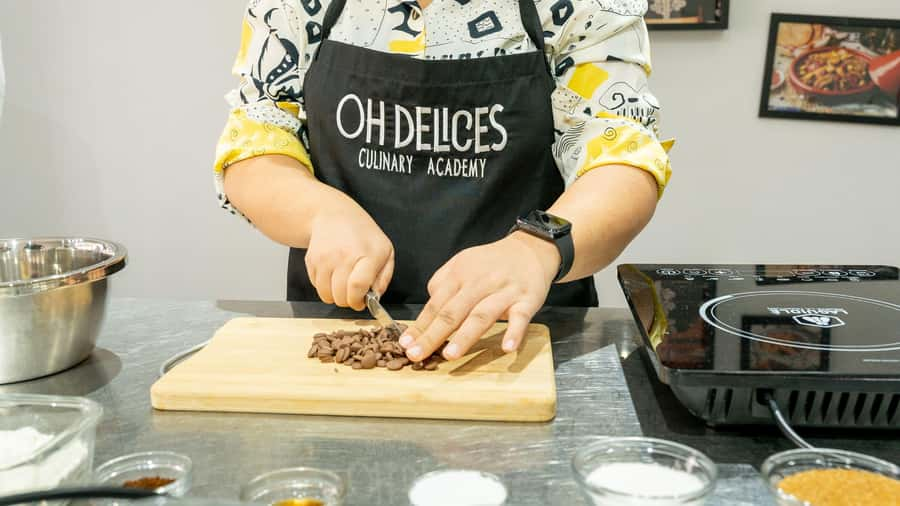
The class is strongly praised for its organization, food, instruction, and friendly atmosphere, but it is not without small tradeoffs.
First, the menu is not fully fixed. That gives the group flexibility, but it can disappoint you if you expect every advertised dish in one session. Ask about the planned recipes in advance and tell the academy about your preferences.
Second, English support may come through a translator rather than directly from the chef. The arrangement works, but a translated explanation can take longer and may feel less immediate than a class taught entirely in English.
Third, cooking smells can stay on your clothes. This is hardly a serious flaw, but one participant noticed spice odors remained until the end of the trip. If this is your first night in Rabat, avoid wearing clothes you plan to use for a special dinner afterward.
Finally, transportation is not included. You need to reach the culinary studio yourself, using the Goethe Center building as the nearby landmark. The class is wheelchair accessible, which is helpful, but you should still confirm the most convenient arrival arrangement when booking if you have specific mobility needs.
Who will enjoy this Rabat cooking class most
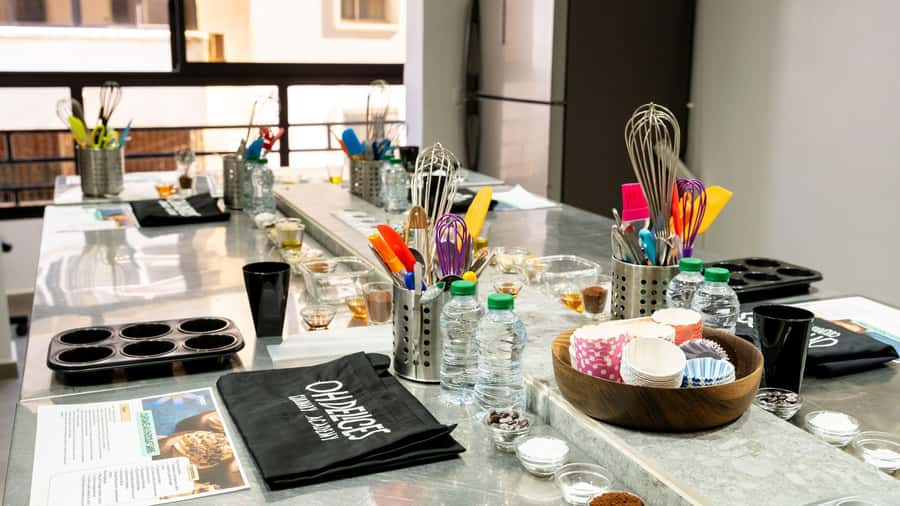
I would recommend this class to anyone who wants to do more than photograph a tagine. It suits beginners because the chefs guide each stage, and it suits experienced cooks because the ingredients and methods offer details you may not know.
It is particularly good for:
- Couples looking for a shared evening activity
- Families who want a hands-on cultural lesson
- Solo visitors hoping to meet people through food
- Home cooks interested in Moroccan spices and bread
- Anyone staying in Rabat for several days and wanting a break from standard sightseeing
It may be less suitable if you dislike group activities, have strong food restrictions that were not discussed in advance, or want a guaranteed private menu. Dietary restrictions and preferences should be shared before the class so the kitchen can advise you.
The small group limit helps, but small does not mean private. You will still cook according to a shared plan and may need to wait while another participant receives help. That is part of the social character of the class.
Practical advice before you book
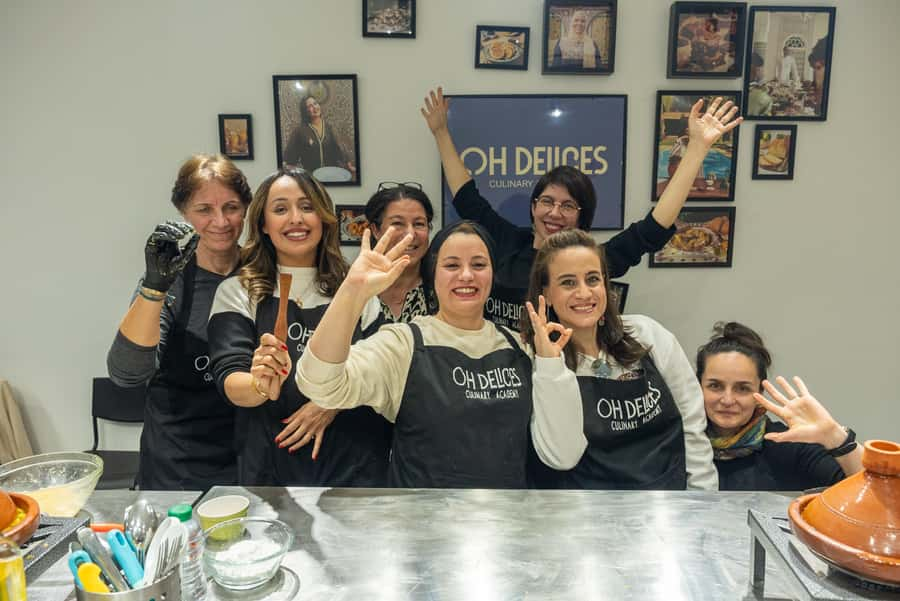
Choose comfortable shoes and clothes suitable for cooking. Do not bring weapons or sharp objects, and smoking, vaping, alcohol, and drugs are not allowed. Bare feet are also not permitted.
Plan for the full three hours. The class can feel longer than a quick demonstration because you are preparing several parts of a meal, but that time is the point. You get a chance to practice instead of simply watching.
Tell the academy about dietary restrictions before arrival. The menu may change for the group, and early notice gives the staff a fair chance to explain what can be adjusted.
The class offers free cancellation up to 24 hours in advance for a full refund, and you can reserve now and pay later. Those terms are useful if your Rabat schedule is still shifting, though you should check the current availability and starting time when you book.
Should you book the OhDelices class?
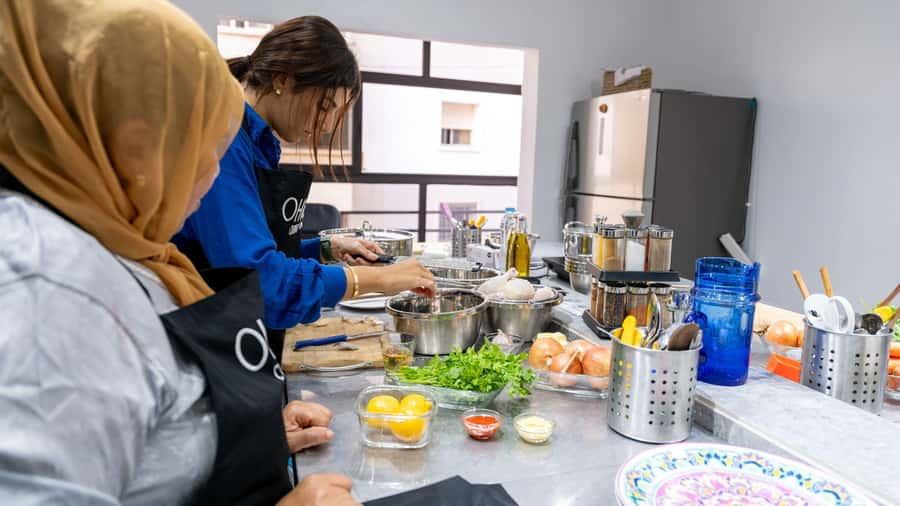
I would book it if you want a hands-on food lesson with a full meal, not just a tasting. The strongest reasons are the small group size, the patient support from chefs and translators, the chance to work with ingredients such as preserved lemon and fermented butter, and the recipes you can use at home.
At $65, it offers fair value when you take the meal, ingredients, tea, equipment, and instruction together. It is not the cheapest way to eat Moroccan food, but it is a better choice for learning why the food tastes the way it does.
Book with an open mind about the menu and language setup. Wear clothes that can absorb a little spice, tell the academy about dietary needs, and allow the whole three hours. If those conditions suit you, this is a warm, useful introduction to Moroccan cooking in Rabat.
FAQ
How long does the Rabat cooking class last?
The class lasts three hours, including the cooking session and the meal afterward.
What dishes can I learn to prepare?
The cooking program can include tagine, couscous, msemen, pastilla, traditional breads, Moroccan starters, and sweet desserts. The exact menu may change according to the group.
Is the class taught in English?
Classes are available in Arabic, English, and French. When needed, a translator assists with English explanations.
Is food and tea included?
Yes. Ingredients and equipment are included, along with a full meal after the class and Moroccan mint tea.
Is transportation included?
No. You must make your own way to the culinary studio. The building is next to the Goethe Center building.
Can I cancel the booking?
You can cancel up to 24 hours in advance for a full refund. Reserve now and pay later is also available.
Just added around Morocco
- Private Tagine Cooking Class in Chefchaouen with Lunch★ 5.0 · 5 reviews
- 3-Hour Cooking Class overlooking the Blue City★ 5.0 · 36 reviews
- Moroccan Cooking Class with a Local Family & Market Visit★ 5.0 · 16 reviews
- Chefchaouen Private Cooking Class with Mountain View★ 5.0 · 16 reviews
- Chefchaouen Cooking Class★ 5.0 · 4 reviews
- Private CousCous Cooking Class in a Traditional Family Home★ 5.0 · 7 reviews
- Traditional Cooking Courses in Casablanca★ 5.0 · 2 reviews
- Market Tour & Moroccan Cooking Class in Casablanca with Transfers★ 5.0 · 18 reviews
Moroccan Cooking Classes, compared.
Traditional Moroccan Cooking Class & Market Visit
Read our review →
Moroccan Dishes Cooking Class with a Local Chef
Read our review →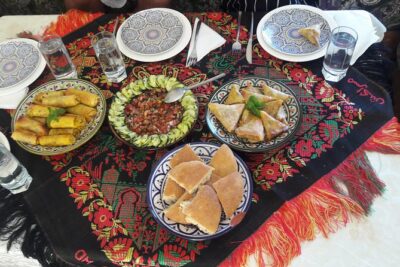
Moroccan Cooking Class & Marrakech Market Visit with Chef Khmisa
Read our review →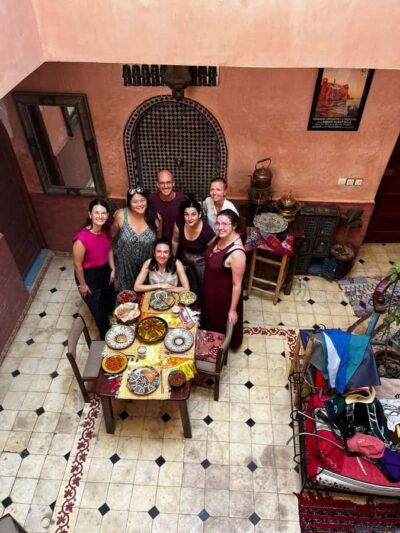
Lists this class appears in