
REVIEW · PASHCHIMANCHAL, WESTERN REGION, NEPAL
Pokhara: Nepali Cooking Class and Momo Making Workshop
Momos are Pokhara’s tastiest lesson. This three-hour class brings you into a local family kitchen, where an Aama chef teaches you to prepare momos or dal bhat from fresh ingredients, then sit down to eat what you made. I like the small group of up to eight, and I like that the experience includes hotel pickup, equipment, ingredients, masala tea, and the finished meal. The main consideration is food allergies: the activity is not suitable for people with food allergies, so you should discuss dietary needs before booking.
The family hospitality adds real warmth. The husband and wife are patient teachers, and children may join the cooking, too. A few special touches, including a printed certificate, Tika, and even a scarf for some participants, make the class feel personal rather than factory-made. The cooking space is in the Lakeside area, which is handy for a walk by Phewa Lake afterward, though you should wear practical clothes and shoes for kitchen work.
Key points at a glance
- Choose your main dish: Learn either dal bhat, Nepal’s everyday rice, lentil, and curry meal, or chicken and vegetarian momos.
- Cook with an Aama chef: Receive step-by-step help from a local house kitchen head in an English-language class.
- Keep the group small: A maximum of eight people makes it easier to get help with folding dumplings and handling spices.
- Start with local ingredients: The experience can include a market visit to select vegetables, meat, and spices for the meal.
- Eat what you prepare: The price includes a tasting session, masala tea, and a full meal of the dishes you cook.
- Enjoy thoughtful extras: Some participants receive a completion certificate, Tika, and a traditional scarf.
Why a Pokhara cooking class is worth your afternoon
Pokhara is often treated as a base for mountain walks, paragliding, and lakeside wandering. That is precisely why a cooking class can be a smart change of pace. You spend three hours doing something ordinary and local: choosing food, preparing it, sharing a kitchen, and eating together.
I like food classes that explain why a dish matters, not just how to copy it. Here, dal bhat gives you a look at the meal many people in Nepal rely on every day. Momos show another side of Nepali food, with careful dough work, filling, folding, steaming, and dipping sauce.
At $42 per person, this is not the cheapest meal you could buy in Pokhara. It is a reasonable price if you value instruction, transportation, ingredients, a private family setting, and a meal combined in one experience. You are paying for time with a local cooking family, not only for a plate of food.
The class is also a good choice when you want more contact with local life but do not want a long formal tour. The English-speaking instruction keeps the practical parts clear, and the limited group size should make the session more personal than a large demonstration.
A few more cooking classes around Nepal worth a look
- Half day cooking class in Thamel kathmandu
★ 5.0 · 607 reviews - Kathmandu: Local Women-Led Nepali Cooking & Momo Class
★ 4.9 · 360 reviews - Kathmandu: Local Lead Nepali Cooking & Momo-Making Class
★ 5.0 · 212 reviews
Hotel pickup makes the morning simple
Pickup and drop-off are included from your Pokhara hotel. You should provide the correct accommodation details and look for a driver holding a card with your name. This small detail matters in Pokhara, where hotel names and nearby streets can sometimes be confusing.
The pickup is useful if you are staying away from Lakeside. If your accommodation is farther out, the family can arrange a taxi return according to the information provided for the experience. Confirm the pickup time when you book, since the available starting times can vary.
There is no need to arrange a separate ride, shop for ingredients, or bring cooking equipment. That leaves you free to focus on the class. I would still keep your schedule reasonably open around the three-hour duration, since pickup and drop-off are part of the outing even though the formal cooking time is three hours.
Shopping for vegetables, spices, and meat
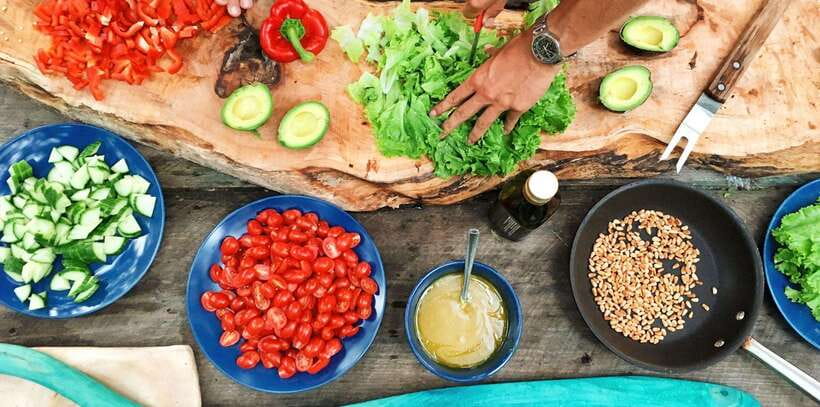
The experience may begin with a visit to a local market to choose ingredients. This is a useful part of the class because it connects the finished dish with the raw materials. You can see the vegetables, spices, and meat that go into the meal before you begin chopping and mixing.
Do not expect a full market tour with a long lecture about every stall. The purpose is practical: select suitable ingredients for your cooking session. That keeps the activity focused and gives you a better idea of how a home kitchen prepares a Nepali meal.
For curious cooks, this step may be as valuable as the recipe. Nepali food depends on balance, freshness, and the way ingredients are combined. You get to see that cooking starts before the stove is turned on.
Entering the family kitchen with an Aama chef
The central part of the experience takes place in a traditional Nepali home kitchen. You are welcomed by an Aama chef, the local house kitchen head who leads the lesson in English. Aama is a respectful Nepali term for mother or grandmother, and the title fits the family-centered feel described by participants.
The teaching style is hands-on. You do not simply watch someone cook while standing at a distance. You learn how to select ingredients, prepare them, shape food, and use the cooking equipment under guidance.
That approach suits beginners particularly well. You do not need to arrive with advanced knife skills or experience making dumplings. The class also suits experienced home cooks because you can pay attention to local techniques, seasoning, and the cultural role of each dish.
The family hosts are frequently praised for being patient, friendly, and accommodating. The husband and wife guide each step, and other family members, including children, may take part in welcoming you. This can make the setting feel like a visit to a home rather than a standard cooking studio.
You should remember that a family kitchen may feel more informal than a professional culinary school. That is part of the appeal, but it also means the pace and style may be relaxed rather than highly polished. If you want a formal chef demonstration with exact restaurant-style measurements, this may not be the right fit.
Same place, a different thing to cook:
- Local Women Lead Nepali Cooking Class
★ 5.0 · 125 reviews - Nepalese Kitchen in Pokhara: Momos or Dal Bhat Cooking Class
★ 5.0 · 67 reviews - Kathmandu: Local Women-Lead Nepali Cooking & Momo Class
★ 4.9 · 45 reviews - Kathmandu: Local Lead Nepali Cooking & Momo Making Class
★ 4.9 · 40 reviews
Momo making: the hands-on favorite
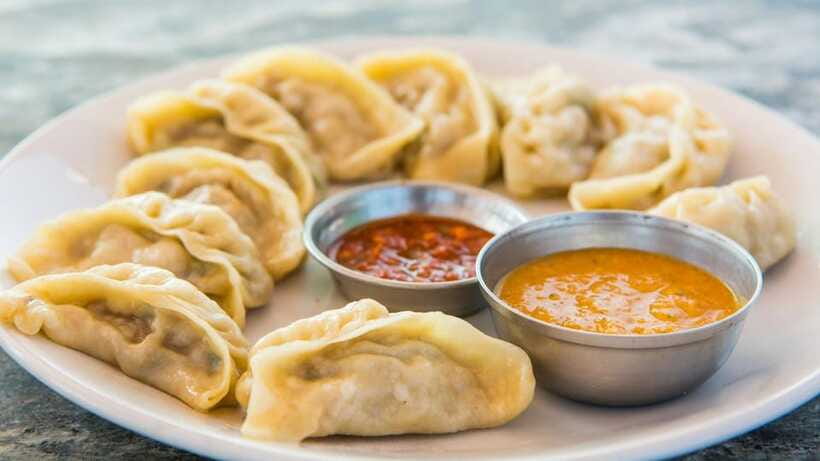
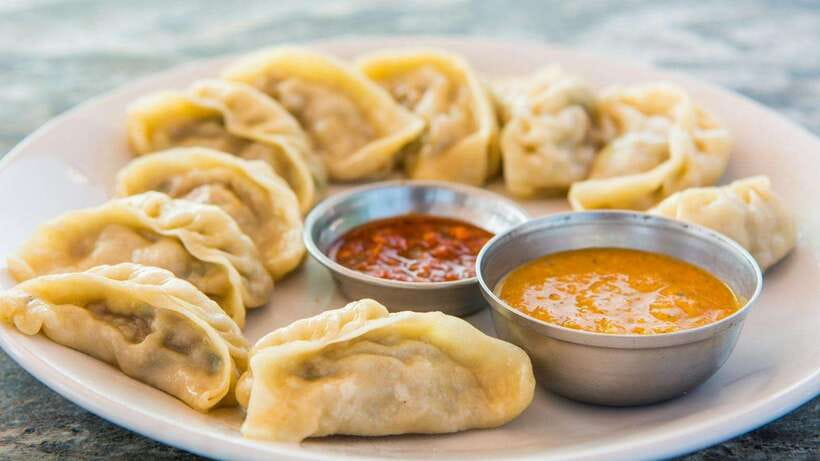
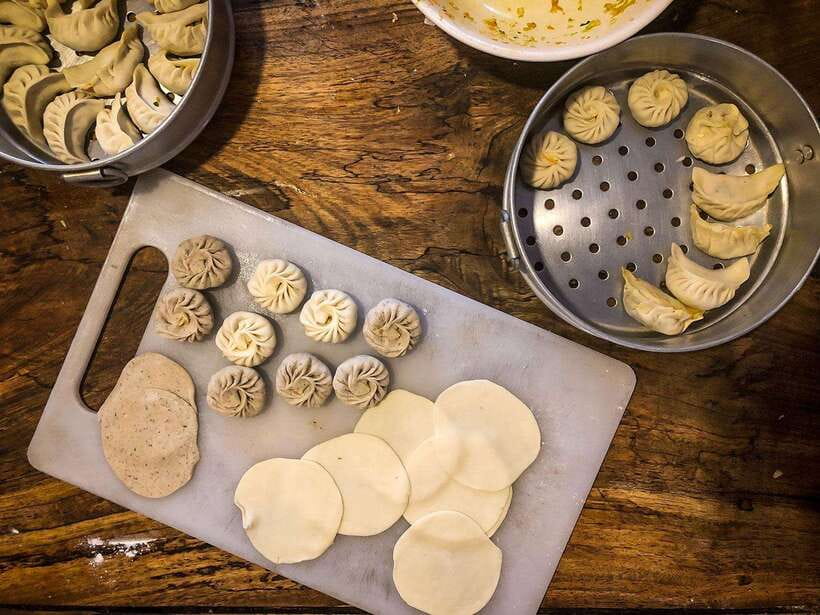
Momos are the obvious choice if you want the most playful part of the class. These Nepali dumplings require several small skills: preparing the filling, handling the dough, placing the right amount inside, and folding each piece so it holds together.
You can choose a chicken filling or a vegetarian filling. The filling choice makes the class more flexible, although people with food allergies should not book this activity. If you have another dietary restriction, contact the provider in advance rather than assuming the kitchen can adjust the recipe.
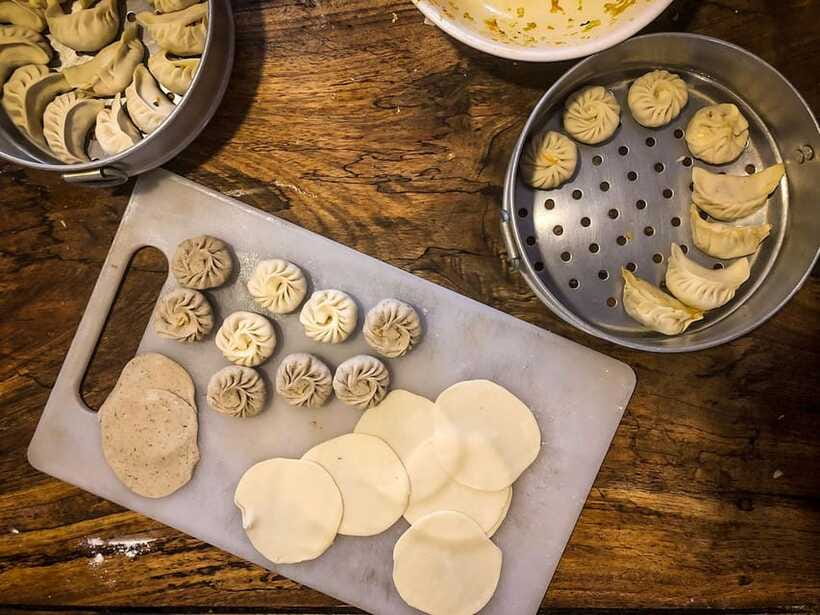
The folding stage is where the lesson becomes memorable. Your first dumplings may not look like the neatest ones on the plate, but the instructor can show you how to improve the shape. The point is not to produce restaurant-perfect food at once. It is to learn a technique you can try again at home.
Momos are usually served with a dipping sauce, and the class includes pickle as part of the meal. The pickle received particularly warm praise, so pay attention to how it is prepared and seasoned. It may become the part you want to recreate alongside the dumplings.
The completed momos are steamed and eaten as part of the meal. This is one reason the class works well: you get an immediate reward for the work, rather than leaving with only notes and photographs.
Dal bhat for a taste of everyday Nepal
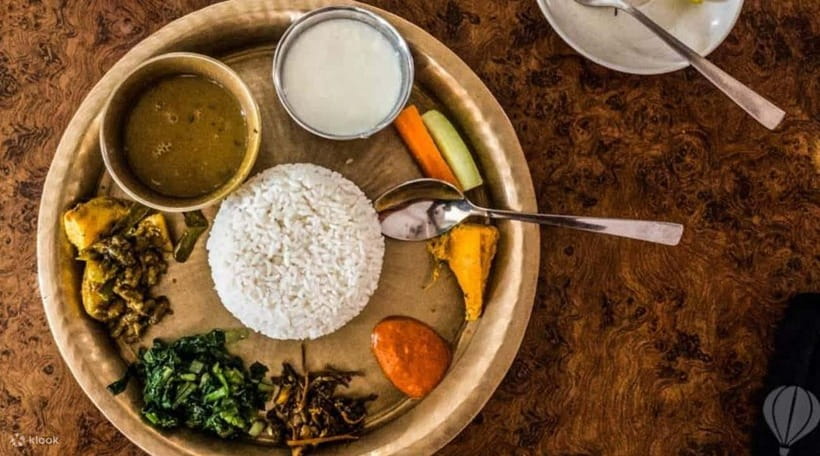
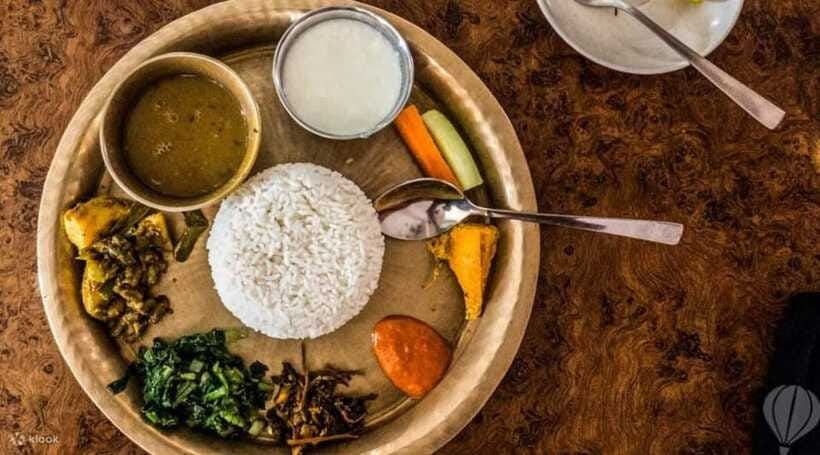
If you want a broader picture of Nepali home cooking, choose dal bhat. The dish combines lentil soup, rice, and curry, and it represents the structure of everyday Nepali dining more clearly than a single snack.
The lesson gives you a chance to work with several parts of a meal instead of focusing only on one item. You can learn how the lentils, rice, and curry fit together, and you get to taste the complete combination at the table.
One participant changed plans and switched to a dal bhat class at the last minute, with good results. That flexibility is useful if you arrive in Pokhara expecting momos but decide you would rather learn a full meal.
Dal bhat may be the better choice if you are interested in how Nepali households eat day to day. Momos are more immediately fun, especially for families and first-time cooks. Your decision comes down to whether you want a signature dumpling lesson or a wider introduction to a staple meal.
Masala tea and the shared meal
Nepali masala tea is included during the lesson. It provides a welcome pause between preparation and eating, and it adds another small piece of local food culture to the session.
The final meal includes the dishes you prepared. This sounds simple, but it changes the mood of the activity. You are not rushed out after the cooking is finished. You sit down and taste the result with the people who taught you.
I value this kind of ending because it turns instruction into hospitality. You can ask final questions, compare the flavors, and enjoy the meal while it is fresh. Alcoholic drinks are not included, so plan on tea and the food itself rather than a drink package.
The family has also offered small personal touches at the end, including a laminated certificate of completion, Tika placed on the forehead, and a scarf. These extras may not be provided in exactly the same way for every booking, but they show the welcoming spirit of the hosts.
Location, timing, and practical comfort
The cooking activity takes place in Pokhara, with the class itself lasting three hours. The location is convenient for anyone staying near Lakeside, and one participant noted that it is easy to continue walking toward the lake afterward.
That makes the class easy to pair with a relaxed afternoon around Phewa Lake. If you are staying farther away, the included pickup and return arrangement matter more than the exact location. Ask for clear timing before the day begins.
Wear comfortable clothing and shoes suitable for cooking. You may be standing, handling ingredients, and working around a kitchen, so this is not the time for restrictive clothes or slippery footwear. Bring a camera if you want pictures of the cooking process, but keep it out of the way when you are handling food.
Smoking is not allowed indoors. The activity is wheelchair accessible, which is helpful, though you may still want to confirm the exact pickup and kitchen arrangements when booking if you have specific mobility needs.
The group is limited to eight participants. That is small enough for personal help, especially during momo folding, but it is not necessarily a private class. If you are traveling with friends or family, ask how many other people are expected on your date.
Who will enjoy this class most
I would recommend this activity to several kinds of visitors:
- First-time cooks: The step-by-step instruction and English-speaking teacher make the class approachable.
- Food-focused visitors: You get to select ingredients, learn methods, cook, and eat a Nepali meal.
- Families and couples: The informal family setting and hands-on work give everyone something to do.
- Vegetarians who do not have food allergies: The momo option includes a vegetarian filling.
- Visitors with a free half-day: Three hours is enough to feel involved without consuming an entire day.
- People staying near Lakeside: The location works well with a walk by Phewa Lake afterward.
I would be more cautious if you have serious allergies, need a strictly controlled kitchen, or want a technical professional cooking course. The activity is specifically marked as unsuitable for people with food allergies, and a home kitchen may not provide the controls you require.
What the $42 price really includes
The $42 fee covers more than a cooking demonstration. You receive hotel pickup and drop-off, an English-language lesson, a local family instructor, ingredients, equipment, hands-on preparation, masala tea, a tasting session, and the meal itself.
You also save the time and effort of shopping for ingredients. If you tried to recreate the same afternoon independently, you would still need to find a suitable kitchen, buy food, arrange transport, and learn the recipes through trial and error.
The value depends on your interests. If you only want to eat momos, a restaurant meal will cost less. If you want to understand how the food is prepared and leave with practical skills, the price is fair for a three-hour family experience.
The six available ratings are all five stars, with repeated praise for the hosts, the food, the pickup, and the patient teaching. That is a small sample, so I would not treat it as proof that every session will be identical. Still, the same strengths appear again and again: warm family treatment, delicious food, and clear help during the cooking.
Booking advice and final decision
You can cancel up to 24 hours before the activity for a full refund, and you can reserve now and pay later. That flexibility is useful if your Pokhara plans may shift around weather or trekking arrangements.
Tell the provider about dietary restrictions before the class. Do not book if you have food allergies, since the activity is not considered suitable for you. Choose dal bhat if you want a complete Nepali meal, or choose momos if you want the most tactile and entertaining cooking task.
I would book this class if you want a friendly introduction to Nepali food that includes real participation, not just a meal in a restaurant. The best reason to go is the combination of cooking, family contact, and eating together. For $42, it is a good value for food lovers, curious beginners, and anyone looking for a thoughtful break from Pokhara’s usual outdoor activities.
FAQ
How long does the Pokhara cooking class last?
The cooking class lasts three hours. Hotel pickup and drop-off are included in the experience.
What dishes can I learn to cook?
You can choose between dal bhat, made with rice, lentil soup, and curry, or momos with either chicken or vegetarian filling.
Is the class suitable for beginners?
Yes. The class provides step-by-step instruction and is suitable for both beginners and experienced cooks.
Is hotel transportation included?
Yes. Pickup and drop-off from your Pokhara hotel are included. The pickup uses a card with your name.
Is the cooking class suitable for people with food allergies?
No. The activity is listed as unsuitable for people with food allergies. You should still tell the provider about any dietary restrictions before booking.
Is the cooking class wheelchair accessible?
Yes. The activity is listed as wheelchair accessible.
Just added around Nepal
- Kathmandu: 3-Hours of Cooking Class with Meals★ 5.0 · 10 reviews
- Pokhara: 3 Hour MoMo cooking class★ 4.5 · 10 reviews
- Nepalese Kitchen in Pokhara: Momos or Dal Bhat Cooking Class★ 5.0 · 67 reviews
- MoMo or Dal Bhat Cooking Class at Aama Kitchen in Pokhara★ 4.9 · 28 reviews
- Local Women Led Nepali Cooking Class★ 5.0 · 6 reviews
- Kathmandu: Women-Led Cooking Class & Momo Making-Local Taste★ 4.8 · 15 reviews
- Kathmandu: Nepali Cooking Class with Hotel Pickup★ 4.1 · 5 reviews
- Kathmandu: Local Women-Lead Nepali Cooking & Momo Class★ 4.9 · 45 reviews
Cooking Classes, compared.

Half-Day Thai Cooking Class at Organic Farm in Chiang Mai
Read our review →

3 in 1 Cooking Class near Navona: Fettuccine, Ravioli & Tiramisu
Read our review →
Pasta & Tiramisu Cooking Class with Unlimited Wine
Read our review →
Hanoi Cooking Class: Culture, Local Market & Meaning CSR Impact
Read our review →
5 Traditional Dishes Hanoi Cooking Class with Market Trip
Read our review →
Cooking Class and Lunch at a Tuscan Farmhouse with Local Market Tour from Florence
Read our review →
Cooking Class, Market & Thai Herbs Garden Tour
Read our review →Lists this class appears in