
REVIEW · PASHCHIMANCHAL, WESTERN REGION, NEPAL
MoMo or Dal Bhat Cooking Class at Aama Kitchen in Pokhara
Come hungry, leave with a recipe. This three-hour class takes you from Lakeside Pokhara to a family home, where you learn to make momos or dal bhat with an experienced Nepali cook. I like the real home-kitchen setting and the chance to ask questions as you work, rather than simply watching a demonstration. I also like that your hotel transfer is included. The main consideration is simple: this is an active cooking session, not a restaurant meal or a polished studio class.
You choose momos or dal bhat when booking. I would pick momos if you want a focused lesson with plenty of hands-on shaping, and dal bhat if you want to understand Nepal’s everyday staple meal. The class costs $28 per person, includes ingredients and equipment, and is private, so it offers good value for solo visitors, couples, and families who want a personal introduction to Nepali food.
Key points at a glance
- A real family apartment: You cook in Aama’s home, in a friendly setting that feels personal rather than commercial.
- Two useful choices: Pick handmade momos or a full dal bhat meal when you book.
- About 25 minutes from Lakeside: Hotel pickup and return transport are included within the Lakeside area.
- Patient, practical teaching: You make the food yourself, ask questions, and take the recipe home.
- More than ingredients: The class can include discussion of spices, vegetables, harvest times, and Nepali customs.
- Private and accessible: The activity is private, wheelchair accessible, and offered in English or Hindi.
Leaving Lakeside for Aama’s kitchen
The class begins with pickup from your hotel in Pokhara’s Lakeside area. You should wait in the lobby about 10 minutes before the scheduled time. From there, the drive to the family home takes roughly 25 minutes.
That transfer matters. You do not need to arrange a taxi to an unfamiliar neighborhood, and the return ride is included after the meal. At the same time, the home is outside the main tourist strip, so the class takes up a clear three-hour block rather than fitting into a quick gap between sightseeing stops.
The ride also creates a useful change of pace. Lakeside is full of restaurants offering Nepali dishes, but eating a plate of momos there tells you only part of the story. In a family kitchen, you get closer to the habits behind the food: how ingredients are prepared, how spices are combined, and how a meal is shared.
You should wear comfortable clothes and shoes. Do not bring luggage or a large bag, since this is a working kitchen and you will need room to prepare food.
A few more cooking classes around Nepal worth a look
- Half day cooking class in Thamel kathmandu
★ 5.0 · 607 reviews - Kathmandu: Local Women-Led Nepali Cooking & Momo Class
★ 4.9 · 360 reviews - Kathmandu: Local Lead Nepali Cooking & Momo-Making Class
★ 5.0 · 212 reviews
Choosing momos or dal bhat
The choice between the two classes shapes the whole session.
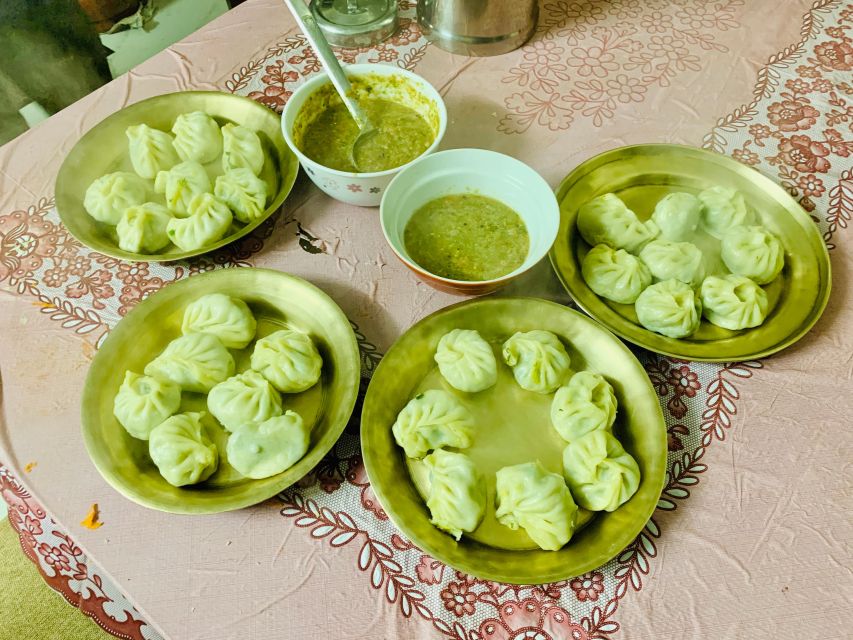
Momos are Nepal’s famous filled dumplings. You will work with dough, filling, and folding. The folding can look easy until you try it. One participant found the technique difficult at first, but the host stayed patient and encouraging. That is useful to know before you begin: uneven dumplings are part of the fun, and nobody expects your first batch to look like a restaurant display.
The momo lesson suits you if you enjoy a clear, hands-on task. You can feel the dough, portion the filling, shape each dumpling, and then eat what you made. It also works well for families because each person can take a turn at folding.
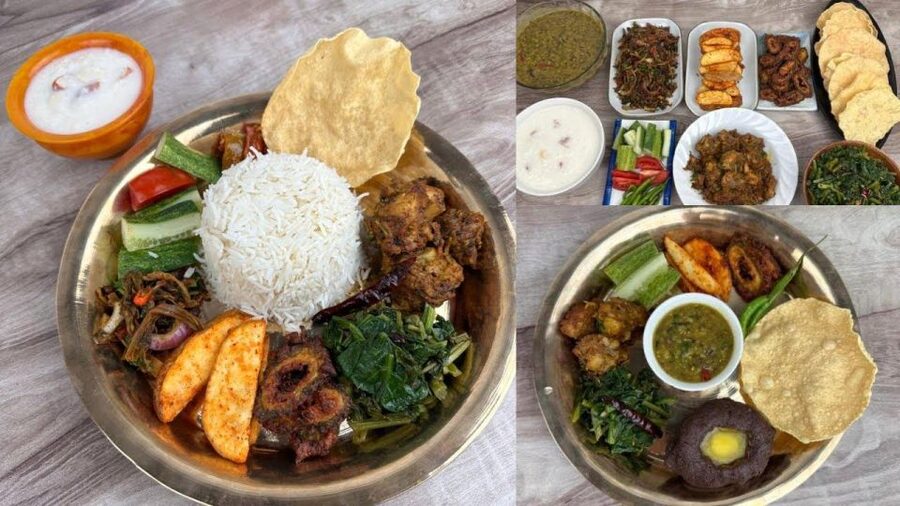
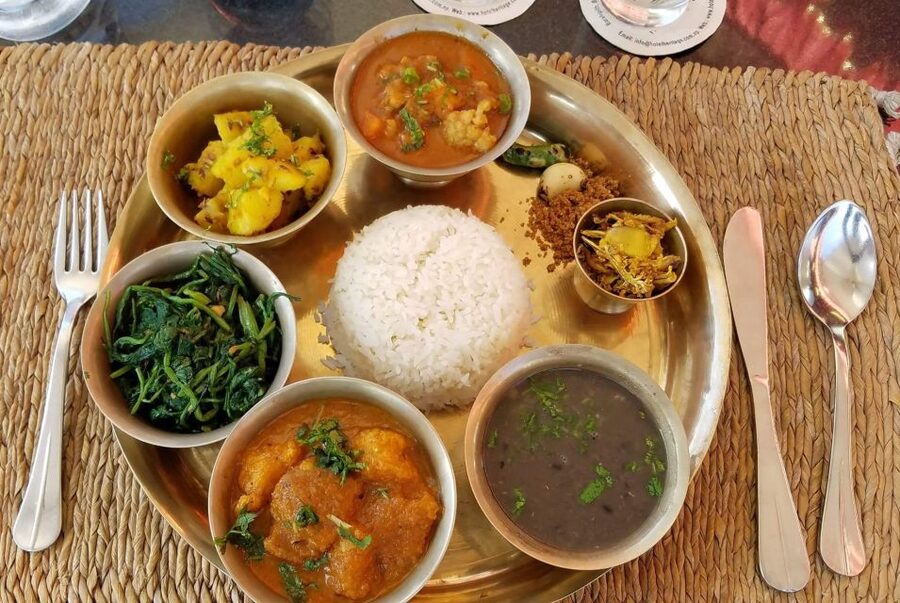
Dal bhat is a different kind of lesson. It is Nepal’s familiar combination of lentils, rice, vegetables, curry, and accompanying dishes. You learn how several parts come together as one meal, rather than preparing a single item.
I would choose dal bhat if you want to understand what Nepali home cooking looks like day to day. The session can include details about spices, vegetables, their origins, and seasonal harvest times. That gives the dish more meaning than simply learning a recipe. It shows you why dal bhat is such a practical meal and how a Nepali cook builds flavor from ordinary ingredients.
You need to state your choice in the booking comments. Do not assume you can switch on arrival, especially if the ingredients have already been prepared for one menu.
Working beside the family head
Aama means mother, and the name points to the heart of this activity: instruction from the family’s mother and head cook. The setting is a family apartment, not a formal cooking school, so you should expect a homely atmosphere and direct contact with the household.
Several hosts are associated with the class. Sadaha has guided dal bhat sessions, and Shanta has been praised for both her cooking and her warm welcome. The household may also include Aama’s two sons. The exact person leading your class can vary, but the format stays personal and family-based.
That personal setting is the strongest reason to book. You can ask why a spice is used, how a vegetable is prepared, or what changes during a festival. A dal bhat session during a Nepali festival included a tika and a small ceremony, giving the meal a cultural context that a standard restaurant visit would miss. Festival customs are not guaranteed on every date, but the class leaves room for this sort of conversation.
You should also understand what homely means here. The kitchen may be compact, and the experience is not designed as a luxury culinary school. You will be involved in cooking activities, standing or moving around as needed, and sharing a family space. That is part of its appeal, but it may not suit someone looking for a highly polished demonstration with restaurant-style equipment.
What the three hours look like
The class follows a straightforward rhythm.
First comes pickup at your Lakeside hotel and the drive to the home. Once you arrive, you meet the family, settle into the kitchen, and discuss the selected dish. English and Hindi are available for instruction.
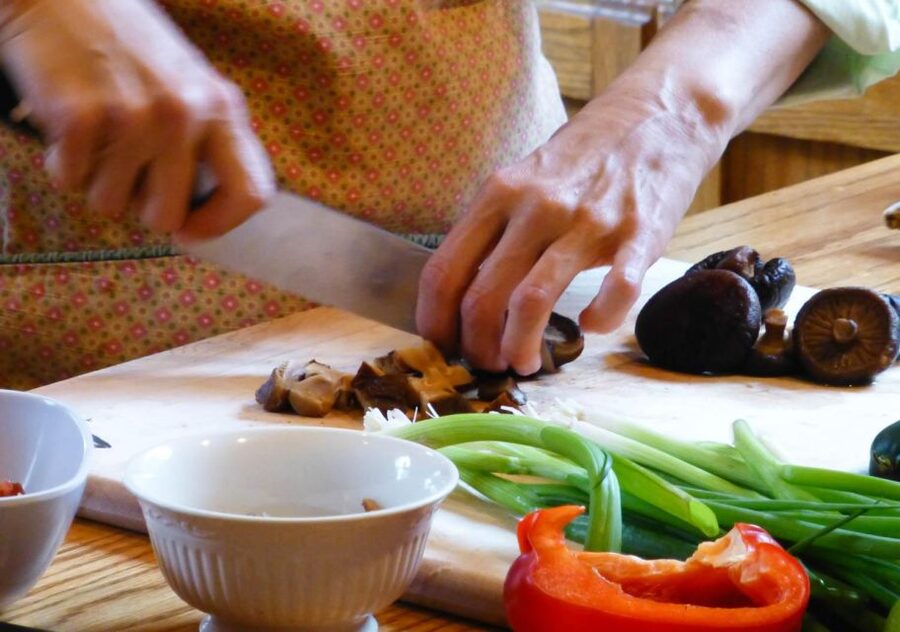
Next, the cooking begins. The host supplies the ingredients and equipment, then guides you through the preparation step by step. With momos, the work centers on making and shaping the dumplings. With dal bhat, you help prepare the separate elements of the meal and learn how spices and vegetables fit together.
You are not just watching someone cook. The class is designed for participation, so expect to chop, mix, shape, season, and help with the cooking. Ask questions as you go. The included question-and-answer time is especially useful if you want to recreate the dish at home.
Then you eat the food you prepared. This is a small but important part of the format. You are not served a meal made entirely in advance. You get to taste the result of your own work, including the imperfect folds and adjustments that make a cooking lesson memorable.
At the end, you receive the recipe to take home. The recipe is a practical souvenir because it gives you a way to repeat the meal rather than leaving the experience behind in Pokhara. The return drive takes you back to your hotel, where the activity ends.
The listed duration is three hours. That includes the transfers, cooking, eating, and conversation, so do not expect a long professional-chef workshop. The class works best when you treat it as a compact cultural visit with a meal, not as intensive culinary training.
Same place, a different thing to cook:
- Local Women Lead Nepali Cooking Class
★ 5.0 · 125 reviews - Nepalese Kitchen in Pokhara: Momos or Dal Bhat Cooking Class
★ 5.0 · 67 reviews - Kathmandu: Local Women-Lead Nepali Cooking & Momo Class
★ 4.9 · 45 reviews - Kathmandu: Local Lead Nepali Cooking & Momo Making Class
★ 4.9 · 40 reviews
Why the home setting matters
Food is one of the easiest ways to understand a place, but only if you see how it is made. Nepalese food can seem simple when it arrives at your table: rice, lentils, vegetables, spices, and dumplings. The class shows you the work and choices behind those familiar dishes.
I especially value the chance to discuss ingredients in context. You can ask about spice combinations, vegetable preparation, and the timing of local harvests. These details turn a recipe into a connection with Nepalese daily life.
The family setting also makes the social side of food visible. One solo participant felt included rather than isolated, which is important if you are traveling alone and want more than a quick meal by yourself. You can attend alone, as a couple, or with family, and the private format gives you space to participate at your own pace.
The class has earned a 4.9 rating from 28 reviews, with the strongest praise directed at the hosts’ kindness, patience, food, and welcoming homes. One family called it a highlight of their Nepal trip because they had eaten momos before but now knew how to make them. That is the kind of lasting value you can expect here: not just a pleasant meal, but a new way to look at dishes you may order again.
Value at $28 per person
At $28, the price covers more than the cooking lesson itself. You receive pickup and return transport within Lakeside, ingredients, equipment, instruction, the meal, and a recipe to take home.
For a solo visitor, the private format and included transfer make the price easier to justify. You are not paying only for food. You are paying for access to a family home, personal instruction, and the time to ask questions. A couple or family can also treat it as a shared activity rather than booking separate sightseeing.
The value is less convincing if you only want to eat momos cheaply. Pokhara has many places to order them, and a restaurant meal will take less time and cost less. The class earns its price through participation and conversation.
I would also avoid comparing it with a professional cooking course. You are not coming for advanced techniques, a large teaching kitchen, or a certificate. You are paying for a friendly introduction to authentic home cooking, with transport handled for you.
Flexible booking adds some practical value. You can reserve now and pay later, and cancellation is free up to 24 hours before the activity for a full refund. Starting times depend on availability, so check the schedule before building the rest of your day around it.
Who will enjoy this most
This class suits you if you like to do things rather than simply see them. It is a good fit for:
- Solo visitors who want a warm local encounter
- Couples looking for a relaxed shared activity
- Families who can enjoy making and eating food together
- Anyone who has been eating momos and wants to learn the process
- Visitors curious about dal bhat as an everyday Nepali meal
- Home cooks who want a recipe they can use after returning home
It may be less suitable if you dislike hands-on work, have limited interest in cooking, or want a formal restaurant-style setting. The activity is not suitable for people with food allergies, so you should not book without confirming that the ingredients are safe for you.
Wheelchair access is listed, but because the activity takes place in a family apartment, you may want to confirm the exact access arrangements before booking if you have specific mobility needs.
Small details that improve the visit
Bring comfortable clothing and shoes. Cooking can be messy, and you will be more relaxed if you can move easily.
Keep your bag small. Large luggage and oversized bags are not allowed, and you do not need much beyond yourself and perhaps a phone for photos.
Arrive in the hotel lobby 10 minutes before pickup. The transfer is included only from hotels within the Lakeside area, so confirm your accommodation qualifies if you are staying elsewhere in Pokhara.
Choose your dish carefully at booking. Pick momos for a tactile, social lesson with folding practice. Pick dal bhat for a broader look at spices, vegetables, and the structure of a traditional Nepali meal.
If you are unsure what to ask, begin with the basics: Which spices are essential? What changes by season? How would a family alter the dish at home? The hosts are there for questions, and those answers are often more valuable than simply copying a list of ingredients.
Should you book Aama Kitchen?
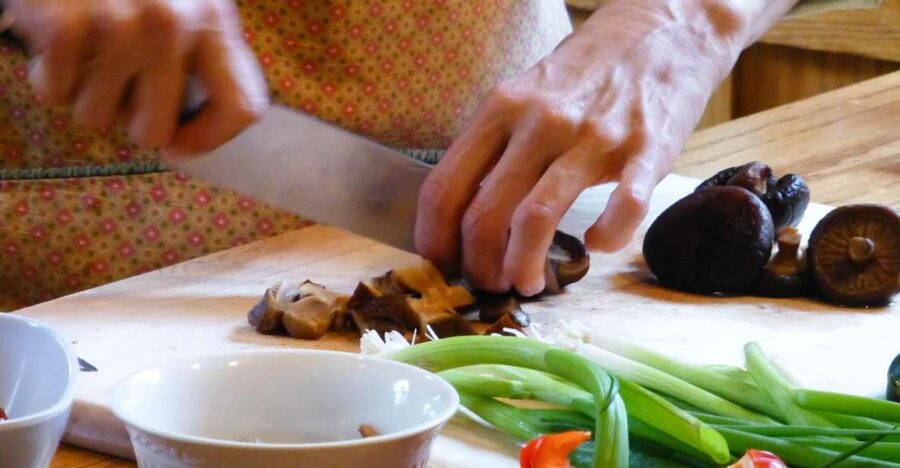
I would book this class if you want a personal food experience in Pokhara and are happy to cook in a real family home. The best features are the patient teaching, the private format, the included transfer, and the chance to speak with local hosts while preparing food.
Choose momos for a fun, focused activity, especially if you are traveling with children or want to master a dish you already enjoy. Choose dal bhat if you want a wider view of Nepali home cooking and the cultural meaning behind the meal.
Skip it if you have food allergies, dislike active cooking, or only want a quick restaurant lunch. For everyone else, $28 is a fair price for three hours of food, conversation, and a recipe that can bring a little of Pokhara into your own kitchen.
FAQ
Where does the cooking class take place?
The class takes place in Aama’s family home, in a family apartment outside the Lakeside area of Pokhara.
How long does the experience last?
The activity lasts three hours, including the cooking session and transportation to and from your Lakeside hotel.
Is hotel pickup included?
Yes. Round-trip pickup and drop-off are included for hotels within Pokhara’s Lakeside area. You should wait in your hotel lobby 10 minutes before the scheduled pickup time.
Can I choose between momos and dal bhat?
Yes. You can choose either momos or dal bhat, and you should state your choice in the comments when booking.
What languages are available?
Instruction is available in English and Hindi.
Is the class private?
Yes. The activity is offered as a private group experience.
Can I cancel the booking?
You can cancel up to 24 hours in advance for a full refund. Reserve-now, pay-later booking is also available.
Just added around Nepal
- Kathmandu: 3-Hours of Cooking Class with Meals★ 5.0 · 10 reviews
- Pokhara: Nepali Cooking Class and Momo Making Workshop★ 5.0 · 6 reviews
- Pokhara: 3 Hour MoMo cooking class★ 4.5 · 10 reviews
- Nepalese Kitchen in Pokhara: Momos or Dal Bhat Cooking Class★ 5.0 · 67 reviews
- Local Women Led Nepali Cooking Class★ 5.0 · 6 reviews
- Kathmandu: Women-Led Cooking Class & Momo Making-Local Taste★ 4.8 · 15 reviews
- Kathmandu: Nepali Cooking Class with Hotel Pickup★ 4.1 · 5 reviews
- Kathmandu: Local Women-Lead Nepali Cooking & Momo Class★ 4.9 · 45 reviews
Cooking Classes, compared.

Half-Day Thai Cooking Class at Organic Farm in Chiang Mai
Read our review →

3 in 1 Cooking Class near Navona: Fettuccine, Ravioli & Tiramisu
Read our review →
Pasta & Tiramisu Cooking Class with Unlimited Wine
Read our review →
Hanoi Cooking Class: Culture, Local Market & Meaning CSR Impact
Read our review →
5 Traditional Dishes Hanoi Cooking Class with Market Trip
Read our review →
Cooking Class and Lunch at a Tuscan Farmhouse with Local Market Tour from Florence
Read our review →
Cooking Class, Market & Thai Herbs Garden Tour
Read our review →Lists this class appears in