
REVIEW · MARRAKESH-SAFI, MOROCCO
Moroccan Food Cooking Class with a Local Chef in Marrakech
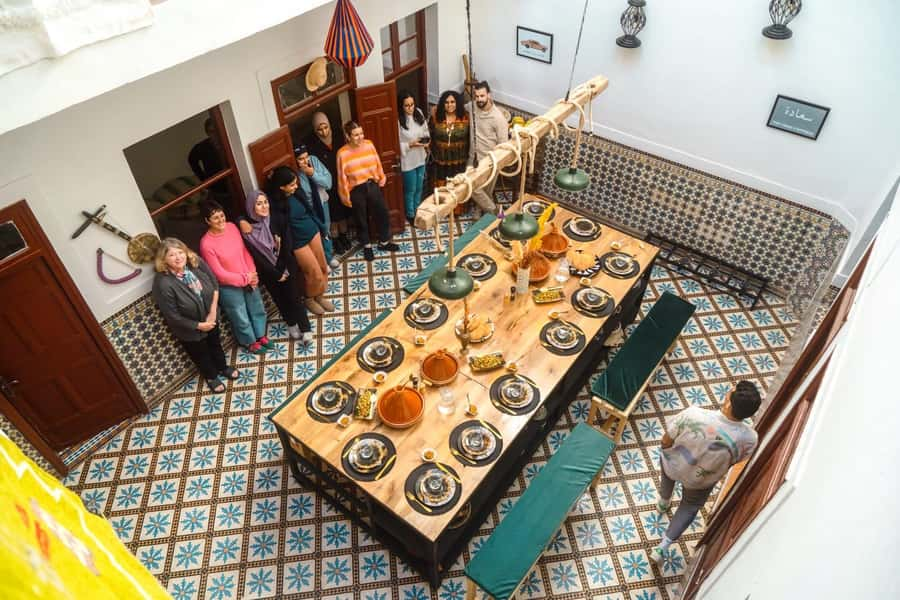
Come hungry, leave with recipes. This Marrakech cooking class offers a useful look at Moroccan food through a local market visit, hands-on preparation, mint tea, and a shared meal. I like that you do more than watch a chef work: you shop for ingredients, chop, season, cook, and eat the results.
I also like the relaxed pace and small-group feel described by past participants. Chef Mourad is praised for his friendly teaching in French and English, while another participant thanked Chef Tiftif and his team. The main point to check before booking is the itinerary wording: the experience is described as a Marrakech market and cooking class, but one itinerary line mentions Essaouira, a separate city. Confirm the exact route and meeting details before you go.
Key points to know before booking
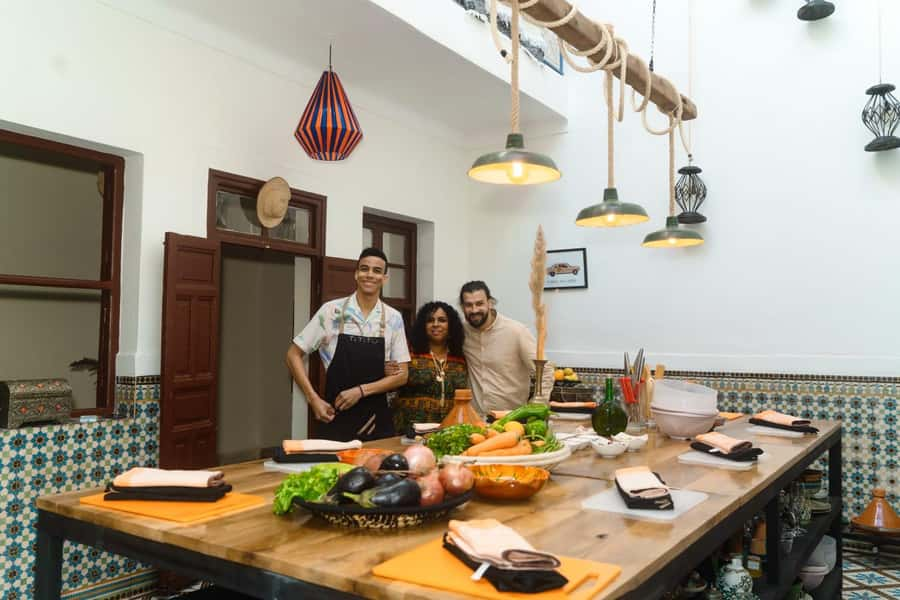
- The class begins with local shopping: You visit a nearby market with your guide and help choose vegetables and cooking supplies.
- You prepare three or four Moroccan dishes: The class covers practical work such as chopping, peeling, seasoning, and layering tagines.
- Mint tea is part of the lesson: You learn the traditional method and drink tea while getting acquainted with the group.
- The class suits beginners: Everyone gets a chance to take part, and the activities are presented as suitable for all cooking levels.
- The price is $36 per person: That includes the guide, cooking class, meal, bread, water, and tea.
- The timing needs clarification: The advertised duration is 210 minutes, while the description also refers to a four-hour class.
Starting in Marrakech with a Market Visit
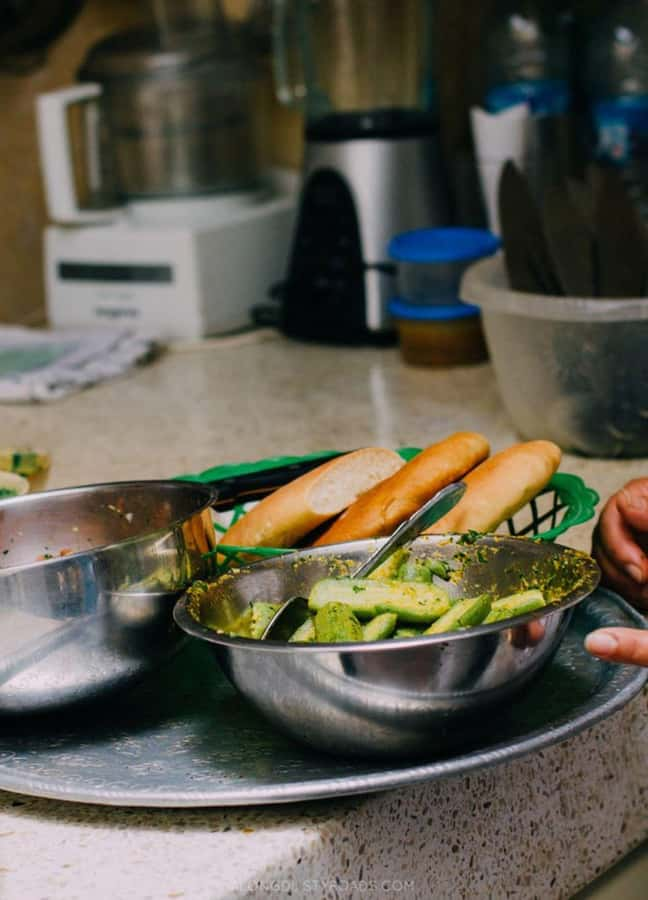
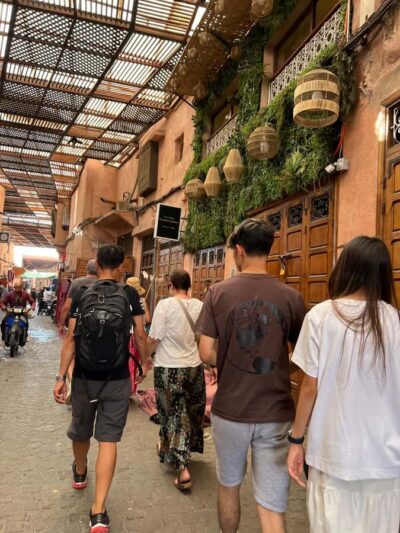
The class begins with pickup in Marrakech, followed by a short visit to a nearby local market. This is a smart way to begin a food lesson. Instead of seeing finished dishes appear on a table, you get to see the raw materials and learn how a local cook approaches shopping.
Your guide helps you pick up vegetables and other supplies for the meal. The experience promises practical shopping advice, so pay attention to how ingredients are selected and how much of each item is needed. This part may be brief, but it gives the cooking a clear purpose: you are buying food that you will soon prepare and eat.
I like this approach because Moroccan cooking is closely tied to the ingredients used at home. The market stop also helps you understand that tagine is not one fixed recipe. The spices, vegetables, and other ingredients can change from one meal to another.
The market visit is described as nearby and quick, not as a major sightseeing stop. If your main goal is a long food market tour, this may feel limited. If you want a practical introduction before cooking, it should fit well.
More Moroccan Cooking Classes in Morocco:
- Marrakech: Moroccan Cooking Class with Pickup
★ 4.6 · 1,862 reviews - Marrakech: Traditional Moroccan Cooking Class & Market Visit
★ 4.8 · 1,861 reviews - Marrakesh: Moroccan Dishes Cooking Class with a Local Chef
★ 5.0 · 1,615 reviews
Learning Mint Tea the Traditional Way
After the shopping stop, you go to the cooking location and begin with Moroccan mint tea. The tea is prepared in the old-fashioned manner, then shared while you get to know the chef and other people in the group.
This is more than a welcome drink. Moroccan tea carries social meaning, and learning the method gives you something you can repeat at home. You are not simply handed a glass. You are shown part of the preparation and given time to drink it with the group.
I would treat this as a gentle opening to the class. You can settle in, listen to the guide, and get a sense of the kitchen before the work begins. The languages offered are Arabic, French, and English, which is useful if members of your group speak different languages.
The tea is included, as are water, bread, and the final meal. Smoking, smoking in the vehicle, alcohol, and drugs are not allowed, so this is a food-focused activity with clear rules.
From Chopping to Layering a Tagine
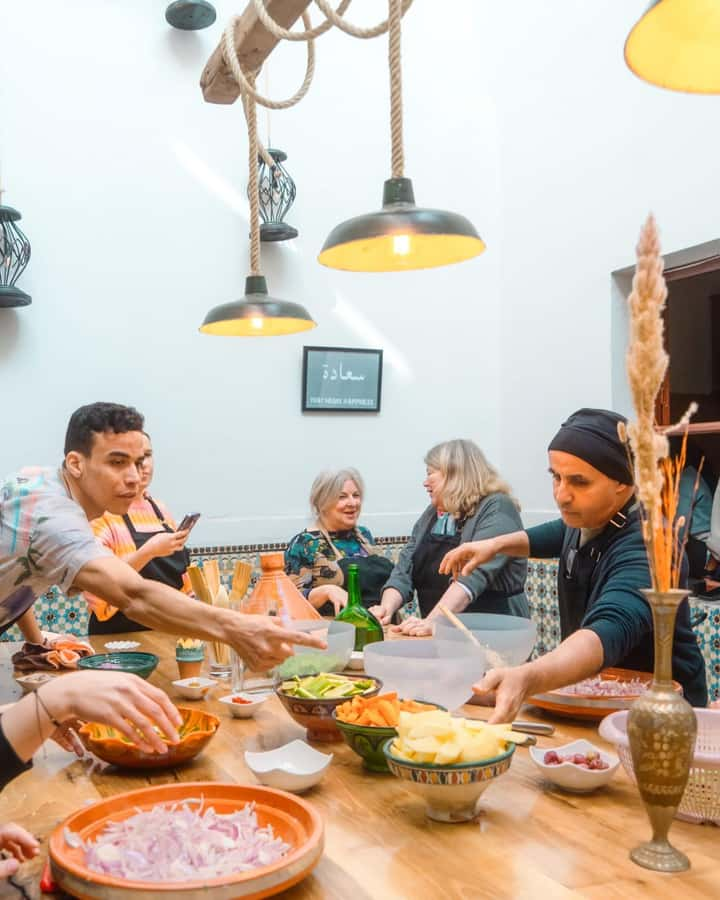
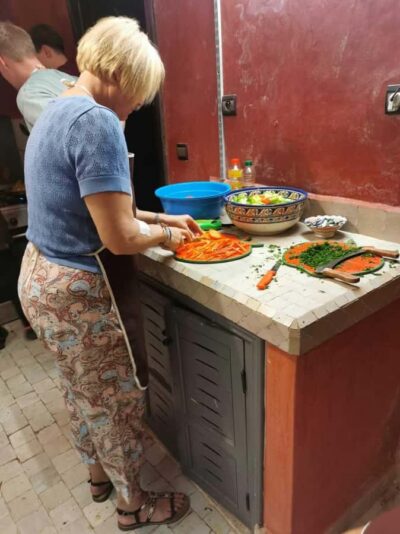
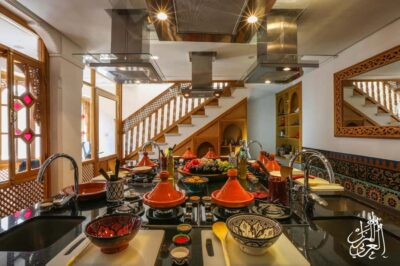
The main lesson centers on basic preparation and seasoning. You learn how to chop and peel ingredients, then how to use Moroccan spices and layer food in a tagine. The emphasis is on methods used by Moroccan mothers and grandparents at home, rather than on a polished demonstration where you only watch.
That makes the class useful for cooks of different abilities. If you have little kitchen experience, you can take part without needing advanced skills. If you already cook often, the value is in seeing how local seasoning and preparation differ from your usual routine.
The class generally includes three or four different dishes. One French-speaking participant described preparing a full meal with a starter, main course, and dessert. That gives you more variety than a lesson focused only on one tagine.
The exact dishes are not specified in advance, so you should not book expecting a particular recipe. The class does promise instruction in Moroccan food, spices, and tagine preparation, along with options for vegan, vegetarian, and gluten-free cooking.
If you have a dietary need, tell the provider before the class. The information confirms that these styles of food can be prepared, but it does not list a fixed menu or explain how far substitutions can go.
A Team Kitchen, Not a Passive Demonstration
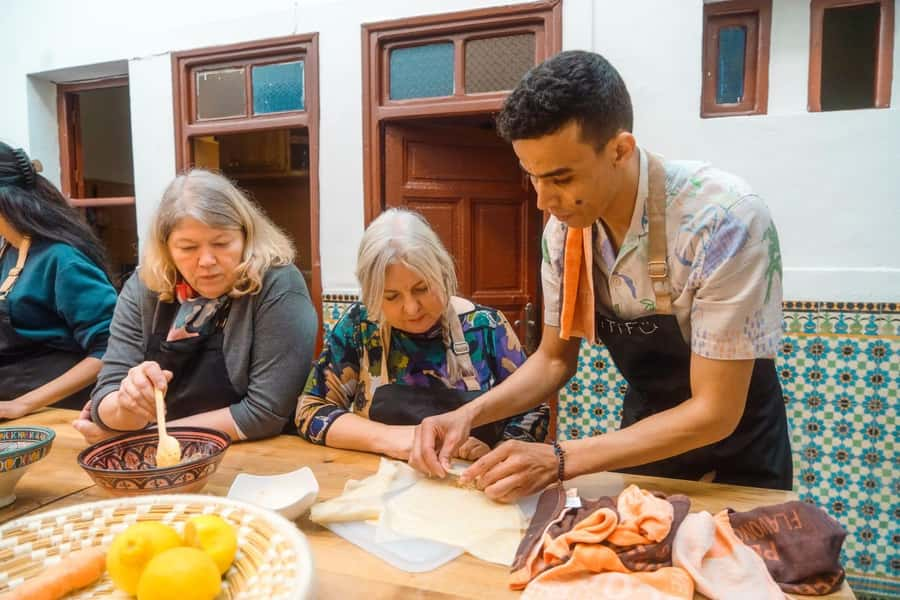
The cooking is organized as a shared activity. People work together on several recipes, and everyone gets a chance to do some of the preparation. One participant specifically praised the class for allowing all skill levels to take part.
That detail matters. Some cooking classes give one person the knife and leave everyone else watching. Here, you should expect a more active setup, with shared tasks and group cooperation.
The group size can be small. One reported class had seven people, which is a comfortable number for a kitchen lesson. The exact size may vary, but a group of that size usually gives you a reasonable chance to ask questions and handle ingredients yourself.
Chef Mourad received particular praise for being friendly and for speaking French and English well. Another participant credited Chef Tiftif and his team for a warm, helpful experience. Since two chef names appear in the available information, confirm who will lead your particular session when the provider contacts you.
The tone is relaxed rather than rushed. The description says the class is not tightly controlled by the clock and is intended to feel like spending time at home. That can be a strength if you want conversation and a comfortable pace. It may be less appealing if you want a tightly timed, highly structured lesson.
More Food and Drink Trips in Morocco:
- Moroccan Food Cooking Class with a Local Chef in Marrakech
★ 4.7 · 90 reviews - Tangier Food Cooking Class and Private City Tour
★ 5.0 · 73 reviews - Small Group Cooking Class & Market Food Tour in Florence
★ 5.0 · 1,574 reviews - Pasta Making & Wine Tasting with Dinner in Frascati from Rome
★ 5.0 · 1,326 reviews
Moroccan Food, Customs, and Family Traditions
As you cook, the guide discusses Moroccan culture, traditions, and food history. This adds context to the practical work. You learn not only how to season a dish, but also why certain foods and cooking habits matter.
The class is especially useful if you want to connect Moroccan meals with everyday life. The focus is not simply on restaurant presentation. The teaching is framed around household methods passed down through families.
I appreciate that the food discussion happens while you work. A talk about Moroccan customs can feel detached in a classroom or museum. Here, the information is linked to the vegetables, spices, tea, bread, and cooking techniques in front of you.
The class also offers a chance to ask questions as they arise. You can find out how to use particular spices, how ingredients are layered, and how to adapt the recipes at home. The supplied information does not name every spice or dish, so the best results will come from asking the chef to explain the choices made during your session.
Sitting Down to Eat What You Prepared
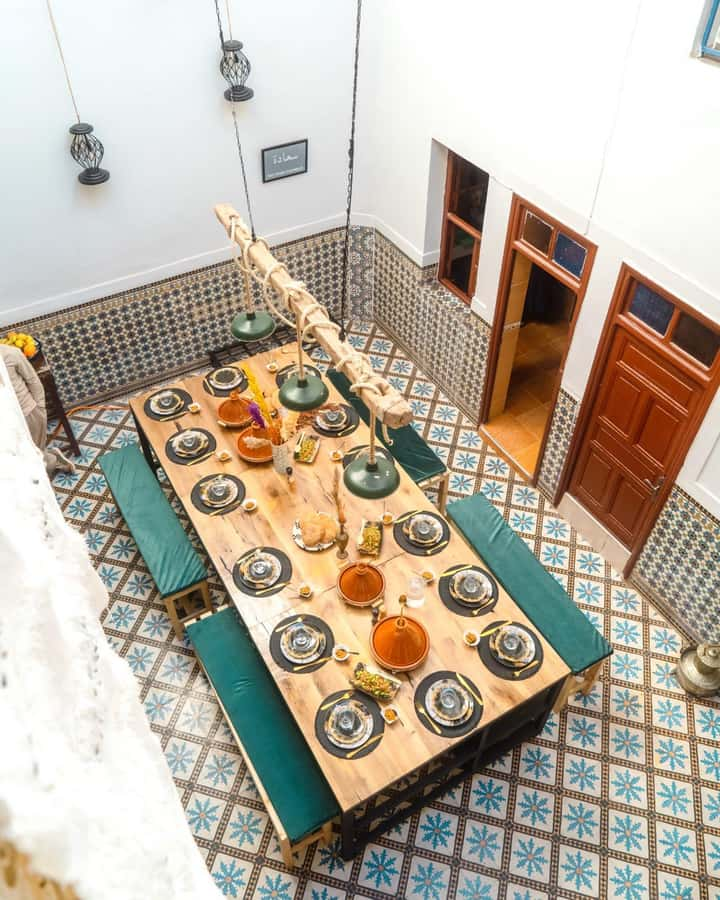
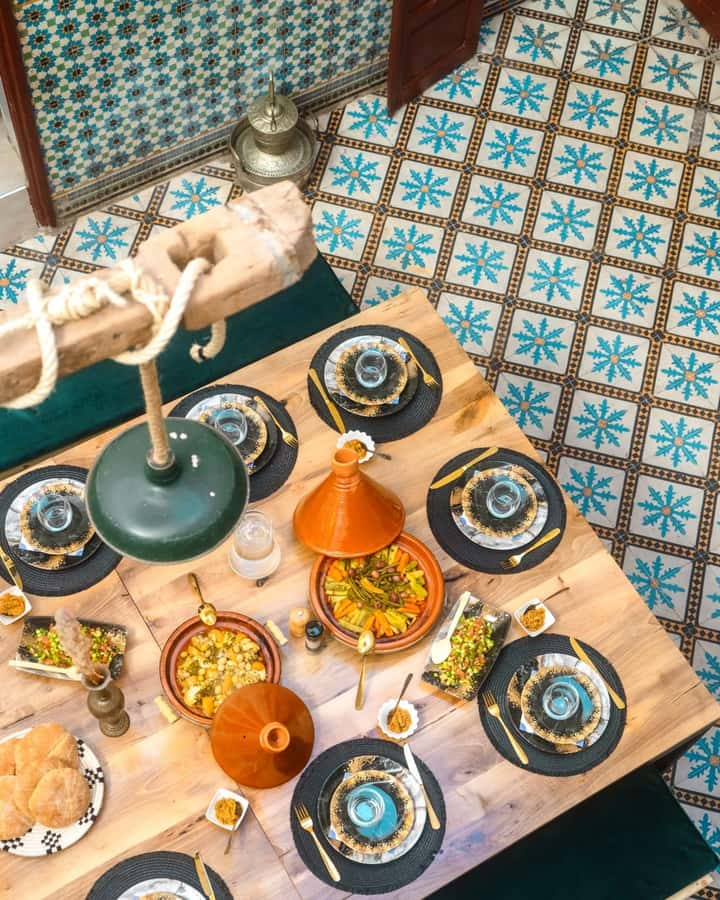
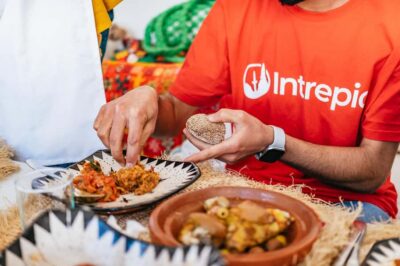
At the end, the group eats the meal prepared during the lesson. This is the satisfying part of a hands-on class: you see how the ingredients come together, then taste the result while the techniques are still fresh in your mind.
The meal includes bread, water, and tea. One participant described preparing a full meal from starter through dessert, so you may get a broad sample of Moroccan cooking rather than one main course alone. Still, the menu can vary, and there is no fixed dish list provided.
The shared meal also gives the class a natural finish. Cooking together can be messy and practical. Sitting down afterward lets you enjoy the food without rushing to another stop.
I would allow enough time for the full experience rather than scheduling a tight afternoon appointment afterward. The advertised duration is 210 minutes, or three and a half hours, but the detailed description repeatedly refers to four hours. That difference is small, but it matters if you have a transfer, reservation, or flight later in the day.
Recipes You Can Use at Home
A valuable feature is the recipe follow-up. The provider typically sends a link to its website in the evening, with recipes for more dishes in addition to the ones prepared in class.
This makes the class more useful than a meal you remember only through photographs. You can try the recipes again at home and build on what you learned. If you are buying the experience as a gift, the take-home recipes also give it lasting value.
Ask how and when the recipe link will be sent, particularly if you want to cook soon after returning home. The information promises access to recipes, but it does not state whether they are printed, emailed, or available through a web page.
Is $36 Good Value?
At $36 per person, the price is reasonable for a half-day activity that combines transport from Marrakech, a market visit, instruction, ingredients, tea, water, bread, and a meal.
The value is strongest if you take part actively. You are paying for more than lunch. You receive guided shopping, cooking instruction, cultural background, and food to eat at the end. The recipe link adds another useful benefit.
The cost also compares well with the time involved. At roughly three and a half to four hours, this occupies a substantial part of your day without requiring a separate meal afterward.
The value is less clear if you mainly want sightseeing. The market visit is short, and the focus is the kitchen. You should choose this for food, conversation, and practical instruction, not as a substitute for a full Marrakech city tour.
Transport, Timing, and the Essaouira Confusion
Pickup is listed in Marrakech, and one participant praised the driver for being friendly, flexible, and using a clean, comfortable vehicle. Another description says a driver collects participants from their hotel and returns them afterward.
The exact pickup arrangement should be confirmed when the provider contacts you. You will be contacted before the activity to confirm the meeting point and time, so make sure your accommodation details are correct.
There is one important inconsistency in the supplied itinerary. It lists Marrakech pickup, then Essaouira with a guided tour and walk, followed by a return to Marrakech. That does not match the rest of the experience, which describes a nearby Marrakech market and a cooking class lasting three and a half to four hours.
Essaouira is far beyond a quick nearby market stop, so do not assume this cooking class includes an Essaouira excursion. Ask the provider to confirm the route before paying. The cooking description and participant accounts all point toward a Marrakech-based class, but the written itinerary should be clarified.
The activity is wheelchair accessible according to the supplied information. Since cooking spaces can differ, you should still confirm the practical setup if you need a particular type of access.
Who Will Enjoy This Class Most?
I would recommend this class to you if you want to learn by doing. It suits first-time cooks, food lovers, couples, families, and small groups who enjoy sharing tasks.
It is also a good choice if you want a cultural activity that does not rely on monuments or long walks. The lesson gives you contact with local food customs through shopping, preparation, tea, and conversation.
Vegetarians, vegans, and people following a gluten-free diet may also find it suitable, since those styles are specifically mentioned. Tell the provider about your needs early, because the menu is not fixed in the information provided.
You may want to skip it if you need a quick activity or dislike group cooking. The relaxed pace is part of the appeal, but it can feel slow if you want a rapid demonstration and a short meal.
The same applies if your priority is a long market visit. The shopping stop is a working part of the class, not a major market tour.
Final Verdict: Book It After Confirming the Route
I would book this cooking class if you want an affordable, active food experience in Marrakech. The strongest points are the hands-on preparation, the chance to make several dishes, the traditional tea lesson, and the friendly teaching associated with Chef Mourad and Chef Tiftif’s team.
The $36 price is fair because it covers instruction, food, drinks, ingredients, and transport support. You also leave with recipes that can bring the experience back into your own kitchen.
Before booking, confirm three things: the exact chef, the pickup point, and the itinerary wording that mentions Essaouira. Once those details are settled, this looks like a practical way to spend an unhurried half-day cooking, eating, and learning how Moroccan food is made at home.
FAQ
Where does the Moroccan cooking class begin?
Pickup is listed in Marrakech. The provider will contact you before the activity to confirm the meeting point and time.
How long does the class last?
The stated duration is 210 minutes. The detailed description also refers to a four-hour cooking lesson, so you should confirm the exact timing before booking.
What languages does the guide speak?
The live guide is listed as speaking Arabic, French, and English.
Is a meal included?
Yes. The experience includes the meal prepared during the class, along with bread, water, and tea.
Will I learn to make Moroccan mint tea?
Yes. The class includes instruction in preparing Moroccan mint tea in the traditional manner.
Are recipes provided after the class?
The provider typically sends a link to its website in the evening, where you can find recipes for the dishes prepared and additional Moroccan dishes.
Is the class suitable for dietary preferences?
The cooking lesson includes instruction for vegan, vegetarian, and gluten-free food. Contact the provider in advance about your specific requirements.
Is the experience wheelchair accessible?
Yes. The activity is listed as wheelchair accessible.
What is included in the price?
The $36 price includes the guide, cooking class, meal, bread, water, and tea.
Can I cancel the booking?
You can cancel up to 24 hours in advance for a full refund. Reserve-now, pay-later booking is also available.
More Food Trips in Morocco
- Marrakech: Moroccan Cooking Class for vegetarians and vegan
★ 4.9 · 156 reviews - Athens: Food Market Visit and Cooking Class with Wine
★ 4.9 · 1,087 reviews - Undiscovered Charleston: Half Day Food, Wine & History Tour with Cooking Class
★ 5.0 · 948 reviews - Vietnamese Food Cooking Class in Hanoi with Market Experience
★ 5.0 · 778 reviews
Just added around Morocco
- Private Tagine Cooking Class in Chefchaouen with Lunch★ 5.0 · 5 reviews
- 3-Hour Cooking Class overlooking the Blue City★ 5.0 · 36 reviews
- Moroccan Cooking Class with a Local Family & Market Visit★ 5.0 · 16 reviews
- Chefchaouen Private Cooking Class with Mountain View★ 5.0 · 16 reviews
- Chefchaouen Cooking Class★ 5.0 · 4 reviews
- Traditional Cooking Courses in Casablanca★ 5.0 · 2 reviews
- Market Tour & Moroccan Cooking Class in Casablanca with Transfers★ 5.0 · 18 reviews
- Private CousCous Cooking Class in a Traditional Family Home★ 5.0 · 7 reviews
Moroccan Cooking Classes, compared.
Traditional Moroccan Cooking Class & Market Visit
Read our review →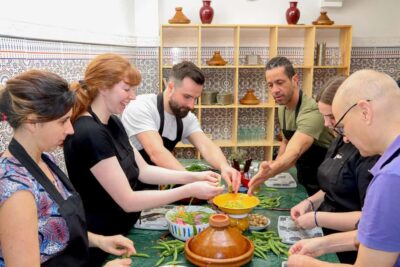
Moroccan Dishes Cooking Class with a Local Chef
Read our review →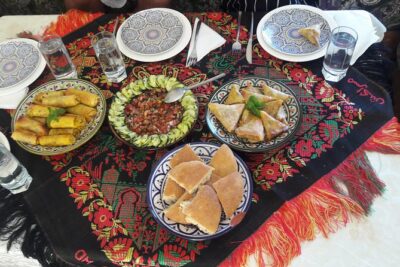
Moroccan Cooking Class & Marrakech Market Visit with Chef Khmisa
Read our review →
Lists this class appears in