
REVIEW · LIMA PROVINCE, PERU
Miraflores: Amazing Peruvian Cooking Class Ceviche Seafood and Pisco Sour
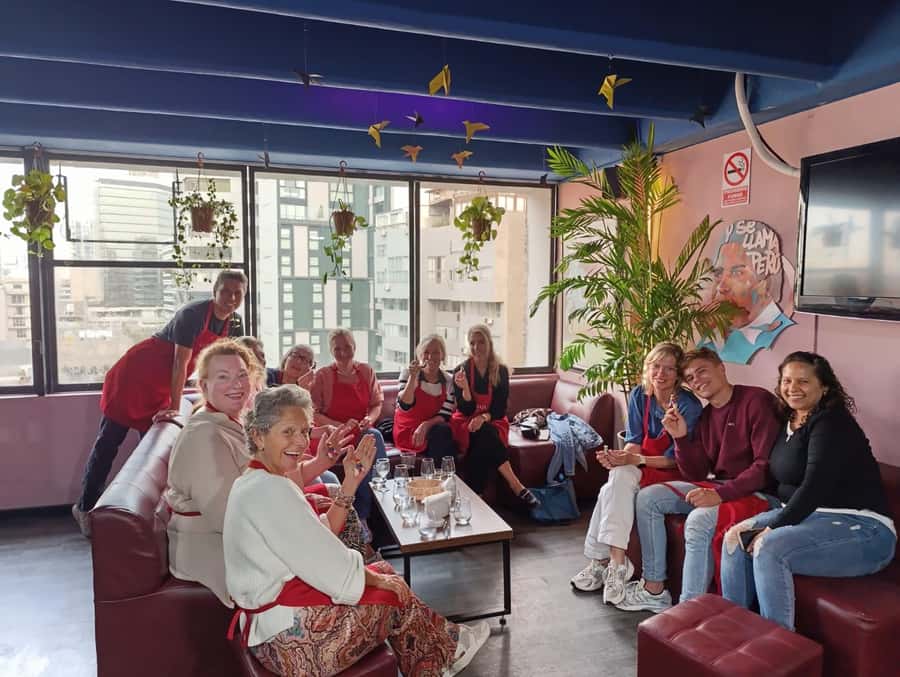
Peru tastes better when you make it. This small cooking class in Miraflores combines fresh seafood and hands-on recipes with fruit tasting, Peruvian culture, and up to 10 flavors of house-made pisco. I especially like the warm, personal hosting from José Antonio and Maria, plus the handy local tips they share for Lima, Cusco, Paracas, and northern Peru.
The $40 price is strong value for 2.5 hours, since it covers exotic fruit, infused pisco, tuna tartare, ceviche, a Pisco Sour or chilcano, unlimited water, recipes, and photos or video from the session. The main consideration is that some ingredients are prepared in advance, so you may learn more about mixing and seasoning than knife work.
This is a good fit if you want a social introduction to Peruvian food without spending half a day in a formal culinary school. The group is limited to eight people, and the location is just half a block from Kennedy Park, making it an easy addition to a Miraflores afternoon.
Key points before you book
- Ten infused pisco flavors: Taste several macerated piscos made by the hosts, then choose one for your own cocktail.
- Three things to prepare: You make one portion each of tuna tartare, fish ceviche, and a Pisco Sour or chilcano.
- A genuinely personal class: José Antonio and Maria host the experience themselves and share family, food, and distilling stories.
- Central Miraflores location: Meet at the entrance to Wong Supermarket, near Kennedy Park and many local hotels.
- Small group format: With no more than eight participants, it feels closer to a dinner with local cooks than a large demonstration.
- Useful take-home extras: You receive recipes, destination advice, and photos or video from the session.
Starting with Peru beyond Lima
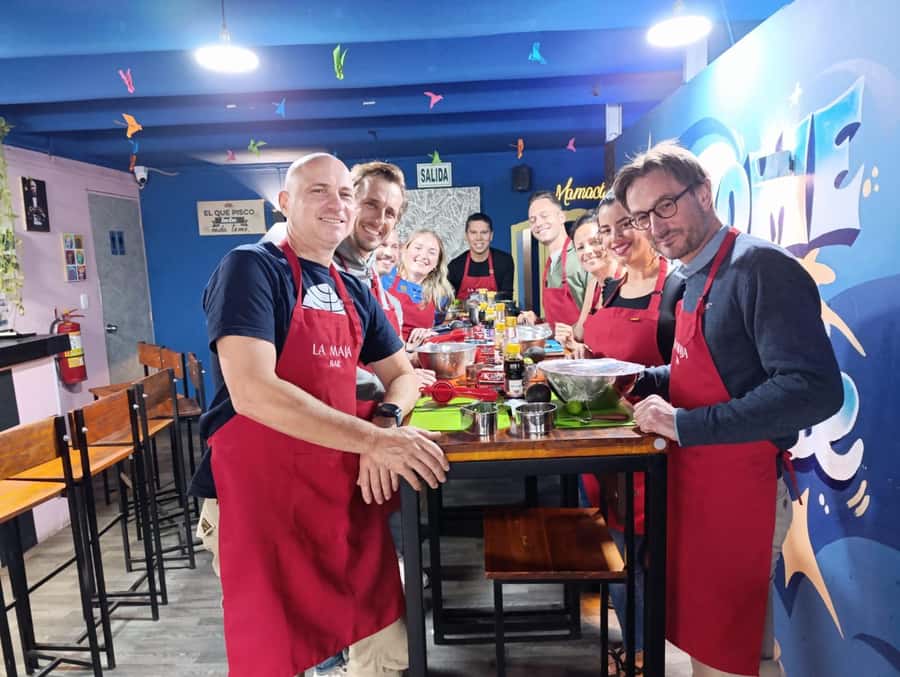
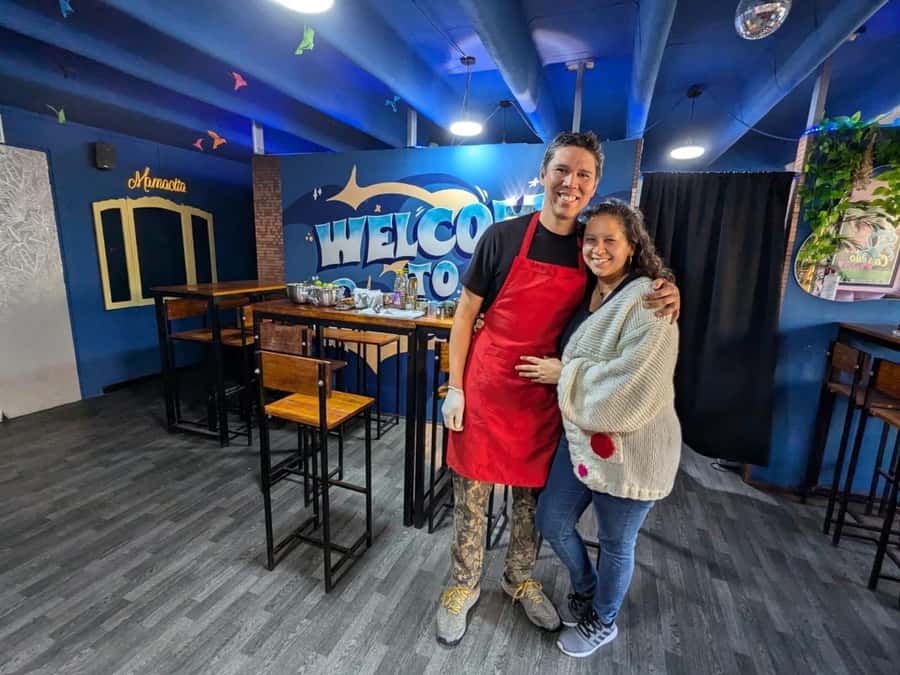
You meet at the door of Wong Supermarket, where a host in a red apron will collect you. From there, the experience takes place in a private room designed for the class, with Peruvian art, a kitchen area, a full bar, and seating for the group.
The opening video gives you a quick look at Peru’s three broad geographic regions: the coast, the highlands, and the jungle. That matters because Peruvian cooking changes sharply from one area to another. Seafood dominates the coast, while ingredients and cooking traditions from inland regions bring different flavors and techniques.
I like this opening because it gives the food a setting. You are not simply handed fish and told to squeeze lime over it. You first get a sense of why coastal dishes are so important and why pisco belongs at the table.
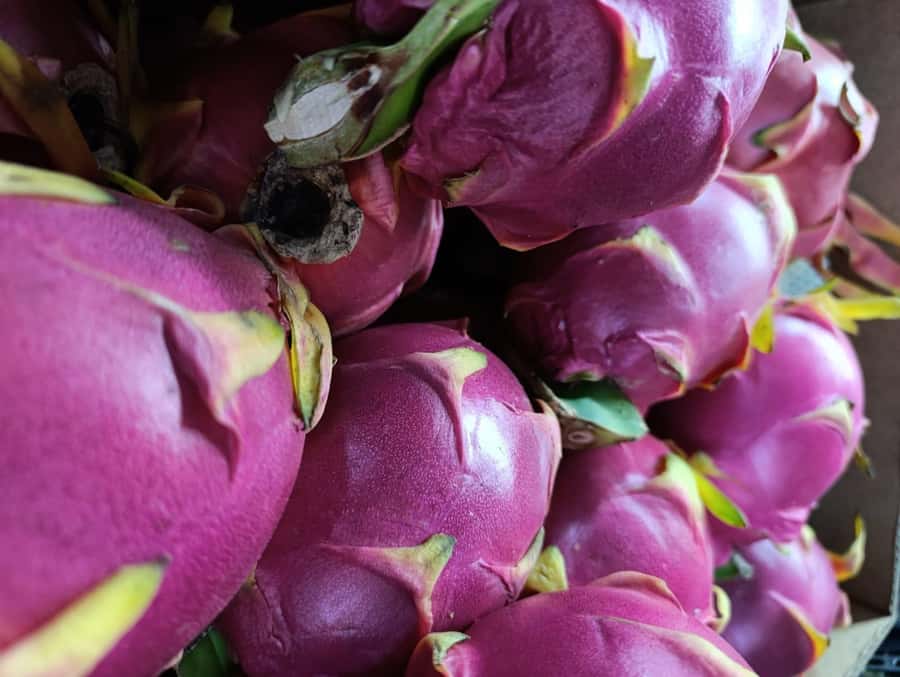
The class also includes a tasting of unusual Peruvian fruits. The exact selection can vary, but the hosts use the fruit to talk about ingredients, regional food traditions, and flavors you may not find in a standard restaurant meal. One session included chirimoya, a soft, sweet fruit with a custard-like character.
Do not expect a formal lecture. The tone is conversational, and the hosts often connect ingredients with personal memories and stories from their work around Peru. That informal style is one of the reasons the class feels more like a local welcome than a staged cooking show.
More Seafood Cooking Classes in Peru:
- Tokyo Tsukiji Fish Market Tour and Sushi Making Lesson
★ 5.0 · 390 reviews - Seafood paella cooking class, tapas and visit to Ruzafa market.
★ 5.0 · 328 reviews - Barcelona: Paella Seafood Master Cooking Class with Sangria
★ 5.0 · 73 reviews
Tasting ten styles of macerated pisco
The pisco tasting is the first major feature of the class. José Antonio and his family produce their own pisco, and the experience includes up to 10 macerated flavors, known locally as pisco macerado.
The flavors may include fruit and herb-based combinations. Passionfruit and chicha morada were especially popular choices, and bottles may be available to buy from the instructor after the class. If you enjoy tasting before choosing, this is far more interesting than being handed one standard cocktail at the start.
You learn about the origins of pisco and its place in Peruvian culture before making your drink. The hosts also explain their own connection to distilling, including production linked to a small facility in Ica. This personal angle gives the tasting more weight than a simple alcohol sampler.
You will usually choose the flavor you want for your Pisco Sour. That small decision makes the cocktail feel like your own creation. It also lets you compare how the same drink changes when made with a bright fruit flavor instead of a more traditional base.
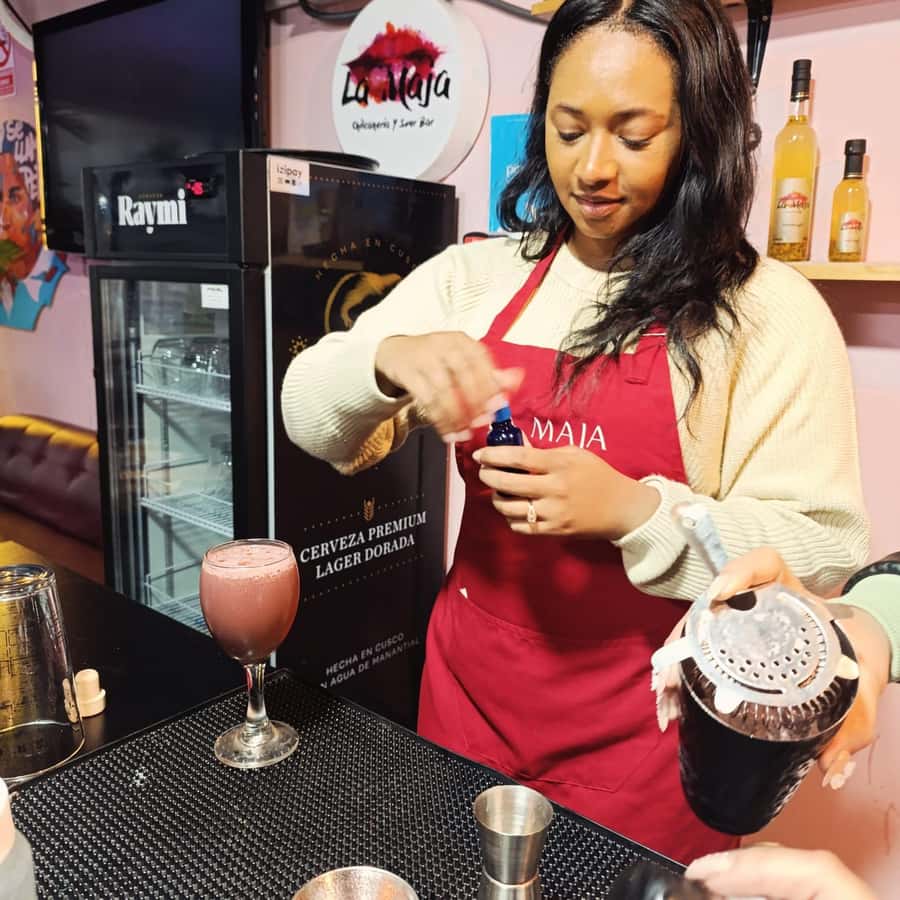
The class offers either a Pisco Sour or chilcano per person. The Pisco Sour uses the classic combination of pisco, lime, syrup, egg white, and bitters, although the exact preparation is guided by the host. You get to shake the drink yourself and learn how to create the foamy top.
The alcohol is generous enough that you should pace yourself. The tasting includes many samples before the cocktail, and the seafood courses are substantial. This is not the place to arrive expecting only a light snack.
Tuna tartare with fresh coastal ingredients
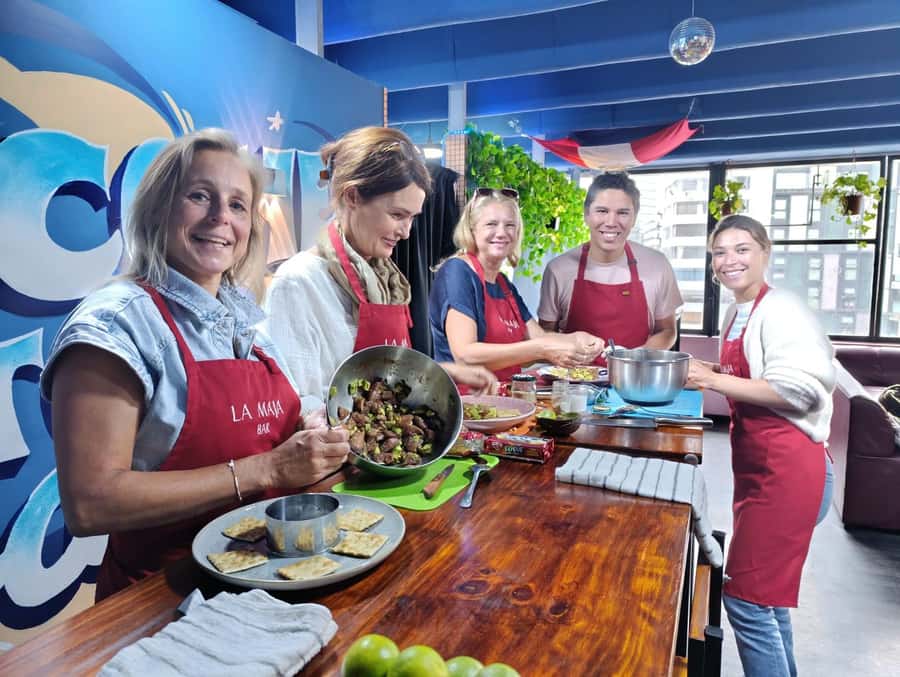
The first prepared dish is tuna tartare. The tuna is mixed with soy sauce, sesame oil, avocado, and lemon, then served on crackers.
This is a smart first course because it requires no long cooking time. You can focus on balance: salty soy, nutty sesame oil, creamy avocado, and the acidity of lemon. The ingredients do much of the work, so the dish is approachable even if you rarely cook seafood.
In some sessions, the fish has been caught that morning. That level of freshness makes a noticeable difference in a raw preparation, where there is nowhere for poor ingredients to hide. You should still tell the hosts about allergies or dietary restrictions before the class begins.
The tartare also gives you a useful comparison with ceviche. Both dishes rely on fresh fish and acid, but their seasoning and texture are different. The tuna preparation is softer and more rounded, while ceviche has a sharper citrus profile and a firmer bite.
A practical note: some chopping may already be done when you arrive. This helps keep the class within its 2.5-hour schedule, but it means you may not practice every step from whole fish to finished dish. If your main goal is knife technique, ask in advance how much preparation will be left for participants.
Making ceviche the Peruvian way
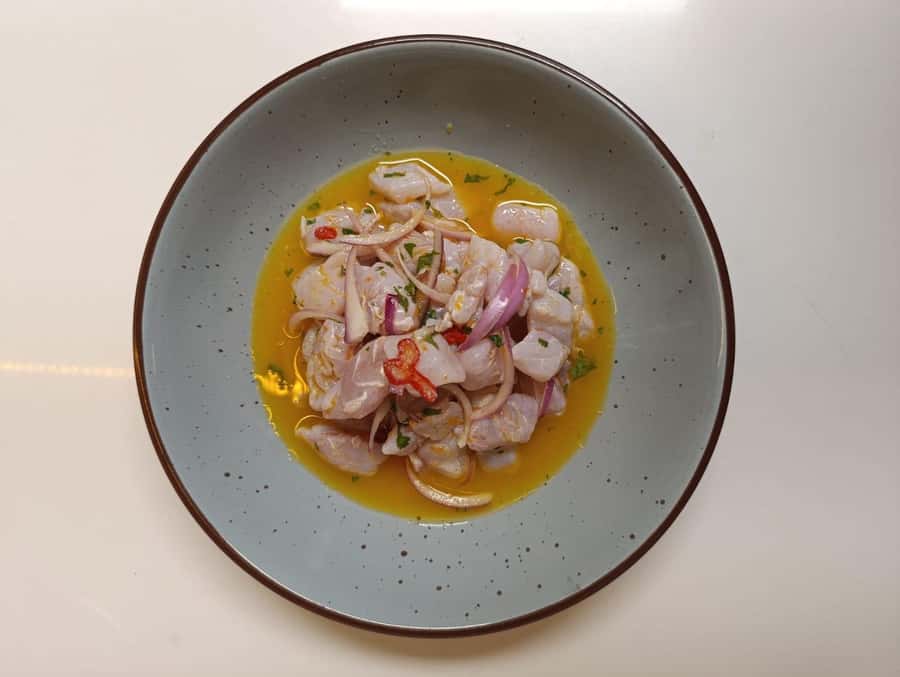
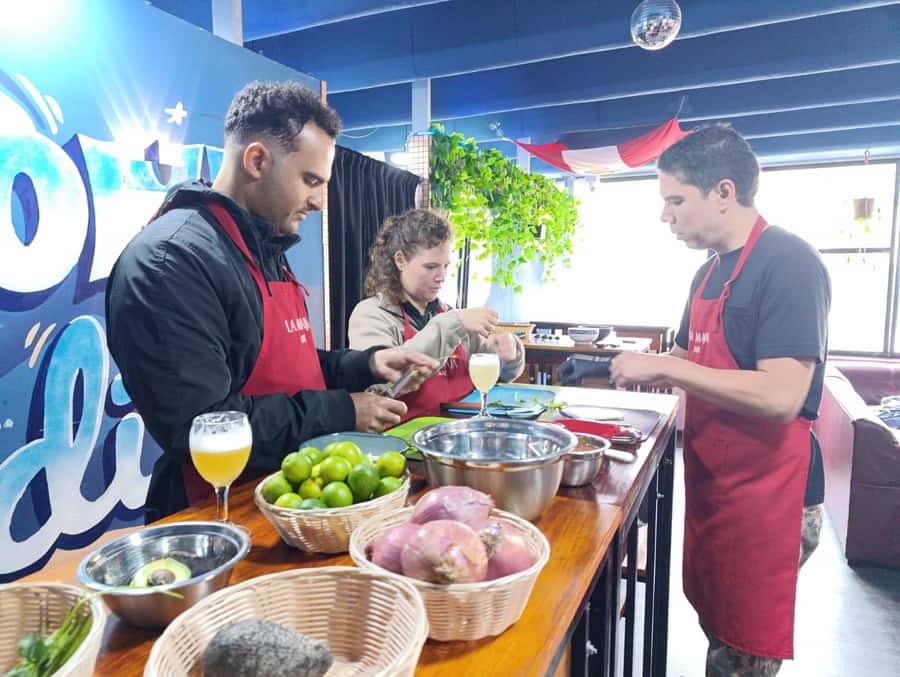
Ceviche is the centerpiece of the class. You prepare one plate per person using the host’s own recipe, which is described as a distinctive Lima-style version.
The hosts explain the origins of ceviche and show how the ingredients come together. The exact secret seasoning is not fully handed over as a formula, but you learn the practical ideas that matter: the freshness of the fish, the timing of the citrus, the balance of salt and acidity, and the order in which ingredients are mixed.
That timing is important. Lime juice changes the texture of fish, so ceviche is not a dish you want to assemble hours before eating. Making it during the class means you taste it at its best, shortly after preparation.
You prepare a full portion rather than watching someone make one shared bowl. That is a worthwhile detail. You can adjust the flavor to your liking and see how much citrus, salt, and seasoning works for your own palate.
The seafood focus makes this experience especially useful in Lima, where ceviche is one of the city’s signature dishes. You can certainly order ceviche in a restaurant, but learning the basic method helps you understand what you are eating later in the trip.
The portion sizes are described as generous, especially when combined with the tartare, fruit, and drinks. If you have a small appetite, pace yourself early. If you are hungry, the class can function as a full meal rather than a quick tasting.
Vegetarian options are available, but you should request one before arriving. The class centers on seafood, so vegetarians will want to confirm how the menu will be adapted rather than assuming the standard dishes can simply be left out.
A few more cooking classes around Peru worth a look
- Cusco: Peruvian Cooking Class, Cocktails & Local Market Tour
★ 4.9 · 512 reviews - Cooking class and market tour with a local chef
★ 5.0 · 186 reviews - Market Tour, Tasting of 35 Fruits, and 4-Course Peruvian Cooking Class in Lima
★ 5.0 · 86 reviews - #1 Rated Cooking Classes with Local Market Tour & Pickup
★ 5.0 · 69 reviews
A local welcome from José Antonio and Maria
The hosts are a major part of the experience. José Antonio leads much of the instruction, and Maria also helps create the friendly, relaxed atmosphere. Their own stories about food, pisco, and Peru give the class a personal tone.
José Antonio is also generous with advice beyond the cooking. You can ask about places to eat, walks in Miraflores, and plans for other parts of Peru. The hosts provide recommendations for Lima, Paracas, Cusco, the northern coast, and the jungle.
This is especially useful early in a trip. A restaurant suggestion from someone who works with local ingredients can save you from choosing a place based only on a convenient location. You may also pick up ideas for how to spend time in Miraflores after the class.
English and Spanish are offered. The hosts have been praised for clear English and patient explanations, including with people who arrived late or needed dietary adjustments. Still, tell the provider your language preference when booking so the session can be prepared properly.
The class can feel especially warm when only one booking is scheduled. Instead of canceling or combining the appointment, the hosts have run private sessions for a single participant or couple. That is not guaranteed, but the small maximum group keeps the experience personal even when all eight places are filled.
Photos, recipes, and practical value
During the session, the hosts take photos and videos. You receive the finished material afterward, along with the recipes and travel suggestions.
That is more useful than it may sound. Cooking classes can be difficult to remember once you are back home, especially when the recipe depends on proportions and timing. Having the instructions lets you recreate the tartare, ceviche, and cocktail later.
The photos also solve a common travel problem: you are busy cooking and cannot take many pictures yourself. You get a record of the class without stopping every few minutes to reach for your phone.
The experience room has an elevator and no stairs, and the activity is wheelchair accessible. The meeting point is straightforward, but you should still allow enough time to find Wong Supermarket and locate the red apron at the entrance.
The class ends back at the meeting point. Since it is close to Kennedy Park and many hotels, you can easily continue with a walk, a meal, or an evening in Miraflores.
How the $40 price compares
At $40 per person, this class offers good value if you treat it as both a meal and a cultural activity. You receive multiple tastings, three prepared items, one cocktail, instruction, water, recipes, and follow-up photos or video.
The pisco portion alone includes more variety than a standard bar tasting. Add the fresh seafood and the time with local hosts, and the price is reasonable for Miraflores.
It is not the cheapest way to eat ceviche. A local restaurant meal can cost less, especially if you order only one dish. The difference is that here you learn the method, choose a pisco flavor, prepare the food yourself, and get personal recommendations for the rest of your trip.
For couples, solo visitors, and small groups who enjoy food, the price is easier to justify. If you only want a quick cooking demonstration or avoid alcohol and seafood, the value will be weaker.
Booking flexibility also helps. You can reserve and pay later, and cancellation is free up to 24 hours before the activity. If you need another start time, the provider asks you to write directly. That is useful when your Lima schedule depends on flights, hotel check-in, or a late arrival.
Who will enjoy this Miraflores class?
I would choose this experience if you want:
- A first taste of Peruvian food culture in Lima
- A small class rather than a large group demonstration
- Fresh seafood and practical ceviche instruction
- Several pisco flavors instead of one standard cocktail
- Advice on restaurants and activities for the rest of Peru
- A relaxed activity close to central Miraflores hotels
- A class that works well for couples, solo visitors, and young adults
You may want a different activity if you are seeking advanced culinary training. The pre-cut ingredients keep the pace comfortable, but they reduce the amount of technical preparation.
It is also not the best fit for someone who does not drink, dislikes raw seafood, or wants a menu built mainly around vegetables. Vegetarian adaptations are available, but seafood and pisco remain central to the standard experience.
Should you book it?
Yes, if you want a friendly and practical introduction to Lima’s food culture. The strongest reasons are the fresh fish, the personal hosting, the wide range of infused piscos, and the chance to make food you can prepare again at home.
I would book it early in a Lima stay, then use the hosts’ restaurant and sightseeing advice to shape the next few days. Just send your language preference, allergies, and dietary needs ahead of time, and remember that the class is more about flavor, culture, and company than advanced knife skills.
FAQ
How long does the cooking class last?
The experience lasts 2.5 hours. Starting times vary, so check availability when choosing a date.
What food will I prepare?
You prepare one portion of tuna tartare and one portion of fish ceviche per person. The tartare includes tuna, soy sauce, sesame oil, avocado, and lemon, while the ceviche follows the host’s own recipe.
What drinks are included?
You taste up to 10 flavors of pisco macerado and prepare one Pisco Sour or chilcano per person. Unlimited water is also included.
Where is the meeting point?
Meet at the door of Wong Supermarket in Miraflores, where the host will wear a red apron. The location is about half a block from Kennedy Park.
Is the class available in English?
Yes. The hosts offer the activity in English and Spanish. You should state your preferred language when booking.
Can I request vegetarian or allergy-friendly food?
Yes. Vegetarian options are available, and you should tell the provider about allergies or dietary requirements before the class.
Just added around Peru
- Lima: Peruvian cooking class and tour of Surquillo market★ 5.0 · 2 reviews
- Lima: Market Tour and Cooking Class with Pisco Sour★ 5.0 · 3 reviews
- Lima: Cooking Workshop and Water Circuit Tour★ 5.0 · 16 reviews
- Lima: Market Tour, 35 Fruits Tasting & Cooking Class★ 5.0 · 3 reviews
- Lima: 4-Course Peruvian Cooking Class in Miraflores★ 5.0 · 4 reviews
- Lima : Cooking Class – A Peruvian Culinary exploration★ 5.0 · 2 reviews
- Lima: Demo Cooking Class with Lunch at Cala Restaurant★ 4.1 · 4 reviews
- Cusco: Peruvian Cooking Class★ 5.0 · 2 reviews
Seafood Cooking Classes, compared.
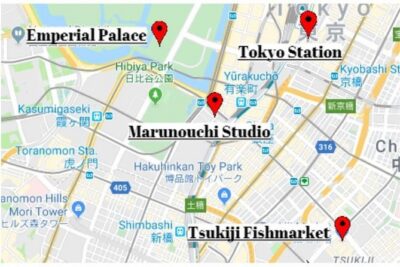
Tokyo Tsukiji Fish Market Tour and Sushi Making Lesson
Read our review →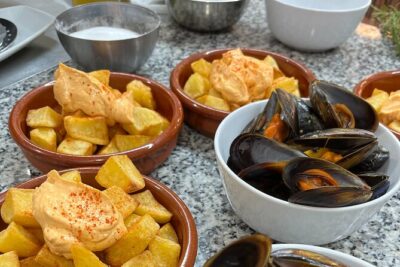
Seafood paella cooking class, tapas and visit to Ruzafa market.
Read our review →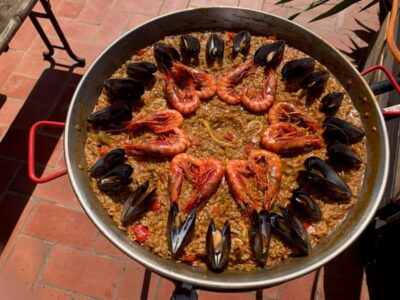
Paella Seafood Master Cooking Class with Sangria
Read our review →
Rooftop Paella Seafood Cooking Class Experience in Barcelona
Read our review →
La Spezia: Market Visit and Seafood Cooking Class with Lunch
Read our review →
Lists this class appears in