REVIEW · LOMBARDY, ITALY
Milan: Pasta, Gnocchi and Tiramisù Cooking Class with Wine
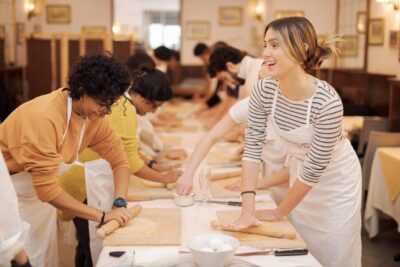
Fresh pasta is a fine Milan souvenir. This three-hour class puts you beside a Michelin-trained chef to make pasta, potato gnocchi, and tiramisù from scratch, then eat your work at a shared Italian table. I like the practical format: you do the mixing, shaping, and cooking rather than simply watching. I also like the generous food-and-wine pairing, with Prosecco to start and Italian wines served during the class. The main consideration is that wine is part of the experience, so this may be less appealing if you do not drink, though the cooking itself remains the main event.
The class costs $74 per person, a fair price when it covers dinner, instruction, wine tasting, and a recipe booklet. Chef Francesco receives special praise for making pasta and gnocchi feel manageable, while Denise, Erica, and Liù have also been warmly noted for patient, friendly teaching. Dietary requests can be accommodated, but you need to mention allergies or intolerances in advance.
Key points to know before you book
- Three dishes in one evening: Make fresh pasta, potato gnocchi, and tiramisù from basic ingredients.
- Hands-on instruction: You work through the recipes instead of sitting through a cooking demonstration.
- Michelin-trained teaching: The chefs explain technique, ingredient choice, food customs, and common mistakes.
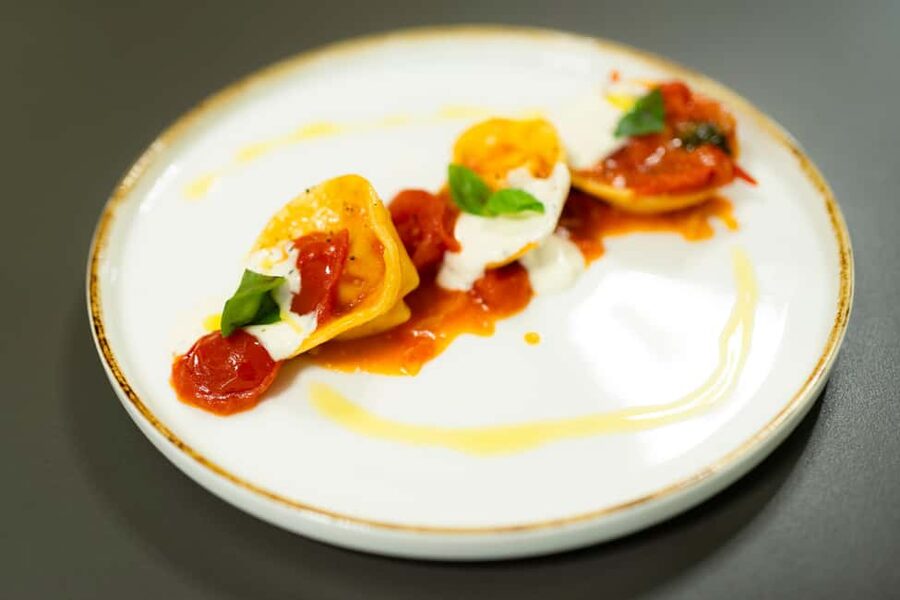
- A proper dinner included: Sit down together to eat ravioli or fresh pasta, gnocchi, and tiramisù after cooking.
- Wine is part of the rhythm: Begin with Prosecco, then taste Italian wines selected to match the food.
- Useful take-home value: You receive recipes and tips designed to help you repeat the dishes at home.
What this Milan cooking class is really like
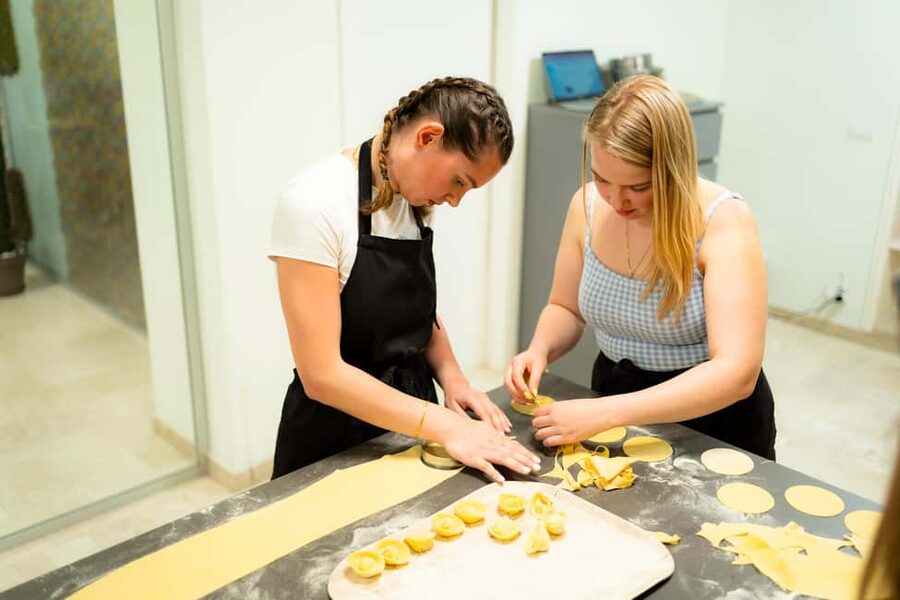
This is not a polished restaurant meal with a quick demonstration added on. It is built around participation. You arrive at Via Lodovico Settala 1 and ring at number 18, then join a small group in the chef’s kitchen. The closest Metro stops are Porta Venezia and Repubblica. From Milan Cathedral, it is about 2 kilometers, or roughly 25 minutes on foot.
The class lasts three hours, which gives the cooking enough time to feel unhurried. You are not racing through one recipe for a photograph. The chef can stop, repeat a demonstration, and move around the group to check your work.
That matters most with pasta and gnocchi. Both look simple until the dough behaves differently from the example in your hands. A good teacher helps you see what the texture should be, not just what the clock says. The instructors here are praised for repeating demonstrations so everyone can see, and for offering extra guidance when someone’s pasta is less than perfect.
That is part of the charm. Your ravioli may not look factory-made, and your gnocchi may vary in size. You are learning a family-style skill, not trying out for a television cooking show.
More Cooking Classes with Wine Tasting in Italy
- Milan: Pasta and Tiramisu Cooking Class with Wine
★ 4.8 · 1,106 reviews - Milan: Pasta and Tiramisu Small Group Cooking Class with Wine
★ 5.0 · 660 reviews - Milan: Italian Cooking Class with Food and Wine
★ 4.7 · 509 reviews
Prosecco first, then Italian wine with dinner
The evening begins with a welcome glass of Prosecco. It sets an easy social tone while the chef introduces the class and the food ahead.
Italian wine is served for tasting as you cook and eat. The idea is not a formal sommelier lesson. Instead, the wine gives you a better sense of how Italians match a meal to the table, and it makes the shared dinner feel like part of the lesson rather than an afterthought.
I would treat the wine as a pleasant extra, not the main reason to book. The class is about making food, and the strongest part of the experience is the chance to learn useful technique. If you do not drink, you can still take part in the recipes and meal, but the supplied details do not specify alternative drinks.
The timing can work well for dinner. A 5 p.m. start has been especially convenient for people who want to cook their evening meal rather than squeeze in another restaurant reservation. You finish with food you have made yourself, which is often more satisfying than simply choosing another menu in Milan.
Making fresh pasta from scratch
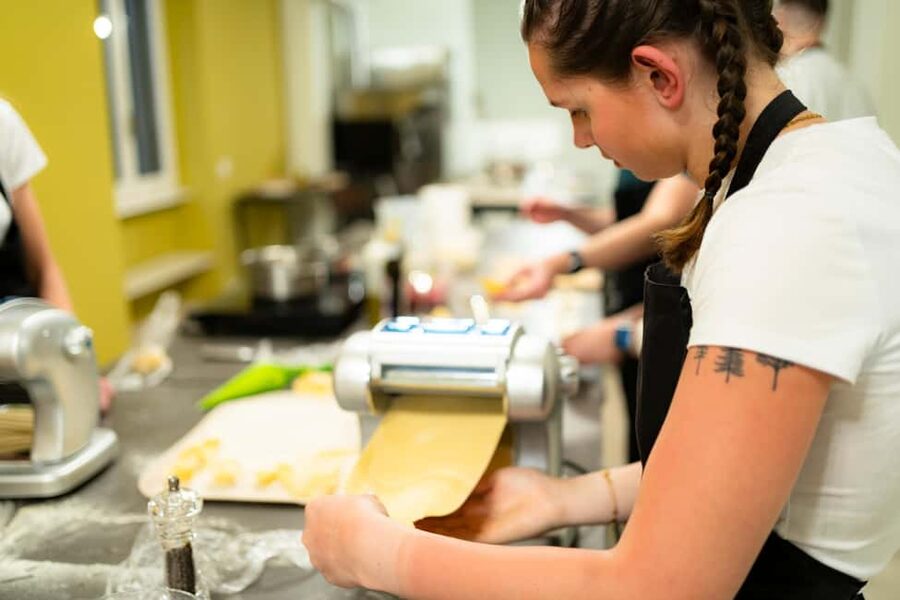
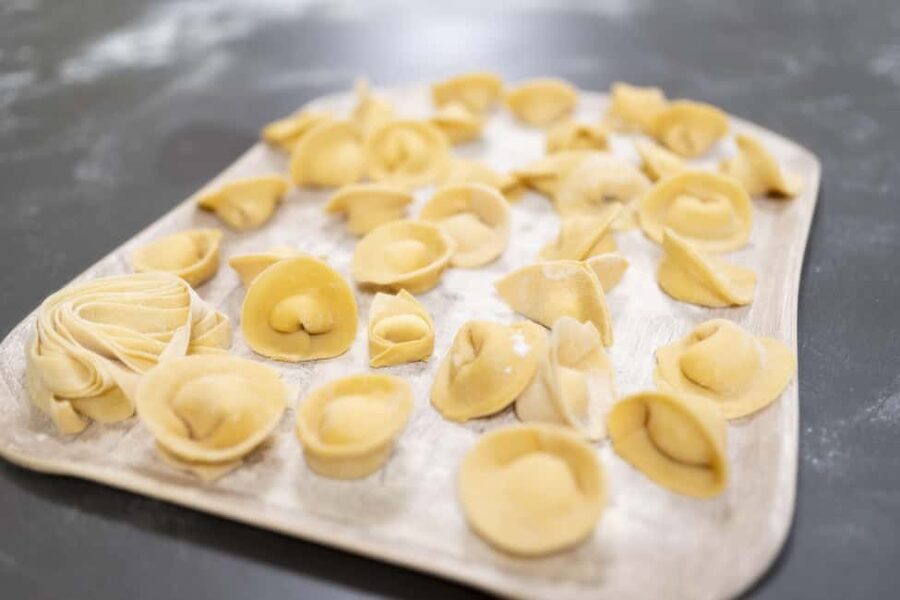
Fresh pasta is the centerpiece for many people. You learn the basic dough process, then shape the pasta into a filled preparation such as ravioli. The exact hand movements take practice, but the chef breaks them into small steps.
The most useful part is learning how dough should feel. A recipe can tell you how much flour to use, but kitchen conditions vary. The chef’s demonstrations help you judge when the dough is workable and when it needs more attention.
You also learn how to handle filling and shaping. Ravioli needs enough filling to taste good, but not so much that the edges refuse to seal. The pasta must be pressed carefully so it does not open in the pot. These are small points, but they are the difference between a recipe you can repeat and one that only worked under supervision.
The class also includes explanations of sauces and other pasta options. That gives you more than one dinner idea to carry home. Chef Francesco has also shared practical advice about choosing ingredients at the supermarket, a useful touch if your goal is to recreate the meal outside Italy.
Do not expect every piece to look identical. One of the most encouraging details from the class is that beginners often leave feeling pasta is achievable, even if their first shapes are a little uneven. That is exactly the right lesson: handmade pasta improves with practice.
Potato gnocchi and the importance of texture
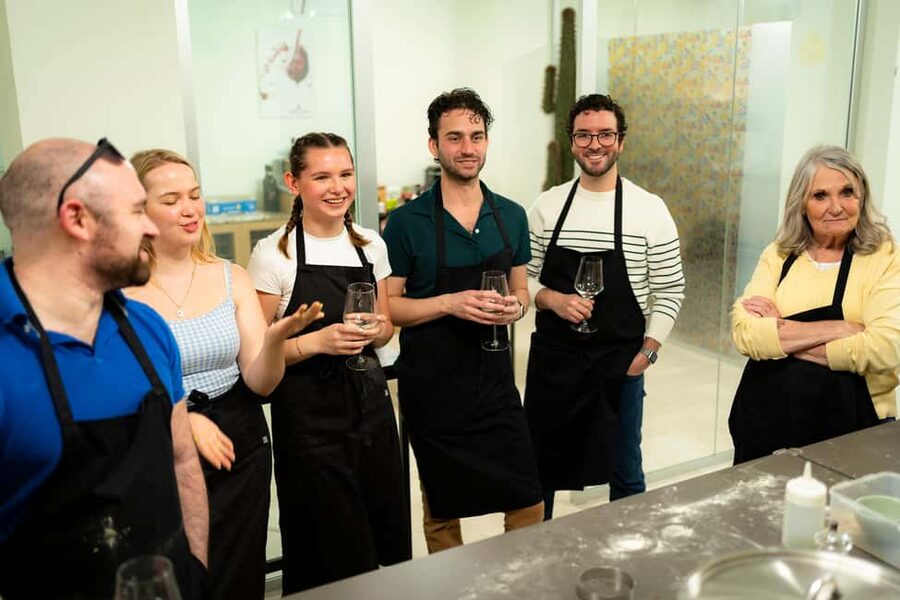
Gnocchi can be tricky because potatoes hold different amounts of water. Too much moisture leads to heavy dumplings, while too much flour can make them tough. This is where close instruction earns its keep.
You prepare the gnocchi from scratch and learn how to shape it. The chef also explains the choices behind the ingredients and the techniques that keep the finished pieces light.
The gnocchi is served with sauce, including a truffle sauce mentioned by one participant. That pairing gives the dish a special finish, but the greater value is learning the texture before the sauce arrives. If the dumpling is right, it should feel soft and tender rather than dense.
I like that the class makes room for beginners. Several people arrived unsure they could make pasta or gnocchi at home and left ready to try again. You do not need advanced cooking skills, and you should not feel embarrassed if your first few pieces are uneven. The chef’s job is to show you what to adjust.
If you are cooking with children or teenagers, this dish can be a good reason to book. A 15-year-old reportedly enjoyed the class, and the approachable steps allow younger cooks to take part without turning the evening into a lecture.
More Cooking Classes with Wine Tasting in Milan
- Pizza Cooking Class with Tiramisù and Wine Tasting in Milan
★ 5.0 · 172 reviews - Pizza and Tiramisu Cooking Class with Wine in Milan
★ 4.9 · 80 reviews - Milan: Hands-On Pasta & Dessert Cooking Class & Wine Pairing
★ 5.0 · 3 reviews
Tiramisù gives the class a sweet finish
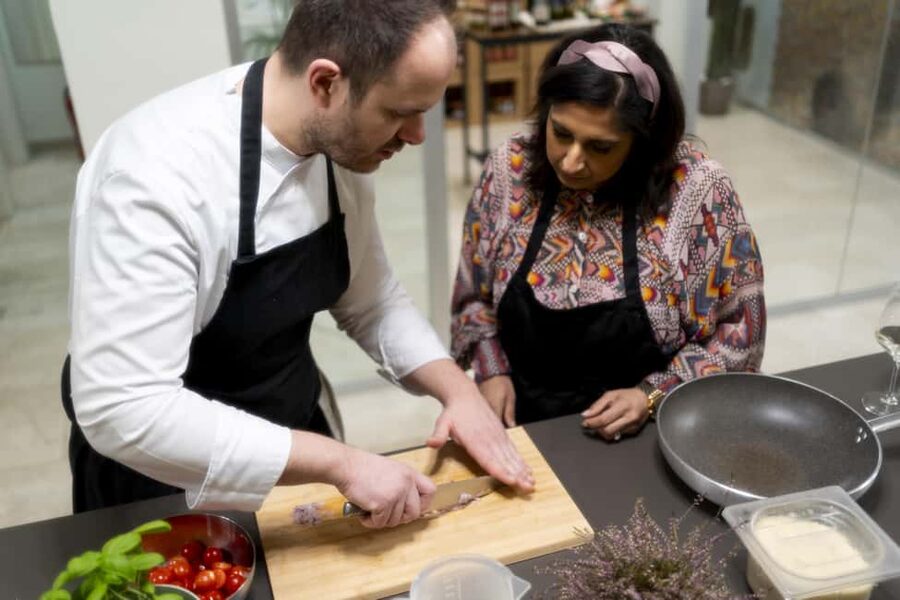
Tiramisù is the least physically demanding of the three recipes, but it is still worth learning properly. The chef shows you how the components come together and explains the choices behind the dish.
You prepare it during the class, then serve it at the end of the meal. That order makes sense. Pasta and gnocchi require active work, while tiramisù can be prepared ahead and chilled or rested before serving.
Not everyone begins as a tiramisù fan. One participant who normally did not care for it changed their mind after making and eating it here. That says more about the freshness and method than about any grand culinary revelation. The class gives you a chance to understand the balance of coffee, cream, and sweetness, then adjust the recipe at home.
You also receive the recipes afterward, so the dessert is not just a one-night treat. It can become the easiest part of the meal to repeat for friends.
Food stories make the lesson more useful
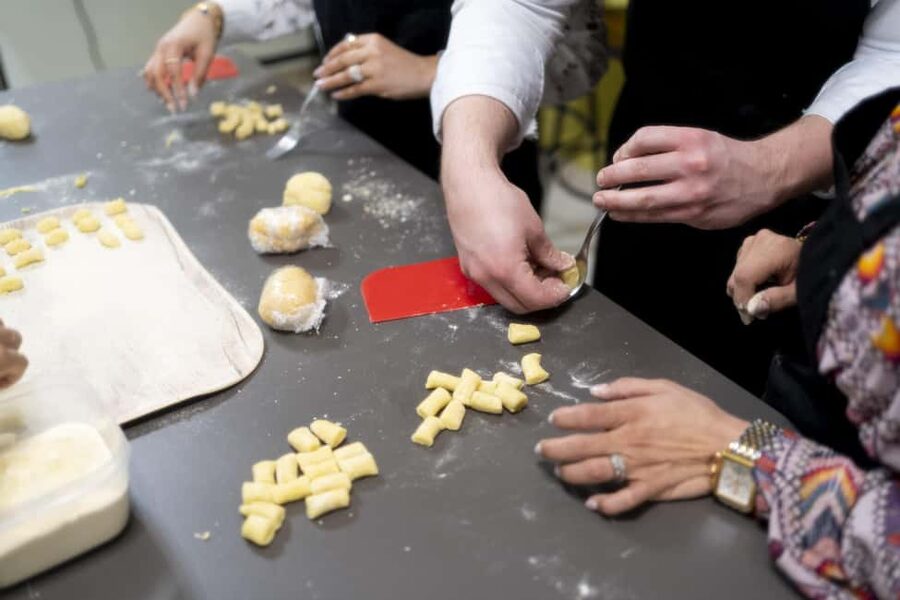
A strong cooking class teaches more than hand movements. During this one, the chefs explain Italian food traditions, family recipes, ingredient choices, and common mistakes.
One especially useful theme is the difference between following a recipe and understanding why it works. You hear about selecting products in a supermarket, handling dough, and using ingredients in a way that fits Italian cooking traditions.
The food also becomes a way to discuss Italy’s regions and customs. One instructor explained how dishes originated and why Italians use particular ingredients. That gives you context without turning the class into a history seminar.
The tone appears friendly and social. Solo participants can join without feeling out of place, while couples, families, and groups of friends have plenty to do together. You cook beside other people, compare results, ask questions, and sit down for dinner as a group.
That shared table is a real benefit. Milan has no shortage of restaurants, but a meal you helped prepare gives you a connection to the city’s food culture that a reservation alone cannot provide.
The chefs and teaching style
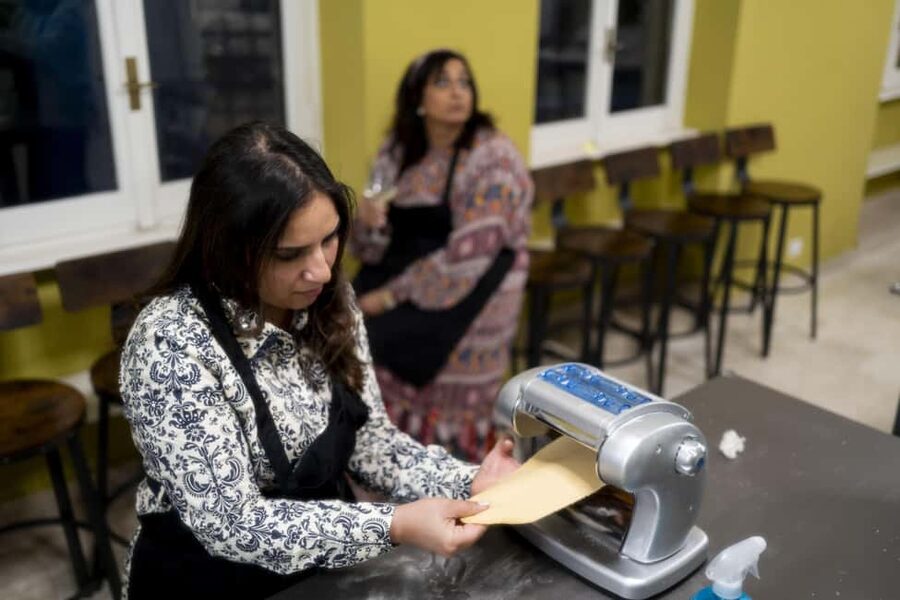
Several chefs lead the classes, so the exact instructor may vary. Francesco is repeatedly praised for humor, patience, clear explanations, and an ability to make difficult steps feel simple. Denise and Erica are also described as kind, engaging, and attentive.
Liù received special praise for adapting a dish when a participant could not eat cheese. Instead of leaving that person out while everyone else made ricotta-filled ravioli, she arranged a different preparation so the participant could take part fully.
That example is useful, but you should still provide dietary information before the class. Vegetarian, vegan, and gluten-free versions can be arranged upon request, and allergies or intolerances must be reported in advance. Lactose-free adjustments have also been possible.
The small-group format helps here. The chef has more opportunity to check each person’s dough, repeat a step, and answer questions than you would get in a large demonstration. The class is still social, but it is not so large that you disappear at the back of the room.
Is $74 a good value in Milan?
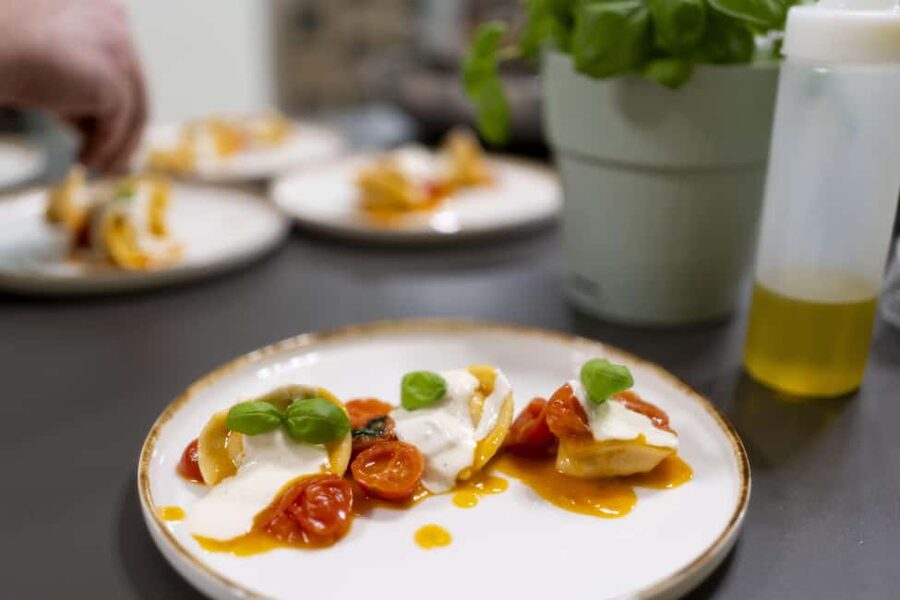
At $74 per person, this is not the cheapest way to eat dinner in Milan. It is also not simply a dinner. You receive three hours of instruction, a full meal, wine tasting, a small-group setting, and recipes to use later.
The value improves if you care about practical skills. A restaurant meal disappears when the plates are cleared. Here, you leave with methods for pasta, gnocchi, and tiramisù, plus the confidence to try them again.
The included wine and Prosecco add to the evening, especially for people who enjoy pairing drinks with food. The price is less compelling if you do not drink, though the class still includes the main meal and instruction.
I would compare it with the cost of a standard guided activity in Milan. For a food-focused experience that fills an evening and gives you something useful to take home, $74 is reasonable. It is particularly good value for couples, families, and food lovers who plan to cook after returning home.
Who should book this class?
You should consider it if you want an active evening rather than another sightseeing stop. It suits beginners because the chefs explain the basics carefully, but experienced home cooks can still pick up tips about dough, sauces, ingredients, and Italian technique.
It is also a good choice for:
- Couples seeking a shared activity
- Families with older children or teenagers
- Solo participants who enjoy meeting people at the table
- Vegetarian, vegan, gluten-free, or lactose-free diners who arrange needs ahead of time
- Food lovers who want recipes they can use at home
- Anyone who wants dinner and an activity in the same booking
It may not suit you if you want a quiet, private meal, dislike group activities, or have no interest in cooking. The class requires active participation, so you will be handling ingredients and making your own pasta rather than simply observing a professional.
Practical details that matter
The meeting point is Via Lodovico Settala n.1. Ring at number 18 when you arrive. Porta Venezia and Repubblica are the nearest Metro stops, and the address is walkable from Milan Cathedral in about 25 minutes.
The class is conducted in English. Since the chef may need to adjust recipes, tell the operator about allergies and intolerances before the class, not when you sit down at the table.
You can cancel up to 24 hours before the start for a full refund. Reserve-now, pay-later booking is also available, which helps if your Milan plans are still shifting.
Should you book the Milan pasta class?
I would book this if you want food to be the center of your Milan evening. The strongest reasons are the hands-on format, the patient teaching, the three-course menu, and the recipes you can repeat at home.
The class is especially worthwhile for beginners who assume fresh pasta or gnocchi are too difficult. You may leave with imperfect shapes, but you should also leave knowing what to fix next time. That is a useful souvenir, and one you can share with friends long after the Duomo photos are buried on your phone.
Skip it if you prefer a private dining experience or do not want wine included in the evening. For everyone else, $74 buys more than dinner: it buys a relaxed lesson, a social table, and a practical taste of Italian home cooking.
FAQ
How long does the Milan cooking class last?
The class lasts three hours.
What dishes will I make?
You will make fresh pasta, potato gnocchi, and tiramisù from scratch. The meal is described as including ravioli, gnocchi, and tiramisù.
Is wine included?
Yes. The experience includes a welcome glass of Prosecco and a selection of Italian wines for tasting.
Is the class taught in English?
Yes. English is the listed class language and instructor language.
Can dietary restrictions be accommodated?
Vegetarian, vegan, and gluten-free requests can be accommodated upon request. Lactose-free adjustments have also been provided. Tell the operator about allergies or intolerances in advance.
Where is the meeting point?
Meet at Via Lodovico Settala n.1 and ring at number 18. The nearest Metro stops are Porta Venezia and Repubblica. The address is about a 25-minute walk from Milan Cathedral.
More Tiramisu and Dessert Classes in Milan
- Milan Cooking Class: Authentic Pizza & Gelato Making
★ 5.0 · 582 reviews - Italy: Pasta and Tiramisu Cooking Class at Home
★ 3.0 · 2 reviews
More Pasta Making Classes in Milan
- Milan Culinary Experience: Pasta & Gelato or Tiramisù Class
★ 5.0 · 337 reviews - Milan: Pasta, Ravioli, and Gelato Class in a Glamorous Home
★ 4.9 · 268 reviews - Milan: Pasta & Tiramisu Cooking Class with Premium Products
★ 5.0 · 255 reviews - Milan: Homemade Pasta, Sauce, and Tiramisu Cooking Class
★ 5.0 · 3 reviews
Just added around Milan
- Small Group Cozy Cooking Class in a Typical Milanese Home★ 4.8 · 27 reviews
- Pizza and Tiramisu Cooking Class with Wine in Milan★ 4.9 · 80 reviews
- only in ITALIAN – International aperitif + cooking class in Italian★ 4.8 · 22 reviews
- Milan: Private Cooking Class at a Local’s Home★ 5.0 · 9 reviews
- Milan: Market and Cooking Class at a Local’s Home★ 4.0 · 5 reviews
- Milan: Homemade Pasta, Sauce, and Tiramisu Cooking Class★ 5.0 · 3 reviews
- Milan: Cooking Class for Families with Children★ 5.0 · 5 reviews
- Italy: Pasta and Tiramisu Cooking Class at Home★ 3.0 · 2 reviews
Pasta Making Classes, compared.


3 in 1 Cooking Class near Navona: Fettuccine, Ravioli & Tiramisu
Read our review →
Pasta & Tiramisu Cooking Class with Unlimited Wine
Read our review →
Pasta Making Class with Wine, Limoncello, and Dessert
Read our review →
Rome Cooking Class: Make Pasta and 3 Spritz Cocktails
Read our review →
3-in-1 Fettuccine, Ravioli, and Tiramisu Cooking Class
Read our review →