
REVIEW · LIMA PROVINCE, PERU
Lima: Peruvian cooking class and tour of Surquillo market
Food is the fastest way into Lima. This four-hour experience combines a walk through Surquillo market with hands-on cooking, so you do more than sample Peruvian dishes. I like the chance to choose ingredients with a chef, and I like the clear choice between fish, chicken, meat, or vegan versions. The main consideration is timing: four hours goes quickly, especially if you want to linger at the market.
The class is led by chef Karina with guide support, and the small-group or private format should make it easier to ask questions. The strongest praise has gone to the friendly, patient staff. Marilyn singled out Gaby and Karina for making the market visit informative and the cooking class fun, while Richard especially praised Leonardo and Karina. The staff seem to be the heart of the experience, but anyone hoping for a long market shopping session should know that this is primarily a cooking class with a market visit, not a full morning market tour.
What makes this Lima food experience worth your time
- You choose your cooking path: Pick fish, chicken, meat, or a vegan version before preparing the meal.
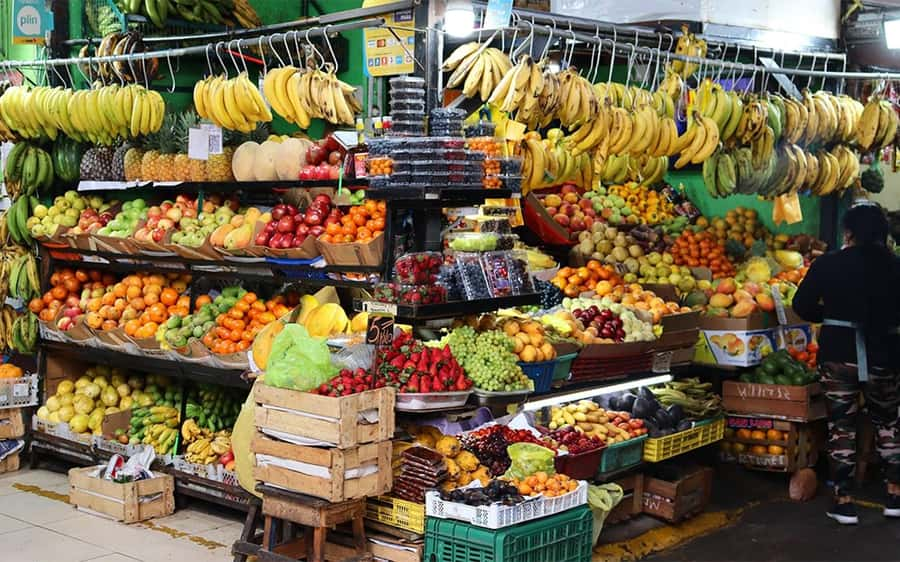
- Surquillo market comes first: See local produce, fruits, vegetables, native potatoes, and ingredients before they reach the kitchen.
- You cook Peru’s famous dishes: Options include ceviche, pescado a la Chorrillana, causa Limeña, ají de pollo, papa rellena, and lomo saltado.
- Tasting is built into the class: Fruit, local drinks, native potatoes, snacks, and samples are part of the food experience.
- Hotel pickup simplifies the morning: Service is offered from accommodations in Miraflores, Barranco, and San Isidro.
- The format suits curious eaters: English and Spanish guides, private bookings, and small groups are available.
Starting the morning from Miraflores, Barranco, or San Isidro
You can choose an 8:30 AM or 2:00 PM start. Pickup and return are offered for accommodations in Miraflores, Barranco, and San Isidro, which keeps the logistics simple if you are staying in one of these districts.
The morning start gives you the rest of the day afterward. The afternoon option may fit better if you prefer a slower morning, though your meal will take place later and could shape your evening plans. The activity lasts about four hours, so allow enough room around the scheduled start and return.
Pickup is useful in Lima, where crossing town can take time. It also means you do not need to find the market or kitchen on your own. Bring comfortable shoes, water, sunglasses, sunscreen, and comfortable clothes. The market portion involves walking, and cooking is easier when you are dressed for movement rather than for a formal meal.
More Cooking Classes with a Market Tour in Peru:
- Cusco: Peruvian Cooking Class, Cocktails & Local Market Tour
★ 4.9 · 512 reviews - Cooking class and market tour with a local chef
★ 5.0 · 186 reviews - Market Tour, Tasting of 35 Fruits, and 4-Course Peruvian Cooking Class in Lima
★ 5.0 · 86 reviews
Walking through Surquillo market
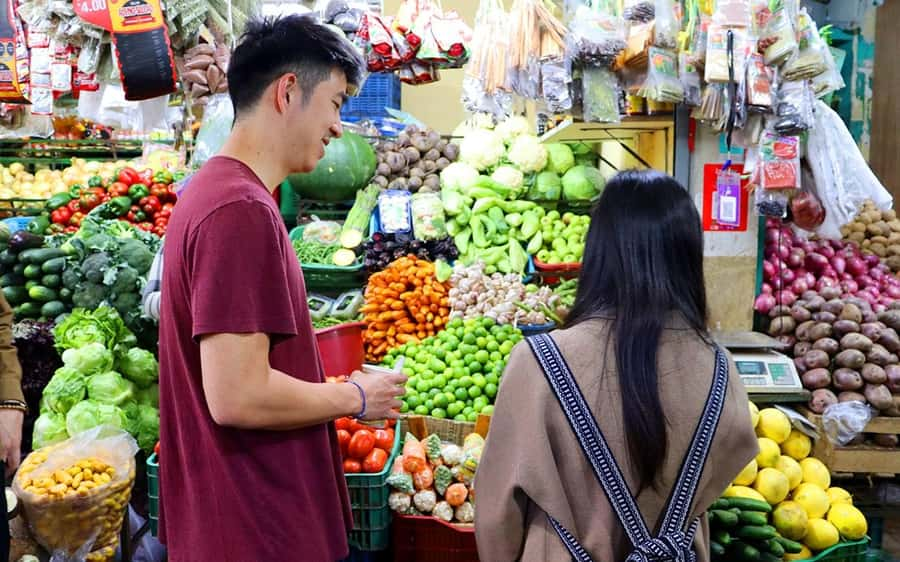
The first real stop is Surquillo, a traditional market district with food stalls, produce, and an arts and crafts market. Your guide and chef introduce the ingredients used in Peruvian cooking, then help you choose what you need for the class.
This is one of the best parts of the experience because you see ingredients before they are chopped, seasoned, and plated. You get a better sense of how much Peruvian cooking depends on potatoes, onions, tomatoes, chilies, fish, fruit, and local produce. The market visit also gives you a chance to interact with vendors and understand the everyday setting behind Lima’s restaurant food.
The included tastings add variety. You can sample local fruits, exotic fruits, native potatoes, a local drink, and other food snacks. These small tastes matter because they turn a standard shopping stop into a lesson in the range of Peruvian ingredients.
You should keep your expectations practical. The market visit is part of a larger four-hour activity, so it is not designed as an open-ended photography walk or a long shopping expedition. If you enjoy seeing how food is selected and used, you will find it useful. If you want hours of independent browsing, the cooking class will take up most of your time.
Choosing between fish, chicken, meat, and vegan dishes
You select one of three main cooking routes. Each has a starter and main course, and vegan versions are available for all options.
Fish: ceviche and pescado a la Chorrillana
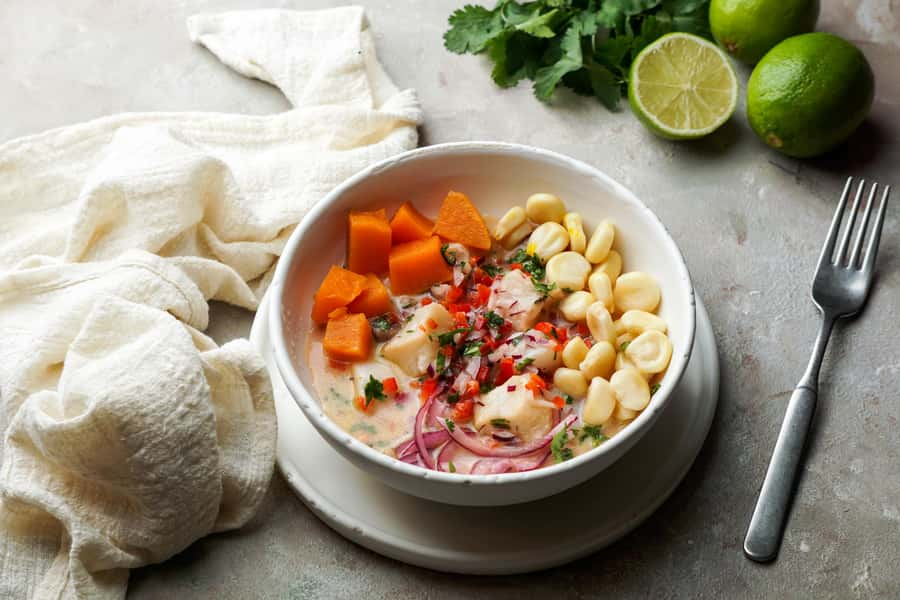
The fish route begins with ceviche, Peru’s best-known dish. You learn to prepare raw fish with lime juice, onions, and sweet potatoes. The class is a good chance to understand the balance between fresh fish, sharp citrus, onion, and the mild sweetness of the potato.
The main course is pescado a la Chorrillana, fish served with fried onions, tomatoes, and fish broth. This gives you a second fish preparation with a different texture and flavor from ceviche.
Choose this route if ceviche is high on your Lima wish list. It is also the option most tied to Peru’s international food reputation. Since the dish uses raw fish, pay close attention to the chef’s instructions and preparation methods.
A few more cooking classes around Peru worth a look
- #1 Rated Cooking Classes with Local Market Tour & Pickup
★ 5.0 · 69 reviews - Miraflores: Amazing Peruvian Cooking Class Ceviche Seafood and Pisco Sour
★ 4.9 · 57 reviews - Cook with Maido’s creative chef and chef de cuisine
★ 5.0 · 53 reviews - Cusco: Peruvian Cooking Class & Market Tour
★ 4.9 · 19 reviews
Chicken: causa Limeña and ají de pollo
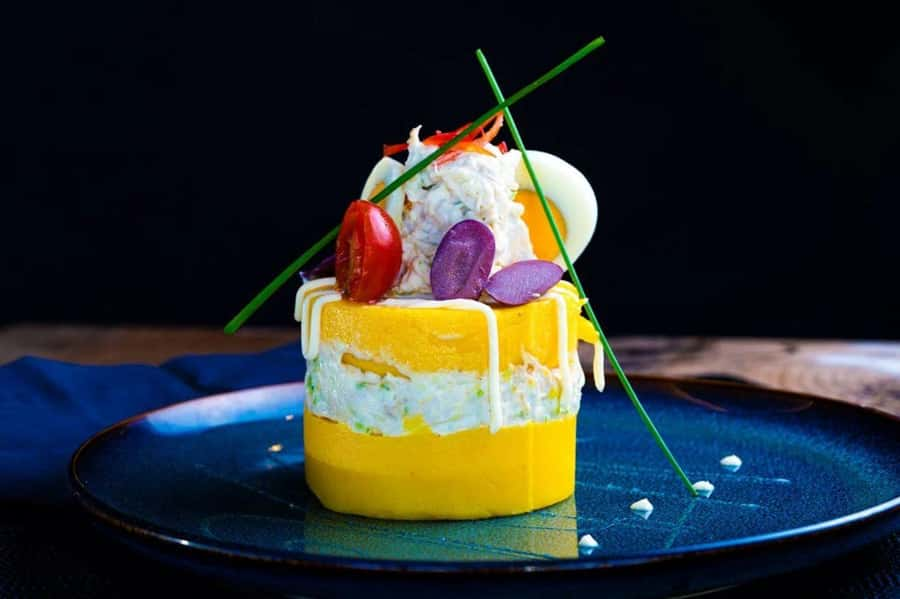
The chicken route starts with causa Limeña. The base is organic yellow potato seasoned with lime and chili, then filled with fresh vegetables. Causa shows how a simple staple becomes a carefully layered dish with a cool, smooth texture.
The main course is ají de pollo, made with chicken strips in a creamy sauce of ají amarillo, cheese, and milk. Despite the name, it is described as mild rather than hot. This makes it a sensible option if you want Peruvian chili flavor without a fiery meal.
Pick chicken if you prefer familiar protein with a gentle introduction to local seasoning. It also offers a useful lesson in the importance of yellow potatoes and ají amarillo, two ingredients that help define Peruvian home cooking.
Meat: papa rellena and lomo saltado
The meat option begins with papa rellena, mashed potato shaped around a filling of meat, vegetables, or quinoa, served with salsa criolla. It is hearty, practical food and a good example of how potatoes can form the outer layer of a complete dish.
The main course is lomo saltado, one of Peru’s most recognizable mixed-cuisine dishes. Beef tenderloin is sautéed with onions, tomatoes, and chili, then served with French fries and rice. The combination may sound odd at first, but that is part of its appeal. You get a plate that brings together stir-fried beef, crisp potatoes, and rice in one generous meal.
Choose meat if you want the most substantial portion or if lomo saltado is the dish you most want to reproduce at home. It is also a practical choice for cooks who enjoy quick sautéing and bold, savory flavors.
Vegan versions
You do not need to eat fish, chicken, or meat to join the class. Vegan versions are available for every option. Ask about your preferred version when booking or at the beginning so the chef can organize the ingredients properly.
The listed dishes include several adaptable elements, such as potatoes, vegetables, quinoa, rice, onions, and tomatoes. The exact vegan preparation is not specified, so you should confirm the details before cooking if you have strict dietary requirements.
Cooking in a professional kitchen
After the market, you head to a modern professional kitchen. The activity is built around active preparation rather than watching a long demonstration. That matters because you are more likely to remember a technique when you have handled the ingredients yourself.
The chef teaches methods and practical secrets that you can use at home. Depending on your selected menu, you may work with raw fish, yellow potatoes, ají amarillo, beef, onions, tomatoes, rice, or French fries. The class gives you a direct look at how several Peruvian dishes are assembled.
The tone is meant to be relaxed and social. Richard specifically praised Leonardo and Karina for being patient and good company, while Marilyn described the cooking lesson as interesting and engaging. Those details suggest that the class works well for people who want guidance without a formal culinary-school atmosphere.
Tasting rounds take place as the preparation continues. Instead of waiting until the final meal to try anything, you get to taste along the way. This helps you understand how seasoning changes as a dish develops, though it also means you may eat quite a bit before the final course.
The final meal and included tastings
At the end, you sit down to eat the starter and main course you prepared. The meal is included, along with a local drink, fruit tastings, exotic fruit, native potatoes, and snack samples.
I like this arrangement because the food is not simply presented to you. You see the ingredients at the market, prepare them in the kitchen, and then eat the result. That sequence gives the meal more meaning than a restaurant order alone.
The final dishes may also be filling. The meat route includes lomo saltado with both fries and rice, while the chicken and fish routes also contain substantial main courses. Plan accordingly, especially if you choose the afternoon session and have dinner reservations later.
After lunch, you have some free time in Surquillo before returning to your accommodation or continuing to explore the city on foot. The return arrangement is flexible enough to help you fit the experience into a wider Lima plan, but confirm your preference with the guide.
What $104 per person includes
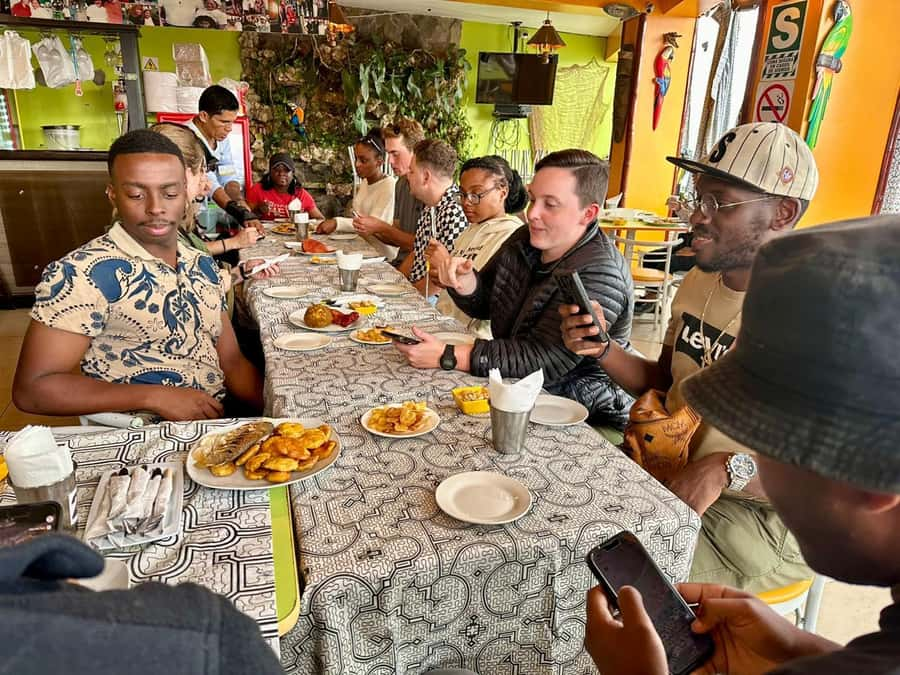
At $104 per person, this is not the cheapest way to eat in Lima. You are paying for more than a meal, though. The price covers hotel pickup and drop-off in the listed districts, a guide, a chef-led market visit, professional kitchen use, equipment, ingredients, the cooking class, the food you prepare, and several tastings.
The value is strongest if you want instruction and local context. A restaurant meal might cost less, but it would not include market shopping, cooking practice, fruit and potato tastings, or recipes and techniques to take home.
The price is also easier to justify for a private or small group booking, where you can ask more questions and receive closer help. If you mainly want to eat ceviche or lomo saltado without cooking, you may get better value from a regular restaurant. If you want to understand how these dishes are made, the class offers more lasting value.
Free cancellation is available up to 24 hours before the start, and you can reserve now and pay later. These terms help if your Lima schedule is still changing.
Who should book this class
This is a good fit for food lovers, first-time visitors to Lima, and home cooks who want recipes they can try after the trip. It also suits couples, families, and small groups who prefer a shared activity rather than a standard sightseeing stop.
You will get the most from it if you enjoy asking questions and taking part. The class is not built for someone who wants to sit back while a chef does everything. You will handle ingredients, taste as you go, and help prepare the final dishes.
The experience can also work well for people who are unsure about Peruvian food. The chicken route is mild, the meat route is familiar but distinctly Peruvian, and the fish route introduces ceviche and a second cooked fish dish. Vegan versions make the activity open to more diets, though specific substitutions should be confirmed in advance.
It may be less suitable if you have only a short amount of time in Lima and want to see major sights. Four hours is a serious block in your day, and the activity focuses on food rather than museums, historic buildings, or city viewpoints.
Practical strengths and small drawbacks
The biggest strength is the connection between market and kitchen. You are not just handed a recipe. You see the raw materials, learn where they fit into local cooking, and then use them yourself.
The staff also seem to add real warmth. Gaby, Karina, and Leonardo received specific praise for being friendly, patient, and engaging. That is important in a cooking class, where a rushed or distant teacher can make even good food feel like work.
The main drawback is that the experience offers a fixed four-hour structure. You choose one menu rather than cooking every listed dish, and the market visit has to fit alongside shopping, preparation, tastings, and lunch. You should also note that the two published ratings are excellent, but the total number of ratings is small, so treat those results as encouraging rather than final proof.
Should you book this Lima cooking experience?
Book it if you want to connect Lima’s food with its markets and learn dishes you can recreate at home. The fish route is the clear pick for ceviche fans, chicken offers a mild and approachable menu, and meat gives you the filling classic of lomo saltado.
I would especially recommend it early or late in a Lima stay. Early on, it helps you understand the ingredients you will see elsewhere. Near the end, it gives you a satisfying farewell meal and practical recipes to carry home.
Skip it if you want a quick meal, a long independent market visit, or a sightseeing tour with several city landmarks. For everyone else, the chef-led instruction, local tastings, hotel pickup, and friendly staff make the $104 price reasonable for a full half-day food experience.
FAQ
How long does the cooking class and market tour last?
The experience lasts four hours.
What start times are available?
You can choose an 8:30 AM start or a 2:00 PM start, subject to availability.
Where is hotel pickup offered?
Pickup and drop-off are available from accommodations in Miraflores, Barranco, and San Isidro.
Which dishes can I learn to cook?
The fish option includes ceviche and pescado a la Chorrillana. The chicken option includes causa Limeña and ají de pollo. The meat option includes papa rellena and lomo saltado.
Are vegan versions available?
Yes. Vegan versions are available for all three menu options.
Is the tour offered in English?
Yes. The live guide service is available in English and Spanish.
Is this a private tour?
Private and small-group formats are available.
What food and drinks are included?
The experience includes a starter, main course, local drink, fruit and exotic fruit tastings, native potato tasting, and local food and snack samples.
Can I cancel the booking?
You can cancel up to 24 hours in advance for a full refund. You can also reserve now and pay later.
Just added around Peru
- Lima: Market Tour and Cooking Class with Pisco Sour★ 5.0 · 3 reviews
- Lima: Cooking Workshop and Water Circuit Tour★ 5.0 · 16 reviews
- Lima: Market Tour, 35 Fruits Tasting & Cooking Class★ 5.0 · 3 reviews
- Lima: 4-Course Peruvian Cooking Class in Miraflores★ 5.0 · 4 reviews
- Lima : Cooking Class – A Peruvian Culinary exploration★ 5.0 · 2 reviews
- Lima: Demo Cooking Class with Lunch at Cala Restaurant★ 4.1 · 4 reviews
- Cusco: Peruvian Cooking Class★ 5.0 · 2 reviews
- Cusco: 3-Hour Peruvian Cooking Class★ 4.7 · 16 reviews
Cooking Classes with a Market Tour, compared.

Hanoi Cooking Class: Culture, Local Market & Meaning CSR Impact
Read our review →
5 Traditional Dishes Hanoi Cooking Class with Market Trip
Read our review →
Cooking Class and Lunch at a Tuscan Farmhouse with Local Market Tour from Florence
Read our review →
Cooking Class, Market & Thai Herbs Garden Tour
Read our review →
Authentic Cooking Class with Market & Farm Visit
Read our review →
Paella Cooking Experience & Boqueria Market Tour
Read our review →
Cooking Class Hoi An:Local Market, Basket Boat, Fishing & Cooking
Read our review →
Hoi An Cooking Class(Market,BasketBoat Crabfishing&Cooking Class)
Read our review →Lists this class appears in