
REVIEW · LIMA PROVINCE, PERU
Lima : Cooking Class – A Peruvian Culinary exploration
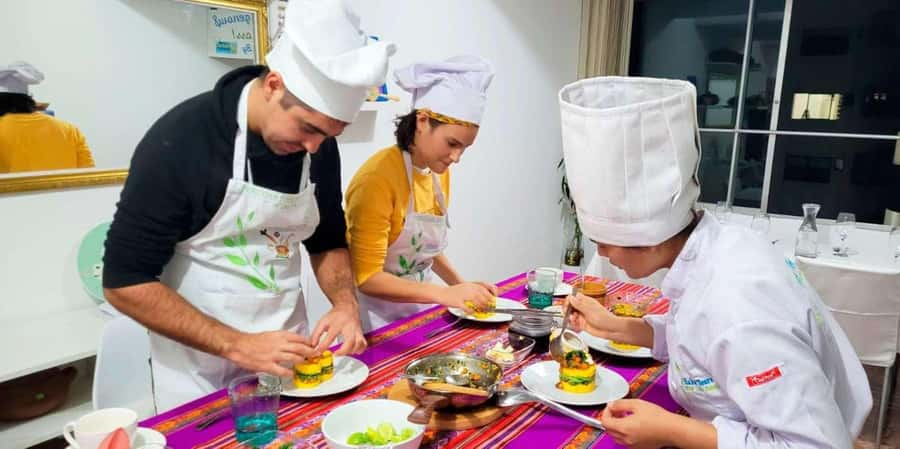
Peru tastes better when you cook it. This three-hour Lima class gives you a practical introduction to causa limeña and lomo saltado, with a chef guiding each step instead of keeping you parked in front of a demonstration. I like the small group of up to eight people and the use of traditional ceramic pots, which adds a useful cultural touch. The main drawback is the price, $119 per person, which is a serious spend for a three-hour lunch.
I also like that the class includes every ingredient, the recipes, and chicha morada, Peru’s purple-corn drink. The chef is described as patient and attentive, while the assistants help keep the session tidy and moving. You should arrive hungry, though, because the class includes food, snacks, and drinks, and a large meal beforehand would take some fun out of it.
Key points at a glance
- Two essential Peruvian dishes: You prepare causa limeña and lomo saltado, rather than simply watching someone else cook.
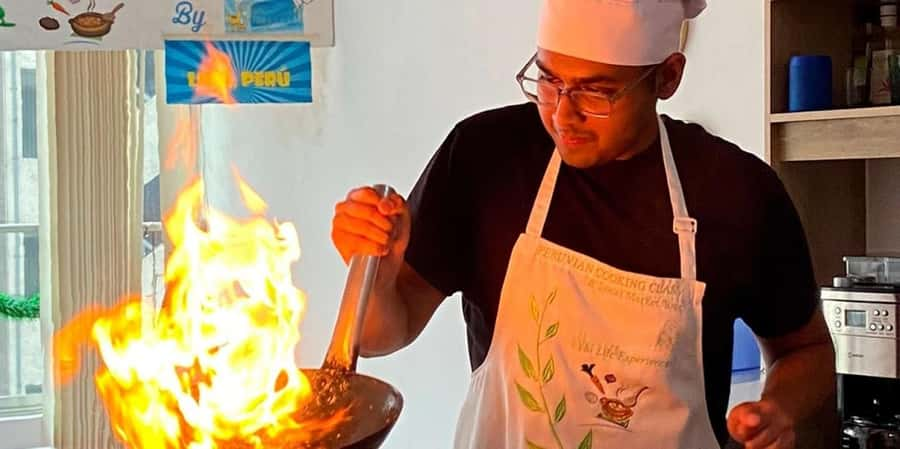
- Traditional ceramic cooking: Inka-style pots are used to help preserve the natural taste of the ingredients.
- Small-group format: With no more than eight participants, you get a better chance to handle the food and ask questions.
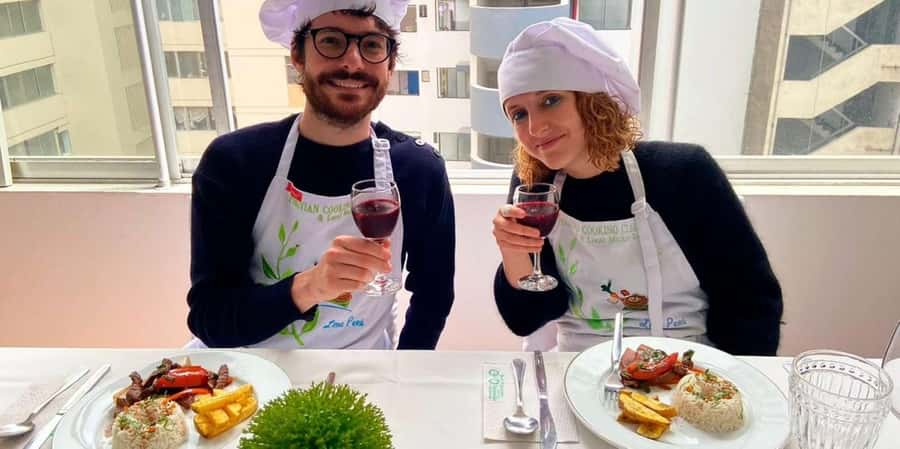
- A complete three-hour outing: The experience includes transport from Miraflores, cooking, lunch, tasting, and the return journey.
- Chicha morada included: You prepare and taste the purple-corn drink with pineapple, lemon, cinnamon, and cloves.
- Recipes to take home: You receive the instructions needed to try the dishes again after your trip.
Meeting in Miraflores and riding toward the kitchen
Your day begins at Av. José Larco 724 in Miraflores. That is the stated meeting point, so check the exact starting time when you book and allow enough time to find the address. From there, a bus or coach ride of about 30 minutes takes you to the cooking venue.
The transfer matters because the class is not simply a restaurant meal in central Miraflores. You are being taken to a separate place for a proper cooking session, then returned to the same starting point after lunch. The transport also makes the outing easier to fit into a day of sightseeing, since you do not need to arrange your own way to the cooking location.
A small point of caution: the published details do not describe the vehicle, the exact kitchen location, or traffic conditions. Lima traffic can affect timing, so I would avoid scheduling a flight, museum ticket, or other fixed appointment immediately after the class. The activity itself lasts three hours, but your full outing includes the ride there and back.
The class is offered in English and Spanish. A live guide accompanies the experience, and the small group limit of eight should make it easier to follow instructions even if you are not confident in the kitchen.
A few more cooking classes around Peru worth a look
- Cusco: Peruvian Cooking Class, Cocktails & Local Market Tour
★ 4.9 · 512 reviews - Cooking class and market tour with a local chef
★ 5.0 · 186 reviews - Market Tour, Tasting of 35 Fruits, and 4-Course Peruvian Cooking Class in Lima
★ 5.0 · 86 reviews
Why causa limeña makes a good first lesson
Causa is one of Peru’s most appealing dishes for a cooking class because the preparation involves more than one texture and flavor. The base uses yellow potato, yellow pepper, and lemon. It is then paired with a filling such as chicken, tuna, or seafood and finished with avocado.
The dish is cool and layered, so it offers a useful contrast to the hot wok cooking later in the class. You get to see how a few familiar ingredients can become something distinctly Peruvian through seasoning, shaping, and presentation. The yellow potato and yellow pepper give causa its color and character, while lemon keeps it fresh rather than heavy.
The class description does not specify which filling will be used on your particular day. If you have a dietary restriction, tell the organizers when booking. That is especially important here because the filling can vary, and the provided information lists chicken, tuna, and seafood as possible choices.
I like causa as part of this menu because it gives you a dish that can be adapted at home. It is not dependent on restaurant equipment or a dramatic final presentation. Once you understand the potato mixture and the filling, you have a useful template for making a cold starter or light meal.
Lomo saltado brings the heat
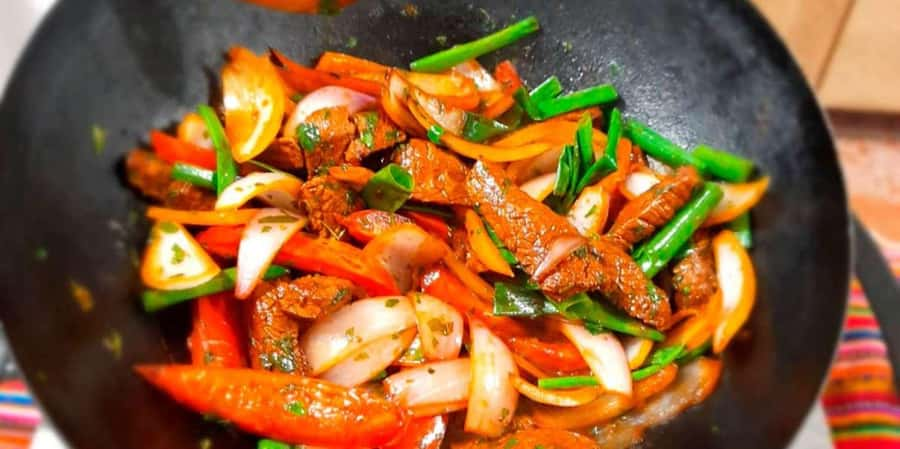
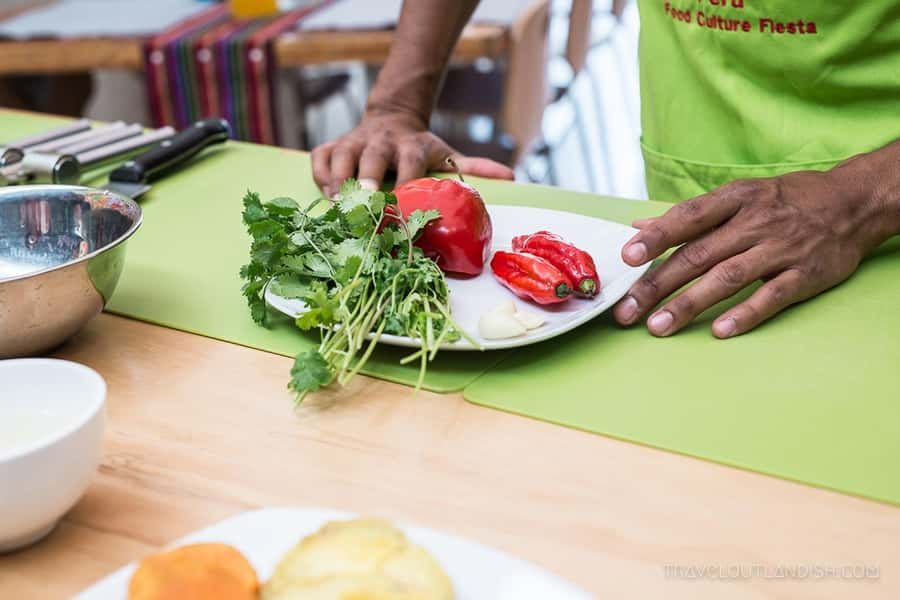
Lomo saltado is the more theatrical dish of the two. You prepare beef with onion, tomatoes, and chili peppers, then serve it with French fries and rice. It is a hearty plate with several elements, and it shows how Peruvian cooking often brings together ingredients and methods from different culinary traditions.
The key appeal is the contrast between the stir-fried beef and vegetables, the crisp fries, and the plain rice. The tomato and onion help balance the meat, while the chili brings a sharper note. This is the dish most likely to make you understand why Peruvian food has such broad appeal: it is comforting, bold, and easy to enjoy even if you are new to the cuisine.
The class is designed around hands-on preparation. You are not expected to sit quietly while a chef performs every step. Instead, the chef guides you through making your own food, which gives you a better sense of timing, texture, and seasoning.
That format is useful, but it also means you should expect to participate. If you prefer a relaxed meal with no tasks at all, this may feel more like work than a standard lunch. For most people booking a cooking class, that is the point. You get to taste the result of your own effort, including the mistakes that make a dish memorable.
Cooking in Inka-style ceramic pots
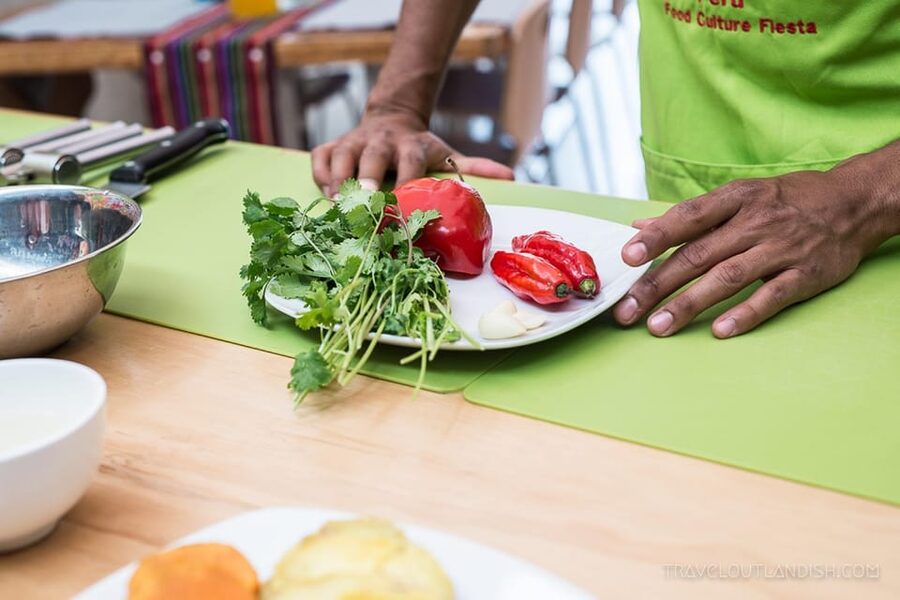
One of the more unusual details is the use of ceramic pots associated with Inka cooking. The stated purpose is to help preserve the natural flavors of the ingredients, but the value goes beyond the cookware itself. It connects a modern cooking lesson with older Peruvian methods and gives the class a clear sense of place.
I would not expect every step of the two recipes to be prepared in traditional pots, since lomo saltado is a stir-fried dish and the exact kitchen setup is not described. Still, using ceramic cookware adds something more meaningful than a decorative historical reference. You are handling equipment chosen to reflect local cooking traditions.
The class also focuses on food history and ingredients. One review described the chef as sharing stories about the ingredients and the culture behind each dish, turning the lesson into more than a recipe exchange. No chef’s name is provided, but the role is clearly central: the best part of the experience depends on patient instruction and clear explanations.
You should also find a clean working environment. Hygiene standards were specifically praised, and the assistants were described as hardworking. That matters in a hands-on class, where several people are preparing food at once and ingredients need to be handled carefully.
Same place, a different thing to cook:
- #1 Rated Cooking Classes with Local Market Tour & Pickup
★ 5.0 · 69 reviews - Miraflores: Amazing Peruvian Cooking Class Ceviche Seafood and Pisco Sour
★ 4.9 · 57 reviews - Cook with Maido’s creative chef and chef de cuisine
★ 5.0 · 53 reviews - Cusco: Peruvian Cooking Class & Market Tour
★ 4.9 · 19 reviews
Chicha morada adds a proper Peruvian pause
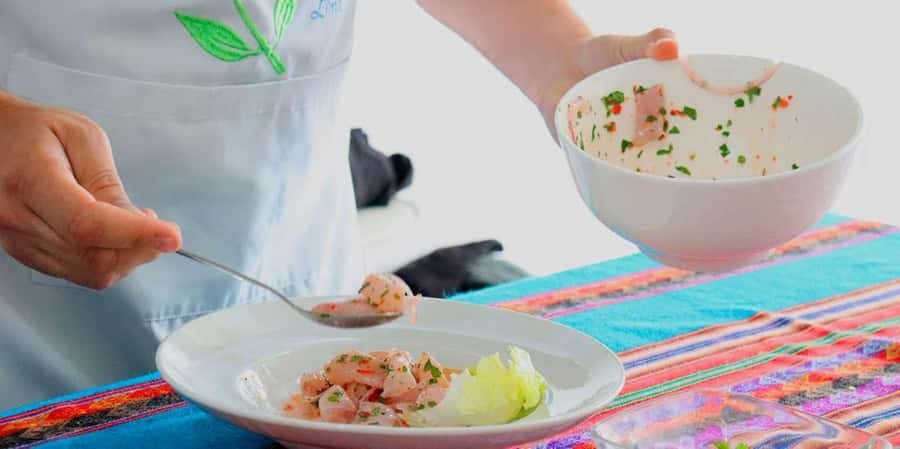
Chicha morada is included in the class, and you prepare it with purple corn, pineapple, lemon juice, cinnamon, and cloves. It is Peru’s national drink and gives the meal a sweet, fruity, spiced counterpoint to the savory dishes.
This is a good inclusion because a cooking class can otherwise focus too heavily on food while overlooking what people drink with it. Chicha morada helps round out the meal and introduces ingredients you might not encounter in the main recipes.
The supplied details also mention cocktails and drinks as part of the wider experience, but only chicha morada is specifically included. Do not assume other drinks are covered. Food and beverages not listed are excluded, so check before ordering anything additional.
If you plan to enjoy the drink and sample several preparations, follow the advice to eat lightly beforehand. You do not need to arrive starving, but a large breakfast or lunch could make the tasting portion uncomfortable.
A three-hour class built around doing, not watching
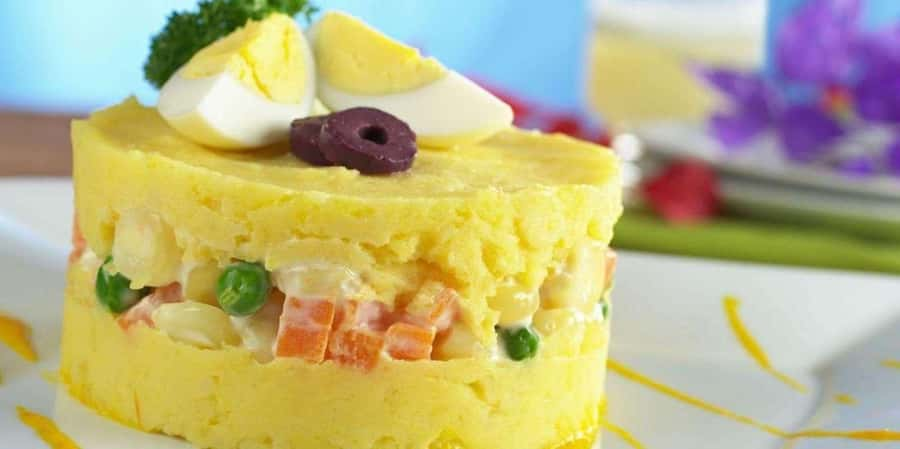
The heart of the experience is the three-hour session in Lima. It combines a cooking workshop, lunch, food tasting, and a chance to talk through regional food traditions. The relaxed atmosphere is meant to keep the lesson practical rather than formal.
I like the promise of no long demonstration taking up most of your time. You are meant to cook, taste, and adjust as you go. That is a better fit for you if your goal is to recreate the dishes at home, not simply collect a few photographs.
The group limit of eight is important. Cooking classes can become frustrating when too many people crowd around one cutting board or wait for a turn. A smaller group should give you more direct contact with the ingredients and chef, although the exact amount of individual cooking time can vary.
The class is suitable for beginners because the chef guides you step by step. You do not need to arrive with professional skills. You should, however, be ready to follow instructions, help prepare the food, and take part in the meal.
The recipes are one of the strongest practical benefits. You leave with written guidance rather than relying on memory alone. That gives the $119 cost more value, especially if you plan to cook Peruvian food after returning home.
What the $119 price includes
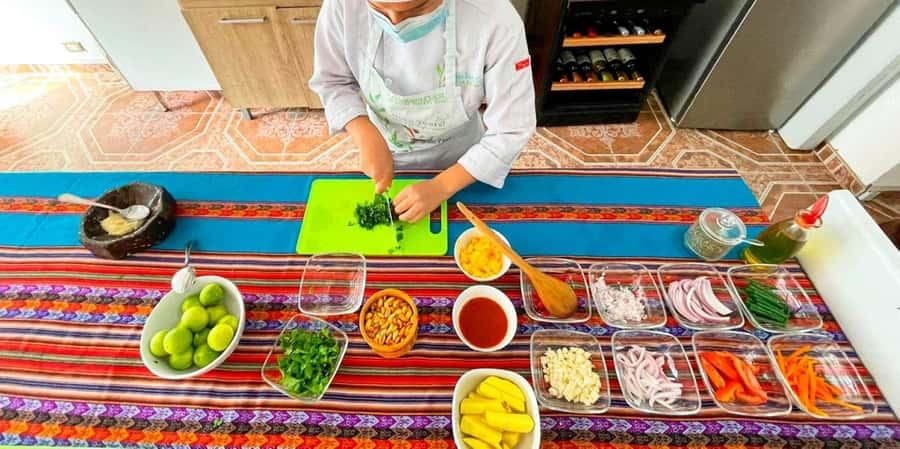
At $119 per person, this is not a cheap lunch. You are paying for a guided activity, not just a plate of lomo saltado at a local restaurant. The fee includes a professional chef, an English or Spanish-speaking guide, all ingredients, the two main dishes, chicha morada, the cooking session, and transport from the Miraflores meeting point.
That package makes the price easier to understand. You receive instruction, a meal, drinks, cultural context, recipes, and round-trip transport. If you value a small group and want to learn techniques you can use later, the cost may be fair.
The value is weaker if you mainly want to sample Peruvian food quickly. Lima has many ways to eat causa and lomo saltado without spending $119 or giving up three hours. In that case, choose a restaurant and use the savings for another activity.
I would book this class for a food-focused afternoon, especially early in a Lima visit. It can help you recognize two major dishes before you encounter them elsewhere, and it gives you a better understanding of the flavors on a restaurant menu. The experience is also a sensible choice if you enjoy taking recipes and food traditions home with you.
The booking terms are flexible: you can reserve now and pay later, and cancellation is free up to 24 hours before the activity for a full refund. That helps if your Lima plans are still shifting. An express security check is also listed among the activity features, though the practical relevance of that detail to a cooking class is not explained.
What the strong feedback tells you
The available feedback is especially positive about the chef. The strongest praise focuses on patience, attention, and the ability to explain the cultural background of each ingredient. That suggests the teaching style is a major reason to book, not just the food itself.
The class also received clear praise for the final dishes. The food was described as delicious, and the recipe handout was appreciated. Those details matter because a cooking experience should succeed on two levels: you should enjoy lunch, and you should finish with enough understanding to try the recipes again.
The hardworking assistants and careful hygiene are also worth noting. In a kitchen class, support staff can make the difference between a smooth session and a crowded, disorganized one. The small group should help, but the staff’s role adds another layer of practical value.
There are only two published ratings, both from October 7, 2024, and both awarding five out of five. That is encouraging, but it is still a small sample. I would treat the praise as useful evidence about the chef, food, and cleanliness, not as a guarantee that every session will feel identical.
Who should book this Lima cooking class?
I would recommend it to you if you enjoy food, want a structured cultural activity, and prefer learning by doing. It is particularly well suited to couples, friends, and solo participants who are happy to share a small kitchen setting with other food enthusiasts.
It also works for people who want a gentler introduction to Peruvian cuisine. Causa gives you a cool, adaptable dish, while lomo saltado introduces the country’s bold, savory side. Chicha morada fills in the drink portion, and the ingredient stories add context without turning the session into a lecture.
You may want to skip it if you have a very limited budget, only want to eat, or dislike group activities. The class takes three hours plus transport, and the $119 fee is hard to justify if you will not cook along or use the recipes later.
Tell the provider about dietary restrictions when you book. The ingredients and possible causa fillings include meat, fish, and seafood, so this is not an activity to approach casually if you need substitutions. The available information does not promise specific dietary accommodations, only asks you to provide notice.
Should you book it?
Book this experience if you want more than a Peruvian meal. The best reasons are the small group, hands-on format, patient chef, traditional ceramic pots, recipes, and complete menu of causa, lomo saltado, and chicha morada.
Skip it if the price feels too high for lunch or if you prefer independent dining. For everyone else, this looks like a useful and enjoyable way to put Peruvian food into practice. Arrive hungry but not overfed, meet at Av. José Larco 724, and leave room for a few new favorite dishes.
FAQ
Where does the cooking class meet?
The meeting point is Av. José Larco 724 in Miraflores, Lima Province.
How long does the experience last?
The cooking class and meal last three hours. A bus or coach transfer of about 30 minutes is included between the meeting point and the cooking location.
What dishes will I prepare?
You will prepare causa limeña and lomo saltado. Causa uses yellow potato, yellow pepper, lemon, and a filling such as chicken, tuna, or seafood. Lomo saltado uses beef, onion, tomatoes, chili peppers, French fries, and rice.
Is chicha morada included?
Yes. You prepare chicha morada with purple corn, pineapple, lemon juice, cinnamon, and cloves.
What languages are available?
The live guide and professional chef support the experience in English and Spanish.
How large is the group?
The class is limited to eight participants.
Can I cancel or pay later?
You can reserve now and pay later. You can also cancel up to 24 hours in advance for a full refund.
Just added around Peru
- Lima: Peruvian cooking class and tour of Surquillo market★ 5.0 · 2 reviews
- Lima: Market Tour and Cooking Class with Pisco Sour★ 5.0 · 3 reviews
- Lima: Cooking Workshop and Water Circuit Tour★ 5.0 · 16 reviews
- Lima: Market Tour, 35 Fruits Tasting & Cooking Class★ 5.0 · 3 reviews
- Lima: 4-Course Peruvian Cooking Class in Miraflores★ 5.0 · 4 reviews
- Lima: Demo Cooking Class with Lunch at Cala Restaurant★ 4.1 · 4 reviews
- Cusco: Peruvian Cooking Class★ 5.0 · 2 reviews
- Cusco: 3-Hour Peruvian Cooking Class★ 4.7 · 16 reviews
Cooking Classes, compared.

Half-Day Thai Cooking Class at Organic Farm in Chiang Mai
Read our review →

3 in 1 Cooking Class near Navona: Fettuccine, Ravioli & Tiramisu
Read our review →
Pasta & Tiramisu Cooking Class with Unlimited Wine
Read our review →
Hanoi Cooking Class: Culture, Local Market & Meaning CSR Impact
Read our review →
5 Traditional Dishes Hanoi Cooking Class with Market Trip
Read our review →
Cooking Class and Lunch at a Tuscan Farmhouse with Local Market Tour from Florence
Read our review →
Cooking Class, Market & Thai Herbs Garden Tour
Read our review →Lists this class appears in