
REVIEW · BAGMATI ZONE, NEPAL
Kathmandu: Women-Led Cooking Class & Momo Making-Local Taste
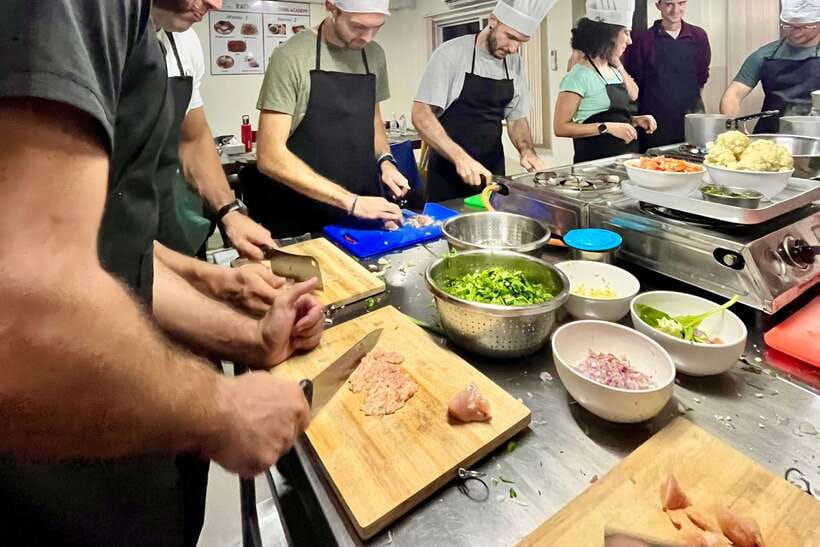
Come hungry, leave with new skills. This Kathmandu cooking class turns a simple meal into a practical introduction to Nepali food and customs. I like the small group limit of eight, which should give you more room to work with the chef, and I like that the session begins with a market or shop visit to select vegetables, spices, and meat. The $11 price is also unusually good for a two to three-hour activity that includes ingredients, instruction, cooking equipment, masala tea, and the meal you prepare.
The main consideration is that hands-on cooking can test your patience. One participant found the momo folding lesson difficult and felt the chef became irritated when the technique did not come quickly. If you want a relaxed class with no pressure, keep that in mind. Still, the strong 4.8 rating from 15 reviews, along with repeated praise for the food, hospitality, and chef, suggests that most people find this a warm and worthwhile experience.
Key points at a glance
- The class starts with ingredient shopping: You visit a local market or shop to choose vegetables, spices, and meat before cooking.
- You choose from three Nepali menus: Options include dal bhat, bara, yomari, chatamari, momo, kheer, thukpa, aloo chop, and carrot halwa.
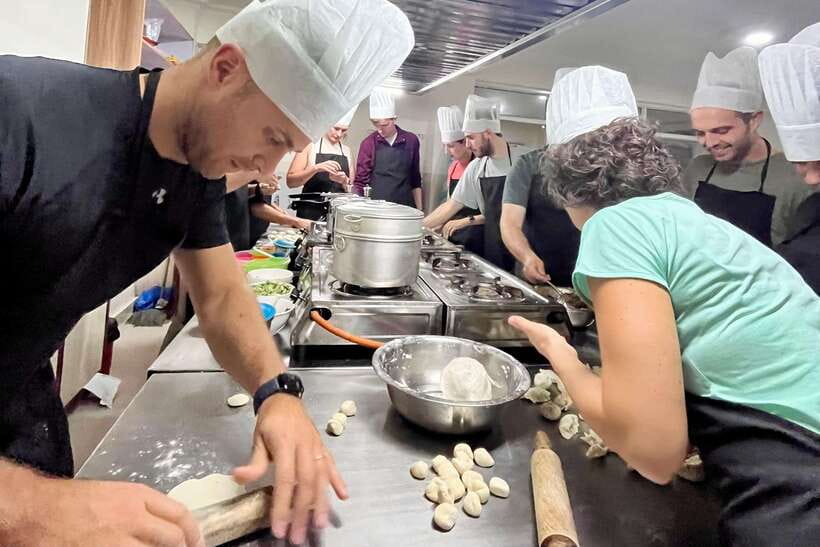
- Momo making is hands-on: You prepare the filling, work with the dough, and practice the folding method before eating the dumplings.
- The class is small and English-speaking: The group is limited to eight people, with instruction provided in English.
- Your cooking becomes the meal: Tasting is included, along with Nepali masala tea during the lesson.
- The value is hard to beat: At $11 per person, the class combines a market visit, cooking lesson, cultural context, and lunch or dinner.
Why this Kathmandu cooking class is worth your time
Food is one of the quickest ways to understand Nepal. A temple or palace can show you part of the country’s past, but a shared plate of dal bhat explains daily life in a more direct way. This class lets you see what goes into the food, how it is seasoned, and why certain dishes matter.
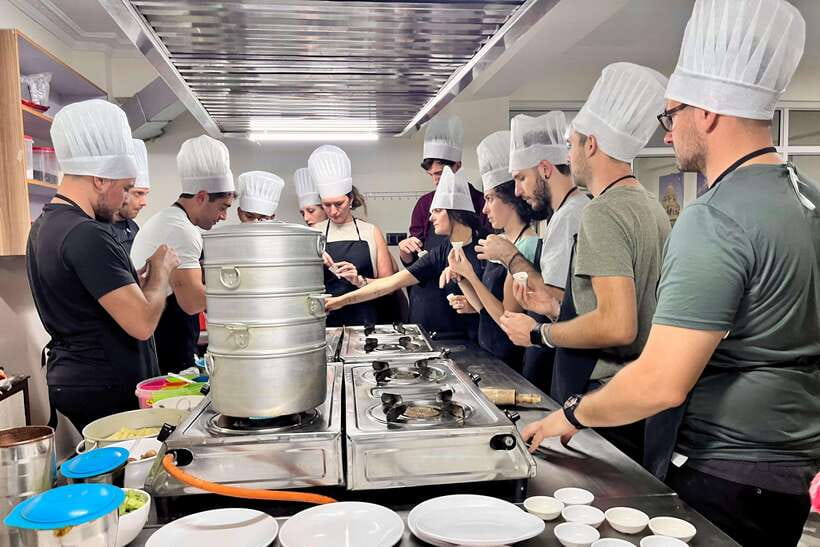
I especially like the mix of activity and eating. You are not simply watching a chef prepare a plate. You help choose ingredients, learn cooking methods, prepare several dishes, and then sit down to taste the results. That makes the class a good change of pace after sightseeing in Kathmandu.
The workshop is suitable for people over eight who are interested in learning new dishes. You do not need to be an experienced cook. The English-speaking chef provides step-by-step guidance, and the small group size should make it easier to ask questions or get help with unfamiliar techniques.
The women-led format is another appealing part of the experience. The class is built around local instruction and home-style food traditions rather than a polished restaurant demonstration. That gives the session a personal feel, even though the exact name of the chef is not provided.
A few more cooking classes around Kathmandu worth a look
- Half day cooking class in Thamel kathmandu
★ 5.0 · 607 reviews - Kathmandu: Local Women-Led Nepali Cooking & Momo Class
★ 4.9 · 360 reviews - Kathmandu: Local Lead Nepali Cooking & Momo-Making Class
★ 5.0 · 212 reviews
Starting in the market with vegetables, spices, and meat
The market or shop visit gives the class a useful beginning. Instead of treating ingredients as anonymous items on a counter, you get to see the raw materials before they become a finished Nepali meal.
You may help select vegetables, spices, and meat for the dishes on your menu. This is valuable because Nepali cooking depends on the balance between fresh produce, lentils, rice, spices, and carefully seasoned fillings. Even a short shopping stop helps connect the food on your plate with the everyday ingredients used in Kathmandu kitchens.
The shopping portion is also a good place to ask questions. You can find out which spices go into momo filling, what type of lentil is used for bara, or how the ingredients for dal bhat differ from those used in thukpa. The information provided does not promise a long guided market tour, so you should think of this as an ingredient-buying visit linked to the cooking class, not a full market sightseeing tour.
The workshop location is easily reached from Thamel and other parts of the Kathmandu Valley. Exact transport details are not given, so check the meeting instructions and starting time before setting out.
Three menus, from Newari snacks to Tibetan-style noodles
You are offered three menu sets. The choice matters because each one gives you a different look at Nepali food.
Menu 1: Bara, dal bhat, and yomari
This is a strong choice if you want traditional Newari and everyday Nepali food in one sitting.
Bara is a lentil pancake made from ground black gram batter and spices. It can be plain or topped with egg, minced meat, or vegetables. You get a crisp outside and a softer center, making it a useful lesson in how a simple lentil mixture becomes a satisfying snack or meal.
Dal bhat is Nepal’s most familiar staple. It combines steamed rice with lentil soup, often served with vegetables, pickles, or curry. The dish is filling and balanced, and preparing it gives you a clearer sense of the everyday food served across Nepal.
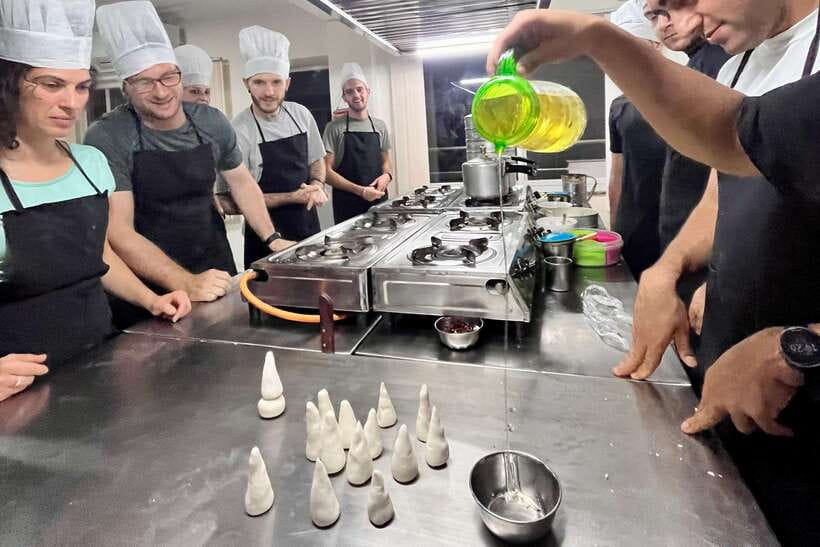
Yomari brings a sweet finish. This Newari dumpling uses rice flour dough and a filling of molasses and sesame seeds, with coconut sometimes added. It is quite different from the savory momo, so this menu shows both sides of Nepali dumpling making.
Same place, a different thing to cook:
- Local Women Lead Nepali Cooking Class
★ 5.0 · 125 reviews - Kathmandu: Local Women-Lead Nepali Cooking & Momo Class
★ 4.9 · 45 reviews - Kathmandu: Local Lead Nepali Cooking & Momo Making Class
★ 4.9 · 40 reviews - Kathmandu: 3-Hours of Cooking Class with Meals
★ 5.0 · 10 reviews
Menu 2: Chatamari, momo, and kheer
This is likely the best menu for first-time visitors who want the class’s most recognizable hands-on activity.
Chatamari is a thin rice flour crepe often called Nepali pizza. It may be topped with egg, minced meat, vegetables, and spices. The comparison to pizza is useful, but the texture and seasoning are distinctly different. Preparing the base and arranging the toppings gives you a simple way to see how Newari cooking uses rice flour.
Momo is the main attraction for many people. These dumplings are made with thin dough wrapped around a seasoned filling of meat or vegetables. The available meat options include chicken, buff, or pork. The class teaches the preparation process and folding method, then cooks the dumplings for the final tasting.
One participant noted that it was possible to make as many momo as you could eat, which is a generous feature for anyone who comes mainly for dumplings. Do not expect the folds to look perfect on your first try. The technique can be fiddly, and the one negative review suggests that some people may find the instruction a little tense if they struggle. Take your time, ask for another demonstration, and focus on getting a secure seal rather than producing restaurant-perfect shapes.
Kheer is a creamy rice pudding made with milk, sugar, and cardamom, usually finished with nuts and raisins. It provides a gentle dessert after the more strongly seasoned dishes.
Menu 3: Aloo chop, thukpa, and carrot halwa
This menu suits anyone who likes snacks, noodle soup, and sweet desserts.
Aloo chop is made from mashed boiled potatoes mixed with spices and deep-fried. It is crisp on the outside and soft within, and it offers a straightforward lesson in turning a familiar potato into a popular Nepali snack.
Thukpa is a Tibetan-Nepali noodle soup. It uses wheat or hand-pulled noodles in a seasoned broth, with vegetables and possibly chicken, buff, or mutton. This menu gives you a different style of comfort food from dal bhat or momo.
Carrot halwa is prepared by slowly cooking grated carrots with milk, sugar, ghee, and cardamom. Nuts and raisins add texture. The dish takes more patience than a quick dessert, but the cooking method shows how milk, sweetness, and slow heat are used in South Asian sweets.
What the hands-on lesson is really like
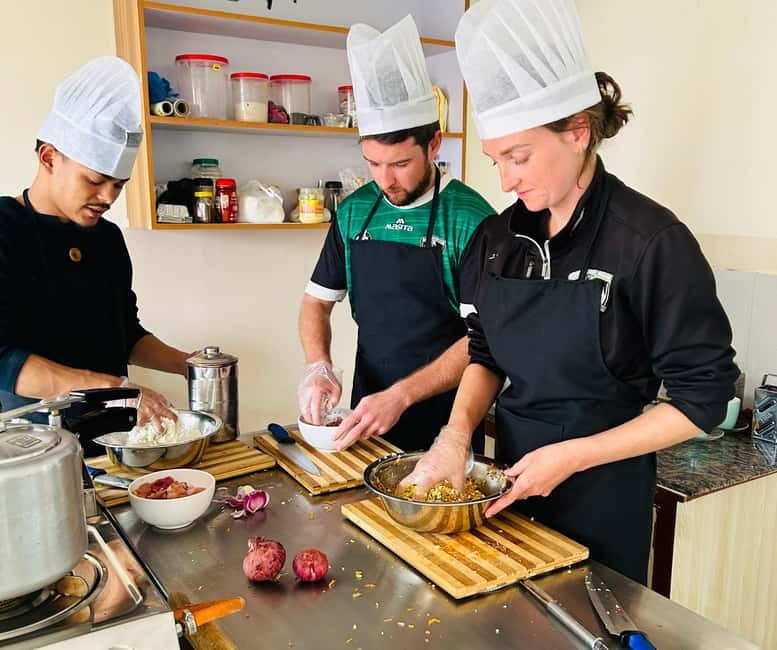
The class includes cooking equipment and accessories, so you do not need to bring specialist tools. The chef works through the dishes step by step, explaining ingredients, preparation, and cooking methods as you go.
The practical value lies in doing the small tasks yourself. You might grind or mix ingredients, shape dough, fold dumplings, prepare lentils, or assemble toppings. These jobs give you techniques you can repeat at home, even if you never recreate the full menu.
The class also explains the cultural meaning of the dishes. Bara and chatamari connect to Newari food traditions in the Kathmandu area. Dal bhat reflects a daily staple shared across Nepal. Momo shows the influence of Tibetan and Himalayan foodways, while thukpa brings noodle soup into the mix.
The cooking can be messy, especially when working with dough or wet fillings. That is part of the point. You are not watching a perfect demonstration from a distance. You are learning by handling the food, making mistakes, and adjusting as you go.
A review from Ben Meir described the chef as friendly, professional, and patient, with clear answers about ingredients and spices. That matches the main strength of the experience: the class is not only about recipes but also about understanding why the food tastes the way it does.
Masala tea and the final meal
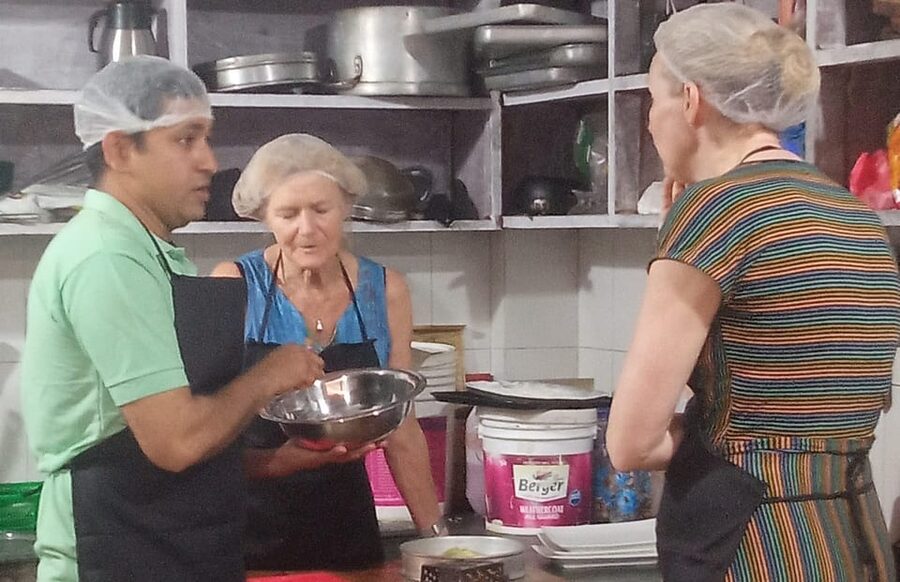
Nepali masala tea is served during the lesson. It combines black tea with aromatic spices and gives you a familiar taste of the country’s tea culture without requiring a separate stop at a café.
The best part comes when the cooking ends and the food you prepared becomes lunch or dinner. You can taste the difference between the dishes and see how the separate ingredients work together. The meal is available with vegetarian and meat options, depending on the menu and your selection.
The final meal also helps you judge your own cooking. If the momo filling is too mild, the chef can explain how the spices work. If the dal is too thick or the dough is uneven, you have a practical memory to take home. That is more useful than simply eating a prepared meal because you remember the process behind it.
Specialty drinks and alcohol are not included. Professional photography and video are also extra, so bring your own phone if you want casual pictures, unless you prefer to pay for the additional service.
Price, group size, and overall value
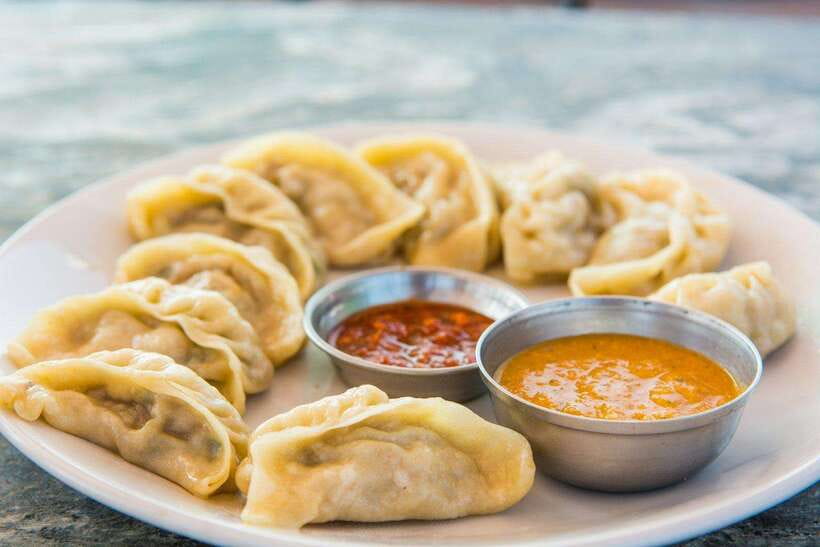
At $11 per person, this is one of the more affordable food activities in Kathmandu. You receive a two to three-hour session, a market or shop visit, ingredients, use of equipment, instruction from a local chef, masala tea, and the meal you cook.
The value is especially strong for people who would otherwise spend money on lunch or dinner anyway. You are paying for food, but also for a cultural activity and a set of cooking skills. The market stop adds another useful layer without making the experience a full-day commitment.
The group limit of eight is important. A large cooking class can turn into a demonstration where you barely touch the food. With eight or fewer people, you should have a better chance to work directly with the ingredients and receive help from the instructor.
The two to three-hour length is also well judged. It is long enough to prepare several dishes but short enough to fit around Kathmandu sightseeing. Starting times depend on availability, so you should check the schedule when booking.
There are two practical booking benefits. You can cancel up to 24 hours ahead for a full refund, and you can reserve now while paying later. Those policies make it easier to fit the activity around changing plans in the Kathmandu Valley.
Who should book this experience
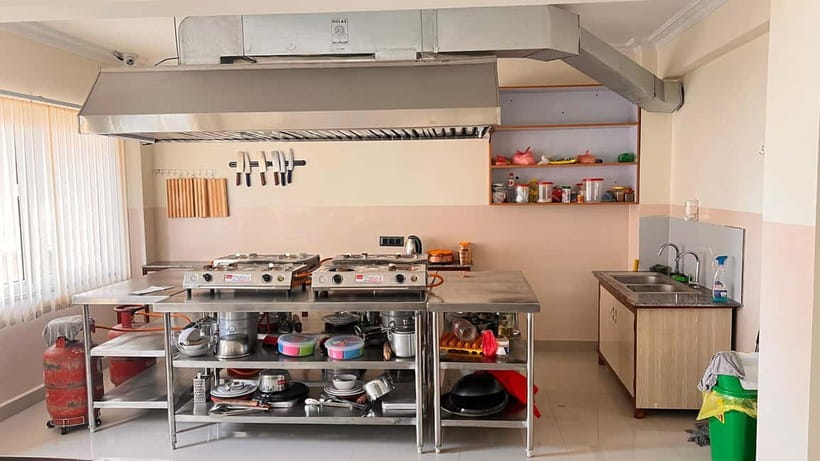
I would recommend this class to food-focused visitors, couples, families with children over eight, and anyone who wants a useful indoor activity in Kathmandu. It is also a good pick if you have only a short stay and want local food knowledge without committing to a full-day excursion.
The class suits vegetarians because vegetarian dishes are available. It also works for meat eaters, with chicken, buff, pork, or mutton appearing in the listed options depending on the dish.
You should book it if you like learning by doing. You should think twice if you want a quiet meal with no instruction, or if you become frustrated when a cooking technique takes several attempts. Momo folding is fun, but it is not always easy on the first try.
Final verdict: a smart $11 Kathmandu activity
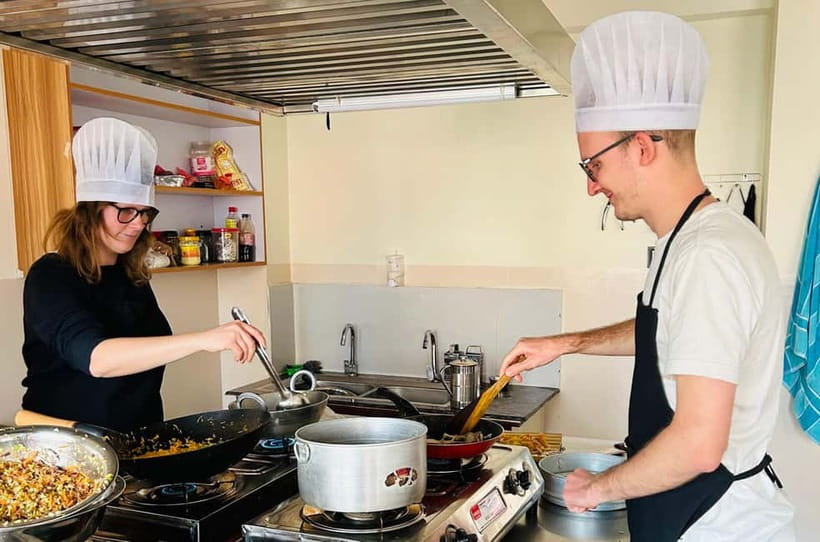
I would book this cooking class if I wanted a low-cost way to connect with Nepali food beyond restaurant menus. The market visit, small group, English instruction, and meal at the end give the experience a clear purpose, while the three menu choices let you focus on Newari dishes, momo, dal bhat, noodles, or sweets.
The one concern is the uneven teaching style suggested by the mixed feedback about the momo folding lesson. Most of the praise centers on the friendly chef, tasty food, fresh ingredients, and enjoyable atmosphere, but you should arrive ready to practice rather than expect instant perfection.
For $11, the class offers excellent value. Choose the momo menu if dumplings are your priority, the dal bhat menu if you want the most traditional everyday meal, or the thukpa menu if you prefer noodles and snacks. Either way, you get more than lunch: you leave with a better understanding of how Nepali food is made and why it matters.
FAQ
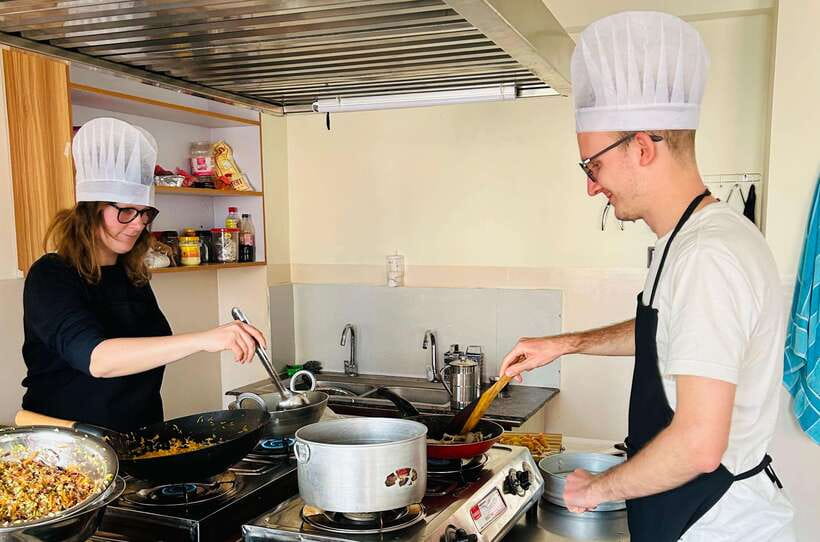
How much does the Kathmandu cooking class cost?
The price is $11 per person.
How long does the cooking class last?
The experience lasts approximately two to three hours.
Where does the class meet?
The workshop location is easily accessible from Thamel and other parts of the Kathmandu Valley. Check the meeting instructions for the exact location.
What food can I learn to make?
The three menu choices include bara, dal bhat, yomari, chatamari, momo, kheer, aloo chop, thukpa, and carrot halwa.
Are vegetarian options available?
Yes. The experience offers both vegetarian and meat options.
Is the class taught in English?
Yes. The instructor language is English.
How many people can join the class?
The activity is limited to eight participants.
What is included in the price?
The price includes step-by-step instruction from a local chef, the market or shop visit, ingredients for the class, cooking equipment, the hands-on lesson, tasting of the food you prepare, and Nepali masala tea.
Is the class suitable for children?
The workshop is suitable for people aged above eight who are interested in learning to cook new dishes.
Can I cancel the booking?
You can cancel up to 24 hours in advance for a full refund. You can also reserve now and pay later.
Just added around Kathmandu
- Kathmandu: 3-Hours of Cooking Class with Meals★ 5.0 · 10 reviews
- Local Women Led Nepali Cooking Class★ 5.0 · 6 reviews
- Kathmandu: Nepali Cooking Class with Hotel Pickup★ 4.1 · 5 reviews
- Kathmandu: Local Women-Lead Nepali Cooking & Momo Class★ 4.9 · 45 reviews
- Cook with Lisha: Nepali and Newari Cooking Class★ 5.0 · 2 reviews
- Kathmandu: Local Lead Nepali Cooking & Momo Making Class★ 4.9 · 40 reviews
- Kathmandu: Cooking Class in Nepal★ 5.0 · 2 reviews
- Kathmandu: About 3-hour Cooking Class Experience near Thamel★ 5.0 · 3 reviews
Cooking Classes, compared.

Half-Day Thai Cooking Class at Organic Farm in Chiang Mai
Read our review →

3 in 1 Cooking Class near Navona: Fettuccine, Ravioli & Tiramisu
Read our review →
Pasta & Tiramisu Cooking Class with Unlimited Wine
Read our review →
Hanoi Cooking Class: Culture, Local Market & Meaning CSR Impact
Read our review →
5 Traditional Dishes Hanoi Cooking Class with Market Trip
Read our review →
Cooking Class and Lunch at a Tuscan Farmhouse with Local Market Tour from Florence
Read our review →
Cooking Class, Market & Thai Herbs Garden Tour
Read our review →Lists this class appears in