
REVIEW · BAGMATI ZONE, NEPAL
Kathmandu: Local Lead Nepali Cooking & Momo Making Class
Taste Kathmandu with your hands. This cooking class combines a local market visit with practical lessons in momo, dal bhat, and other Nepali dishes. I like the small groups, capped at 10 people, and the chance to cook food you can try again at home.
The step-by-step instruction is another strong point. Past participants especially praised Niche and Vikram for their patience, clear English, and friendly teaching. The main consideration is the advertised $4 price, which is remarkably low, so check the exact booking option and pickup details before you pay.
Key points to know before you book
- Momos are taught by hand: You will prepare the dough, filling, and folding technique, including the tricky decorative shapes.
- The market visit comes first: You help select fresh ingredients at a nearby market or shop before cooking.
- You choose beyond the main dishes: Momo and dal bhat anchor the class, but other traditional choices may include bara and yomari.
- Small groups mean more kitchen time: The group limit of 10 allows for personal help while still giving the class a social feel.
- You eat what you prepare: The session includes two main courses, a dessert, and Nepali masala tea.
- Pickup is optional: You can walk from Thamel in about 10 to 15 minutes, or arrange pickup within Kathmandu Valley.
Why this Kathmandu cooking class is worth your time
Kathmandu offers plenty of food tours, but a cooking class gives you something more useful than a list of dishes. You learn how the food is assembled, handled, and served. You also leave with recipes and skills that can follow you home.
This class lasts about three to four hours, with roughly three hours spent on the market visit, cooking, and meal. That is long enough to learn several dishes without turning the afternoon into a full-day commitment.
I especially like the balance between instruction and participation. You are not simply watching a chef prepare lunch. You help shop, chop, shape, cook, and eat. The work is active, but the pace is described as relaxed rather than rushed.
The $4 per-person price is unusually inexpensive for a class that includes ingredients, equipment, instruction, and a full tasting session. Treat that figure as a starting price and confirm which option you are selecting. Hotel pickup and drop-off may cost more or be tied to a particular booking choice.
A few more cooking classes around Kathmandu worth a look
- Half day cooking class in Thamel kathmandu
★ 5.0 · 607 reviews - Kathmandu: Local Women-Led Nepali Cooking & Momo Class
★ 4.9 · 360 reviews - Kathmandu: Local Lead Nepali Cooking & Momo-Making Class
★ 5.0 · 212 reviews
Starting at Kathmandu Cooking Academy
The class begins at Kathmandu Cooking Academy, in central Kathmandu and within easy walking distance of Thamel. The academy is about 10 to 15 minutes on foot from the tourist district, making it simple to reach if you are staying nearby.
Look for the academy sign outside the building. Staff meet you at the entrance and direct you to registration. Arriving at least 15 minutes early is sensible, especially if you are walking through unfamiliar streets or have chosen pickup.
The setting has received strong praise for being clean and well equipped. That matters in a cooking class. You want enough work space, usable tools, and a dining area that feels comfortable after the kitchen work is done.
The school is wheelchair accessible. If you need a particular arrangement, mention it in advance so the staff can prepare for your visit.
Shopping for ingredients at a Kathmandu market
Before you cook, you walk to a nearby market or shop with the chef. This is a short part of the experience, but it gives the class a useful local setting. You see the ingredients before they become neatly prepared items on a plate.
The chef explains what you are buying and helps choose the fresh ingredients needed for the selected dishes. This makes the cooking feel connected to daily Nepali food rather than separated from it in a classroom.
You should not expect a long sightseeing tour of Kathmandu during this part. The market visit is focused on shopping for the class. Its value is practical: you learn what goes into the dishes and how the ingredients are selected.
For first-time cooks, this can also make unfamiliar food less intimidating. You can ask about ingredients while standing beside them, rather than trying to remember their names later in the kitchen.
Learning to fold momo correctly
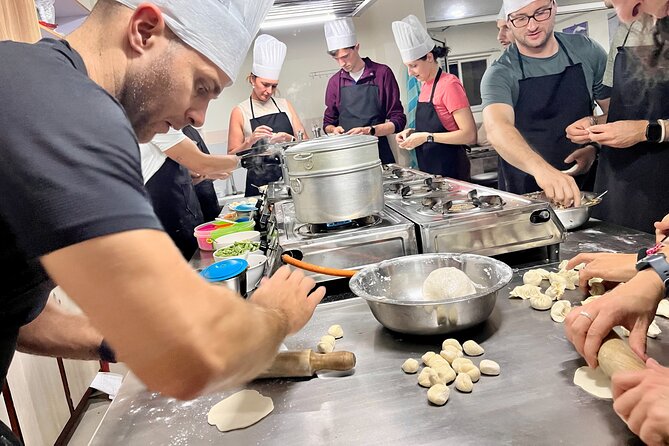
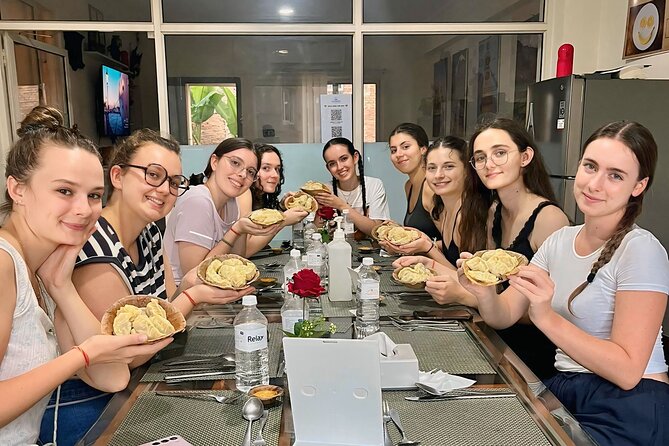
Momo is the star attraction here, and the class gives you genuine hands-on time with it. You work with the pastry, prepare the filling, and learn how to fold the dumplings into a finished shape.
Folding momo looks easy until you try it. The class gives you repeated practice, and the instructors help correct your technique. One participant specifically appreciated patient guidance with the proper folding pattern, which is useful because the shape can be the hardest part for a beginner.
This is one place where a small group helps. With no more than 10 people, the chef and assistants can watch how you are handling the dough and step in when needed. You are less likely to spend the whole lesson waiting for help.
The exact momo filling is not specified, and choices may depend on the class menu and dietary needs. Tell the academy about allergies, restrictions, or preferences before the session. That gives the staff a chance to adjust the dishes where possible.
The finished momo are then cooked and served as part of the meal. You get to judge the result yourself, which is more satisfying than simply eating dumplings prepared by someone else.
Same place, a different thing to cook:
- Local Women Lead Nepali Cooking Class
★ 5.0 · 125 reviews - Kathmandu: Local Women-Lead Nepali Cooking & Momo Class
★ 4.9 · 45 reviews - Kathmandu: Women-Led Cooking Class & Momo Making-Local Taste
★ 4.8 · 15 reviews - Kathmandu: 3-Hours of Cooking Class with Meals
★ 5.0 · 10 reviews
Cooking dal bhat and choosing extra dishes
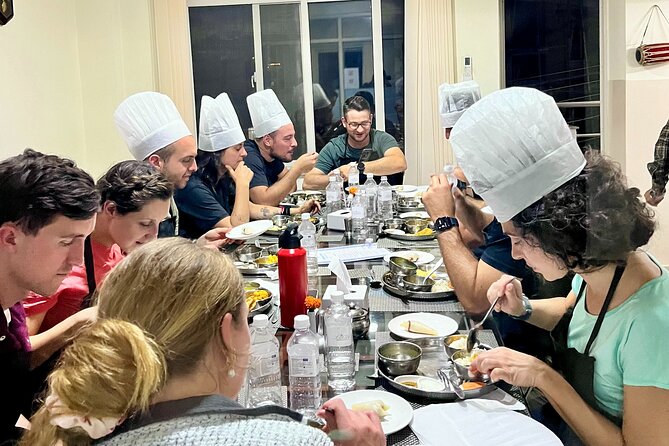
Dal bhat is the other main focus. This familiar Nepali meal typically forms an important part of everyday food culture, and learning to prepare it gives you a wider look at Nepali home cooking than momo alone.
The class normally includes two main courses, a dessert, and tea. Momo and dal bhat are the central dishes, but you may also choose from additional Nepali options. Past menus have included bara and yomari, and participants have been able to prepare three dishes of their choice.
The menu is not completely fixed, which is useful for repeat visitors or anyone curious about more than dumplings and rice. It also means you should ask what choices are available on your date. Do not assume every listed dish will be offered at every session.
The amount of food is generous. You cook enough to sit down afterward and share a proper meal, not just sample a few bites. Go hungry, but not so hungry that you cannot concentrate during the preparation.
A patient teaching style matters
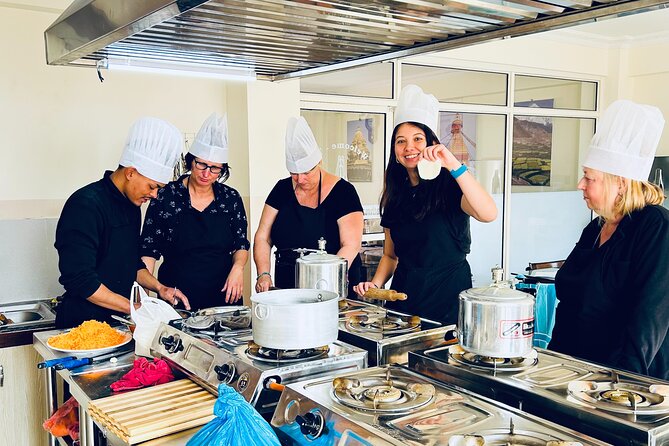
The instructors are a major part of the experience. Clear English instruction is included, and past classes have praised the chefs for explaining each step in simple terms.
Niche has been praised for an energetic, funny teaching style, while Vikram has been described as patient, encouraging, and easy to understand. The kitchen team may include a lead chef and assistants, especially for a larger group.
That mix is important for beginners. Nepali food uses techniques that may be unfamiliar, but the class breaks the work into manageable steps. You can ask questions, watch a demonstration, and then try the same task yourself.
The pace also seems suitable for people who want to learn rather than race through a menu. A class that moves too fast may produce a meal, but it does not necessarily teach you how to repeat it. Here, the focus is on confidence with simple steps and recipes.
The experience can still vary by group size and instructor. A full group of 10 will feel more social and may require a little patience at shared work areas. A smaller group may give you more direct attention.
Eating in the academy dining room
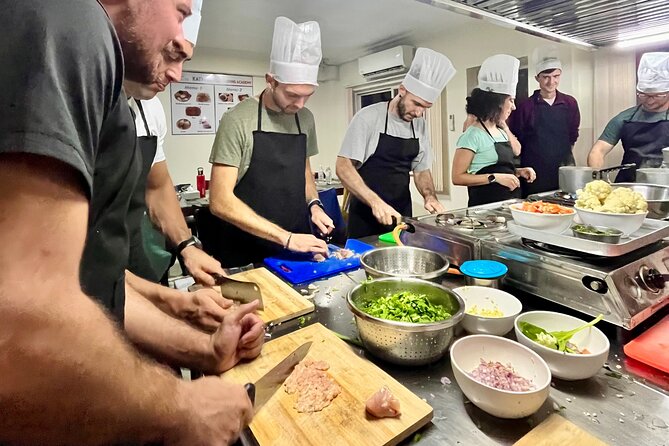
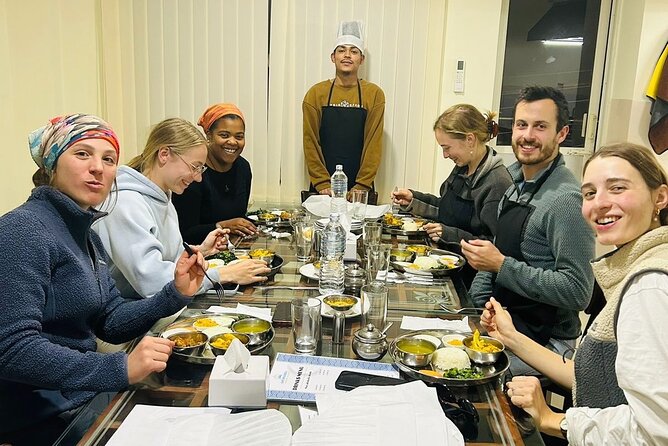
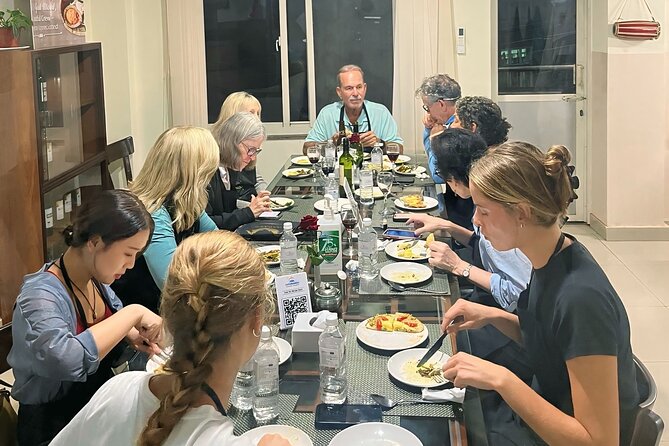
After the preparation and cooking, you sit down to eat the food you made. This is the reward, but it is also part of the lesson. You can see how the dishes work together and compare the finished meal with what you expected from the ingredients.
The dining room has been praised as clean and pleasant. Complimentary Nepali masala tea is included, adding a warm finish to the meal. Specialty drinks and alcohol are not included, so plan to pay separately if you want anything beyond the provided tea.
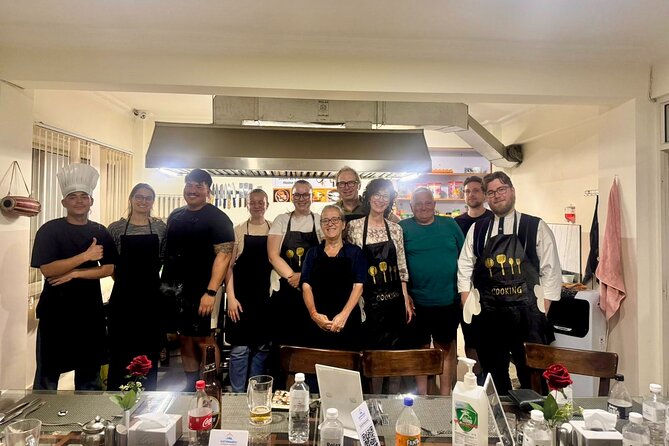
The shared meal also gives the class a social side. A group of nine, for example, can make the kitchen lively without being unmanageable. If you prefer a quiet private lesson, check the group arrangement before booking.
A camera is worth bringing. The market, ingredient preparation, momo folding, and finished plates all provide good photo opportunities. Professional photos and videos are available only for an additional fee.
Timing, transfers, and practical planning
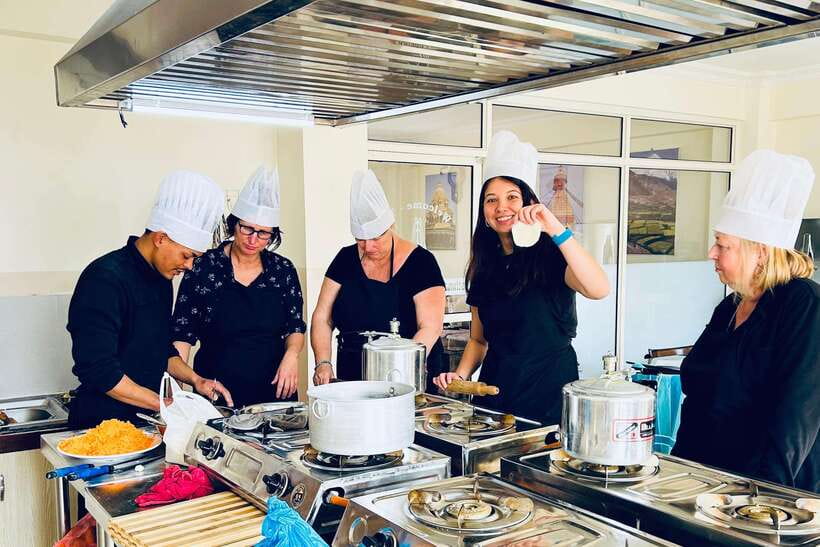
The full experience takes about three to four hours. The core market, cooking, and tasting portion is approximately three hours, but allow extra time if you select hotel pickup or drop-off.
Pickup is available from locations within Kathmandu Valley if you choose that option. You must provide your hotel or address details so the driver can coordinate the transfer. This is useful if you are staying outside easy walking distance of Thamel or do not want to navigate Kathmandu traffic and side streets.
If you are staying near Thamel, walking may be simpler. The academy is only about 10 to 15 minutes away on foot, and skipping a vehicle saves time spent arranging a pickup.
The experience is offered in English and is wheelchair accessible. Children under five are not suitable for the class, and people over 95 are excluded by the activity guidelines. Families with older children should still consider how comfortable each child is with a three-hour cooking session.
A minimum of two participants may be needed for the class to run. If that minimum is not reached, an alternative date or a full refund is offered. This is worth keeping in mind if you are booking alone and your schedule is tight.
Free cancellation is available up to 24 hours before the start time. You can also reserve and pay later, which helps if your Kathmandu plans are still shifting.
Who will enjoy this class most
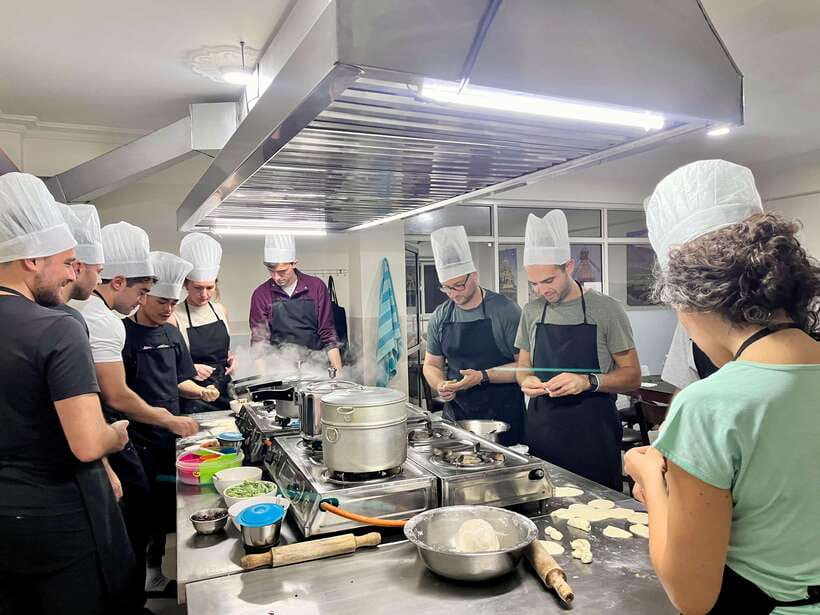
I would recommend this class to you if food is one of the reasons you came to Nepal. It is also a good choice if you want an activity that feels more personal than sightseeing and more useful than a standard restaurant meal.
It suits:
- First-time visitors who want an introduction to Nepali cuisine
- Home cooks who want to learn momo folding
- Couples, families with children over five, and small groups of friends
- People who prefer a structured activity with a meal included
- Anyone staying near Thamel who wants a convenient half-day plan
It may be less suitable if you want a quiet private experience, a long market tour, or a strictly fixed menu. The class has a small-group format, but it is not necessarily private. The menu can also include choices, so the final dishes may depend on the group and available ingredients.
Dietary needs should be discussed before booking. The academy says it can tailor the class to restrictions and preferences, but the exact alternatives are not stated.
Is the $4 price good value?
At the advertised $4 per person, the value is exceptional if the selected option includes the full cooking class. You receive instruction, ingredients purchased during the market visit, kitchen equipment, a meal, and masala tea.
The important detail is the booking option. Pickup and drop-off are optional, specialty drinks are extra, and professional photos or videos cost more. Check the final price for your date and confirm what is included before treating the headline rate as your total cost.
Even at a higher rate for transport or an upgraded option, the class offers good value because it combines several activities: a local shopping stop, a cooking lesson, a sit-down meal, and cultural explanation. You also gain recipes and practical techniques that can be used after Nepal.
For many people, momo alone would justify the class. Learning to fold them properly is a skill that is difficult to pick up from a menu description or a cooking video watched once.
Final verdict: should you book it?
Book this class if you want to understand Nepali food by making it yourself. The strongest reasons are the patient instruction, market visit, small group size, clean kitchen, and generous meal.
I would choose it early in your Kathmandu stay if possible. You can then return to restaurants with a better sense of what you are ordering, and you may even recognize ingredients or dishes from the class.
Before booking, confirm the exact price, menu choices, pickup option, and dietary arrangements. If you want a private lesson or a dedicated sightseeing tour, this may not be the right fit. For a hands-on introduction to momo, dal bhat, and other Nepali dishes at a very low advertised price, it is an easy activity to recommend.
FAQ
Where does the cooking class begin?
The class begins at Kathmandu Cooking Academy in central Kathmandu. The academy is about a 10 to 15 minute walk from Thamel.
How long does the experience last?
The experience lasts about three to four hours. The market visit, cooking, and tasting session together take approximately three hours.
What dishes will I learn to cook?
Momo and dal bhat are the main dishes. You may also choose from other traditional Nepali dishes, with past options including bara and yomari.
Is hotel pickup available?
Yes. Pickup and drop-off are available as an optional service from locations within Kathmandu Valley. Provide your hotel or address details when booking.
Is the cooking class taught in English?
Yes. English instruction is provided.
What is included with the meal?
The class includes a tasting session with the dishes you prepare and complimentary Nepali masala tea. Specialty and alcoholic drinks are not included.
Can I cancel the booking?
You can cancel up to 24 hours in advance for a full refund. Reserve now and pay later is also available.
Just added around Kathmandu
- Kathmandu: 3-Hours of Cooking Class with Meals★ 5.0 · 10 reviews
- Local Women Led Nepali Cooking Class★ 5.0 · 6 reviews
- Kathmandu: Women-Led Cooking Class & Momo Making-Local Taste★ 4.8 · 15 reviews
- Kathmandu: Nepali Cooking Class with Hotel Pickup★ 4.1 · 5 reviews
- Kathmandu: Local Women-Lead Nepali Cooking & Momo Class★ 4.9 · 45 reviews
- Cook with Lisha: Nepali and Newari Cooking Class★ 5.0 · 2 reviews
- Kathmandu: Cooking Class in Nepal★ 5.0 · 2 reviews
- Kathmandu: About 3-hour Cooking Class Experience near Thamel★ 5.0 · 3 reviews
Cooking Classes, compared.

Half-Day Thai Cooking Class at Organic Farm in Chiang Mai
Read our review →

3 in 1 Cooking Class near Navona: Fettuccine, Ravioli & Tiramisu
Read our review →
Pasta & Tiramisu Cooking Class with Unlimited Wine
Read our review →
Hanoi Cooking Class: Culture, Local Market & Meaning CSR Impact
Read our review →
5 Traditional Dishes Hanoi Cooking Class with Market Trip
Read our review →
Cooking Class and Lunch at a Tuscan Farmhouse with Local Market Tour from Florence
Read our review →
Cooking Class, Market & Thai Herbs Garden Tour
Read our review →Lists this class appears in