
REVIEW · BAGMATI ZONE, NEPAL
Kathmandu: Cooking Class in Nepal
Come hungry, leave with new skills. This three-hour Kathmandu cooking class gives you a practical way to meet Nepali food, with a local chef and helper guiding you through three dishes near Thamel. I especially like the chance to make momo from scratch and the freedom to build a menu that suits your appetite.
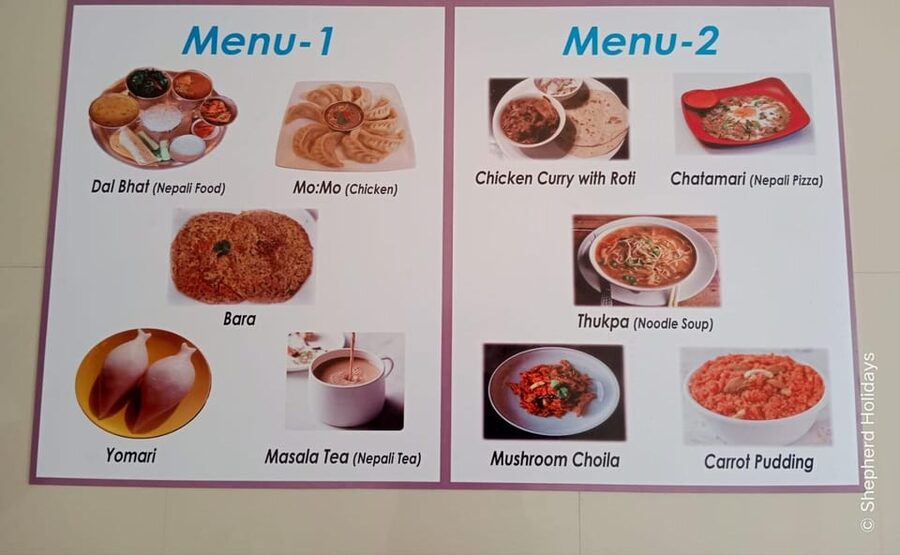
I also like that the class is not limited to one fixed meal. You can choose three dishes from a broad menu, including dal bhat, bara, yomari, thukpa, chatamari, chicken curry, mushroom choila, and carrot pudding. The main consideration is that pickup and beverages cost extra, so the $25 price is excellent for the cooking and meal itself, but not an all-inclusive outing.
Key points to know before booking
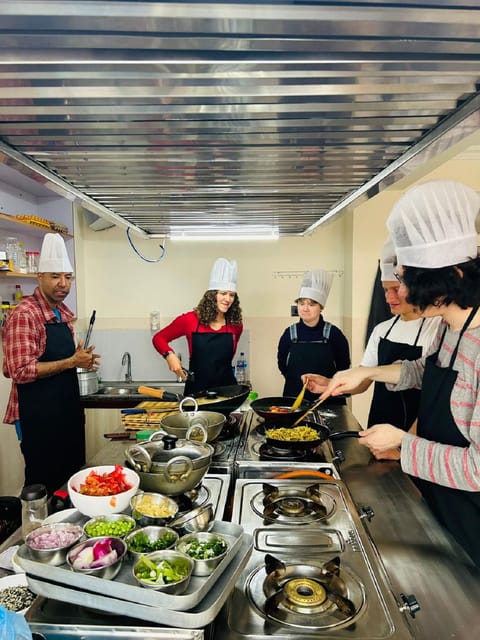
- Three dishes become your lunch or dinner: You cook and eat the food prepared during the class.
- Momo takes center stage: Choose chicken or vegetarian dumplings and learn why this beloved dish is so popular in Nepal.
- A flexible menu suits different tastes: You select any three items from the available Nepali dishes.
- Vegetarian cooking gets separate attention: Vegetarian participants use separate stoves.
- Practical instruction is a strength: The class includes a professional chef and helper, with guidance in English, Nepali, or Hindi.
- The location works well with a Thamel day: The class is near Kathmandu’s main tourist hub and lasts three hours.
A three-hour introduction to Nepali food
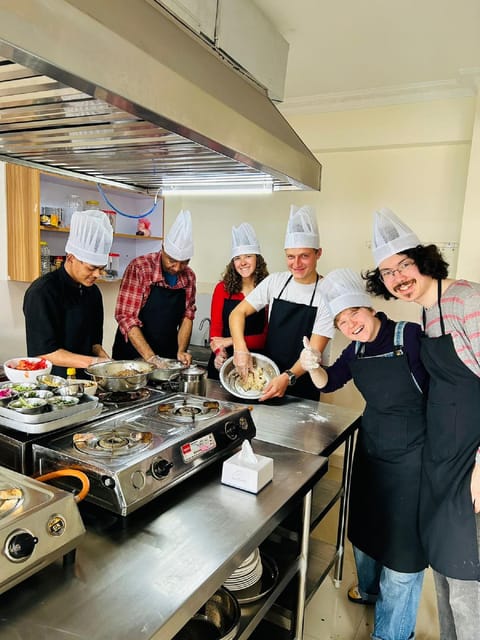
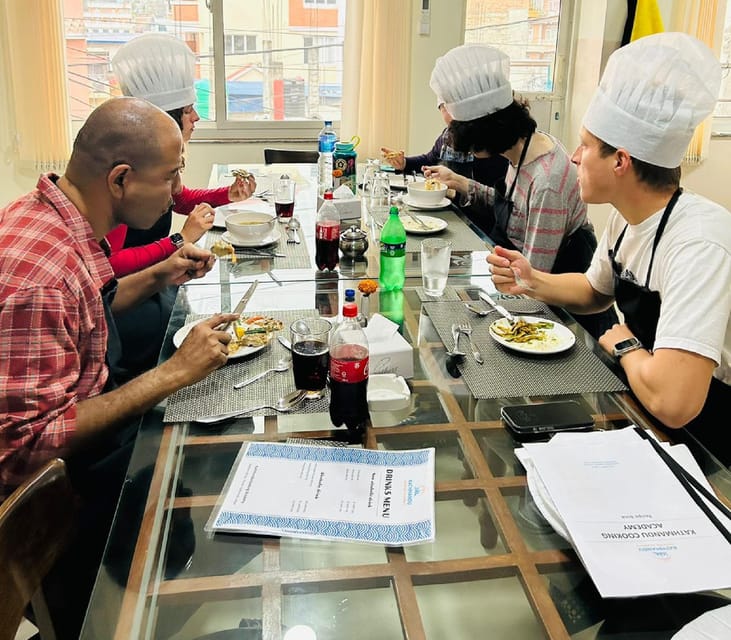
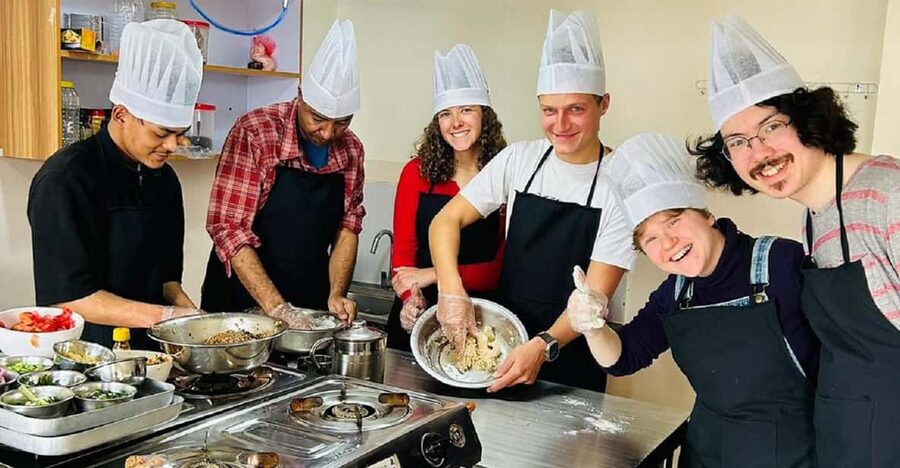
This class is built around doing, not simply watching. You arrive near Thamel, meet the chef and helper, and spend roughly three hours preparing a three-item menu. At the end, the dishes become your meal, either lunch or dinner depending on the starting time.
That format matters. A restaurant can introduce you to Nepali food, but a cooking class helps you understand how the food comes together. You get to handle ingredients, follow cooking methods, and ask questions as you work. The instruction is available in English, Nepali, and Hindi, which makes the class practical for a wide range of visitors.
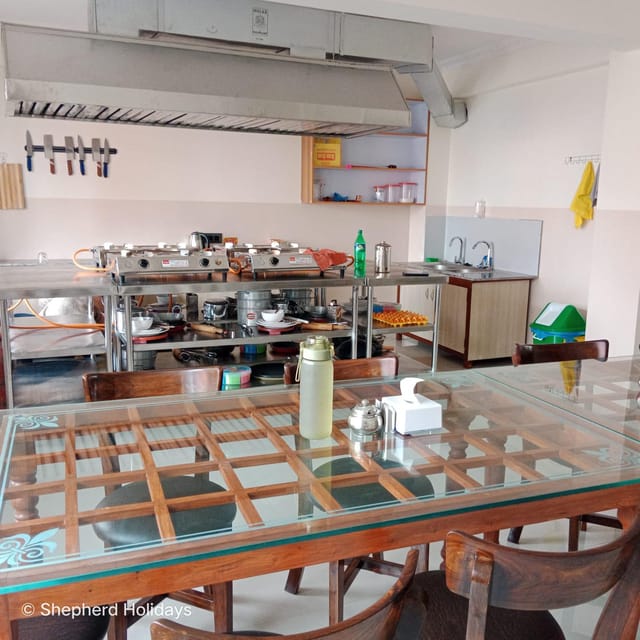
The setting is described as a traditional kitchen, with local chefs sharing both cooking methods and stories. I would expect the experience to feel more personal than a standard restaurant meal, though the exact kitchen setup and group size are not specified. If you prefer a quiet, highly polished culinary studio, this may feel more informal. If you want contact with local food traditions, that informality is part of the appeal.
A strong point is the teaching style. Graeme from Canada specifically praised the instructor for being chatty, friendly, and helpful when refining cooking techniques. That suggests you should feel comfortable asking for clarification, checking your method, or requesting help with a difficult step. Another verified booking described the class as informative and helpful, with traditional Nepali dishes and good food at the end.
A few more cooking classes around Kathmandu worth a look
- Half day cooking class in Thamel kathmandu
★ 5.0 · 607 reviews - Kathmandu: Local Women-Led Nepali Cooking & Momo Class
★ 4.9 · 360 reviews - Kathmandu: Local Lead Nepali Cooking & Momo-Making Class
★ 5.0 · 212 reviews
Choosing your three dishes
The menu gives you a useful range of flavors and cooking styles. You do not simply receive a preset plate. You choose any three items, so your selection can shape the whole class.
Dal bhat
Dal bhat is one of Nepal’s best-known meals: lentil soup served with rice. It is a good choice if you want the dish most closely associated with everyday Nepali dining.
This option teaches you about the balance between a mild lentil base and the accompaniments that make the meal satisfying. Since dal bhat is filling, choosing it alongside three rich or substantial dishes could result in more food than you expect.
Chicken or vegetarian momo
Momo is the class’s most obvious crowd-pleaser. These Nepali dumplings come with either chicken or vegetarian filling, and the class focuses on the techniques behind their popularity.
The important part is not just eating the dumpling. You learn how the filling and wrapper work together, then prepare the dish yourself. Momo can be fiddly, especially when shaping each piece, so the chef’s guidance is useful here. If you eat meat, chicken momo gives you the classic option listed. If not, the vegetarian version lets you take part without compromise.
Same place, a different thing to cook:
- Local Women Lead Nepali Cooking Class
★ 5.0 · 125 reviews - Kathmandu: Local Women-Lead Nepali Cooking & Momo Class
★ 4.9 · 45 reviews - Kathmandu: Local Lead Nepali Cooking & Momo Making Class
★ 4.9 · 40 reviews - Kathmandu: Women-Led Cooking Class & Momo Making-Local Taste
★ 4.8 · 15 reviews
Bara
Bara is a deep-fried lentil patty with a crisp outside and tender center. It offers a different texture from momo and works well as a snack-style dish.
I would choose bara if you want to learn about lentils in a form that is less familiar than dal. Since it is fried, it also adds a richer element to your menu. Pairing it with a soup or vegetable dish could create a better balance than selecting several fried or heavy options.
Yomari
Yomari is a sweet dumpling filled with jaggery and sesame seeds. It gives the class a dessert course and introduces you to a less familiar side of Nepali food.
This is a particularly good selection if you enjoy learning food traditions through sweets. The dough shaping and filling make it different from the savory dishes, and the jaggery-sesame combination offers a clear contrast to spicy or aromatic meals.
Chicken curry with roti
Chicken curry with roti is a familiar pairing, but it still provides a useful lesson in Nepali spices and flatbread. You learn how the curry gains its flavor and how roti becomes part of the meal.
This is a sensible choice if you want something comforting and substantial. It may be less adventurous than mushroom choila or chatamari, but it gives you a direct taste of a common South Asian meal style with a Nepali character.
Chatamari
Chatamari is often called Nepali pizza because it is a flatbread topped with other ingredients. The comparison helps you understand the idea, but the dish has its own identity and preparation style.
Choose it if you want something visually different from dumplings, curry, or soup. It can also be a good middle ground for people who are curious about Nepali cooking but do not want an especially unfamiliar dish.
Thukpa
Thukpa is a hearty noodle soup with Tibetan roots that has become part of Nepal’s food culture. It is a warm, filling choice and a useful reminder that Nepali cuisine draws from several cultural traditions.
I would pick thukpa if you want a complete bowl rather than a small snack or dessert. It may be especially appealing after a busy day in Kathmandu, though the class description does not specify the spice level or exact ingredients.
Mushroom choila
Mushroom choila brings bold spices and a marinated preparation to the menu. It is the vegetarian alternative that most clearly promises a punchy, savory flavor.
The dish is a good choice for someone who wants more than a mild vegetable plate. Because choila is described as spicy, you should ask the instructor about the heat level if you are sensitive to chili.
Carrot pudding
Carrot pudding rounds out the menu with a Nepali-style sweet. It focuses on the balance of ingredients rather than elaborate decoration.
This is a good pick for anyone who enjoys desserts and wants to finish with something different from yomari. If you choose both sweets, remember that you will have only one savory dish left for the meal.
What the cooking session feels like
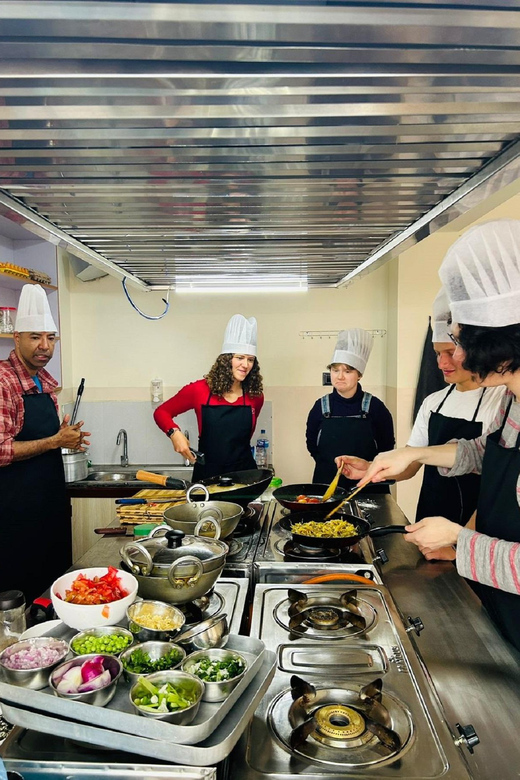
The class combines instruction, preparation, and eating in one continuous experience. You work with the chef and helper, prepare the selected dishes, and then enjoy the food you have made. Ingredients and all equipment are provided, so you do not need to shop or bring cooking tools.
I like this arrangement because it keeps the experience focused. There is no separate restaurant stop to reach, and the meal is tied directly to the work you have done. You can see the ingredients before they become finished dishes and ask about techniques as they arise.
The chef’s role appears to be hands-on rather than purely demonstrative. The most useful part for many people will be correction: how to shape momo, how to balance a mixture, or how to improve a cooking step. The positive feedback about technique refinement is worth noting, especially if you already cook and want more than a basic demonstration.
The helper also matters. Preparing three dishes in three hours can involve several steps, and having another person available should help keep the session moving. Still, you should not expect to master every dish in professional detail during one class. The goal is a useful introduction, a good meal, and enough understanding to try the recipes again.
Vegetarian cooking and dietary choices
The class makes a clear effort to accommodate vegetarian cooking. Vegetarian participants are addressed at separate stoves, which helps prevent confusion and gives the cooking process its own space.
That is an important detail if you avoid meat. You can choose vegetarian momo, mushroom choila, and other suitable items from the menu, but the available information does not provide a full dietary policy or list of allergy accommodations. If you have allergies or strict dietary needs, contact the provider before booking and explain exactly what you require.
The separate-stove arrangement is helpful, but it does not automatically answer every question about shared ingredients or cross-contact. Ask in advance if that matters to you.
Why the $25 price can be good value
At $25 per person, the class offers three hours of instruction, ingredients, equipment, a chef, a helper, and the food prepared during the session. That is strong value if you want both an activity and a meal.
The value improves if you choose dishes you are genuinely interested in making. Momo, yomari, and chatamari each teach a different style of Nepali food, while dal bhat and curry provide more familiar staples. You are not paying only for a plate of food. You are paying for the process and the chance to repeat some of it later.
There are extra costs to keep in mind. Pickup and drop-off are available for an additional charge, and beverages are not included. Accommodation and personal expenses are also outside the price. Since the class is near Thamel, you may be able to reach it without paid transport, depending on where you stay.
The food and drink prepared during the class are included. The separate note about beverages means you should not assume that bottled drinks, alcoholic drinks, or other refreshments are covered.
Getting there and fitting it into your day
The class is near Thamel, one of Kathmandu’s main tourist areas. That makes it convenient to add after sightseeing, shopping, or a morning walk around central Kathmandu.
Pickup is optional, not standard. You can contact the provider through WhatsApp, share your location, and arrange a pickup from another part of the city for an extra charge. This is useful if you are staying outside Thamel, but you should confirm the price and timing before relying on it.
The itinerary lists drop-off locations in Lalitpur and Kathmandu. Since the exact pickup point depends on the selected option, check the starting details when you book. A three-hour class can fit neatly into a day, but allow extra time if you add transportation.
Starting times vary. You should choose a session that matches your appetite and schedule, since the meal served will be either lunch or dinner depending on when you attend.
Who will enjoy this class most
I would recommend this experience to first-time visitors who want a direct introduction to Nepali cuisine. It is also a good fit for home cooks, couples, families, and solo visitors who prefer an activity with a clear purpose.
Food lovers will appreciate the menu range. You can stay with familiar choices such as chicken curry and roti, or try bara, yomari, mushroom choila, and chatamari. The class also suits people who want a souvenir they can use at home: cooking knowledge is easier to carry than another item in your suitcase.
The experience may be less suitable if you dislike hands-on work, have very limited time, or want a formal fine-dining event. The class is practical and social, not a polished restaurant tasting. You should also consider your food restrictions before selecting dishes.
The available feedback gives the instructor a particularly strong mark for friendliness, helpfulness, and technique advice. That matters because a cooking class succeeds or fails on the quality of its guidance. The food is important, but clear instruction and an easy conversation often determine whether you leave confident or confused.
Booking flexibility and practical details
You can cancel up to 24 hours before the activity for a full refund. The reserve-now-and-pay-later option lets you hold a place without paying immediately, which is useful when your Kathmandu schedule is still shifting.
The class is offered in English, Nepali, and Hindi. The duration is three hours, and you should check available starting times before confirming.
The provider is Shepherd Holidays. No accommodation is included, and personal expenses remain your responsibility. Bring an appetite, wear something comfortable for a kitchen setting, and contact the provider ahead of time if you need pickup or have dietary questions.
Should you book the Kathmandu cooking class?
Book it if you want an affordable, hands-on way to understand Nepali food near Thamel. The combination of three self-selected dishes, a shared meal, local instruction, separate vegetarian stoves, and a $25 price gives the class real practical value.
I would make momo one of your three choices, then balance it with either dal bhat, thukpa, or a sweet such as yomari. Add pickup only if you need it, and confirm beverage and dietary details before you go.
Skip it if you want a short demonstration with no participation, or if you are looking for a formal culinary school setting. For most curious eaters, though, this is a friendly and useful three hours, with food you can enjoy immediately and techniques you may remember long after leaving Kathmandu.
FAQ
How long does the Kathmandu cooking class last?
The class lasts three hours, including the cooking session and the meal made during the class.
How much does the cooking class cost?
The listed price is $25 per person.
Where is the cooking class located?
The class is located near Thamel in Kathmandu, Nepal. The exact starting location depends on the selected option.
How many dishes can I cook?
You can choose any three items from the available menu and prepare them during the class.
Can I choose vegetarian dishes?
Yes. Vegetarian participants are accommodated at separate stoves, and vegetarian momo and mushroom choila are among the listed choices.
Is pickup included?
No. Pickup and drop-off are available for an additional charge. You can contact the provider through WhatsApp and share your location to arrange pickup.
What languages are available for instruction?
Instruction is available in English, Nepali, and Hindi.
Just added around Kathmandu
- Kathmandu: 3-Hours of Cooking Class with Meals★ 5.0 · 10 reviews
- Local Women Led Nepali Cooking Class★ 5.0 · 6 reviews
- Kathmandu: Women-Led Cooking Class & Momo Making-Local Taste★ 4.8 · 15 reviews
- Kathmandu: Nepali Cooking Class with Hotel Pickup★ 4.1 · 5 reviews
- Kathmandu: Local Women-Lead Nepali Cooking & Momo Class★ 4.9 · 45 reviews
- Cook with Lisha: Nepali and Newari Cooking Class★ 5.0 · 2 reviews
- Kathmandu: Local Lead Nepali Cooking & Momo Making Class★ 4.9 · 40 reviews
- Kathmandu: About 3-hour Cooking Class Experience near Thamel★ 5.0 · 3 reviews
Cooking Classes, compared.

Half-Day Thai Cooking Class at Organic Farm in Chiang Mai
Read our review →

3 in 1 Cooking Class near Navona: Fettuccine, Ravioli & Tiramisu
Read our review →
Pasta & Tiramisu Cooking Class with Unlimited Wine
Read our review →
Hanoi Cooking Class: Culture, Local Market & Meaning CSR Impact
Read our review →
5 Traditional Dishes Hanoi Cooking Class with Market Trip
Read our review →
Cooking Class and Lunch at a Tuscan Farmhouse with Local Market Tour from Florence
Read our review →
Cooking Class, Market & Thai Herbs Garden Tour
Read our review →Lists this class appears in