
REVIEW · MARMARA REGION, TURKEY
Istanbul: Vegan/Vegetarian Cooking Class with Locals at Home
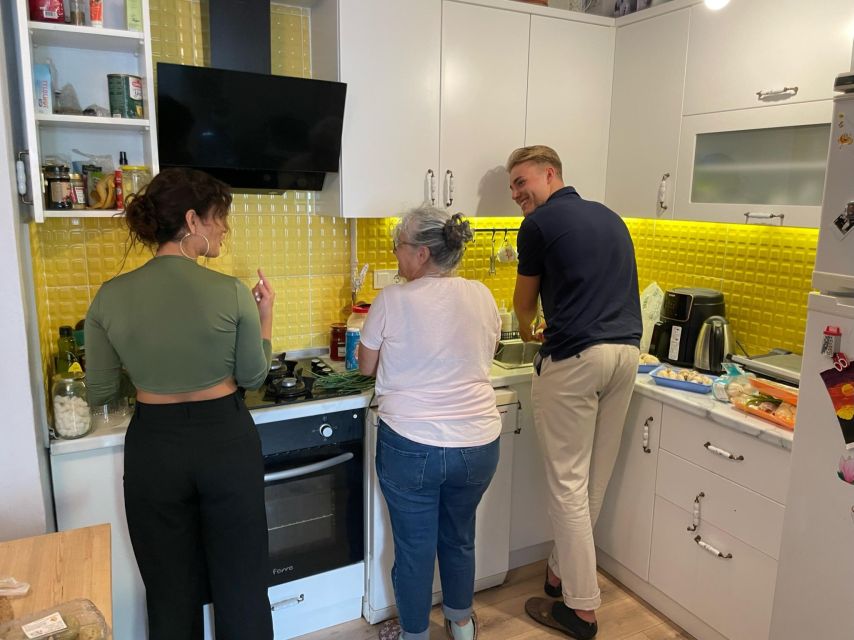
Good food opens doors. Near Taksim, this small home cooking class turns a meal into a cultural exchange, with Turkish recipes, plant-based twists, tea, and easy conversation around a local table. I like that the setting is a real home rather than a formal cooking school, and I like that the menu includes dishes many visitors may not expect in vegan form, such as kokoreç and mantı.
The class is limited to six people, which should give you more time to cook and talk with Rojda, the host. The main consideration is the price: at $106 per person for two and a half hours, this is not a cheap meal or a quick demonstration. You are paying for personal attention, a home setting, and cultural conversation as much as for the food.
- A home near Taksim: The central location makes this easier to fit into an Istanbul day.
- Rojda as host: Her personal stories about Istanbul and daily life add depth beyond the recipes.
- Plant-based Turkish cooking: Learn vegan versions of kokoreç, dolma, and mantı.
- Small group size: With no more than six participants, the class should feel personal rather than crowded.
- Tea before the cooking: The welcome begins with conversation, coffee or tea, and a relaxed introduction.
- Flexible booking: You can cancel up to 24 hours ahead for a full refund and reserve without paying immediately.
Entering a Local Home Near Taksim
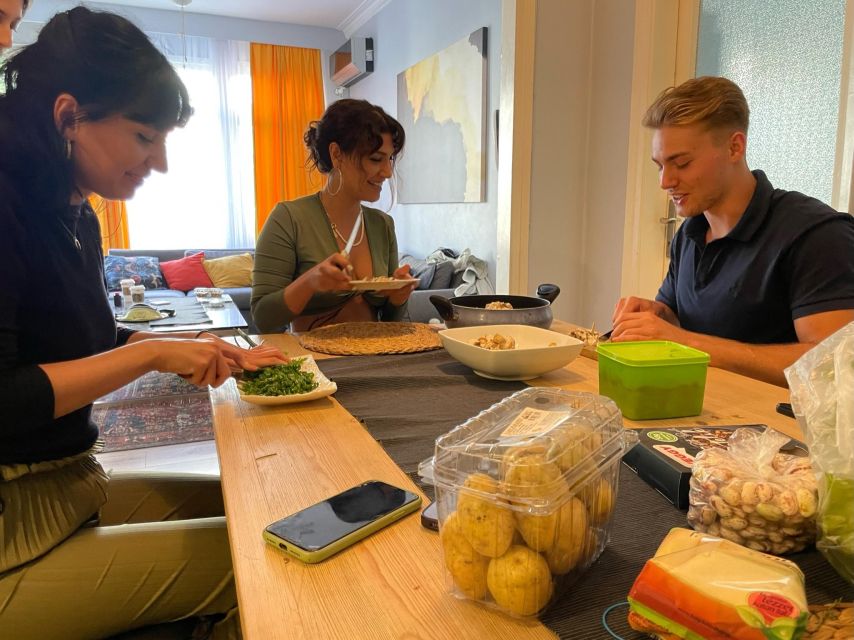
The experience takes place in a home near Taksim, one of Istanbul’s most central areas. That location matters. You are not being sent far outside the city for a cooking lesson, and you can pair the class with a day spent around Taksim and nearby neighborhoods.
The meeting instructions are simple. Call the hosts when you arrive, or ring bell number 11. Since this is a private home rather than a restaurant or a large studio, pay attention to the directions and allow yourself enough time to find the building.
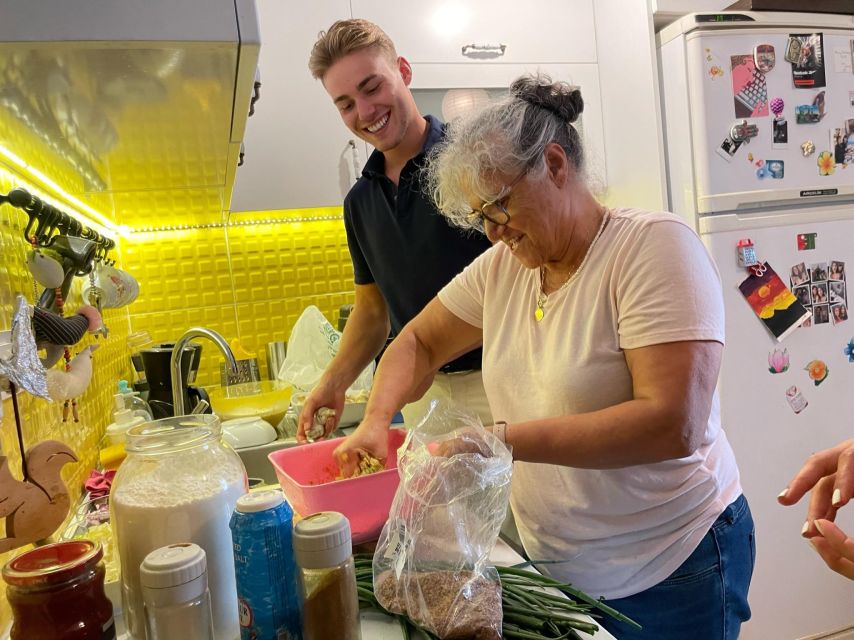
The setting is part of the appeal. In a restaurant, you usually sit down, order, and watch someone else work. Here, you enter a personal space and begin with tea or coffee. That small ritual gives the class a slower start and makes room for conversation before anyone begins shaping dough or preparing vegetables.
I would choose this experience if you want contact with everyday Istanbul rather than another polished food attraction. You should also feel comfortable entering a local home and sharing a meal in a small group. The tone is clearly social, so this is not the best pick if you want a silent, highly technical lesson.
Tea, Conversation, and Rojda’s Istanbul
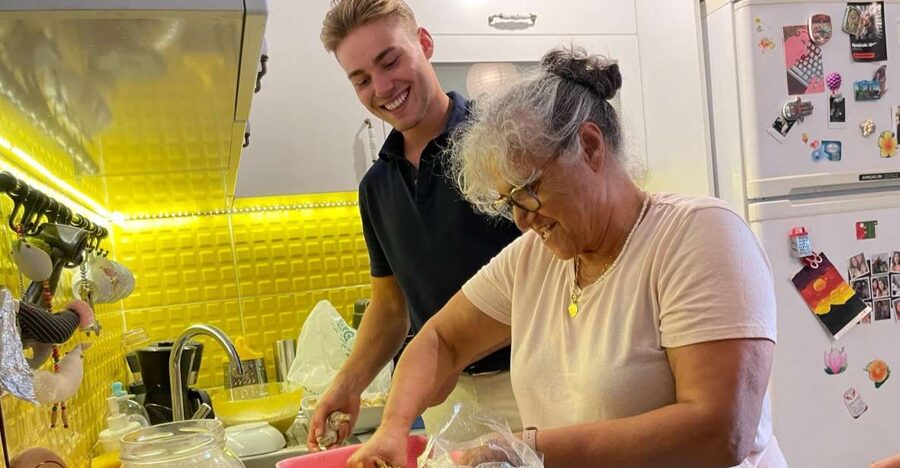
The first stage is a welcome with tea, coffee, and conversation. It may sound modest, but this is where a home class earns its value. You get a chance to settle in, meet the host, and learn about the person behind the food before the practical work begins.
Rojda is the instructor, and she teaches in English and Turkish. Her style, based on the experience described by past participants, combines recipes with personal stories, cultural background, and views on life in Istanbul. That human element is one of the strongest reasons to choose this class over a standard cooking workshop.
You should expect conversation to be part of the schedule, not an extra added after the cooking. One visitor described the time with Rojda as feeling like an evening with a friend, while another praised the relaxed and fun mood. That suggests a class built around exchange rather than strict instruction.
The language arrangement is useful for English-speaking visitors, though Turkish is also available. If you want to ask detailed questions about methods or ingredients, English instruction is offered. Since the group is capped at six, you should have a reasonable chance to take part in the discussion instead of listening from the back of a large room.
More Vegetarian Cooking Classes in Turkey:
- Oaxacan Vegetarian Cooking Class
★ 5.0 · 235 reviews - Marrakech: Moroccan Cooking Class for vegetarians and vegan
★ 4.9 · 156 reviews - Hoi An: Vegetarian Cooking Class w Local Family and transfer
★ 4.9 · 145 reviews
Cooking Vegan Kokoreç, Dolma, and Mantı
The food is the center of the class, and the menu has a clear purpose: to show how familiar Turkish dishes can be adapted without meat or dairy.
Vegan kokoreç is an especially interesting choice. Classic kokoreç is a well-known Turkish street food made with seasoned offal. Here, you learn a plant-based version that keeps the spirit of the dish while changing its main ingredients. That makes the lesson useful even if you already know Turkish food. You are not simply preparing a basic salad or a dish that was always vegetarian. You are seeing how a strong local flavor profile can be reworked.
Dolma offers another window into Turkish home cooking. The name generally refers to filled vegetables or leaves, and the class presents it as part of a vegan and vegetarian spread. The important point is not just learning one recipe. You are seeing how plant-based food fits naturally into Turkish cooking, where vegetables, grains, herbs, and olive oil already play major roles.
Then there is mantı, the small Turkish dumpling that often requires patience and careful handwork. The class includes homemade vegan mantı, and this may be the most hands-on part of the session. One participant specifically praised learning the art of making vegan mantı, which suggests that the dumplings are more than a quick demonstration.
The available information does not specify the exact fillings, sauces, or cooking equipment, so you should not arrive expecting a fixed restaurant-style menu with every ingredient listed in advance. The menu is described as a variety of vegan and vegetarian dishes, with kokoreç, dolma, and mantı among the examples. If you have allergies or strict dietary needs, contact the host before booking rather than assuming every dish will suit you.
Why the Plant-Based Angle Matters in Istanbul
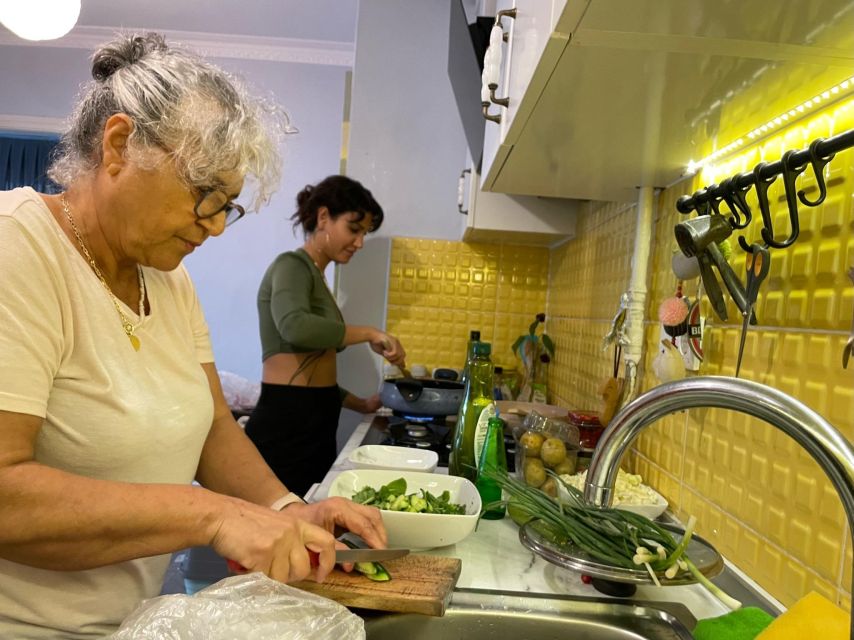
Istanbul is an easy city for food lovers, but plant-based visitors may need to look more closely at menus and ingredients. This class gives you a way to understand Turkish food on its own terms while keeping the meal vegan or vegetarian.
That distinction matters. A cooking lesson built only around substitutions can feel like a side activity. This one presents plant-based cooking as part of Turkish food culture, using familiar dishes and local flavors. You learn that a vegetarian meal does not have to be separate from the country’s culinary traditions.
I particularly like the choice to include both naturally adaptable dishes and a plant-based version of a meat-centered street food. It gives you two different lessons. Dolma and other vegetable-based foods show the strength of traditional plant cooking, while vegan kokoreç shows how creativity can carry a familiar taste into a new form.
You should also leave with ideas you can use after your trip. The class is not only about eating what someone else prepares. You work alongside the host and learn the basic approach behind the dishes. The exact take-home material is not specified, so do not assume a printed recipe book is included. Still, cooking from scratch should give you a better sense of the methods than simply sampling a finished plate.
A Two-and-a-Half-Hour Shared Meal
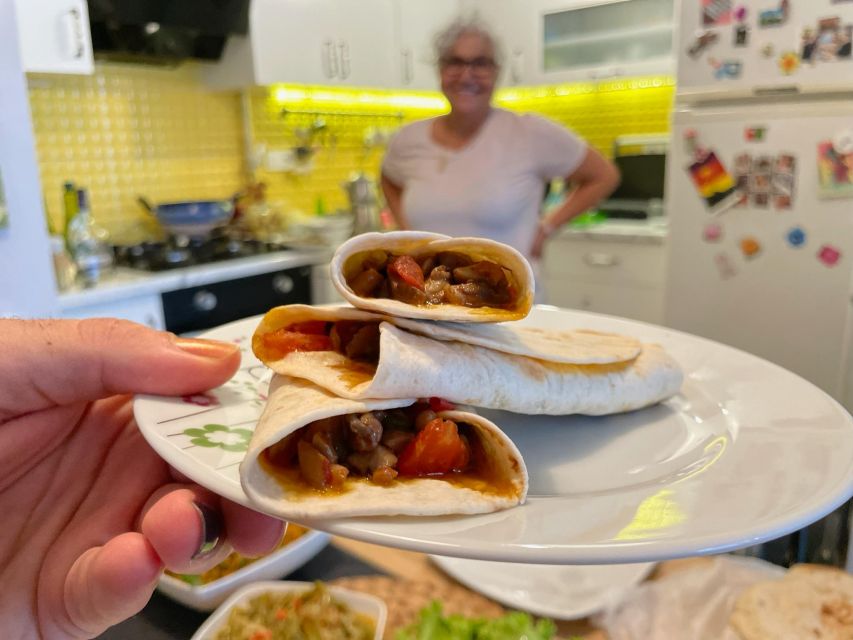
The full experience lasts two and a half hours. That is enough time for a welcome, hands-on preparation, and a shared meal, but it is not an all-day food tour. You will not be visiting several markets or restaurants. The focus stays on one home and one group meal.
This shorter format can work well in Istanbul. You can fit the class into a busy sightseeing plan without giving up half your day. At the same time, you should keep your expectations realistic. With several dishes on the menu, the session is likely to move at a friendly pace rather than offering a long technical lesson on each recipe.
The experience is described as cooking and eating together, so plan for the meal to be part of the class rather than a separate restaurant course. You may spend some time preparing, some time talking, and some time tasting what the group has made. That mix is a strength if you want a social afternoon or evening.
It may be less suitable if you want to master one dish in great detail. The class covers a variety of dishes, and the limited time means the emphasis is likely to be on shared preparation and cultural exchange. For most visitors, that is the point. You get a broad taste of Turkish home cooking instead of a single narrow lesson.
More Food Trips in Turkey:
- Small Group Cooking Class & Market Food Tour in Florence
★ 5.0 · 1,574 reviews - Athens: Food Market Visit and Cooking Class with Wine
★ 4.9 · 1,087 reviews - Undiscovered Charleston: Half Day Food, Wine & History Tour with Cooking Class
★ 5.0 · 948 reviews - Vietnamese Food Cooking Class in Hanoi with Market Experience
★ 5.0 · 778 reviews
Six People Means More Time at the Counter
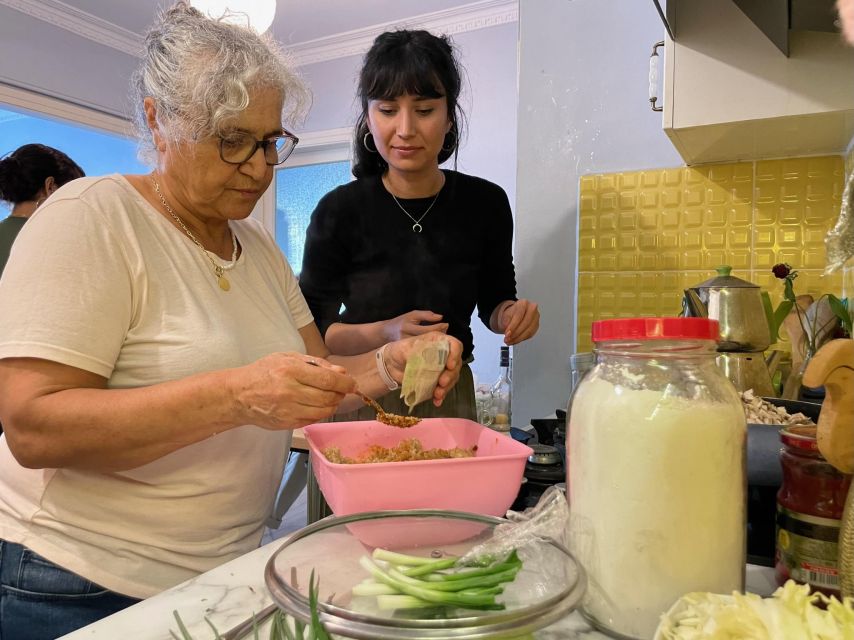
The group limit is six participants. This is one of the most useful details when judging the price and the atmosphere.
A small group means you are less likely to become a passive observer. You should have more room to ask questions, handle ingredients, shape mantı, and follow the host’s instructions. It also helps the conversation feel natural. In a larger cooking class, the social side can turn into a series of short chats with strangers. Here, the group is small enough for a more personal exchange.
The size also affects the home setting. Six people is still a group, but it is more manageable in a private kitchen than a dozen or more. If you are traveling alone, this can be a pleasant way to meet people without joining a large organized tour.
There is one tradeoff. Small-group home experiences depend more on the chemistry of the people present. If you prefer to keep to yourself, a restaurant meal may feel easier. If you enjoy conversation and want to ask about Istanbul, Turkish food, or the host’s life, the format should suit you well.
What the $106 Price Really Buys
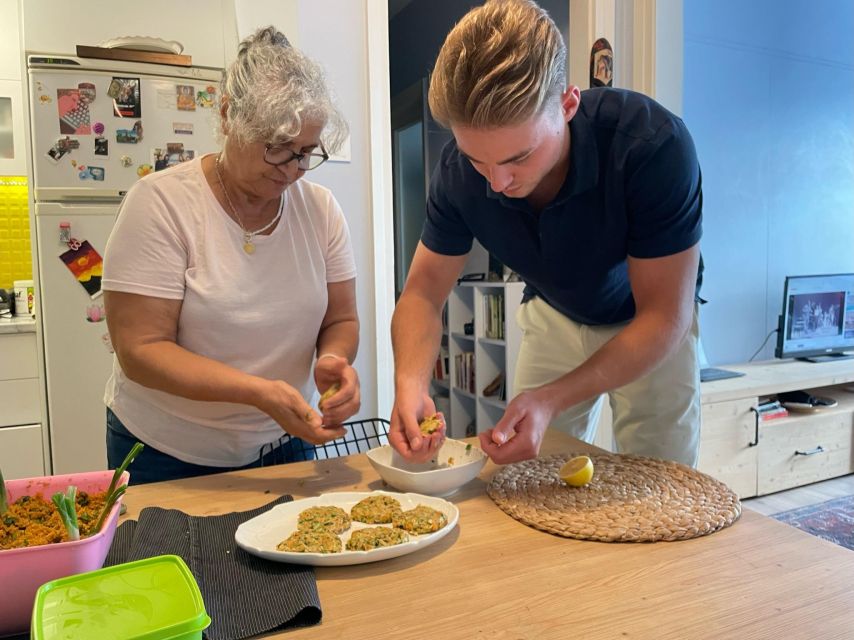
At $106 per person, this class costs more than a casual vegetarian meal in Istanbul. The price makes sense only if you value the full experience, not just the finished dishes.
You are paying for two and a half hours of time with a local host, a small group, instruction, a variety of food, and access to a private home near Taksim. You are also paying for the chance to ask questions and hear Rojda’s personal view of Istanbul. Those elements are hard to price like a normal restaurant meal.
The value is strongest for a visitor who wants a personal cultural experience and enjoys learning by doing. It is weaker for someone who only wants a cheap lunch or dinner. If you are comparing this with a standard food tour, remember that the class offers something different: fewer stops, more time in one place, and direct participation in the cooking.
The strong response from past participants supports the idea that the social side is a major part of the experience. The most praised elements are Rojda’s kindness, the flavor of the food, the relaxed mood, and the conversations about Istanbul and life. Those are exactly the details that make the higher price easier to justify.
Who Should Book This Istanbul Cooking Class?
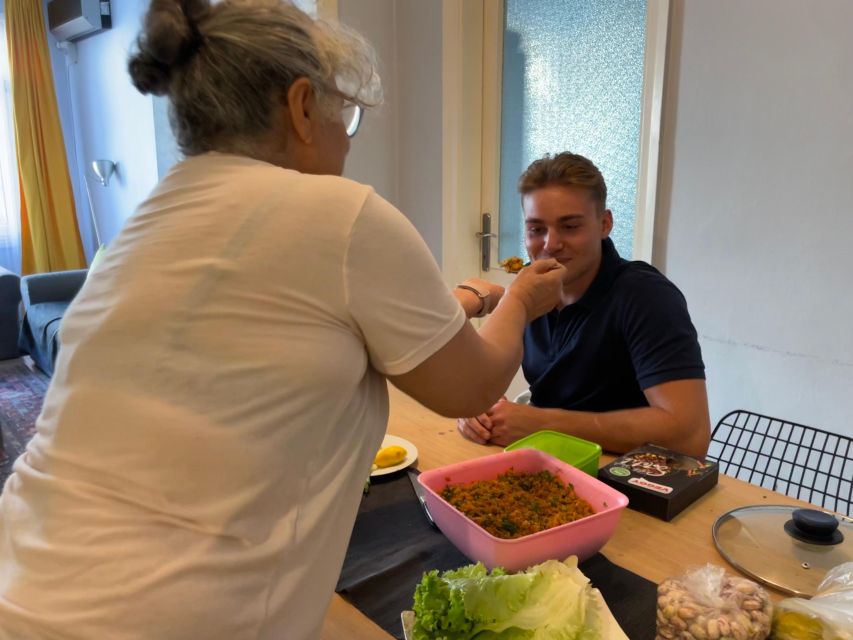
I would recommend this class to several types of visitors:
- Vegans and vegetarians who want Turkish food prepared with their needs in mind.
- Solo visitors who enjoy meeting people in a small, friendly setting.
- Couples and friends looking for an evening activity with more personality than a restaurant reservation.
- Food-focused visitors who want to learn how Turkish recipes are made, not just taste them.
- Repeat visitors to Istanbul who have already seen the main sights and want a closer look at local life.
- Curious omnivores who want to understand plant-based Turkish cooking without committing to a fully vegan travel plan.
I would think twice if you need a tightly timed itinerary, dislike social activities, or want a formal culinary course with detailed professional training. The class sounds warm and informal, which is exactly its appeal, but it may not match someone seeking advanced chef instruction.
It is also worth noting that the experience is not presented as a sightseeing tour. You will not be moving around Istanbul with a guide. The city enters the experience through Rojda’s stories and the location near Taksim, while the main activity stays in the home kitchen.
Booking Tips for a Smooth Visit
The class offers free cancellation up to 24 hours before the start time, which gives you useful flexibility when planning an Istanbul itinerary. You can also reserve now and pay later, so you do not have to commit payment immediately.
Check the available starting times before booking, since the schedule can vary. Because the meeting point is a home, use the arrival instructions carefully. Call when you are there or ring bell number 11.
I would also tell the host about dietary restrictions before the class. The experience is vegan and vegetarian, but the supplied information does not list every ingredient or address allergy procedures. A quick message in advance is the sensible move.
The class is offered in English and Turkish, and the group is limited to six. Those details make it especially practical for English-speaking visitors who want direct instruction without the scale of a large tour.
Should You Book It?
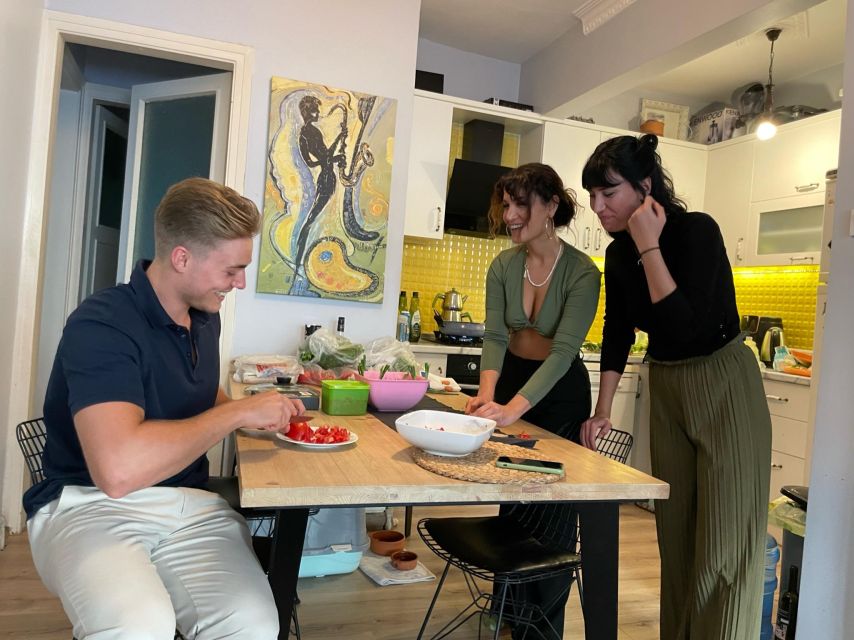
Book this experience if you want home hospitality, plant-based Turkish food, and real conversation in one compact Istanbul activity. The strongest reason to go is not simply the chance to eat vegan mantı or kokoreç. It is the chance to cook those dishes with Rojda, hear about Istanbul from her point of view, and share the meal in a small group.
At $106, it is a special-occasion activity rather than a budget meal. I think it offers fair value for visitors who care about personal contact and food culture. If all you need is a cheap vegetarian dinner, spend less elsewhere. If you want to leave Istanbul with a better understanding of Turkish home cooking and a memorable human connection, this class is a strong choice.
FAQ
Where does the cooking class take place?
It takes place in a local home near Taksim, one of Istanbul’s most central neighborhoods.
How long does the experience last?
The cooking class lasts two and a half hours.
How many people can join the class?
The group is limited to six participants.
Which languages are offered?
The instructor teaches in English and Turkish.
Which dishes might I learn to make?
The class may include vegan kokoreç, homemade mantı, dolma, and other vegan or vegetarian Turkish dishes.
Can I cancel or pay later?
You can cancel up to 24 hours in advance for a full refund. You can also reserve your spot and pay later.
Just added around Turkey
- Bodrum Cooking Class★ 5.0 · 3 reviews
- Bodrum Cooking Class with Local Couple★ 5.0 · 6 reviews
- Farmers Market visit & Turkish Cooking Class★ 5.0 · 60 reviews
- Cooking Class in Authentic Etrim Village★ 4.5 · 23 reviews
- Turkish Cuisine Cooking Class at Local Home with Family★ 5.0 · 9 reviews
- Istanbul: Traditional Cooking Class with a Local Mom★ 5.0 · 2 reviews
- Istanbul: Turkish Baklava Cooking Class with a Local Host★ 5.0 · 3 reviews
- Istanbul: Turkish Cooking Class with a Professional Chef★ 4.8 · 23 reviews
Vegan & Vegetarian Cooking Classes, compared.
Moroccan Cooking Class for vegetarians and vegan
Read our review →
Vegetarian Cooking Class w Local Family and transfer
Read our review →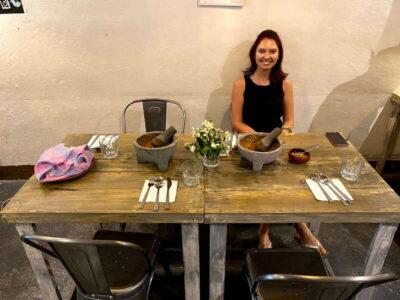
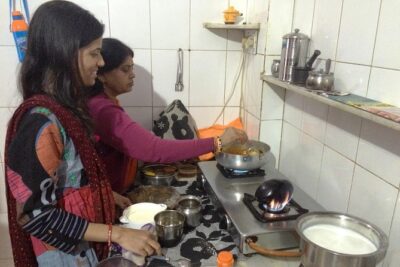
Jaipur Market Tour & Vegetarian Rajasthani Home Cooking Class
Read our review →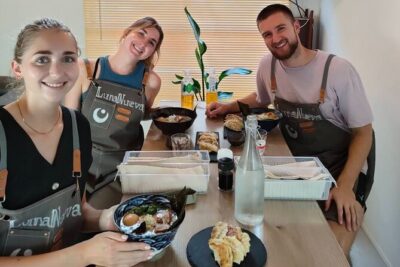
Ramen & Dumpling Cooking in Tokyo with Chef/Vegan possible
Read our review →Private Cooking Class – Personalized menu with glutenfree & vegan
Read our review →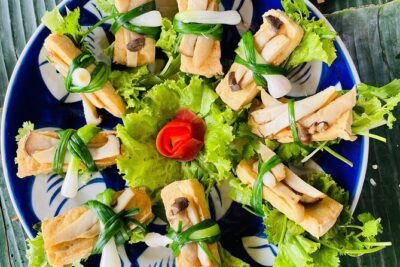
Hoi An/Da Nang: Vegetarian Cooking Class & Basket Boat Ride
Read our review →Lists this class appears in