REVIEW · ROME, ITALY
Rome Pasta Making Class with Italian Sauces and Wine Included
Pasta turns strangers into dinner companions. This three-hour class gives you hands-on practice making fresh ravioli, fettuccine, and spaghetti alla chitarra, then serves the results with traditional sauces, wine, and coffee. I like the small-group format, which keeps the lesson personal, and I like that Chef Riccardo’s team explains not only what to do, but why it works.
The menu is generous for the price, at about $95.53 per person. You may make three pasta shapes and several sauces in one sitting, rather than simply watching a demonstration. The main consideration is that the class follows a shared menu, so travelers with strict dietary needs should book the private option and arrange changes ahead of time.
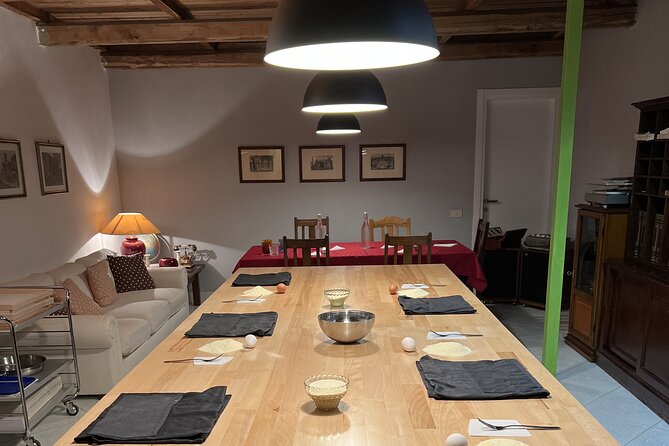
The class meets at Circonvallazione Gianicolense 418, in Rome, either at Riccardo’s grandmother’s house or at The Cooking Lab. Instructors may include Riccardo, William, Leo, or another member of the team. Their teaching style is lively and relaxed, with useful kitchen advice for beginners and enough technique to keep experienced home cooks interested.
Five things to know before you book
- Three pasta shapes in one class: You may prepare ricotta-filled ravioli, fresh fettuccine, and spaghetti alla chitarra.
- Roman sauces are part of the lesson: Expect recipes such as carbonara, arrabbiata, butter and sage, cacio e pepe, or gricia, depending on the menu and dietary preferences.
- You cook from scratch: You make, roll, shape, and cut the dough instead of watching a chef do all the work.
- The meal is included: Eat the pasta you prepare with complimentary wine, followed by coffee.
- Private classes allow more flexibility: Gluten-free, dairy-free, vegetarian, vegan, gnocchi, risotto, tiramisu, and other requests can be arranged for a private booking.
Getting to the Gianicolense cooking venue
The class begins at Circonvallazione Gianicolense 418, 00151 Rome. The meeting point is near public transportation, which matters because this is not one of the classic sights in central Rome. Give yourself time to reach the address, especially if you are crossing town from the historic center.
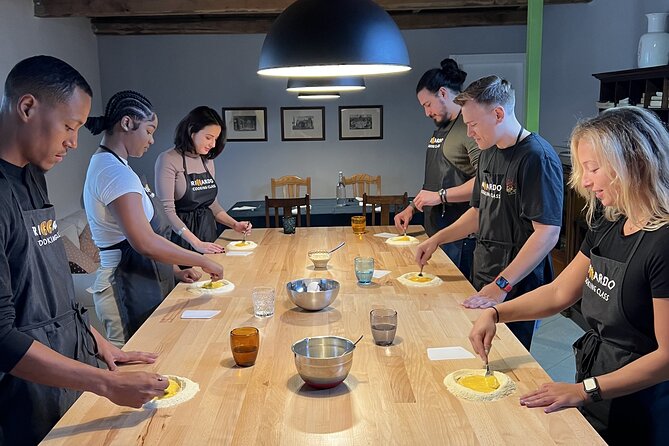
The exact setting may be Riccardo’s grandmother’s house or The Cooking Lab. That family connection helps explain the tone of the class. The aim is not a formal restaurant demonstration with everyone sitting quietly at a distance. You are there to work around a kitchen table, handle the dough, ask questions, and eat together.
The class is offered in English, making it practical for international visitors. Confirmation arrives when you book, and the activity finishes back at the meeting point. The stated group limit is 10 people, though the feel can change depending on the particular session and instructor.
More Cooking Classes with Wine Tasting in Italy
- Rome: Pasta Making Class with Wine, Limoncello, and Dessert
★ 4.9 · 3,177 reviews - Fettuccine & Tiramisù: Cooking Class with Wine & Limoncello
★ 4.9 · 2,103 reviews - Pasta Making & Wine Tasting with Dinner in Frascati from Rome
★ 5.0 · 1,326 reviews
Starting with pasta dough, not shortcuts
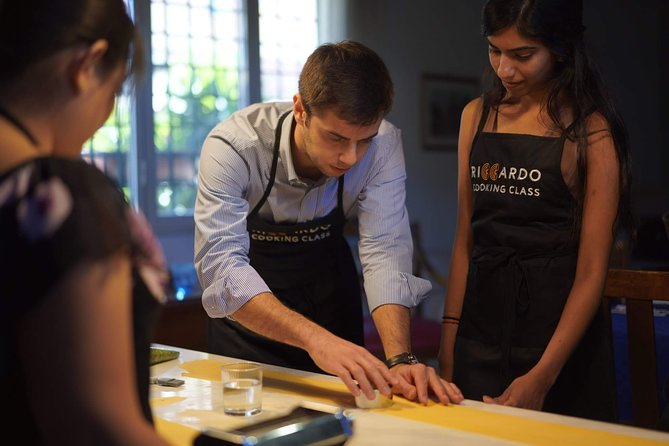
The class begins with the basic material: fresh pasta dough. You learn how flour, eggs, moisture, kneading, and resting affect the final texture. This is the most useful part for taking home because the same principles apply to many pasta shapes.
I like classes that explain texture rather than handing you a fixed recipe. Several participants have found the instruction clear enough to repeat the process at home, even if they arrived as complete beginners. At the same time, experienced cooks can pick up small details about shaping, rolling, and handling the dough.
Chef William has been praised for explaining why each step matters and for encouraging people to cook by taste rather than by rigid quantities. That is sound Italian kitchen advice. Flour and eggs do not behave exactly the same every time, so learning to judge the dough is more useful than memorizing a single measurement.
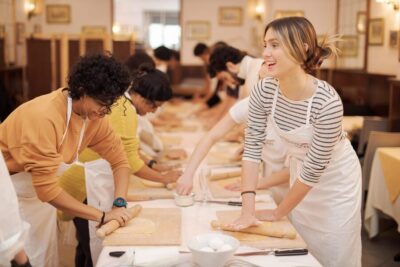
The class is hands-on throughout. You roll and cut the pasta yourself, with the chef stepping in to demonstrate and correct technique. If you are cooking with a partner, family member, or older teenager, the shared work gives everyone a job. It is also a good way to break up several days of museum visits and sightseeing.
Ravioli, butter and sage, and the value of stuffed pasta
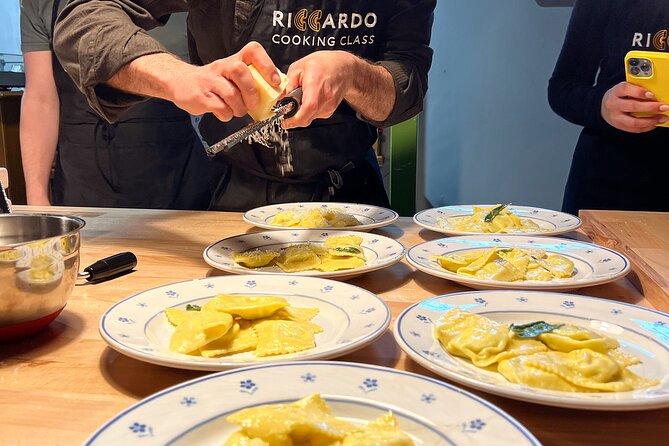
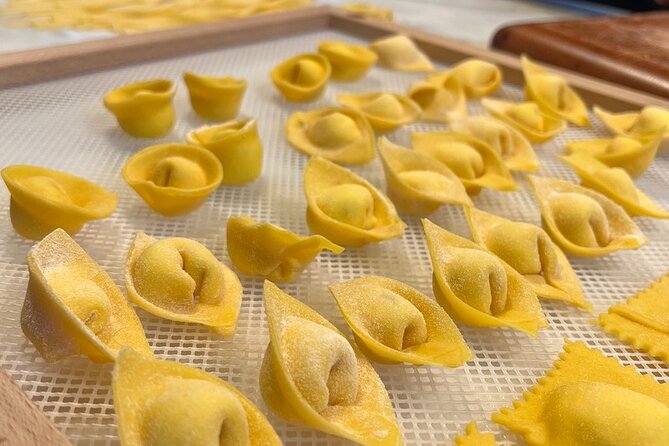
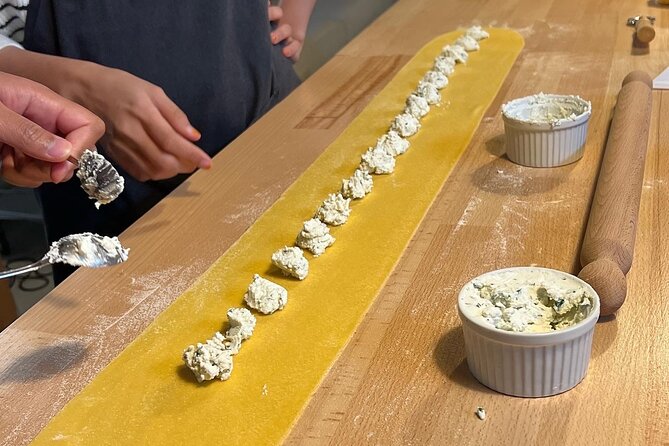
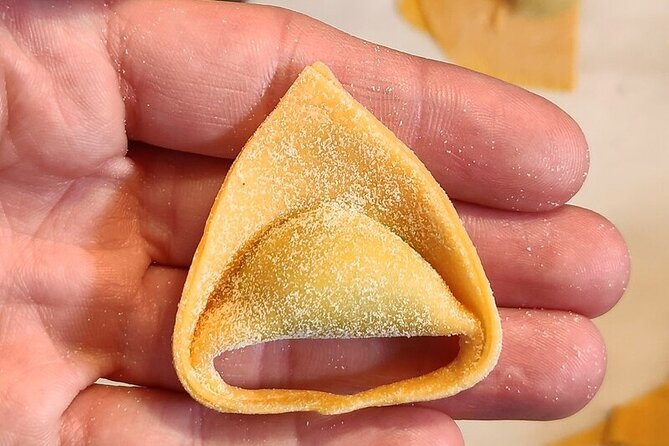
Ravioli is usually the most detailed pasta of the session. You prepare the filling, place it between sheets of dough, seal the edges, and cut the pieces. The sample menu uses ricotta cheese, with butter and sage as a classic sauce.
This part requires patience. Too much filling can split the pasta. Too much moisture can make sealing difficult. The chef’s guidance matters here, and this is where a small group pays off. You can get help before your ravioli turns into an accidental open-faced dumpling.
Butter and sage is a simple sauce, but simplicity leaves little room to hide mistakes. The pasta must be tender, the butter balanced, and the sage fragrant without becoming bitter. It is a good lesson in how a few ingredients can work when the pasta itself is fresh.
The sample menu also includes cheese tasting and prosecco in some class formats, followed later by wine with the meal. The guaranteed inclusions described for the experience are complimentary wine and coffee, while the exact welcome service may vary. If you are attending in the morning or afternoon, confirm the session details when booking.
Fettuccine and spaghetti alla chitarra
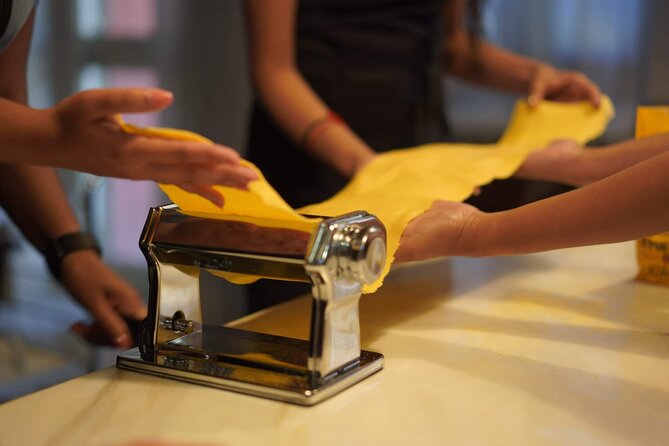
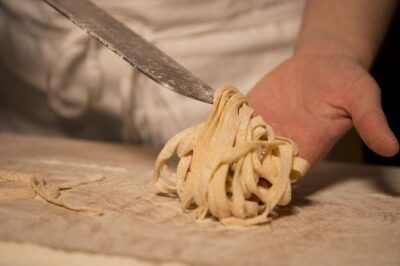
The class also covers long pasta. Fettuccine gives you a broad, soft noodle, while spaghetti alla chitarra gets its name from the guitar-like tool used to cut the dough into strands. These shapes teach different skills from ravioli.
Fettuccine is fairly forgiving, which makes it a sensible shape for first-time pasta makers. The main lessons are thickness, width, and keeping the strands from sticking together. Spaghetti alla chitarra adds a little more theater and a different texture, since the cutting tool produces square-edged strands rather than round factory-made spaghetti.
The class may also include tortellini, cappelletti, or other handmade shapes, depending on the chosen menu. The standard sample centers on ravioli, fettuccine, and spaghetti alla chitarra, so you should not assume every possible shape appears in every session.
That variety is a major reason the experience feels worthwhile. You are not repeating one basic noodle for three hours. You leave with a better sense of how dough can become filled pasta, ribbons, and strands, each suited to a different sauce.
More Cooking Classes with Wine Tasting in Rome
- Rome Cooking Class: Make Pasta, Dine & Drink Wine With Local Chef
★ 5.0 · 1,263 reviews - Rome: Combo Pizza and Pasta Cooking Class with Wine
★ 4.6 · 1,180 reviews - Rome: Pasta Making with Wine Tasting and Dinner in Frascati
★ 4.9 · 979 reviews - Super Fun Pasta & Gelato Class by Vatican with Wine + Oil Tasting
★ 5.0 · 726 reviews
Three Roman sauces and the reason they matter
The sauces make this more than a pasta-shaping workshop. A sample menu includes carbonara, arrabbiata, and butter and sage. Other sessions may use cacio e pepe or gricia, with choices influenced by the menu and dietary needs.
Arrabbiata is the most direct of the group: tomato, garlic, and chili create a sauce with heat and brightness. It is a useful home recipe because the ingredients are familiar and the method is straightforward. You also learn how much chili works for your own taste rather than blindly following a fixed quantity.
Carbonara requires more care. The sauce depends on timing, heat, and the right mixing technique. Too much heat can scramble the egg mixture instead of creating a smooth coating. A chef who explains the process at the stove can save you from making that mistake at home.
Cacio e pepe and gricia are also technique-driven sauces. Cacio e pepe depends on managing cheese, pepper, pasta water, and heat. Gricia adds a savory pork element. The important lesson is that Roman sauces are not complicated because they use many ingredients. They are demanding because a few ingredients must be handled well.
The chefs also explain the background of these classic sauces. That context gives the food more meaning without turning the class into a lecture. You learn what you are cooking, how it fits Roman food traditions, and why small changes affect the final dish.
Sitting down to eat what you made
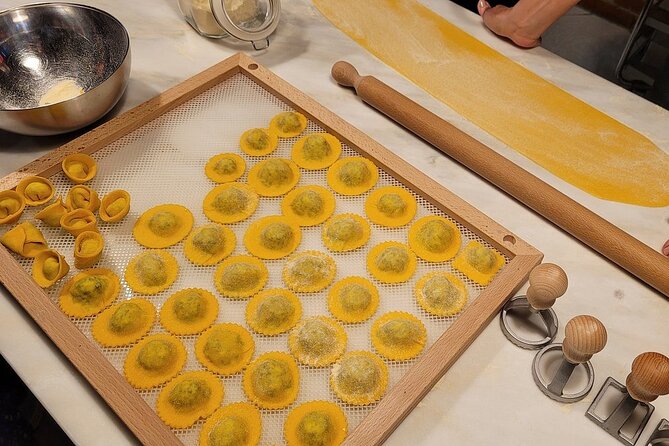
After the cooking, you sit down for a genuine shared meal. This is where the class shifts from lesson to social occasion. You eat the ravioli, fettuccine, and spaghetti you helped prepare, paired with the sauces made during the session.
Complimentary wine is included, along with coffee. The wine helps the meal feel less like a school exercise and more like a relaxed Italian lunch or dinner. Just keep in mind that the class is still about food first, so anyone avoiding alcohol should mention that when arranging the experience.
The meal is also a useful test of your new technique. You can taste whether the dough is too thick, whether the ravioli is sealed properly, and whether the sauce has enough seasoning. A cooking class becomes more useful when you eat the finished food immediately instead of waiting until the next day to guess what went wrong.
Several instructors receive especially warm praise for making the table feel friendly. William is described as funny and generous with tips. Leo is often singled out for patience, energy, and a welcoming manner. Ricardo is valued for his teaching and personal attention. The instructor assigned to your session may differ, but the general format is designed to be social and interactive.
What makes the small group worth the price
At $95.53 per person, this is not the cheapest meal in Rome. It is also not simply a restaurant dinner. You are paying for ingredients, instruction, kitchen use, several courses of handmade pasta, wine, coffee, and about three hours of activity.
The value is strongest if you want to learn a skill. A restaurant can serve you excellent carbonara, but it will not show you how to prevent the sauce from scrambling or how to seal ravioli. If you only want to eat, this class may feel long and more expensive than a casual trattoria meal.
The small group makes the price easier to justify. With a maximum of 10 people, the chef can watch your dough, answer questions, and offer practical corrections. A larger group would make the cooking less personal. One important note: a few accounts describe groups of around 12, so the actual feel may vary by session, but the stated maximum is 10.
You can also receive the recipes after the class. One participant described getting a recipe book by mail the following day. That kind of follow-up is useful because fresh pasta is easy to enjoy in Rome and surprisingly easy to forget once you return home.
Dietary needs and private-class choices
The standard class has a shared menu, with a vegetarian option available. You should inform the provider about allergies or dietary restrictions before the class rather than waiting until you arrive.
A private class is the better choice for more complex needs. The provider can arrange gluten-free, dairy-free, vegan, or specially designed menus for private bookings. Private sessions may also include gnocchi, tiramisu, risotto, or other requested recipes.
Do not assume that a standard group class can be rebuilt around every restriction. If your meal needs to avoid several ingredients, pay for the private format and confirm the menu in advance. That costs more than the listed group rate, but it can prevent an awkward meal and gives the chef room to plan properly.
Who will enjoy this class most
I would recommend this experience to:
- First-time pasta makers who want clear, practical instruction.
- Couples looking for a shared activity beyond sightseeing.
- Families with older teenagers who enjoy active lessons.
- Home cooks who want to improve dough, sauce, and shaping skills.
- Food lovers who want to eat a meal they helped create.
- Small groups who may qualify for a group discount or private arrangement.
It suits people who like to participate. If you prefer to sit back while someone else cooks, choose a food tasting or restaurant meal instead. The class involves flour, shaping, rolling, cutting, and shared kitchen work. That is the fun, but it is also the commitment.
The three-hour length is reasonable for the amount of food covered. Still, you should not schedule a major timed attraction immediately afterward. The meal, conversation, and cleanup can make the session feel unhurried, which is pleasant but not ideal if your day is packed minute by minute.
Booking advice and cancellation terms
The experience is often booked well ahead, with an average booking lead time of 44 days. That suggests you should reserve early if your Rome dates are fixed, especially if you want a private class or need a special menu.
Free cancellation is available up to 24 hours before the start time for a full refund. Cancellations or changes made less than 24 hours before the class are not accepted for a refund, and the cut-off follows Rome’s local time.
Book the standard class if you are happy with the shared menu and want the social setting. Choose private if you need dietary control, a customized recipe list, or a more personal schedule.
Should you book the Rome pasta class?
Yes, if you want an active food experience rather than another restaurant meal. The strongest features are the hands-on work, the range of pasta shapes, the Roman sauce lesson, and the chance to eat everything with wine afterward. The teaching style also seems to be a real strength, with William, Leo, and Ricardo each bringing humor and practical advice to the kitchen.
I would be more cautious if you have serious dietary restrictions and do not want to pay for a private class. I would also skip it if your Rome itinerary is so tight that three hours feels like a burden.
For most couples, families, and food-minded home cooks, the price is fair for the amount of instruction and food included. Come ready to work, ask questions, and eat a generous meal. You may return home with more than a souvenir: you may know how to make dinner.
FAQ
Where does the pasta-making class meet?
The meeting point is Circonvallazione Gianicolense, 418, 00151 Rome, Italy. The class may take place at Riccardo’s grandmother’s house or at The Cooking Lab.
How long does the class last?
The experience lasts approximately three hours and ends back at the meeting point.
What pasta will I make?
The sample menu includes ricotta-filled ravioli, fresh fettuccine, and spaghetti alla chitarra. Other shapes, including tortellini and cappelletti, may be available depending on the class.
Which sauces are included?
The sample menu includes carbonara, arrabbiata, and butter and sage. Some menus may use cacio e pepe or gricia, depending on preferences and dietary needs.
Is wine included?
Yes. Complimentary wine and coffee are included with the meal.
Can I request a vegetarian, vegan, or gluten-free menu?
A vegetarian menu is available. Gluten-free, dairy-free, vegan, and other special menus can be arranged for a private class. You should report allergies and dietary restrictions before booking or attending.
What is the cancellation policy?
You can cancel at least 24 hours before the start time for a full refund. Cancellations or changes made less than 24 hours before the experience are not accepted for a refund.
More Italian Cooking Classes in Rome
- Rome Small Group Pasta Making Class with Wine and Italian Chef
★ 5.0 · 295 reviews - Rome: Neapolitan Pizza Cooking Class in Front of the Vatican
★ 4.8 · 137 reviews - Cooking Class: Pasta & Tiramisu with a Private Italian Chef
★ 5.0 · 46 reviews - Rome: Cooking Class with a Master Neapolitan Pizzaiolo
★ 4.0 · 16 reviews
More Pasta Making Classes in Rome
- 3 in 1 Cooking Class near Navona: Fettuccine, Ravioli & Tiramisu
★ 5.0 · 7,376 reviews - Rome Cooking Class: Make Pasta and 3 Spritz Cocktails
★ 5.0 · 2,937 reviews - Rome: 3-in-1 Fettuccine, Ravioli, and Tiramisu Cooking Class
★ 4.9 · 2,704 reviews - Rome: Fettuccine Pasta Cooking Class in Rome’s City Center
★ 4.8 · 2,414 reviews
Just added around Rome
- Testaccio: Home Cooking Cacio e Pepe, Amatriciana, Carbonara★ 4.9 · 57 reviews
- Super Fun Pasta and Gelato Cooking Class by the Vatican★ 5.0 · 6 reviews
- Spritz and Spaghetti Traditional Cooking Class in Rome★ 4.9 · 30 reviews
- ROME:Hands-On Lasagna & Marsala Tiramisu Cooking Experience”★ 5.0 · 3 reviews
- Rome: Trastevere Pasta Making Class★ 4.9 · 33 reviews
- Rome: Traditional Pasta and Tiramisu Cooking Class★ 5.0 · 4 reviews
- Rome: Vatican Food Tours, Cooking classes & Free Tours★ 4.9 · 11 reviews
- Rome: Small Group Pasta cooking class near Piazza Navona★ 4.9 · 8 reviews
Pasta Making Classes, compared.
3 in 1 Cooking Class near Navona: Fettuccine, Ravioli & Tiramisu
Read our review →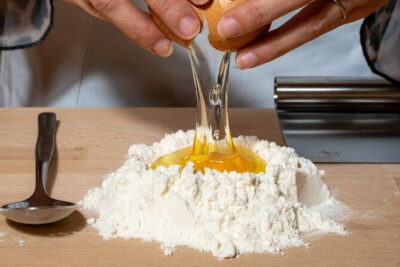
Pasta & Tiramisu Cooking Class with Unlimited Wine
Read our review →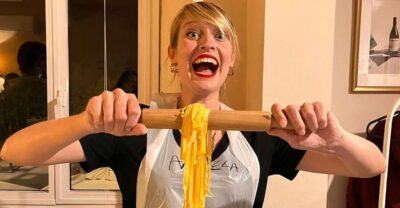
Pasta Making Class with Wine, Limoncello, and Dessert
Read our review →
Rome Cooking Class: Make Pasta and 3 Spritz Cocktails
Read our review →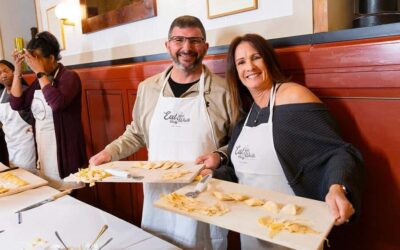
3-in-1 Fettuccine, Ravioli, and Tiramisu Cooking Class
Read our review →