
REVIEW · BASQUE COUNTRY, SPAIN
San Sebastian: Authentic Basque Cooking Class
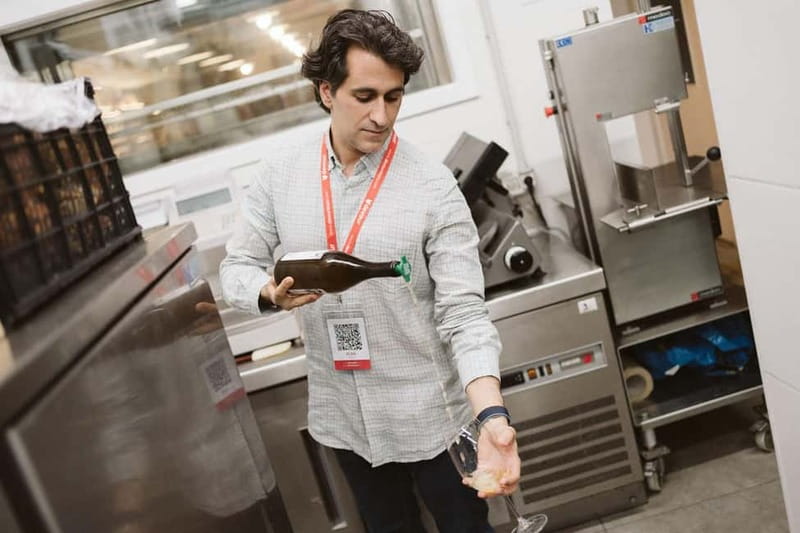
Basque cooking is best learned with hungry hands. This small-group cooking class brings you into a real Old Town restaurant kitchen, where a chef and local guide lead you through five regional dishes, from a Gilda pintxo to burnt cheesecake. I like the intimate group size, capped at 10, and the way food, local stories, and drink pairings all share the same table. The main drawback is that the hands-on time may feel limited if you want a full professional cooking lesson.
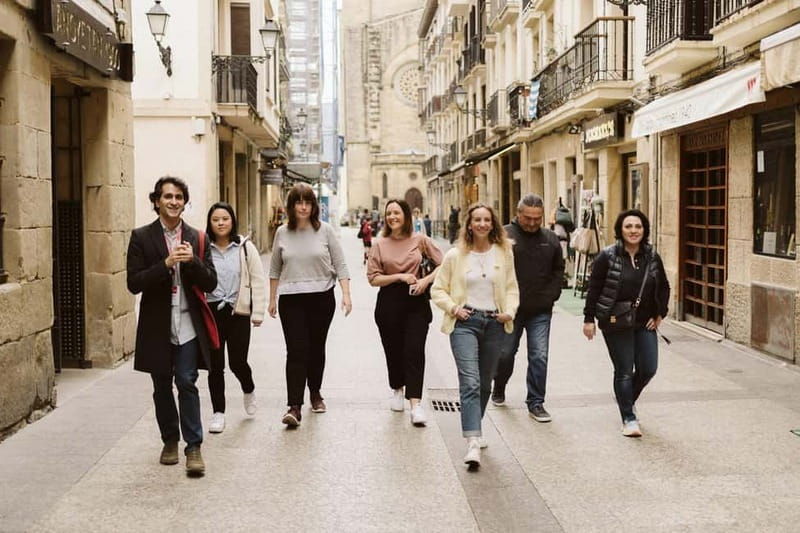
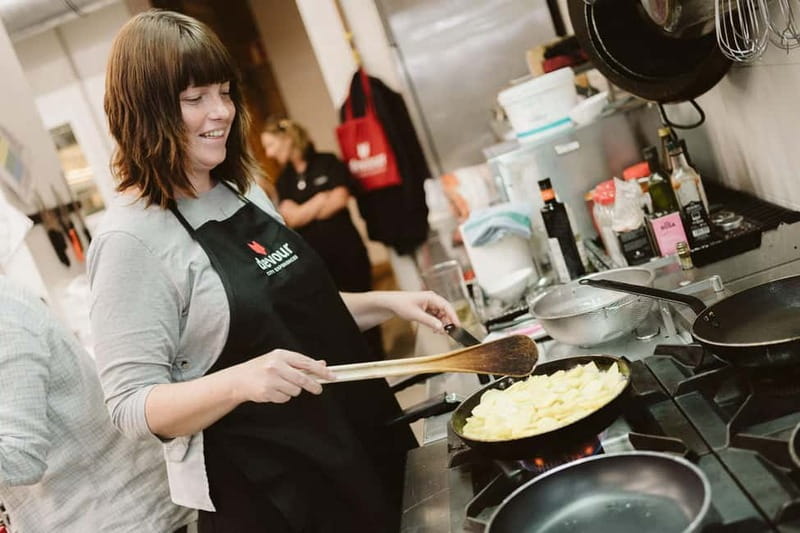
You meet at De Biteri Plaza, then walk into the pedestrian Old Town to a family-run restaurant. I especially like that this is not a staged studio class: you cook in a working kitchen and learn practical tricks, such as how to turn a potato omelet with a regular plate. At $164 per person, the price is fair if you value a complete meal, drinks, recipes, and an apron, but it is high for anyone expecting to prepare every dish from start to finish.
Key points at a glance
- Five Basque dishes in one sitting: Prepare a Gilda pintxo, potato omelet, cod in pil pil sauce, piquillo peppers, and burnt cheesecake.
- A real restaurant kitchen: The class takes place in a historic family-run restaurant in San Sebastian’s Old Town.
- Two hosts make the class work: A professional chef handles the techniques while an English-speaking guide explains local food and culture.
- Drink pairings are part of the meal: Expect Basque cider, red and white wine, and ice apple cider made from frozen apples.
- A genuinely small group: Ten people or fewer means more chance to ask questions and take part.
- Useful souvenirs: You leave with recipes and an apron, not just a full stomach.
Meeting the group in San Sebastian’s Old Town
The class begins at De Biteri Plaza, 1, in front of San Ignatius church. You should arrive 15 minutes early and look for the guide holding a red bag or a Devour Tours sign.
From there, you walk into the Old Town, which is pedestrian-only. That sounds simple, but it matters: hotel pickup is not included, and you cannot pull up directly at the kitchen. Wear comfortable shoes, especially since the whole experience is spent standing.
The meeting point also gives the guide a chance to settle the group before the cooking begins. You might be paired with couples, families of adults, or solo food lovers. The group limit of 10 is small enough for conversation without making the class feel like a private lesson.
A closed space is available for belongings once you reach the restaurant. Still, bring only what you need. Water and comfortable shoes are the two requested essentials, and the standing format is important to consider before booking.
A few more cooking classes around Spain worth a look
- Barcelona: Paella Cooking Experience & Boqueria Market Tour
★ 4.8 · 3,661 reviews - Barcelona Paella Cooking Class with Market Visit, Tapas & Sangria
★ 5.0 · 2,531 reviews - Barcelona Interactive Spanish Cooking Experience
★ 4.5 · 2,155 reviews
Inside the family-run restaurant kitchen
The setting is one of the strongest parts of this experience. Instead of cooking in a hotel classroom or a purpose-built demonstration room, you step into a historic family-run restaurant whose kitchen has been opened for the group.
That setting gives the food some context. Basque cooking is closely tied to restaurants, markets, home kitchens, and long meals shared around a table. Seeing the chef work in a professional kitchen helps you understand the rhythm behind dishes that can look simple on a menu.
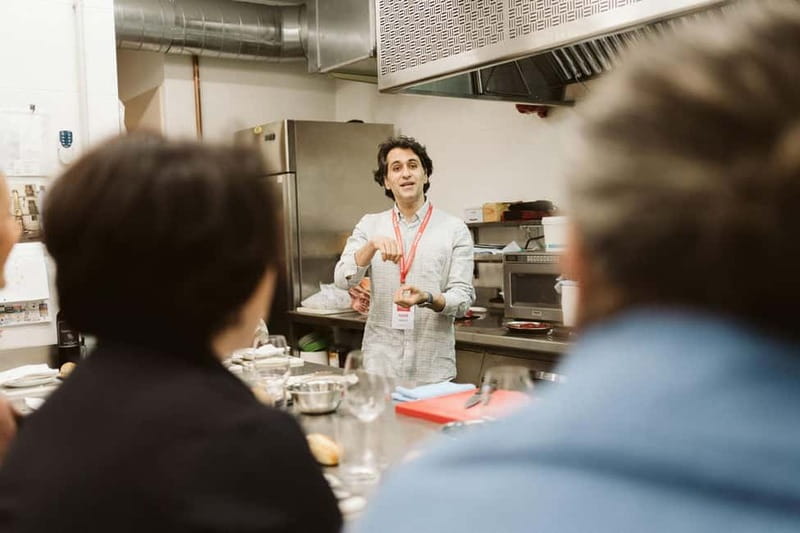
Your two hosts have separate jobs. The chef demonstrates preparation and cooking methods, while the guide connects those steps to San Sebastian, local ingredients, and Basque food customs. The strongest sessions seem to come when both hosts keep the mood informal and encourage questions.
Several instructors have received especially warm praise over time, including Hector, Natalia, Silvia, Mila, Carlos, and Saul. Names can vary by date, but the pattern is clear: friendly teaching matters here. The guide is expected to speak English, explain the dishes clearly, and keep the group involved rather than leaving you to watch silently.
Five dishes that explain Basque cooking
The menu gives you a compact tour of Basque flavors. You are not just making five unrelated recipes. Each dish shows a different side of the local table, from a quick pintxo to a slow, technical sauce and a famously creamy dessert.
Gilda pintxo
The Gilda is a classic Basque bite built around bold, salty flavors. It is a fitting opening dish because pintxos are central to eating in San Sebastian, and the preparation introduces the idea that a small portion can still pack plenty of character.
The class uses the Gilda to get you working quickly. It is less about complicated technique and more about balance, assembly, and understanding how local bar food is put together.
Same place, a different thing to cook:
- Spanish Cooking Class Paella Tapas and Sangria in Madrid
★ 5.0 · 1,340 reviews - Paella Cooking Class, Wine Tasting & Central Market in Valencia
★ 5.0 · 1,150 reviews - Paella Cooking Class in Madrid with Bottomless Wine Pairing
★ 5.0 · 985 reviews - Seville: Spanish Cooking Class with Dinner
★ 4.9 · 900 reviews
Potato omelet
The potato omelet, or tortilla de patatas, is one of the most useful recipes to take home. The ingredients are familiar, but the turning and timing can be awkward for first-timers.
One particularly practical lesson is how to flip the tortilla with an ordinary plate instead of a special turning tool. That kind of tip is exactly what makes a cooking class useful after vacation. You leave with a method you can try in your own kitchen, even if your first attempt is not perfectly round.
The class also gives you a chance to see how a professional handles a dish that looks humble but demands attention. The tortilla was a favorite for several participants, and it helps make the meal feel connected to everyday Spanish cooking rather than restaurant-only food.
Cod in pil pil sauce
Cod in pil pil sauce is the technical centerpiece. The dish depends on coaxing a smooth sauce from the fish, oil, and cooking juices, so it gives the chef a chance to explain more than a simple recipe.
You learn why method matters. A sauce like pil pil rewards control and patience, and the chef’s demonstrations can show you what to look for as the texture changes. This is the sort of cooking knowledge that is hard to pick up from a printed recipe alone.
The guide also helps place the dish within Basque food culture. That combination of technique and local context makes the cod more meaningful than simply tasting it at a restaurant later.
Piquillo peppers
The red piquillo peppers bring sweetness and color to the meal. They may be served as part of a prepared dish, including a stuffed version, depending on the class menu and kitchen plan.
Some sessions have featured peppers filled with beef, and this has been a favorite for several participants. Since the supplied menu describes red piquillo peppers rather than promising one exact filling, I would treat the pepper course as a highlight while avoiding assumptions about its final form.
This is also a good example of how the class balances recognizable ingredients with Basque character. The pepper is approachable, but the preparation shows how much flavor can come from careful seasoning and good local produce.
Burnt cheesecake
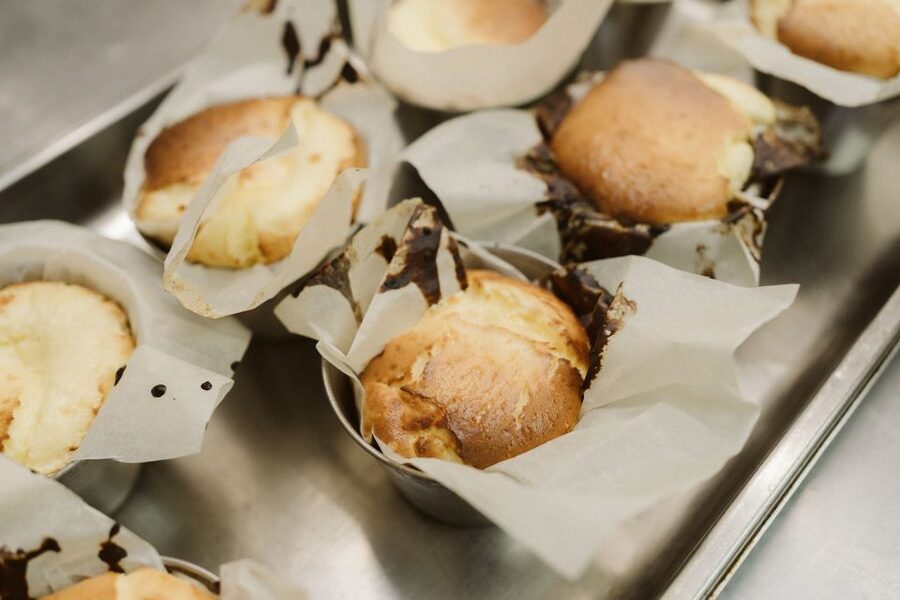
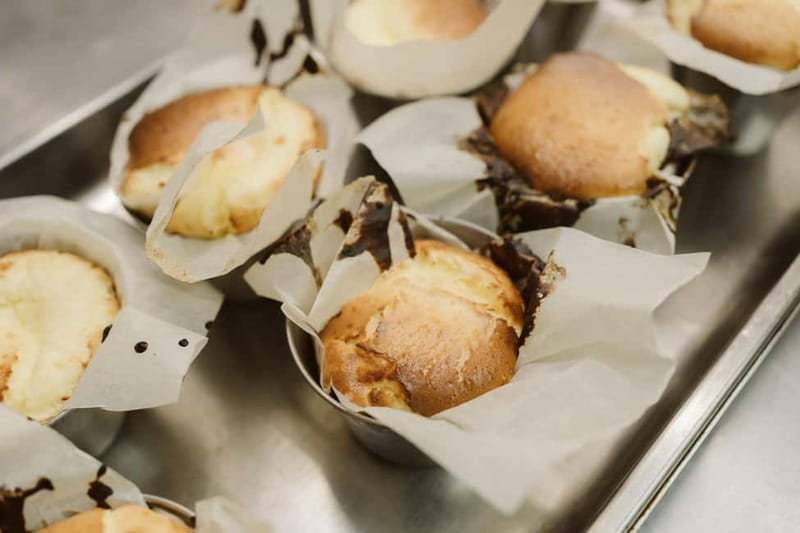
The meal ends with San Sebastian’s famous burnt cheesecake. Its dark top and soft center make it one of the city’s best-known food exports, and preparing it yourself gives the dessert some extra appeal.
The cheesecake is also a good finish for a class that may leave you fuller than expected. Portions can look modest while you are cooking, but the five dishes and drinks add up to a full meal. Several participants specifically singled out the cheesecake as a favorite.
The drink pairings are part of the lesson
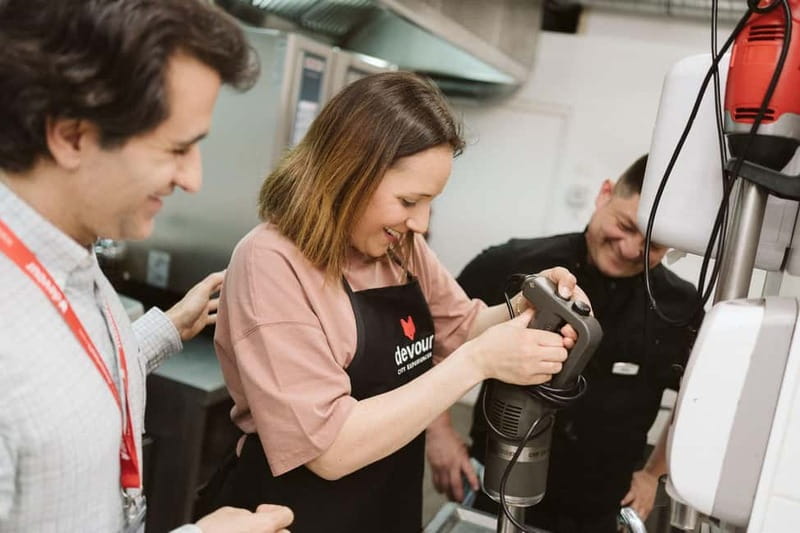
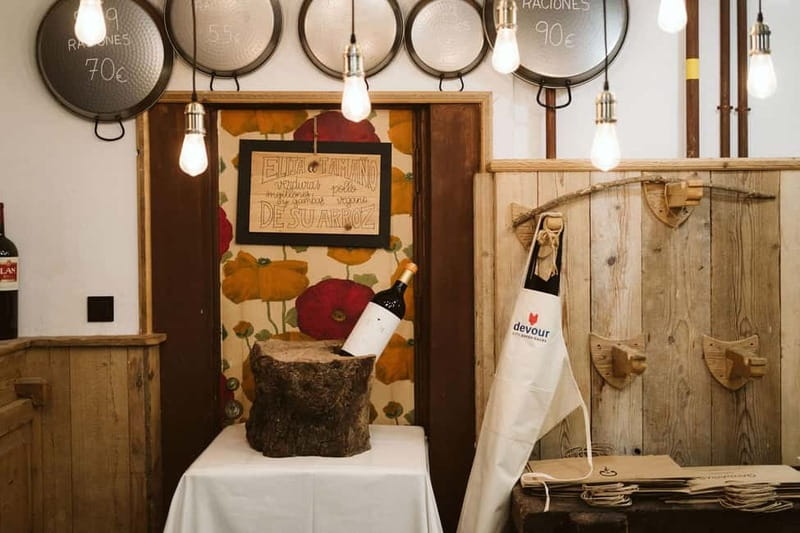
The food comes with selected drinks, not just tap water. You can expect Basque cider, red and white wine, and ice apple cider, a fermented drink made using the natural juices of frozen apples.
The cider is not simply poured for you. You learn how to pour Basque cider, which adds a small cultural ritual to the meal. It also creates a natural pause between cooking steps, giving you time to taste what you have prepared and talk with the group.
Non-alcoholic options are available, and the class can adapt for pregnant participants. Pescatarian and gluten-free diets can also be accommodated, although the gluten-free option is not suitable for people with celiac disease. Vegetarian, vegan, and kosher diets are not recommended for this experience.
If you have dietary needs, make sure the class can accommodate them before you book. The published information is clear about the broad categories, but it does not promise every possible substitution.
How hands-on is the cooking?
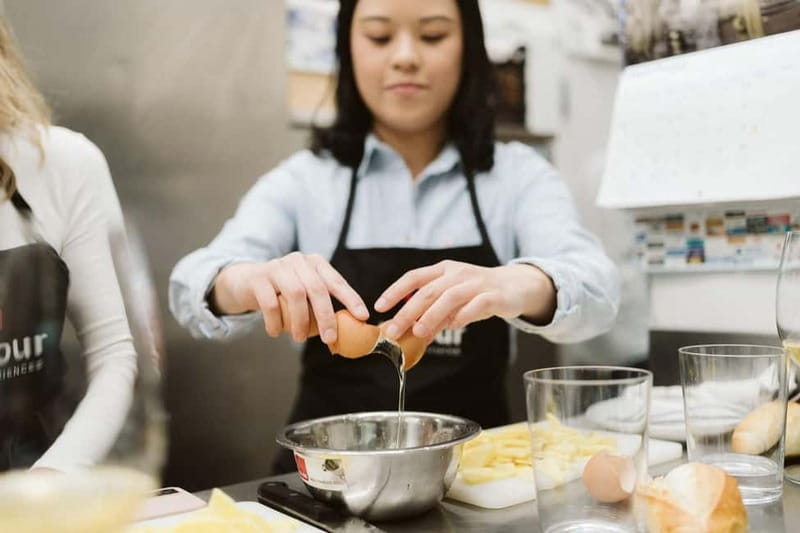
This is the key question before you pay $164. The class is interactive, but you should not assume that each person will independently cook all five dishes from raw ingredients.
The chef demonstrates, explains, and brings the group into the preparation. Some participants have had plenty of chances to take part, while another found the class closer to a cooking demonstration than a full practical lesson. Your level of involvement may depend on group size, timing, and how the chef divides tasks.
The cap of 10 helps. A group of seven can feel especially personal, with more one-on-one time and easier access to the chef. A full group of 10 is still manageable, but you may spend parts of the class watching another person complete a step.
For a novice, that balance is often helpful. You can join in without worrying that you will ruin dinner, and the chef can correct you as you go. For an experienced home cook, the value is more likely to come from Basque techniques, local recipes, and the setting than from intensive practice.
Why the price can make sense
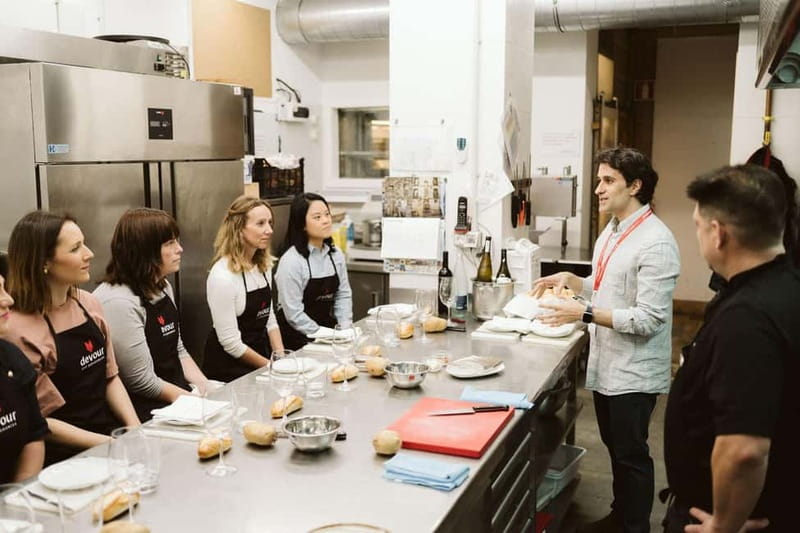
At $164 per person, this is not a bargain cooking lesson. It is a food experience that bundles several elements into two and a half hours:
- Instruction from a professional chef
- Guidance from a local English-speaking host
- Five prepared dishes
- Drink pairings
- A full meal
- Recipes to take home
- An apron to take home
- A small group capped at 10
If you paid separately for a substantial meal and several local drinks in San Sebastian, the price would not feel out of line. Add two hosts, kitchen access, and instruction, and the total becomes easier to justify.
The value is weaker if you mainly want to cook every dish yourself. The class may include demonstrations and shared preparation, so you are paying for access, teaching, food, and atmosphere rather than a private workstation with unlimited practice.
I would compare it to a long guided meal with cooking built into the evening. That is a fair description of the experience and a better way to judge the price.
Timing, comfort, and practical limits
The experience lasts 2.5 hours, with starting times depending on availability. That is long enough to cook, eat, hear local stories, and sample the pairings without taking up an entire day.
Still, you spend the whole class standing. The Old Town meeting area is pedestrian-only, the walk to the restaurant is on foot, and the activity is not suitable for wheelchairs, strollers, or people with mobility impairments. It is also not recommended for children.
Plan this for an evening when you do not need to rush to another appointment. The food is a full meal, so it may work well as one of your main dining experiences in San Sebastian rather than as a warm-up before dinner.
Because you leave with recipes and an apron, the class has value beyond the two and a half hours. You can recreate at least some of the menu at home, especially the tortilla, peppers, and cheesecake.
Who will enjoy this class most?
I would choose this experience if you:
- Like eating local food and want to understand how it is made
- Prefer small groups to large demonstrations
- Enjoy meeting people from different countries
- Want a full meal rather than a short tasting
- Are comfortable standing for 2.5 hours
- Eat fish, meat, dairy, or other ingredients used in the menu
- Appreciate practical cooking tips more than advanced culinary training
It is a good fit for couples, solo food lovers, and friends who want an evening activity with a social side. The relaxed format also suits beginners. You do not need advanced cooking skills, and the chef explains the steps clearly.
I would skip it if you need a wheelchair-accessible activity, are traveling with young children, or follow a vegetarian, vegan, or kosher diet. I would also think twice if your main goal is to prepare every recipe independently.
Should you book the Basque cooking class?
Book it if you want to eat your way into Basque culture and bring a few useful techniques home. The combination of a real restaurant kitchen, five dishes, local drinks, and two engaging hosts gives you more than a standard food tour.
The strongest reasons to book are the small group, the full meal, and the practical details, such as turning a tortilla with a regular plate and learning to pour cider. The main caution is the hands-on level. You will participate, but some of the work may remain a demonstration.
For a food-focused visit to San Sebastian, I think the experience earns its place on your schedule, especially early in your stay. You can learn what to order around town, understand the local cooking better, and leave with recipes that may bring the trip back to your kitchen.
FAQ
Where does the San Sebastian cooking class meet?
The meeting point is De Biteri Plaza, 1, 20001 Donostia, Gipuzkoa, in front of San Ignatius church. Your guide will hold a red bag or a Devour Tours sign.
How long does the cooking class last?
The experience lasts 2.5 hours. Starting times vary, so you should check availability when booking.
How many people are in the group?
The group is limited to 10 participants or fewer.
What dishes will I prepare?
The menu includes a Gilda pintxo, potato omelet, codfish in pil pil sauce, red piquillo peppers, and burnt cheesecake.
Are drinks included?
Yes. The five dishes are paired with Basque cider, red and white wine, and ice apple cider. Non-alcoholic options are available.
Can the class accommodate dietary needs?
The class can adapt for pescatarians, gluten-free diets that are not celiac, non-alcoholic preferences, and pregnant participants. It is not recommended for vegetarian, vegan, or kosher diets.
Just added around Spain
- Basque Pintxos and Tapas Cooking Class in Bilbao★ 5.0 · 73 reviews
- Paella and Burnt Basque Cheesecake Cooking Class (in Bilbao)★ 5.0 · 46 reviews
- Small-group Immersive Basque Cooking Class in Bilbao with Open Bar★ 5.0 · 65 reviews
- Pintxos and Tapas Cooking Class in Bilbao★ 5.0 · 38 reviews
- Rooftop Paella Seafood Cooking Class Experience in Barcelona★ 5.0 · 59 reviews
- Private Barcelona Market Tour & Paella Cooking Class with Josh★ 5.0 · 4 reviews
- Private Authentic Paella Cooking Class in Barcelona with Josh★ 5.0 · 3 reviews
- Premium Paella & Tapas Feast: Unlimited Wine & Rambla Views★ 5.0 · 13 reviews
Cooking Classes, compared.
Half-Day Thai Cooking Class at Organic Farm in Chiang Mai
Read our review →
3 in 1 Cooking Class near Navona: Fettuccine, Ravioli & Tiramisu
Read our review →
Pasta & Tiramisu Cooking Class with Unlimited Wine
Read our review →
Hanoi Cooking Class: Culture, Local Market & Meaning CSR Impact
Read our review →
5 Traditional Dishes Hanoi Cooking Class with Market Trip
Read our review →
Cooking Class and Lunch at a Tuscan Farmhouse with Local Market Tour from Florence
Read our review →
Cooking Class, Market & Thai Herbs Garden Tour
Read our review →Lists this class appears in