
REVIEW · NORTE REGION, PORTUGAL
Porto: Pastel de Nata Cooking Class from Scratch
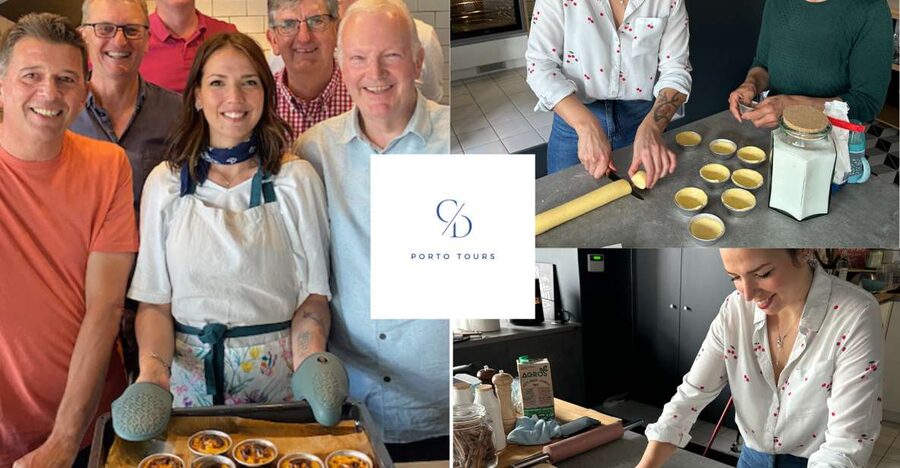
Porto has a pastry worth learning. This 2.5-hour workshop is more than a quick demonstration: you make the dough, prepare the custard, shape the pastries, and eat them warm from the oven. I especially like the from-scratch pastry work and the friendly, social format led by hosts such as Ana, Clara, Mariah, Vanessa, and Maria.
I also like that the class connects food with Portuguese culture, history, and regional wine. The main drawback is that this is a shared group workshop, so not everyone works at every stage for the same amount of time. You must also arrive before the scheduled start, since late entry is not allowed.
Key Points to Know Before Booking
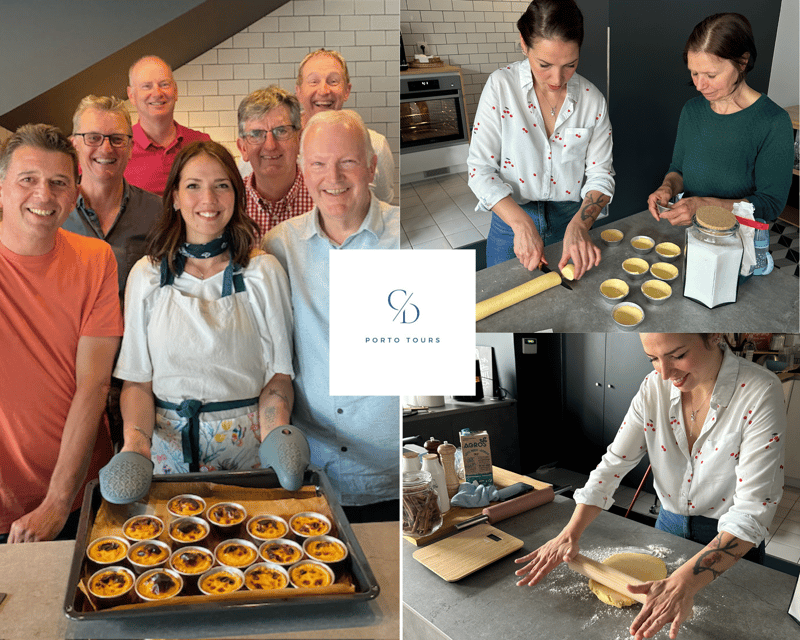
- You make the dough yourself: Many pastel de nata classes use ready-made pastry, but this workshop includes the dough.
- The group can reach 12 people: Most of the work is shared, with two to four participants handling each step while others watch.
- Warm pastries finish the class: You eat the results fresh from the oven, with some sessions leaving enough for a small takeaway.
- The hosts are a major strength: Ana, Clara, Mariah, Vanessa, Maria, and others are praised for humor, patience, and clear instruction.
- Wine is part of the experience: A glass of regional wine is included, although the amount served can vary by session.
- This is for adults and older teens: Children under 15 cannot join the group class, and gluten or lactose intolerance makes this a poor fit.
Why Pastel de Nata Is Worth Learning in Porto
Pastel de nata is one of Portugal’s most familiar treats: a flaky pastry shell filled with baked egg custard. You will find it in bakeries across Porto, but eating one and making one are different pleasures.
The value of this class comes from seeing how much technique sits behind that simple little tart. The pastry must be thin and layered, while the custard needs the right balance of sweetness and texture. Once you make the dough yourself, the pastry is no longer just something picked up with a coffee. You understand the work behind it.
The class also gives you useful cultural context. While the dough and custard come together, the instructor talks about Portuguese pastry traditions and local food culture. It is a relaxed way to learn without sitting through a formal history lecture.
The experience is conducted in English. Since the group is small, the instructor can explain the process clearly and keep the mood conversational.
A few more cooking classes around Portugal worth a look
- Porto: Pastel de Nata Cooking Class with Grandma’s Recipe
★ 5.0 · 1,565 reviews - Porto: Pastel de Nata Cooking Class with Port Wine – Sé
★ 4.8 · 888 reviews - Lisbon: Traditional Portuguese Cooking Class
★ 4.9 · 592 reviews
Starting With the Dough, Not a Shortcut
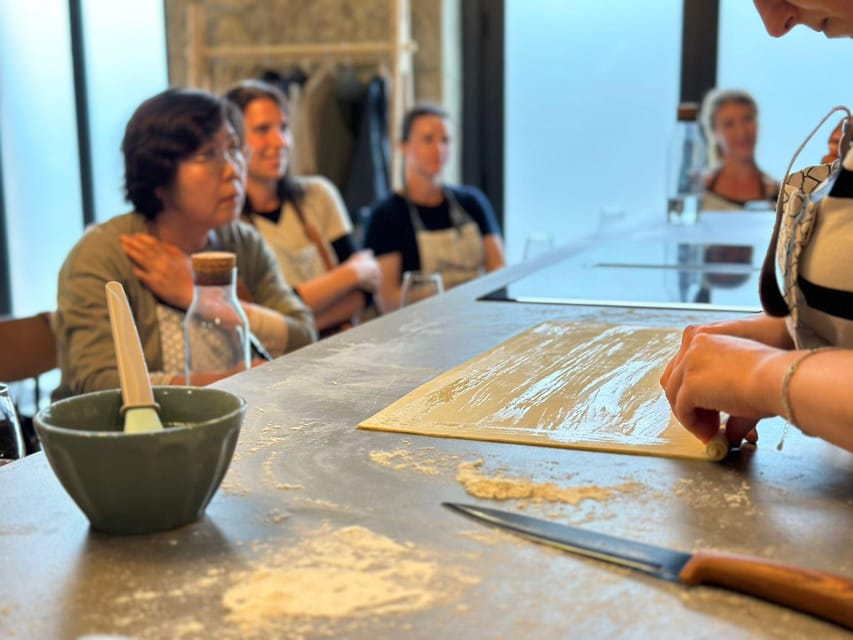
The best feature here is that the pastry starts from basic ingredients. You do not simply press purchased dough into a mold and wait for the oven. The instructor explains how the pastry is made, then guides the group through the process.
This matters if you hope to recreate the tarts at home. The custard is only half the job. The pastry shell gives pastel de nata its crisp, layered character, and learning that part makes this class more useful than a simple tasting session.
The work is shared. Two to four people may handle a particular step while the rest of the group watches, then other participants take over. That keeps the class moving and prevents twelve people from crowding around one counter.
There is a tradeoff. If you want to make every part with your own hands, a private class would suit you better. In a group of twelve, your turn may be brief during some stages. Still, the shared format makes the process less intimidating, especially if you do not bake often.
The class breaks the recipe into manageable jobs. The instructor demonstrates the technique, explains what to look for, and gives participants a chance to try it. Thomas from the United Kingdom described the process as straightforward for non-bakers, which is a useful point. You do not need advanced kitchen skills to take part.
Preparing the Custard and Learning the Technique
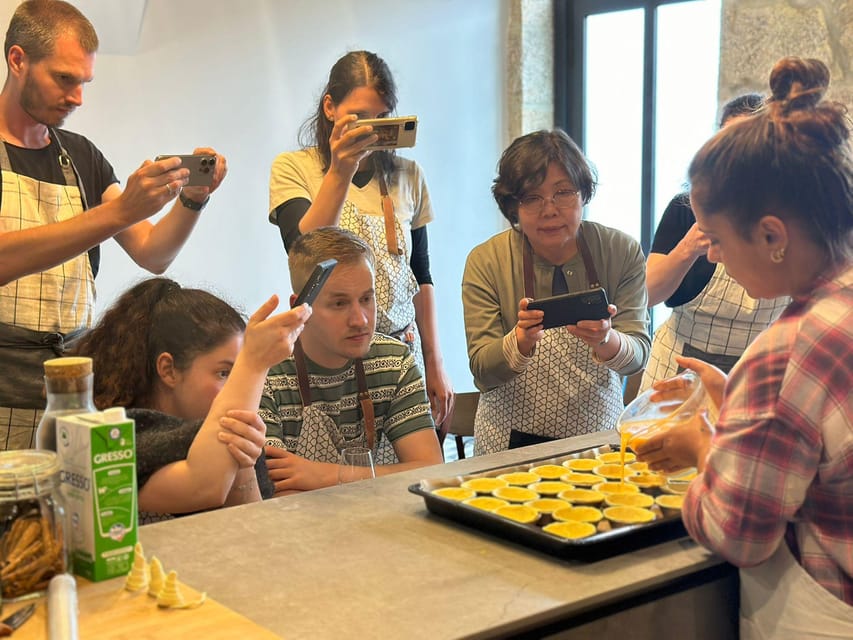
The filling is where the class shifts from pastry handling to custard making. Your instructor explains the ingredients and method, then shows how the filling should look before it goes into the shells.
The recipe is simple in outline, but the technique matters. Timing, texture, and careful handling affect the final result. Ross from the United States made an especially practical observation: the written recipe helps, but the instructor’s hand movements and methods are what you will want to remember most.
That is why it is worth paying attention even when you are not the person at the worktable. Watch how the instructor handles the dough, portions the filling, and checks the finished pastries. If you plan to repeat the recipe at home, these visual details may be more helpful than a list of ingredients alone.
A digital recipe is provided afterward by QR code. This is a useful touch, since it means you do not have to write everything down while also trying to participate. Do not expect a full video lesson, though. One participant specifically wished the techniques were available in video form, so take mental notes during the demonstration.
A Social Class With Wine and Food Stories
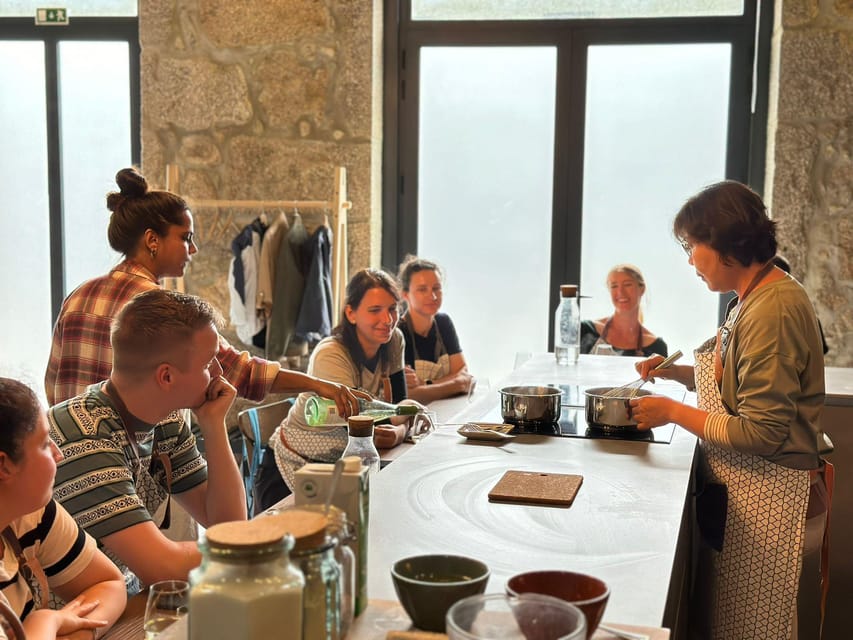
The wine is not just a separate drink added to the booking. It helps make the class feel like a social food gathering rather than a technical lesson.
A glass of regional wine is included. Some sessions have offered two glasses, coffee, or iced tea, and one description mentions white wine during the class. The exact amount may vary, so treat the included offering as one glass rather than planning on a full wine tasting.
The hosts use the baking time to talk about Portuguese food and culture. This gives you something to do while the pastries are in the oven and adds local flavor without taking the focus away from the cooking.
The social setup works particularly well for solo visitors and couples. Celina from France described the class as a good way to meet people from different countries, and several sessions brought together participants from the United Kingdom, the United States, Australia, and elsewhere.
The tone is informal. Hosts are repeatedly praised for making people laugh, learning names, encouraging shy participants, and keeping the room comfortable. Mariah is noted for helping the group relax quickly, while Clara is praised for patience and clear explanations. Ana is described as energetic and engaging.
That personality matters. A pastry class can become awkward if the instructor talks over the group or lets one confident person do all the work. Here, the host makes a clear effort to include everyone, though the exact experience depends on who leads your session.
Same place, a different thing to cook:
- Lisbon: Pastel de Nata Baking Class
★ 4.9 · 2,106 reviews - Lisbon: 2-Hour Pastel de Nata Cooking Class
★ 4.8 · 461 reviews - Lisbon Portuguese Cooking Class with 3-Course Dinner
★ 5.0 · 445 reviews - Porto: Pastel de Nata Cooking Class with Porto Wine (Sé do Porto)
★ 5.0 · 340 reviews
The Oven Reveal and Warm Pastéis
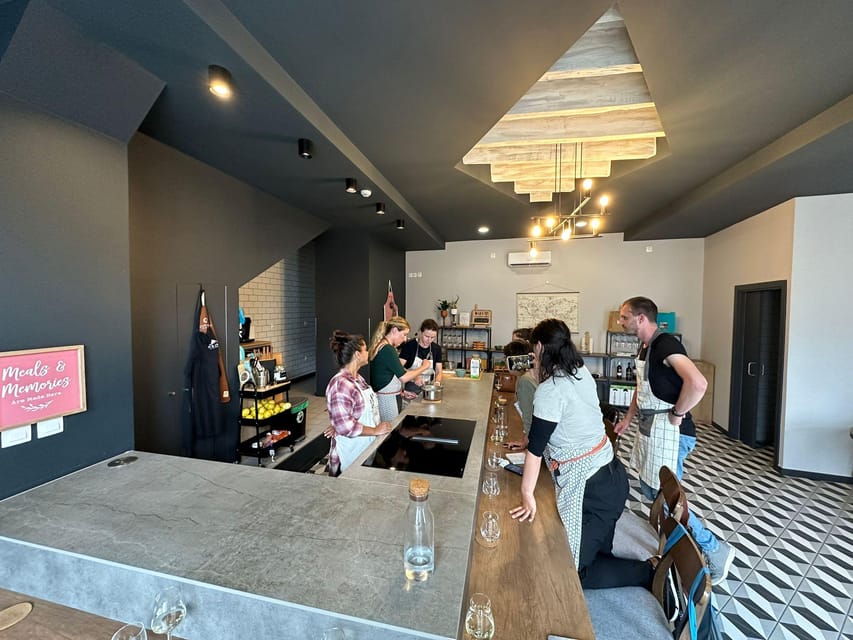
The best moment comes when the pastries are ready. Instead of receiving a pre-baked sample at the beginning, you taste what the group has made together.
Warm pastel de nata has a softer custard and a fresher pastry aroma than one that has been sitting in a bakery display. The class ends with you eating the finished tarts, and several sessions have produced enough for participants to take one or two home.
Takeaway portions are not specifically guaranteed, so do not book this as a way to stock up for the next day. The main point is the shared tasting at the end. If you do receive extras, they are a pleasant bonus.
The cooking result is consistently praised in the supplied feedback. Participants describe the tarts as delicious, excellent, and among the best they ate in Porto. That does not mean the class replaces a citywide pastry crawl, but it does give you a more personal connection to the dessert.
You also leave with a better sense of what to look for in a good pastel de nata. You will notice the contrast between crisp pastry and creamy custard, and you will understand why the shell cannot be treated as an afterthought.
The Setting, Group Size, and Pace
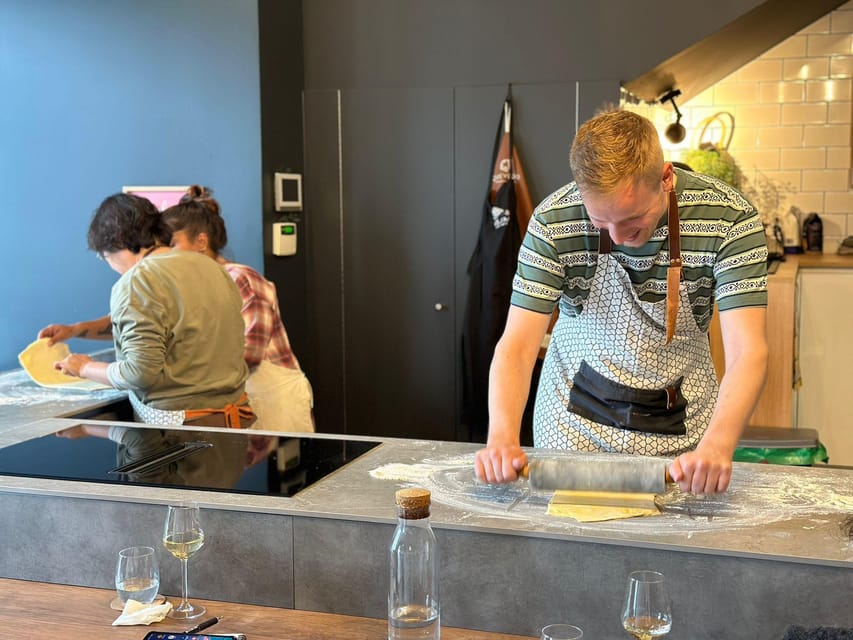
The workshop takes place in a modern cooking studio, with one review describing a show kitchen and a large table where the group sits together. The setting sounds designed for conversation and demonstration rather than restaurant-style dining.
The maximum group size is 12. That is small enough for an instructor to guide the room, but large enough that the class feels social. In some sessions, only four people attended, creating a more personal experience. Group size can vary, so check the available option when booking.
The pace is described as relaxed. You are not expected to race through a professional kitchen. The instructor moves through the stages at a manageable speed, with time for explanations, questions, wine, and conversation.
This makes the class a good choice after several hours of sightseeing. One participant described it as a welcome break from Porto’s crowds and walking. It also works well on a rainy afternoon, when you want an indoor activity that still feels connected to the city.
The class lasts 2.5 hours, so allow enough time afterward for your next plan. Do not schedule a tightly timed museum entry or train departure immediately afterward. The meeting point can vary depending on the option booked, so check the exact location rather than assuming every session begins in the same place.
Who Will Get the Most From This Experience
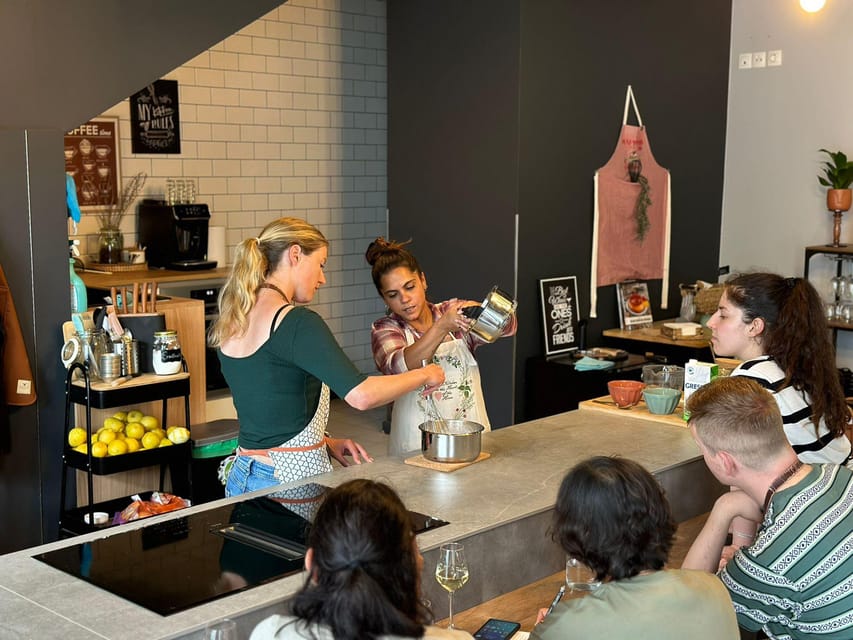
I would recommend this workshop to you if you enjoy food, meeting other people, and learning a recipe you can use at home. It is especially suitable for:
- First-time bakers who want clear, guided steps
- Couples looking for a shared activity beyond sightseeing
- Solo visitors who enjoy social classes
- Adults who want a rainy-day plan in Porto
- Food lovers who care about pastry technique
- Visitors who want a practical souvenir rather than another object
It is less suitable if you want a private cooking lesson or complete control over every stage. The group rotates through the tasks, so you may watch part of the process rather than perform it all yourself.
It is also not suitable for children under 15. Families with younger children need to request a private workshop instead. Minors must be accompanied by an adult, and companions who do not have reservations cannot enter the space.
People with gluten intolerance or lactose intolerance should skip this activity. Pets, smoking indoors, and intoxication are not allowed.
Is $50 a Fair Price?
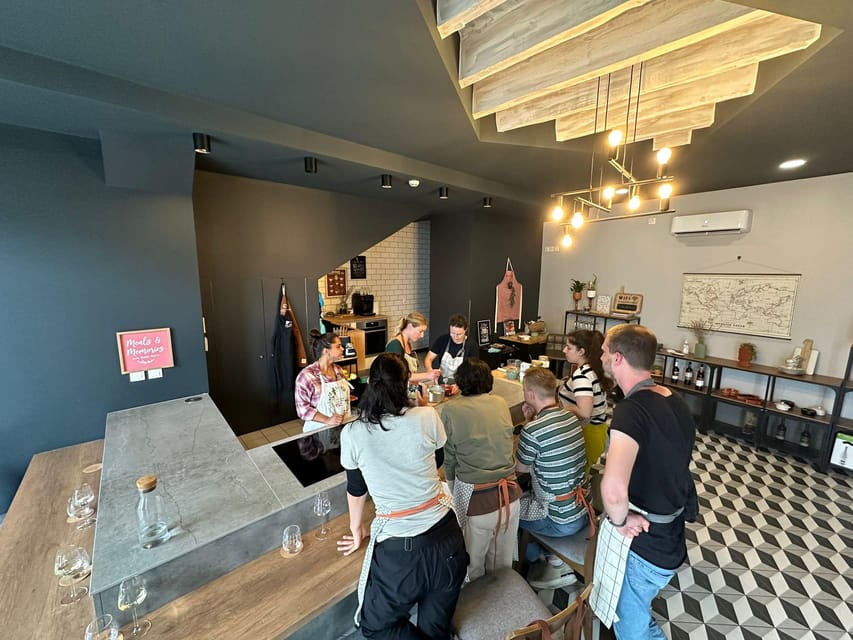
At $50 per person, the class is not the cheapest way to eat pastel de nata in Porto. You could buy several pastries for far less. But that is not what you are paying for.
Your fee covers 2.5 hours of instruction, the pastry class, the instructor, the pastries you make, and a glass of wine. You also receive a recipe digitally and gain a technique you can try at home. For a hands-on cultural activity, the price is reasonable, especially if you value the lesson as much as the food.
The strongest value comes from making the dough. If the class only demonstrated the filling or used prepared pastry, I would be less enthusiastic about the price. Here, you learn the part most likely to be skipped in a quick tourist cooking demonstration.
The value is also stronger for solo visitors and couples who would otherwise pay for separate food and entertainment. You get a meal-sized taste, a drink, a social setting, and a useful skill in one booking.
Practical Booking Advice
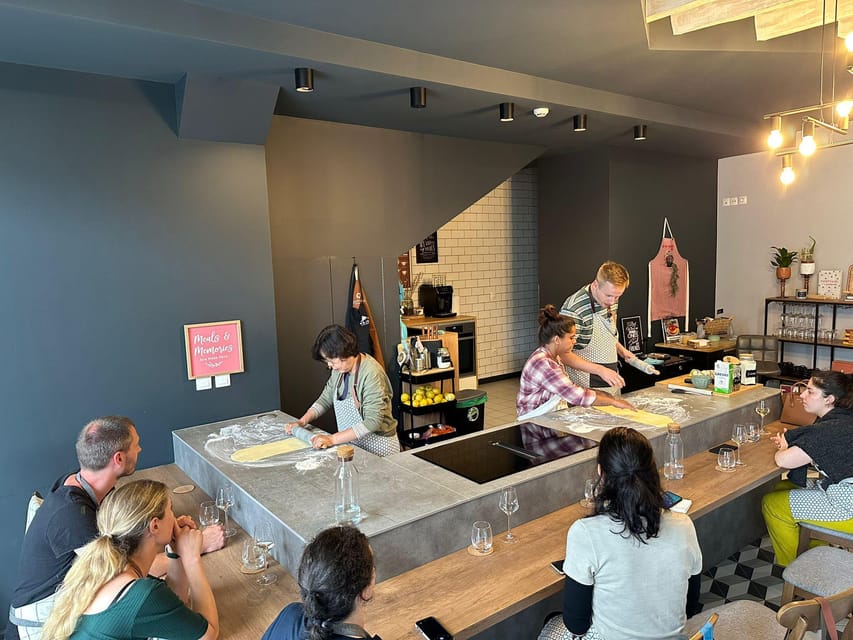
Arrive early. The door closes at the scheduled start, and late entry is not permitted. The policy is strict, with no exceptions, so give yourself time to find the meeting point and reach the studio.
Only people with reservations may enter. A friend or family member cannot wait inside without a booking, even if they do not plan to cook.
You can cancel up to 24 hours before the activity for a full refund. The reserve-now-and-pay-later option also gives you some flexibility while arranging your Porto schedule.
Because the meeting point may vary by booking option, read the confirmation carefully. The experience does not include hotel pickup or drop-off, so you are responsible for reaching the workshop.
The minimum age for alcohol consumption in Portugal is 18. If you are under 18, you may still need to follow the activity’s age rules, but you cannot drink the wine.
Should You Book the Pastel de Nata Class?
I would book this if you want an engaging Porto activity with a real hands-on element. The dough-making, warm pastries, digital recipe, wine, and friendly instructors give the class more substance than a simple tasting.
I would hesitate only if you need a private lesson, have food intolerances, or want every participant to make an individual batch from start to finish. For everyone else, this is a practical and cheerful way to spend half a day, especially in bad weather or after too much walking.
The main reason to choose it is simple: you do not just eat Portugal’s famous custard tart. You learn why the pastry works, help make it, and leave with a recipe you can try in your own kitchen.
FAQ
How long does the pastel de nata class last?
The workshop lasts 2.5 hours. It includes instruction, preparation, baking, cultural conversation, wine, and tasting the finished pastries.
Is the class taught in English?
Yes. The live tour guide and instruction are provided in English.
Do I make the pastry dough from scratch?
Yes. Making the dough is a central part of the class, which sets it apart from workshops that use prepared pastry.
Is wine included?
Yes. A glass of regional wine is included. The amount served can vary, and the minimum legal age for drinking alcohol in Portugal is 18.
Can children join the group workshop?
Children under 15 cannot join the group workshop. Families with younger children need to request a private workshop, and minors must be accompanied by an adult.
What happens if I arrive late?
Late entry is not permitted. The door closes at the scheduled start time, so you should arrive early enough to find the meeting point and enter before the class begins.
Just added around Portugal
- Cooking Workshop in Cascais (group of 4 min)★ 5.0 · 13 reviews
- Cooking Class★ 5.0 · 17 reviews
- Terceira Island: Azores Cooking Class Experience★ 5.0 · 14 reviews
- Porto: Portuguese Cooking Class on the Terrace★ 5.0 · 2 reviews
- Porto: Cooking Class with Local Market Visit★ 5.0 · 15 reviews
- Porto: Local Market Tour & Cooking Class/Showcooking★ 4.9 · 32 reviews
- Porto: Coastal Villages Market & Seafood Cooking Tour★ 5.0 · 2 reviews
- Lagos: Market Tour and Cataplana Cooking Class★ 5.0 · 9 reviews
Cooking Classes, compared.
Half-Day Thai Cooking Class at Organic Farm in Chiang Mai
Read our review →
3 in 1 Cooking Class near Navona: Fettuccine, Ravioli & Tiramisu
Read our review →
Pasta & Tiramisu Cooking Class with Unlimited Wine
Read our review →
Hanoi Cooking Class: Culture, Local Market & Meaning CSR Impact
Read our review →
5 Traditional Dishes Hanoi Cooking Class with Market Trip
Read our review →
Cooking Class and Lunch at a Tuscan Farmhouse with Local Market Tour from Florence
Read our review →
Cooking Class, Market & Thai Herbs Garden Tour
Read our review →Lists this class appears in