
REVIEW · ALGARVE, PORTUGAL
Lagos: Market Tour and Cataplana Cooking Class
Fresh fish makes the lesson memorable. This Lagos market tour and cataplana class pairs local shopping with hands-on cooking, so you see where the meal begins before sitting down to eat it. I like the market visit, where you help choose seafood, and the small group limit of eight, which gives the class a personal feel. The one thing to keep in mind is that the cataplana broth may taste fairly mild if you prefer bold seasoning.
The 3.5-hour session also includes an appetizer, dessert, water, two glasses of wine, and a PDF recipe for home use. Hosts such as Joana and Margarita bring warmth to the class, with one family noting that their 11-year-old son felt fully included. At $117 per person, this is not a budget meal, but it combines a guided market visit, ingredients, instruction, cookware, and a full lunch or dinner.
Key details before you book
- The Lagos Municipal Market comes first: You help select fresh seafood and vegetables with the chef rather than simply arriving at a kitchen with ingredients already laid out.
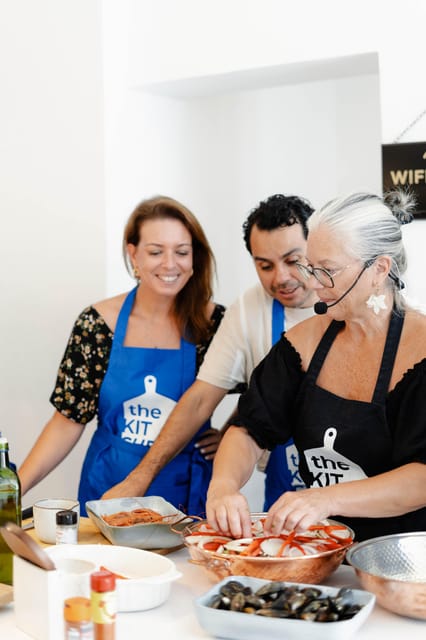
- Cataplana is the central lesson: You learn how to prepare the ingredients, assemble the traditional hinged pan, and cook an Algarve seafood dish.
- The class is capped at eight people: That size suits cooks who want room to ask questions and take part.
- Your meal is included: Appetizer, cataplana, dessert, water, and two glasses of wine are part of the experience.
- You receive a recipe afterward: The PDF gives you a practical way to repeat the dish at home.
- Three languages are offered: Instruction is available in English, French, and Portuguese.
Starting at the Municipal Market of Lagos
The best part of this experience is that the cooking begins before you reach the kitchen. You meet the chef at the Municipal Market of Lagos and help choose the seafood and vegetables that will become your cataplana.
That market stop gives the meal a sense of place. Instead of treating Portuguese food as a set of recipes detached from daily life, you see the ingredients in the same setting where local shoppers buy them. The chef can guide you through what to look for and how to select suitable fish and other ingredients for the dish.
I like this approach because it makes the seafood feel less anonymous. You are not just handed a prepared fillet and told to follow instructions. You take part in the decision that shapes the meal.
The market also adds a social and cultural layer. The class includes conversation about Algarve life and food traditions, and the market offers a natural setting for that discussion. One family particularly valued the chance to meet local fish sellers and connect the dish to the region’s coastal culture.
The market portion is not a separate sightseeing tour with a long list of stops. Its purpose is practical: select the food, learn what goes into the recipe, and understand why fresh ingredients matter. If you already know Lagos well, this may still give you a useful reason to return to the market with more attention.
More Cooking Classes with a Market Tour in Portugal
- Porto Local Market Visit & Cooking Class / Showcooking
★ 5.0 · 206 reviews - Lisbon Market and Food Tour with Cooking Class and Lunch
★ 5.0 · 117 reviews - Private Lisbon Market Tour & Portuguese Cooking Class with Paula
★ 5.0 · 89 reviews
Why cataplana is the right dish for this class
Cataplana is one of the Algarve’s signature dishes. It is cooked in a distinctive hinged pan, often made of copper or another metal, that closes into a rounded shell. The shape helps hold in heat and moisture while the ingredients cook together.
That pan is part of the attraction. You are not learning a generic seafood stew with a Portuguese name added afterward. You work with traditional cookware and learn how the pan is assembled and used.
The class covers the key stages:
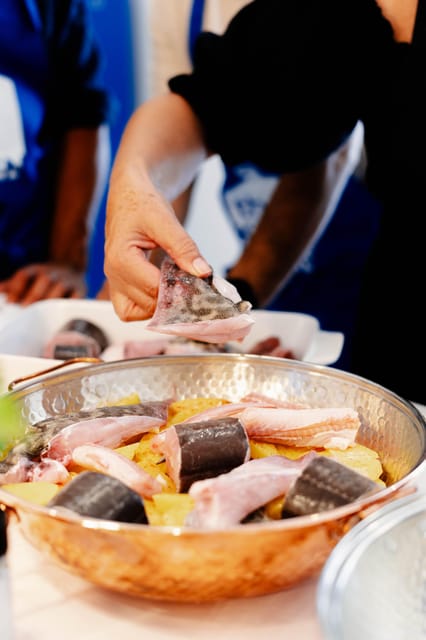
- Choosing and preparing seafood and other ingredients
- Preparing the vegetables and supporting ingredients
- Arranging the food in the cataplana pan
- Closing and cooking the pan properly
- Balancing the seafood, vegetables, liquid, and seasoning
- Serving the finished dish as a shared meal
The method is practical for home cooks because it depends on good ingredients and careful timing more than fancy kitchen tricks. You learn why seafood should be handled with care and how the components come together in one cooking vessel.
You should expect a group cooking session rather than a private chef lesson. Everyone contributes to the meal, but the exact amount of individual knife work or pan handling can vary with the size and pace of the group. With no more than eight people, the format should feel more involved than a large demonstration class.
The kitchen lesson with Joana and Margarita
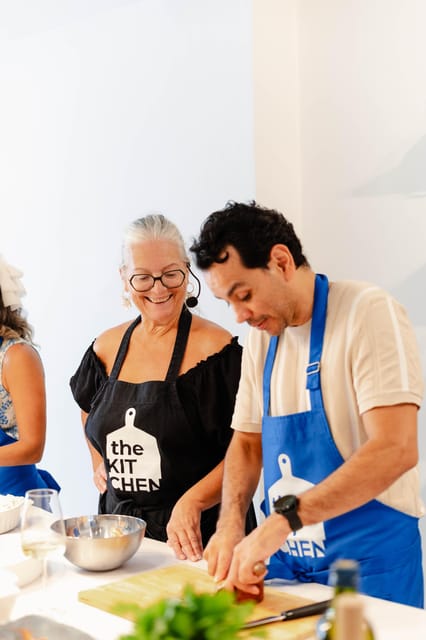
After the market visit, the class moves into the cooking portion at The Kitchen, the provider’s cooking school and private event space. The hosts named in the feedback include Joana and Margarita, and their teaching style is one of the experience’s strongest points.
The class is described as friendly and patient, with plenty of explanation about both the recipe and Algarve culture. That matters if you are not confident in the kitchen. You are not expected to arrive with professional skills or a working knowledge of Portuguese cooking.
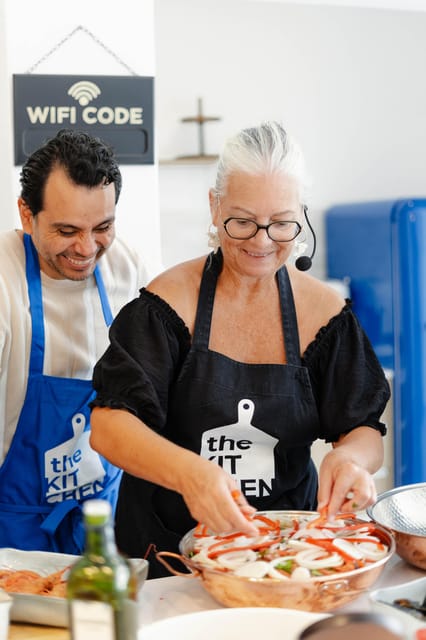
A cooking class can easily become a performance where the instructor does most of the work. This session is designed to put you inside the process. You learn how to prepare the seafood, work with the traditional pan, and recognize the stages of cooking. The goal is not only to eat cataplana, but to understand how to make it.
The class also works well for families. An 11-year-old participant was included in the market visit and cooking activities and rated the experience highly. The setting may suit older children who can follow instructions and take part in simple kitchen tasks, though the supplied information does not specify a minimum age.
Instruction is available in English, French, and Portuguese. If you speak one of these languages, you can follow the chef’s explanations and ask questions during the process. The language choice also makes the class useful for mixed-language groups.
The atmosphere is described as welcoming and home-like. That is a useful clue about the tone: expect conversation, shared work, and a meal eaten together, rather than a formal demonstration with strict restaurant etiquette.
Eating the cataplana you helped create
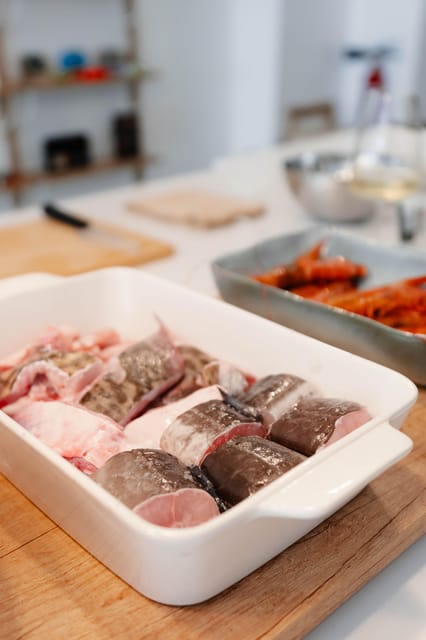
The meal is the reward for the work, but it is also part of the lesson. Once the cataplana is ready, you taste the seafood and vegetables with the group, along with an appetizer, dessert, water, and two glasses of wine.
I like that the food is not limited to a small tasting portion. The inclusion of a complete meal makes the price easier to assess, especially since the class also covers the market visit, ingredients, cookware, and instruction.
The finished dish should taste fresh and aromatic, with the seafood at the center. One useful point of balance is seasoning. A German participant found the cataplana broth less strongly seasoned than preferred. If you like a powerful, heavily spiced sauce, ask the chef about seasoning during the class. You may be able to adjust your own portion or learn how the dish is traditionally balanced.
That comment is not a reason to avoid the class. It simply tells you what kind of cooking to expect. Cataplana is built around the flavor of seafood, vegetables, and cooking juices. It may not resemble a heavily seasoned curry, bouillabaisse, or restaurant sauce designed to make a dramatic first impression.
The two glasses of wine add to the meal, but you can also enjoy the class without focusing on alcohol. Water is included, and the main value comes from participating in the cooking and eating the result.
Because the food is prepared by the group, the meal has a communal feel. You get to see the steps that created it, which makes the final serving more satisfying than a meal ordered from a menu. You also leave knowing which ingredients and methods produced the flavor.
Same place, a different thing to cook:
- Lisbon: Pastel de Nata Baking Class
★ 4.9 · 2,106 reviews - Porto: Pastel de Nata Cooking Class with Grandma’s Recipe
★ 5.0 · 1,565 reviews - Porto: Pastel de Nata Cooking Class with Port Wine – Sé
★ 4.8 · 888 reviews - Lisbon: Traditional Portuguese Cooking Class
★ 4.9 · 592 reviews
What makes the market visit worth your time
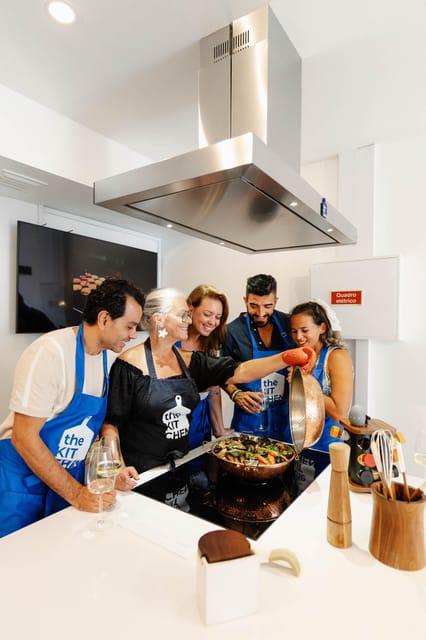
Some cooking classes could skip the shopping portion and still teach the recipe. Here, the market visit gives you information you cannot get as easily in a kitchen.
You see the raw ingredients before they are cleaned, cut, and arranged. That helps you understand the role of freshness, size, and selection. The chef can explain what works well for the dish and how to make sensible choices when you later shop at home.
The visit also places cataplana within Algarve life. The recipe is connected to the coast, seafood markets, and the region’s food culture. You gain more than a set of cooking instructions because you see the ingredients in their local setting.
The market stop may be less appealing if you want a fast, polished cooking show. It takes time, and the experience is built around participation. You should be ready to walk through a public market, pay attention to the chef, and take part in a group activity before cooking begins.
For me, that trade is worthwhile. The class is more memorable when the seafood has a story that begins at the market rather than appearing in a bowl without explanation.
The value of $117 per person
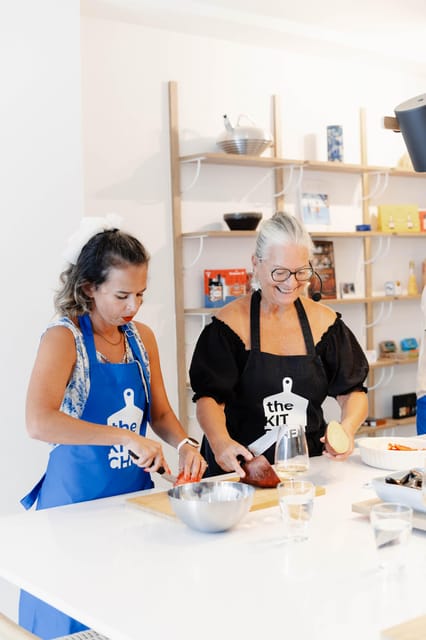
At $117 per person, this is a mid-range culinary experience rather than a cheap meal. The price covers a lot: a guided market visit, all ingredients, traditional cookware, instruction, a full meal, dessert, water, two glasses of wine, and a recipe PDF.
If you only want to eat cataplana, you can likely find less expensive ways to do that in the Algarve. You are paying for the process and the personal instruction, not just the plate in front of you.
The small group matters here. A limit of eight allows the chef to answer questions and help participants stay involved. It also makes the class suitable for a date, a family activity, or a small group of friends who want to cook together.
The recipe PDF adds lasting value. You can use it after returning home, although the ingredients available in your own market may differ from those in Lagos. The class gives you the technique and general structure, while your home version may require substitutions.
I would consider the price fair for someone who values food, local culture, and active participation. I would be less likely to recommend it to someone who wants a simple, inexpensive lunch or prefers to watch rather than cook.
Timing, languages, and group size
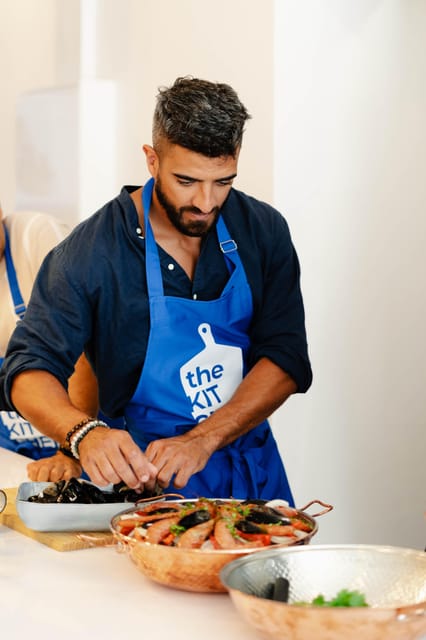
Plan on three and a half hours. That is long enough for the market, preparation, cooking, and meal, so you should not schedule another tightly timed activity immediately afterward.
Starting times vary by availability. Check the schedule before booking, especially if you are fitting the class around a day of sightseeing in Lagos.
The maximum group size is eight. This is small enough for direct contact with the chef, but it is still a shared class. You will work alongside other people who may have different cooking speeds and levels of experience.
The class is offered in English, French, and Portuguese. If you are traveling with family or friends who speak different languages, confirm that the selected session suits everyone in your group.
The activity has free cancellation up to 24 hours before the start time, and you can reserve now and pay later. Those policies help if your Algarve plans are still changing, but the more important practical point is to leave enough time for the full class.
Who will enjoy this Lagos cooking class
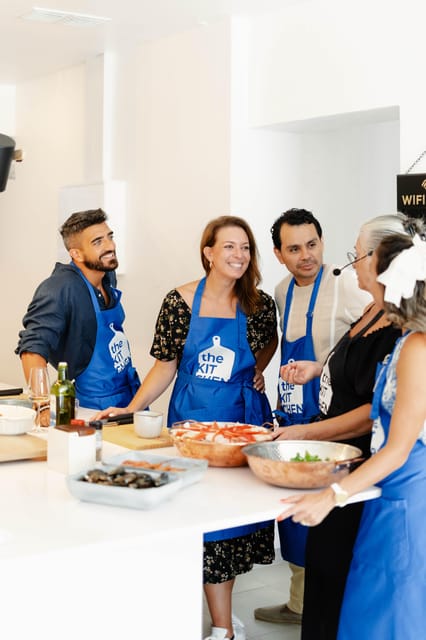
I would recommend it most strongly to people who enjoy eating local food and want to understand how it is made. You do not need advanced cooking skills. Curiosity and a willingness to participate matter more.
It suits:
- Couples looking for a shared food activity
- Families with older children who enjoy hands-on lessons
- First-time visitors who want a direct connection to Algarve cuisine
- Seafood lovers
- Home cooks who want a traditional recipe to repeat
- Small groups who prefer a personal class over a large food tour
The class may not suit you if you dislike seafood, have little interest in cooking, or want a short activity. The experience centers on cataplana, and its success depends on taking part in the market and kitchen rather than simply sitting down to eat.
Dietary information is not provided here, so ask about substitutions before booking if you have allergies or dietary restrictions. Do not assume the standard cataplana can be changed without notice.
Should you book the Lagos cataplana experience?
Book it if you want more than a restaurant meal. The strongest parts are the market visit, the small group, the friendly instruction from Joana and Margarita, and the chance to take home a recipe you can use again.
The class also gets high marks for its family-friendly tone. An 11-year-old participant was drawn into the activity, which suggests the experience can work well for families who want an alternative to another beach or sightseeing day.
Keep your expectations realistic. The broth may be gentler than some diners prefer, and the group format means you share the work and attention. Still, at $117, the combination of shopping, cooking, wine, dessert, and cultural context gives the experience solid value for food-minded visitors to Lagos.
If Portuguese food is one of the reasons you came to the Algarve, this is a practical and enjoyable way to meet it at the market, prepare it in a traditional pan, and eat it at the end.
FAQ
How long does the Lagos market and cataplana class last?
The experience lasts 3 hours and 30 minutes.
Where does the experience take place?
It takes place in Lagos, Algarve, and includes a guided visit to the Municipal Market of Lagos followed by the cooking class.
What dish will I learn to cook?
You will learn to prepare cataplana, a traditional Portuguese seafood dish associated with the Algarve.
Is the food included in the price?
Yes. The experience includes a complete meal with an appetizer, cataplana, dessert, water, and two glasses of wine.
Do I receive the recipe afterward?
Yes. You receive a PDF of the recipe so you can recreate the cataplana at home.
What languages are available?
Instruction is available in English, French, and Portuguese.
How many people are in the group?
The class is limited to eight participants.
Can I cancel the booking?
Yes. You can cancel up to 24 hours in advance for a full refund. You can also reserve now and pay later.
Just added around Portugal
- Cooking Workshop in Cascais (group of 4 min)★ 5.0 · 13 reviews
- Cooking Class★ 5.0 · 17 reviews
- Terceira Island: Azores Cooking Class Experience★ 5.0 · 14 reviews
- Porto: Portuguese Cooking Class on the Terrace★ 5.0 · 2 reviews
- Porto: Cooking Class with Local Market Visit★ 5.0 · 15 reviews
- Porto: Local Market Tour & Cooking Class/Showcooking★ 4.9 · 32 reviews
- Porto: Coastal Villages Market & Seafood Cooking Tour★ 5.0 · 2 reviews
- Lisbon: Traditional Portuguese Cooking Class★ 5.0 · 41 reviews
Cooking Classes with a Market Tour, compared.

Hanoi Cooking Class: Culture, Local Market & Meaning CSR Impact
Read our review →
5 Traditional Dishes Hanoi Cooking Class with Market Trip
Read our review →
Cooking Class and Lunch at a Tuscan Farmhouse with Local Market Tour from Florence
Read our review →
Cooking Class, Market & Thai Herbs Garden Tour
Read our review →
Authentic Cooking Class with Market & Farm Visit
Read our review →
Paella Cooking Experience & Boqueria Market Tour
Read our review →
Cooking Class Hoi An:Local Market, Basket Boat, Fishing & Cooking
Read our review →
Hoi An Cooking Class(Market,BasketBoat Crabfishing&Cooking Class)
Read our review →Lists this class appears in