
REVIEW · NORTHERN CHINA, CHINA
Online Cooking Class Steamed Buns by Chef Sunflower Li
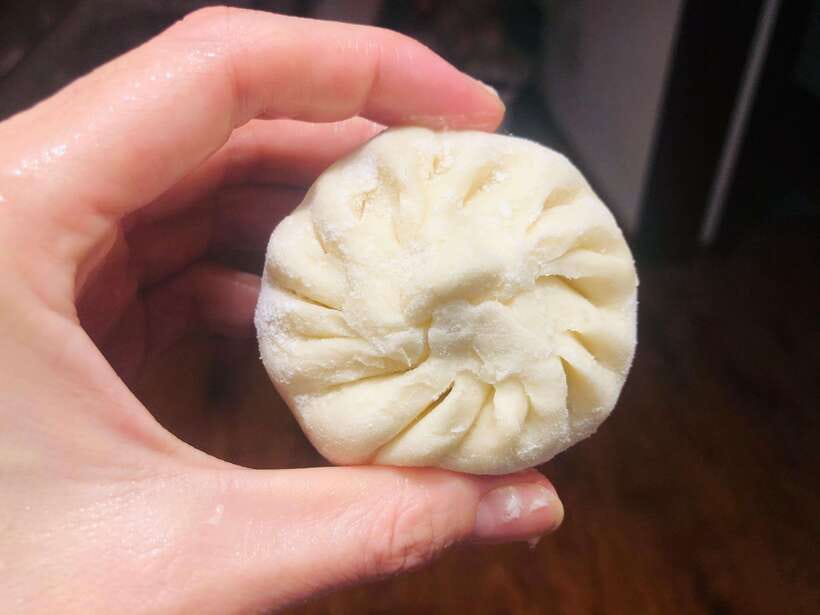
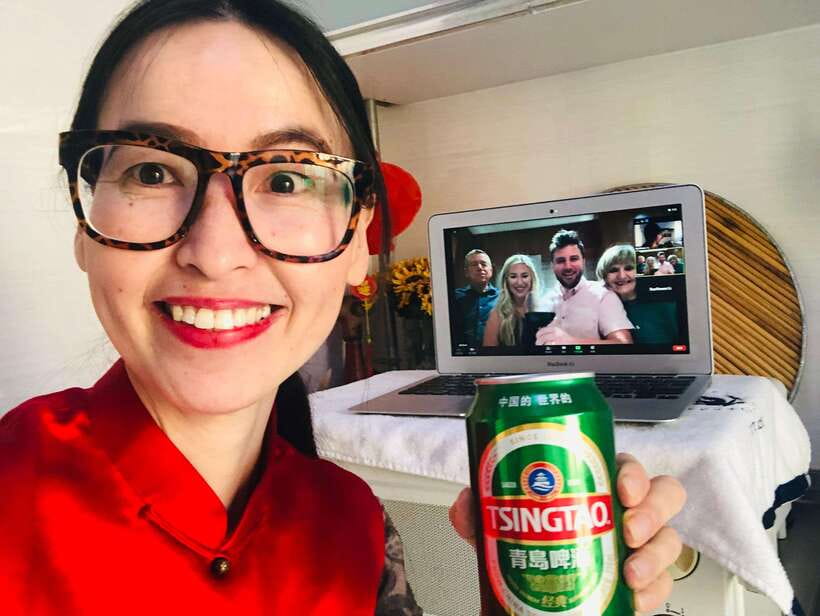
A Chinese family staple becomes your dinner project. This private Zoom class with Chef Sunflower Li teaches the dough science, shaping, and cooking behind Northern Chinese steamed buns. I like the flexible timing, which works well for lunch or dinner in North American and European time zones, and I like that one fee covers up to five people.
The main consideration is preparation. You must shop for the ingredients before class, and the list is fairly long. At $99 per group, the price is sensible for a family or team of five, but less attractive for one person cooking alone.
What makes this steamed-bun class worth your time
- An 1,800-year-old Chinese food tradition: You learn a dish that remains part of everyday family cooking in Northern China, not just a restaurant specialty.
- Chef Sunflower Li leads the entire class: Her teaching style is described as fun, clear, and encouraging, with close guidance as you work.
- The class is private for up to five people: That makes it useful for families, birthday groups, bridal showers, anniversaries, and workplace events.
- Timing can fit your own clock: The two-hour session can be arranged around European or United States lunch and dinner hours.
- You make the food yourself: The class covers dough, filling, shaping, and steaming, then sends you home with the family recipe.
- Vegetarian and vegan choices are available: Meat eaters can use pork, beef, or chicken, while vegetable fillings are also offered.
From flour to the first steamed bun
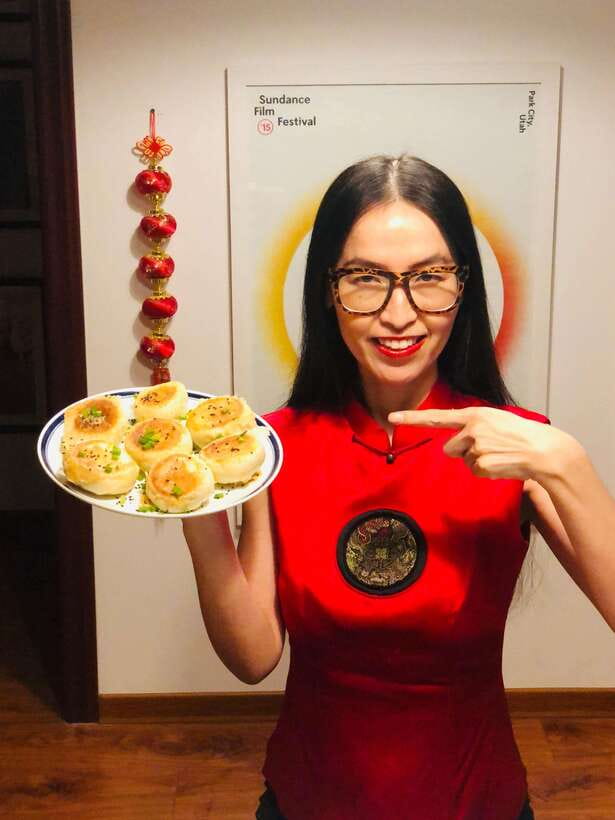
The heart of the class is simple: you make steamed buns with Chef Sunflower Li guiding you through the process on Zoom. The full session usually takes 90 minutes to two hours, so you should keep a clear block of time rather than trying to squeeze it between meetings.
You will prepare a dough from all-purpose flour and yeast, then learn why the dough behaves as it does. That science matters. Steamed buns can look easy, but the texture depends on how the dough is mixed, handled, and allowed to develop. A good teacher can help you spot problems before the buns reach the steamer.
The filling is where the class offers a useful taste of Northern Chinese home cooking. The meat version uses ground pork, beef, or chicken with green onion, ginger, soy sauce, vinegar, sesame oil, cooking wine, chicken bouillon, black pepper, salt, and 13 spice. Five spice can be used as a substitute.
The vegetable version uses cabbage, green onion, and carrot, with tofu offered as a substitute for egg. Laoganma chili paste or a local chili sauce is optional. That flexibility makes the recipe easier to adapt to your pantry, though you should still prepare the required ingredients before the video call.
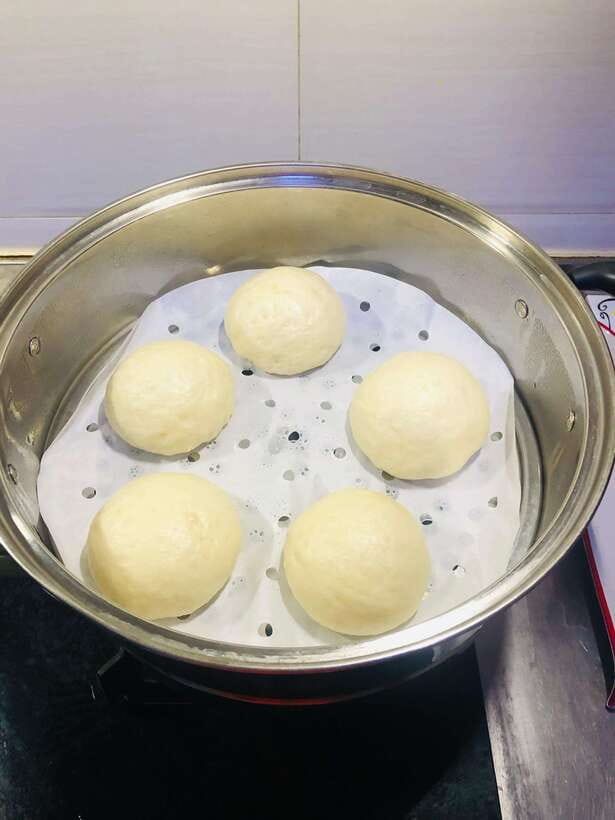
Once the filling is ready, you shape the buns under Sunflower’s direction. This hands-on part is likely to take the most attention. You are not simply watching a demonstration. You are making the dough and forming the food at the same time as the rest of your group.
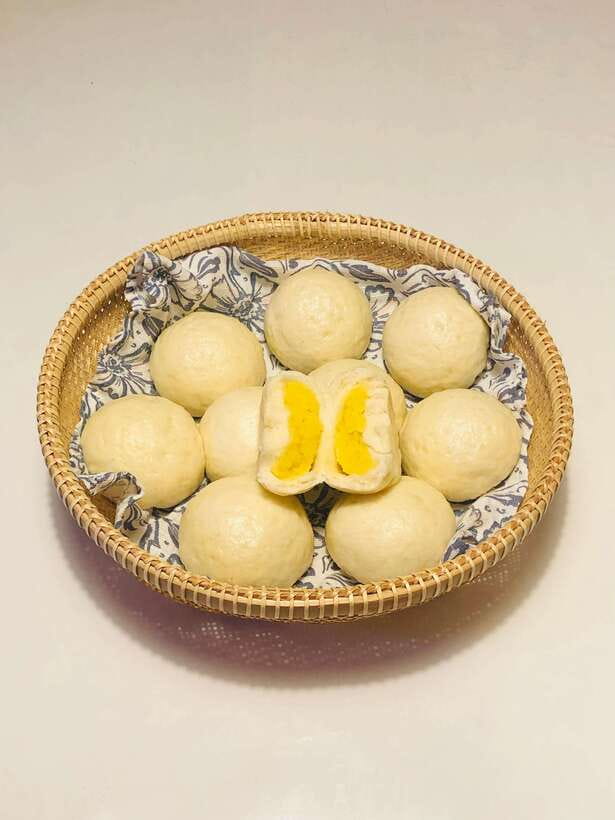
The final stage is steaming. You finish with a warm meal and a recipe you can make again. Stephanie, who took the class in June 2024, praised the way Sunflower combined cooking instruction with a fun, educational atmosphere. That is the main appeal here: you get both a meal and a skill.
A few more cooking classes around China worth a look
- Half-Day Chengdu Cooking Class with a Local Market Visit
★ 5.0 · 465 reviews - Online Cooking Class Beijing Dumplings and Cuisine by Sunflowerli Renowned Chef
★ 5.0 · 65 reviews - Chengdu: Cooking Class with Fresh Market Half Day Experience
★ 5.0 · 42 reviews
Why the dough lesson matters
Steamed buns are often judged by their texture. The dough should be soft and light, but sturdy enough to hold the filling. If you have tried to make yeast dough without much success, the explanation of how dough works may be more useful than the recipe alone.
Sunflower’s class presents the process as food science rather than a list of commands. You learn what the yeast is doing and how the dough changes as you work it. That gives you a better chance of repeating the result later, especially when your kitchen temperature or flour brand differs from what you used in class.
Cheryl, who attended on July 1, 2024, said Sunflower helped her achieve good results and left her ready to make the buns again. That is a strong sign for beginners. A class can be entertaining for two hours, but the real value comes when you can repeat the dish without the teacher on the screen.
You should still expect a little mess. Flour, filling, and shaping all happen in your own kitchen. Have a clean work surface ready, and set out your ingredients before the call begins. The provided preparation list is part of the practical work, not a minor footnote.
Choosing the meat, vegetarian, or vegan version
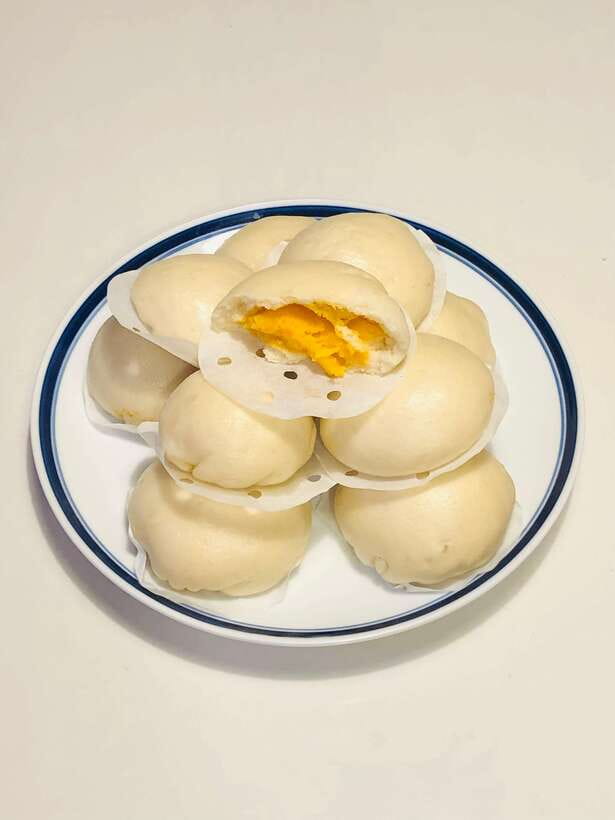
The meat option is designed around a savory filling of ground pork, beef, or chicken. Green onion and ginger provide the familiar flavor base, while soy sauce, sesame oil, cooking wine, and spices add depth. You can choose the meat that suits your household.
The vegetarian version replaces the meat with cabbage, carrot, and green onion. The filling still uses ginger, soy sauce, vinegar, sesame oil, black pepper, salt, and spices, so it should have plenty of flavor rather than feeling like a plain substitute.
A vegan option is available, but pay attention to the ingredient instructions. The vegetarian list includes an egg, with tofu offered as a substitute. If you are strictly vegan, confirm the exact substitutions with Sunflower before class so your ingredients match the recipe.
This is also a good activity for a mixed group. One person can prepare the meat filling while another uses vegetables, though each person should know which ingredients belong in their version. For a family, that choice can turn dinner into a small cooking lesson for children and adults alike.
A private Zoom format that works for groups
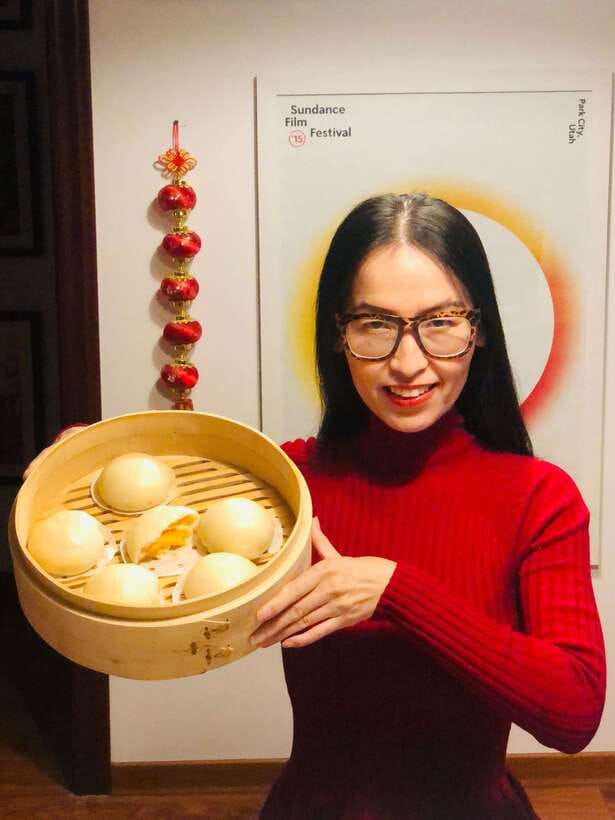
The class is private rather than a large public session. Up to five people can join for the $99 group price. That works out to about $19.80 per person if five people take part, before the cost of ingredients.
The value improves when you use the class for an occasion. A birthday group, bridal shower, anniversary, or family gathering gets a shared activity instead of another hour of small talk. For a workplace event, the cooking gives everyone something concrete to do with their hands, which can be more engaging than a standard online social call.
Sunflower has hosted people from the United States, Canada, Brazil, Israel, Australia, the United Kingdom, Germany, the Netherlands, Italy, Spain, Austria, Japan, Singapore, and other countries. That international reach helps explain the flexible scheduling and English-language instruction.
You will receive the Zoom link and ingredient information by WhatsApp or iMessage after booking. Because this is an online experience, there is no meeting point, travel time, or need to reach a particular neighborhood. You simply need a suitable kitchen and a reliable way to join the call.
The online format does have limits. Sunflower cannot physically handle your dough or adjust your steamer. If you need close in-person supervision, a local cooking school may suit you better. If you like the convenience of learning at home, the format is a major advantage.
Same place, a different thing to cook:
- Flavors of Beijing: Eat Like A Real Chinese
★ 5.0 · 78 reviews - Shanghai-Cooking Dumpling & Meal in Local Family-w/Vegan
★ 4.9 · 36 reviews - Private Cooking Class: Make Your Own Dim Sum In Shanghai
★ 5.0 · 27 reviews - Half-Day steamed Buns Cooking Class with a Local Market Visit
★ 5.0 · 26 reviews
Scheduling for lunch or dinner in Europe and the United States
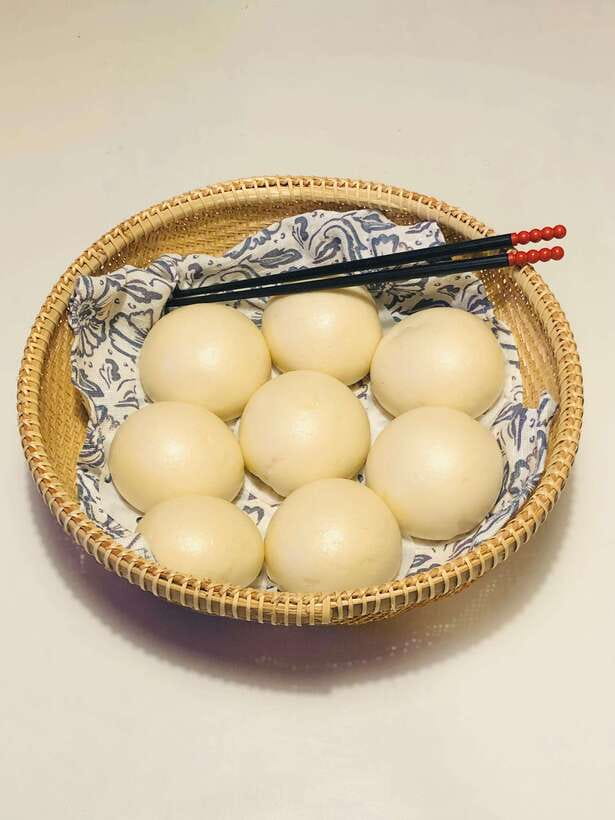
The two-hour duration is long enough for a relaxed class but short enough for a team event or family activity. The timing is flexible, and the start time can be changed to suit your schedule and time zone.
For North American participants, you can arrange the class for a dinner-friendly hour. European groups can choose a lunch or evening slot. Since the schedule is not locked to one daily departure, you have more control than with a standard guided activity.
This flexibility is especially useful for international teams. A group in different countries may need to coordinate around work hours, school pickup, or dinner. Confirm the final time carefully with Sunflower, since your group may not share the same local clock.
Plan to begin with your ingredients measured and ready. The class is designed around active cooking, so spending the first part of the session searching for ginger or weighing flour will cut into the useful instruction.
The ingredient list and your shopping plan
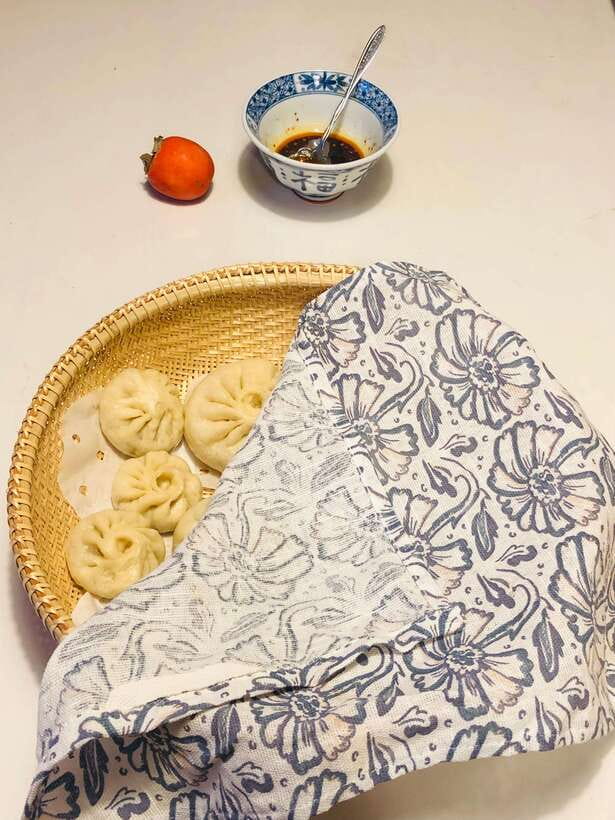
The required ingredients are common in many supermarkets, but the number of items can feel substantial. For the meat version, prepare:
- Two cups of all-purpose flour
- Yeast
- Ground pork, beef, or chicken
- Green onion, or cabbage as a substitute
- Ginger
- Egg
- Soy sauce
- Vinegar
- Sesame oil
- Cooking wine
- Chicken bouillon
- 13 spice, or five spice
- Black pepper and salt
- Optional Laoganma chili paste or a local chili sauce
The vegetarian list calls for two cups of flour, yeast, cabbage, green onion, carrot, egg or tofu, ginger, soy sauce, vinegar, sesame oil, 13 spice or five spice, black pepper, optional chili paste, and salt.
Ingredients are not included in the $99 fee. That is reasonable for an online cooking lesson, since every kitchen and country has different prices and brands. Still, you should read the list before paying so you know the class will be convenient for you.
Some items may require a visit to an Asian supermarket, especially 13 spice, cooking wine, or Laoganma chili paste. The substitutions make the class more approachable, but do not assume every ingredient can be replaced. Follow the list sent after booking and ask if you are unsure.
How much value you get for $99
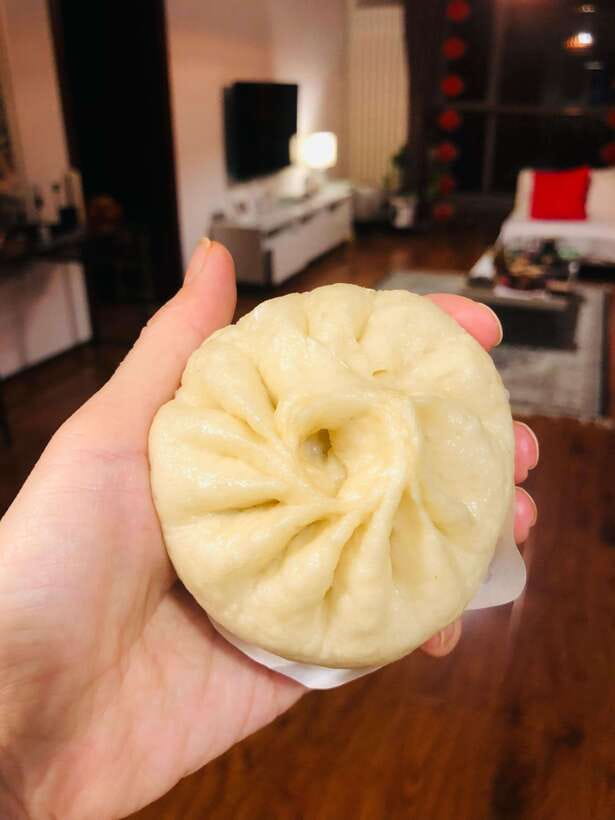
At first glance, $99 may seem high for a recipe you could find online. The comparison changes when you consider that this is a private two-hour class with Chef Sunflower Li, and the price covers a group of up to five.
A solo participant pays the full group rate, so the value is weaker if you are cooking alone. Two people pay $49.50 each, while five people pay about $19.80 each. For a family or small team, that is a fair price for live instruction, an activity, and a meal.
The family recipe shared afterward adds lasting value. You are not limited to the single batch made during class. You can use the recipe for another dinner, a family gathering, or a future team cooking event.
Remember to add the cost of flour, yeast, filling ingredients, and any specialty seasonings. There are no other stated activity fees, but ingredients and any expenses not listed as included are your responsibility.
Who will enjoy this most
I would choose this class for a family that wants to cook together without leaving home. Children and adults can take part, and the shaping stage gives younger cooks a clear job. Adults can handle the stove and steaming while children help with dough or filling, with appropriate supervision.
It also fits food-focused birthdays and bridal showers. The private format lets your group talk while working, and the finished buns give everyone a shared result. An anniversary group may appreciate the personal nature of making a traditional dish instead of ordering a meal.
Work teams are another strong match. Companies including LinkedIn, Openspace, eBay, Meta, TikTok, Nuna, DoorDash, Paiger, and Block have used Sunflower’s team-building classes. You do not need a restaurant kitchen or a shared physical venue, which makes planning easier for a distributed group.
I would be more cautious about booking it for someone who dislikes advance preparation. The ingredient list is not difficult, but it is not tiny. You also need access to a kitchen and enough space to work during the call.
What the two five-star experiences tell you
The strongest praise focuses on Sunflower herself. Cheryl described the class as amazing and said Sunflower helped her get successful results. That suggests the instruction is not only a cooking demonstration, but active guidance aimed at helping you finish the dish well.
Stephanie focused on the balance of fun and education. She also valued leaving with a tasty meal and a recipe that could be used repeatedly. Those points match the best reason to book: you get an activity during the class and a practical takeaway afterward.
The ratings are based on only two verified experiences, so I would not treat them as proof that every session will be perfect. Still, both comments point to the same qualities: an enjoyable teaching style, useful instruction, and food worth repeating.
Should you book Chef Sunflower Li’s steamed-bun class?
Book it if you want a private, hands-on Chinese cooking activity for a family, small team, birthday, bridal shower, or food-loving group. The flexible timing, English instruction, and group pricing make it easy to arrange across time zones.
The best value comes with four or five participants. Prepare the ingredients in advance, confirm the exact vegan substitutions if needed, and allow the full two hours. If you want a guided lesson that ends with a homemade Northern Chinese dish and a family recipe, this is a practical choice.
Skip it if you want a quick demonstration, have no access to a kitchen, or prefer someone else to do the cooking. The class asks you to participate, and that preparation is central to the experience.
FAQ
Where does the steamed-bun cooking class take place?
It takes place online through Zoom. You do not meet Chef Sunflower Li in person.
How long does the class last?
The class is listed as two hours, and it usually lasts between 90 minutes and two hours.
How many people can join?
The private group price covers up to five people.
What language is used during the class?
The class is taught in English.
How much does the class cost?
The price is $99 per group of up to five people. Ingredients are not included.
Are vegetarian and vegan options available?
Yes. Vegetarian and vegan options are available. The vegetarian ingredient list includes tofu as a substitute for egg, so strict vegans should confirm the exact substitutions before class.
What ingredients do I need?
You need two cups of all-purpose flour, yeast, filling ingredients, seasonings, and other items that vary by the meat or vegetable version. The full list is sent after booking.
Can I cancel the class?
Yes. You can cancel up to 24 hours in advance for a full refund. You can also reserve now and pay later.
Just added around China
- Private Panda Tour with Cooking Class One-day Trip★ 5.0 · 11 reviews
- Half-day Dandan Noodles Cooking Class with a Local Market Visit★ 5.0 · 8 reviews
- Half-Day Private Hot-Pot Cooking Class with a Local Market Visit★ 5.0 · 3 reviews
- Half-day Chengdu Handmade Tofu Making and Mapo Tofu Cooking Class★ 5.0 · 3 reviews
- Chengdu Dujiangyan Leshan Buddha Tea Plantation and Sichuan Cooking 3 Days★ 5.0 · 2 reviews
- Half day Chengdu Dumpling Class: Make from Scratch★ 5.0 · 8 reviews
- Half-Day Sichuan Cooking Class Experience in Chengdu★ 4.0 · 17 reviews
- Beijing: Private Dumpling Cooking Class in Local Family★ 5.0 · 3 reviews
Cooking Classes, compared.

Half-Day Thai Cooking Class at Organic Farm in Chiang Mai
Read our review →

3 in 1 Cooking Class near Navona: Fettuccine, Ravioli & Tiramisu
Read our review →
Pasta & Tiramisu Cooking Class with Unlimited Wine
Read our review →
Hanoi Cooking Class: Culture, Local Market & Meaning CSR Impact
Read our review →
5 Traditional Dishes Hanoi Cooking Class with Market Trip
Read our review →
Cooking Class and Lunch at a Tuscan Farmhouse with Local Market Tour from Florence
Read our review →
Cooking Class, Market & Thai Herbs Garden Tour
Read our review →Lists this class appears in