
REVIEW · LA PAZ DEPARTMENT, BOLIVIA, BOLIVIA
La Paz: Bolivian Cooking Class
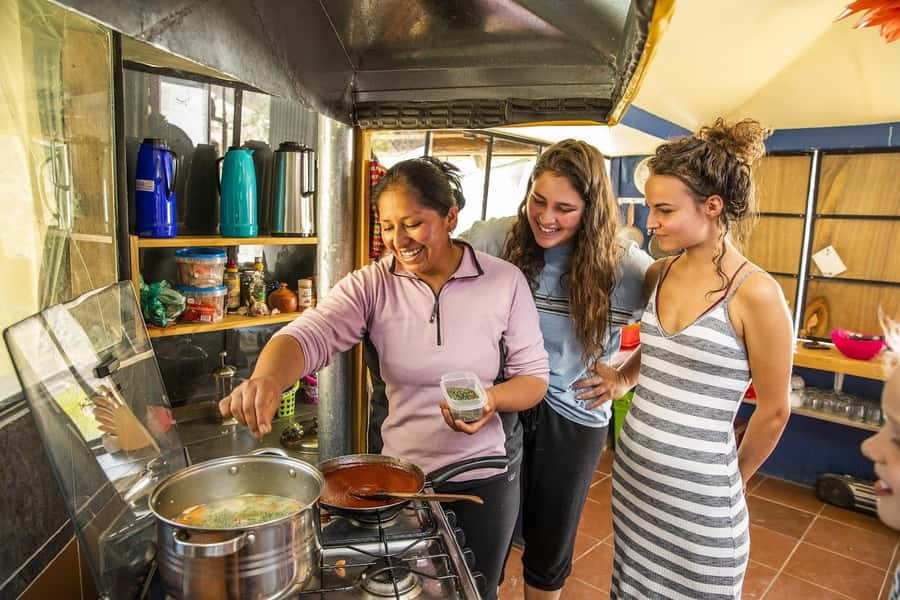
Come hungry, leave with a recipe. This 90-minute class in Jupapina gives you a direct taste of Bolivian home cooking, with a Spanish-speaking chef, fresh local ingredients, and an outdoor kitchen set against striking views of La Paz. I especially like the chance to prepare both a traditional soup and a typical main course, then sit down and eat what you made.
I also like the practical touch of printed recipes in English, which helps if you do not speak Spanish. The main consideration is the language gap: the chef teaches in Spanish, so you will need to follow the demonstration and use the written recipes as your guide.
Key points to know before booking
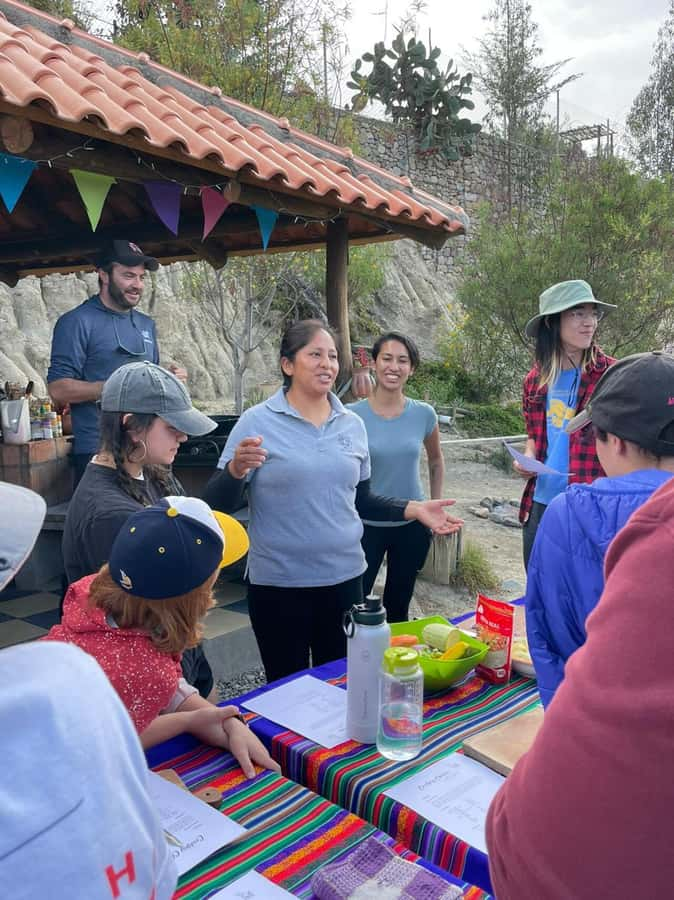
- You cook two Bolivian dishes: The class includes one of the country’s common traditional soups and one typical main course.
- The setting is part of the experience: You work in an outdoor kitchen in Jupapina, then eat with one of the best views in La Paz.
- Fresh ingredients are supplied: You do not need to shop or bring cooking supplies.
- English recipes are provided: The chef speaks Spanish, but the recipes are written in English for English-speaking participants.
- The price is $30 per person: That includes the local chef, ingredients, recipes, and the meal you prepare.
- The class is short and focused: Ninety minutes suits a free morning or afternoon, though it leaves little room for a long, relaxed cooking session.
Why this class is different from a restaurant meal
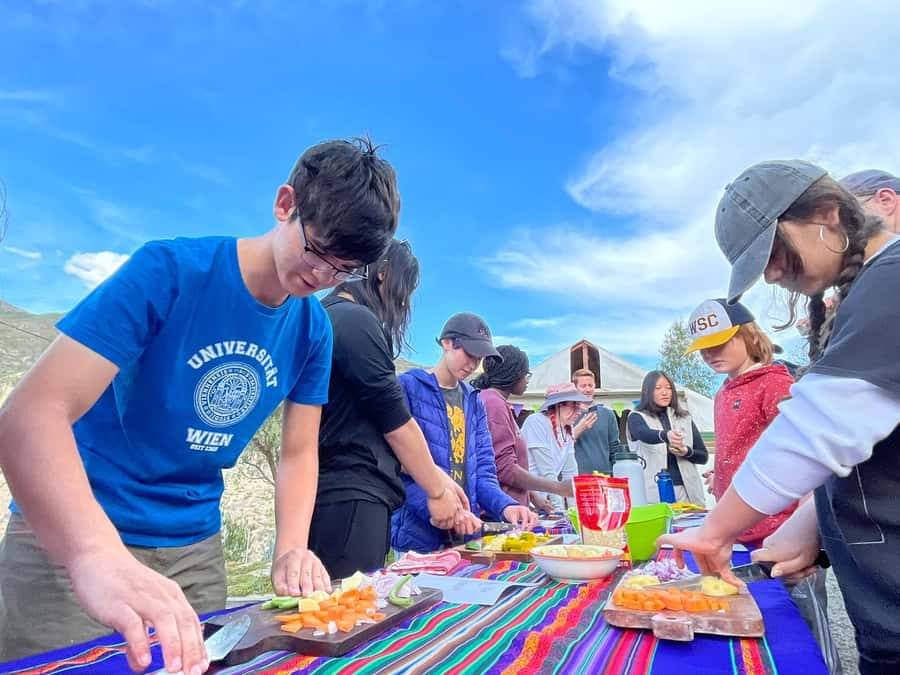
A restaurant lets you taste Bolivian food. This class shows you how the meal comes together.
That matters in Bolivia, where food is closely tied to everyday life. You will work with fresh local ingredients, follow recipes, and prepare two familiar dishes rather than simply sampling a plate brought to your table. You leave with something useful too: printed recipes that you can keep and try again at home.
The class takes place in an outdoor kitchen at Colibri Camping in Jupapina. The setting gives the activity a rural feel, even though you are still within reach of La Paz. After cooking, you eat the food you prepared while looking out over the surrounding scenery.
I like that the food and setting are connected. The view is not just a backdrop for a photo. It gives the meal a clear sense of place, especially after you have spent time handling the ingredients and cooking with guidance from a local chef.
A few more cooking classes around the world worth a look
- Half-Day Thai Cooking Class at Organic Farm in Chiang Mai
★ 5.0 · 19,087 reviews - Florence: Pasta Cooking Class with Unlimited Wine
★ 4.9 · 10,285 reviews - 3 in 1 Cooking Class near Navona: Fettuccine, Ravioli & Tiramisu
★ 5.0 · 7,376 reviews
What happens during the 90-minute class
The experience is compact, so expect a focused cooking session rather than a full-day food course. The time is built around preparation, cooking, and eating.
Arriving at the outdoor kitchen
You meet at Colibri Camping on Calle 4 in the village of Jupapina. Once there, signs direct you toward the river and the cooking area. The class is wheelchair accessible, which is useful to know when planning your day.
The outdoor setting is one of the best parts of the experience. You are not in a sealed classroom or a hotel conference room. You cook in the open air, surrounded by the scenery around Jupapina and views toward La Paz.
Because the address is outside the central city, give yourself time to reach the meeting point. The route is manageable, but it requires some planning if you are using public transport.
Learning about Bolivian ingredients
The chef supplies all the ingredients, so you can focus on the food rather than shopping. The class is designed to introduce you to traditional Bolivian cuisine through fresh local produce and familiar cooking methods.
The exact ingredients and dishes can vary, but the class includes one traditional soup and one typical main course. That combination gives you more than a quick sample. You get to see how a meal is built from a first course to a main dish.
The chef speaks Spanish, so instructions are delivered in that language. English-language recipes are provided, and the class is intended to work well for people who do not speak Spanish. Still, you should be comfortable watching demonstrations, following visual cues, and asking for clarification when needed.
Same place, a different thing to cook:
- Florence: Pasta & Tiramisu Cooking Class with Unlimited Wine
★ 4.9 · 6,708 reviews - Hanoi Cooking Class: Culture, Local Market & Meaning CSR Impact
★ 5.0 · 5,147 reviews - 5 Traditional Dishes Hanoi Cooking Class with Market Trip
★ 5.0 · 4,890 reviews - Cooking Class and Lunch at a Tuscan Farmhouse with Local Market Tour from Florence
★ 5.0 · 4,831 reviews
Preparing a traditional soup
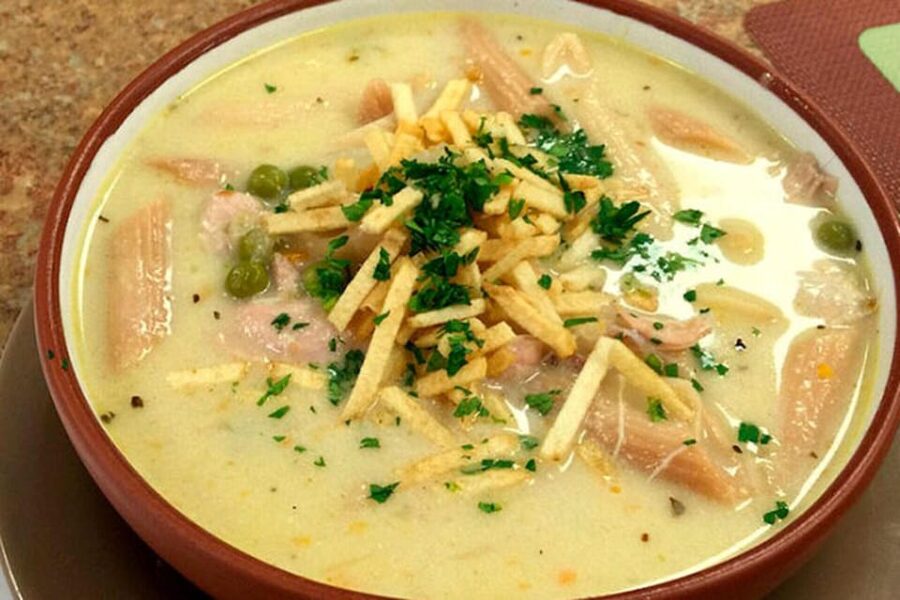
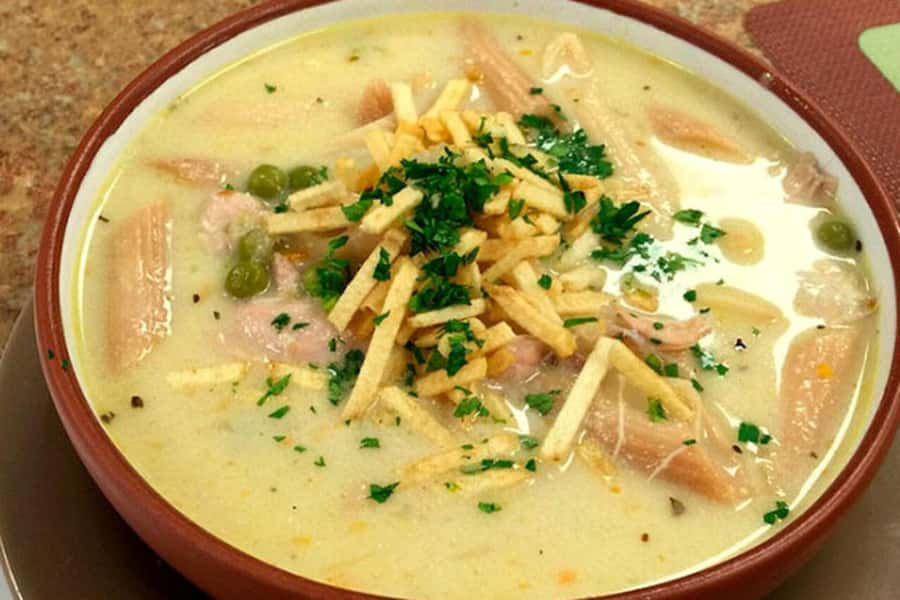
The first dish is one of Bolivia’s common traditional soups. Soup is a sensible choice for a cooking class because it lets you see how local ingredients work together in a complete dish.
You will receive the ingredients and recipe, then prepare the soup under the chef’s direction. The written instructions give you a useful reference, while the chef’s demonstrations show the practical steps that a recipe alone may not explain.
This part of the class should appeal to you if you want more than a tasting. You can pay attention to the order of preparation, the way ingredients are handled, and the final balance of the dish. Since the class lasts only 90 minutes, the process is likely to stay brisk and organized.
Cooking the main course
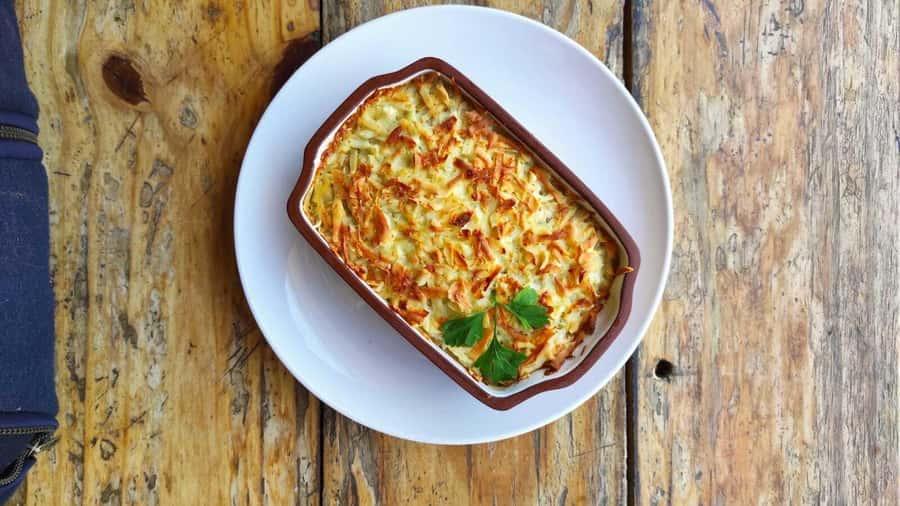
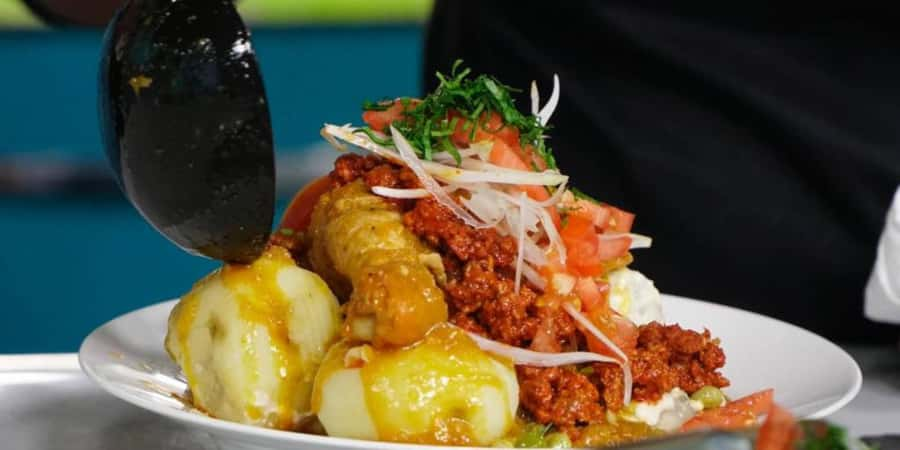
The second recipe is a typical Bolivian main course. Preparing a soup and a main dish in the same class gives you a broader introduction to the country’s food than a single-recipe workshop would.
You work alongside the chef and other participants, using ingredients supplied on site. The focus is on making the food yourself, not watching a long demonstration from the sidelines.
Vegetarian options are available. If you do not eat meat, make that clear when arranging the class so the appropriate option can be prepared.
Sitting down to eat
Once the cooking is finished, you eat the freshly made food in the same picturesque setting. This is where the class pays off. You are not rushing away with a small sample. You sit down with the dishes you helped prepare and enjoy the view around Jupapina.
The meal also gives you a chance to compare the two preparations and think about the techniques you have just learned. For me, that final eating time is an important part of the value. It turns the lesson into a complete outing rather than a simple demonstration.
The Spanish-language format: what to expect
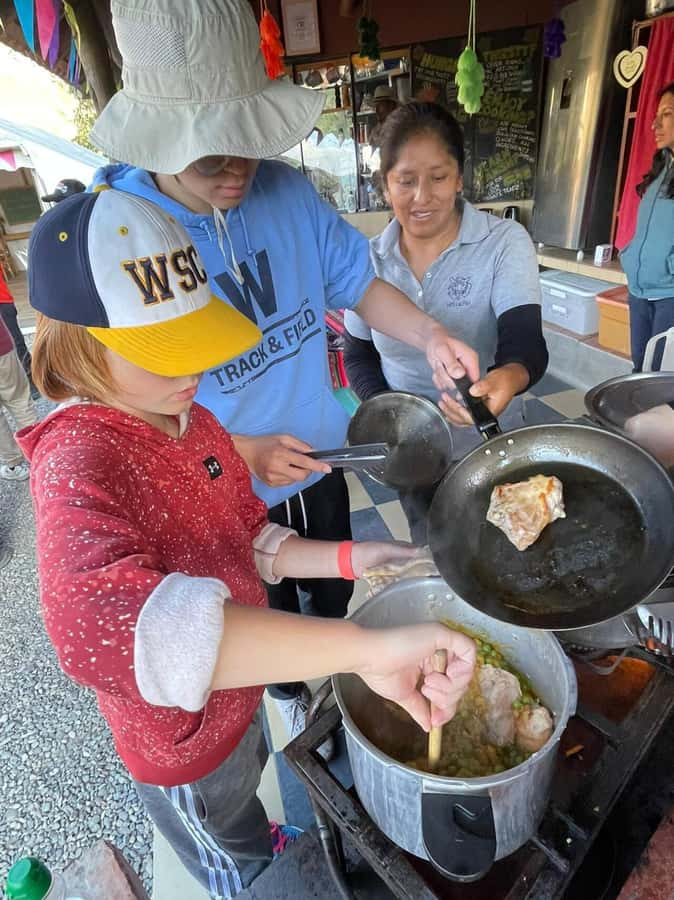
The language issue deserves a clear explanation. The chef speaks Spanish, and the class does not promise English instruction. English-speaking participants receive printed recipes in English, and the activity is designed to remain enjoyable across the language barrier.
That arrangement will suit you if you are happy to learn by watching and working with a written guide. Cooking is often easier to follow than a history lecture because the ingredients, tools, and actions are right in front of you.
If you need detailed verbal explanations at every step, the Spanish-only instruction may feel limiting. You should also avoid assuming that every question can be answered in English. The recipes help, but they do not replace a shared spoken language.
The best approach is to read the recipe before beginning, watch the chef closely, and use simple questions or gestures when necessary. Bring patience and curiosity. The class is built around a shared interest in cooking, which can carry you a long way.
Getting to Calle 4 in Jupapina
The meeting point is:
Colibri Camping, Calle 4, Jupapina
By taxi, ask to go to Calle 4 in the village of Jupapina. At the mural with the orange flower, turn left and follow the road toward the river. Signs point you onward to the site.
Public transport takes more planning. You can take bus number 253 from Plaza Belzu. The stop is at the start of the route down to Jupapina, beneath a large sign reading VETERINARIA CAMPEON. This bus passes through Mallasa before reaching Jupapina.
Another option is bus number 231 from Avenida Buenos Aires. Ask the driver to stop at Calle 4 in Jupapina.
You can also take a bus from El Prado toward Calacoto. Get off at Calacoto Calle 8 or Plaza Humboldt, where buses to Jupapina pass by. From Plaza Humboldt, local Mallasa and Servivalle taxis can take you to the door.
I would choose a taxi if you are short on time or carrying anything you do not want to manage on several buses. Public transport costs less, but the route has several stages and depends on finding the right stop. Ask for help if you are unsure. The instructions are detailed, but city transport can still take a little patience.
Is $30 a good price?
At $30 per person, the class offers solid value if you want an activity rather than just a meal. The fee covers an experienced local chef, all cooking ingredients, printed recipes, the instruction, and the food you eat afterward.
You are also paying for the setting. The class takes place in an outdoor kitchen with views of La Paz, so this is not simply a low-cost lesson in a basic room.
The 90-minute length keeps the cost reasonable and makes the class easy to fit into a busy visit. The tradeoff is that you should not expect a long culinary workshop with several courses, extended food discussion, or a leisurely afternoon at the table.
For someone who wants a short introduction to Bolivian cooking, $30 feels fair. It is especially worthwhile if you value learning a recipe you can repeat at home. If you only want the cheapest possible meal, a local restaurant may cost less. If you want to cook, eat, and enjoy the surroundings, this class offers more.
The best views come after the cooking
The scenery is a major part of the appeal. You cook outdoors and then eat in a picturesque setting with a notable view of La Paz.
That timing works well. During the preparation, your attention stays on the ingredients and the chef’s instructions. Once the food is ready, you can relax and take in the surroundings.
Bring practical clothing for an outdoor activity. The available information does not specify weather protection or a detailed equipment list, so check conditions before setting out. The class does not allow smoking.
The view also makes this a good choice if you want a break from city sightseeing. You still get a food lesson tied to Bolivia, but the setting gives you space away from the main urban streets.
Who will enjoy this experience most?
This class suits you if you:
- Want to learn about traditional Bolivian food through hands-on cooking
- Enjoy small, practical cultural activities
- Like preparing your own meal instead of only ordering one
- Are comfortable learning in Spanish with English recipes
- Want a scenic outing outside the central streets of La Paz
- Need a short activity that lasts 90 minutes
- Prefer fresh ingredients and a local cooking setting
- Want a vegetarian option
It may not suit you if you need fully English-language instruction, dislike outdoor cooking, or want a large menu of dishes. The class offers one soup and one main course, not a broad survey of Bolivian cuisine.
The experience is also best for people who enjoy participation. You should expect to work with the ingredients rather than simply sit and watch.
What the early feedback tells you
The available verified booking from Cengiz of Switzerland, dated June 18, 2025, gave the experience five stars and described it as Incroyable. That is brief feedback, but it fits the strongest features of the class: the food, the local setting, and the chance to cook with guidance from a chef.
There are only two ratings available, so I would not treat the perfect score as a guarantee for every participant. Still, the positive response supports the idea that this class delivers a memorable short activity rather than a routine meal.
The strongest praise belongs to the overall combination. You get traditional food, fresh ingredients, a local chef, an outdoor kitchen, and a view. Any one of those features would be pleasant. Together, they make the class a more personal way to meet Bolivian cuisine.
Booking advice and final verdict
Book this class if you want a practical taste of Bolivia and do not mind learning in Spanish. The English recipes make it workable, the vegetarian option widens its appeal, and the 90-minute format fits neatly into a La Paz itinerary.
I would be more cautious if your main goal is detailed culinary instruction in English. In that case, the language barrier may reduce what you take from the lesson.
For most food-minded visitors, this is a worthwhile $30 experience. You cook two traditional dishes, eat what you prepare, keep the recipes, and enjoy a fine view from an outdoor kitchen. Free cancellation up to 24 hours before the activity and the option to reserve now and pay later also make it easier to fit into changing plans.
FAQ
How long does the Bolivian cooking class last?
The class lasts 90 minutes. Check availability for the exact starting times.
What food will I prepare?
You will prepare one common traditional Bolivian soup and one typical main course. Vegetarian options are available.
Does the chef speak English?
The chef speaks Spanish. English-speaking participants receive the recipes in English, and the class is designed to be enjoyable despite the language difference.
What is included in the price?
The $30 price per person includes an experienced local chef, cooking ingredients, printed recipes, and the freshly prepared meal.
Where is the meeting point?
The meeting point is Colibri Camping on Calle 4 in Jupapina. From the mural with the orange flower, turn left and follow the road toward the river, using the signs to reach the site.
Can I cancel the booking?
You can cancel up to 24 hours in advance for a full refund. You can also reserve now and pay later.
Just added around the world
- Full Day Da Nang Vietnamese Private Cooking Class Highlight Tour★ 5.0 · 5 reviews
- Da Nang Home Cooking Class★ 5.0 · 2 reviews
- Home Cooking Class: Market, Garden and cooking 4 dishes★ 5.0 · 61 reviews
- Cretan Cooking Class and Dinner: Evening in a Rethymno Home★ 5.0 · 24 reviews
- Authentic Greek Cooking Experience in Amorgos★ 5.0 · 22 reviews
- Cooking Cycling and Pure Water Experience in Danang Rural Village★ 5.0 · 6 reviews
- Vegan Peruvian Cooking Class Cocktails and Local Market in Cusco★ 5.0 · 46 reviews
- Da Lat Easy Rider- Motorbike Tour- Countryside & Homemade Cooking★ 5.0 · 35 reviews
Cooking Classes, compared.

Half-Day Thai Cooking Class at Organic Farm in Chiang Mai
Read our review →

3 in 1 Cooking Class near Navona: Fettuccine, Ravioli & Tiramisu
Read our review →
Pasta & Tiramisu Cooking Class with Unlimited Wine
Read our review →
Hanoi Cooking Class: Culture, Local Market & Meaning CSR Impact
Read our review →
5 Traditional Dishes Hanoi Cooking Class with Market Trip
Read our review →
Cooking Class and Lunch at a Tuscan Farmhouse with Local Market Tour from Florence
Read our review →