
REVIEW · DA NANG, VIETNAM
Da Nang Home Cooking Class
Cook where daily life happens. This four-hour Da Nang experience links a vegetable garden, a local market, Vietnamese coffee, and a home kitchen in one compact outing. I like that you do more than watch a chef work, and I like that the class includes ingredients, bottled water, recipes in English, insurance, and hotel pickup.
The main drawback is simple: drop-off is not included. The menu can also change with the season, so you should book this for the hands-on food experience rather than for a guaranteed list of exact dishes.
Key Points at a Glance
- Four hours from garden to table: You help prepare land, shop for produce, cook four dishes, and eat what you make.
- A local market visit: The market stop gives you a practical look at tropical fruits and everyday ingredients before the cooking begins.
- Morning or afternoon timing: Choose an 8:00 AM start or a 2:00 PM start, with lunch or dinner at the end.
- Four Vietnamese dishes: The sample menu includes deep-fried spring rolls, papaya salad, and fish soup, with seasonal changes possible.
- Small enough to stay personal: The maximum group size is 15 people, and the guide and cooking teachers are praised for fluent English and warm instruction.
- Useful extras included: Hotel pickup in central Da Nang, drinks, water, ingredients, English recipes, and insurance are part of the price.
What the $42 Price Buys You
At $42 per person, this class is priced as more than a cooking lesson. You are also paying for transport from your Da Nang center hotel, a guide, a garden visit, a market outing, drinks, ingredients, recipes, and the meal you prepare.
That package gives the experience good value if you want several cultural activities in one morning or afternoon. A market visit alone can be brief and hard to interpret. Here, the guide connects the food on the stalls with the food in your cooking pot.
The ingredients and recipes matter, too. You are not just eating lunch or dinner and moving on. You receive a way to repeat at least some of the dishes after returning home, although the exact recipes may reflect the seasonal menu used on your visit.
The price makes the most sense for food-focused visitors, first-time visitors to Da Nang, and anyone who prefers a personal activity over a standard sightseeing loop. If you only want a quick meal, it may feel expensive. If you want context, instruction, and a full half-day activity, it is easier to justify.
More Home Cooking Classes in Vietnam
- Da Nang Authentic Home Cooking Class
★ 5.0 · 354 reviews - Home Cooking Class: Market, Garden and cooking 4 dishes
★ 5.0 · 61 reviews - Da Nang Family Cooking Class – with Local Family in Da Nang
★ 4.3 · 4 reviews
Starting in a Da Nang Vegetable Garden
The day begins with pickup between 8:00 and 8:30 AM for the morning class, or between 2:00 and 2:30 PM for the afternoon class. Pickup is offered at hotels in central Da Nang, so confirm that your accommodation fits the service area when booking.
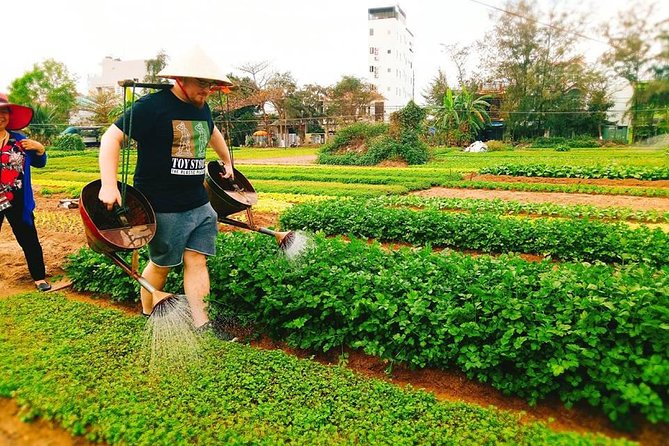
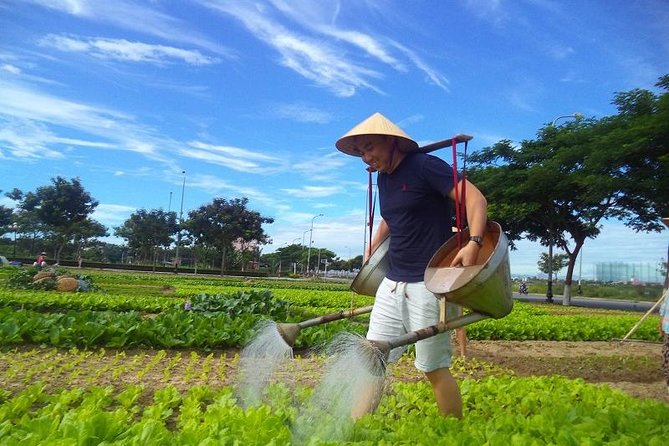
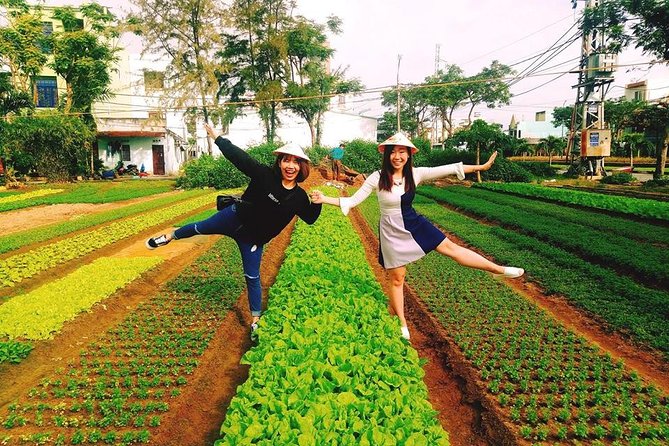
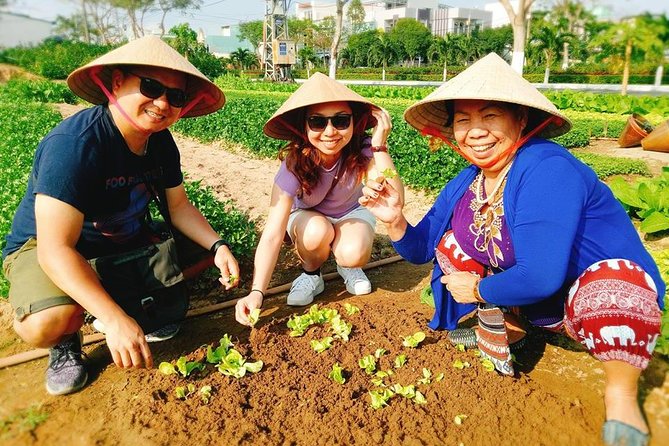
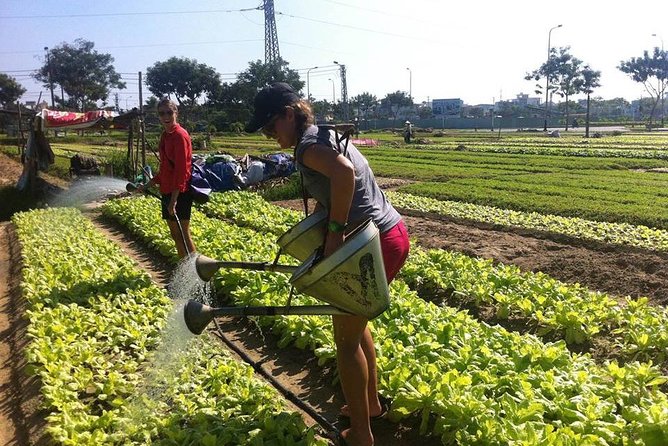
Your first stop is a vegetable garden. At about 8:30 AM or 2:30 PM, you join the farmers in preparing the land and growing vegetables. This is a useful opening because Vietnamese cooking depends heavily on fresh produce, herbs, and vegetables, not just on meat or seafood.
The garden also gives the class a physical starting point. You see where some of the food culture begins before you sit at the kitchen table. The description does not promise a large farm tour or a long agricultural lesson, so keep your expectations practical. Think of this as a short working visit, not a full farming attraction.
I like this part because it asks you to take part. You are not simply looking at plants from a path. The chance to help with land preparation makes the connection between farming and cooking clearer, especially if you spend most of your time in central Da Nang.
Wear clothes and shoes that can handle a little outdoor work. That is practical advice rather than a stated rule, but it follows from the activity itself.
Vietnamese Coffee at 9:00 AM or 3:00 PM
After the garden, the group pauses for Vietnamese coffee. The schedule places this at 9:00 AM for the morning class and 3:00 PM for the afternoon class.
This stop is not just a caffeine break. You learn about Vietnamese coffee culture, which gives the day a local rhythm. Coffee is part of ordinary social life in Vietnam, and learning how it fits into the day adds useful context before the market and cooking session.
The included drink and bottled water are welcome, particularly in Da Nang’s warm conditions. Still, the information does not specify the exact coffee style or how the lesson is presented, so do not book this expecting a dedicated coffee tasting.
For the morning group, coffee also creates a gentle pause after the garden. For the afternoon group, it breaks up the period between pickup and the later meal. If you do not drink coffee, ask about the available drink when you arrive. The tour includes a drink, but the exact alternative is not specified.
Shopping for Tropical Fruit in a Local Market
The market visit begins around 9:15 AM in the morning, or 3:15 PM in the afternoon. You browse tropical fruits and buy ingredients with the guide before heading to the cooking location.
This is one of the more useful parts of the experience because you learn through selection. Instead of seeing prepared dishes only, you look at the raw produce that shapes Vietnamese meals. The guide can also help explain what you are buying and how it will be used.
The market is described as local, which means you should expect a working food market rather than a polished food hall. That can mean close quarters, strong smells, and a faster pace, though the supplied information does not provide specific market conditions.
The fruit-shopping portion may also be lighter than a full market tour. The schedule allows only about 15 minutes before the group goes to the local house. If you want a long period for photographs or independent browsing, this class may feel structured.
I would keep your phone ready but listen closely. The value is in learning what the ingredients are and how they fit the meal, not in rushing from stall to stall collecting pictures.
More Home Cooking Classes in Da Nang:
- Khmer Cooking Class at a Local’s Home in Krong Siem Reap
★ 5.0 · 2,731 reviews - Local Home Korean Cooking Class & Market Adventure in Seoul
★ 5.0 · 1,024 reviews - Marrakech: Moroccan Cooking Class with a Local Family
★ 4.9 · 668 reviews - Mexican Cooking from Scratch in a Local Home in Tulum
★ 5.0 · 585 reviews
Four Dishes in a Local Home
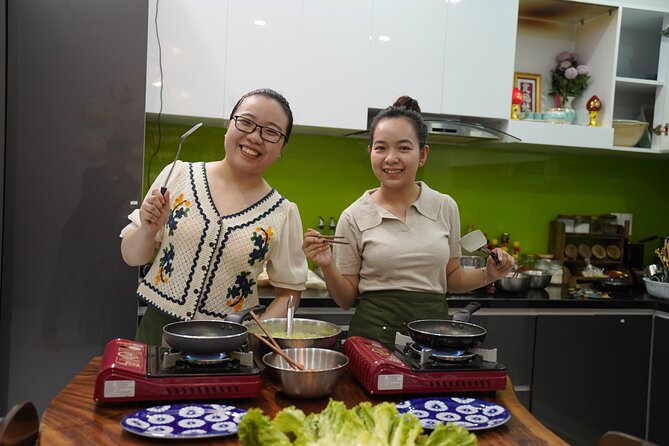
Around 9:30 AM or 3:30 PM, you move to a local house for the cooking lesson. You prepare four authentic Vietnamese foods, then eat lunch or dinner made by the group.
The sample dishes include deep-fried spring rolls, papaya salad, and fish soup. The fourth dish, and possibly the entire menu, can change with the season. That flexibility is sensible in a cooking class built around fresh produce, but it also means you should not treat the sample menu as a firm promise.
The lesson is designed for participation. You learn cooking techniques rather than watching a demonstration from a distance. That makes the class a good fit if you want to understand how Vietnamese dishes are put together, not merely taste them.
Deep-fried spring rolls offer practice with preparation and cooking technique. Papaya salad brings a fresh, crisp element to the meal. Fish soup gives you a chance to work with a broth-based dish. Together, these examples suggest a menu with different textures and styles, rather than four similar courses.
The setting matters. Cooking in a local house gives the class a more personal feel than a hotel demonstration kitchen. At the same time, the information does not promise a private class. The maximum group size is 15 people, so your level of individual help may depend on the final group size.
The guide and cooking teachers are praised for friendly instruction, fluent English, and a strong interest in local life and culture. Those qualities are important here. Clear language makes a major difference when you are handling unfamiliar ingredients or trying to follow several steps at once.
Recipes in English are included. Keep them safe in your luggage, especially if you hope to recreate the meal at home. The recipes may follow the seasonal menu, so they are most useful as a record of what you actually learn to cook.
Lunch or Dinner Made by You
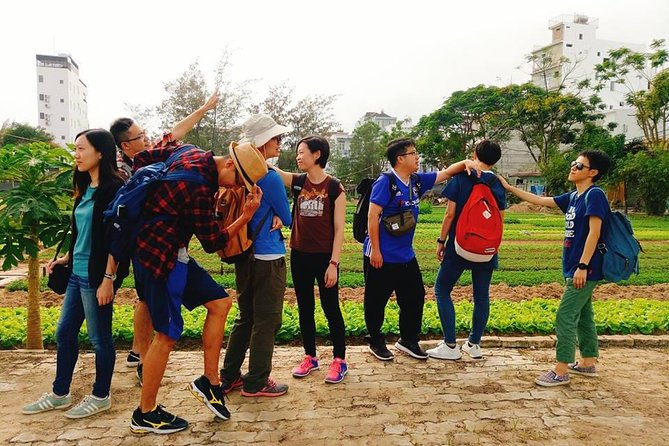
The meal is the payoff, but it is also part of the lesson. You eat the food you have prepared, which lets you judge the balance of flavors and the effect of each cooking step.
A home-cooked meal can be more satisfying than a restaurant tasting because you understand the work behind it. You also get a better sense of portion, texture, and seasoning when the dishes are made in front of you and by you.
Do not expect a long restaurant-style meal. The schedule says the tour ends between 12:00 and 12:30 PM for the morning class, and between 6:00 and 6:30 PM for the afternoon class. The meal fits into the cooking experience rather than replacing it.
If you have dietary needs, provide them when booking. A vegetarian menu is available, but you should clarify two points in advance: fish sauce and egg. The provider specifically asks vegetarian participants to say if they can eat either ingredient, since vegetarian cooking can still include one or both.
No other dietary arrangements are confirmed in the supplied details. Be clear and specific when you book rather than waiting until the class begins.
Choosing Morning or Afternoon
The morning class starts with hotel pickup between 8:00 and 8:30 AM, reaches the garden around 8:30 AM, and finishes around noon. This option gives you the rest of the day for other plans.
The afternoon class begins with pickup between 2:00 and 2:30 PM, visits the garden around 2:30 PM, and ends around 6:00 to 6:30 PM. This works well if you prefer a slower morning or want a cooking activity after sightseeing.
The two versions follow the same basic order: garden, coffee, market, cooking, and meal. The main difference is the time of day and whether you eat lunch or dinner.
I would choose the morning if you want to avoid filling your evening with a scheduled activity. Choose the afternoon if you are not an early riser or if your morning plans already include another Da Nang attraction. In both cases, allow a little flexibility around the pickup window.
Pickup Helps, but Plan Your Return
Hotel pickup in central Da Nang is included. That removes one of the most annoying parts of joining a food class, finding the starting point in an unfamiliar city.
The return trip is your responsibility. Drop-off is not included, so plan how you will leave the cooking location before the class begins. The exact ending point and transport arrangements are not provided here, which is a good reason to ask the provider for the local house location or the best way to arrange your return.
This is the clearest practical weakness of the experience. Pickup makes the morning easy, but no return service means you need a phone, local transport plan, or help from the guide at the end.
The group maximum is 15 people. That is not a private class, but it is limited enough to keep the activity more manageable than a large coach outing. A smaller final group would likely make hands-on instruction easier, while a full group could mean waiting for access to ingredients or cooking space.
Who Will Enjoy This Class Most
I would recommend this experience to foodies, curious first-time visitors, and people who want contact with ordinary local life. It gives you several kinds of activity in one half-day: gardening, coffee culture, market shopping, cooking, and eating.
It also suits couples, families, and small groups who want a shared task. Cooking gives everyone something to do, and the meal creates a natural end to the activity.
You should think twice if you dislike group instruction, outdoor work, or uncertain menus. The experience is active and structured, and the dishes can change with the season. It is not the right pick if you want to choose every dish in advance or spend most of the time eating.
The fluent English instruction is a major plus. One of the strongest points is the friendly approach of the guide and cooking teachers, along with their interest in explaining Da Nang’s local life and culture. That human contact is likely to matter as much as the recipes.
Booking, Dietary Needs, and Cancellation
Confirmation is provided at booking, and mobile tickets are supported. Tell the provider about dietary requirements when you reserve, especially if you need the vegetarian menu.
You can cancel for a full refund if you do so at least 24 hours before the start time. Changes or cancellations made less than 24 hours ahead are not accepted for a refund, and the cut-off uses Da Nang local time.
Because the class averages 31 days of advance booking, reserving ahead is sensible if your dates are fixed. The average booking pattern does not guarantee that every date sells out, but it suggests that this is not always a last-minute activity.
Should You Book the Da Nang Home Cooking Class?
Book it if you want to do more than eat Vietnamese food. The garden, market, coffee lesson, and home cooking give you a clear path from ingredient to finished meal, and the $42 price includes enough extras to make the package fair.
I especially like the hands-on format, the English recipes, and the friendly, fluent instruction. Just confirm your pickup area, explain dietary needs early, and arrange your own ride after the class.
Skip it if you need hotel drop-off, a fixed menu, or a fully private lesson. For everyone else, this is a practical way to spend half a day learning how Vietnamese food connects to farming, shopping, and home life.
FAQ
How long does the Da Nang Home Cooking Class last?
The experience lasts about four hours. The morning version ends around 12:00 to 12:30 PM, while the afternoon version ends around 6:00 to 6:30 PM.
Is hotel pickup included?
Yes. Pickup is included from hotels in central Da Nang. Drop-off after the experience is not included.
Can I choose a morning or afternoon class?
Yes. The morning class begins with pickup around 8:00 to 8:30 AM. The afternoon class begins around 2:00 to 2:30 PM.
What food will I cook?
The class includes four Vietnamese dishes. Examples include deep-fried spring rolls, papaya salad, and fish soup. The menu may change based on the season.
Is a vegetarian menu available?
Yes. A vegetarian option is available. Tell the provider when booking, and clarify if you can eat fish sauce or egg.
What is included in the $42 price?
The price includes hotel pickup in central Da Nang, a drink, bottled water, insurance, an English-speaking guide, all ingredients, and copies of the recipes in English.
Just added around Da Nang
- Full Day Da Nang Vietnamese Private Cooking Class Highlight Tour★ 5.0 · 5 reviews
- Home Cooking Class: Market, Garden and cooking 4 dishes★ 5.0 · 61 reviews
- Cooking Cycling and Pure Water Experience in Danang Rural Village★ 5.0 · 6 reviews
- Basket Boat Riding and Cooking Class from Da Nang City★ 5.0 · 2 reviews
- Market Tour, Basket Boat Ride & Cooking Class by Hangcoconut★ 4.8 · 95 reviews
- HOI AN Cooking Class and Lantern Workshop★ 4.7 · 6 reviews
- Da Nang Vegetarian Cooking and coffee Class★ 4.6 · 11 reviews
- Da Nang Family Cooking Class – with Local Family in Da Nang★ 4.3 · 4 reviews
Home Cooking Classes, compared.
Khmer Cooking Class at a Local’s Home in Krong Siem Reap
Read our review →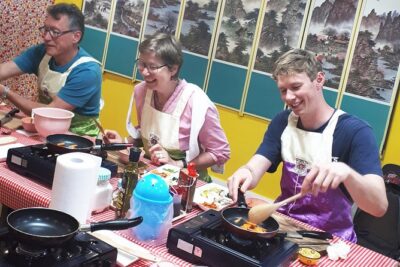
Local Home Korean Cooking Class & Market Adventure in Seoul
Read our review →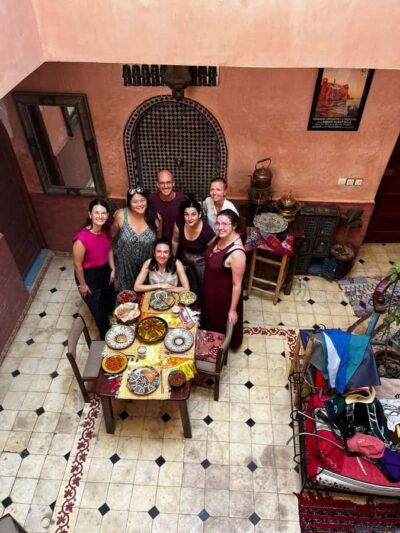
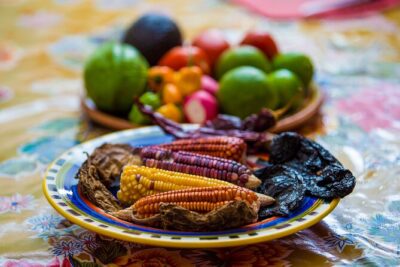
Mexican Cooking from Scratch in a Local Home in Tulum
Read our review →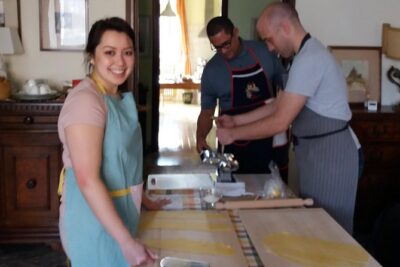
Pastamama, Home Cooking Classes at Grace’s Home
Read our review →
Traditional Cooking Class & meal with Local Family
Read our review →
Lists this class appears in