REVIEW · DONG BAC, VIETNAM
Hanoi Farm Tour and Cooking Class with Local Family
Leave Hanoi’s traffic behind. This four-hour visit to Dong Bac pairs a market dating to the Le King Dynasty with quiet farm fields and a home cooking lesson. I especially like the chance to see bitter melon, corn, pomelos, and bananas growing where they are used, then cook and eat with a Vietnamese family. The main drawback is transport: you must arrange your own taxi to the meeting point, about 18 kilometers west of Hanoi’s Old Quarter.
The private format is another strong point. You can ask questions freely at the market, on the farm, and in the kitchen instead of trying to keep up with a large group. I also like the clear choice of dishes, since the host sends a menu after booking. Just note that the host’s name appears as Mandy, Manh, and Sandy in different feedback, so confirm who will meet you.
Key points to know before booking
- A market with centuries of local trade: On market days, nearby villagers may bring pigs, chickens, ducks, cats, dogs, and bamboo baskets for sale.
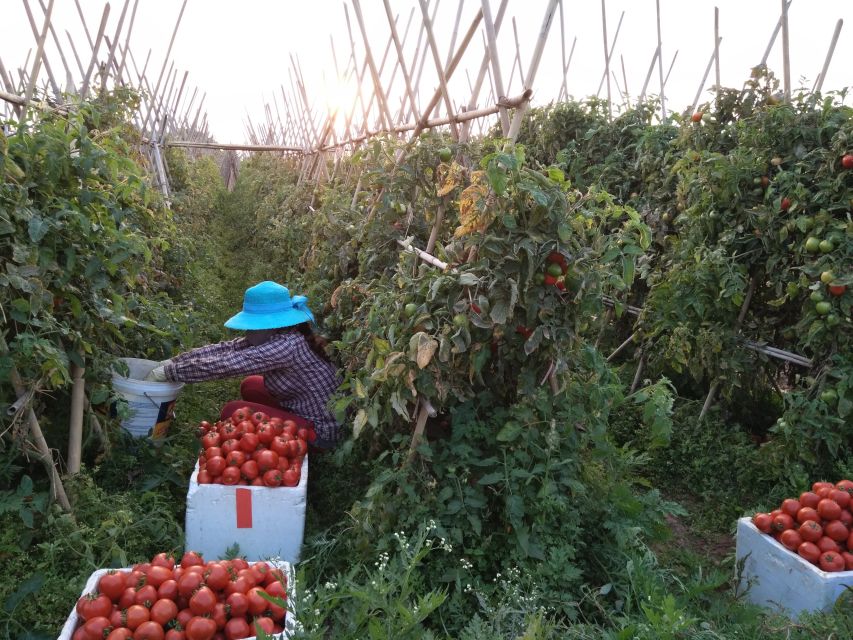
- Farm fields beside the market: You can see vegetables such as cabbage, cauliflower, soybeans, tomatoes, peas, and bitter melon growing in the soil.
- A real family kitchen: The cooking lesson takes place in a local home, with fresh produce, tea, traditional cake, and a shared meal.
- A private English-speaking host: The small setting gives you room to ask about food, farming, customs, and daily life.
- A four-hour escape from central Hanoi: The village is about 35 to 40 minutes from the Old Quarter by car, but hotel pickup is not included.
- Strong value at $43 per person: The price covers the host, market and farm visit, cooking class, food, and drinks.
From Hanoi’s Old Quarter to Dong Bac
The experience begins outside central Hanoi, at Đình Phương Viên on Đê Song Phương in Hoài Đức. From the Old Quarter, the village is roughly 18 kilometers away and takes about 35 to 40 minutes by car, depending on traffic.
That distance matters. You are not simply walking to the next street market. You are leaving the city’s dense streets for a rural area where farming still shapes the day. I like this change of pace because it gives the cooking class some context. The food is not just presented as a set of recipes. You first see the market and the crops that supply local kitchens.
You arrange your own taxi to the meeting point. The practical advice is to use a taxi, described as the cheapest and most comfortable way to reach the village. Hotel transfer is not included, and the activity ends back at the same meeting point, so allow time and money for the return ride to Hanoi.
The start time varies, so check availability before you book. Four hours is long enough for all three parts of the visit, but not so long that the outing takes over your whole day. It works well as a morning or afternoon plan, depending on the available departure.
More Farm Cooking Classes in Vietnam
- Hanoi: Village Farm Tour and Cooking Class with Lunch
★ 5.0 · 7 reviews - Mekong Day Trip Explore Village Bicycle CookingClass Group 12 Pax
★ 5.0 · 705 reviews - Cocolocal Farm Cooking Class with market tour and basket boat
★ 5.0 · 231 reviews
An old market with a very local rhythm
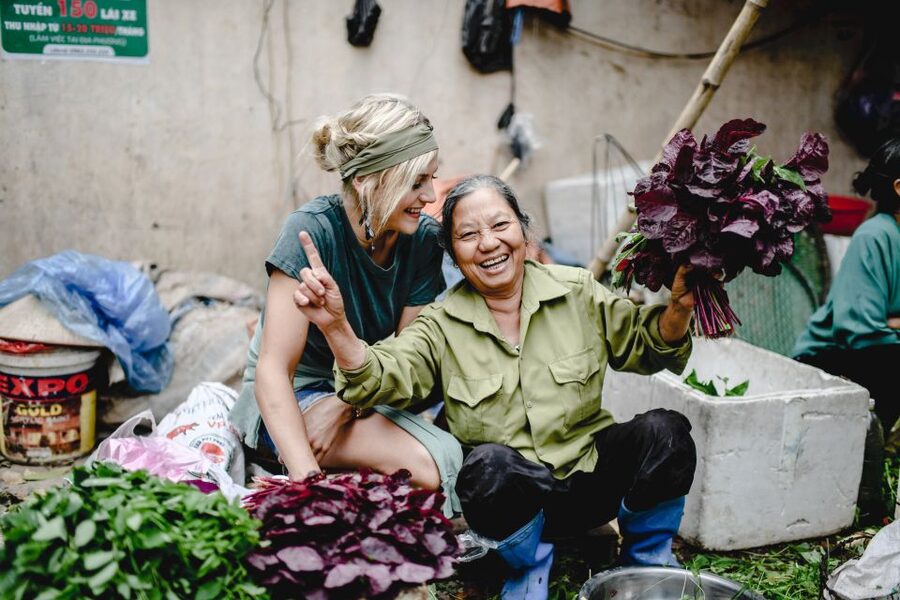
The first major stop is a famous market said to have operated since the Le King Dynasty of 1428. That gives it more than a pleasant old-world story. The market connects several surrounding villages, and on its main market days, people come to trade animals, produce, household goods, and handmade items.
If you visit on one of those market days, you may see dogs, cats, pigs, chickens, and ducks changing hands. Bamboo baskets add another useful detail to the scene. This is not a polished food hall designed for visitors. It is a place where village commerce still has a practical purpose.
You may also see old women chewing betel and areca nut, while blacksmiths work beside bright braziers. Those details make the visit more than a walk past stalls. They give you a look at customs and trades that can be hard to notice from Hanoi’s main sights.
Market days occur two or three times each week, but the exact days are not given here. Ask for the schedule when you book if seeing the animal trade and blacksmiths is important to you. If your visit falls on another day, the host takes you to a different local market selling fish, vegetables, fruit, and meat.
That alternative still has value. It may be less dramatic, but it gives you a closer look at the ingredients used in Vietnamese home cooking. You can speak with local people and ask the host to explain unfamiliar foods, shopping habits, and market customs.
I would not treat the market as a place for leisurely souvenir shopping. Its appeal lies in watching local trade and asking questions. The atmosphere can be busy and earthy, and the animal stalls may not suit everyone. If you are sensitive to livestock markets, keep that in mind before booking.
Walking through Dong Bac’s working farms
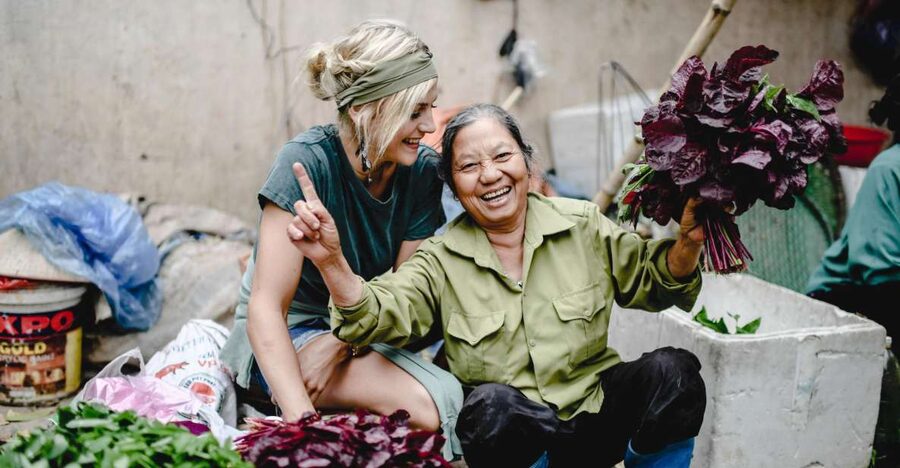
After the market, you walk to vegetable farms nearby. This is one of the best parts of the experience because you see food in the field before it reaches the chopping board.
The listed crops include bitter melon, corn, cauliflower, cabbage, tomatoes, green peas, and soybeans. In the fruit gardens, you may see oranges, pomelos, papayas, guavas, and bananas. The mix gives you a useful picture of local growing rather than focusing on one famous crop.
I like the connection between this stop and the cooking class. When you later prepare vegetables at the family home, you have already seen the kind of produce that supports village meals. It also gives you something concrete to ask about. You can speak with a working farmer about cultivation methods, seasonal work, and daily life.
Do not expect a formal agricultural lecture or a large demonstration farm. The appeal is the simple walk through active fields and gardens, guided by someone who knows the area. The setting is likely to feel much calmer than Hanoi, but the tour still involves walking outdoors, so comfortable shoes and protection from the sun make sense.
The farm visit also gives you a more honest look at rural life than a staged countryside display. You see rows of vegetables, fruit trees, and people working with the land. For anyone interested in how Vietnamese food begins, this stop may be more useful than another restaurant meal.
Cooking in a Vietnamese family home
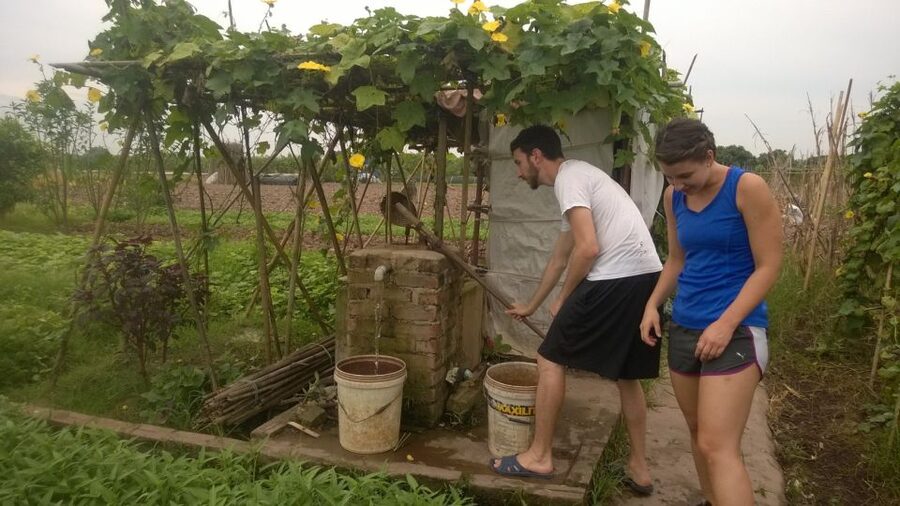
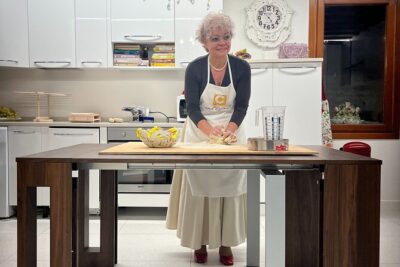
The final part takes place in a local home. You learn to prepare traditional dishes in the family kitchen, then sit down to eat what you have made.
This home setting is the heart of the experience. A restaurant can teach you ingredients and technique, but a family kitchen adds customs, conversation, and the small habits that shape a meal. You may have the chance to talk about Vietnamese family life, share your own culture, and see how food fits into everyday routines.
The host sends a detailed menu after booking, allowing you to choose from several dishes. That is a useful feature because it lets you shape the lesson around your interests. It also avoids the common problem of arriving at a cooking class without knowing what you will prepare.
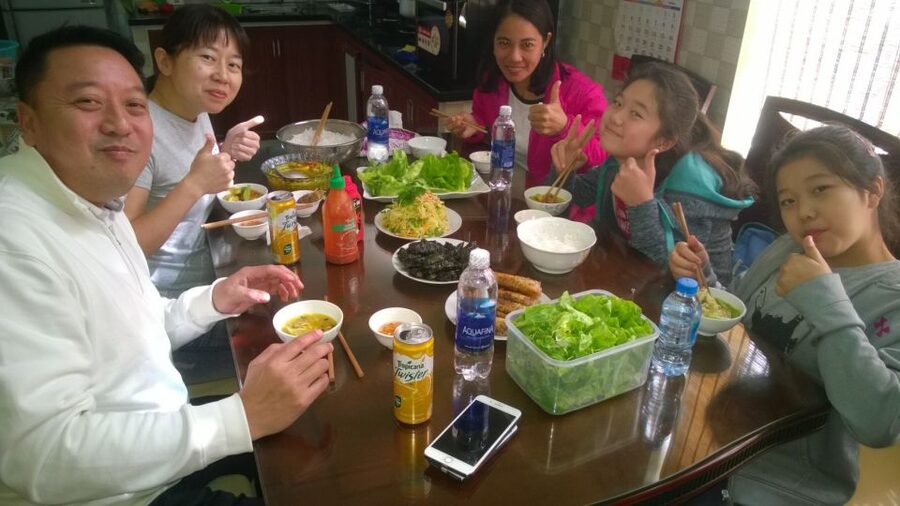
The meal includes fresh local vegetables, fruit, tea, and traditional cake, along with the dishes you cook. Feedback places strong emphasis on the food quality, with one person calling the home-cooked meal the best food they had in Vietnam. Another described the lesson as hands-on, with participants preparing vegetables under the host’s guidance.
You should expect to take part rather than sit and watch. The activity is designed around preparing food with the host, then eating together. That makes it a good choice if you enjoy practical experiences and do not mind getting involved in kitchen work.
The family setting can also be a little less predictable than a professional cooking school. Kitchen space, pace, and conversation may vary. That is part of its appeal, but it may not suit you if you want a polished demonstration, printed recipes, or a strictly timed class.
More Home Cooking Classes in Vietnam
- Hoi An: Traditional Cooking Class & meal with Local Family
★ 4.9 · 396 reviews - Da Nang Authentic Home Cooking Class
★ 5.0 · 354 reviews - Hoi An: Vegetarian Cooking Class w Local Family and transfer
★ 4.9 · 145 reviews - My Grandma’s Home Cooking Class in Hoi An
★ 5.0 · 124 reviews
The hosts and the private format
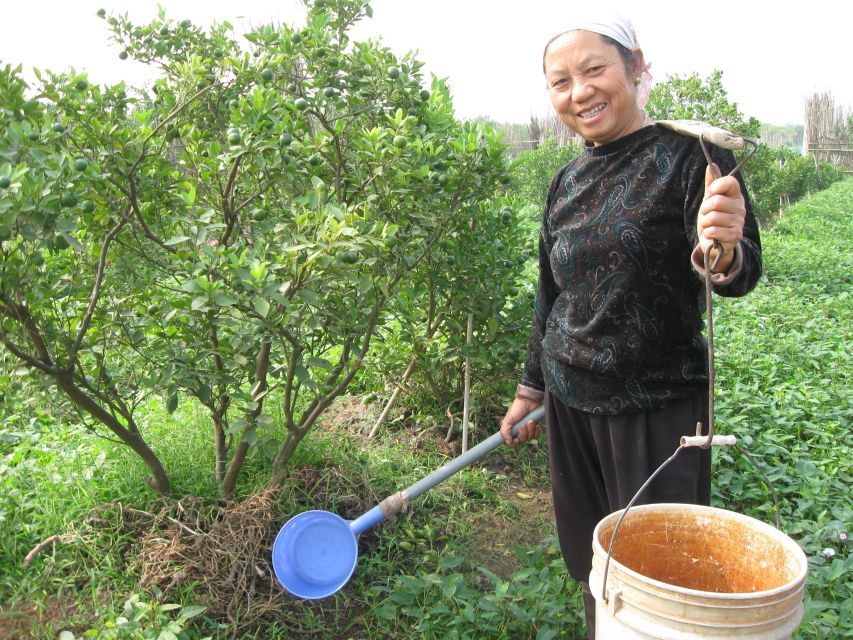
The activity includes a private English-speaking local host. Feedback describes the host as friendly, easygoing, and clear when explaining the market, farming, and food. The names Mandy and Manh appear in the available comments, while another person refers to Sandy. I would confirm the host’s name and meeting details after booking.
A private group changes the feel of the day. You can pause at a stall, ask about an ingredient, or spend more time discussing farming without holding up strangers. Families, couples, and small groups who value conversation will get the most from this setup.
The host’s role is not limited to translating signs or leading you from one stop to another. The strongest part of the experience is the explanation of how the market works, how crops are grown, and how a home meal comes together. You get a local point of view instead of a standard sightseeing script.
English is the listed language. If you want to discuss a very specific farming technique or family custom, keep your questions clear and simple. The experience is built around conversation, so curiosity will improve the day.
Is $43 per person good value?
At $43 per person, the cost is reasonable for a private four-hour experience that includes a local host, market visit, farm walk, cooking class, meal, and drinks. You are paying for several activities in one outing, plus access to a family home that would be difficult to arrange on your own.
The value is strongest if you would otherwise pay separately for a cooking class and a countryside trip. Here, the market and farm visit explain the food before you prepare it. The meal also replaces one restaurant lunch or dinner, although you still need to pay for taxis to and from the village.
The price is less attractive if you only want a quick cooking lesson in central Hanoi. The extra drive is part of the experience, and the village meeting point requires planning. You also need to weigh the less polished setting against a cooking school designed for tourism.
For me, the key question is not simply how much food you receive. It is how much local contact you want. The market, farm, and family kitchen create a fuller picture of village life than a class held in a city restaurant.
Who should book this experience?
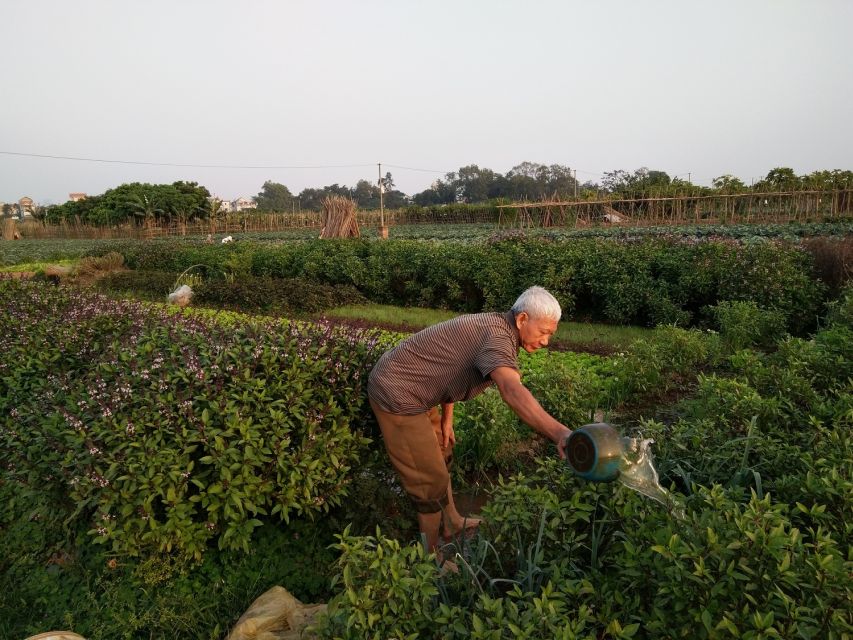
I would recommend this outing to people who want to understand where Vietnamese food comes from, not just eat it. It suits food lovers, families, couples, photographers, and anyone who enjoys talking with local people in a relaxed setting.
It is also a good fit if you have already seen Hanoi’s main sights and want a change of scenery. The farm fields offer quiet space after the city, while the market provides a close look at rural trade.
You may want to skip it if you dislike animal markets, prefer hotel pickup, or want a highly polished cooking school with fixed lesson times. It is not listed as suitable for pregnant women, so take that restriction seriously.
Plan your transport early, ask about the market-day schedule, and read the menu before choosing your dishes. Those three steps will help you get the most from the four-hour visit.
FAQ
Where does the experience start?
It starts at Đình Phương Viên, Đê Song Phương, Hoài Đức, Hà Nội.
How far is the village from Hanoi’s Old Quarter?
The village is about 18 kilometers from Hanoi’s Old Quarter and takes roughly 35 to 40 minutes by car.
Is hotel pickup included?
No. Hotel transfer is not included. A taxi to the village meeting point is recommended as the cheapest and most comfortable option.
How long does the experience last?
The activity lasts four hours. Starting times vary, so check availability before booking.
What happens if I do not visit on a market day?
You visit another local market selling produce such as fish, vegetables, fruit, and meat.
What does the price include?
The $43 price includes a private English-speaking host, the market and farm visit, the cooking class, the meal, and drinks.
Is the activity private?
Yes. It is offered as a private group experience with a live English-speaking local host.
Is the activity suitable for pregnant women?
No. The activity is listed as not suitable for pregnant women.
More Farm Cooking Classes in Hanoi
- Half-Day Thai Cooking Class at Organic Farm in Chiang Mai
★ 5.0 · 19,087 reviews - Cooking Class and Lunch at a Tuscan Farmhouse with Local Market Tour from Florence
★ 5.0 · 4,831 reviews - Chiang Mai: Authentic Cooking Class with Market & Farm Visit
★ 4.9 · 4,546 reviews - Ubud: Balinese Cooking Class at an Organic Farm
★ 5.0 · 1,786 reviews
More Home Cooking Classes in Hanoi
- Khmer Cooking Class at a Local’s Home in Krong Siem Reap
★ 5.0 · 2,731 reviews - Local Home Korean Cooking Class & Market Adventure in Seoul
★ 5.0 · 1,024 reviews - Marrakech: Moroccan Cooking Class with a Local Family
★ 4.9 · 668 reviews - Mexican Cooking from Scratch in a Local Home in Tulum
★ 5.0 · 585 reviews
Just added around Hanoi
- Hanoi: Vegan Vietnamese Cooking Class in a Local Villa★ 5.0 · 42 reviews
- Hanoi: Vietnamese Cooking Class- Market Tour with Local Chef★ 5.0 · 2 reviews
- Hanoi: Village Farm Tour and Cooking Class with Lunch★ 5.0 · 7 reviews
- Hanoi Vegan Cooking Class: A Vietnamese Culinary Adventure★ 4.8 · 5 reviews
- Hanoi Food Adventure: Vietnamese Market Tour & Cooking Class★ 4.8 · 5 reviews
- Hanoi’s Culinary: Authentic Cooking Class and Local Market★ 4.8 · 5 reviews
- Hanoi Cooking Class in Haven of Tranquility – Thom culinary★ 5.0 · 3 reviews
- Hanoi Cooking Class: Market Tour, Free Recipe & Beverages★ 5.0 · 10 reviews
Home Cooking Classes, compared.
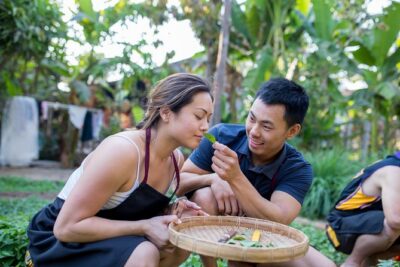
Khmer Cooking Class at a Local’s Home in Krong Siem Reap
Read our review →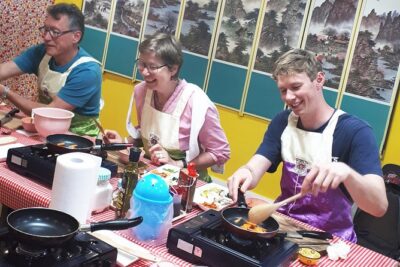
Local Home Korean Cooking Class & Market Adventure in Seoul
Read our review →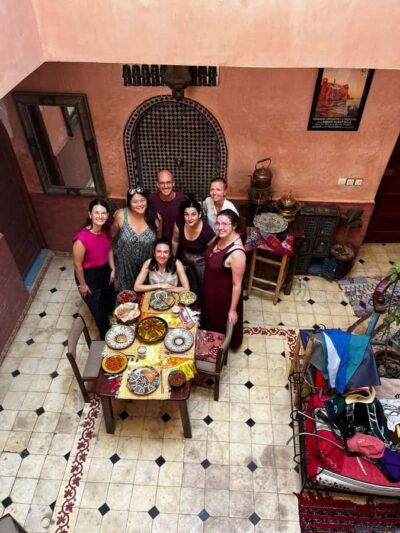
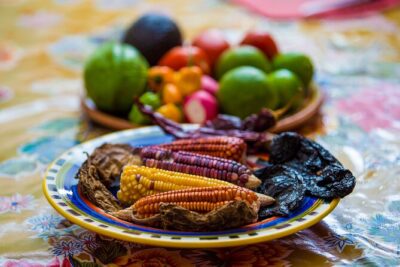
Mexican Cooking from Scratch in a Local Home in Tulum
Read our review →
Pastamama, Home Cooking Classes at Grace’s Home
Read our review →
Traditional Cooking Class & meal with Local Family
Read our review →