REVIEW · TUSCANY, ITALY
Florence: Cooking Class with Local Food Market Tour
Come hungry, leave with pasta skills. This Florence cooking class pairs a guided visit to the Central Market with a hands-on lesson in fresh pasta, lasagna, sauces, and tiramisù. I especially like the market tastings and the chance to cook beside local chefs rather than watch a long demonstration. The main drawback is timing: the full experience can last up to five hours, and Sunday departures may not include the market.
I also like the friendly, social setup. Small groups can lead to plenty of help from the chef, and solo visitors have an easy way to meet people over pasta and Chianti. Just arrive 15 minutes early, since late arrivals are not accepted and no refund is offered for missing the start.
Key points at a glance
- Taste before you cook: Try seasonal specialties such as cheese, cured meats, olive oils, balsamic vinegar, and truffle products at Florence’s Central Market.
- Make the meal yourself: The class is fully hands-on, with fresh pasta, sauces, traditional lasagna, and tiramisù.
- Learn from named local chefs: Alice, Roberta, Victoria, Federico, Alicia, and others have earned praise for patience, humor, and clear instruction.
- Expect a proper Italian meal: Sit down with the food you prepared, accompanied by Tuscan wine and a sweet dessert wine.
- Plan for a long morning or afternoon: The main option lasts three to five hours, and some sessions have run closer to six hours.
- Bring dietary details to the booking: Vegetarian alternatives are available, but the class is not suitable for vegans or people with gluten intolerance.
Start at Florence’s Central Market
The market tour gives this cooking class a useful beginning. Instead of walking straight into a kitchen and handling ingredients without context, you first see where many of the foods associated with Italian cooking are sold.
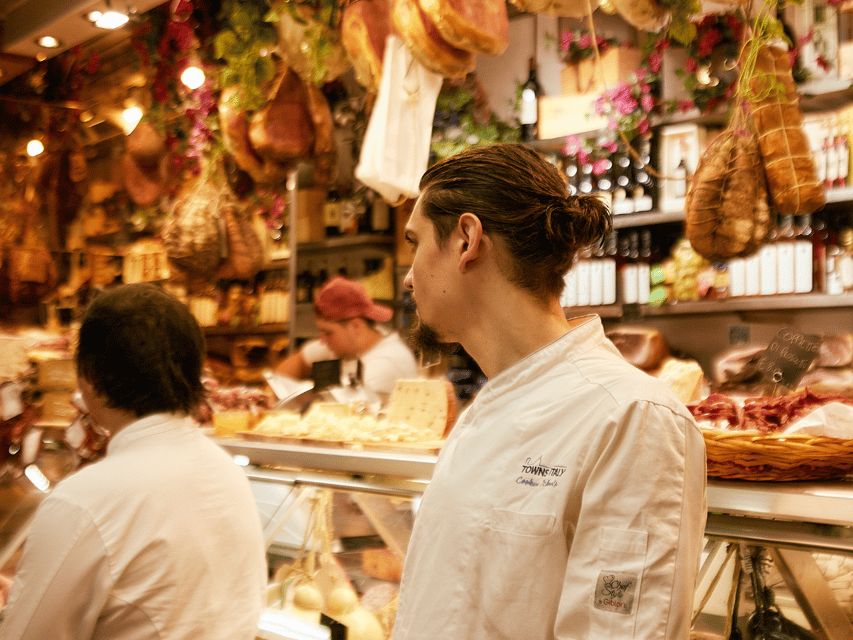
A local chef leads you through the historic Central Market, pointing out seasonal produce and explaining how Italian shoppers choose ingredients. The useful part is not simply seeing rows of food. You learn how to ask about quality, compare products, and think about food in the way a local cook might.
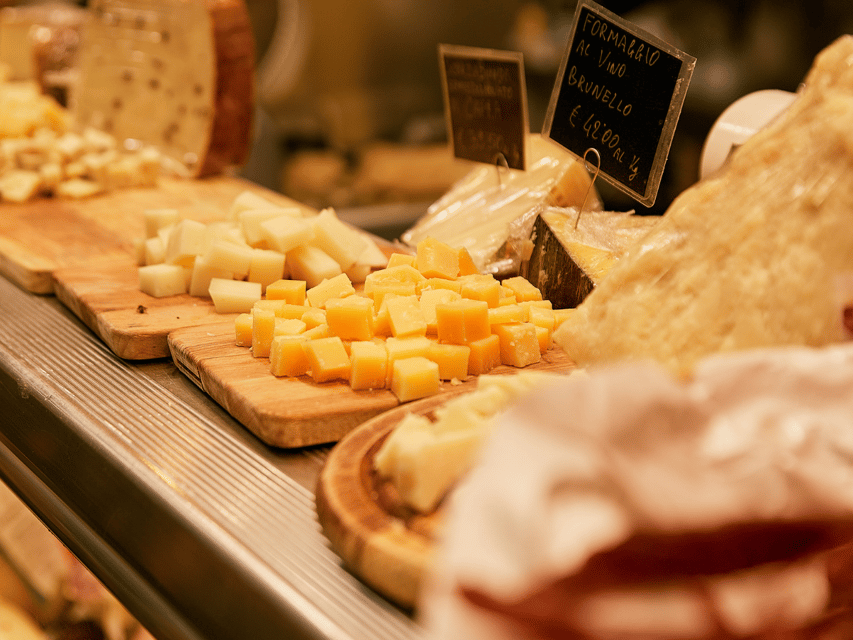
The tastings add real value. Depending on the day, you may sample artisanal cheeses, cured meats, olive oils, balsamic vinegar, porcini, or truffle-based products. One market stop includes a truffle specialist named Emily, whose explanations about oils, vinegar, and truffle products have been a favorite part of the experience for many participants.
I like this section because it gives you a better understanding of what follows. When you later work with pasta, ragù, sage butter, or seasonal sauces, the dishes feel connected to the market rather than pulled from a generic cooking-school menu.
There is one important limitation. Florence’s Central Market is closed on Sunday, so a Sunday class may skip the market and spend more time cooking instead. That is not necessarily a poor substitute, especially if you want extra kitchen time, but you should check the day before booking if the market visit is essential.
The market can also be noisy. One large group found it hard to hear the guide at the back, particularly in narrow walkways. Staying close to the chef is smart, and a smaller group should make the commentary easier to follow.
More Cooking Classes with a Market Tour in Florence
- Cooking Class and Lunch at a Tuscan Farmhouse with Local Market Tour from Florence
★ 5.0 · 4,831 reviews - Small Group Cooking Class & Market Food Tour in Florence
★ 5.0 · 1,574 reviews - Pasta and Tiramisu Cooking Class with optional Local Market Tour
★ 5.0 · 515 reviews
A hands-on kitchen, not a cooking demonstration
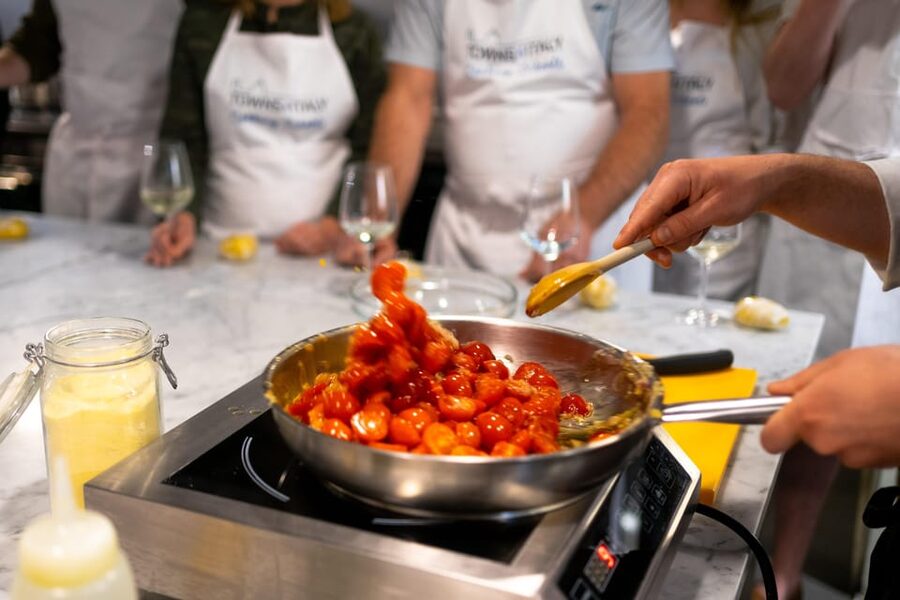
Back at the cooking school, you work beside the chef. The format is practical: mix, knead, roll, shape, assemble, and cook. You are not simply watching a professional prepare lunch while you take notes.
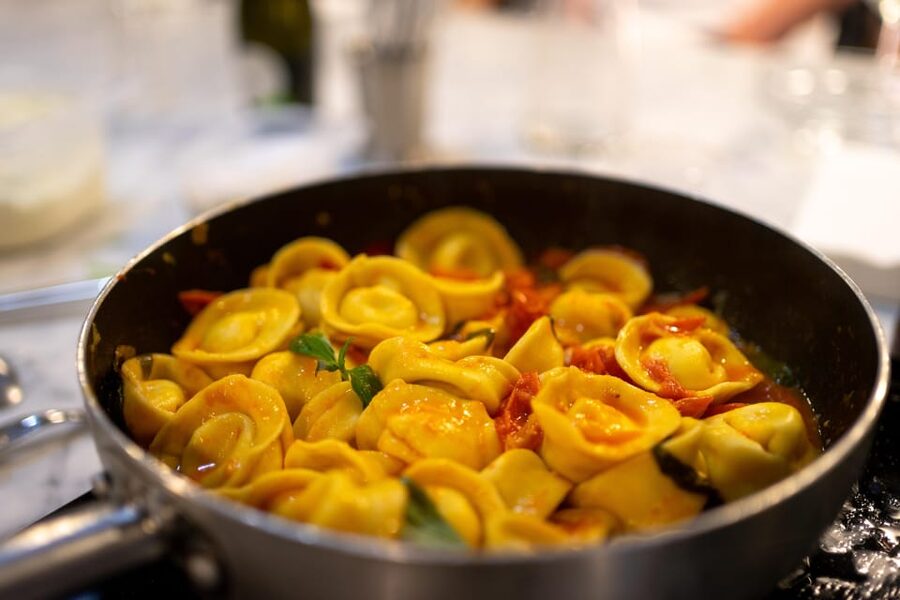
The exact menu can vary, but the main class includes fresh pasta, traditional Nonna’s lasagna, sauces, and tiramisù. Several sessions have included two pasta styles, such as ravioli and tagliatelle, along with a meat ragù, pesto, or another seasonal sauce.
Fresh pasta is usually the most satisfying part of the class. You learn how dough should feel, how to roll it, and how to shape it into different forms. The chefs also explain small but important techniques, such as how to handle fillings and how to pair pasta with a sauce.
Federico has been praised for giving clear tips on preparing pasta. Alice is often described as both funny and patient, while Roberta combines instruction with a relaxed manner. Victoria has guided families through the process with a steady hand, and Alicia has helped participants understand local methods and Tuscan cooking traditions.
The staff changes by session, so your chef may be someone else. That is worth keeping in mind, but the repeated praise for the teaching team points to a consistent strength: the instructors are not just cooks who happen to be present. They actively help, explain, and keep the group moving.
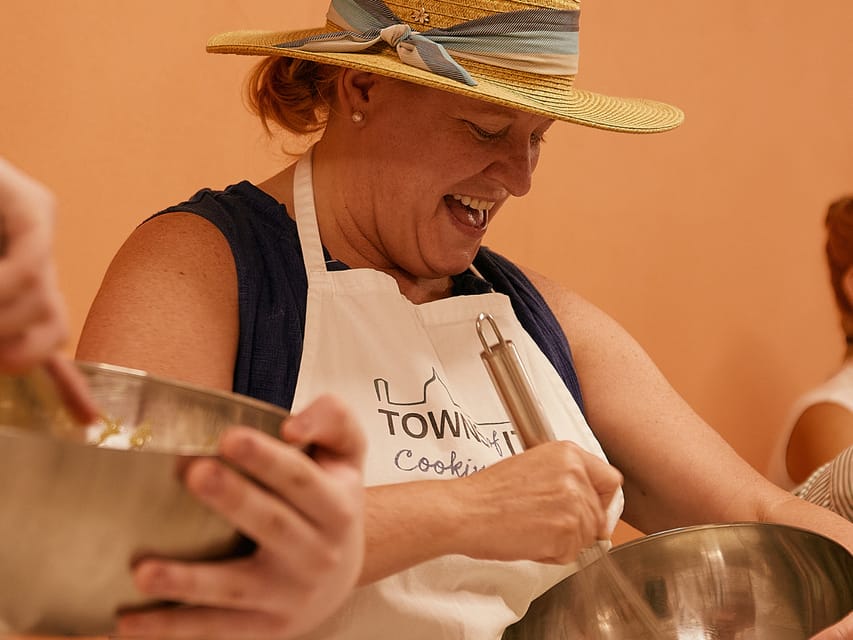
The cooking is collaborative. You may prepare some sauces as a group while making your own pasta or tiramisù individually. One participant expected every dish to be made entirely alone, but found the shared format fun and well paced. That is a fair description of what to expect: this is a group kitchen with real participation, not a private lesson.
Nonna’s lasagna and the meaning of Italian comfort food
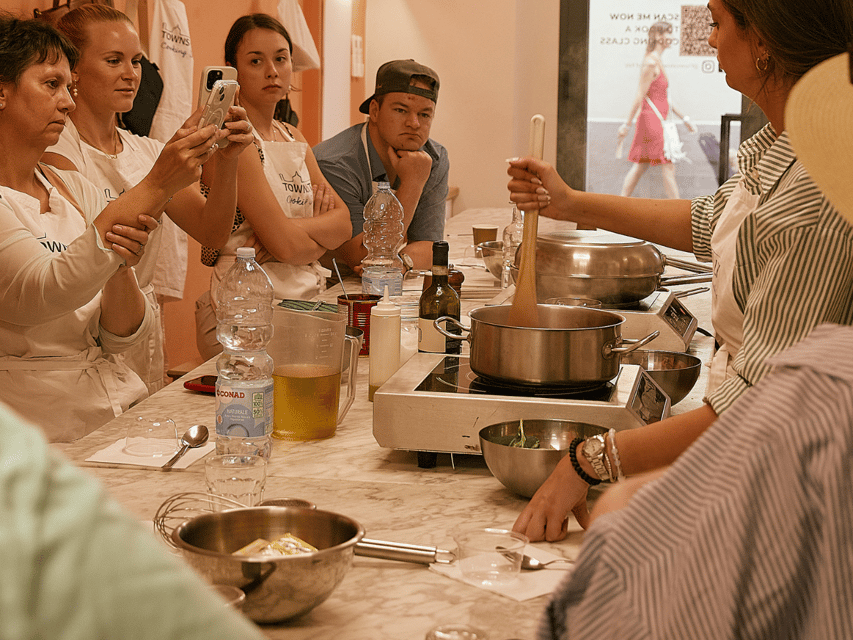
The lasagna workshop is presented as a traditional family recipe, built from fresh pasta and Bolognese ragù. The appeal is less about learning a restaurant trick and more about seeing how basic ingredients become a celebratory family dish.
The class connects the recipe with the idea of Nonna Wilma, whose family cooking tradition is part of the school’s identity. That gives the lesson a personal frame. You are not only following steps from a printed card. You are hearing why certain methods matter and how a dish fits into Italian home cooking.
The recipe is described as a handmade, UNESCO-protected treasure. The UNESCO reference should not be read as meaning the individual class or a single pan of lasagna has a UNESCO designation. It refers to the cultural importance of handmade pasta traditions associated with Italian food culture.
For you, the practical benefit is simple: lasagna becomes less mysterious. You see how the pasta, sauce, and filling work together, and you leave with instructions that can be used again at home.
Tiramisù brings a sweet finish
Tiramisù is made from scratch during the class. This gives you a second kind of lesson after the more physical work of rolling pasta.
The process includes preparing the coffee element, building the dessert, and learning how the ingredients come together. One group asked for a version without coffee and received an alternative, which suggests that the chef may be able to adjust the recipe when you explain your needs ahead of time.
The tiramisù also helps keep the class varied. You are not spending the entire session on dough, and the dessert can be prepared while other food is resting or cooking. That gives the day a natural rhythm of active work, waiting, tasting, and conversation.
More Cooking Classes with a Market Tour in Italy
- Florence: Cooking Class at a Tuscan Farm & Local Market Tour
★ 4.9 · 354 reviews - Florence: Market to Table Cooking Lesson
★ 4.6 · 96 reviews - Florence: Market Visit and Cooking Class
★ 4.4 · 16 reviews - Florence: Market and Cooking Class at a Local’s Home
★ 5.0 · 9 reviews
Sit down to the meal you made
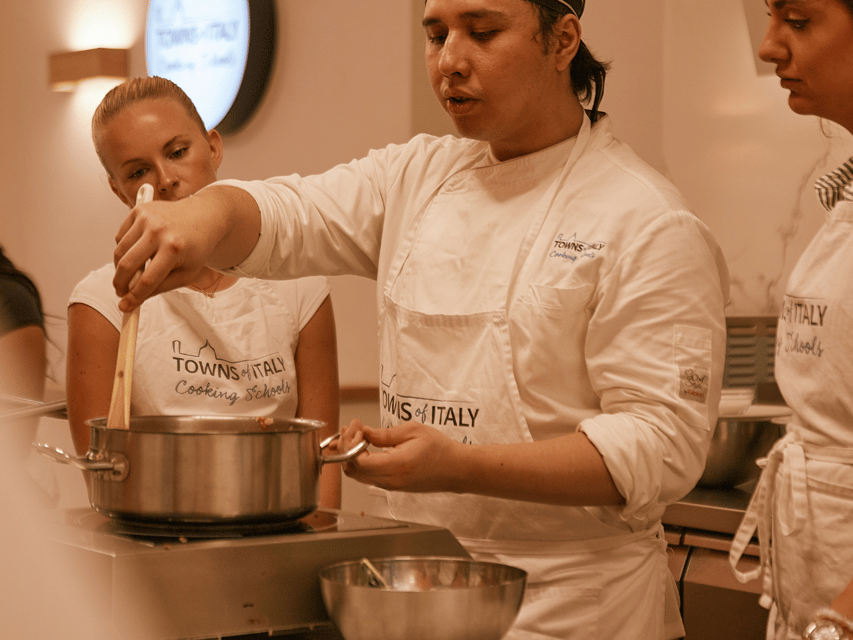
The class ends around the table with the food prepared during the session. This is where the experience feels most rewarding. You are not rushing off with a small sample. The meal is a proper shared lunch or dinner, with Tuscan wine and a sweet dessert wine.
Chianti is served as part of the meal, and wine is also available during the social portions of the class. If you do not drink alcohol, check the arrangements when booking, since the included pairing is a central part of the meal.
The table setting encourages conversation with the other participants. Couples, families, and solo visitors can all fit the format. A family with grandparents, teenagers, and a 10-year-old found the class workable for several generations, while solo participants have used the meal as an easy way to meet people.
The food itself is the best souvenir. Several people found the pasta they made as good as, or better than, dishes they ate elsewhere in Italy. That is partly the freshness of the ingredients and partly the satisfaction of having shaped the meal yourself. Still, keep expectations sensible: you are cooking in a group, so the experience is designed for shared enjoyment rather than perfect restaurant precision.
How much time and money should you allow?
The advertised price is $63 per person, with a duration of three to five hours. That is a strong value if you want several activities in one booking: a market walk, food tastings, a cooking lesson, a full meal, wine, recipes, and a certificate.
The price is especially fair for visitors who would otherwise pay separately for a market tasting and a cooking class. You also avoid buying all the ingredients, since the food, tools, and kitchen equipment are provided.
The time commitment is more significant than the price. A full class can occupy much of your morning or afternoon, and one extended session lasted about six hours. Food is not always served early, so eat breakfast first if you book a morning class. One participant specifically advised having coffee and breakfast before arriving because lunch came around 1 p.m.
The shorter alternatives are useful if your schedule is tight. You can switch to a three-hour pasta and gelato class without the market tour, or choose a cappuccino and tiramisù session. The shorter options still include hands-on work and recipes, but they do not offer the full market-to-table experience.
Who will enjoy this Florence class most?
I would recommend the full version to you if food is one of your main ways of understanding a place. The market gives you contact with local ingredients, and the kitchen turns that contact into a meal you can repeat at home.
It also works well for families. The tasks can be shared across ages, and the instructors are used to helping beginners. Teenagers who are not especially interested in cooking may still enjoy the social format and the chance to eat what they made.
Solo visitors should consider it, too. Small groups create natural conversation, and the shared table removes the awkwardness of eating alone. The most praised chefs, including Alice, Roberta, Victoria, and Federico, are described as warm, funny, and patient, which matters when you are learning in front of strangers.
You do not need advanced cooking skills. The class is designed for participation, and the chefs guide you through the stages. You should enjoy active work, though. If you prefer to watch a chef do everything, this may feel more demanding than expected.
Who should choose another activity?
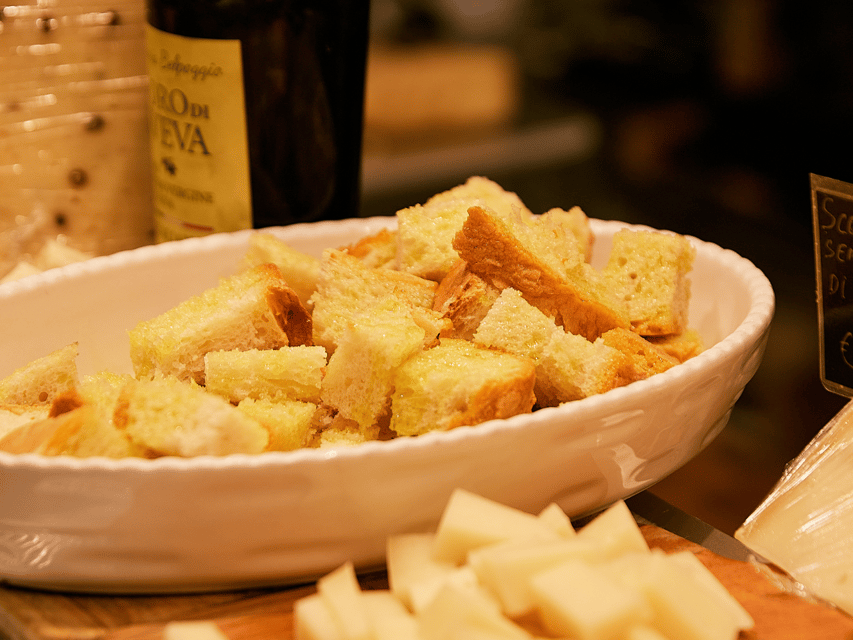
The class is not suitable for vegans. Vegetarian alternatives are available, but you must request them in advance.
It is also not suitable for people with gluten intolerance or celiac disease. Fresh pasta and other wheat-based foods are central to the class, and the provider specifically says the activity cannot accommodate celiac participants.
Mobility may also be a concern. The activity includes walking through the market and working in a kitchen, and it is listed as unsuitable for people with mobility impairments. If you have special mobility needs, contact the provider before booking, since accommodations may be considered but are not guaranteed.
Children and teenagers under 18 must be accompanied by at least one adult. Pets are not allowed.
What you take home besides the certificate
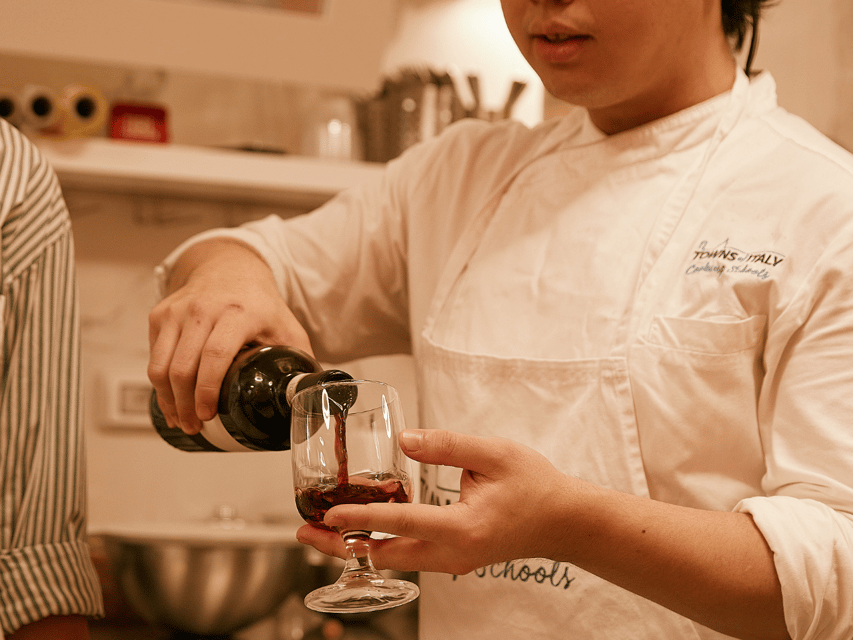
The digital recipe booklet is more useful than a simple souvenir certificate. It gives you a way to repeat the pasta, sauces, lasagna, and tiramisù at home.
That follow-up matters because the class moves quickly. You may remember the general method but forget the details, such as the feel of the dough or the order for assembling a dish. Having the recipes by email lets you cook again while the techniques are still fresh in your mind.
The graduation certificate is a pleasant extra, especially for children and families. It is not a formal culinary qualification, but it marks the occasion and gives you something tangible from the day.
Practical tips before you book
Book the full market version if the Central Market is a major reason you are interested. Check the scheduled day carefully, since Sunday departures may not include the market.
Arrive at least 15 minutes early. The group leaves at the exact scheduled time, and late arrival can mean missing the activity with no refund.
Tell the provider about allergies, intolerances, vegetarian needs, or special requirements in advance. Vegetarian and alternative recipes are included, but last-minute requests are harder to manage in a shared kitchen.
Wear comfortable clothing and shoes suitable for several hours of walking and standing. The specific dress rules are not provided, but the combination of market tour and kitchen work makes comfort sensible.
Should you book this cooking class?
I would book it if you want more than a quick pasta lesson. The Central Market visit, tastings, hands-on cooking, shared meal, wine, and take-home recipes create a full half-day in Florence for $63 per person.
Choose it with confidence if you are a beginner, a family, a couple, or a solo visitor who likes meeting people. The chefs receive especially strong praise for humor, patience, and clear instruction, and the food is a satisfying reward for the work.
Skip the full option if you are vegan, gluten-intolerant, unable to manage the walking and kitchen activity, or short on time. In that case, check the shorter pasta and gelato or cappuccino and tiramisù options, provided they fit your dietary needs. For everyone else, this is a practical way to turn Florence’s food culture into something you can taste, make, and carry home.
FAQ
How much does the Florence cooking class cost?
The listed price is $63 per person.
How long does the experience last?
The main experience lasts between three and five hours, although some sessions may run longer.
Is the Central Market tour included?
Yes. The full option includes a guided tour of Florence’s historic Central Market with tastings of seasonal local specialties.
Does the market tour run on Sundays?
The Central Market may be closed on Sundays, so Sunday classes may replace the market visit with additional cooking time.
Is the cooking class fully hands-on?
Yes. You work alongside a professional chef and prepare the food rather than only watching a demonstration.
What will I cook?
The class includes fresh pasta, traditional lasagna with Bolognese ragù, sauces, and tiramisù. The precise pasta shapes and sauces may vary.
Is wine included?
Yes. The meal includes Tuscan wine, along with a sweet dessert wine.
Are vegetarian options available?
Yes. Vegetarian and other alternative recipes are available, but you should request them when booking.
Is the class suitable for vegans or people with gluten intolerance?
No. The activity is not suitable for vegans or people with gluten intolerance, and it is specifically not suitable for people with celiac disease.
Can children join the class?
Yes, but anyone under 18 must be accompanied by at least one adult.
More Food Trips in Florence
- Undiscovered Charleston: Half Day Food, Wine & History Tour with Cooking Class
★ 5.0 · 948 reviews - Vietnamese Food Cooking Class in Hanoi with Market Experience
★ 5.0 · 778 reviews - Milan: Italian Cooking Class with Food and Wine
★ 4.7 · 509 reviews - Mexican Cooking Class with Food Market Visit in Mexico City
★ 5.0 · 506 reviews
More Food and Drink Trips in Florence
- Florence: Art of Pasta Cooking Workshop with Food and Wine
★ 5.0 · 69 reviews - Pasta Making & Wine Tasting with Dinner in Frascati from Rome
★ 5.0 · 1,326 reviews - Paella Cooking Class, Wine Tasting & Central Market in Valencia
★ 5.0 · 1,150 reviews - Athens: Food Market Visit and Cooking Class with Wine
★ 4.9 · 1,087 reviews
Just added around Florence
- Florence: Art of Pasta Cooking Workshop with Food and Wine★ 5.0 · 69 reviews
- Pasta Cooking Experience in Florence★ 4.8 · 139 reviews
- MasterSteak: Tuscan Steak Cooking Class with Unlimited Wine★ 5.0 · 2 reviews
- Florence: Market Visit and Cooking Class★ 4.4 · 16 reviews
- From Livorno: Authentic italian Pasta Cooking Class★ 5.0 · 3 reviews
- Florence Cooking Class: Ravioli & Pasta & Wine + Gift Apron★ 5.0 · 5 reviews
- Florence: Traditional Pizza and Gelato Cooking Class + Wine★ 5.0 · 2 reviews
- Florence:Dolce Vita by Day Market Tour & Pasta Making Class★ 5.0 · 2 reviews
Cooking Classes with a Market Tour, compared.
Hanoi Cooking Class: Culture, Local Market & Meaning CSR Impact
Read our review →
5 Traditional Dishes Hanoi Cooking Class with Market Trip
Read our review →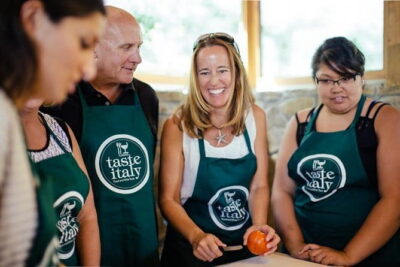
Cooking Class and Lunch at a Tuscan Farmhouse with Local Market Tour from Florence
Read our review →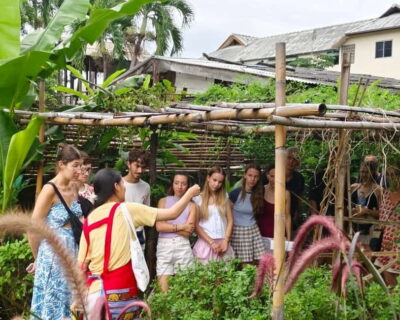
Cooking Class, Market & Thai Herbs Garden Tour
Read our review →
Authentic Cooking Class with Market & Farm Visit
Read our review →
Paella Cooking Experience & Boqueria Market Tour
Read our review →
Cooking Class Hoi An:Local Market, Basket Boat, Fishing & Cooking
Read our review →