
REVIEW · ADDIS ABABA METROPOLITAN AREA, ETHIOPIA
Ethiopian cooking class
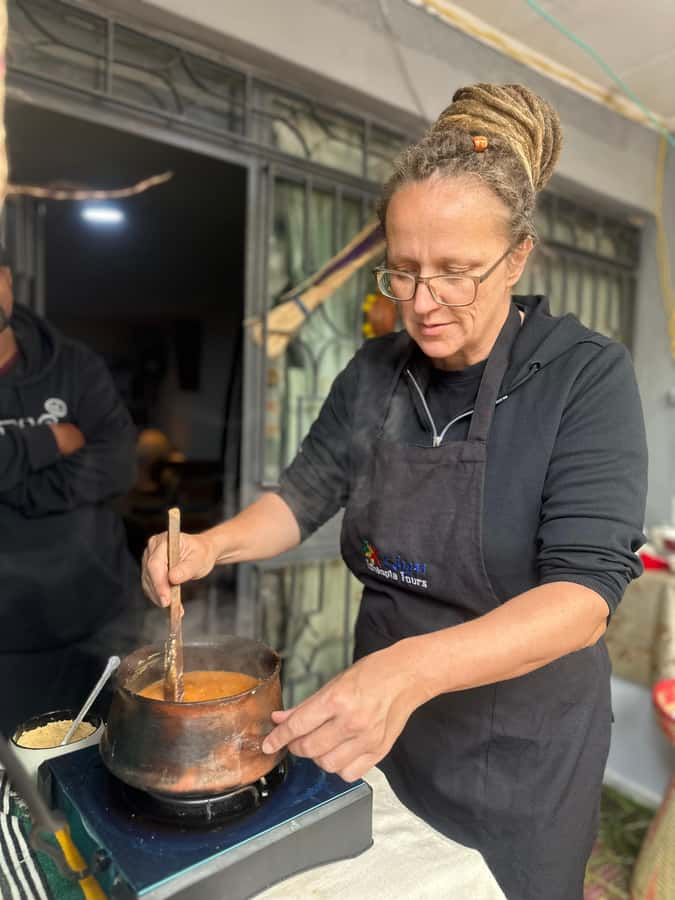
Coffee, spices, and a meal you make yourself. This Addis Ababa cooking class gives you a practical way to meet Ethiopian food, with local cooks explaining the flavors, ingredients, and techniques behind traditional dishes. You prepare the food yourself, taste it as you go, then sit down to eat what you have made.
I like the direct contact with local cooks and the included traditional coffee ceremony, two details that make this more than a standard food demonstration. The main consideration is that the description does not provide a set menu, class duration, or group size, so you should ask for those details before booking if they matter to you.
Key points to know before booking
- Local cooks lead the lesson: You learn from people who prepare Ethiopian food, rather than simply watching a scripted demonstration.
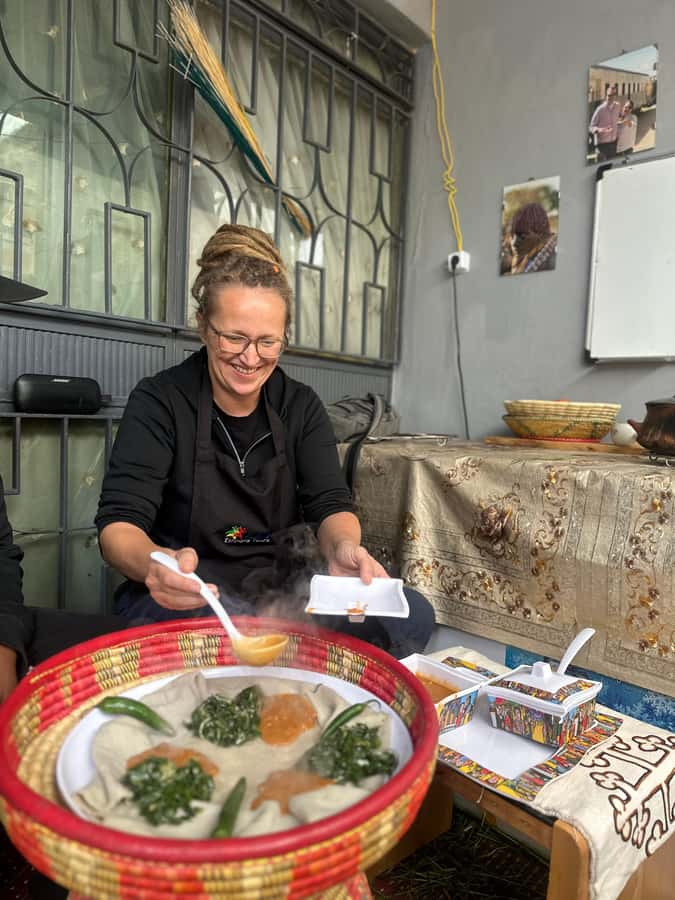
- You cook your own meal: The class includes hands-on preparation, tasting as you go, and a final meal made during the lesson.
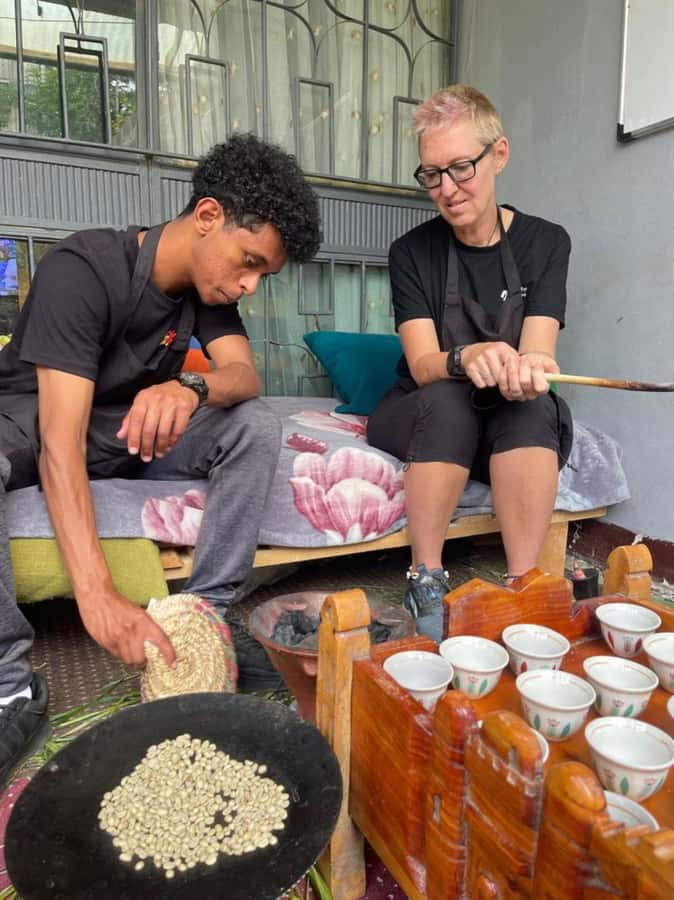
- Coffee ceremony included: The experience ends with a traditional Ethiopian coffee ceremony, an important social part of the visit.
- Airport and hotel transport included: Pickup and other transportation are covered in the price, which can make the class easier to fit into an Addis Ababa stay.
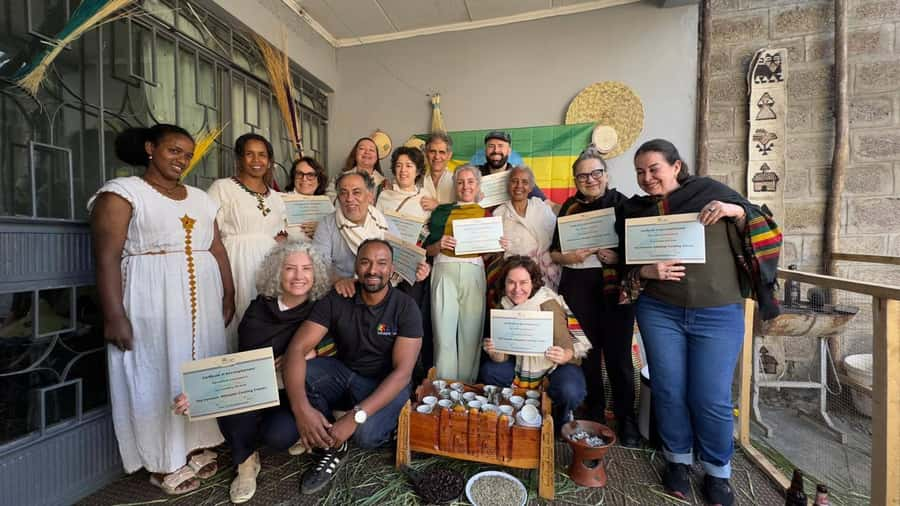
- Certificate provided: You receive a certificate at the end, a small but useful reminder of the class.
- $68 includes the essentials: Ingredients, coffee, water, entrance fees, tax, and transportation are included.
Why an Ethiopian cooking class is worth your time
Food can tell you a great deal about a place, but cooking lets you understand it with your hands. In this class, you do not simply order an Ethiopian meal and try to guess what is in it. You learn how the food is prepared, taste along the way, and take part in the process from beginning to end.
That matters in Ethiopia, where food is closely tied to sharing and hospitality. The class offers a friendly route into that part of daily life without requiring you to already know the dishes or cooking methods.
The experience is based in the Addis Ababa Metropolitan Area and is offered in English. That makes it a practical choice if you want a food activity that is easy to follow while visiting the Ethiopian capital.
The strongest praise for this experience centers on its hosts, the enjoyable atmosphere, and the food itself. That combination is important. A cooking class can be technically useful but feel stiff, or it can be social but leave you unsure what you actually learned. Here, the stated format aims to provide both: instruction and a meal shared afterward.
A few more cooking classes around the world worth a look
- Half-Day Thai Cooking Class at Organic Farm in Chiang Mai
★ 5.0 · 19,087 reviews - Florence: Pasta Cooking Class with Unlimited Wine
★ 4.9 · 10,285 reviews - 3 in 1 Cooking Class near Navona: Fettuccine, Ravioli & Tiramisu
★ 5.0 · 7,376 reviews
Arriving with transport from your hotel or airport
Transportation from the airport and hotel is included, along with all transportation connected to the activity. That is a real benefit in Addis Ababa, especially if you are still getting familiar with the city or have just arrived in Ethiopia.
You do not need to build the class around finding your own way to the kitchen. The included transport also helps when you are carrying luggage after a flight or trying to fit the activity into a short visit.
The information does not specify pickup times, vehicle type, or the exact meeting arrangement. I would confirm those points when booking, especially if you are arranging an airport pickup or have a tight schedule.
The transport inclusion also adds value to the $68 price. You are paying not only for a lesson, but also for the food, drinks, entrance fee, tax, and the ride. If you prefer to arrange every part of your day independently, this may matter less. If you want a simple plan with fewer moving parts, it is helpful.
Meeting the cooks and learning the ingredients
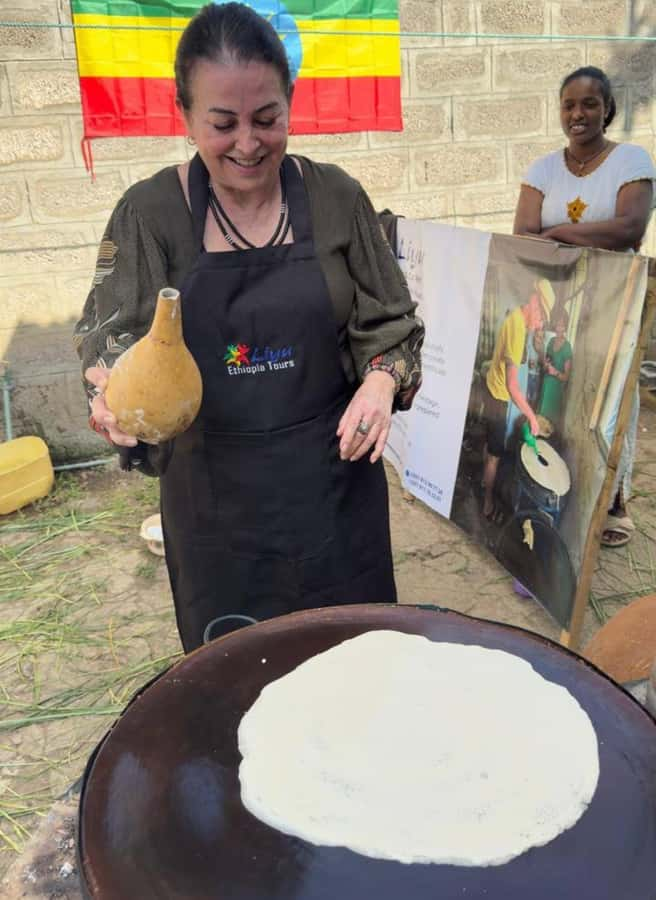
The class begins with instruction from local cooks. Their role is central to the appeal, since they explain the ingredients and flavors used in Ethiopian food instead of handing you a recipe without context.
You can expect the lesson to cover the preparation of traditional Ethiopian dishes, though the available information does not name the dishes or list the menu. That uncertainty is worth noting. If you have a particular dish in mind, ask whether it will be included before you reserve.
The cooks demonstrate how to prepare the food, then you take your turn. This format gives you a chance to see the method first, which is useful if a technique is unfamiliar, and then practice it while help is nearby.
You also get to taste the food as you go. That small detail makes a difference. Tasting during preparation helps you understand how the flavors develop and gives you a better sense of what to adjust when you try the recipes at home.
The class is aimed at people who want to make Ethiopian food themselves. You do not need to treat it as a formal professional lesson. It is better understood as a practical introduction, with enough hands-on work to make the food feel approachable.
Cooking your own Ethiopian meal
The most important part of the experience is that you prepare your own food. The cooks show you the process, but you are not left on the sidelines while someone else does everything.
That hands-on format suits several kinds of visitors. If you enjoy cooking, you can focus on the techniques and ingredients. If you are new to Ethiopian food, you get a gentle introduction through the meal itself. If you are traveling with family or friends, the shared work can add a light, social rhythm to the day.
All food ingredients are included. You do not need to shop beforehand or bring supplies, and the class can focus on learning rather than preparation outside the kitchen.
The meal at the end is also included. You eat the food you helped prepare, which gives the class a clear payoff. Instead of finishing with a sample portion and then needing to find lunch elsewhere, you get a complete food experience connected to the lesson.
The menu is not specified, so do not assume that every famous Ethiopian dish will appear. The best approach is to treat the class as an introduction to the local cooks’ selection of traditional dishes, then ask in advance if dietary needs or a particular recipe are important to you.
Same place, a different thing to cook:
- Florence: Pasta & Tiramisu Cooking Class with Unlimited Wine
★ 4.9 · 6,708 reviews - Hanoi Cooking Class: Culture, Local Market & Meaning CSR Impact
★ 5.0 · 5,147 reviews - 5 Traditional Dishes Hanoi Cooking Class with Market Trip
★ 5.0 · 4,890 reviews - Cooking Class and Lunch at a Tuscan Farmhouse with Local Market Tour from Florence
★ 5.0 · 4,831 reviews
Tasting as you go, then sitting down to eat
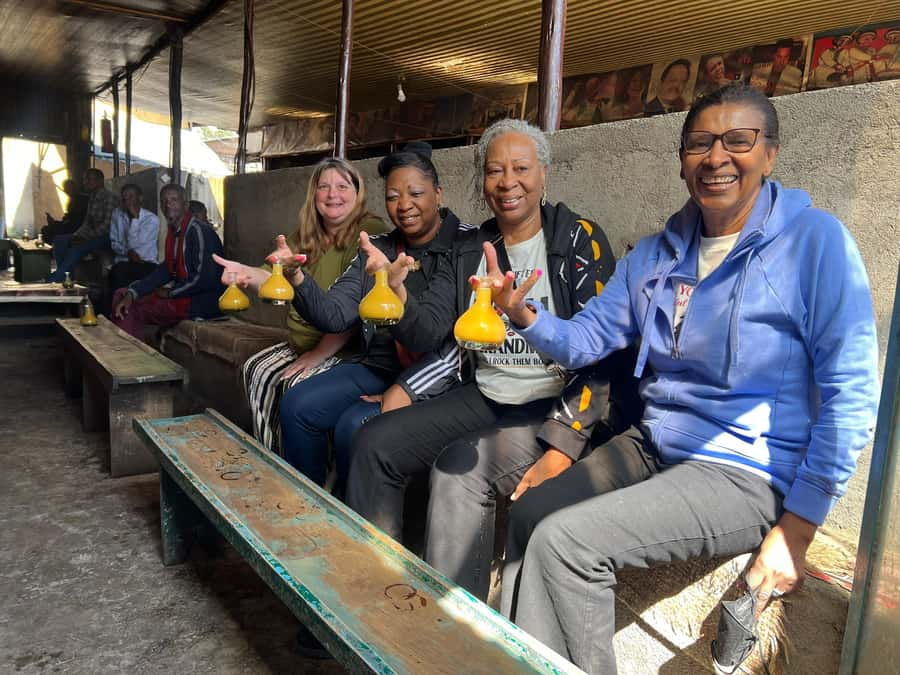
Tasting during the class gives the experience a useful practical edge. You can follow the change from raw ingredients to prepared food, rather than only seeing the final plate.
It also gives you a chance to connect flavor with technique. The cooks can explain what you are tasting and how the ingredients work together, while you build a clearer sense of the food than you would get from reading a menu.
At the end, you eat the meal prepared during the lesson. The food is not an afterthought. It is part of the class, and the meal lets you enjoy the result while the instructions are still fresh in your mind.
I especially like this structure for visitors who want more than a quick restaurant stop. You get a meal, but you also gain a story behind it and a better chance of repeating some of the preparation at home.
The experience provider is LIYU ETHIOPIA TOUR AND TRAVEL. The class is offered in English, which should make the demonstrations and explanations accessible to English-speaking visitors.
The coffee ceremony adds a cultural finish
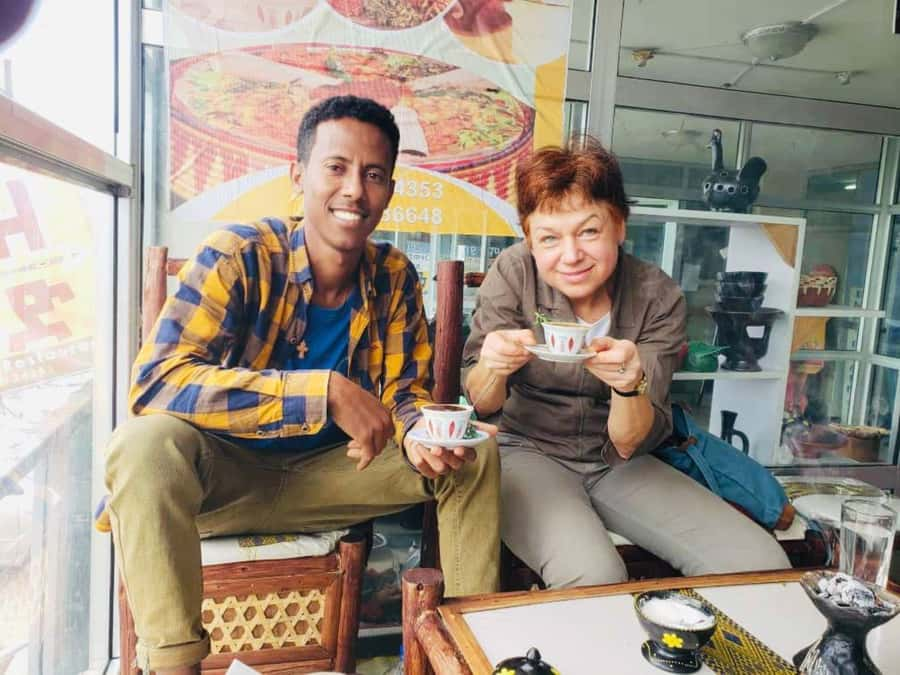
The traditional coffee ceremony follows the cooking lesson. It gives the experience a second focus beyond food preparation and lets you spend time with a well-known part of Ethiopian hospitality.
The ceremony is not presented as an optional extra. Coffee and water are included, and the coffee ceremony is listed as one of the main highlights. That makes it an important part of what you are paying for.
For you, the value is less about drinking another cup of coffee and more about seeing how coffee functions in a social setting. After the active cooking portion, the ceremony provides a calmer ending and a chance to reflect on the meal.
The available information does not specify how long the ceremony lasts or exactly how it is conducted. You should not expect a detailed coffee lecture unless the provider confirms one. Still, its inclusion makes the class feel more connected to local custom than a lesson focused only on recipes.
If you are choosing between a basic cooking demonstration and this fuller format, the coffee ceremony helps explain the difference. You are getting food instruction followed by a cultural activity, rather than a single short kitchen session.
What the $68 price includes
The price is $68 per person. For a cooking class, that is easiest to judge by looking at what comes with it.
Included costs are:
- Transportation from the airport and hotel
- All transportation
- Food ingredients
- Coffee and water
- Entrance fee
- Tax
- The cooked meal
- The traditional coffee ceremony
- A certificate at the end
The inclusion of transport, ingredients, drinks, tax, and entrance fees makes the price more predictable. You are less likely to face a collection of small extras after the lesson.
The certificate will not matter to everyone. If you are mainly interested in the food, it is a souvenir rather than a major reason to book. For someone collecting cooking experiences or looking for a tangible reminder of the day, it is a pleasant touch.
The value is strongest if you want convenience and a complete outing. If you only want a recipe lesson and already have transport arranged, you may place less value on the bundled services. If you are arriving at the airport, staying in a hotel, or prefer not to organize local transport, the package makes more sense.
Who will enjoy this class most
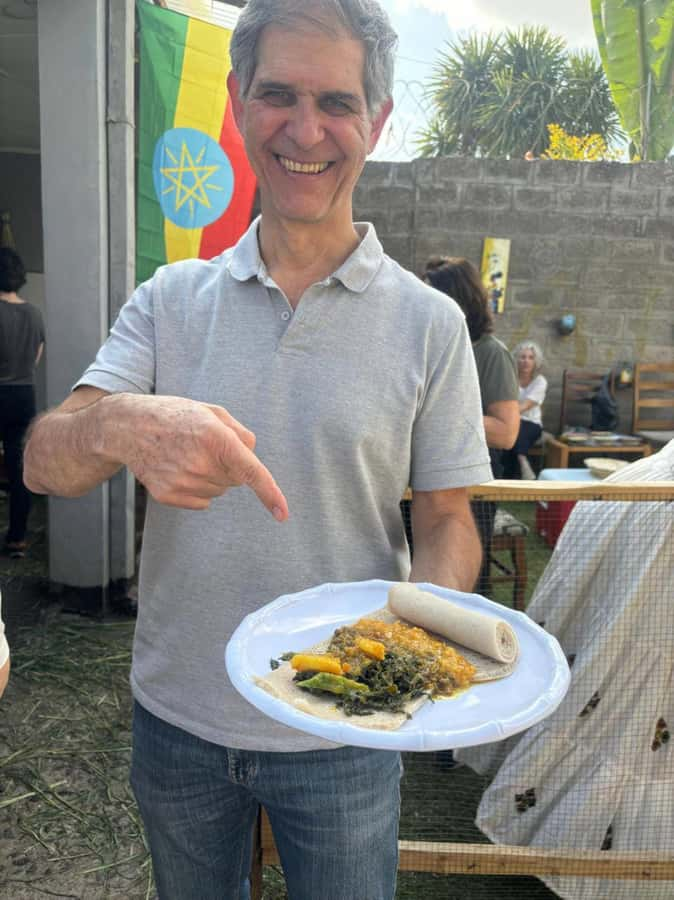
I would recommend this experience to you if you enjoy food, want direct contact with local cooks, and prefer active activities over passive sightseeing. It also suits people who like bringing practical memories home. A photograph of a meal is nice, but knowing how you helped prepare it is better.
It is a good choice for a first introduction to Ethiopian cuisine because the format does not assume prior knowledge. You see the demonstration, try the preparation, taste the food, and then eat the finished result.
Families and small groups may also enjoy the shared nature of the class, though the group size is not provided. Ask about the number of participants if a private or quiet lesson is important to you.
The class may be less suitable if you need a tightly timed activity. The duration is not stated, and cooking lessons can take longer than a simple meal. Confirm the expected length before pairing it with an airport departure, another tour, or a fixed evening reservation.
It may also not be the right choice if you need a fully specified menu in advance. The class promises traditional Ethiopian dishes, but no dish list is supplied. Ask about ingredients and dietary accommodations before paying if you have allergies or restrictions.
Booking details that matter
You can reserve the class and pay later, which keeps your plans flexible. That is useful in Addis Ababa if your schedule is still changing or you are arranging several activities around flights and hotel plans.
Cancellation is available up to 24 hours in advance for a full refund. Keep that deadline in mind rather than waiting until the day before if your plans are uncertain.
English is the listed language. The experience is provided in the Addis Ababa Metropolitan Area, but the exact kitchen location is not stated. Confirm the pickup point and timing, especially when using the airport transportation.
The description also does not give a class duration, group size, dish list, or precise itinerary order beyond the cooking lesson followed by the coffee ceremony. Those are not automatic problems, but they are the main details I would clarify before booking.
Should you book the Ethiopian cooking class?
Book this class if you want a friendly, hands-on introduction to Ethiopian food and value the convenience of included transport. The strongest reasons are the local cooks, the chance to prepare and eat your own meal, and the coffee ceremony that gives the day a cultural finish.
At $68, the package offers solid value when you use the transportation and appreciate having ingredients, drinks, entrance fees, tax, and the meal covered. The five-star feedback specifically praises the hosts, the fun atmosphere, and the food, which matches the experience’s main strengths.
I would pause only if you need a fixed menu, a set duration, or a confirmed group size before booking. Ask those questions first. Otherwise, this is a practical and enjoyable way to make Ethiopian food part of your time in Addis Ababa, not just something you order once and forget.
FAQ
Where does the Ethiopian cooking class take place?
The class takes place in the Addis Ababa Metropolitan Area of Ethiopia.
How much does the cooking class cost?
The price is $68 per person.
Is transportation included?
Yes. Transportation from the airport and hotel is included, along with all transportation connected to the experience.
What is included in the price?
The price includes food ingredients, coffee, water, the entrance fee, tax, transportation, the meal prepared during the lesson, and the traditional coffee ceremony.
Is the class offered in English?
Yes. English is the listed language for the experience.
Can I cancel the booking for a full refund?
Yes. You can cancel up to 24 hours in advance for a full refund. You can also reserve and pay later, which keeps your plans flexible.
Just added around the world
- Full Day Da Nang Vietnamese Private Cooking Class Highlight Tour★ 5.0 · 5 reviews
- Da Nang Home Cooking Class★ 5.0 · 2 reviews
- Home Cooking Class: Market, Garden and cooking 4 dishes★ 5.0 · 61 reviews
- Cretan Cooking Class and Dinner: Evening in a Rethymno Home★ 5.0 · 24 reviews
- Authentic Greek Cooking Experience in Amorgos★ 5.0 · 22 reviews
- Cooking Cycling and Pure Water Experience in Danang Rural Village★ 5.0 · 6 reviews
- Vegan Peruvian Cooking Class Cocktails and Local Market in Cusco★ 5.0 · 46 reviews
- Da Lat Easy Rider- Motorbike Tour- Countryside & Homemade Cooking★ 5.0 · 35 reviews
Cooking Classes, compared.

Half-Day Thai Cooking Class at Organic Farm in Chiang Mai
Read our review →

3 in 1 Cooking Class near Navona: Fettuccine, Ravioli & Tiramisu
Read our review →
Pasta & Tiramisu Cooking Class with Unlimited Wine
Read our review →
Hanoi Cooking Class: Culture, Local Market & Meaning CSR Impact
Read our review →
5 Traditional Dishes Hanoi Cooking Class with Market Trip
Read our review →
Cooking Class and Lunch at a Tuscan Farmhouse with Local Market Tour from Florence
Read our review →