REVIEW · CHIANG MAI, THAILAND
Cooking class in organic garden and local market tour ThaiCottage
Thai food tastes better when you make it yourself. This four-hour Chiang Mai class pairs a local market visit with hands-on cooking in an organic garden, giving you a useful look at both Thai ingredients and everyday kitchen habits. I especially like the choice of dishes, since you are not forced to cook something you dislike, and the chance to make curry paste from scratch. The small group, capped at eight people, also gives the instructor room to help.
The main thing to consider is that the market portion may be shorter and less guided than you expect. One account describes some free time to look around rather than a long, detailed market lesson, and another notes that certain ingredients and foods were prepared before class. If you want to do every step from whole ingredient to finished plate, ask about the exact format before booking.
Key points at a glance
- Local market first: See the vegetables, herbs, and other ingredients used in Thai cooking before reaching the garden kitchen.
- Choose your menu: Select dishes from several categories, with options that commonly include soup, stir-fry, curry or a main dish, and dessert.
- Make curry paste by hand: This is one of the most useful parts if you want to understand the base of Thai curry.
- Cook in an organic herb garden: The setting connects the ingredients on your plate with the plants used in the recipes.
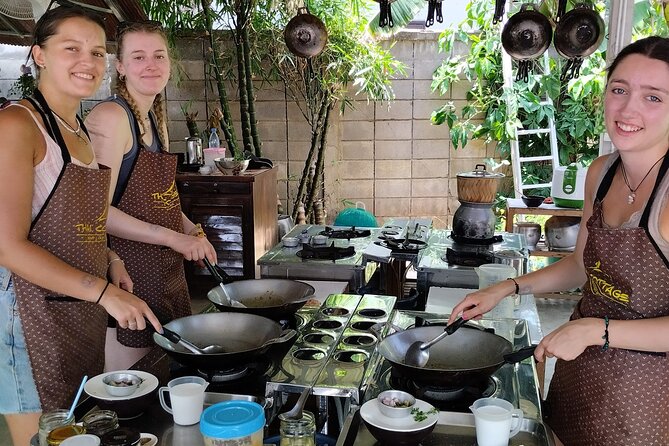
- Small group format: The class accepts no more than eight people, and each person may have an individual cooking station.
- Recipes come afterward: An online PDF recipe book helps you repeat the dishes at home.
Why this Chiang Mai cooking class is worth your morning
ThaiCottage Home Cookery School offers a simple idea with good practical value: show you the ingredients, let you choose the food, then have you cook and eat it yourself.
At $35.86 per person, the price covers hotel transfers within three kilometers of Chiang Mai’s city area, the market visit, ingredients, drinking water, instruction in English, the organic garden, and recipes. That is a fair package for a half-day activity, particularly because transport and a full meal are included.
I also like that this is not only a demonstration. You are expected to chop, pound, season, stir, and taste. The exact work can vary by dish, but the class is designed around your participation rather than watching a chef do everything.
The experience has earned a 4.9 rating from 105 ratings, with 98 percent recommending it. The most consistent praise goes to the instructors, the food, the ability to choose dishes, and the friendly group atmosphere. Toey, Wave, Kat, Mac, and Gataii are among the instructors named in the feedback, and each is praised for keeping the class good-natured and organized.
More Cooking Classes with a Market Tour in Chiang Mai
- Chiang Mai: Cooking Class, Market & Thai Herbs Garden Tour
★ 4.9 · 4,824 reviews - Chiang Mai: Authentic Cooking Class with Market & Farm Visit
★ 4.9 · 4,546 reviews - Chiang Mai: Cooking Class with Market and Pickup
★ 4.9 · 1,365 reviews
Hotel pickup keeps the morning simple
Pickup is offered from hotels within three kilometers of the city area. This is useful in Chiang Mai, where a short transfer can save you the trouble of arranging a ride and finding a cooking school outside the central streets.
The activity lasts about four hours, including the market and return transfer. Confirm your pickup location carefully when booking, especially if you are staying just beyond the stated city area. One person had trouble responding to the operator close to the class time, so it is wise to settle the meeting point early.
The group limit is eight people. That number is small enough for hands-on guidance, but you should still expect a shared class rather than a private lesson. The class works especially well for couples, families, and solo visitors who like meeting other people over a meal.
Starting at a real Chiang Mai market
The first stop is a local market, where you can see fresh vegetables and food used by the surrounding community. This gives the class a useful beginning because Thai ingredients can be confusing when you first encounter them. A market display helps you connect names, shapes, colors, and smells with the ingredients that later appear on your cooking station.
The market visit is also a chance to look around independently. Some instruction is provided about the ingredients, and several people found the market interesting and lively. Still, do not book this as a long guided market tour. The amount of explanation can depend on the instructor and the pace of the group.
There is also an important practical point: the food used in class may not all be purchased in front of you at the market. One account specifically notes that the ingredients were not bought there during the visit. Think of this stop as an introduction to Thai produce and local shopping, not necessarily a full shopping lesson.
Give yourself time to notice the ingredients you may not know. Thai cooking often depends on small details, such as the type of herb, the heat of a chili, or the balance between salty, sweet, sour, and spicy flavors. Even a short market stop can make the later recipes easier to understand.
From market produce to the organic garden
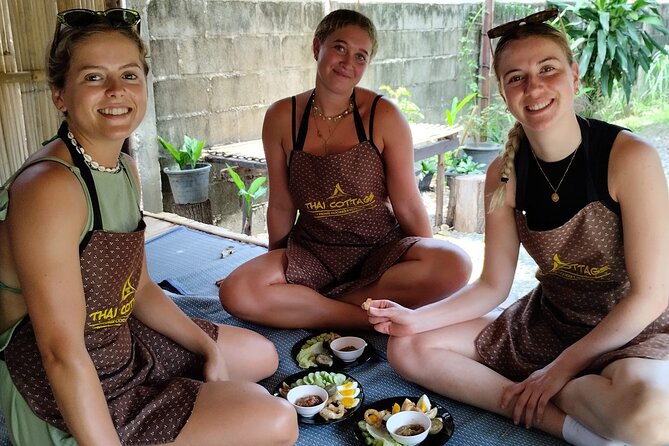
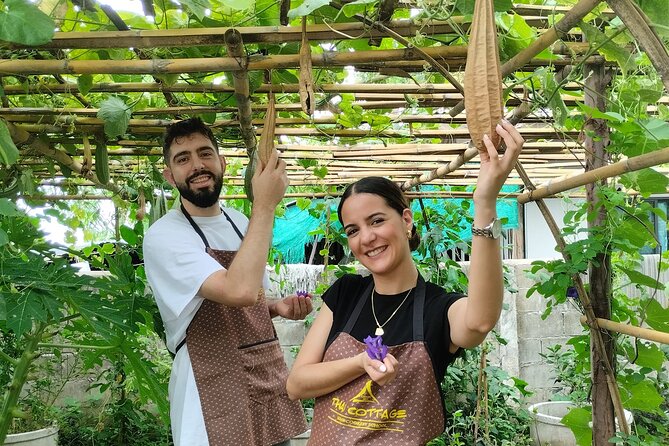
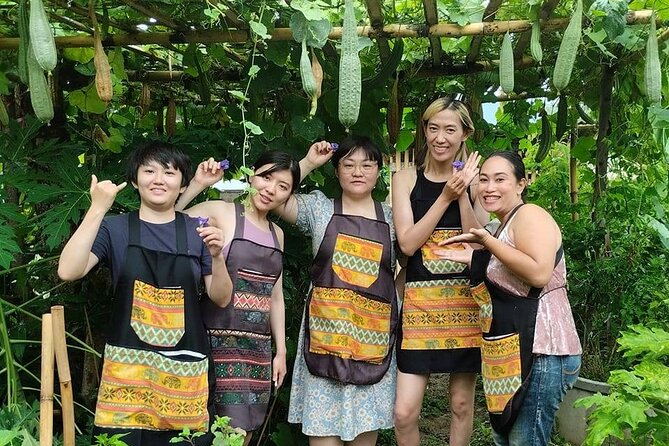
After the market, the group heads to the organic garden and kitchen. This setting is one of the class’s strongest features. You can see Thai herbs and vegetables growing near the place where you will use them, instead of treating the ingredient list as a set of anonymous items.
The garden also gives the class a more personal feel. You are cooking with a Thai family in a home-style kitchen garden, not attending a formal hotel demonstration. That does not mean every step is rustic or improvised. The cooking stations and assistants are arranged to keep the class moving, and one detailed account praised the quick cleaning between dishes.
The outdoor kitchen may not have the polish of a purpose-built culinary school. One person felt that the location and cooking tools could use improvement. That is a fair trade-off to consider. You get a more local setting, but not necessarily a sleek, professionally designed classroom.
More Cooking Classes with a Market Tour in Thailand
- Chiang Mai: Evening Cooking Class and Local Market Visit
★ 4.9 · 648 reviews - Evening Cooking Class in Organic Farm with Local Market Tour
★ 5.0 · 394 reviews - Cooking Morning Class Chiang Mai Visit Organic Garden and Market
★ 5.0 · 211 reviews - Cooking Evening Class Chiang Mai Visit Organic Garden and Market
★ 5.0 · 187 reviews
Choosing dishes instead of accepting a fixed menu
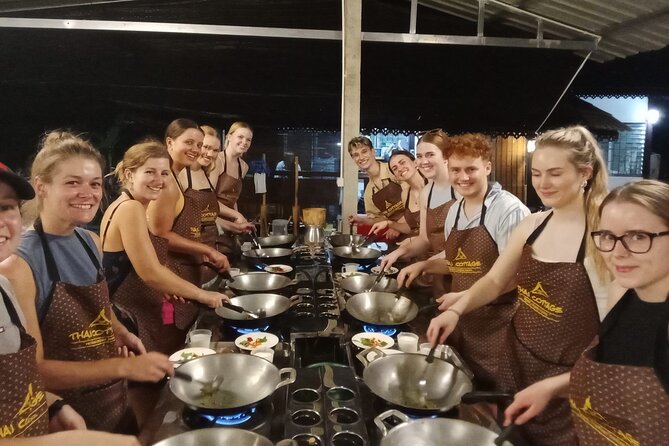
The class gives you a choice of dishes from different categories. This is a major advantage, especially if you already know what you like or have dietary preferences within the available menu.
The choices commonly described include:
- A soup
- A stir-fry
- A curry or main dish
- A dessert
Several accounts describe making four dishes, while the program description also refers to choosing from six Thai dishes in different categories. The safest expectation is that you will select from a menu and cook several dishes, with the final number depending on the day’s format and the available choices.
This flexibility makes the class work for mixed groups. One family of three selected different dishes, allowing each person to focus on something appealing. It also means you can avoid spending half a morning preparing food you will not eat.
The choice does not remove all planning. If you have a particular dish in mind, check that it is offered on your date. Menus can change, and the supplied details do not list every option.
Making curry paste the old-fashioned way
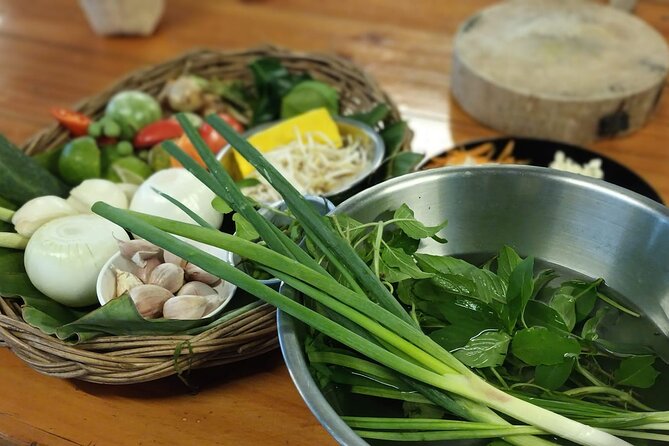
The curry paste session is a highlight. Rather than opening a prepared container, you make the paste from scratch under instruction.
This is valuable because curry paste is not just a flavoring added at the end. It shapes the whole dish. Learning how the ingredients are combined gives you a clearer idea of why Thai curries taste layered and fragrant, and it makes the recipe more useful when you return home.
The instructor guides you through the technique and helps keep the cooking on schedule. Mac was praised for being patient with different skill levels, while Gataii was singled out for helping the group work together and explaining local foods.
You do not need advanced cooking ability. The class is built for people with different levels of experience, and the repeated praise for patient instruction suggests that beginners can take part without feeling lost. Still, you should expect to do real kitchen work. This is not a meal where everything arrives ready to serve.
Cooking, cleaning, and eating together
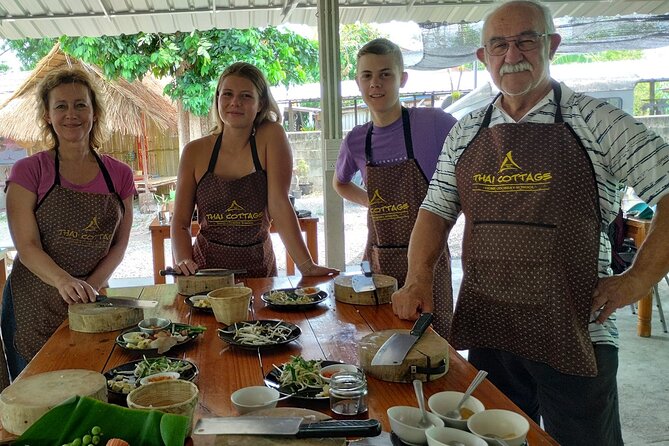
Once the menu is chosen, each person prepares the selected dishes with guidance. The class has been described as friendly and well organized, with assistants cleaning between dishes so the work area stays usable.
One useful feature is the individual cooking station. You are not simply watching someone else stir a wok. You have space to work through the recipe yourself, while the instructor keeps an eye on the group and answers questions.
The cooking follows a shared rhythm. Everyone works through the menu, then sits down to eat what the group has prepared. This creates an easy social setting, especially for solo visitors. One group even continued together at the night market after class, though that is an informal choice rather than part of the booked activity.
The finished meal is a real part of the value. You are not paying for a small sample or one snack. The class commonly produces a soup, stir-fry, curry or main course, and dessert, with some variation depending on the chosen menu.
Sticky rice and mango finish the meal

Everyone learns to make sticky rice for the classic mango dessert. This gives the class a sweet finish and adds a dish that many people associate with Thai food but have never prepared themselves.
The dessert also helps round out the lesson. You learn more than one cooking style, moving from curry paste and savory dishes to the texture and preparation of sticky rice. Fresh mango completes the plate.
The meal can be especially satisfying because you have prepared it yourself. Several people singled out the food as one of the best parts of the experience, describing the final dishes as delicious and fresh.
What the instructors do best
The teaching is the strongest part of this activity. Names noted in the feedback include Toey, Wave, Kat, Mac, and Gataii. Toey was praised for making the class fun, while Kat was credited with clear instruction and a well-run session. Mac received praise for patience, English, and his ability to manage different skill levels.
The class also appears comfortable with mixed language ability. One account noted that the activity flowed well even when English was not a participant’s first language.
That said, teaching styles can differ. Some instructors may explain each ingredient in detail, while others may move more quickly through the market and focus on cooking. If detailed culinary instruction is your main goal, tell the operator what you want to learn.
How much value do you get for $35.86?
The price is strong for a four-hour activity that includes transport within the service area, ingredients, instruction, water, a meal, a market stop, garden access, and digital recipes.
The meal alone is not the whole calculation. You also receive a practical lesson that can continue after your holiday. The PDF recipe book includes the dishes you use, with photographs mentioned in one account, so you have a better chance of recreating them at home.
The value is highest if you want active participation and a social setting. It is lower if you mainly want a private chef lesson, a polished culinary studio, or a long guided market tour.
Alcohol is not included, though it can be purchased. That keeps the base price clear and lets you decide if you want a drink with the meal.
Who should book this class?
I would recommend it to first-time visitors who want a friendly introduction to Thai cooking, couples looking for a shared activity, families with older children who can take part in kitchen work, and solo visitors who enjoy meeting people over food.
It is also a good choice if you want to learn dishes you can repeat at home. The menu choice, curry paste lesson, sticky rice dessert, and recipe PDF give the class more lasting value than a simple food tasting.
You may want another type of activity if you require a private group, a fully guided market tour, luxury facilities, or a strict from-scratch cooking process. The class can include prepared ingredients, such as pre-cut chicken or cooked components, and the market visit may not match the depth of the cooking lesson.
Free cancellation is available up to 24 hours before the start time. Changes or cancellations inside that window are not accepted for a refund. Because the activity depends on good weather, poor conditions may lead to a different date or a full refund.
Should you book ThaiCottage?
Book it if you want to cook several Thai dishes, choose your own menu, and eat in a relaxed garden kitchen with a small group. The instructors receive the strongest praise, and the combination of market, garden, curry paste, sticky rice, and recipes offers good value for $35.86.
Go in expecting a friendly, practical cooking class rather than a long market lecture or a luxury culinary school. Confirm the pickup area and ask about the current dish choices. If those limits suit you, this is one of Chiang Mai’s more useful food activities.
FAQ
How long does the cooking class last?
The experience lasts approximately four hours, including the market visit, cooking session, meal, and return transfer.
Where does the experience take place?
It takes place in Chiang Mai, with a visit to a local market followed by cooking in an organic Thai herb garden and kitchen.
Is hotel pickup included?
Yes. Round-trip hotel transfer is included for hotels within three kilometers of the city area.
How many people can join the class?
The activity has a maximum group size of eight people.
Can I choose what dishes to cook?
Yes. You can choose dishes from different categories, though the exact menu and number of dishes may vary.
What dishes are commonly prepared?
The cooking options commonly include soup, stir-fry, curry or a main dish, and dessert. Everyone also learns to prepare sticky rice for mango sticky rice and curry paste from scratch.
Are ingredients and cooking instruction included?
Yes. Ingredients, English-language recipes and instruction, drinking water, and access to the organic herb garden are included.
Do I receive the recipes afterward?
Yes. An online PDF recipe book is provided after the class. The recipes used in the session are included, and photographs may be provided with them.
Is alcohol included?
No. Alcoholic drinks are not included, but they are available to purchase.
Can I cancel for a full refund?
Yes, if you cancel at least 24 hours before the experience start time. Cancellations or changes made less than 24 hours before the start time are not refundable. If poor weather causes the operator to cancel, you are offered another date or a full refund.
More Farm Cooking Classes in Thailand
- Cooking Class with Organic Farm in Chiang Mai at Mama Noi
★ 5.0 · 502 reviews - Morning Cooking Class in Organic Farm with Local Market Tour
★ 5.0 · 157 reviews - Morning Thai Cooking with Grandma – Market Visit & Farm Tour
★ 5.0 · 148 reviews - Sunset Thai Cooking with Grandma – Farm & Evening Feast
★ 5.0 · 127 reviews
More Farm Cooking Classes in Chiang Mai
- Half-Day Thai Cooking Class at Organic Farm in Chiang Mai
★ 5.0 · 19,087 reviews - Chiang Mai: Cooking Class with Organic Farm at Mama Noi
★ 4.9 · 1,151 reviews - Full Day Thai Cooking at Farm (Chiang Mai)
★ 5.0 · 1,127 reviews - Chiang Mai: HALF-DAY COOKING COURSE at a Thai Cooking Farm
★ 4.9 · 705 reviews
Just added around Chiang Mai
- Aroidee’s Farm-Fresh Thai Cooking Experience★ 5.0 · 8 reviews
- Signature Thai Cooking Course★ 5.0 · 79 reviews
- Private Half-Day Thai Cooking Class in Chiang Mai★ 5.0 · 4 reviews
- Half Day Guided Thai Cooking Class in Chiang Mai★ 5.0 · 13 reviews
- Online Thai and Akha Cooking Class★ 5.0 · 70 reviews
- Private Virtual Thai Cooking Class★ 5.0 · 9 reviews
- Northern Thai Cooking Class in Chiang Mai in a Countryside Home★ 5.0 · 2 reviews
- 5 Hour Morning Thai Cooking Course★ 5.0 · 31 reviews
Cooking Classes with a Market Tour, compared.

Hanoi Cooking Class: Culture, Local Market & Meaning CSR Impact
Read our review →
5 Traditional Dishes Hanoi Cooking Class with Market Trip
Read our review →
Cooking Class and Lunch at a Tuscan Farmhouse with Local Market Tour from Florence
Read our review →
Cooking Class, Market & Thai Herbs Garden Tour
Read our review →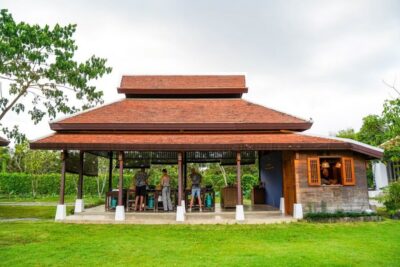
Authentic Cooking Class with Market & Farm Visit
Read our review →
Paella Cooking Experience & Boqueria Market Tour
Read our review →
Cooking Class Hoi An:Local Market, Basket Boat, Fishing & Cooking
Read our review →