
REVIEW · CRETE, GREECE
Chania Sourdough Bread Class – Olive Oil Tasting
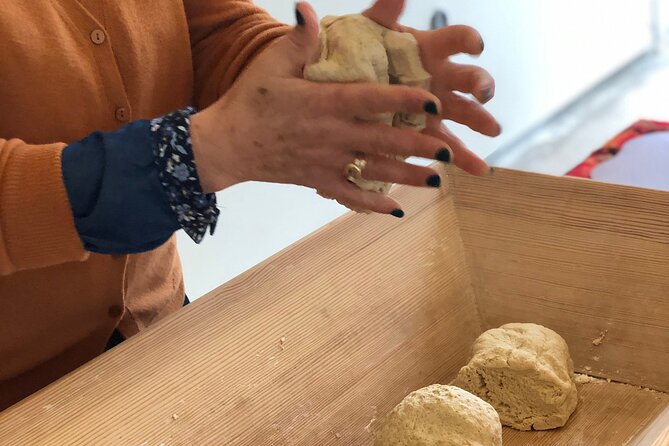
Bread tastes better when you make it yourself. This 4.5-hour Cretan cooking class near Chania combines hands-on sourdough baking with olive oil tasting, a farm visit, seasonal food, and generous local wine. I especially like the chance to shape an individual loaf with olives, sun-dried tomatoes, or seeds, and the warm family atmosphere created by Nikos, Alex, and Veerna. The main drawback is simple: transportation is not included in the $106 price, unless you arrange a paid transfer.
You leave with more than bread. You get a look at how everyday Cretan food connects the garden, olive grove, oven, and table. The class is about 10 to 15 minutes from central Chania in Nerokourou, so you will need a car, taxi, or paid transfer to reach it.
Key points at a glance
- Your own wood-fired loaf: Mix the dough, choose fillings, shape your bread, and bake it in a traditional wood-fire oven.
- Olive oil under the trees: Visit the olive grove and learn about harvesting and blending extra-virgin olive oil with herbs.
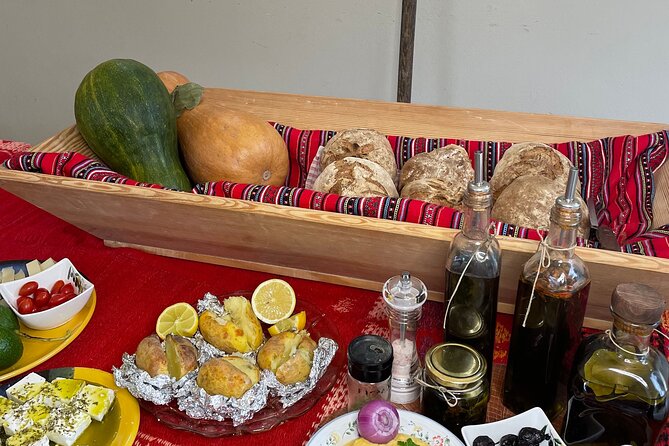
- A full Cretan meal: Your bread comes with Cretan salad, fava beans, seasonal dishes, and other homemade sides.
- A friendly family setting: Nikos, Alex, and Veerna bring conversation, humor, and practical help to the kitchen.
- A good value food experience: At $106, the price includes ingredients, lunch, dessert, and generous amounts of local wine.
- Easy but not central: Nerokourou is close to Chania, but you must arrange your own transport or pay extra for a transfer.
Why this Chania cooking class feels different
Many cooking classes give you a recipe, a few tasks, and a meal. This one connects several parts of Cretan food culture in one visit. You work with sourdough, walk through an olive grove, harvest vegetables from the farm, prepare side dishes, and sit down to eat what you helped make.
That matters because bread and olive oil are not side notes in Crete. They are basic parts of the table. Here, you see how they fit with vegetables, legumes, herbs, wine, and hospitality.
The class also has a personal feel. Nikos, often called Uncle Nicos, teaches in a story-filled way, mixing baking advice with humor and conversation. Alex helps keep the session moving and offers practical tips. Veerna joins toward the end to help finish the meal and add more energy to the gathering.
This is not a silent demonstration where you watch someone else do the work. You mix ingredients, shape your own loaf, choose what goes inside, and wait for it to bake. That makes the final meal feel earned, even if the hosts do much of the organizing behind the scenes.
More Baking Classes in Greece:
- From Mykonos: Mykonian Farm Baking Class with Brunch
★ 4.7 · 29 reviews - Phyllo Pie Baking Class @ Lefkada Micro Farm
★ 5.0 · 3 reviews - Lisbon: Pastel de Nata Baking Class
★ 4.9 · 2,106 reviews
A warm welcome with Greek coffee and cookies
The class begins with a homemade refreshment or Greek coffee from the hostess. You settle in with cookies while the hosts explain the sourdough process.
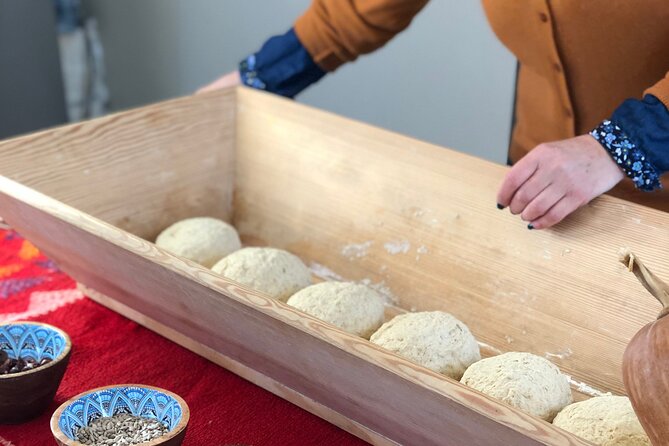
This opening is useful because sourdough takes patience. The class does not rush straight into the oven. You first learn how the dough comes together, then mix the ingredients and prepare it for resting. The pace gives you time to understand what you are doing instead of simply copying hand movements.
If you are new to sourdough, pay attention during this part. The class is designed around the basic procedure, but it is also a chance to ask questions and see how the hosts approach traditional bread making. The instruction is in English and Greek.
The atmosphere appears to be one of the strongest parts of the experience. The setting is family-run and conversational, so you should expect more than a formal cooking lesson. You may hear stories about food, local life, and Cretan traditions while the dough begins its slow work.
Mixing and shaping your personal loaf
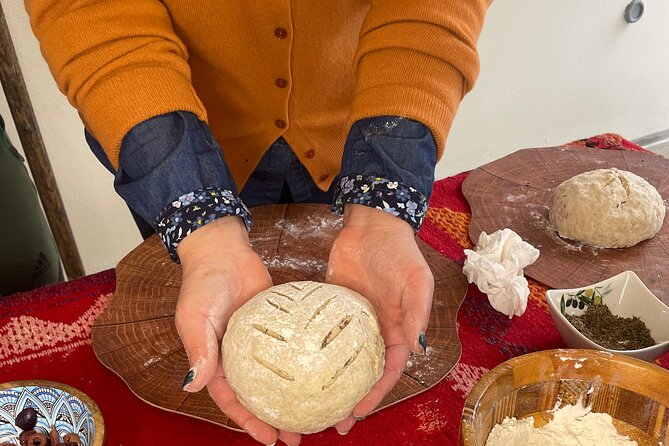
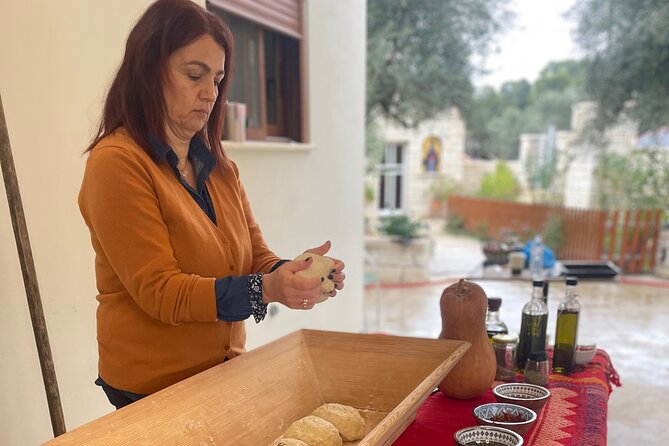
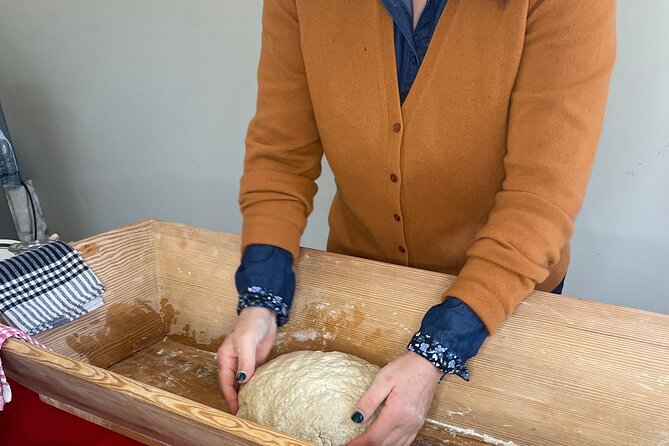
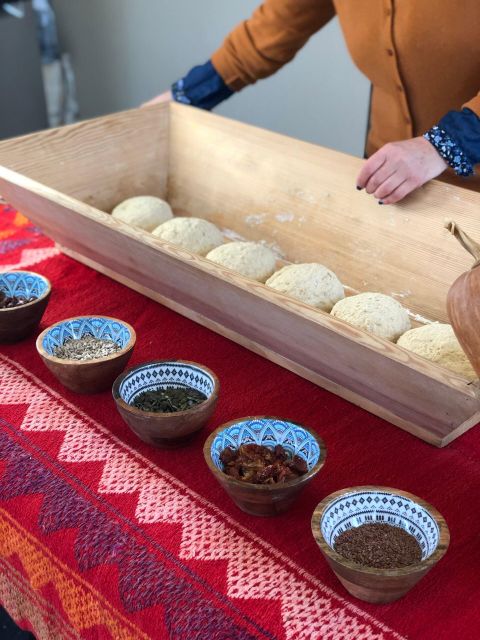
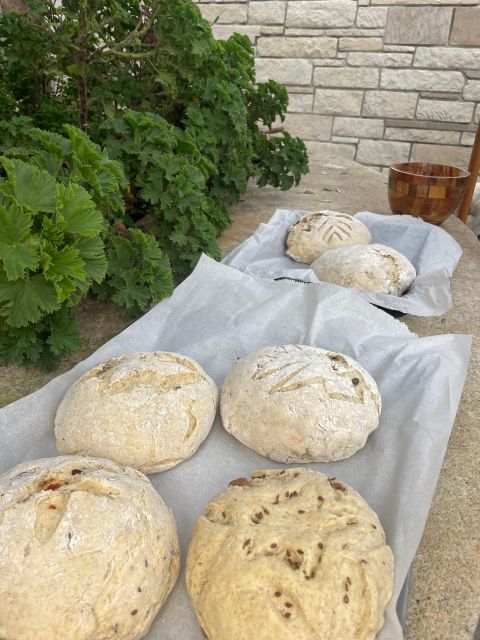
Once the ingredients are mixed, each person prepares an individual loaf. This is one of the most appealing parts of the class because your bread is not identical to everyone else’s.
You can add ingredients such as:
- Olives
- Sun-dried tomatoes
- Seeds
- Other preferred fillings
The available choices may vary, but the idea is clear: you get to make a loaf that suits your taste. I would choose olives or sun-dried tomatoes for a strong Cretan flavor, while seeds give the bread a nuttier texture.
You then shape the loaf and leave it to rest. This waiting period is not wasted time. It lets the class move naturally to the olive grove and farm, instead of keeping you in the kitchen for four and a half hours.
The hands-on work should suit beginners. You are not expected to arrive with baking skills. The hosts guide the process, and Alex is available to help with technique and timing. Still, do not expect to leave with a professional bakery formula or a full sourdough course. The focus is on making and enjoying one loaf during a social food experience.
Under the olive trees in Nerokourou
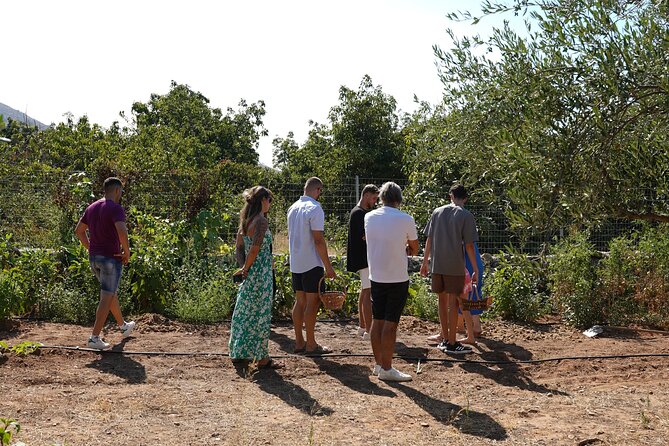
While the dough rests, you visit the olive grove and learn about olive oil harvesting. The grove adds a strong sense of place to the class. You are not simply tasting a bottle of oil in a city kitchen. You are seeing the trees and hearing about the work behind the product.
One memorable detail from the experience is the chance to sit under an olive tree said to be 500 years old. That gives the olive oil tasting a useful setting and a little perspective. Cretan olive cultivation is not an abstract subject when you are sitting beside old trees.
The class also covers the mixing of olive oil with herbs. This is practical information you can use at home. Herb-flavored oil works well with fresh bread, salad, potatoes, and roasted vegetables, so you can carry the idea into your own kitchen after the visit.
You should also be ready for a relaxed rural setting rather than a polished tasting room. That is part of the appeal, but it may not suit someone looking for a formal wine-and-oil seminar with technical tasting notes. The emphasis is on food, tradition, and sharing.
More Food and Drink Trips in Greece:
- Athens: Food Market Visit and Cooking Class with Wine
★ 4.9 · 1,087 reviews - Santorini: Cooking Class with Lunch and Wine Tasting
★ 4.8 · 289 reviews - Mykonos: Cooking Class with Food and Wine
★ 4.9 · 282 reviews - Cretan Cooking Class and Olive Oil Tasting
★ 5.0 · 178 reviews
Harvesting vegetables for a Cretan table
After the olive grove, you visit the farm to harvest vegetables for the meal. This small step changes the way you view lunch. The salad is not just an item placed in front of you. You have helped collect part of it.
The planned meal includes a Cretan salad, Greek fava beans, and other seasonal appetizers or side dishes. One dish that made a strong impression was the fava, especially for someone trying it for the first time. If legumes are not usually part of your meals, this is a gentle way to sample a classic Greek preparation.
The food also gives you a chance to taste several parts of Cretan cooking in one sitting. Fresh vegetables, olive oil, herbs, bread, legumes, and seasonal sides all work together. The meal is likely to feel more substantial than a simple snack paired with your bread.
The hosts have also served dishes such as herbed potatoes. You may find the exact side dishes change with the season and what is available on the farm. That variation is a strength for anyone who prefers fresh, local food, though it means you should not expect a fixed restaurant menu.
The wood-fire oven is the main event
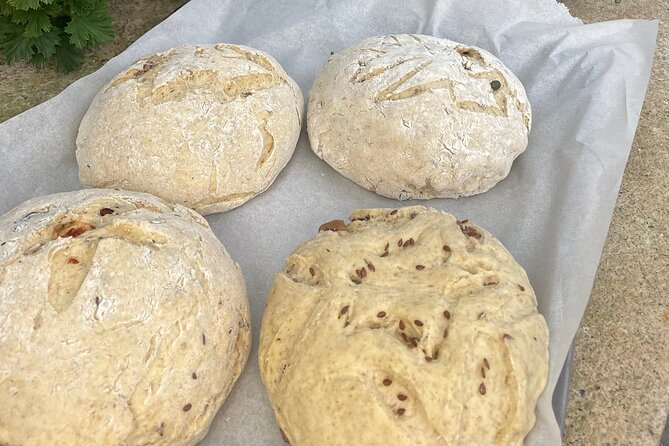
When the loaves have rested, they go into the wood-fire oven. This is the moment that gives the class its strongest sense of occasion.
A wood-fire oven adds more than heat. It turns a basic baking lesson into something tied to older household traditions. You watch your loaf change from soft dough into a browned, fragrant centerpiece for the meal.
The hosts remove the loaves when they are ready, and you get to enjoy your own bread rather than taking part in a demonstration and then eating someone else’s work. The smell is part of the reward. Fresh bread from a wood-fire oven has a quality that is hard to reproduce in an ordinary home oven.
You may want to leave room for the meal before eating too much bread straight away. That is easier said than done. The bread is meant to be paired with the herb-flavored extra-virgin olive oil, and the combination is likely to tempt you into an early taste.
Lunch, local wine, and something sweet
The final meal brings all the separate activities together. You eat your personal loaf with olive oil, Cretan salad, fava beans, seasonal appetizers, and other homemade sides. Local wine is served generously, and dessert is offered at the end.
The $106 price makes more sense when you count what is included. You are not paying only for a bread lesson. The fee covers ingredients, lunch, the farm and olive grove activities, the olive oil tasting, wine, and dessert.
That is a strong package for someone who wants a half-day food experience rather than a quick class. You also get direct contact with the people preparing the meal, which adds value that is difficult to measure in a menu price.
A practical note: generous wine means you should think about transportation before booking. If you drive, do not plan to drink freely. A taxi or paid transfer is the better choice if you want to enjoy the meal and wine without worrying about the trip back.
Getting there from Chania
The cooking class is in Nerokourou, around 10 to 15 minutes from central Chania. It is close enough to fit easily into a Chania stay, but it is not a walk-up activity from the Old Town.
You can reach the venue by car or taxi. If you drive, parking is available along the fence. Transportation is not included in the $106 cost.
A transfer service is available for an extra fee, depending on your location. The provider uses a nine-seat van and an electric vehicle, and the transfer may be shared with other people attending the class. Ask about the transfer when booking if you do not have a car or want to avoid arranging a taxi yourself.
The short distance is convenient, but allow enough time to find the address and park. The class lasts 4.5 hours, so this is not a quick stop between two tightly scheduled Chania sights.
Who will enjoy this most
I would recommend this class to you if you enjoy food experiences that are social, hands-on, and connected to local life. It is particularly well suited to couples, families, small groups, and anyone who wants a meal with a story behind it.
You do not need baking experience. The hosts guide you through the bread process, and you get to customize the loaf with fillings. The class also works well for people who enjoy tasting several foods rather than focusing only on bread.
It may be less suitable if you want a short, highly technical baking workshop. The class includes conversation, outdoor visits, lunch, wine, and dessert, so the food experience is broader than a lesson in sourdough science.
The setting is wheelchair accessible, which is useful to know in advance. Still, you should confirm any specific mobility needs when arranging your visit, particularly if you plan to use the transfer service.
The people make the meal
The most praised part of this experience is the welcome. Nikos and Alex are not simply there to explain recipes. Their style includes conversation, humor, and local stories. One class also included a history lesson, giving the cooking experience more context without turning it into a lecture.
The family atmosphere is repeated throughout the experience. You are welcomed with drinks and cookies, then included in the preparation of both the bread and the meal. Puppies may be around the property, adding another informal touch for animal lovers.
Veerna joins near the end and helps with the final preparation. That shared effort makes the meal feel like a gathering rather than a class that ends when the oven timer rings.
The strongest praise has focused on laughter, warmth, and hospitality. That tells you what to expect: come ready to talk, ask questions, and spend time at the table. If you prefer to work quietly and leave as soon as the formal instruction ends, this may feel too social.
Is $106 a fair price?
At $106 per person, I consider this a fair price if you value the whole half-day. The fee includes all ingredients, your bread, lunch, olive oil tasting, local wine, side dishes, and dessert. You also get the olive grove and farm visits, along with instruction from the hosts.
The main extra cost is transportation. A taxi or transfer will raise the total, and the paid transfer fee depends on where you are staying. Even so, the overall package remains reasonable for a four-and-a-half-hour experience with a full meal.
The value is strongest when you compare it with a standard restaurant meal. A restaurant can feed you, but it will not let you shape bread, harvest vegetables, visit an olive grove, and talk with the people preparing your food.
The value is weaker if you only want to learn a sourdough recipe. You are paying for the setting, meal, wine, and social experience as much as for the bread instruction.
Booking advice and final verdict
You can cancel up to 24 hours before the experience for a full refund, and you can reserve now and pay later. Check the available starting times because the class lasts 4.5 hours and may take up much of your day.
I would book this if you want a relaxed taste of Cretan hospitality near Chania, especially if you enjoy cooking with other people and eating a generous homemade meal. Book it with your transport plan already in mind, and leave room in your schedule for conversation rather than treating it as a quick activity.
I would skip it only if you want a short, formal baking lesson or if a rural setting and shared meal do not appeal to you. For most food-focused visitors, the mix of bread, olive oil, farm produce, wine, and friendly hosts makes this one of the more memorable ways to spend a half-day near Chania.
FAQ
Where is the Chania sourdough bread class held?
The class is held in Nerokourou, a beautiful neighborhood about 10 to 15 minutes from central Chania.
How long does the experience last?
The experience lasts 4.5 hours. Check the available starting times when booking.
How much does the class cost?
The listed price is $106 per person.
Is transportation included?
No. Transportation is not included in the class price. You can reach the location by car or taxi, or request a transfer for an extra fee.
Is a paid transfer available?
Yes. Transfer service is available for an extra fee based on your location. Transportation may be shared with other people in a nine-seat van or electric vehicle.
What languages are spoken?
The instructors speak English and Greek.
What food and drink are included?
Ingredients, lunch, generous amounts of local wine, and dessert are included. The meal may include Cretan salad, Greek fava beans, seasonal appetizers, and other side dishes.
Can I cancel the booking?
Yes. You can cancel up to 24 hours in advance for a full refund.
Is the experience wheelchair accessible?
Yes, the activity is listed as wheelchair accessible. You should still provide any specific accessibility needs when arranging your visit.
Just added around Greece
- Authentic and Traditional Cooking Class in Chania Crete★ 5.0 · 5 reviews
- Private Cooking Class – A Culinary Journey in Argostoli★ 5.0 · 2 reviews
- Chania Cooking Class in Crete with rustic, delicious and homely Cretan food!★ 4.5 · 14 reviews
- Private Greek Cooking Class in Athens-Learn to Cook with Angelina★ 5.0 · 3 reviews
- Private Walking Meze Cooking Course★ 5.0 · 6 reviews
- Cook with Katerina: Authentic Greek Home Cooking Class in Athens★ 5.0 · 15 reviews
- Cooking Class in Athens: Learn the Art of Phyllo with Christina★ 5.0 · 24 reviews
- Greek Cooking Class with Acropolis View★ 5.0 · 76 reviews
Baking & Bread Classes, compared.
Paris Croissant Small-Group Baking Class with a Chef
Read our review →

Paris Macarons Small-Group Baking Class with a Chef
Read our review →

Lists this class appears in