
REVIEW · UBUD, INDONESIA
PRIVATE Balinese Cooking Class in Ubud with Dewa with Transfers
Come hungry, leave with recipes. This four-hour experience takes you from Ubud into the village of Keliki, where Dewa and his family welcome you into a traditional Balinese compound. You tour gardens, learn about local plants and beliefs, cook several dishes over a wood-fired stove, then sit down to eat what you made. I especially like the small private setting and the chance to see how food fits into family life, not just how to chop and fry it. The main drawback is that this is not a polished culinary school. If you want precise chef demonstrations and restaurant-style equipment, this may feel informal.
I also like the round-trip transport from Ubud and the amount of cultural context built into the day. Dewa explains village life, farming, religion, and the uses of ingredients such as galangal, cacao, and nutmeg. You should allow for a walk through village lanes and garden areas, wear comfortable shoes, and request a vegetarian meal when booking if needed.
Key Points at a Glance
- A real family compound: Cook and eat in Dewa’s traditional home, with open pavilions arranged around a central courtyard.
- More than a cooking lesson: The experience includes a village walk, garden visit, and explanations of Balinese customs and spirituality.
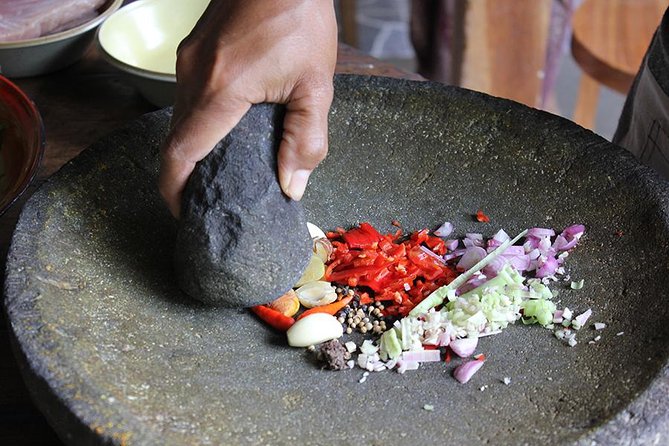
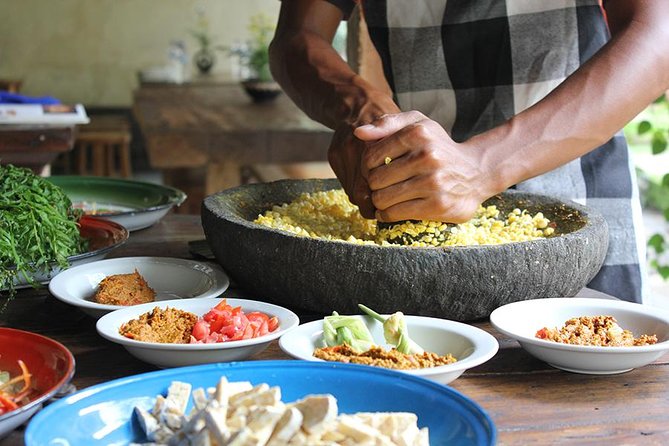
- Hands-on local food: Prepare dishes such as pepes ikan, bumbu kuning, and bregedel using a pestle, mortar, and wood-fired stove.
- Private by design: Only your own group takes part, making it easier to ask questions and work at your own pace.
- Useful Ubud transport: Private two-way transfers are included from Ubud hotels and vacation rentals, but not from areas outside Ubud.
- Strong value at $69: You receive transport, a four-hour private activity, a meal, drinks, recipes, and a personal look at village life.
From Ubud to Keliki by Private Car
The experience begins with pickup from your Ubud hotel or vacation rental. From there, the drive heads north toward Keliki, a village in the terraced foothills near Tegallalang. The journey is part of the change in mood: Ubud’s busy visitor center gives way to quieter roads, farms, and family compounds.
The exact drive time can vary with traffic and your pickup location. Several descriptions place it at roughly 15 to 30 minutes, though you should allow more time if roads are crowded. Your driver takes you to the family’s area, and the activity ends back at the meeting point after the meal and cooking session.
If you stay outside the Ubud region, transport is not included. In that case, you meet Dewa directly at his home in Keliki. Check this point before paying, since a low price can lose its value quickly if you need to arrange a long private ride yourself.
The price is $69 per person. For a private half-day, this is fair value, especially because the cost includes transport from Ubud, the garden tour, cooking instruction, lunch or dinner, local beer, and water. You are also paying for access to a family home and a village setting that would be difficult to arrange on your own.
More Private Cooking Classes in Indonesia
- PRIVATE Authentic Balinese Cooking Class in Ubud at Putu’s Home
★ 5.0 · 644 reviews - PRIVATE Ubud Market Tour & Balinese Cooking Class with Putu
★ 5.0 · 125 reviews - Bali: Private Balinese Cooking Class in a Family Home
★ 4.8 · 87 reviews
Walking Through the Village Garden
The first substantial part of the visit is a walk around the village and garden areas. Dewa introduces you to plants used in Balinese cooking and points out ingredients that may be unfamiliar at home. Galangal, cacao, nutmeg, herbs, fruits, and other garden produce become less mysterious when you see where they grow.
This is not a quick list of ingredients before the real activity begins. Dewa connects plants with household use, medicine, farming, and local customs. The garden helps explain why Balinese food can taste so layered even when the cooking method is simple. Fresh spices, coconut, herbs, and chilies do much of the work.
You may also walk through village lanes, rice-growing areas, or forested paths near the family home. Comfortable shoes matter. The walk is a meaningful part of the experience, but it may not suit someone who wants to sit down and start cooking right away.
Dewa is often praised for his storytelling and his ability to connect food with Balinese Hinduism, Buddhism, animism, and everyday village life. Some visitors find this cultural discussion as valuable as the meal itself. If you enjoy asking questions, this is where the private format helps. You can stop and ask about a plant, custom, or belief instead of simply following a fixed group schedule.
Entering a Traditional Balinese Family Compound
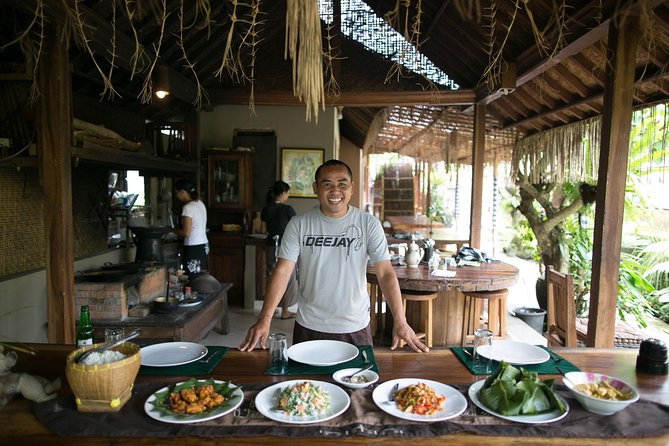
Dewa’s home is arranged in the traditional Balinese manner, with several open pavilions around a central courtyard. This layout gives you a look at family life that a cooking studio cannot offer. You are not simply watching a local demonstration. You are being welcomed into a working household.
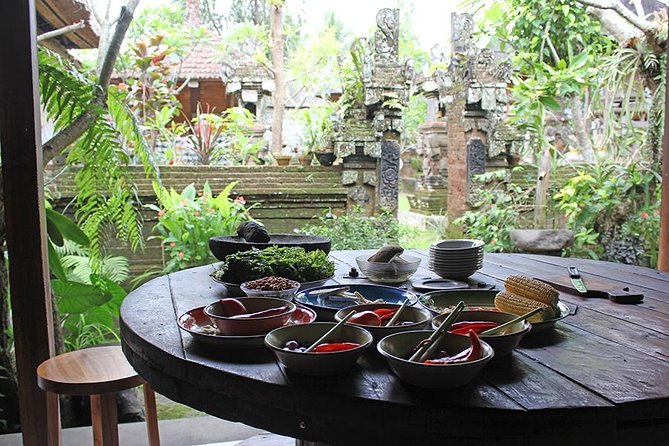
The family compound also gives the cooking a clear setting. Ingredients come from nearby gardens, cooking takes place in an open kitchen, and the meal is served in the same home where the preparation happened. The simple surroundings are part of the lesson.
Dewa may host you personally, or an equally welcoming family member may assist him and his wife, Jero. Dewa’s wife leads much of the kitchen work, showing you how the dishes are prepared in a practical home setting. You should expect warmth and personal attention, but not the polished routine of a professional cooking school.
The home is described as clean and peaceful, and the family welcomes visitors into several parts of the compound. That personal contact is one of the strongest reasons to book this experience. You gain a better sense of how cooking fits into the household rather than treating Balinese food as a set of restaurant recipes.
Cooking With a Pestle and Wood-Fired Stove
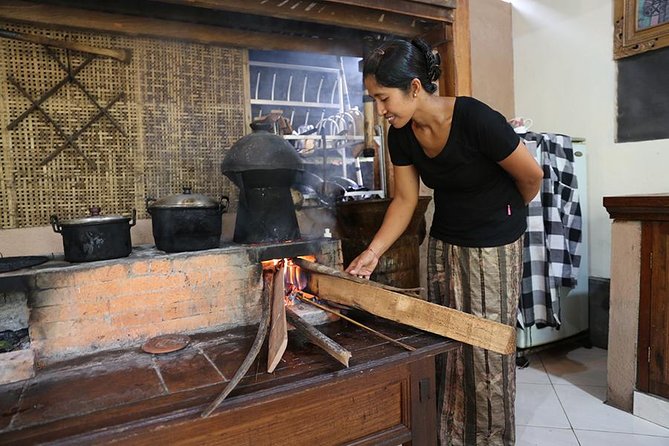
Once you reach the kitchen, you help prepare several Balinese dishes. The menu can include pepes ikan, tuna grilled in banana leaves; bumbu kuning, chicken cooked with fresh turmeric and coconut milk; and bregedel, hand-ground corn fritters. Other meals have included a mix of salad, main dishes, and dessert, with roughly five to seven recipes prepared during the session.
The exact menu may vary with availability and the family’s plan for the day. That is a good thing in a home kitchen, where ingredients are seasonal and fresh. It also means you should not treat the three named dishes as a guaranteed menu.
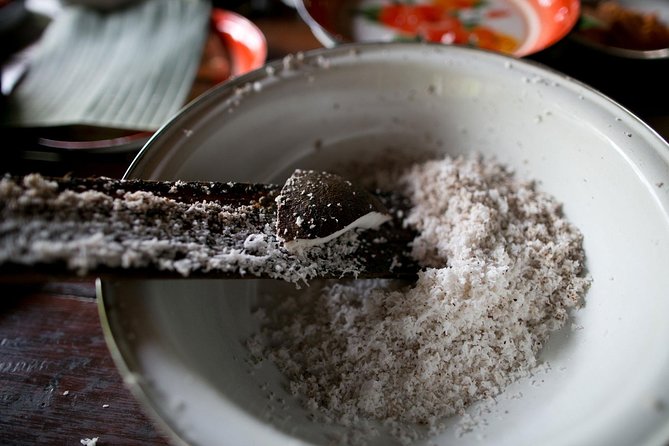
You use traditional tools, including a pestle and mortar, rather than relying only on pre-made spice pastes. This takes more effort, but it shows how flavor develops in Balinese cooking. Grinding spices by hand gives you a better feel for the work behind the finished dishes.
The wood-fired stove is another memorable detail. It is practical, old-fashioned, and different from cooking on a modern induction hob. You may need to adjust to the heat and the slower rhythm. For me, that is part of the value, though anyone expecting air-conditioning, spotless counters, and quick chef demonstrations should set expectations correctly.
The session is hands-on. You may chop vegetables, grind pastes, mix ingredients, and help assemble the dishes. The family guides you step by step, and the private format means your group can ask for clarification. This is a good fit for beginners, curious cooks, and people who enjoy learning by doing.
More Balinese Cooking Classes in Ubud:
- Ubud Cooking Class Bali with Balinese Chef
★ 5.0 · 1,609 reviews - Balinese Ubud cooking school (9 Dish Cooking and Market Tour)
★ 5.0 · 540 reviews - Ubud: Balinese Cooking Class and Market Tour
★ 4.8 · 531 reviews - Balinese Farm Cooking Class by Pemulan Bali
★ 5.0 · 410 reviews
The Meal You Helped Make
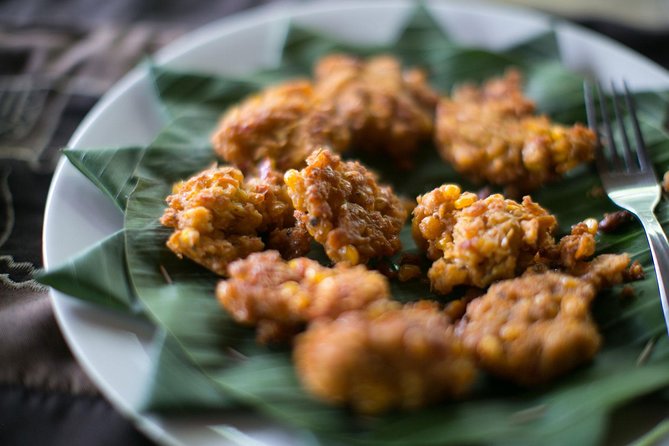
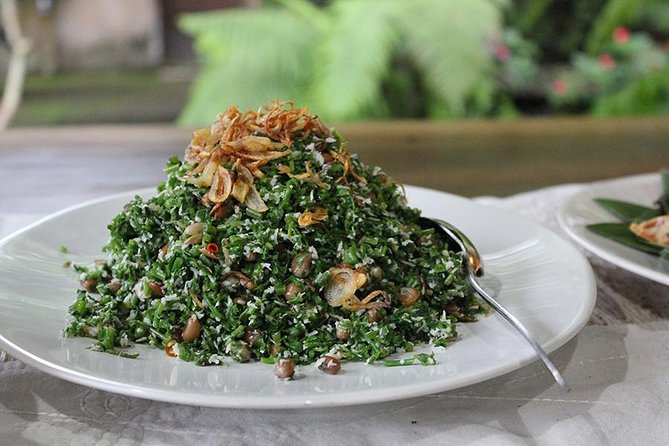
After cooking, you sit down to eat the dishes prepared during the class. Local beer and water are included, and the meal is the natural high point of the visit. Instead of tasting a set menu prepared by someone else, you understand the ingredients, methods, and work behind each plate.
The food tends to rely on fresh herbs, coconut, turmeric, chilies, and spice pastes rather than heavy seasoning. You may notice less salt than in some restaurant food. That is intentional. The family’s approach places importance on fresh ingredients and the traditional use of food, including its connection to health and daily balance.
The setting adds to the meal. You eat in or near the family compound, surrounded by greenery and the quiet rhythm of village life. It is a calmer experience than a restaurant lunch in Ubud, and the meal feels connected to the place where the ingredients were grown and prepared.
You also receive recipes to take home. Several visitors have used the recipes again, which is a useful test of a cooking class. The recipes are presented in a small handmade or locally produced notebook, giving you something practical rather than a vague memory of what you ate.
Vegetarian meals are available, but you must request one in advance. Do not wait until the cooking begins. If you have other dietary needs, ask before booking because the supplied information specifically confirms only the vegetarian option.
Why the Cultural Story Matters
Many cooking classes focus on ingredients and technique, then send you back to your hotel. This one gives the food a wider setting. Dewa explains how Balinese families use their gardens, how religion shapes daily life, and how food connects with family and community.
You may hear about farming practices, village history, local customs, and spiritual ideas during the walk and meal. Dewa has been described as a calm, generous storyteller, and that tone seems to shape the entire visit. Some people come for the recipes and find that the discussion of Balinese values becomes the most memorable part.
This can also make the experience feel less structured than a standard class. Dewa may spend longer explaining a plant, a belief, or a family tradition than a professional instructor would. If you want a fast lesson with a tightly controlled timetable, you may find the pace loose. If you want to understand why the food is prepared this way, the extra conversation is a major benefit.
The experience also puts money directly into a local family setting. You are not only buying a meal and a lesson. You are supporting a small household activity that keeps local cooking knowledge and village hospitality in use.
What the Private Format Changes
Only your own group participates. That matters more than it may seem. You can ask questions about ingredients, religion, farming, or cooking without speaking over a large class. You can also take a more active role if you enjoy cooking, or let the family guide you gently if you are less confident.
A private activity is especially useful for couples, families, and small groups with different interests. One person can focus on the food while another asks about village life. Children may enjoy the garden and the hands-on work, though the information provided does not specify a minimum age or child program.
The private format does not mean you receive a professional chef’s full attention in a modern studio. You are sharing time with Dewa, Jero, and family members in their home. That is exactly what makes the visit personal, but it also means the experience feels informal and domestic.
Practical Details Before You Book
Plan on about four hours from pickup to return. The experience is offered during the day or around a meal period, depending on the arrangement. Since you will walk outdoors and cook near a wood-fired stove, wear comfortable clothing and shoes that can handle garden paths and village lanes.
Pickup is available from Ubud hotels and vacation rentals. Outside Ubud, you arrange your own way to Keliki. The stated meeting point is Rumah Makan Jero Nini at Jl. Arjuna, Keliki, in the Tegallalang area, and the activity ends back at the meeting point.
Confirmation is sent within 48 hours, subject to availability. The activity accepts service animals and is near public transportation, though the included private transfer is the simplest choice for people staying in Ubud.
Free cancellation is available if you cancel at least 24 hours before the local start time. Cancellations or changes made later are not accepted for a refund. Since the experience is private and availability may be limited, booking well ahead makes sense. It is commonly reserved about 36 days in advance.
The rating is 5 out of 5 from 213 reviews, with 99 percent recommending it. Those numbers fit the strongest parts of the experience: Dewa’s warmth, the family setting, the cultural explanations, and the meal. They should not be read as proof that every visitor will love the informal pace or village walking portion.
Who Will Enjoy This Most
I would choose this for you if you want a personal introduction to Bali rather than another restaurant meal or staged demonstration. It suits people who like food, local customs, family stories, and a little time away from Ubud’s main streets.
It is especially good for:
- Couples looking for a shared cultural activity
- Small groups who want a private schedule
- Beginner cooks who prefer clear, hands-on instruction
- Food lovers who want recipes they can repeat at home
- Visitors interested in Balinese religion, farming, and family life
- People who value local contact more than polished facilities
You may want another type of class if you need a professional kitchen, advanced technique, strict timing, or a guaranteed menu. This is a home visit with cooking, not a certificate course or chef-training session.
Should You Book Dewa’s Cooking Experience?
Yes, if you want the cooking to open a door into Balinese life. The food is a strong reason to go, but the best parts happen around it: walking through the village, learning about garden plants, meeting Dewa’s family, and seeing how a traditional compound works.
At $69, the combination of private transport from Ubud, four hours of activity, a substantial meal, drinks, cultural guidance, and recipes is good value. Book ahead, request vegetarian food before arrival, confirm transport if you are outside Ubud, and bring shoes suited to a village walk.
Skip it only if you want a fast, highly polished cooking class. For a personal day with good food and a genuine family welcome, this is one of the more worthwhile ways to spend time near Ubud.
FAQ
How long does the Balinese cooking experience last?
The experience lasts approximately four hours, including the garden and village visit, cooking session, meal, and return to the meeting point.
Is hotel pickup included?
Round-trip private transfers are included from hotels and vacation rentals in Ubud. Pickup and drop-off are not included for accommodation outside the Ubud region.
Where does the experience take place?
The cooking takes place in Dewa’s traditional family compound in Keliki, near Tegallalang, north of Ubud. The listed meeting point is Rumah Makan Jero Nini on Jl. Arjuna.
Is a vegetarian meal available?
Yes. A vegetarian meal can be provided, but you must request it when booking.
Is this a professional cooking class?
No. It is a visit to an authentic local home where Dewa, his wife Jero, and family members share Balinese cooking and culture. You still cook several dishes and receive recipes, but the setting is informal and family-run.
What is included in the price?
The $69 price includes private round-trip transfers from Ubud, the garden tour, the cooking experience, the cultural visit, the meal you prepare, local beer, water, and recipes.
More Private Cooking Classes in Ubud
- Rome: Pasta Making Class with Tiramisu & Wine PRIVATE OPTION
★ 4.8 · 404 reviews - Private Market Tour & Cooking Class in Puerto Vallarta with Manu
★ 5.0 · 241 reviews - Private Cooking Class with 5 dishes of your choice
★ 5.0 · 227 reviews - Veg and Non veg : Private Cooking Class in Delhi home (7 meal)
★ 5.0 · 226 reviews
Just added around Ubud
- The Authentic Balinese Cooking Experience★ 5.0 · 4 reviews
- Ubud: Organic Farm Harvest, Bali Cooking Class by Pemulan★ 4.8 · 12 reviews
- packages cooking class and romantic dinner in a local home★ 5.0 · 4 reviews
- Jambangan bali cooking class with morning market tour★ 5.0 · 35 reviews
- Ubud: Balinese Cooking Class with Hotel Transfers★ 4.8 · 17 reviews
- Bali: Cooking Class with Monkey Forest and Art Village Tour★ 5.0 · 2 reviews
- Balinese cooking class/Go shopping at the market, cook, eat★ 5.0 · 12 reviews
- PRIVATE Ubud Market Tour & Balinese Cooking Class with Putu★ 5.0 · 125 reviews
Private Cooking Classes, compared.
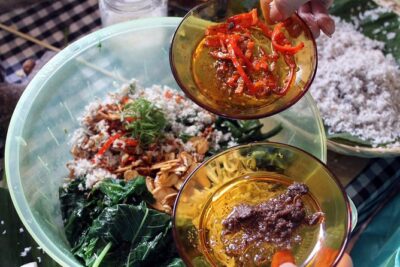
PRIVATE Authentic Balinese Cooking Class in Ubud at Putu’s Home
Read our review →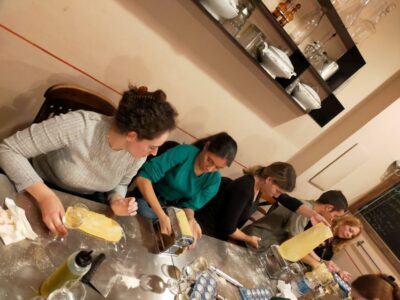
Pasta Making Class with Tiramisu & Wine PRIVATE OPTION
Read our review →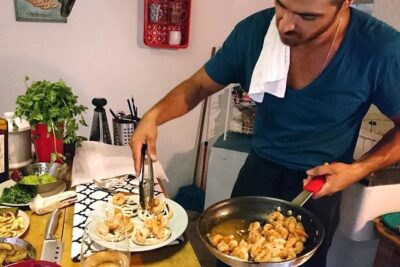
Private Market Tour & Cooking Class in Puerto Vallarta with Manu
Read our review →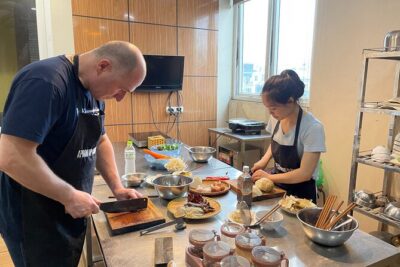
Private Cooking Class with 5 dishes of your choice
Read our review →
Veg and Non veg : Private Cooking Class in Delhi home (7 meal)
Read our review →
VIP Mekong Delta Adventure Cycling & Kayaking – Private Day Trip
Read our review →
Private Home Cooking in Yanaka – Local Flavors in a Warm Setting
Read our review →
Private Guided Cooking Workshop Experience in Jodhphur
Read our review →Lists this class appears in