
REVIEW · CENTRAL VIETNAM, VIETNAM
Da Nang Family Cooking Class – with Local Family in Da Nang
Good food opens the front door.
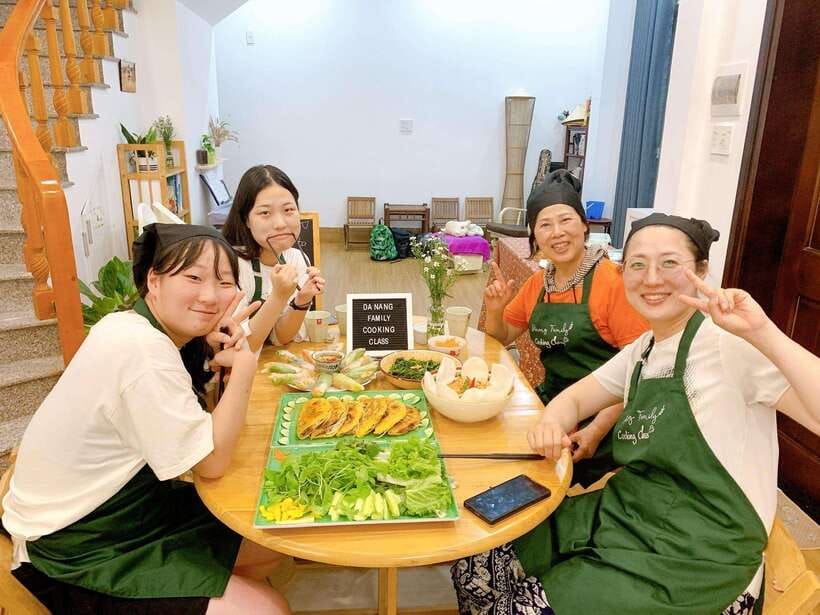
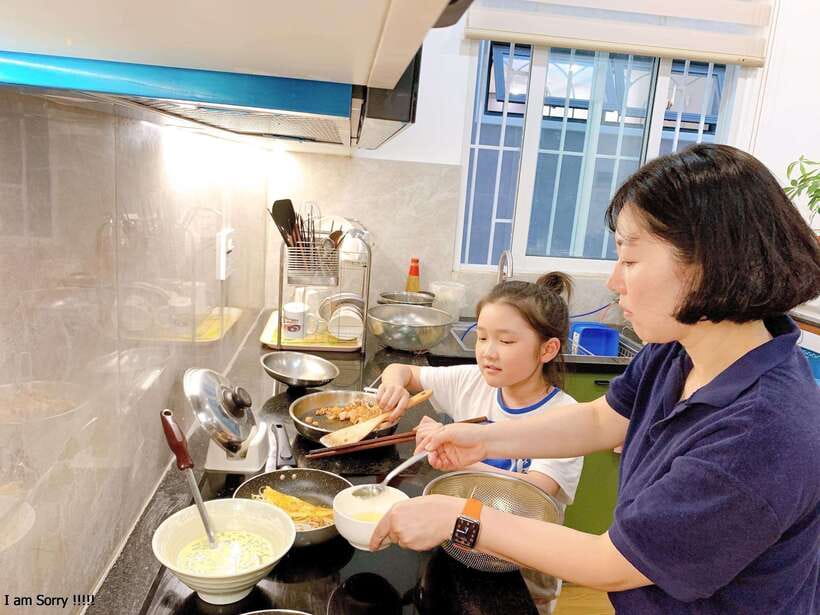
This 150-minute cooking class brings you into a local family home in Da Nang, where you prepare Vietnamese dishes instead of simply watching someone else cook. I like the small-group limit of nine people, and I like that the host speaks English, Chinese, and Vietnamese. You get hands-on instruction, a home setting, and a meal made by your own two hands.
The main point to consider is the meeting location. You must first find Sala Coffee on Han Thuyen Street, then walk about one minute to the house on Nui Thanh Street. The directions are detailed, but you should arrive five minutes early and double-check that you have chosen the correct Sala Coffee.
What Makes This Class Worth Your Time
- A real family home: You spend the lesson in a local household rather than a large commercial cooking studio.
- Two menus to choose from: Both include bánh xèo and fruit salad, while the other dishes let you choose between fresh rolls with stir-fried morning glory or beef pho.
- A meal is included: You eat the lunch or dinner you prepare, along with tea and dessert.
- Regional Vietnamese cooking: The menu reaches from central and southern bánh xèo to northern-style pho and fresh rolls.
- Small-group teaching: With no more than nine participants, the host can offer practical help during each cooking step.
- Flexible booking: You can cancel up to 24 hours before the class for a full refund, and you can reserve now and pay later.
Entering a Da Nang Family Home
The class begins away from the usual sightseeing circuit. You take a taxi to 61 Han Thuyen, Hoa Cuong Bac, Hai Chau, Da Nang. The landmark is Sala Coffee. From there, you follow the provided map or search Google Maps for Da Nang Family Cooking Class at K374/36 Nui Thanh. The house is about a one-minute walk from the coffee shop.
This detail matters. There is another Sala Coffee in Da Nang, and it is far from the activity location. Make sure your taxi driver takes you to the Sala on Han Thuyen Street in Hoa Cuong Bac. If you have trouble with the directions, contact the host before setting out.
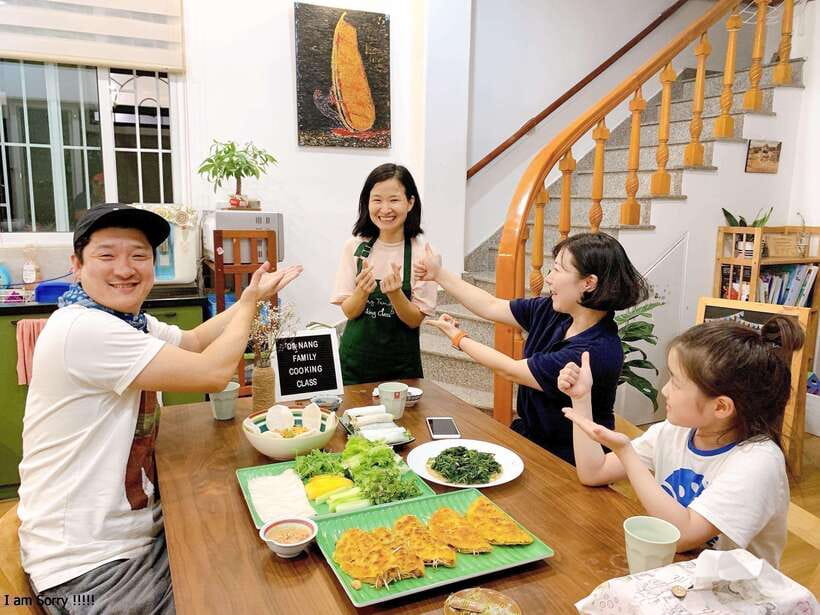
Once you arrive, the setting gives the class its character. You are not entering a polished restaurant kitchen designed for visitors. You are spending time with a local family in their home. That makes the lesson feel more personal and gives you a chance to hear about daily life as well as food.
The host speaks English and Chinese, along with Vietnamese. That is useful when cooking instructions become specific. Vietnamese food depends on small choices involving herbs, sauces, batter, and timing, so clear explanations matter more than a long speech about cuisine.
The class has a maximum of nine participants. That is still a group, but it is small enough for the host to help you through the hands-on stages. If only a few people book, the setting may feel especially personal. One couple, Miriam and her husband, had the lesson conducted just for the two of them, with menu changes made to suit their dietary needs.
More Home Cooking Classes in Vietnam
- Da Nang Authentic Home Cooking Class
★ 5.0 · 354 reviews - Hoi An: Traditional Cooking Class & meal with Local Family
★ 4.9 · 396 reviews - Hoi An: Vegetarian Cooking Class w Local Family and transfer
★ 4.9 · 145 reviews
Choosing Between the Two Menus
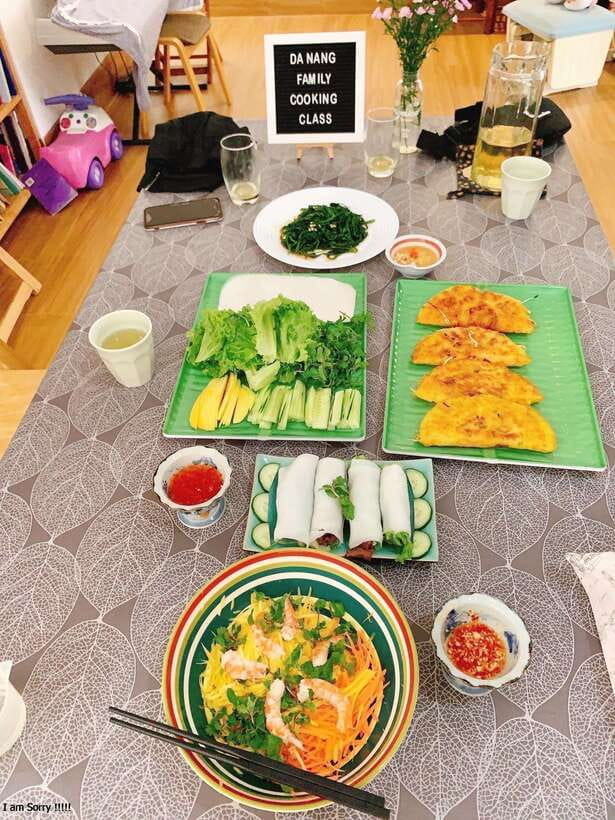
You choose from two menus. Both begin with bánh xèo and finish with a fresh fruit salad, but the main dishes differ.
Menu I includes:
- Bánh xèo
- Phở cuốn or gỏi cuốn
- Rau muống xào tỏi
- Mango or pomelo salad
Menu II includes:
- Bánh xèo
- Vietnamese beef pho
- Mango or pomelo salad
The choice changes the feel of the class. Menu I gives you a wider spread of everyday dishes and several different cooking tasks. Menu II focuses more closely on pho, one of Vietnam’s best-known foods.
If you enjoy assembling food and working with fresh herbs, Menu I is a good fit. Phở cuốn uses rice paper or pho sheets wrapped around ingredients such as stir-fried beef with onions, shrimp and pork, cilantro, and lettuce. Depending on the preparation, the rolls come with sweet and sour fish sauce with garlic or peanut sauce.
Menu II suits you if beef pho is high on your Da Nang food list. The dish combines broth, rice noodles, herbs, beef, coriander, green onions, and white onions. It is served with basil, bean sprouts, and lime juice. The cooking process gives you a better sense of how the parts of a bowl of pho come together.
The menu descriptions allow some flexibility. You should tell the host about allergies or dietary restrictions in advance. Miriam and her husband do not eat pork or beef, and their menu was adjusted without causing a problem. That is a useful sign for anyone with clear food limits, but you should still contact the host before the class rather than waiting until you arrive.
Making Bánh Xèo Sizzle
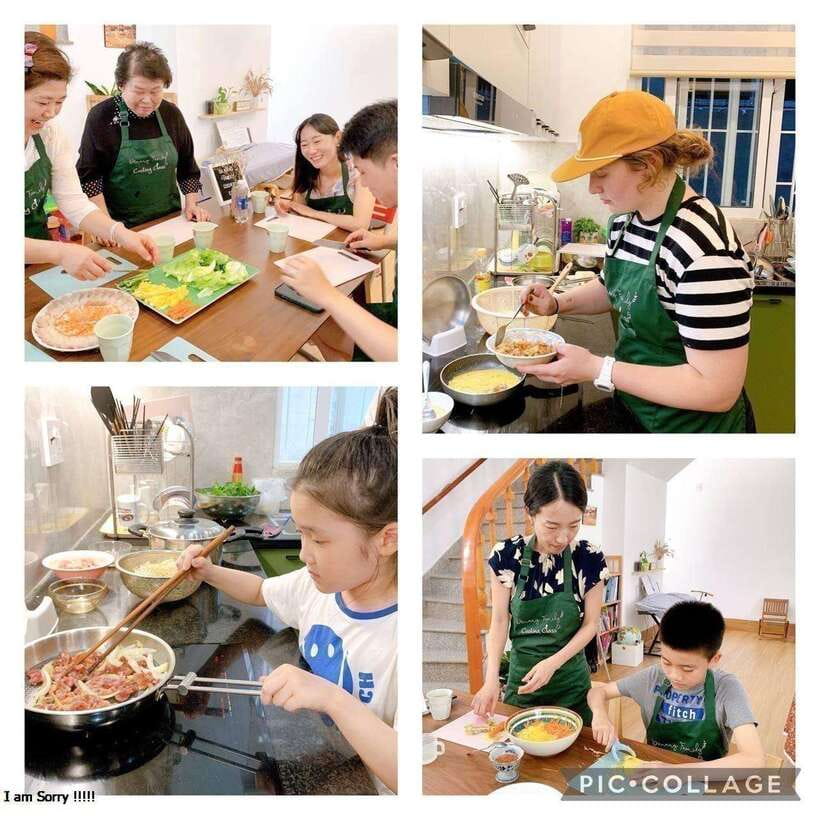
Bánh xèo is the shared dish on both menus, and it is a fine choice for a cooking lesson because the technique is easy to recognize but not always easy to get right.
The name refers to the sizzling sound the batter makes when it hits the hot skillet. The crepe is crisp and savory, with shrimp, and you eat it with lettuce, mint, basil, and nuoc cham dipping sauce. This is central and southern Vietnamese cooking in a single plate.
You learn more than a recipe here. The dish shows how Vietnamese food combines hot, crisp, fresh, and sour elements. The crepe itself is cooked and crunchy. The lettuce and herbs add coolness. The dipping sauce brings salt, sweetness, garlic, and acidity.
I like bánh xèo as the anchor of this class because it is social food. You do not simply put it on a plate and eat it with a fork. You use lettuce and herbs to wrap pieces, then dip them in sauce. It gives the meal a relaxed, hands-on rhythm.
The possible drawback is that a crisp crepe depends on cooking technique. Your result may not look as neat as the host’s. That is part of the value, though. You can see how the batter behaves and learn what to repeat at home.
Rolling Fresh Vietnamese Flavors
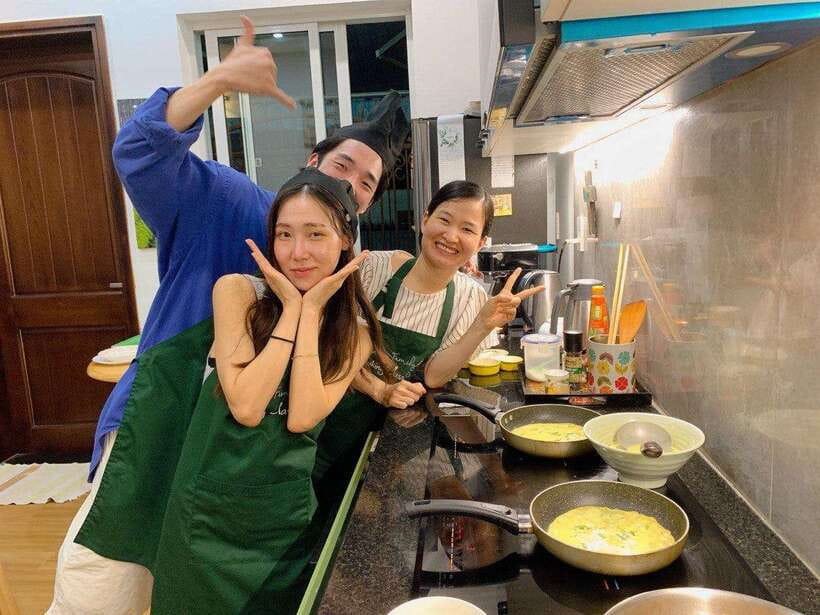
On Menu I, the fresh roll course adds a different set of skills. Phở cuốn and gỏi cuốn use rice paper or dried rice paper, with fillings wrapped inside.
The ingredients listed include stir-fried beef with onions, shrimp and pork, cilantro, and lettuce. The rolls are paired with sweet and sour fish sauce with chopped garlic or peanut sauce. The flavor is lighter than the bánh xèo, but the wrapping takes care.
This is a useful dish for you if you want something you can recreate without a long cooking time. The hard part is handling the rice paper. Too dry, and it will not bend properly. Too wet, and it can tear. The host’s step-by-step help is most useful here.
The rolls also show the contrast between Vietnam’s regional food traditions. The class brings northern-style rolled pho into the same meal as bánh xèo, which is strongly associated with central and southern Vietnam. You get a taste of the country’s variety without leaving the kitchen.
More Home Cooking Classes in Da Nang:
- Khmer Cooking Class at a Local’s Home in Krong Siem Reap
★ 5.0 · 2,731 reviews - Local Home Korean Cooking Class & Market Adventure in Seoul
★ 5.0 · 1,024 reviews - Marrakech: Moroccan Cooking Class with a Local Family
★ 4.9 · 668 reviews - Mexican Cooking from Scratch in a Local Home in Tulum
★ 5.0 · 585 reviews
Stir-Fried Morning Glory and Daily Vietnamese Meals
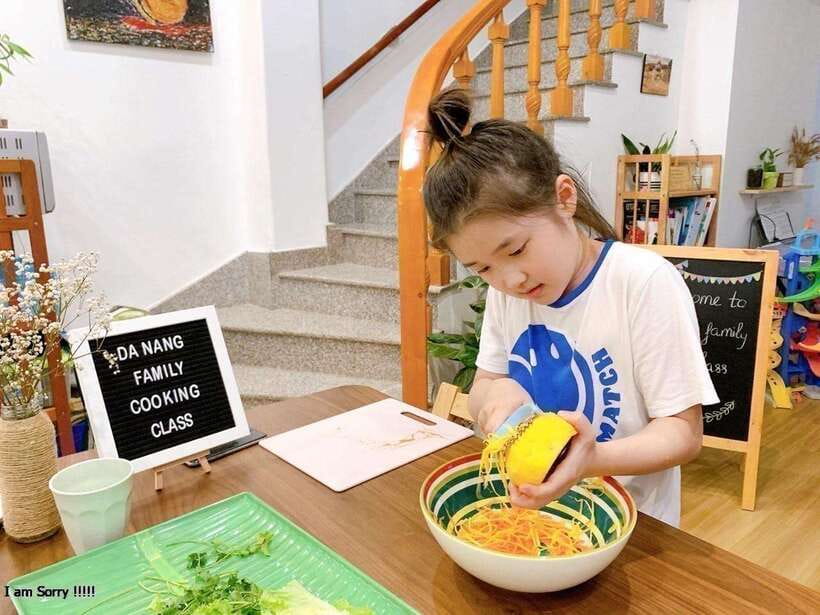
Menu I also includes rau muống xào tỏi, or morning glory stir-fried with garlic. This is a common vegetable dish served with rice in Vietnamese homes.
It may not have the fame of pho or bánh xèo, but it gives the class a better connection to ordinary home meals. A cooking lesson made up only of famous dishes can feel like a restaurant menu. This vegetable course shows you something people eat as part of daily life.
The ingredients are simple, yet timing matters. The greens should remain fresh and lively rather than overcooked. Garlic provides the main flavor. For you, this is probably one of the easiest dishes to repeat after returning home, provided you can find morning glory or a suitable substitute.
I value this part of the menu because it keeps the meal balanced. You get a crisp crepe, fresh rolls, a green vegetable, and a fruit salad instead of four heavy dishes.
Learning Why Pho Became a National Favorite
Menu II replaces the rolls and morning glory with phở bò, Vietnamese beef noodle soup.
Pho originated in northern Vietnam in the early 20th century before spreading throughout the country and around the world. The dish combines broth made from beef bones, flat rice noodles, herbs, and beef. It is garnished with coriander, green onions, and white onions, then served with basil, bean sprouts, and lime juice.
A 150-minute class cannot turn you into a pho specialist, and the activity does not promise that. What it can do is show you the ingredients and assembly behind a familiar dish. You can pay attention to how the herbs and garnishes change the bowl, rather than treating pho as just noodles in broth.
Menu II may be the better option if you want one major dish with a famous cultural story. Menu I is broader and more varied. I would choose Menu II for someone who has always wanted to understand pho, and Menu I for someone who wants to practice several small dishes.
The beef-based menu may not suit people who avoid red meat. If that applies to you, mention it in advance. The host has shown flexibility with dietary changes, but the class needs notice to prepare properly.
Finishing With Mango or Pomelo Salad
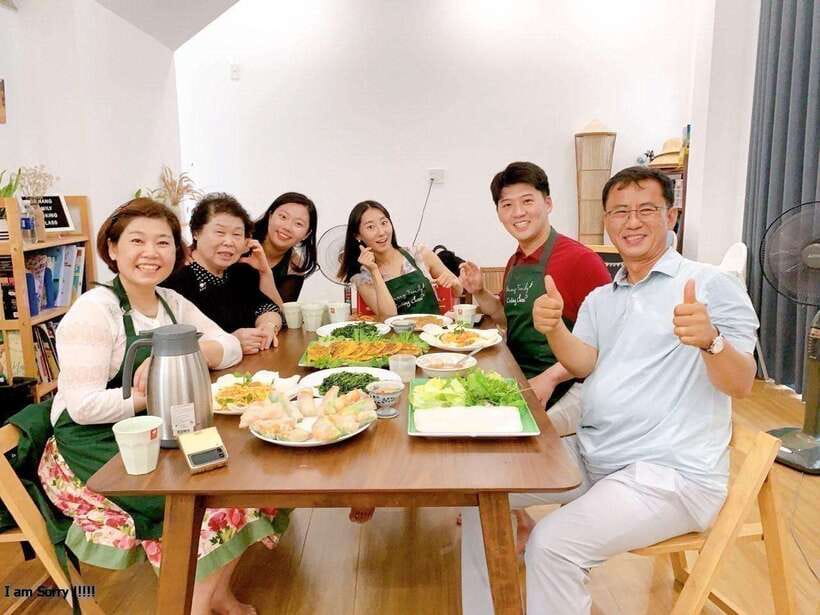
Both menus include a fresh fruit salad made with mango or pomelo and carrot, mixed with a sweet and sour fish sauce.
This course gives the meal a sharp, refreshing finish. It also reinforces a central feature of Vietnamese cooking: fruit, vegetables, herbs, and sauce often work together instead of being treated as separate parts.
Mango and pomelo create different textures. Mango is soft and sweet, while pomelo is juicy and slightly bitter. Carrot adds crunch. The sauce ties everything together.
Tea and dessert are included after the meal. The class is not simply a demonstration followed by a quick taste. You sit down to eat the food you prepared, which makes the final part feel like a proper shared meal.
A Friendly Lesson With Clear Support
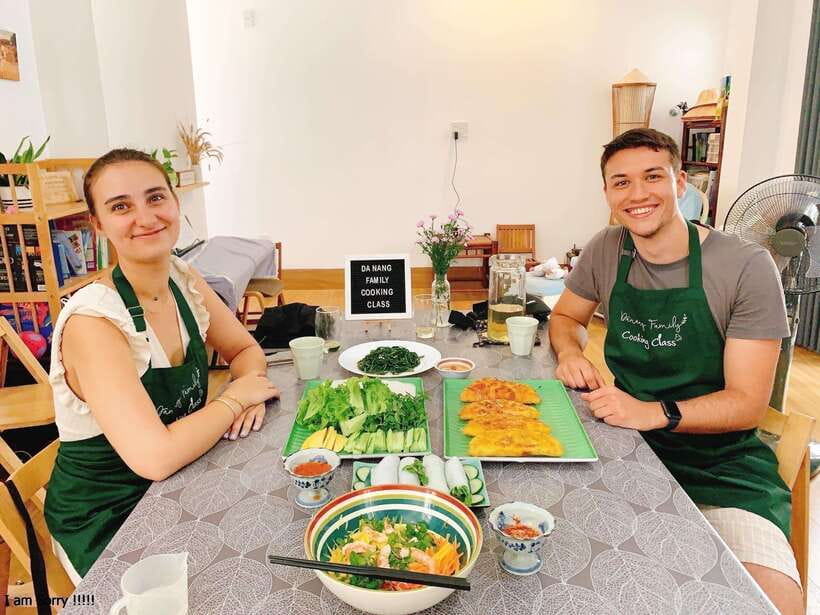
The strongest part of the class is the personal teaching. Nicolas from France described the welcome as warm, the house as friendly, and the explanations as clear. He also found the support during each stage helpful.
That is exactly what you want in a short cooking lesson. You do not need a lecture on every ingredient. You need someone to show you what to do, correct a step when necessary, and explain why the food is prepared that way.
The hosts also offer insight into local life and stories. The class is therefore more than a set of recipes. You get a window into the household where the meal is prepared, without the formality of a restaurant kitchen.
The pace should suit most people. At two and a half hours, it is long enough for preparation, cooking, eating, and conversation. It is short enough to fit into a Da Nang itinerary. Arrive five minutes early so you do not lose part of the instruction while finding the house.
Is $24 a Fair Price?
At $24 per person, the value is strong if you want more than a meal.
The price includes the cooking lesson, all ingredients, lunch or dinner, tea, and dessert. It also includes the host’s help in English, Chinese, or Vietnamese. Transportation is not included, so you pay separately for a taxi to the meeting point.
A restaurant meal might cost less, depending on where you eat. But it would not include personal instruction, the chance to work with the ingredients, or time inside a local family home. A standard cooking studio might offer more equipment or a larger menu, but this class gives you the home setting that makes it feel connected to Da Nang life.
The best value comes if you plan to cook Vietnamese food again. You can take the methods home, especially the bánh xèo, salad, morning glory, and fresh rolls. If you only want to watch a professional cook, this may not be the right use of your time. The class expects you to take part.
Who Should Book This Class?
I would recommend it to couples, families, and small groups of friends who want a relaxed cultural activity. Nicolas specifically found it well suited to friends, and the small group size helps keep the atmosphere personal.
It also works well for people who care about food restrictions, provided they explain those needs ahead of time. The hosts adjusted a menu for a couple who avoided pork and beef, which is encouraging.
The class is a good fit for first-time visitors to Vietnam because it introduces several well-known dishes and explains how they fit together. It is also useful for repeat visitors who want to spend an afternoon in a local home rather than another restaurant.
You should think twice if you dislike hands-on activities, cannot eat the listed ingredients, or want hotel pickup. There is no transportation service, and you must manage the short walk from Sala Coffee to the house.
My Verdict: Book It for a Personal Food Lesson
I would book this class if I wanted a friendly introduction to Vietnamese home cooking at a sensible price. The best features are the local family setting, clear hands-on help, flexible menus, and the chance to eat what you prepare.
Give yourself extra time to find the correct Sala Coffee, arrive five minutes early, and send dietary details before the class. Choose Menu I for variety and several smaller dishes. Choose Menu II if pho is the dish you most want to understand.
This is not a grand culinary school or a market tour. It is a modest, personal cooking session in a Da Nang home. For many people, that is precisely the appeal.
FAQ
How long does the Da Nang Family Cooking Class last?
The class lasts 150 minutes, or two and a half hours.
How much does the cooking class cost?
The listed price is $24 per person.
Where does the cooking class take place?
The class takes place at a local family home at 374/36 Nui Thanh Street, Hoa Cuong Bac, Hai Chau, Da Nang. The address may also appear as K374/36 Nui Thanh.
Where should I meet the host?
Take a taxi to 61 Han Thuyen, Hoa Cuong Bac, Hai Chau, Da Nang, where you will find Sala Coffee. From there, the house is about a one-minute walk.
Is transportation included?
No. Hotel pickup, hotel drop-off, and transportation to or from the activity location are not included.
Which languages does the host speak?
The host speaks English, Chinese, and Vietnamese.
How many people can join the class?
The class is limited to nine participants.
What dishes are included in Menu I?
Menu I includes bánh xèo, phở cuốn or gỏi cuốn, rau muống xào tỏi, and mango or pomelo salad.
What dishes are included in Menu II?
Menu II includes bánh xèo, Vietnamese beef pho, and mango or pomelo salad.
Are tea and dessert included?
Yes. Tea and dessert are included, along with the meal made during the class.
Can dietary restrictions or allergies be accommodated?
You should tell the host about allergies or dietary restrictions in advance. Menu adjustments may be possible, as shown by an example involving guests who did not eat pork or beef.
Is the class wheelchair accessible?
Yes, the activity is listed as wheelchair accessible.
Can I cancel the booking?
You can cancel up to 24 hours in advance for a full refund.
Can I reserve now and pay later?
Yes. The booking option allows you to reserve your place and pay later.
Just added around Da Nang
- Market Tour, Basket Boat Ride & Cooking Class by Hangcoconut★ 4.8 · 95 reviews
- HOI AN Cooking Class and Lantern Workshop★ 4.7 · 6 reviews
- Da Nang Vegetarian Cooking and coffee Class★ 4.6 · 11 reviews
- Da Nang: Cooking Pho & Vietnamese Dishes With Local Chef★ 5.0 · 5 reviews
- Da Nang: Coffee Making And Cooking Class★ 5.0 · 7 reviews
- Da Nang Cooking: Market tour, farming, and cooking class★ 4.8 · 13 reviews
- Da Nang: Cooking Class and tasting Pho with Local Girl★ 5.0 · 6 reviews
- RICE PAPER Noodle Making Experience & Hoi An Cooking Class Class★ 5.0 · 164 reviews
Home Cooking Classes, compared.
Khmer Cooking Class at a Local’s Home in Krong Siem Reap
Read our review →
Local Home Korean Cooking Class & Market Adventure in Seoul
Read our review →
Mexican Cooking from Scratch in a Local Home in Tulum
Read our review →
Pastamama, Home Cooking Classes at Grace’s Home
Read our review →
Traditional Cooking Class & meal with Local Family
Read our review →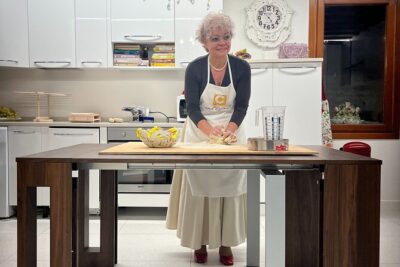
Lists this class appears in