REVIEW · TUSCANY, ITALY
Florence: Market to Table Cooking Lesson
Come hungry, leave with new kitchen skills. This half-day Florence cooking class combines a central market visit with hands-on Tuscan cooking, so you learn not only how to make pasta, ragù, bruschetta, and tiramisu, but also how Italians choose ingredients. I especially like the market-to-table format and the chance to eat a full meal with wine at the end. The main drawback is that some parts are demonstration rather than individual cooking, and standing for several hours can be tiring.
The class lasts about 4.5 hours and is taught in English. Past sessions have featured friendly instructors such as Julio, Emanuele, Andrea, Antonio, Thomas, and Emily. Their teaching styles may differ, but the strongest pattern is clear: this works best when you want practical recipes, a social setting, and a meal that feels connected to Florence rather than a quick tourist tasting.
Key points at a glance
- The morning begins at Florence’s central market, where you learn about local meat, cheese, vegetables, bread, and specialty products.
- Fresh pasta is a central lesson, with participants making their own dough and learning how simple the basic ingredients can be.
- The usual menu is a full Italian meal, often including bruschetta, pasta with ragù or another sauce, a meat or fish course, and tiramisu.
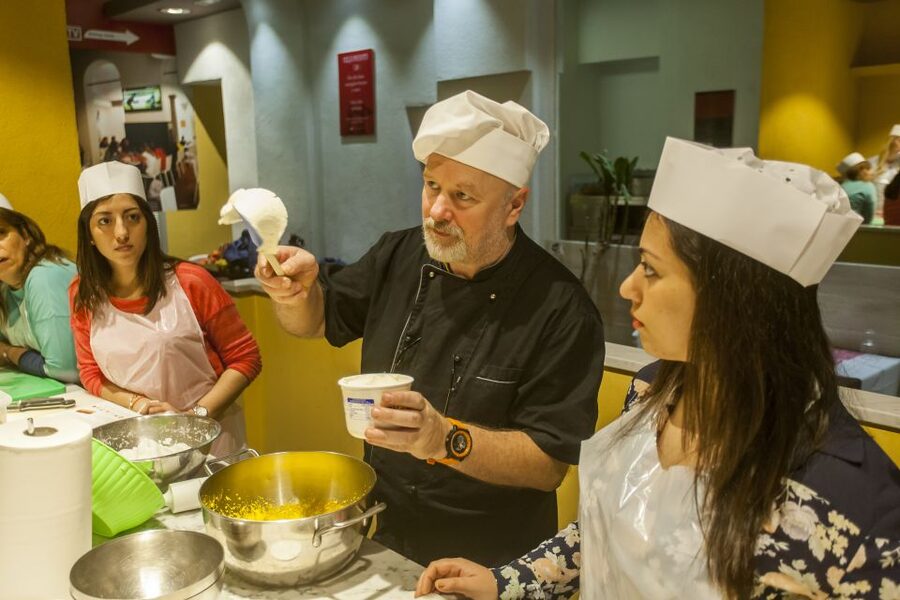
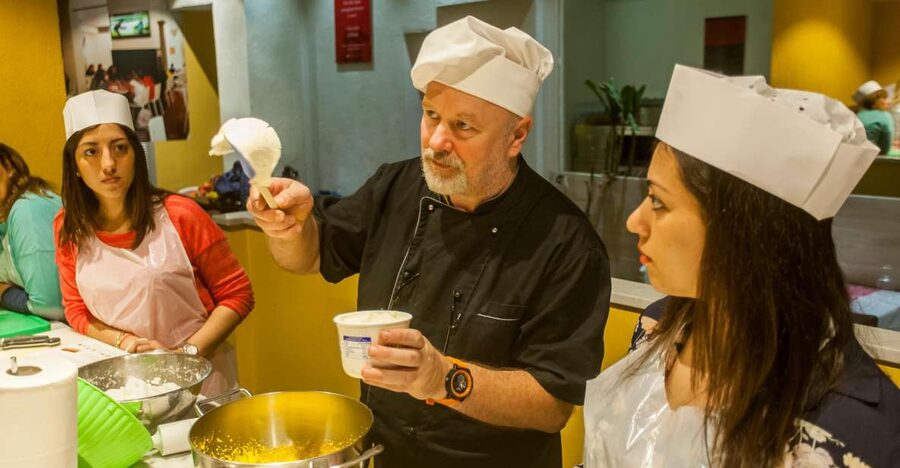
- The chef handles some time-consuming steps, while you take turns chopping, mixing, rolling pasta, and finishing dishes.
- Wine is served with the meal, turning the class into a relaxed lunch rather than a rushed cooking demonstration.
- Sunday and holiday schedules matter, since the market visit is skipped when the central market is closed.
Starting at Via Panicale and Florence’s central market
The meeting point is at Via Panicale 43/r, 50123 Firenze, near the central market area. You should allow enough time to find the exact address, since Florence’s streets can be confusing and the class begins with the group gathering before heading into the market.
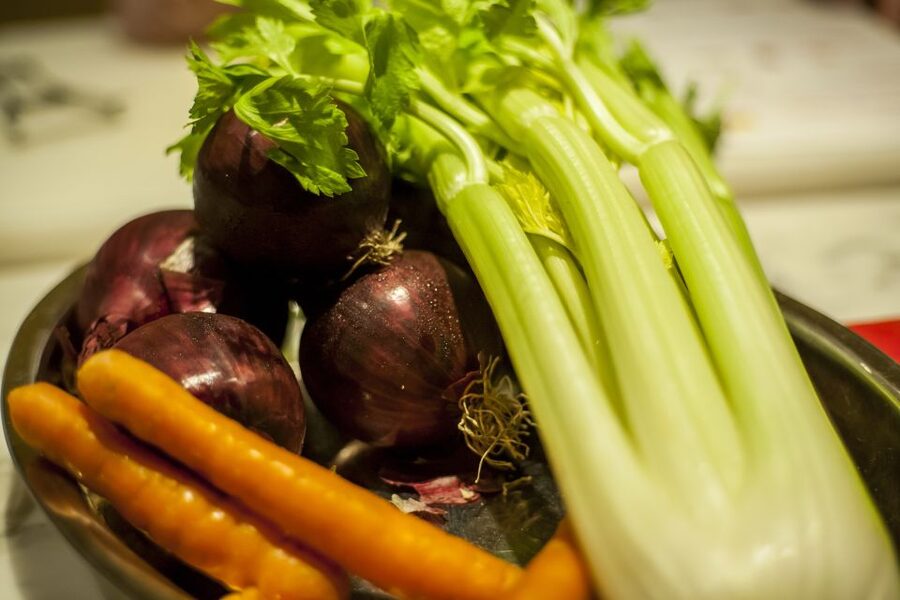
The market visit gives the cooking lesson useful context. Instead of starting with a bowl of flour and a recipe sheet, you first see the kinds of food that shape everyday Tuscan cooking. The chef introduces you to farmers, bakers, butchers, and other sellers, explaining what to look for and what to buy.
This is not simply a walk through stalls. The useful part is the advice on choosing ingredients. You might hear about different cuts of meat, varieties of vegetables, regional products, and how quality ingredients can carry a dish with very little seasoning. One session included tastings of truffle oils, truffle pastes, and truffle cheeses, which added a pleasant specialty-food stop to the market visit.
The market portion has had mixed details from one class to another. Some sessions included a broad look at meats, cheeses, vegetables, and local products. In another, the discussion about steak ran long, only for the group to learn that ground beef would be used for the ragù. One class also covered only part of the market, without much time in the fresh produce section.
That means you should see the market walk as an introduction, not a full food tour. I like it because it connects the dishes to the place where the ingredients are sold, but the amount of shopping and tasting can depend on the chef and the group.
On Sundays and bank holidays, the central market is closed. The market visit is then skipped, so check the date carefully if that part is especially important to you.
More Cooking Classes with a Market Tour in Florence
- Cooking Class and Lunch at a Tuscan Farmhouse with Local Market Tour from Florence
★ 5.0 · 4,831 reviews - Small Group Cooking Class & Market Food Tour in Florence
★ 5.0 · 1,574 reviews - Pasta and Tiramisu Cooking Class with optional Local Market Tour
★ 5.0 · 515 reviews
Riding to the cooking school
After the market visit, the group travels by minivan to the cooking school. This transfer saves you from figuring out another address and keeps the activity together, which is helpful in a busy city where small groups can easily scatter.
The minivan ride also marks a change in pace. The market is about seeing and discussing ingredients. At the school, you put that information to work. The class then moves through preparation, cooking, plating, and lunch.
The total duration is listed as 4.5 hours, so this is not a quick one-hour pasta lesson. Plan it as a major half-day activity. You will want comfortable shoes and a little space afterward, especially if you have other timed plans in Florence.
Making pasta by hand
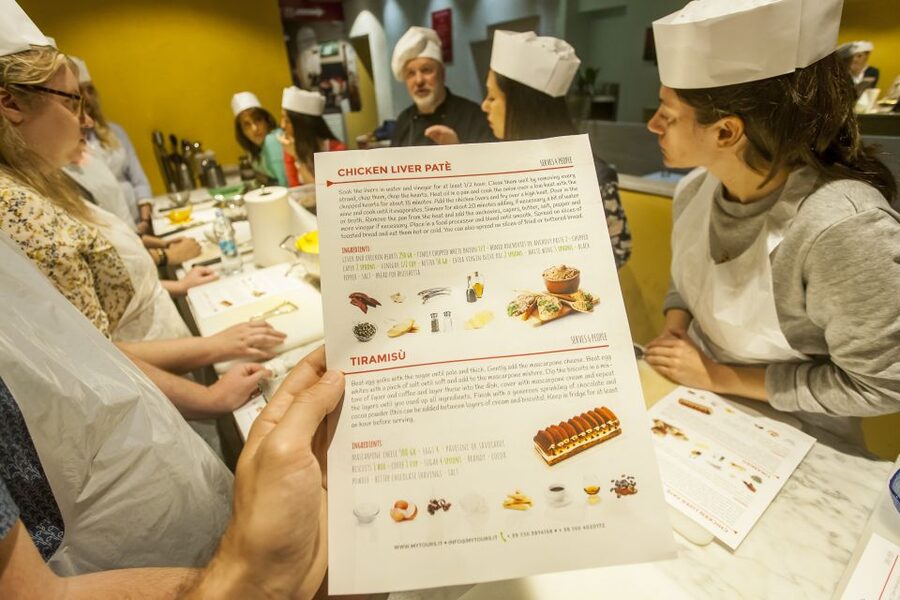
Fresh pasta is the heart of the lesson. You learn the basic method for combining ingredients, working the dough, and rolling it out. Several people found this the most satisfying part because it looks difficult at first, yet becomes manageable once the chef breaks it into steps.
In one particularly hands-on format, each participant rolled their own pasta dough while the chef sped up slower jobs for the group. That balance makes sense. If every person had to complete every repetitive task from start to finish, the meal could take much longer than the scheduled four and a half hours.
The exact pasta shape can vary, but tagliatelle and linguine have appeared in the menu. You may also prepare a tomato sauce, pesto, ragù, or Bolognese-style sauce. The lesson focuses on methods you can repeat at home, not on fancy restaurant tricks that require special tools.
The best takeaway is the Italian approach to restraint. One participant returned home with greater confidence in using fewer herbs and spices, letting the pasta, meat, tomatoes, or cheese do more of the work. That is useful advice for a home cook, especially if you tend to add ingredients until a sauce loses its focus.
Preparing bruschetta, ragù, and the main course
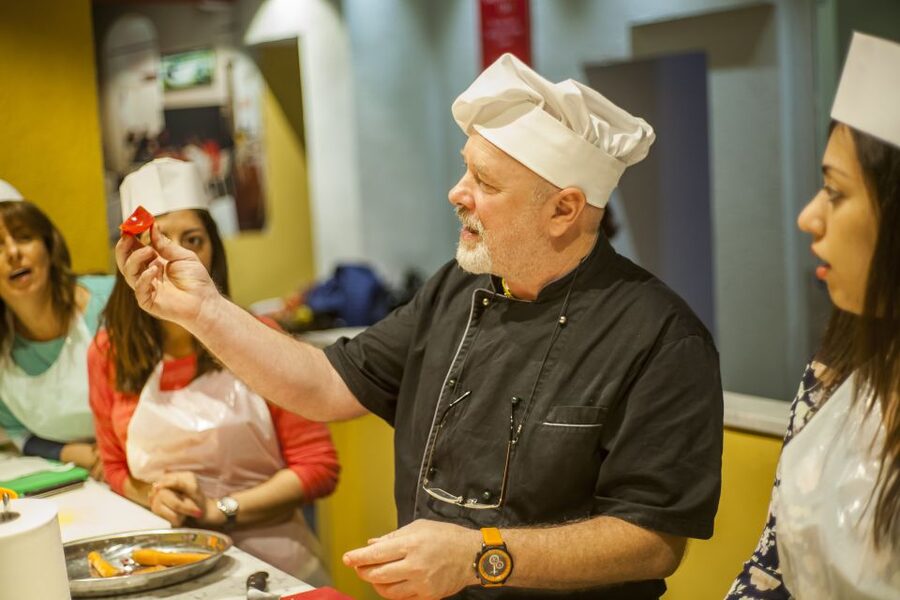
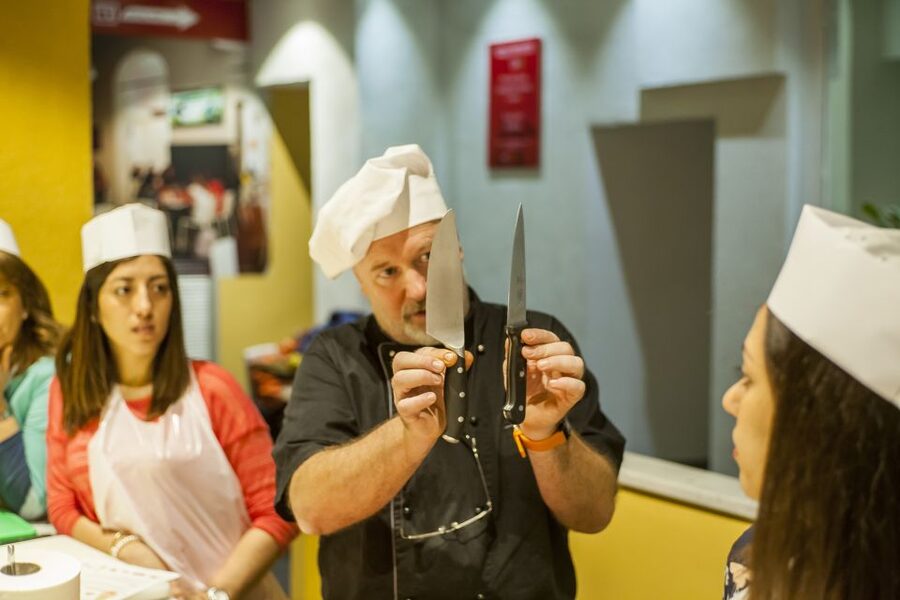
The meal often begins with bruschetta, a simple dish that gives the chef a chance to teach knife work, seasoning, and the handling of fresh ingredients. It is straightforward, but that is part of its value. You see how a few good components can make a strong first course.
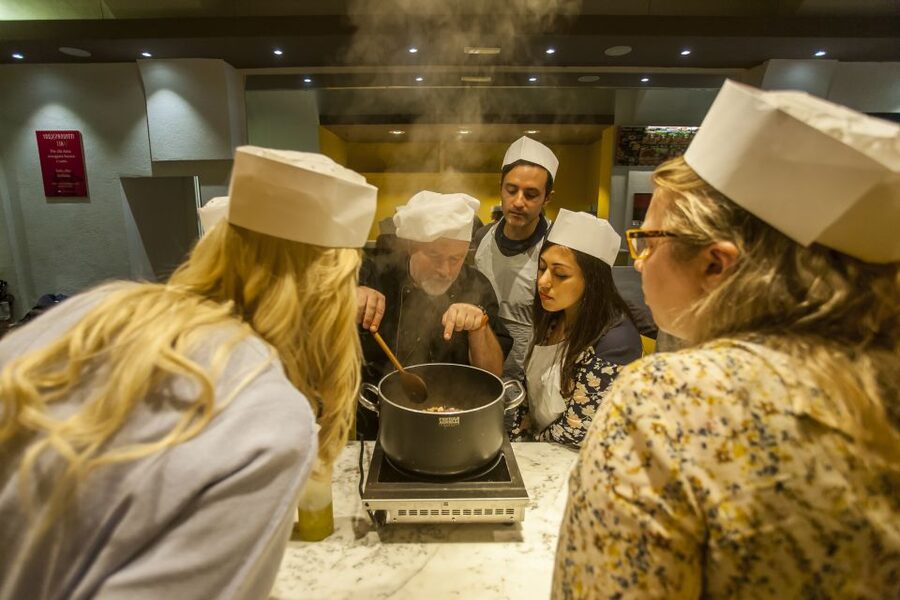
The pasta course usually includes ragù or another sauce. The group may chop vegetables, prepare the meat, stir the sauce, and learn how the ingredients build flavor over time. You might not personally handle every step, but everyone normally gets a turn at some part of the work.
The main course can be based on meat or fish. The activity description does not promise one fixed dish, since the menu can use fresh, seasonal ingredients. This is a strength for a class about Tuscan food, but it also means you should not book expecting one exact recipe unless the operator confirms it.
Chef Julio received especially warm praise for being patient, funny, and clear while teaching dishes such as bruschetta, fresh pasta, and meat sauce. Other classes led by Andrea, Antonio, and Emanuele were also remembered for a friendly teaching style and useful cooking tips. Since instructors can change, treat those names as examples of the type of guide who has led the class, not as a guarantee of your specific chef.
Some parts are more hands-on than others. You may chop, mix, roll, or stir, then watch the chef demonstrate a more technical or time-sensitive step. If you want every plate prepared entirely by you, this may feel too shared. If you want a practical introduction without the pressure of running a professional kitchen, the group format is a good fit.
More Cooking Classes with a Market Tour in Italy
- Florence: Cooking Class with Local Food Market Tour
★ 4.9 · 407 reviews - Florence: Cooking Class at a Tuscan Farm & Local Market Tour
★ 4.9 · 354 reviews - Florence: Market Visit and Cooking Class
★ 4.4 · 16 reviews - Florence: Market and Cooking Class at a Local’s Home
★ 5.0 · 9 reviews
Ending with tiramisu and Italian wine
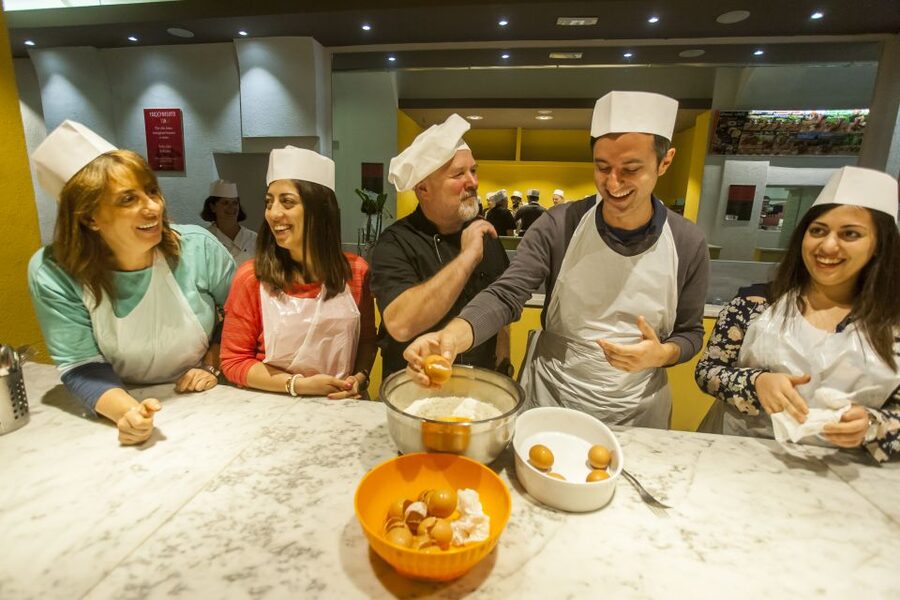
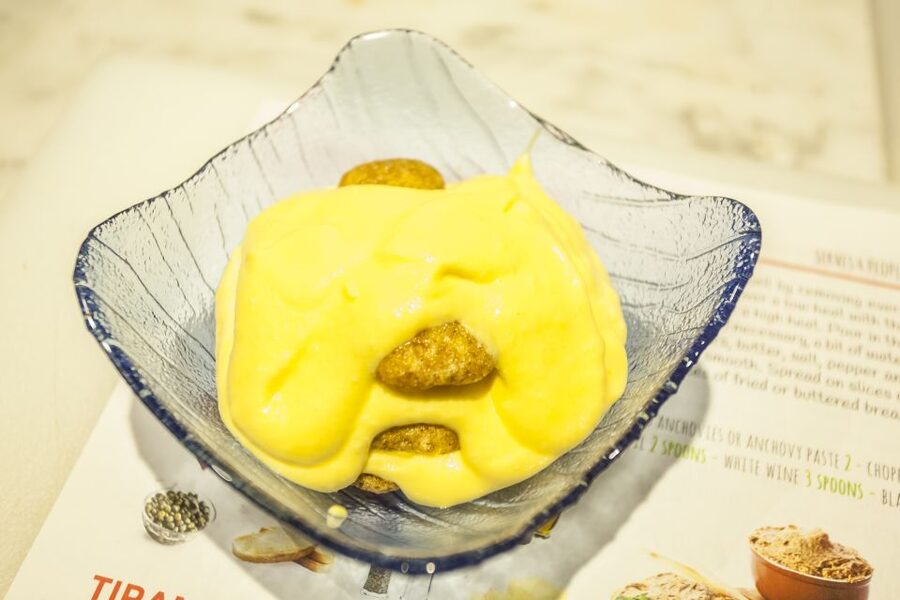
Dessert is typically tiramisu, and it has been one of the most popular recipes from the class. You prepare it from scratch, then eat it as part of the final meal. Several people later planned to make it for family celebrations, which says something about how approachable the recipe can be.
The meal usually includes bruschetta, handmade pasta with sauce, a meat or fish dish, and dessert. Italian red or white wine is served with lunch. This makes the class feel like a shared table experience, not merely a lesson followed by a small sample.
I like this ending because you get to taste the result while the cooking is still fresh in your mind. You can remember the texture of the pasta, the balance of the sauce, and the way the dishes were put together. The wine also adds a natural social rhythm, though you should keep your schedule flexible if the class runs late.
A few practical details are worth noting. The meal is communal, and group size can vary. Past groups ranged from about six or seven people to 17, with smaller groups offering more direct attention. A larger group can still work well, but you may have to wait your turn for certain tasks.
How physical and social the class feels
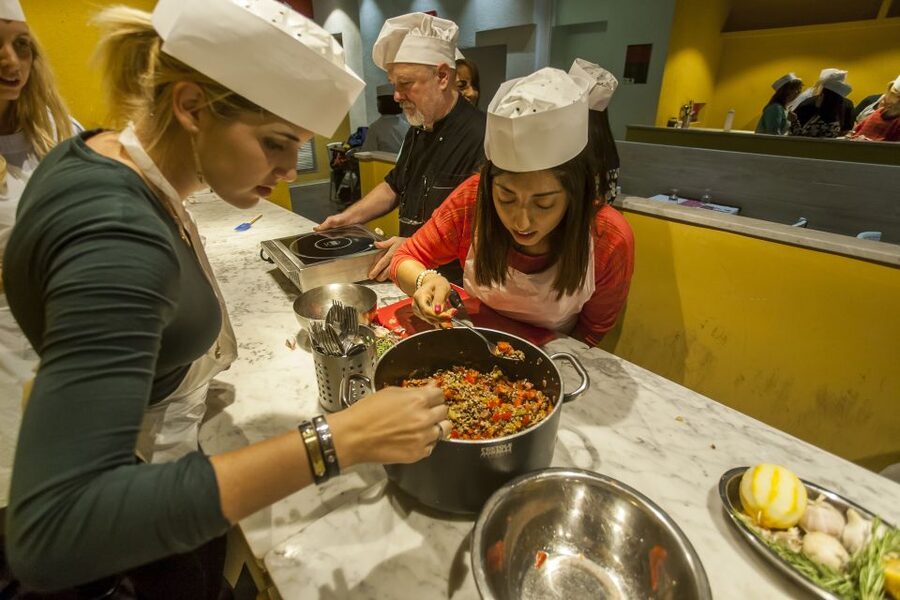
This is an active class, not a seated food talk. You should expect to stand for much of the cooking portion, and the market walk adds more time on your feet. Some participants wished for stools during explanations, especially after several days of sightseeing in Florence.
You must also be able to climb and descend stairs. The activity is not suitable for people with gluten intolerance because handmade pasta and other dishes rely on wheat-based ingredients.
The social side is one of the class’s strengths. People who arrive alone can easily meet others through shared chopping, pasta rolling, and lunch. One solo participant found the group welcoming and made friends during the class. Couples, families, and small groups can also enjoy it, but remember that you will be cooking alongside people with different levels of experience.
Language can affect the pace. The advertised teaching language is English. A past class slowed down when the chef had to translate into Spanish for one participant, frustrating some members of the group. If clear English instruction is important to you, confirm the language setup when booking.
Value, timing, and what you take home
The value here comes from the amount packed into the half-day. You get a market introduction, transport to the school, instruction, several dishes, lunch, wine, and a graduation certificate. You also leave with techniques that can be repeated at home, which gives the experience more lasting value than a meal you simply order at a restaurant.
The strongest practical benefit is confidence. People learned how to make fresh pasta, build ragù, improve cutting skills, and prepare tiramisu. One participant recreated the meal for 12 family members after returning home. That is a good test of whether the class teaches usable food rather than just providing entertainment.
Recipes are worth asking about before you leave. Some participants expected recipes by email and had not received them weeks later. Others were concerned about not receiving the recipe sheets or certificate because they had to leave quickly for a train. If the recipes matter to you, confirm how and when they will be delivered, and allow enough time at the end to collect the certificate.
The cancellation terms also reduce some booking risk. You can cancel up to 24 hours before the activity for a full refund, and you can reserve now and pay later. Those policies are useful when your Florence schedule is still changing, though they do not solve the issue of a closed market on Sundays and bank holidays.
Who will enjoy this Florence cooking class?
I would recommend it most strongly if you:
- Want to learn a few dishes you can make at home
- Like food markets as much as formal sightseeing
- Enjoy social activities with a small or medium-sized group
- Have at least half a day available
- Are comfortable standing, walking, and using stairs
- Want a full meal rather than a short tasting
It is less suitable if you need gluten-free food, dislike group instruction, or want a fully private lesson with constant one-to-one attention. It may also disappoint you if the market is the main reason for booking and your date falls on a Sunday or bank holiday.
Experienced cooks can still enjoy it, but the appeal will be less about basic technique and more about Tuscan ingredients, local food habits, and the pleasure of cooking in Florence. Beginners get the clearest benefit because the chef breaks familiar dishes into manageable steps.
Should you book the market to table cooking lesson?
Book it if you want a useful, social half-day built around food rather than another museum or church. The combination of market advice, handmade pasta, sauce preparation, tiramisu, wine, and a shared lunch gives you a good range of experiences in one booking.
Go in with realistic expectations. You may not personally cook every part of every dish, the market visit can vary in length, and standing for several hours can be tiring. Still, the consistently strong teaching, the enjoyable meal, and the chance to recreate the recipes at home make this a solid choice for food-focused visitors to Florence.
FAQ
Where does the cooking class meet?
The meeting point is Via Panicale 43/r, 50123 Firenze. The listed coordinates are 43.77748489379883, 11.253640174865723.
How long does the experience last?
The activity lasts about 4.5 hours, including the market visit, transport to the cooking school, cooking lesson, meal, and return to the departure point.
What food do you prepare?
The class can include homemade pasta and sauces such as tomato sauce, ragù, Bolognese, or pesto. The meal may also include bruschetta, a meat or fish course, and tiramisu. The exact menu can use seasonal ingredients.
Is the market visit included every day?
No. The central market visit is skipped on Sundays and bank holidays because the market is closed.
Is the class taught in English?
Yes. The listed language is English, and the experience includes a live English-speaking guide.
Is the class suitable for people with gluten intolerance?
No. The activity is not suitable for people with gluten intolerance because the class includes handmade pasta and other wheat-based foods.
Just added around Florence
- Florence: Art of Pasta Cooking Workshop with Food and Wine★ 5.0 · 69 reviews
- Pasta Cooking Experience in Florence★ 4.8 · 139 reviews
- MasterSteak: Tuscan Steak Cooking Class with Unlimited Wine★ 5.0 · 2 reviews
- Florence: Market Visit and Cooking Class★ 4.4 · 16 reviews
- From Livorno: Authentic italian Pasta Cooking Class★ 5.0 · 3 reviews
- Florence Cooking Class: Ravioli & Pasta & Wine + Gift Apron★ 5.0 · 5 reviews
- Florence: Traditional Pizza and Gelato Cooking Class + Wine★ 5.0 · 2 reviews
- Florence:Dolce Vita by Day Market Tour & Pasta Making Class★ 5.0 · 2 reviews
Cooking Classes with a Market Tour, compared.

Hanoi Cooking Class: Culture, Local Market & Meaning CSR Impact
Read our review →
5 Traditional Dishes Hanoi Cooking Class with Market Trip
Read our review →
Cooking Class and Lunch at a Tuscan Farmhouse with Local Market Tour from Florence
Read our review →
Cooking Class, Market & Thai Herbs Garden Tour
Read our review →
Authentic Cooking Class with Market & Farm Visit
Read our review →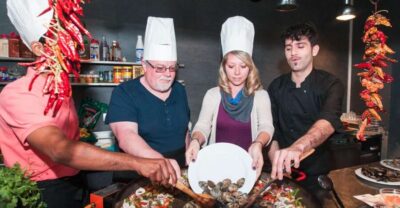
Paella Cooking Experience & Boqueria Market Tour
Read our review →
Cooking Class Hoi An:Local Market, Basket Boat, Fishing & Cooking
Read our review →