
REVIEW · PHNOM PENH, CAMBODIA
Khmer Cooking Class Half Day (AM or PM)
Cambodia tastes better when you cook it yourself. This four-hour class combines a local market visit with private, hands-on instruction, so you see the ingredients before they reach the wok and then prepare your own meal. I like the small-group setup and the chance to cook three Khmer dishes rather than simply watch a demonstration. I also like that you take printed recipes home, along with a certificate and the confidence to try the food again.
The main consideration is that the class can feel quiet if you are the only participant. One person found it awkward to eat alone and was not allowed to invite a driver to join the meal. Some recipes may also need adjustment at home, especially if Cambodian ingredients are hard to find or if you prefer less sugar in the banana dessert.
Key points to know before booking
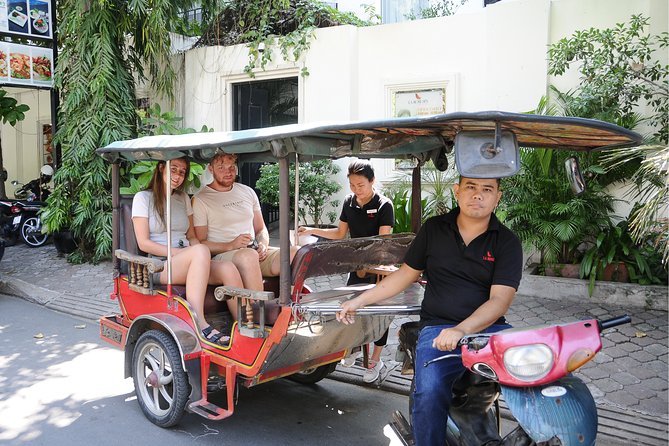
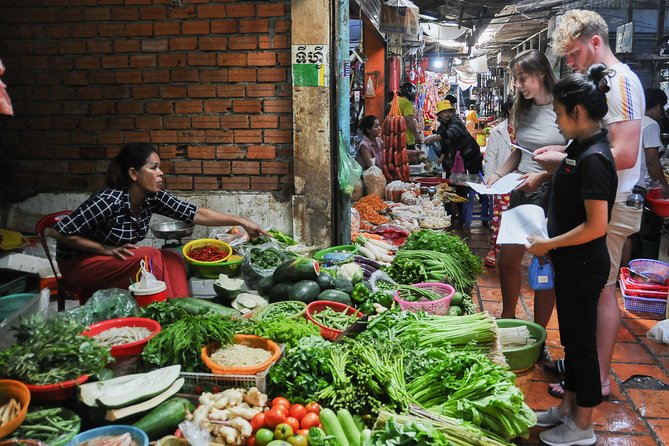
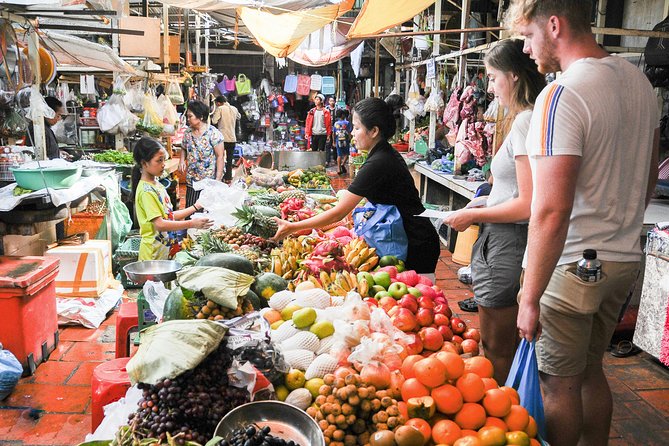
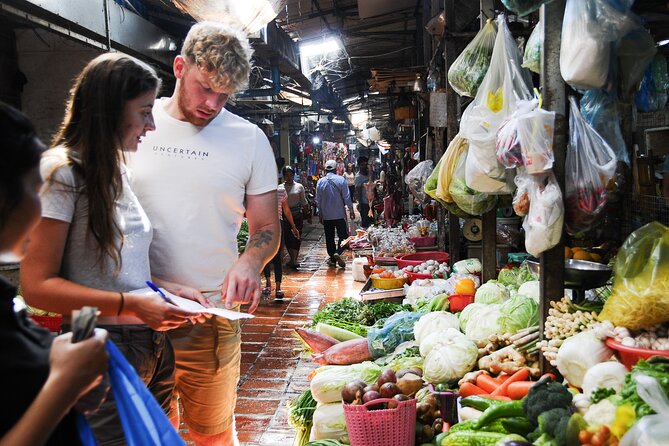
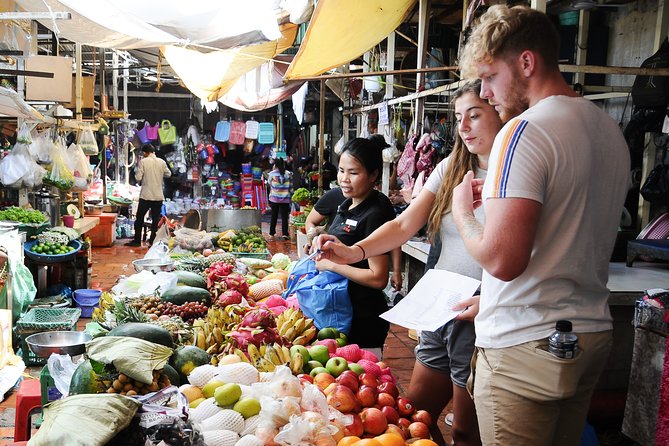
- A local market comes first: You ride by tuk-tuk to shop for the fruit, vegetables, herbs, spices, and other ingredients used in class.
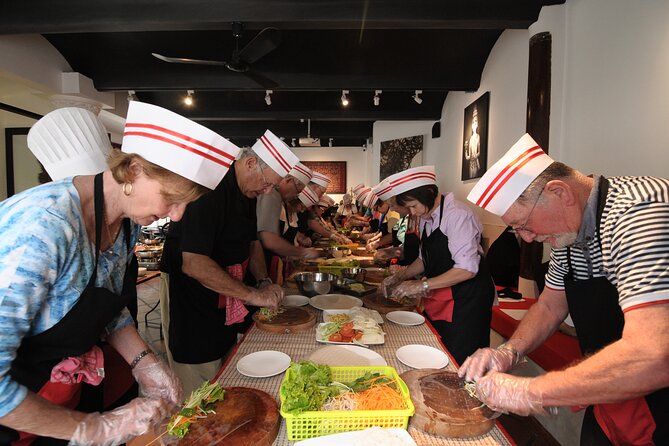
- You cook at your own station: Each student has an individual cooking area and wok, with the chef showing each step before you try it.
- Three dishes make a full meal: Menus have included fish amok, yellow chicken curry, spring rolls, green mango salad, and banana palm sugar dessert.
- Chef Lom Ang is highly praised: Her clear teaching, patience, market guidance, and advice on ingredient substitutions are frequent highlights.
- The setting is calm and polished: The class takes place at Banana Cooking Class, associated with a boutique hotel and described as clean, air-conditioned, and garden-filled.
- The price is strong for a private activity: At $31, the fee includes the tuk-tuk market trip, instruction, ingredients, meal, recipes, certificate, and mobile ticket.
Why this Phnom Penh cooking class works so well
Cooking classes can be hit or miss. Some turn into a quick demonstration followed by a meal you barely helped make. This one gives you a fuller Cambodian food experience because the class starts before you enter the kitchen.
You begin at Banana Cooking Class at 9:00 in the morning or 3:00 in the afternoon. The meeting point is at 4b Abdul Carime Street, also identified as Street 21, in Phnom Penh. From there, you take a tuk-tuk to a local market.
I like this opening because it gives the food some context. Instead of finding a bowl of prepared curry waiting on a counter, you see the raw ingredients and learn how the chef chooses them. The market visit also adds a small slice of ordinary Phnom Penh life to what could otherwise be a restaurant-based activity.
At $31, this is good value if you want more than lunch. The fee covers transport to and from the market, the food you cook, individual equipment, instruction, the finished meal, recipes, and a certificate. A private cooking class in many cities can cost much more, so the inclusion of the market trip and a full three-dish meal makes the price appealing.
The high rating of 4.9 from 316 ratings and a 99 percent recommendation suggest that the class is consistently well received. Still, I would not book it only for the certificate. The real value is the personal instruction and the chance to understand Khmer flavors through your own hands.
A few more cooking classes around Cambodia worth a look
- Khmer Cooking Class at a Local’s Home in Krong Siem Reap
★ 5.0 · 2,731 reviews - Siem Reap: Khmer Cooking Class at a Local’s Home
★ 5.0 · 1,108 reviews - Award-Winning Cooking Class Experience with Professional Teacher
★ 5.0 · 745 reviews
The tuk-tuk ride to the local market
The first ride takes about an hour in the schedule, though the exact time may depend on traffic and the market visit itself. At the market, your chef helps you find the ingredients for the dishes you will prepare.
This is one of the best parts for anyone curious about Cambodian cooking. You can expect to see Cambodian fruits, vegetables, herbs, and spices, with explanations about what to look for when buying fresh food. Chef Lom Ang has been praised for explaining the qualities she checks in produce, as well as for suggesting substitutes that may be easier to find in other countries.
That advice is useful long after the class ends. A recipe can be hard to repeat if it depends on an ingredient you cannot buy at home. Knowing what can be swapped, and what should not be replaced, gives you a better chance of making the dish successfully.
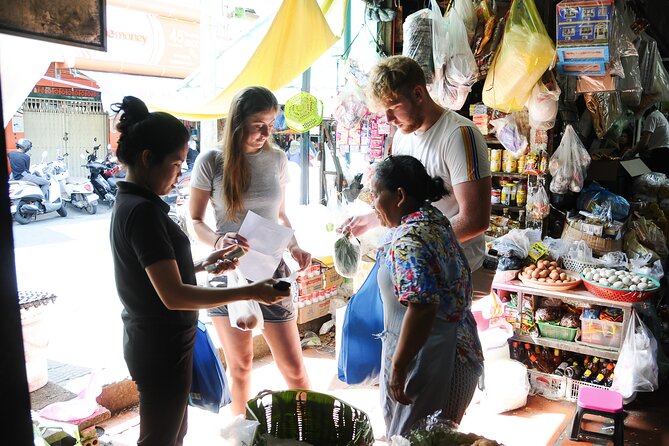
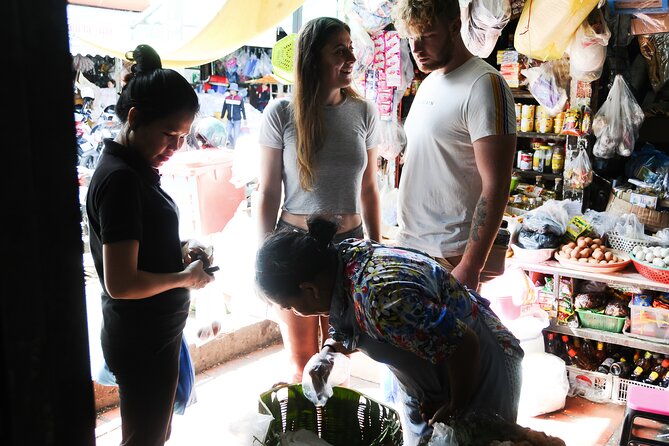
The market may be colorful and full of interesting smells, but it is a working food market rather than a polished tourist display. That is part of its appeal. If you prefer quiet, air-conditioned sightseeing, this portion may feel less comfortable. The market visit is short, practical, and focused on buying food, not on browsing shops or seeing a major landmark.
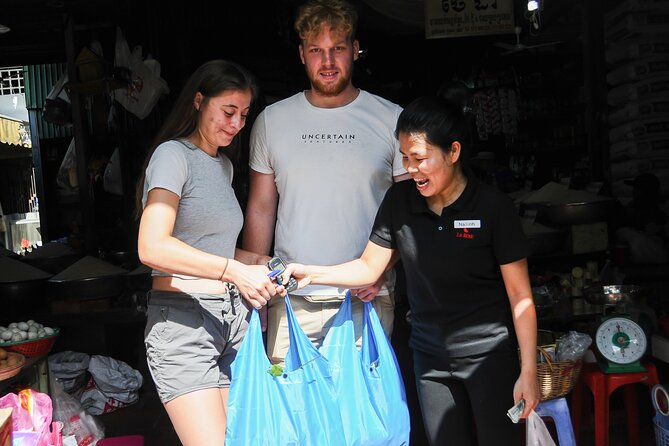
After shopping, you return by tuk-tuk to Banana Cooking Class. The rides are included, which keeps the half-day simple and avoids the need to arrange local transport yourself.
A cool towel, recipes, and a clear kitchen introduction
Back at the cooking school, you receive a refreshing drink, a cold towel, and the recipes for the dishes. It is a small touch, but a welcome one after the market and tuk-tuk ride.
The schedule then moves into a theory class. The chef demonstrates the dishes and explains the cooking process before you begin. This order matters. You can watch the technique once, ask questions, and then repeat it at your station instead of trying to follow a recipe while also figuring out unfamiliar equipment.
The setting has been described as clean, air-conditioned, and calm, with a garden atmosphere connected to a boutique hotel. That gives the class a more comfortable feel than a cramped kitchen. Relaxed music and helpful staff have also been noted, though the most important point is that the facility allows you to work without feeling rushed.
The instruction seems designed for beginners, but it also gives experienced home cooks useful food context. One participant who cooks often appreciated learning why each step mattered, not just what to do. That is the difference between copying a recipe and understanding it.
Cooking three Khmer dishes at your own station
At about 11:00 in the morning or 5:00 in the afternoon, you begin cooking. Each student has an individual station and wok, so you are not standing behind someone else trying to see the action.
The chef demonstrates how to prepare each ingredient, then you repeat the step. You may chop vegetables, prepare herbs and spices, mix fillings, and cook the dishes under guidance. The approach is practical, with help available when you need it but enough space to do the work yourself.
The exact menu can vary. Dishes described from different classes include:
- Fish amok
- Yellow chicken curry
- Fresh spring rolls
- Green mango salad
- Banana palm sugar dessert
- Banana caramel
Fish amok is the dish most closely associated with Khmer cuisine in these menus. It is a good choice for a cooking class because you learn how Cambodian seasoning and aromatics work together in a dish that feels special but remains manageable with instruction.
The yellow chicken curry has also received strong praise for its flavor. If you like fragrant curries, this may be the highlight of the meal. The spring rolls and green mango salad provide a lighter contrast, while the banana dessert brings the meal to a sweet finish.
The dessert can be very sweet for some palates. One practical tip is to ask about reducing the sugar if you plan to recreate it at home. That is not a flaw in the class. It is a reminder that local recipes reflect local tastes, and you can adjust the balance later.
Because you cook three dishes, the experience feels like a real meal rather than a single recipe lesson. The tradeoff is that you will not spend a long time perfecting one complicated dish. This is a broad introduction to Khmer food, with enough practice to give you a useful starting point.
Same place, a different thing to cook:
- Cambodian Village Cooking Class
★ 5.0 · 265 reviews - Cambodian Cooking Class from Siem Reap
★ 4.9 · 190 reviews - Siem Reap Cooking Class
★ 5.0 · 170 reviews - Battambang: Cooking Class and Market Touring
★ 4.8 · 80 reviews
Sitting down to eat what you prepared
Lunch begins at noon for the morning class, and dinner begins at 6:00 for the afternoon class. You sit down to eat the dishes you have just prepared.
This is the satisfying part. You have seen the ingredients at the market, prepared them yourself, and followed them through the cooking process. The meal gives you a chance to judge the seasoning and texture while the steps are still fresh in your mind.
The portions have been described as plentiful, and one instructor packed up unfinished food for a participant to take away. That may depend on the circumstances of your class, so do not count on it as a guaranteed service. Still, it shows the relaxed and helpful tone associated with the school.
If you are alone, the meal may feel less social. The activity is private, so your group participates by itself, and some sessions may have only one or two students. Couples and families may enjoy the privacy, while solo visitors should be prepared for a quieter meal. The school does not allow an outside driver to join the dining portion, so you cannot assume that a companion who did not book the class can sit down with you.
After the meal, you receive a certificate and take part in a photo session. The certificate is a pleasant extra, especially if you enjoy collecting small reminders of your trip, but the recipes are the more useful souvenir.
What the teaching is like
The most praised part of the class is the instruction. Chef Lom Ang, also called Peark Lom Ang in some descriptions, is repeatedly singled out for being friendly, patient, clear, and encouraging. Chef Sophen has also been praised as an excellent teacher.
That matters because cooking terms and techniques can be difficult to explain across languages. The teaching appears to rely on demonstrations, repetition, and hands-on correction rather than long verbal explanations alone. One participant noted that the chef’s English was understandable for most of the class, while another found the instructions easy to follow.
You should still ask questions as you go. If you want to know why a spice is added at a certain point, how thinly to slice a vegetable, or what substitute works at home, this is the time to ask. The private or very small group format gives you more access to the chef than a large class would.
Families can also consider this activity. A parent and 20-year-old son enjoyed both the market and kitchen portions, and another participant specifically recommended the class for children. The individual stations make it easier for each person to take part rather than leaving one member of a group to do all the cooking.
Morning or afternoon: which session should you choose?
The morning class runs from 9:00 until about 1:00. The afternoon class runs from 3:00 until about 7:00. Both include the same basic sequence: meeting point, market, tuk-tuk return, drink and towel, demonstration, cooking, meal, certificate, and photo.
Choose the morning if you prefer to have the rest of the day free. A midday meal may also suit you if you want to continue sightseeing afterward.
Choose the afternoon if you want a slower start or prefer a cooking activity near the end of your day. Dinner gives the class a natural finish, though you will return to your accommodation later.
The timetable is approximate, and the market ride and preparation may take more or less time depending on traffic and the size of your group. Allow the full four hours rather than planning a tight appointment immediately afterward.
Small details that improve the experience
The meeting point is near public transportation, and the activity ends back at the same place. You receive confirmation when booking, and the mobile ticket is convenient if you do not want to carry printed paperwork.
Wear clothes you can cook in. The class involves food preparation, chopping, and wok cooking, so this is not the time for your finest Phnom Penh outfit. The information provided does not specify an accessibility policy, so anyone with mobility or dietary concerns should ask the operator before booking.
Food preferences and allergies are not addressed in the available details. If they matter to you, contact Banana Cooking Class before paying rather than assuming the menu can be changed.
Free cancellation is available when you cancel at least 24 hours before the local start time. Cancellations or changes made within 24 hours are not refunded or accepted.
Who should book this $31 class?
I would recommend this class to food lovers, first-time visitors to Cambodia, couples, families, and solo cooks who want a structured introduction to Khmer cuisine. It is especially useful if you want to learn recipes you can repeat at home, not just eat one Cambodian meal.
The class is also a good choice if you value personal attention. The private format means you are not competing with a large group for the chef’s help. The market visit gives the activity a local touch, while the air-conditioned kitchen keeps the cooking portion comfortable.
You may want to skip it if you dislike markets, do not want to handle raw ingredients, or prefer a quick meal with no instruction. Solo visitors should also think about the dining setup, since a one-person session can feel a little lonely at the end.
Should you book the Banana Cooking Class?
Yes, if you want a practical and friendly way to understand Khmer food. At $31, the class includes enough to make it worthwhile: a market visit, tuk-tuk transport, three dishes, individual cooking equipment, personal guidance, a full meal, recipes, and a certificate.
I would book the afternoon if dinner suits your schedule, and I would ask in advance about the menu, dietary needs, and expected group size. If Chef Lom Ang is teaching your session, you can expect patient guidance and useful advice about substitutions. The strongest reason to go is simple: you do not just taste Cambodia, you learn how to bring a little of it back to your own kitchen.
FAQ
Where does the Khmer cooking class begin?
The class begins at Banana Cooking Class1, 4b Abdul Carime Street, Street 21, in Phnom Penh, Cambodia.
How long does the cooking class last?
The experience lasts approximately four hours, including the market visit, tuk-tuk rides, cooking instruction, and meal.
Is the class available in the morning and afternoon?
Yes. The morning session begins at 9:00, and the afternoon session begins at 3:00.
Is transportation to the market included?
Yes. The class includes tuk-tuk transportation from Banana Cooking Class to the local market and back.
Is this a private activity?
Yes. Only your group participates in the private activity.
How many Cambodian dishes will I cook?
You will prepare three traditional Cambodian dishes. Menus described for the class have included fish amok, chicken curry, spring rolls, green mango salad, and banana dessert.
Do I receive the recipes after the class?
Yes. Recipes are provided so you can try to recreate the dishes at home.
Does the class include a meal?
Yes. You eat the lunch or dinner prepared during the class.
What is the cancellation policy?
You can receive a full refund if you cancel at least 24 hours before the local start time. Cancellations and changes made within 24 hours are not accepted and are not refunded.
Just added around Cambodia
- Siem Reap: Morning Cooking Class & Market Tour★ 5.0 · 7 reviews
- Siem Reap: Khmer Cooking Class at a Local’s Home★ 5.0 · 2 reviews
- Siem Reap Khmer Cooking Class and Local Market Tour★ 4.1 · 4 reviews
- Siem Reap: Guided Day Trip to Local Village & Cooking Class★ 5.0 · 3 reviews
- Siem Reap: Cambodian Desserts Cooking Lesson with Tastings★ 4.8 · 9 reviews
- Siem Reap: Half-Day Cambodian Cooking Class★ 4.9 · 6 reviews
- Sambo cooking class★ 5.0 · 3 reviews
- Khmer Food Culture Cooking Class in Kampot★ 5.0 · 7 reviews
Cooking Classes, compared.
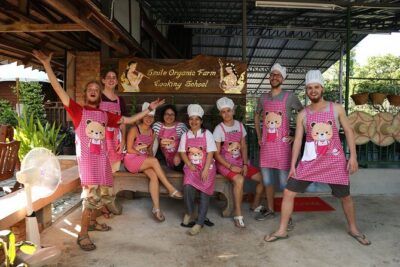
Half-Day Thai Cooking Class at Organic Farm in Chiang Mai
Read our review →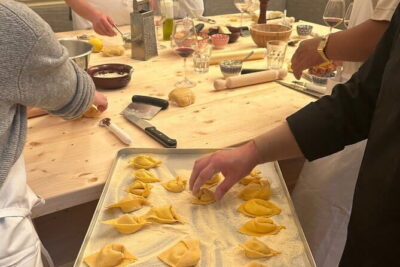
3 in 1 Cooking Class near Navona: Fettuccine, Ravioli & Tiramisu
Read our review →
Pasta & Tiramisu Cooking Class with Unlimited Wine
Read our review →
Hanoi Cooking Class: Culture, Local Market & Meaning CSR Impact
Read our review →
5 Traditional Dishes Hanoi Cooking Class with Market Trip
Read our review →
Cooking Class and Lunch at a Tuscan Farmhouse with Local Market Tour from Florence
Read our review →
Cooking Class, Market & Thai Herbs Garden Tour
Read our review →Lists this class appears in