
REVIEW · KATHMANDU, NEPAL
Local Women Lead Nepali Cooking Class
Cook your way into Kathmandu’s food culture. This four-hour class at Namaste Cooking School gives you a hands-on introduction to Nepali cooking, with local women leading the session and ingredients sourced from nearby farmers. I like the warm start with masala chai and the chance to choose from three menus before you begin.
I also like the balance of cooking and conversation. The class has a friendly, social feel, and past participants have sung, danced, shared stories, and practiced Nepali and English together. The main consideration is that the exact dishes in the three menus are not listed in advance, so you may want to ask what is being prepared before booking if the menu matters to you.
Key points at a glance
- Masala chai begins the class: You are welcomed with a traditional cup of tea before the cooking starts.
- Three menus let you choose: The school asks about dietary restrictions and allergies before you select your menu.
- Local women lead the lesson: The instruction centers on Nepali food traditions, indigenous ingredients, and everyday cooking skills.
- You do the cooking yourself: The class is genuinely hands-on, with guidance throughout rather than a demonstration you only watch.
- Lunch is included: You eat the meal you prepare, and the school handles the cleanup.
- A recipe book comes home with you: The booklet helps you recreate the food after your Nepal trip.
A welcoming start with masala chai
The class begins with a simple Nepali gesture: a cup of masala chai. This is more than a welcome drink. It gives you a few quiet minutes to settle in, meet the women leading the session, and get comfortable before handling ingredients.
That gentle opening helps set the tone. This is not presented as a formal culinary exam, and you do not need to arrive as an experienced cook. The teaching style is friendly and practical, with room for questions and conversation.
The school is in the heart of Thamel, an area that is convenient for many people staying in Kathmandu. The location is near public transportation, and pickup is offered. The listed meeting information names Tribhuvan Airport as the starting point, while the school description places the class in Thamel, so I would confirm the exact pickup arrangement and meeting instructions before the day of the class.
Clear directions matter in Kathmandu. The school provides detailed instructions, and that is useful in an area where small streets and busy foot traffic can make a first visit less simple than the map suggests.
A few more cooking classes around Kathmandu worth a look
- Half day cooking class in Thamel kathmandu
★ 5.0 · 607 reviews - Kathmandu: Local Women-Led Nepali Cooking & Momo Class
★ 4.9 · 360 reviews - Kathmandu: Local Lead Nepali Cooking & Momo-Making Class
★ 5.0 · 212 reviews
Choosing from three Nepali menus
After the welcome, you choose one of three menus. The school also asks about allergies and dietary restrictions at this stage. That early check is helpful, especially if you avoid certain foods or need the class adjusted.
The menu choices are not named in the available information, so I would not book this session expecting a particular dish without asking first. Instead, think of the menu selection as a chance to tell the instructors what you enjoy and what you need to avoid.
This part of the class also gives you a useful introduction to Nepali food as more than one fixed cuisine. The school focuses on indigenous culinary traditions and ingredients sourced through local farmers. Nepal’s food varies by region, community, and available produce, and a menu choice can offer a small window into that variety.
The approach feels more personal than simply ordering a plate in a restaurant. You learn what goes into the food, how the ingredients are handled, and how several parts of a meal come together.
Learning the spices before cooking
Before you start preparing food, the instructors introduce the regional spices used in Nepali cooking. This is an important step because it gives you a way to understand the flavors rather than simply follow instructions.
You can expect to learn how the spices contribute to the dishes being prepared. The information provided does not name each spice, so I would avoid arriving with a fixed expectation about a particular blend. The value is in seeing the ingredients up close and connecting them with the finished meal.
I especially like this part for visitors who have eaten Nepali food but have not cooked it. In a restaurant, it is easy to notice that a dish tastes warm, fragrant, earthy, or sharp without knowing why. A spice introduction gives you a practical way to recognize those elements later.
The class is conducted in English. That makes the instructions accessible to English-speaking visitors, and the friendly setting leaves room for learning a few Nepali words as well. Some participants have used the session to practice both languages, which adds a pleasant social layer without changing the focus on food.
Four hours of hands-on cooking
The main part of the experience is practical. You prepare the dishes yourself with guidance from the instructors. This matters because many cooking classes are really demonstrations with a few chances to stir or chop. Here, the emphasis is on doing the work.
The women leading the class guide you through the steps and help you as needed. You can expect instruction rather than being left to guess your way through an unfamiliar recipe. That makes the session suitable for beginners, couples, solo visitors, and people who already enjoy cooking but want a local point of view.
The group can include up to 16 people. That is a small enough limit to keep the class social, though it is not an intimate private lesson. If the maximum group size is reached, you may share the cooking space and attention with several others.
That group size can also be part of the fun. Cooking provides an easy reason to talk, and the class has a relaxed atmosphere. People have shared stories, laughed, sung, and danced during the session. Those moments may appeal to you if you want more than a quiet technical lesson.
If you prefer a strictly serious cooking school, the cheerful energy may feel less focused than expected. For most people, though, the mix of instruction and good humor is a strong part of the experience.
Same place, a different thing to cook:
- Kathmandu: Local Women-Lead Nepali Cooking & Momo Class
★ 4.9 · 45 reviews - Kathmandu: Local Lead Nepali Cooking & Momo Making Class
★ 4.9 · 40 reviews - Kathmandu: Women-Led Cooking Class & Momo Making-Local Taste
★ 4.8 · 15 reviews - Kathmandu: 3-Hours of Cooking Class with Meals
★ 5.0 · 10 reviews
Eating the meal you prepare
Lunch is included, and the food you make becomes the meal at the end of the class. This gives the four-hour session a satisfying shape: welcome, menu choice, spice introduction, cooking, and eating.
You will not simply watch someone else prepare lunch and then receive a separate meal. You get to see the process from the ingredients to the finished plate. That makes it easier to remember the techniques when you return home.
The food is described as fresh and delicious, but the specific dishes depend on the menu you choose. I would ask for the day’s options if you have strong preferences or want to know how filling the meal will be.
One practical advantage is that you are not expected to handle the cleanup. The instructors take care of it after the cooking. That lets you enjoy the meal and the conversation rather than ending the class with a pile of dishes.
You should still allow the full four hours. The class is not a quick stop between sightseeing appointments. With cooking, eating, and social time included, it works best as a main activity for an afternoon or morning.
The women behind the class
The school is run by women, and the personal connection is central to the experience. You are not only learning a set of recipes. You are meeting local instructors who present Nepali food through their own work and hospitality.
Sabita and Sushila are two of the women associated with the class, and they have been praised for being kind, attentive, upbeat, and fun. Their teaching style appears to be one of the main reasons the session feels welcoming, particularly for people attending alone.
Solo visitors should take note. You do not need to bring a companion to enjoy this class. The cooking gives you an easy way to join the group, and the friendly atmosphere can make a solo afternoon feel less solitary.
Couples and small groups may enjoy it just as much. You can work together, compare results, and leave with a shared activity that feels more personal than another meal out.
The school’s connection with local farmers also adds value. Buying ingredients through local sources supports a closer link between the class and the food traditions it presents. You are not being given an abstract lesson about Nepali cooking. The school’s work is tied to the ingredients used in the kitchen and the people who grow them.
Taking the recipes home
At the end of the half-day class, you receive a Namaste Cooking School recipe book. This is a useful souvenir because it connects your memory of the class with something practical.
Many food experiences end when the meal is finished. Here, you have a way to try the dishes again after returning home. The booklet may also help you remember the sequence of preparation and the flavors you worked with during the lesson.
The recipe book adds value to the $30 price. You are paying for a four-hour activity, lunch, instruction, local interaction, and a take-home resource rather than only for a restaurant meal. If you enjoy cooking, that makes the cost especially reasonable.
The value is less obvious if you want a short, polished meal with no participation. In that case, a restaurant may be a better fit. This class earns its price through the time, teaching, and hands-on work.
What the $30 price really buys
At $30 per person, this is an affordable way to spend half a day in Kathmandu. Lunch alone would not provide the same access to preparation, instruction, or conversation, and a standard sightseeing activity would not give you a recipe book to use later.
I see the strongest value in the combination of food and personal contact. You get to ask questions, learn about spices, prepare the meal, and eat it in the same setting. The women leading the class are part of the experience, not just people passing along instructions.
The price also includes the social side of the session. You may cook alongside people from different countries, share stories, and learn a few Nepali words. That is a useful change of pace after visiting temples, walking through Thamel, or spending time on the road.
The class is priced per person, and the maximum group size is 16. Before booking, check the available date and pickup details. Confirmation is provided at booking, and the activity requires a minimum number of participants. If that minimum is not met, you are offered another date or experience, or a full refund.
Timing, pickup, and cancellation details
The class lasts about four hours and ends back at the meeting point. Pickup is offered, but because the information names Tribhuvan Airport as the start and places the school in Thamel, confirm exactly where you will be collected.
The experience requires good weather. If poor weather causes cancellation, you can choose another date or receive a full refund. The same applies if the minimum group size is not reached.
You can cancel for a full refund up to 24 hours before the start time. Changes or cancellations made less than 24 hours before the class are not accepted for a refund, and cutoff times follow Kathmandu local time.
The activity is offered in English and accepts mobile tickets. It is near public transportation, which makes it practical if you are already staying in Kathmandu.
Who should book this class?
I would recommend it most strongly to you if you enjoy food, meeting local people, and taking part rather than simply watching. It suits first-time cooks because the instruction is hands-on and guided.
It is also a good choice for solo visitors. The instructors create a friendly setting, and the class gives you natural conversation without requiring you to arrive with a group.
Families and couples may enjoy it too, though the available information does not specify a minimum age. If you are booking for children, ask the provider about age suitability before paying.
You may want to choose another activity if you need a precisely specified menu, a private cooking lesson, or a very quiet classroom. The three menus are not named in advance, and the class can include up to 16 people.
Should you book the Namaste Cooking School class?
Book it if you want a warm, social introduction to Nepali food and do not mind getting involved. The women-led format, local ingredients, masala chai welcome, hands-on cooking, included lunch, and recipe book make this a generous experience for $30.
Before you commit, confirm the menu and pickup location, especially if you have dietary restrictions or are arriving through Tribhuvan Airport. If those details work for you, this class offers a memorable break from sightseeing and a useful skill to take home.
FAQ
Where is the cooking class held?
Namaste Cooking School is located in the heart of Thamel in Kathmandu.
How long does the experience last?
The cooking class lasts approximately four hours.
What is included in the price?
Lunch is included, along with the cooking instruction and a Namaste Cooking School recipe book.
Is pickup available?
Yes, pickup is offered. The listed start point is Tribhuvan Airport, so confirm the exact pickup arrangements before the class.
How many menus can I choose from?
You can choose from three menus during the session.
Can I tell the school about food allergies?
Yes. The school asks about dietary restrictions and allergies before you select your menu.
What language is the class offered in?
The class is offered in English.
How large can the group be?
The activity has a maximum of 16 participants.
Can I cancel for a full refund?
Yes. You can cancel at least 24 hours before the start time for a full refund. Cancellations or changes made less than 24 hours before the start time are not accepted for a refund.
Just added around Kathmandu
- Kathmandu: 3-Hours of Cooking Class with Meals★ 5.0 · 10 reviews
- Local Women Led Nepali Cooking Class★ 5.0 · 6 reviews
- Kathmandu: Women-Led Cooking Class & Momo Making-Local Taste★ 4.8 · 15 reviews
- Kathmandu: Nepali Cooking Class with Hotel Pickup★ 4.1 · 5 reviews
- Kathmandu: Local Women-Lead Nepali Cooking & Momo Class★ 4.9 · 45 reviews
- Cook with Lisha: Nepali and Newari Cooking Class★ 5.0 · 2 reviews
- Kathmandu: Local Lead Nepali Cooking & Momo Making Class★ 4.9 · 40 reviews
- Kathmandu: Cooking Class in Nepal★ 5.0 · 2 reviews
Cooking Classes, compared.
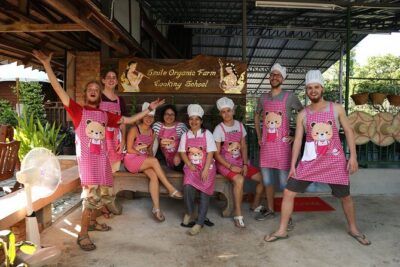
Half-Day Thai Cooking Class at Organic Farm in Chiang Mai
Read our review →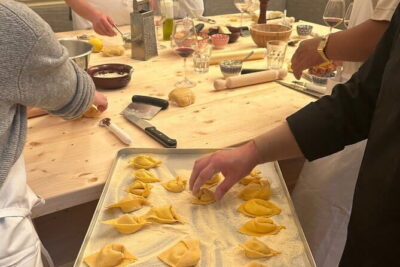
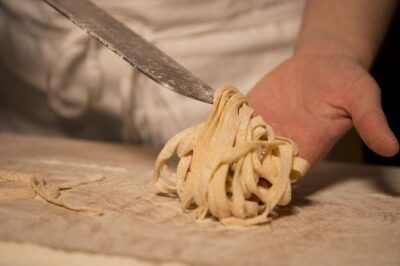
3 in 1 Cooking Class near Navona: Fettuccine, Ravioli & Tiramisu
Read our review →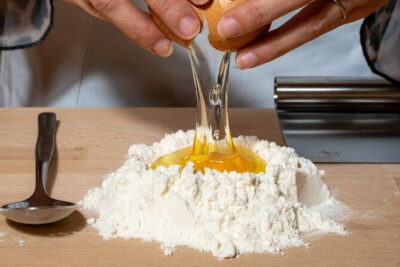
Pasta & Tiramisu Cooking Class with Unlimited Wine
Read our review →
Hanoi Cooking Class: Culture, Local Market & Meaning CSR Impact
Read our review →
5 Traditional Dishes Hanoi Cooking Class with Market Trip
Read our review →
Cooking Class and Lunch at a Tuscan Farmhouse with Local Market Tour from Florence
Read our review →
Cooking Class, Market & Thai Herbs Garden Tour
Read our review →Lists this class appears in