REVIEW · CHIANG MAI PROVINCE, THAILAND
Chiang Mai: Cooking Class, Market & Thai Herbs Garden Tour
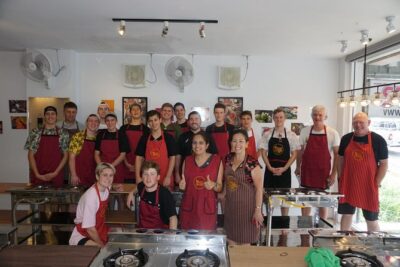
Thai food makes more sense once you meet the ingredients. This Chiang Mai cooking class combines a local market visit, a Thai herb garden, and hands-on cooking with a local family. I especially like the chance to pound curry paste from scratch and choose your own dishes, rather than simply copying a fixed menu. The main consideration is that the market visit is fairly brief, and hotel pickup is included only within 3 kilometers of Chiang Mai Old Town.
At $31 per person for 210 minutes, this is a strong-value half-day activity. The instructors, including Wave, Flook, Tu, Balloon, and Toey, are repeatedly praised for being funny, patient, and clear in English. Vegetarian, vegan, gluten-free, halal, and allergy-friendly options are available, with food adjusted for spice.
Key points at a glance
- Start with a local market: Learn how Thai herbs, spices, vegetables, and other cooking staples are used before you reach the kitchen.
- Make your own curry paste: Use a mortar and pestle to prepare red, green, Phanaeng, Massaman, or Khao Soi curry paste.
- Choose your own menu: Select a starter, main dish, curry, and mango sticky rice for a meal shaped around your tastes.
- Cook in an organic herb garden: The setting connects the ingredients on your plate with the plants used to flavor them.
- Eat what you prepare: The class ends with a traditional Thai-style meal in the garden.
- Take the recipes home: A digital recipe book lets you try the dishes again after returning home.
Why this Chiang Mai cooking class works so well
Many cooking classes are really demonstrations with a little stirring added. This one gives you more control. You select dishes from several groups, prepare ingredients yourself, grind curry paste by hand, and then sit down to eat what you made.
I like that the class begins with ingredients rather than recipes. At a local market, your instructor explains the herbs and spices used in Thai food. That short stop gives the cooking lesson some useful context. Galangal, coconut milk, chilies, turmeric, and other ingredients can look unfamiliar when separated from a dish. Seeing them at the market, then using them minutes later, makes their purpose easier to understand.
The experience also has a social side. You cook alongside a small group, and several people may choose different dishes. That creates a natural tasting opportunity without making the class feel like a formal food lecture. One family group of five chose different dishes so they could sample more of the meal, a smart approach if you are cooking with children or friends.
The instructors are a major part of the appeal. Wave is often praised for clear English and a warm sense of humor. Flook is described as friendly, funny, and helpful, while Tu receives high marks for patience, organization, and careful explanations. Balloon is known for keeping the class lively while explaining each step. The exact instructor depends on the day, but the teaching style appears consistently personal and upbeat.
More Cooking Classes with a Market Tour in Chiang Mai
- Chiang Mai: Authentic Cooking Class with Market & Farm Visit
★ 4.9 · 4,546 reviews - Chiang Mai: Cooking Class with Market and Pickup
★ 4.9 · 1,365 reviews - Chiang Mai: Evening Cooking Class and Local Market Visit
★ 4.9 · 648 reviews
The local market gives the food a proper beginning
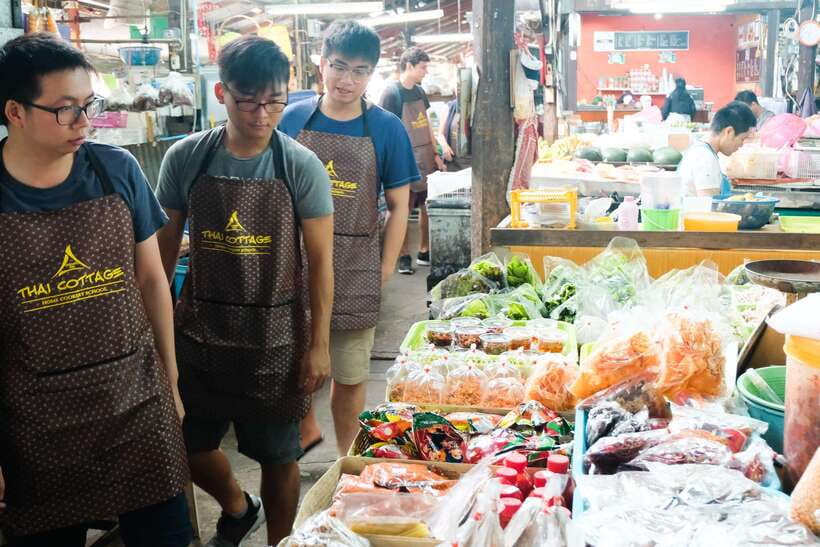
Pickup takes you from your hotel to a local market before the cooking begins. This is not designed as a long market tour or a major sightseeing stop. Think of it as a practical introduction to the ingredients you will soon handle.
Your instructor points out herbs, spices, vegetables, and other Thai staples, explaining how they are used in traditional dishes. This is one of the most useful parts for first-time Thai cooks because you can ask about unfamiliar ingredients before they reach your chopping board.
The market also shows a more everyday side of Chiang Mai. You may see unusual foods and inexpensive local products, rather than the polished stalls aimed mainly at tourists. One useful tip is to keep your expectations realistic: the market portion can be short. Its purpose is to prepare you for the class, not to fill an entire morning with shopping.
Still, the stop earns its place in the schedule. The cooking becomes more meaningful when you know where the ingredients come from and why they matter. It also helps you recognize products you may want to buy later during your stay.
The Thai herb garden connects plants to the plate
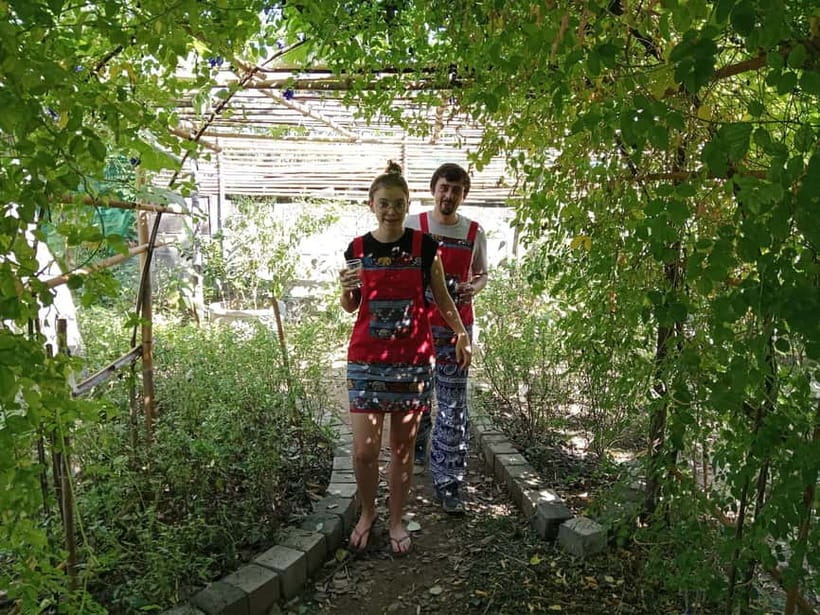
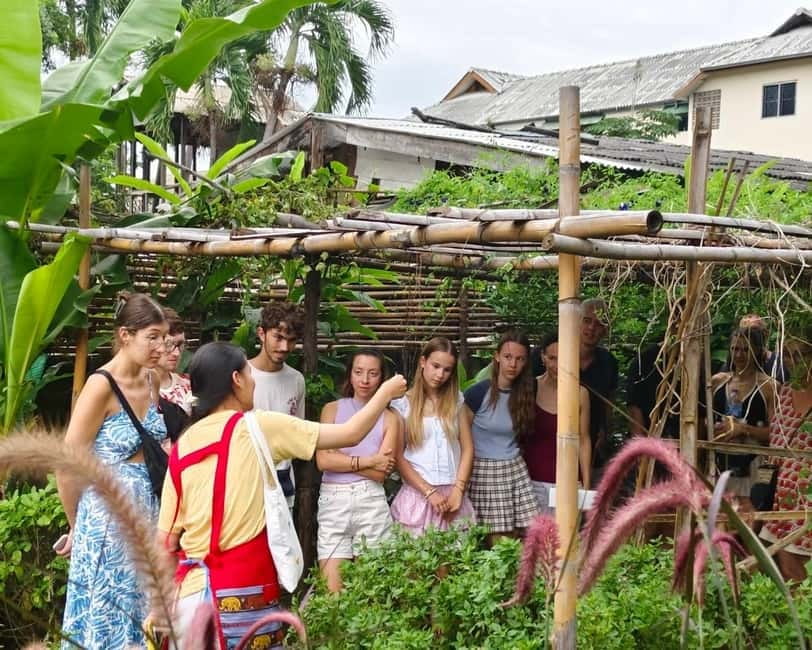
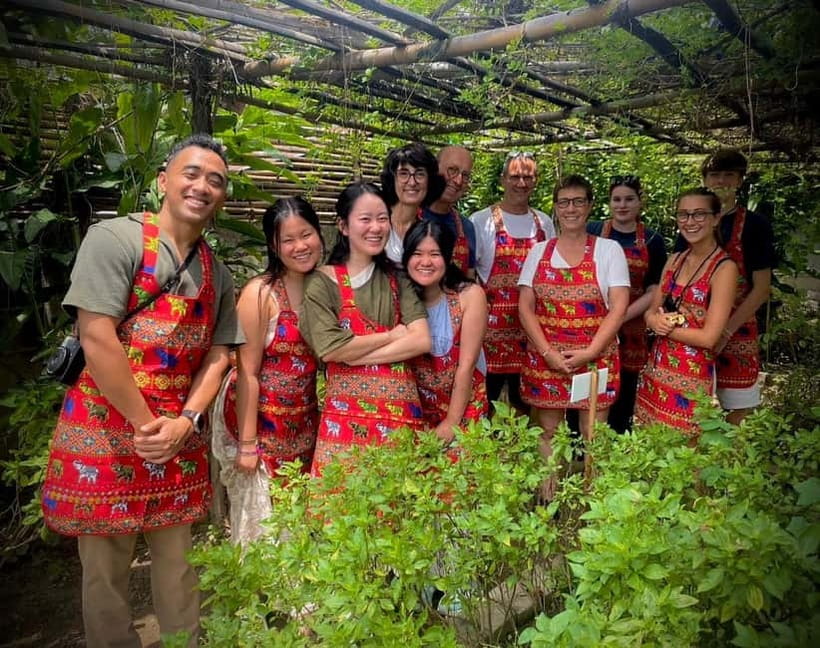
After the market, you continue to the Thai Cottage Home Cookery School and its organic kitchen garden. The garden setting adds a pleasant change from the market and gives the class a clear sense of place.
The supplied ingredients are prepared for cooking, but you still take part in the process. The garden helps show that Thai flavor does not come only from bottled sauces or ready-made curry powder. Herbs and fresh produce provide much of the character.
This setting is especially useful if you enjoy learning through sight and smell. You can connect the plants and herbs with the sauces, soups, and curries you prepare later. The garden is also where you eat, which makes the final meal feel connected to the work that came before it.
Do not expect a long farming tour. The garden is part of the cooking experience, not a separate agricultural attraction. Its value comes from the setting and the ingredient connection.
Choose a menu that matches your appetite
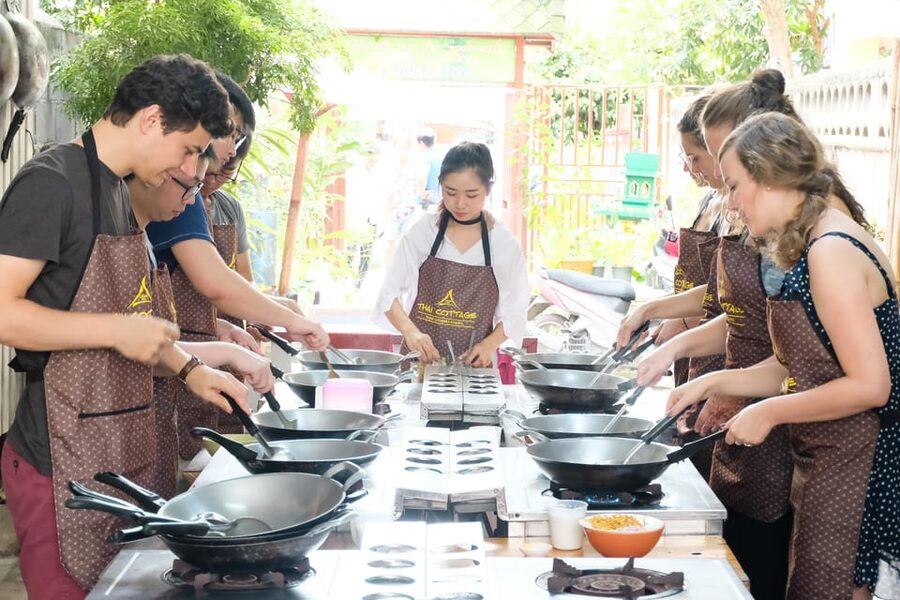
The menu gives you a good amount of choice. For a starter, you can select one of several dishes:
- Hot and sour prawn soup
- Local chicken soup
- Chicken in coconut milk
- Turmeric chicken soup
For your main course, options include Pad Thai, chicken fried rice, fried chicken with cashew nuts, and Pad Kra Pao. These choices cover several familiar Thai flavors, from sweet and savory noodles to fragrant basil-based dishes.
The choice matters because not everyone wants the same level of heat or the same type of meal. You can request spicy or non-spicy food, and the school can adjust dishes for vegetarian, vegan, gluten-free, halal, and allergy requirements. Tell the instructor clearly at the start so the alternatives can be arranged properly.
I also like that you are not pushed toward only the most famous dish. Pad Thai is an easy choice for a first class, but Pad Kra Pao, cashew chicken, and the soups give you a wider view of Thai home cooking. If you are with friends, choosing different dishes lets you compare flavors later.
The class is hands-on, but it is not a test of knife skills. The ingredient setup is organized, and one person noted that the preparation made cooking easy. You still take part in assembling and cooking the dishes, while the instructor keeps the process manageable.
More Cooking Classes with a Market Tour in Thailand
- Evening Cooking Class in Organic Farm with Local Market Tour
★ 5.0 · 394 reviews - Cooking Morning Class Chiang Mai Visit Organic Garden and Market
★ 5.0 · 211 reviews - Cooking Evening Class Chiang Mai Visit Organic Garden and Market
★ 5.0 · 187 reviews - Half-Day Cooking Class with Market Tour
★ 5.0 · 163 reviews
The mortar and pestle are the real lesson
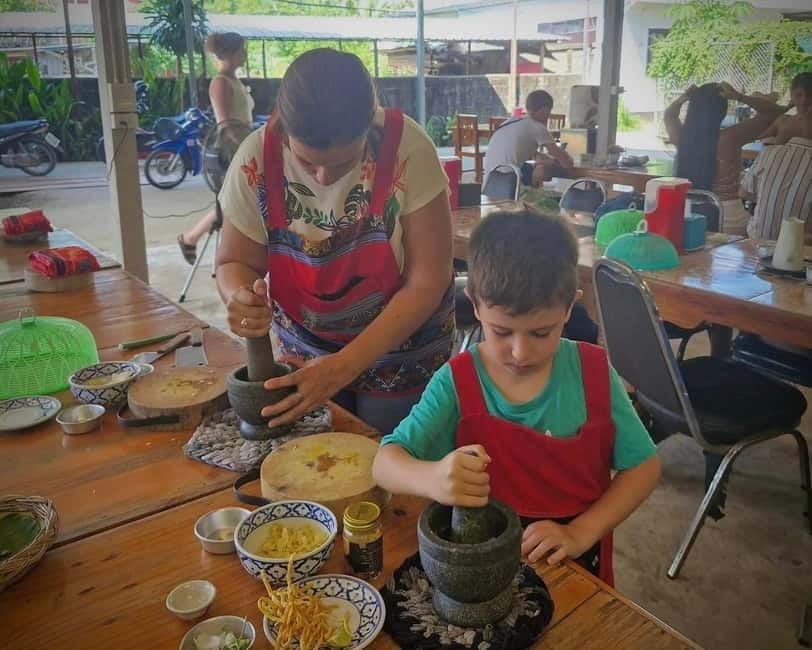
The curry paste session is the most distinctive part of the class. Instead of opening a packet, you use a mortar and pestle to grind your own paste.
You can choose red, green, Phanaeng, Massaman, or Khao Soi curry paste. Each choice changes the final dish, so this is more than a decorative activity. It shows how aroma, texture, and heat develop before coconut milk and other ingredients are added.
The work can be physical, especially if you are preparing a paste from whole ingredients. That is exactly why it is worthwhile. The mortar and pestle give you a better sense of how Thai cooks build flavor. The paste is then used in a chicken and coconut milk curry, turning the lesson into a complete dish rather than an isolated demonstration.
If you have limited kitchen equipment at home, the digital recipe book should still help you recreate the meal with practical substitutions. The paste may take longer to prepare by hand, but you can decide how closely you want to follow the traditional method.
A garden meal completes the 210-minute schedule
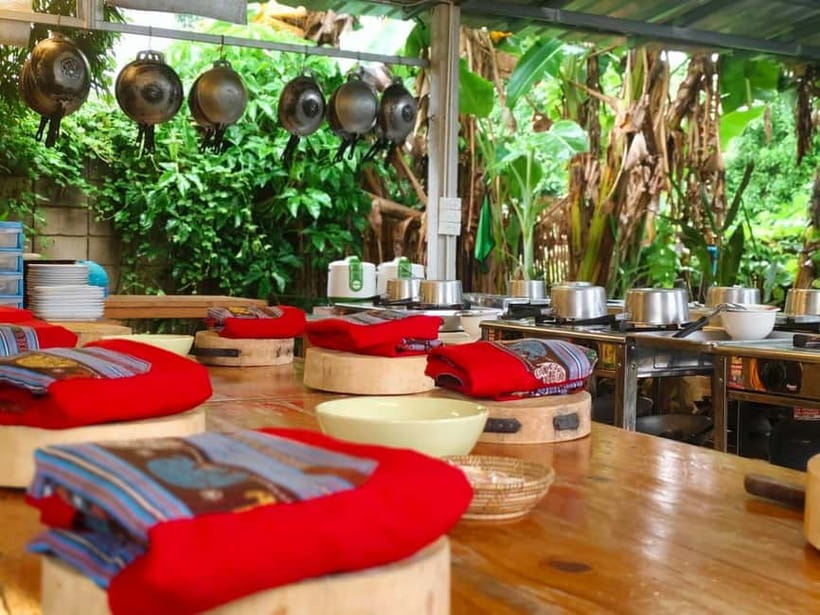
Once the dishes are cooked, you eat in the organic kitchen garden in a traditional Thai style. This is not simply a quick sample at the end. The structure allows you to sit down with the group and enjoy the food while it is fresh.
A 210-minute schedule gives the experience enough room for the market, garden, explanations, cooking, curry paste, and meal. It is long enough to feel like a real activity, but short enough to fit beside temple visits, a massage, or an evening in Chiang Mai Old Town.
The meal itself is also a useful check on the class. You do not leave wondering how the recipe was supposed to taste. You can compare your food with the instructor’s guidance, adjust the heat next time, and identify which dishes you would make again.
Alcohol is not included, though it can be purchased. Personal expenses are also separate. For most people, the important point is that the food ingredients, instruction, garden visit, and transport within the pickup zone are included in the $31 price.
Is $31 a good value in Chiang Mai?
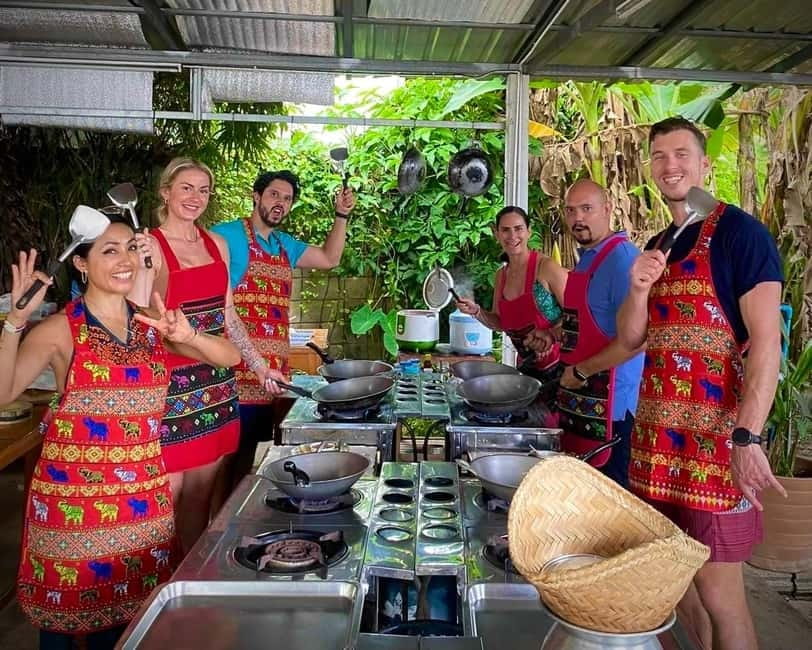
For a three-and-a-half-hour experience, $31 is good value. You are paying for several connected elements: hotel pickup and return within the designated area, a market visit, the herb garden, instruction in English, ingredients, a full meal, and the digital recipe book.
The value improves if you want more than a single dish. You choose across several categories and can prepare multiple items, including a starter, main dish, curry, and mango sticky rice. That gives you a broad introduction to Thai cooking instead of a narrow lesson focused on one recipe.
Transport also matters. Chiang Mai traffic can slow down pickups, and the operator asks you to wait in your hotel lobby 15 to 30 minutes before class. Delays can happen. If your hotel is farther than 3 kilometers from the Old Town, you may need to meet the group at a designated meeting point.
This is not the cheapest possible cooking lesson, but the included transport and meal make the price reasonable. It is particularly good value for families and small groups who can choose different dishes and share tastes afterward.
What to know before you book
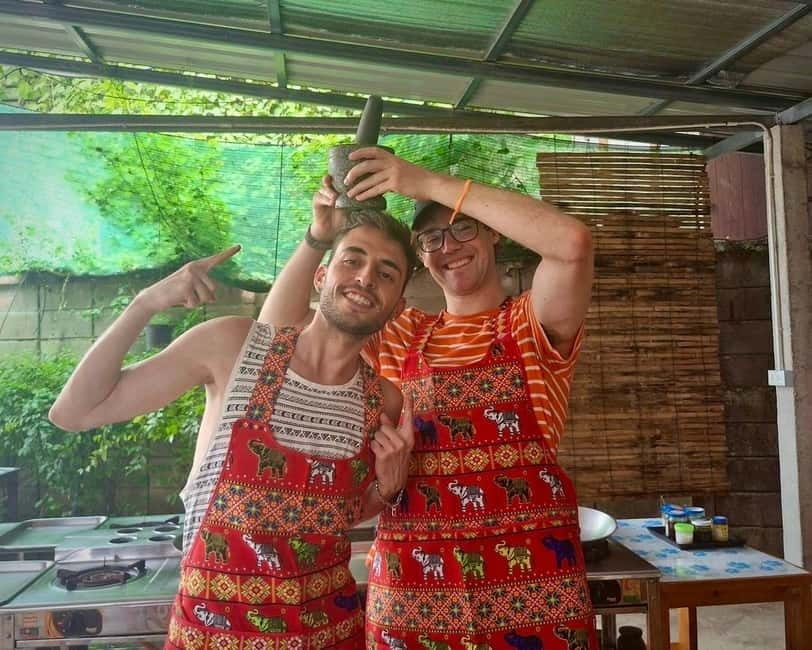
Wear comfortable clothes. Cooking is active, and you will be handling ingredients rather than sitting through a long presentation.
Children under 5 are not accepted, but older children can take part. A family group with children aged 8, 10, and 12 found the format suitable, with each child cooking a dish. That suggests the class can work well for families, provided children are comfortable following instructions and handling kitchen tasks.
The class is not suitable for people over 95 years old. No alcohol or drugs are allowed.
The cancellation terms are flexible: you can cancel up to 24 hours before the activity for a full refund. You can also reserve now and pay later, which helps if your Chiang Mai plans are still moving around.
Since pickup can be affected by traffic, avoid scheduling a tight appointment immediately afterward. A little breathing room will make the end of the day easier.
Who should take this class?
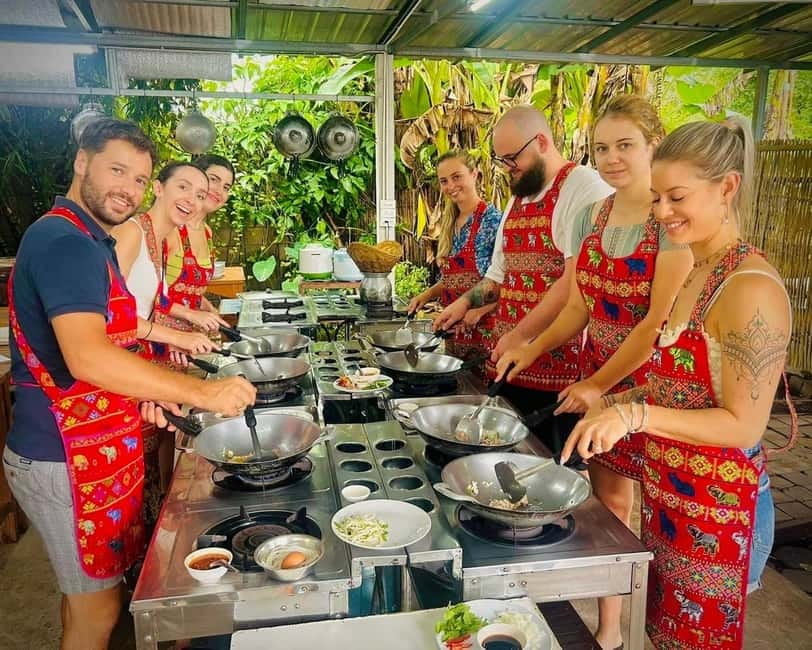
I would recommend it to first-time visitors who want a friendly introduction to Thai food without committing to a full-day course. It also suits people who enjoy eating local food but want to understand the ingredients behind it.
Families should consider it, especially if children are old enough to work with an instructor. Couples and solo visitors can also fit in easily because the group format encourages conversation.
It is a good choice for vegetarians, vegans, and people managing food allergies, since alternatives are available. Just communicate your needs clearly before cooking begins.
You might choose another activity if your main goal is an extended market tour, advanced chef training, or a quiet private lesson. The market stop is short, the cooking is designed for mixed ability levels, and the class has a social, cheerful tone.
Should you book the Thai Cottage Home Cookery School?
Yes, if you want a practical and good-value half-day in Chiang Mai. The strongest reasons are the local market introduction, the herb garden setting, the freedom to choose dishes, and the handmade curry paste.
Book it early in your Chiang Mai schedule if possible. That gives you time to return to the market, adjust spice levels, and use what you learned at another meal. Choose different dishes from your companions, ask for the curry paste you are most curious about, and make your dietary needs clear at pickup.
Skip it only if you want a long market visit or highly advanced instruction. For most people, this is an easy, friendly way to turn Thai food from something you order into something you understand and can cook at home.
FAQ
How long does the Chiang Mai cooking class last?
The experience lasts 210 minutes, or three and a half hours.
Is hotel pickup included?
Yes. Hotel pickup and drop-off are included within 3 kilometers of Chiang Mai Old Town. Pickup generally takes place 15 to 30 minutes before class, though traffic may cause delays.
What happens if my hotel is outside the pickup area?
If your hotel is farther from the pickup area, you are asked to meet the group at a designated meeting point.
What food can I cook?
Starter choices include hot and sour prawn soup, local chicken soup, chicken in coconut milk, and turmeric chicken soup. Main options include Pad Thai, chicken fried rice, fried chicken with cashew nuts, and Pad Kra Pao. You can also prepare curry paste, chicken and coconut milk curry, and mango sticky rice.
Can I choose the spice level?
Yes. You can request spicy or non-spicy food.
Can the class accommodate dietary restrictions?
Yes. Vegetarian, vegan, gluten-free, halal, and allergy-friendly food can be accommodated, with alternative ingredients available.
Is the class taught in English?
Yes. The instructor language is English.
What is included in the price?
The $31 price includes hotel pickup and drop-off within the stated area, the local market visit, the Thai herb garden, the hands-on cooking class, ingredients, an English-speaking Thai food instructor, and a digital recipe book. Alcohol and personal expenses are not included.
More Thai Cooking Classes in Chiang Mai
- Half-Day Thai Cooking Class at Organic Farm in Chiang Mai
★ 5.0 · 19,087 reviews - Thai and Akha Cooking Class in Chiang Mai
★ 5.0 · 4,358 reviews - Full Day Thai Cooking at Farm (Chiang Mai)
★ 5.0 · 1,127 reviews - Chiang Mai: HALF-DAY COOKING COURSE at a Thai Cooking Farm
★ 4.9 · 705 reviews
Just added around Chiang Mai
- Aroidee’s Farm-Fresh Thai Cooking Experience★ 5.0 · 8 reviews
- Signature Thai Cooking Course★ 5.0 · 79 reviews
- Private Half-Day Thai Cooking Class in Chiang Mai★ 5.0 · 4 reviews
- Half Day Guided Thai Cooking Class in Chiang Mai★ 5.0 · 13 reviews
- Online Thai and Akha Cooking Class★ 5.0 · 70 reviews
- Private Virtual Thai Cooking Class★ 5.0 · 9 reviews
- Northern Thai Cooking Class in Chiang Mai in a Countryside Home★ 5.0 · 2 reviews
- 5 Hour Morning Thai Cooking Course★ 5.0 · 31 reviews
Cooking Classes with a Market Tour, compared.
Hanoi Cooking Class: Culture, Local Market & Meaning CSR Impact
Read our review →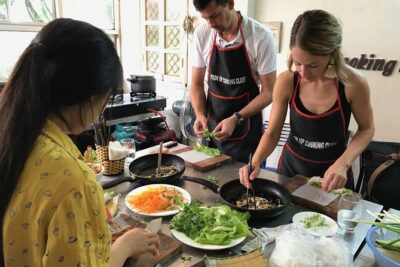
5 Traditional Dishes Hanoi Cooking Class with Market Trip
Read our review →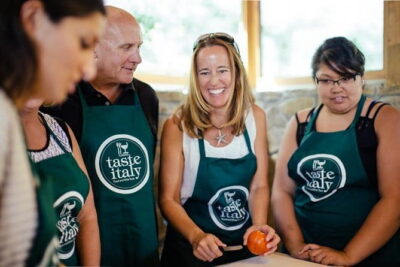
Cooking Class and Lunch at a Tuscan Farmhouse with Local Market Tour from Florence
Read our review →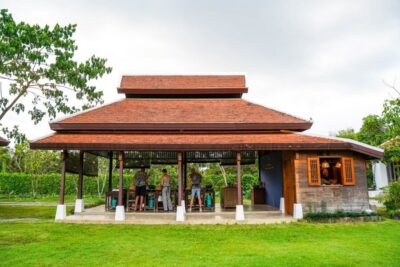
Authentic Cooking Class with Market & Farm Visit
Read our review →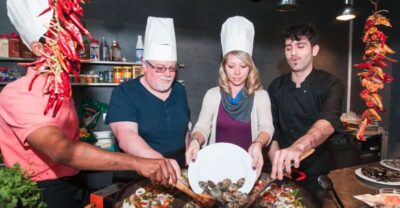
Paella Cooking Experience & Boqueria Market Tour
Read our review →
Cooking Class Hoi An:Local Market, Basket Boat, Fishing & Cooking
Read our review →
Hoi An Cooking Class(Market,BasketBoat Crabfishing&Cooking Class)
Read our review →