
REVIEW · SOUTHWESTERN CHINA, CHINA
Chengdu Sichuan Cuisine Cooking Class and Savor Local Snacks
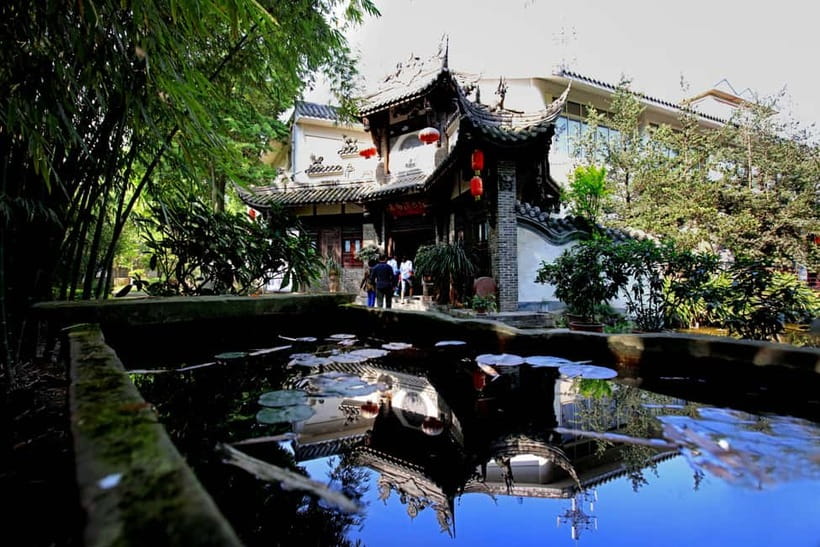
Spice has a story here. This Chengdu experience brings Sichuan food to life through a museum visit, a guided cooking class, and a generous tasting session. I like the unusual setting: the Sichuan Cuisine Museum is described as the world’s only edible museum, with old tools, food displays, gardens, and more than 6,000 objects. I also like the chance to cook three dishes yourself, then sit down and eat what you made.
The main drawback is location. The museum sits about 23 kilometers from central Chengdu along Shaxi Road, and transportation is not included. You should also know that the visit is not suitable for wheelchair users or people with food allergies. Still, at $54 per person, the combination of a private group, a museum tour, cooking instruction, a meal, tea-house time, and unlimited local snacks offers solid value.
Key points to know before booking
- The museum is part kitchen, part cultural site: You will see old cooking tools, food ingredients, brewing displays, and a western-Sichuan garden.
- Three Sichuan dishes are prepared in class: Senior chefs guide you through wok cooking, quick stir-frying, and presentation.
- The Kitchen God gets a full hall: You can visit the world’s largest Kitchen God Ancestral Hall and take part in an incense ritual.
- Food continues after the cooking lesson: Your meal includes the dishes you prepare, daily soup, steamed rice, pickles, fruit juice, and local snacks.
- Tea-house time slows the pace: You can drink covered-bowl tea, play Mahjong, and rest at a bamboo table.
- A private group adds flexibility: English and Chinese guides are available, with a total visit lasting about 2.5 to 4 hours.
Why this museum is more than a collection of objects
The Sichuan Cuisine Museum sits in Gucheng county, in Chengdu’s Pidu district. It is not in the city center, so you need to plan the ride out. Once there, the setting gives the food lesson a cultural frame instead of treating Sichuan cooking as a short recipe demonstration.
The tour begins with a guided walk through the museum’s western-Sichuan garden and cultural relics. More than 6,000 collections cover roughly 4,000 years of food and cooking culture. You might see objects that explain how ingredients were stored, processed, preserved, and used in traditional kitchens.
One unusual item is a pickle jar described as the world’s most expensive. The point is not simply the price of a piece of pottery or kitchen equipment. Pickling is central to Sichuan food, and old storage vessels help explain why preserved vegetables, fermented pastes, and layered seasoning have such an important role in the region’s cooking.
The museum’s scope also helps you understand that Sichuan cuisine is not only about chili heat. It includes preservation, texture, aroma, cooking speed, and careful use of sauces. The tour gives you useful context before you pick up a knife or stand over a wok.
A few more cooking classes around China worth a look
- Half-Day Chengdu Cooking Class with a Local Market Visit
★ 5.0 · 465 reviews - Online Cooking Class Beijing Dumplings and Cuisine by Sunflowerli Renowned Chef
★ 5.0 · 65 reviews - Chengdu: Cooking Class with Fresh Market Half Day Experience
★ 5.0 · 42 reviews
The raw-material area and the making of Pixian bean paste
After the cultural relics, you visit a raw-material display area. The museum shows organic vegetables, poultry, and livestock being raised. This section connects the finished dish on your plate with the ingredients behind it.
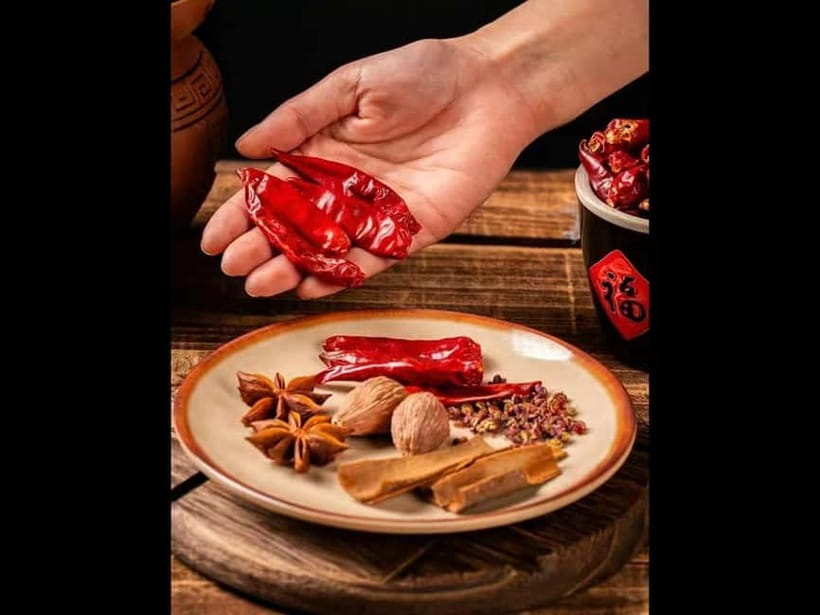
The most specific food tradition here is Pixian chili bean paste. The museum presents its 300-year brewing heritage, an important detail for anyone curious about the savory, fermented flavor found in many Sichuan dishes. You can learn how this paste is part of the region’s cooking identity rather than just another hot sauce.
You also get to try on a traditional Chinese raincoat woven from palm leaves. It is a small hands-on moment, but it gives the museum visit a more practical feel. You are not only looking at objects behind glass. You are handling part of the material culture connected to rural life and food production.
The pace may feel full if you want a quiet museum visit, since this experience moves from garden displays to ingredients, tools, religious tradition, cooking, and tasting in one outing. That variety is a strength for first-time visitors, but it is worth allowing the full four hours if the schedule gives you that option.
Meeting the Kitchen God in the world’s largest ancestral hall
The Kitchen God Ancestral Hall is one of the most distinctive stops. In Chinese tradition, the Kitchen God is treated as a grandmaster of chefs and a guardian connected with the household. The hall gives the cooking lesson a ceremonial side that most food classes do not offer.
You can participate in a worship ritual by offering incense. The stated purpose is to encourage respect for food, drinks, family, and the things people have been given. It is a thoughtful pause before the practical work of chopping, frying, and eating.
This part may appeal especially to you if food is one reason you want to understand local culture. The ritual does not replace the cooking class, but it explains why cuisine can carry family, religious, and social meaning. If you prefer a class focused only on recipes, this cultural stop will make the experience feel longer and more formal.
Old restaurant lanes and traditional kitchen tools
The route continues through an old Sichuan restaurant alley and a display of traditional raw-material processing tools. These stops show the working side of cooking. You can see how ingredients were prepared before modern kitchen equipment became common.
The old restaurant alley also helps bridge the gap between the museum and the meal. You move from historical displays into the atmosphere of a traditional food street, then into the working kitchen for your class.
I would pay attention to the tools here, especially if you enjoy food history. They explain why Sichuan cooking depends on preparation before the wok gets hot. Sauces, chopped ingredients, preserved foods, and seasonings need to be ready because stir-frying happens quickly.
The tour is guided in English or Chinese. Since it is a private group, you may have a more direct chance to ask questions than in a large public class. The exact amount of individual instruction can vary, but senior chefs lead the cooking portion.
Same place, a different thing to cook:
- Flavors of Beijing: Eat Like A Real Chinese
★ 5.0 · 78 reviews - Shanghai-Cooking Dumpling & Meal in Local Family-w/Vegan
★ 4.9 · 36 reviews - Private Cooking Class: Make Your Own Dim Sum In Shanghai
★ 5.0 · 27 reviews - Half-Day steamed Buns Cooking Class with a Local Market Visit
★ 5.0 · 26 reviews
Cooking three Sichuan dishes with senior chefs
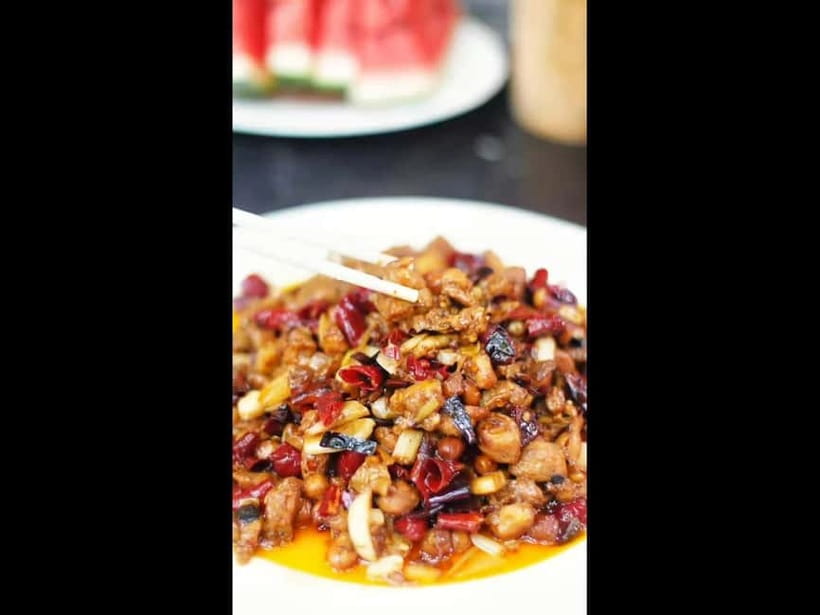
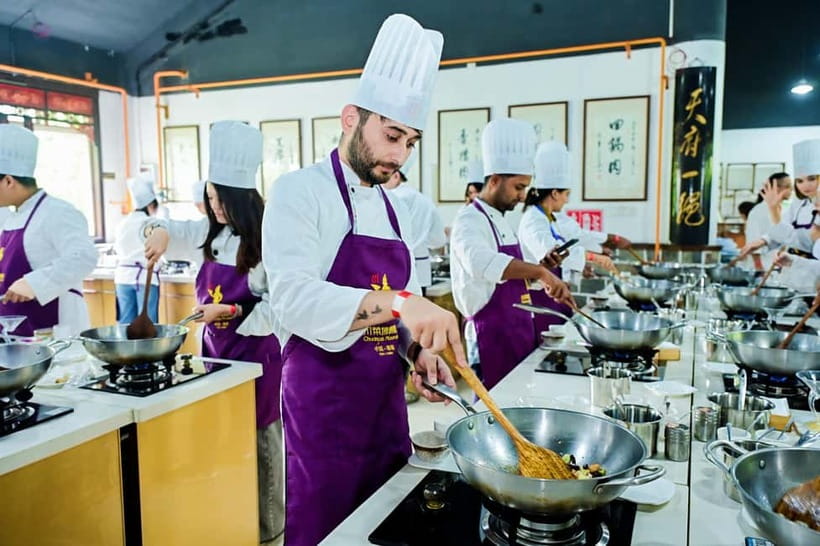
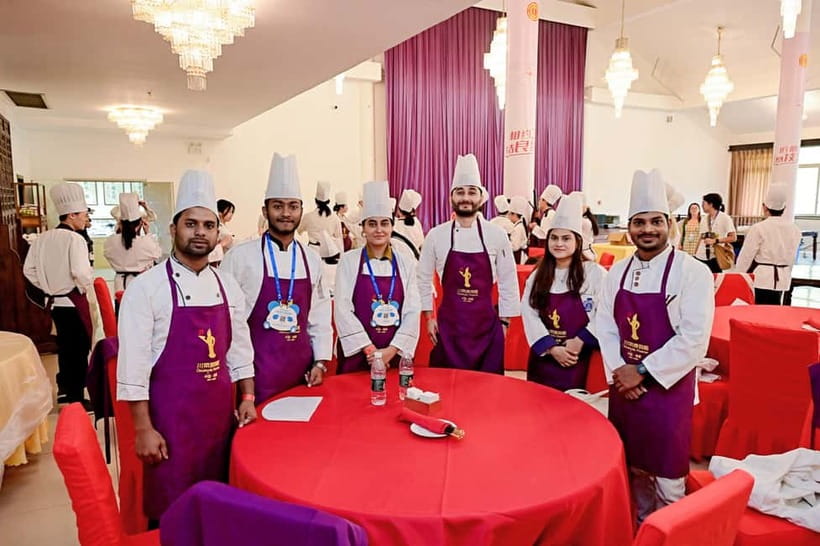
The hands-on class lasts about one hour. You change into a chef uniform, follow the senior chefs, and prepare three typical Sichuan dishes. The supplied details do not name the exact dishes, so you should not book this expecting a specific recipe unless the provider confirms it before your visit.
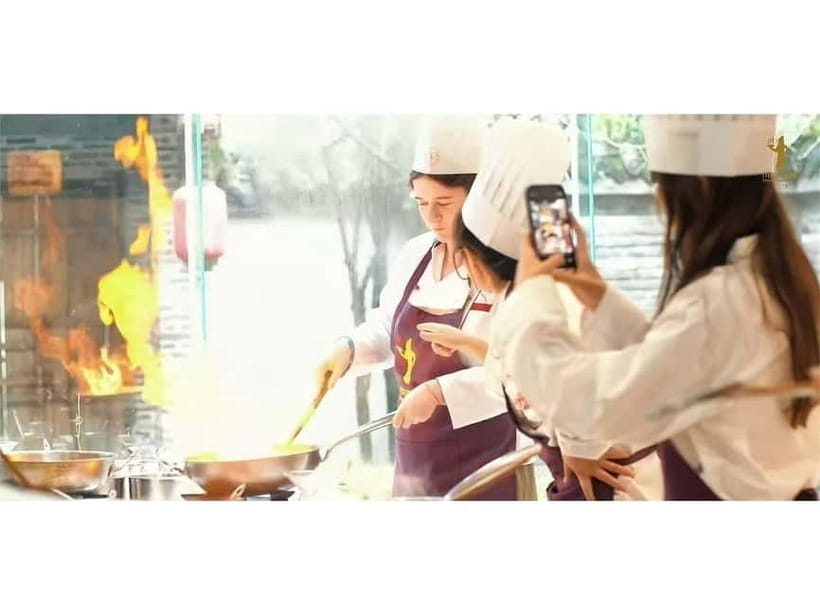
The class focuses on the physical character of Sichuan cooking. You will work with a hot wok, quick stir-frying, and final presentation. That matters because timing and movement are central to the style. The cooking is not simply a matter of mixing ingredients in a bowl and waiting.
The experience also includes blindfolded knife cutting of golden silk noodles. This is an unusual extra and likely to be one of the most memorable moments, though you should follow the chef’s instructions carefully. The description does not explain the exact setup or safety process, so ask for clarification if you are uneasy about blindfolded knife work.
At the end, the chief executive chef comments on your results and awards a rookie master chef certificate. Treat the certificate as a playful souvenir, not a professional qualification. The real benefit is that you learn how the dishes are handled and then get to taste the outcome immediately.
I like this format because the meal has a clear connection to your work. You do not watch a chef prepare everything while holding an empty plate. You cook, see the final presentation, and then sit down with classmates to eat.
The meal includes more than your three dishes
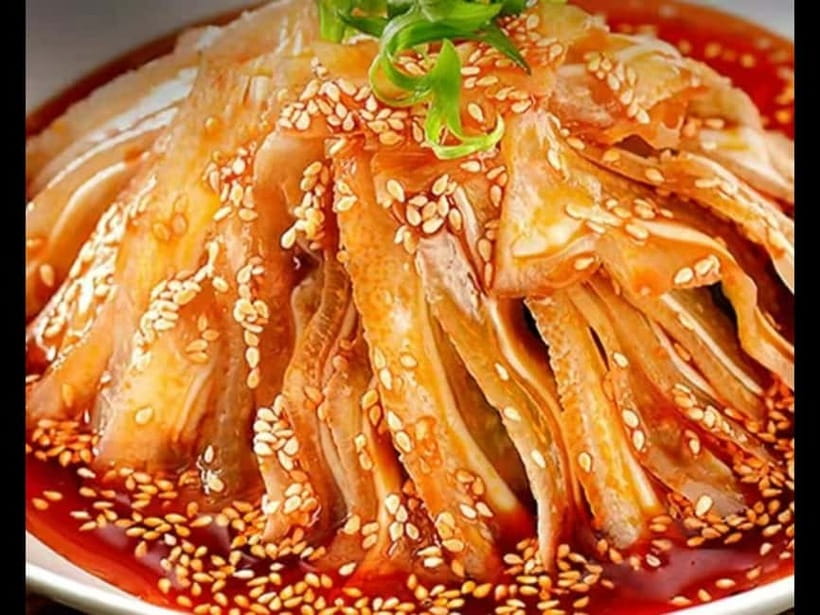
Food tasting lasts about one hour. You eat the dishes prepared in class with your group, then receive daily soup, steamed rice, pickles, and fruit juice. These additions make the class feel more like a meal than a quick sample.
You can also taste traditional Chinese medicine wine and choose from beverages such as fresh fruit juice, red wine, and beer. Unlimited drinks are listed as an optional extra, so check what is included in your booking before you assume every beverage is covered.
Private dining rooms are also available as an option, with rice, soup, and other accompaniments. A Sichuan Cuisine Master certificate can be issued through this optional arrangement. If you want the simplest and best-value version, the standard meal may be enough. If you are marking a special occasion or want a more formal meal, ask about the private room before paying.
The menu may be a concern if you have food allergies. This experience is specifically not suitable for people with food allergies, so it is not a good choice if you need strict ingredient control. Sichuan food can include fermented products, chili, oils, and several seasonings, and no allergy-safe arrangement is promised here.
Covered-bowl tea, Mahjong, and a slower finish
After the meal, you can rest in the Sichuan tea house. The setting includes bamboo chairs and desks, covered-bowl tea, and Mahjong. This is a welcome change of speed after the kitchen activity.
Covered-bowl tea is traditionally sipped by holding the lid back while drinking. Even if you are unfamiliar with the method, the tea-house stop gives you a chance to settle down instead of rushing directly from the dining table to the exit.
Mahjong adds another local touch. You may play or simply watch, depending on the arrangements for your group. The experience presents this as time to pace yourself like a local, which makes sense after several hours of food, demonstrations, and hands-on cooking.
The tea-house portion is one reason the advertised duration ranges from 2.5 to 4 hours. A shorter visit may move briskly, while a longer one leaves more room for eating, tea, games, and questions.
Local snacks worth saving room for
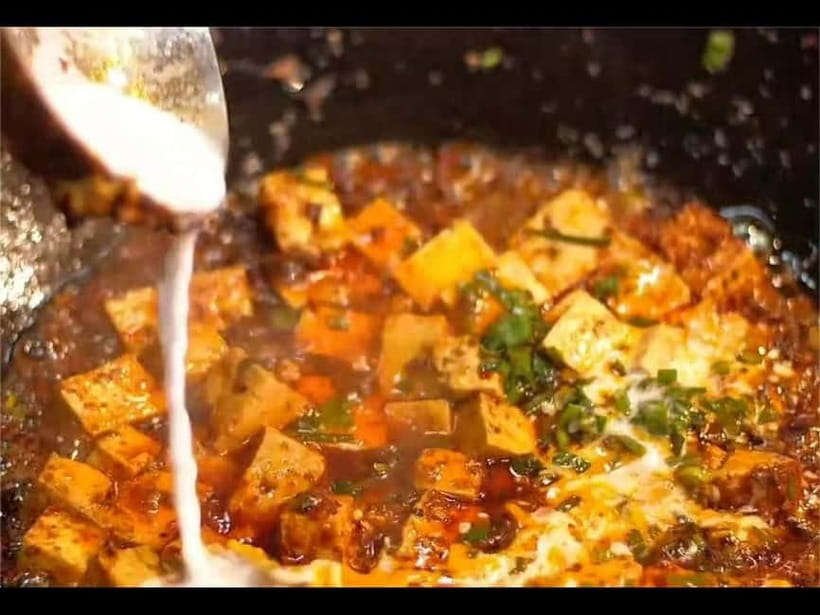
The final tasting focuses on local snacks. You can try northern-Sichuan-style pea jelly, tofu pudding, and Zhong’s dumplings. Unlimited local snacks are included, so this is not just one final bite before departure.
Pea jelly offers a different texture from the stir-fried dishes. Tofu pudding is softer and more delicate, while Zhong’s dumplings add another well-known Sichuan-style snack to the table. Sampling several small foods makes the outing useful if you want to go beyond the standard restaurant menu.
I would save room rather than eating a large meal before arrival. The class already includes your cooked dishes and accompaniments, then adds snacks and drinks. The exact amount you eat will depend on your group, but the program is clearly built around food from beginning to end.
Is $54 a fair price?
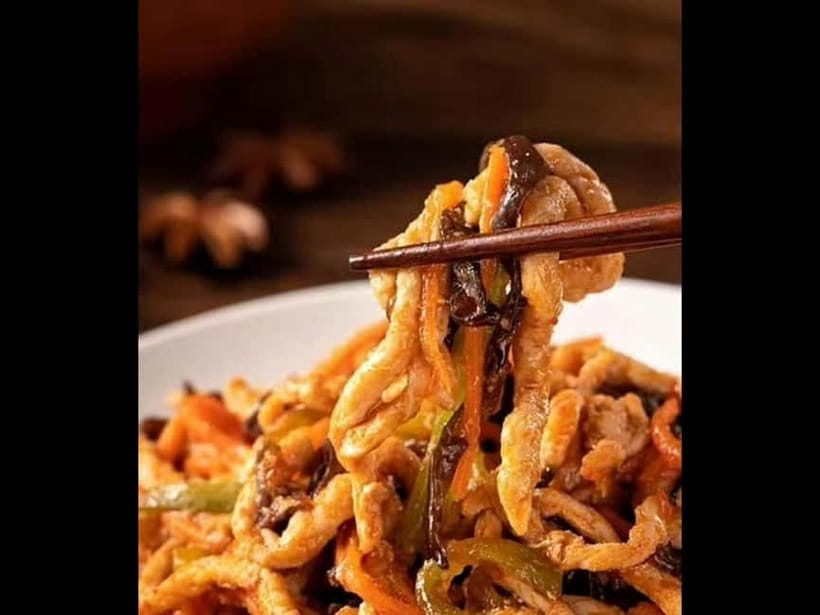
At $54, the price is reasonable if you want several activities in one outing. You are paying for a museum visit, guided cultural stops, a private-group cooking class, your meal, tea-house time, and unlimited local snacks. The value is strongest for people who would otherwise pay separately for a cooking class and a cultural attraction.
The price does not include transportation to or from the museum. Since the meeting point is 23 kilometers from downtown, that missing transfer matters. You should calculate the cost and time of reaching Gucheng county before comparing this with a cooking class closer to central Chengdu.
Optional upgrades can also change the final bill. Private dining rooms, extra rice and soup arrangements, a Sichuan Cuisine Master certificate, and unlimited drinks are not part of the basic inclusions. Confirm those details when booking.
Free cancellation up to 24 hours before the activity and reserve-now, pay-later booking make the plan easier to adjust. You need to provide a valid phone number and email address to receive meeting information.
Who will enjoy this Chengdu food experience?
I would recommend it most strongly to first-time visitors who want food and culture together. You get an explanation of Sichuan cooking, a look at traditional tools and ingredients, a religious site connected with the kitchen, and a practical class.
It also suits families and groups that enjoy shared activities, though wheelchair users should not book because the experience is not suitable for them. Comfortable shoes are important because the program includes walking through the museum, garden, restaurant alley, and display areas.
Food lovers who want to taste several local items will get the most from the format. You can cook three dishes, sample snacks, drink tea, and try local beverages in one visit.
You may prefer another activity if you only want a short, focused cooking lesson in central Chengdu. The museum’s distance, the cultural displays, and the ritual at the Kitchen God hall make this a broader outing. It is less suited to anyone who dislikes spicy or highly seasoned food, though the available information does not specify how much control you have over spice levels.
Should you book it?
Book this experience if you want to understand Sichuan food as part of daily life, tradition, and ritual, not only as a plate of spicy dishes. The strongest features are the unusual museum, the Kitchen God hall, the chance to cook three dishes, and the generous snack tasting.
Skip it if getting 23 kilometers outside central Chengdu is inconvenient, if you need wheelchair access or allergy accommodations, or if you want a tightly focused class with a fixed menu. For everyone else, $54 is a fair price for a private, food-filled half-day, provided you budget separately for transportation and check the optional extras.
FAQ
Where does the Chengdu Sichuan cuisine cooking class meet?
It meets at the Sichuan Cuisine Museum in Gucheng county, Pidu district, Chengdu, Sichuan province. The museum is about 23 kilometers from downtown along Shaxi Road.
How long does the experience last?
The stated duration is 2.5 to 4 hours. The main schedule includes about one hour for the guided museum tour, one hour for the cooking class, and one hour for food tasting.
What languages are available?
Live tour guidance is available in English and Chinese.
Is transportation to the museum included?
No. Transportation to and from the Sichuan Cuisine Museum is not included.
What food activities are included?
You can prepare three typical Sichuan dishes, eat the dishes you cook, taste unlimited local snacks, and take part in blindfolded knife cutting of golden silk noodles.
Are drinks included?
The experience includes fruit juice and lists traditional Chinese medicine wine, red wine, beer, and other drinks. Unlimited drinks, including tea, wine, and soft drinks, are available as an optional extra.
Is the experience suitable for wheelchair users or people with food allergies?
No. The activity is listed as unsuitable for wheelchair users and people with food allergies.
Just added around China
- Private Panda Tour with Cooking Class One-day Trip★ 5.0 · 11 reviews
- Half-day Dandan Noodles Cooking Class with a Local Market Visit★ 5.0 · 8 reviews
- Half-Day Private Hot-Pot Cooking Class with a Local Market Visit★ 5.0 · 3 reviews
- Half-day Chengdu Handmade Tofu Making and Mapo Tofu Cooking Class★ 5.0 · 3 reviews
- Chengdu Dujiangyan Leshan Buddha Tea Plantation and Sichuan Cooking 3 Days★ 5.0 · 2 reviews
- Half day Chengdu Dumpling Class: Make from Scratch★ 5.0 · 8 reviews
- Half-Day Sichuan Cooking Class Experience in Chengdu★ 4.0 · 17 reviews
- Beijing: Private Dumpling Cooking Class in Local Family★ 5.0 · 3 reviews
Cooking Classes, compared.

Half-Day Thai Cooking Class at Organic Farm in Chiang Mai
Read our review →

3 in 1 Cooking Class near Navona: Fettuccine, Ravioli & Tiramisu
Read our review →
Pasta & Tiramisu Cooking Class with Unlimited Wine
Read our review →
Hanoi Cooking Class: Culture, Local Market & Meaning CSR Impact
Read our review →
5 Traditional Dishes Hanoi Cooking Class with Market Trip
Read our review →
Cooking Class and Lunch at a Tuscan Farmhouse with Local Market Tour from Florence
Read our review →
Cooking Class, Market & Thai Herbs Garden Tour
Read our review →Lists this class appears in