
REVIEW · CRETE, GREECE
Chrysoula’s Traditional Cretan Home Cooking
Fresh food tastes better with a story.
Chrysoula’s Traditional Cretan Home Cooking brings you into a real home kitchen near Arkadi, where you help prepare classic dishes, eat what you make, and share the table with people from several countries. I like the small maximum group of 12, which keeps the class social without turning it into a factory line. I also like the strong sense of family hospitality, especially the warmth of Chrysoula and her helper, Dee.
The one thing to consider is the rural meeting point. You need to arrange your own way to Arkadi, and the class depends on good weather and a minimum number of bookings. At $113.84 per person for about three and a half hours, this is not simply a meal, but it is worth more to you if you enjoy hands-on cooking and conversation.
Key points at a glance
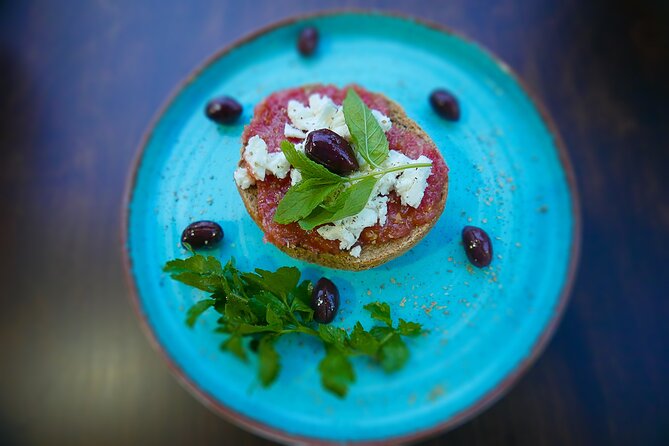
- A Cretan meal you help prepare: Expect dakos, moussaka, stuffed vegetables, and homemade ice cream as the sample menu.
- A welcoming home setting: The class takes place at Chrysoula’s home, with a garden, backyard, and views toward nearby olive groves.
- Local ingredients with a clear connection to place: Olive oil, herbs, vegetables, bread, and cheese may come from the property or Chrysoula’s family farm nearby.
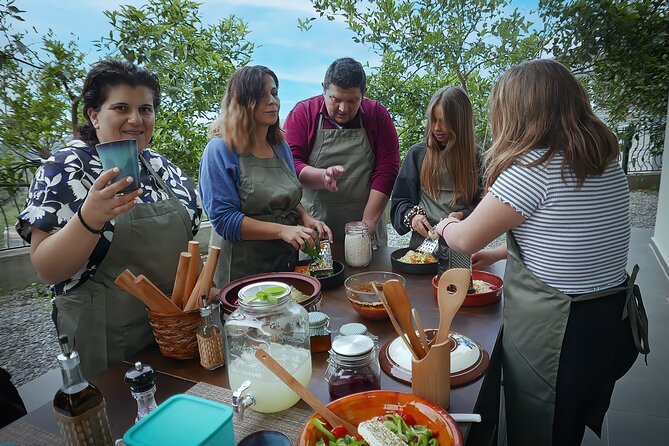
- A lively small-group experience: The group can include up to 12 people, with cooking, jokes, shared tasks, and plenty of time at the table.
- Good for solo visitors and families: The relaxed format makes it easy to meet others, and dietary needs can be discussed ahead of time.
- A practical souvenir: Recipes are sent after the class, so you can recreate the dishes at home without trying to remember every handful of herbs or generous pour of olive oil.
Why this home cooking class feels different
Many cooking classes take place in a polished school kitchen. This one is built around Chrysoula’s home and her way of welcoming people. You arrive at the meeting point in Arkadi at 10:00 a.m., then settle into a setting that feels more like a family gathering than a formal lesson.
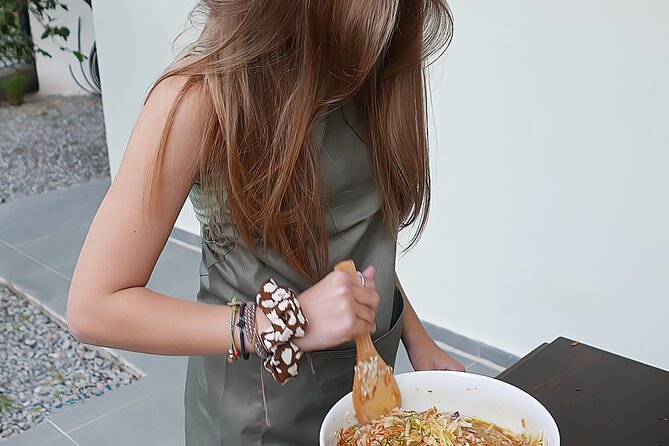
That distinction matters. You are not just shown a finished plate and handed a recipe. You take part in the work. You chop, mix, fill, season, and help bring the meal together. The atmosphere is relaxed, and the class appears designed to make people comfortable quickly, even when they arrive alone or do not know anyone else in the group.
Chrysoula’s style is a major part of the experience. She is described as warm, funny, and generous with her time. Dee, her helper, adds another friendly presence and works closely with her. Expect teasing, laughter, and a fair amount of noise once everyone gets involved. If you prefer quiet, highly structured instruction, this may feel loose. If you like food served with personality, it should suit you well.
The class is offered in English. That makes the cooking instructions and cultural explanations accessible to English-speaking participants, while the shared meal creates an easy way to connect with people from other places.
More Home Cooking Classes in Greece
- Mykonos: Group Cooking Class at the Home of a Local Family
★ 5.0 · 166 reviews - Rethymno: Chrysoula’s Cretan Home Cooking Lessons
★ 5.0 · 98 reviews - Mykonos Home Cooking Class & Traditional Greek Meal with Angelina
★ 5.0 · 54 reviews
Arriving in Arkadi at 10:00 a.m.
The experience begins at the stated meeting point in Arkadi, Greece, at 10:00 a.m. It ends back at that same point. The location is near public transportation, but the supplied details do not include transport arrangements or a pickup service, so you should confirm how you will reach the meeting point before booking.
The start time works well for a long morning and midday meal. You will not be rushing through a late afternoon class, and the schedule leaves room for the cooking itself, explanations, conversation, and sitting down to eat. The total duration is about three hours and 30 minutes.
The rural setting is part of the appeal. The home is associated with a lush garden or backyard and views of nearby olive groves. That gives the meal a clear connection to the land around Arkadi instead of placing you in a generic indoor kitchen.
The setting also brings a practical limitation. Weather matters. If poor weather causes the class to be canceled, you are offered another date or a full refund. Since the activity takes place partly in an outdoor home setting, keep that condition in mind when building your Crete schedule.
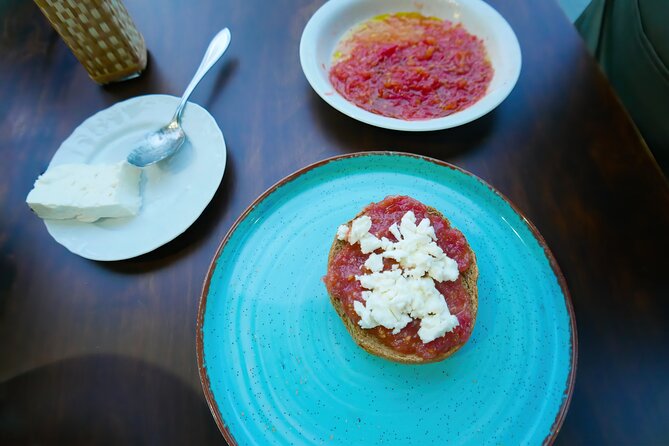
Preparing dakos, a Cretan table classic
Dakos is listed as the starter, and it is an excellent choice for a class about Cretan food. The dish is simple in appearance but tied closely to local ingredients and everyday eating. It typically centers on crisp barley rusk, tomato, cheese, herbs, and olive oil, though the exact preparation here should come from Chrysoula’s instruction.
This is the kind of dish that teaches you how Cretan cooking gets its character from good basic ingredients. You will see how olive oil, herbs, vegetables, and cheese can turn a few plain components into something full of flavor.
The cooking is also a useful introduction to Chrysoula’s teaching style. She gives clear direction, but you should expect to be involved rather than simply watch. The class is hands-on, with participants responsible for different preparation tasks. That shared workload helps the group get talking early.
If you want a class focused on advanced knife skills or restaurant technique, dakos will not provide that. Its value is different. You learn a dish you can reasonably make at home, and you begin to understand why Cretan food is often satisfying without being fussy.
Making moussaka with a full group
Moussaka is the main dish most people will recognize, and preparing it as a group gives the class a substantial central project. The sample menu lists moussaka alongside stuffed vegetables, so expect a generous meal rather than a small tasting.
The exact jobs may vary, but a group preparation typically means several people work on different parts at once. One person may prepare vegetables, another may handle a filling, and others may help with seasoning or assembly. The format keeps you moving and gives the class a communal rhythm.
Moussaka also shows why this experience is more than a recipe demonstration. Chrysoula provides context for the dishes as well as instructions for preparing them. You learn not only what goes into the food, but how a home cook approaches the meal.
The generous use of olive oil is part of the lesson. The recipes sent afterward help because some of the measurements in a home kitchen are less exact than you may expect. You may hear references to a splash, a handful, or a good pour. That is charming in the moment, but a written recipe is useful once you return home.
Same place, a different thing to cook:
- Athens: Classic Cooking Class with Market Visit and Wine
★ 5.0 · 1,101 reviews - Athens: Food Market Visit and Cooking Class with Wine
★ 4.9 · 1,087 reviews - Greek Cuisine Cooking Class in Santorini with Recipes and Wine
★ 5.0 · 969 reviews - Naxos: Half-Day Cooking Class at Basiliko Family Tavern
★ 5.0 · 887 reviews
Stuffed vegetables and the pleasure of shared tasks
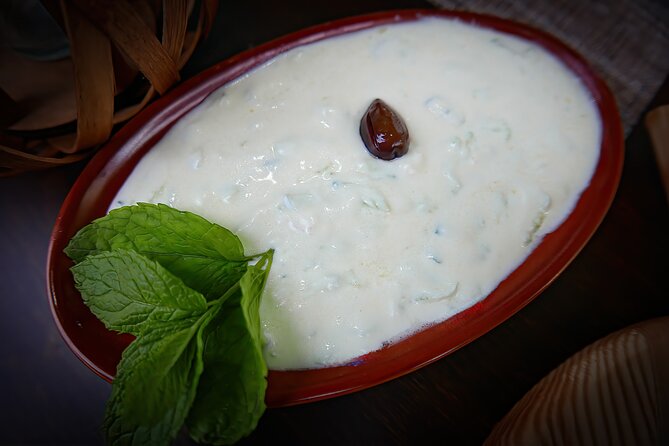
Stuffed vegetables are also part of the sample menu. This type of dish takes more hands than a quick salad, making it a good fit for a group class. Preparing, filling, and arranging the vegetables gives everyone a clear role.
The food connects well with the local setting. Ingredients used in the class may come from Chrysoula’s property or her family’s nearby farm, including vegetables, herbs, olive oil, bread, and cheese. That farm connection gives the cooking a stronger sense of place and helps you understand why local produce matters in Cretan food.
One practical point is dietary flexibility. A vegetarian participant was accommodated with a separate meat-free dish, and dietary concerns can be handled when noted in advance. You should still provide those details when booking. Do not assume every request can be managed at the last minute.
The group format can be especially good for families and friends. Everyone can take on a small job, and the meal feels like a shared achievement. It also works for solo visitors, who can join the tasks without needing to break into an established group.
Homemade ice cream to finish the meal
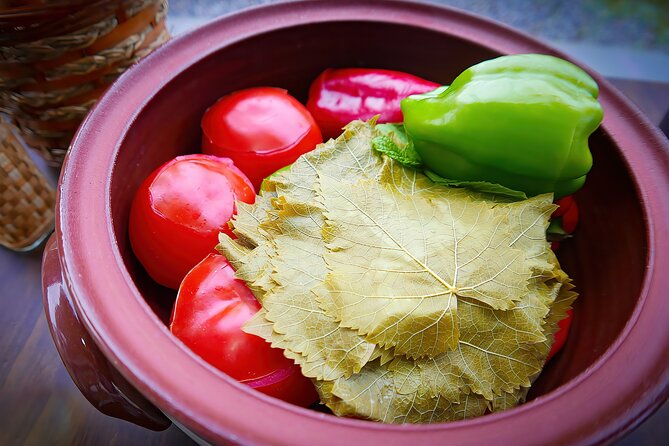
Dessert is listed as homemade ice cream. That gives the class a sweet finish and adds another preparation task after the savory dishes are underway.
The schedule allows you to make a full multi-course meal, followed by dessert. You should arrive hungry. The portions are described as plentiful, and the combination of cooking and eating can easily fill the better part of your day.
Special occasions can receive personal touches. One birthday group was surprised with a homemade birthday cake, showing that Chrysoula may put extra care into celebrations. That should not be treated as a guaranteed part of every booking, but it suggests you should mention a birthday or other occasion in advance.
The dessert also helps the class avoid feeling like a single recipe lesson. You work through the meal from starter to main courses and then finish with something sweet. It has the shape of a proper family lunch.
The meal, the garden, and a little raki
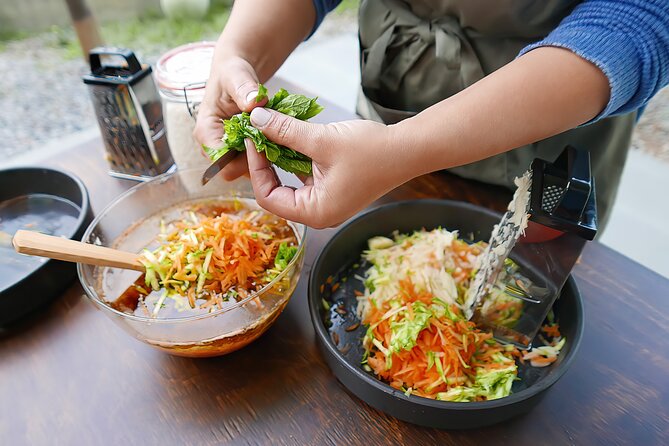
The final meal is the payoff, but it is not the only payoff. You sit down to eat food that you helped prepare, surrounded by the group you have been working with. The setting, garden, olive grove views, and easy conversation add as much to the experience as the recipes.
Raki may also be offered. It is a traditional Cretan spirit, and several accounts describe enjoying a little during the gathering. It can be part of the fun, but it is also strong alcohol. If you do not drink, you should feel no pressure to join in. The food and company are the main event.
The social side is unusually important here. Hugs, jokes, and family-style hospitality are central to the tone. You may leave with new friends, especially if you arrive alone. The group can include couples, families, friends, and solo participants from different countries, which gives the table a natural mix.
That same energy will not suit everyone. If you want a calm meal with minimal interaction, the class may feel too chatty. If you enjoy a little chaos, shared work, and a host who treats you like part of the household, it should be a good match.
What the $113.84 price gets you
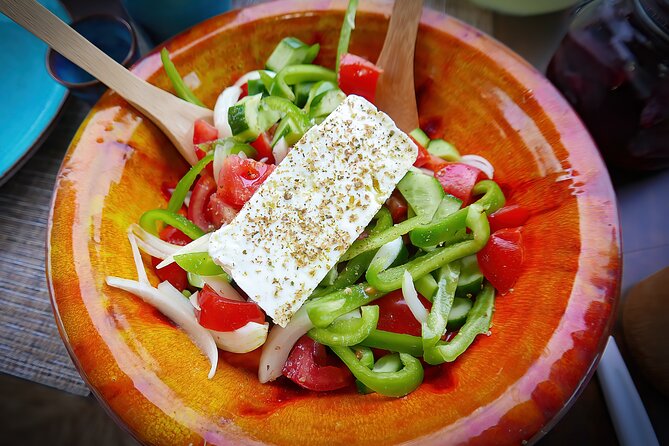
At $113.84 per person, this experience costs more than a standard restaurant lunch in Crete. The comparison is not quite fair, though. You are paying for about three and a half hours of instruction, ingredients, a full meal, a home setting, and the social experience of cooking with a small group.
The value is strongest if you plan to use the recipes again. You are not just eating moussaka once. You are learning a method, seeing how the ingredients are handled, and taking the recipes home afterward. That gives the class a longer life than a meal alone.
The price also covers a personal style of hospitality that is difficult to measure. Chrysoula and Dee are part of the experience, and their humor and care shape the day. The warm welcome has been one of the most praised parts of the class, along with the quality of the food and the relaxed atmosphere.
I would be more cautious about the price if you are only looking for a quick introduction to Cretan cuisine. A shorter food tasting may cost less and require less time. This class makes the most sense when you want to cook, eat a large meal, and spend several hours in a social home setting.
Who should book this class
I would recommend this experience to you if you enjoy local food, shared meals, and practical activities. It is also a strong choice for a birthday, family outing, or couple’s activity, especially if you want something more personal than a restaurant reservation.
Solo visitors should not feel left out. The group tasks make conversation easy, and the welcoming tone can help you connect with people quickly. You will likely get more from the class if you are willing to participate rather than stand back and observe.
It is less suited to you if you need a quiet, tightly timed schedule or a highly technical culinary course. The class is social and informal. The group can include up to 12 people, so some waiting or shared preparation is possible.
Most participants can take part, and service animals are allowed. The activity is near public transportation, but you should check your route to Arkadi before the day begins. Confirmation is provided when you book, and the class is offered in English.
Booking timing and cancellation details
The experience is booked an average of 10 days in advance, so I would not leave it until the last minute if your dates are fixed. The maximum group size is 12, which keeps availability more limited than a large coach excursion.
Free cancellation is available when you cancel at least 24 hours before the 10:00 a.m. start time. Cancellations or changes made inside that 24-hour window are not refunded or accepted. The local time in Crete controls the cutoff.
A minimum number of participants is required. If that number is not reached, you are offered another date or experience, or a full refund. Poor weather can lead to the same choices.
Should you book Chrysoula’s cooking class?
Book it if you want to learn a few Cretan dishes while sharing a generous meal in a real home. The best parts are the warm welcome, local ingredients, personal teaching, garden setting, and easy group spirit. The recipes afterward make the experience useful long after your holiday.
Think twice if you want a short, quiet, or highly formal lesson. You will need to reach Arkadi yourself, and the class depends on weather and minimum participation. For food lovers, families, solo visitors, and anyone marking a special occasion, the combination of cooking, laughter, raki, and a full Cretan table makes the $113.84 price reasonable.
FAQ
Where does Chrysoula’s Traditional Cretan Home Cooking take place?
The experience starts at the stated meeting point in Arkadi, Greece, and ends back at the same meeting point.
What time does the class begin?
The class starts at 10:00 a.m.
How long does the cooking experience last?
It lasts approximately three hours and 30 minutes.
What food is included on the sample menu?
The sample menu includes dakos as a starter, moussaka and stuffed vegetables as main dishes, and homemade ice cream for dessert.
Is the class offered in English?
Yes. The experience is offered in English.
How many people can join the class?
The maximum group size is 12 participants.
Is the activity suitable for most people?
Most people can participate, and service animals are allowed. Dietary needs should be noted in advance so suitable arrangements can be considered.
Is transportation provided?
The meeting point is near public transportation, but the provided details do not state that pickup or transfers are included.
What happens if I need to cancel?
You can receive a full refund if you cancel at least 24 hours before the local start time. Cancellations and changes made less than 24 hours before the start are not accepted or refunded.
Just added around Greece
- Authentic and Traditional Cooking Class in Chania Crete★ 5.0 · 5 reviews
- Private Cooking Class – A Culinary Journey in Argostoli★ 5.0 · 2 reviews
- Chania Cooking Class in Crete with rustic, delicious and homely Cretan food!★ 4.5 · 14 reviews
- Private Greek Cooking Class in Athens-Learn to Cook with Angelina★ 5.0 · 3 reviews
- Cook with Katerina: Authentic Greek Home Cooking Class in Athens★ 5.0 · 15 reviews
- Private Walking Meze Cooking Course★ 5.0 · 6 reviews
- Cooking Class in Athens: Learn the Art of Phyllo with Christina★ 5.0 · 24 reviews
- Greek Cooking Class with Acropolis View★ 5.0 · 76 reviews
Home Cooking Classes, compared.
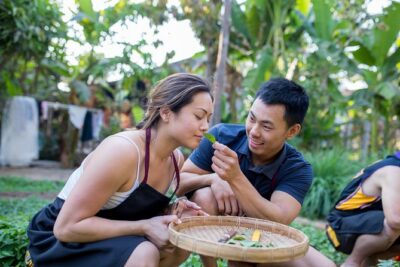
Khmer Cooking Class at a Local’s Home in Krong Siem Reap
Read our review →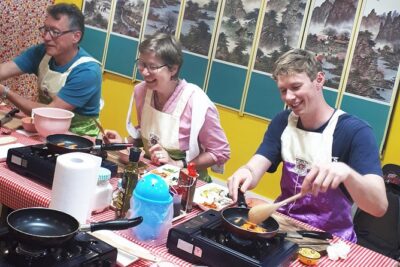
Local Home Korean Cooking Class & Market Adventure in Seoul
Read our review →
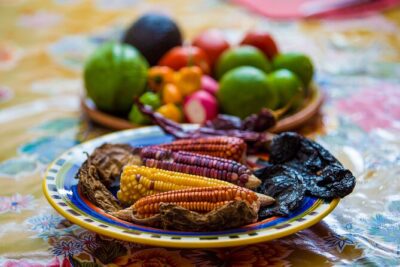
Mexican Cooking from Scratch in a Local Home in Tulum
Read our review →
Pastamama, Home Cooking Classes at Grace’s Home
Read our review →
Traditional Cooking Class & meal with Local Family
Read our review →
Lists this class appears in