
REVIEW · CRETE, GREECE
Rethymno: Chrysoula’s Cretan Home Cooking Lessons
Come hungry, leave full of Cretan stories. This 3.5-hour cooking class takes you into Chrysoula’s family home, where you prepare local recipes, use a traditional wood oven, and sit down to a generous meal with wine and raki. I especially like the home setting and the chance to work with produce from the family farm or nearby farmers. The warm welcome from Chrysoula and her assistant Dee also gives the class an easy, social feel.
The food is the star, but the setting matters just as much. You may pick tomatoes, aubergines, and peppers before turning them into lunch or dinner. I also like that the menu can be adjusted for vegetarians and people with allergies. One consideration is the sheer amount of food and drink, so this is not the place for a large meal beforehand.
Key points to know before you book
- A real family-home setting: You cook and eat in a Cretan home, often outdoors with views and a wood-fired oven.
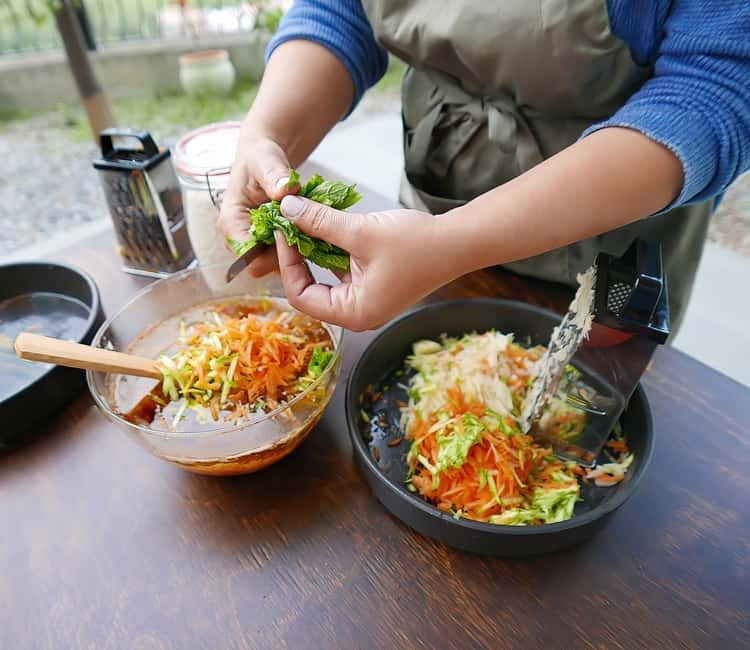
- A hands-on menu: Expect to help prepare starters, a main dish, and dessert rather than simply watch a demonstration.
- Farm-grown ingredients: Produce may come from Chrysoula’s family farm or local farmers, with olive oil playing a central role.
- A social table: You may cook with people from several countries, making this as much a shared meal as a class.
- Generous hospitality: Greek coffee, herbal tea, homemade lemonade, local wine, raki, and plenty of food are part of the welcome.
- Plan to arrive hungry: Past participants repeatedly found the portions generous, with enough food to feel very full by the end.
Arriving at Chrysoula’s Cretan home
The class begins with a welcome rather than a formal classroom introduction. You may be offered Greek coffee, herbal tea, homemade lemonade, ladokouloura, olive-oil rolls, and loukoumakia while you settle in and meet the cooking group.
That opening is useful because it sets the tone. You are not being rushed from one station to another. Chrysoula and Dee encourage conversation, and the group starts to feel like a shared table rather than a standard cooking lesson. Participants have come from the United States, the United Kingdom, Norway, France, Switzerland, Estonia, Denmark, Canada, Australia, and elsewhere, so the social side can be a real part of the experience.
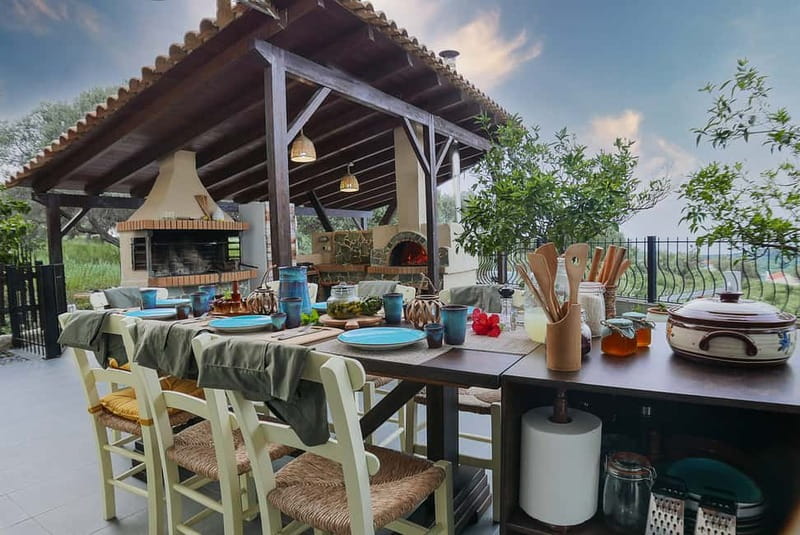
The class takes place in a beautiful home setting, with cooking arranged around the traditional wood oven. Several people praised the views and the outdoor area, and the relaxed setup seems to be one of the strongest parts of the afternoon or evening. You should still remember that this is a home-based experience, not a polished culinary school. That is the point, but it also means the surroundings and flow may feel informal.
More Home Cooking Classes in Greece
- Mykonos: Group Cooking Class at the Home of a Local Family
★ 5.0 · 166 reviews - Mykonos Home Cooking Class & Traditional Greek Meal with Angelina
★ 5.0 · 54 reviews - Chrysoula’s Traditional Cretan Home Cooking
★ 5.0 · 38 reviews
Picking Cretan ingredients before cooking
A particularly appealing detail is the connection between the ingredients and the place. Produce may come from Chrysoula’s family farm or local farmers, and you may help pick tomatoes, aubergines, and peppers before preparing them.
That small step changes how you see the food. A tomato is no longer just one item on a cutting board. It is part of the garden, the village, and the meal you are about to share. You also learn about local produce and olive oil as you cook, with Chrysoula explaining practical habits from Cretan home kitchens.
The recipes are designed to be manageable for beginners. You do not need professional knife skills or a background in Greek cooking. The class is hands-on, but the atmosphere is friendly rather than demanding. Families with teenagers enjoyed having everyone involved, and a 16-year-old with celiac disease was well catered for. A vegan participant also received suitable food.
If you have an allergy or follow a special diet, mention it when booking or before cooking begins. The menu can be adapted, but clear communication is still important.
Making dakos, tzatziki, and Greek salad
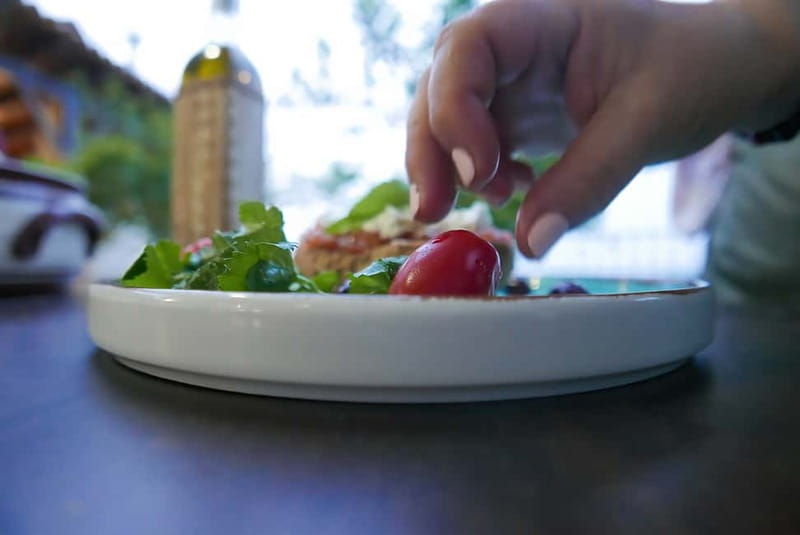
The starter course introduces the bright, simple flavors associated with Cretan home food. Possible dishes include dakos, tzatziki, and Greek salad.
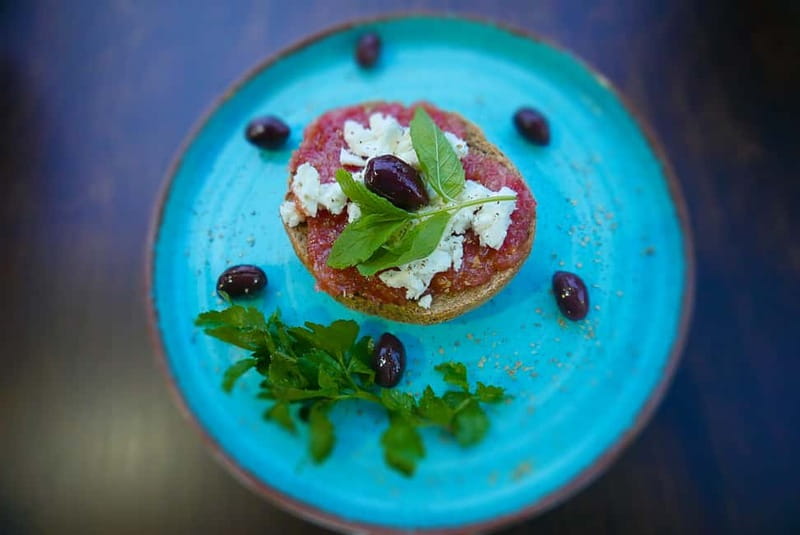
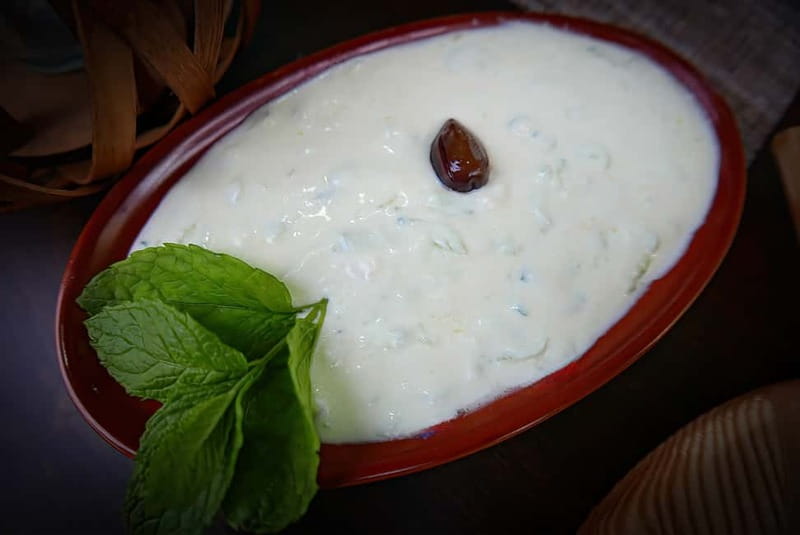
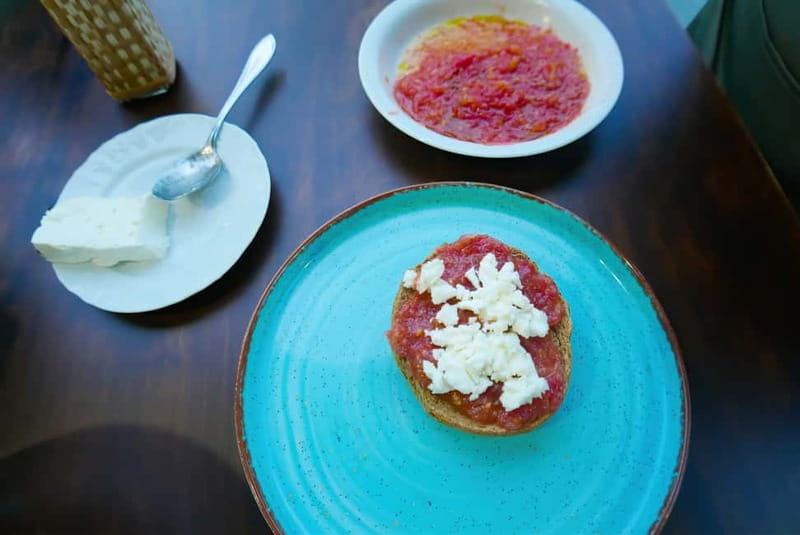
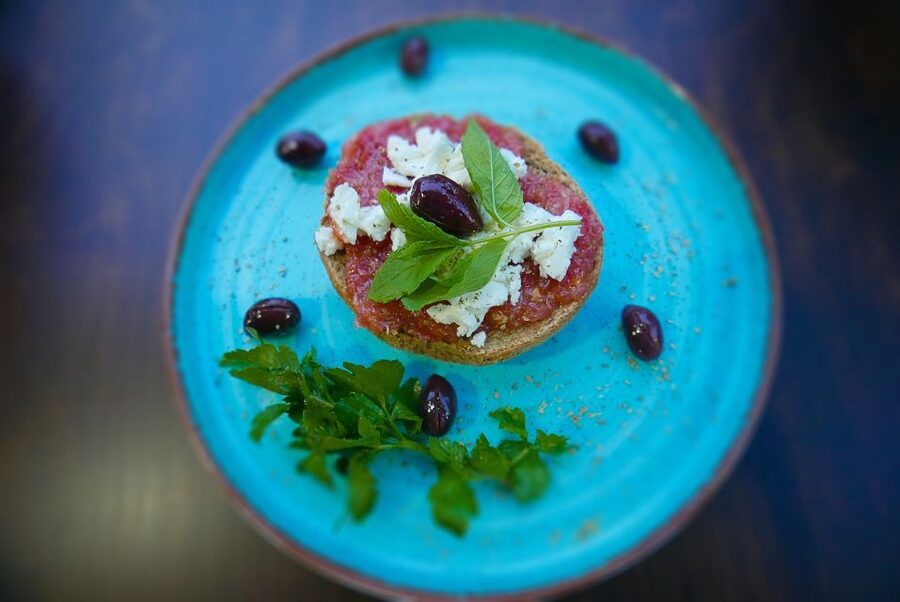
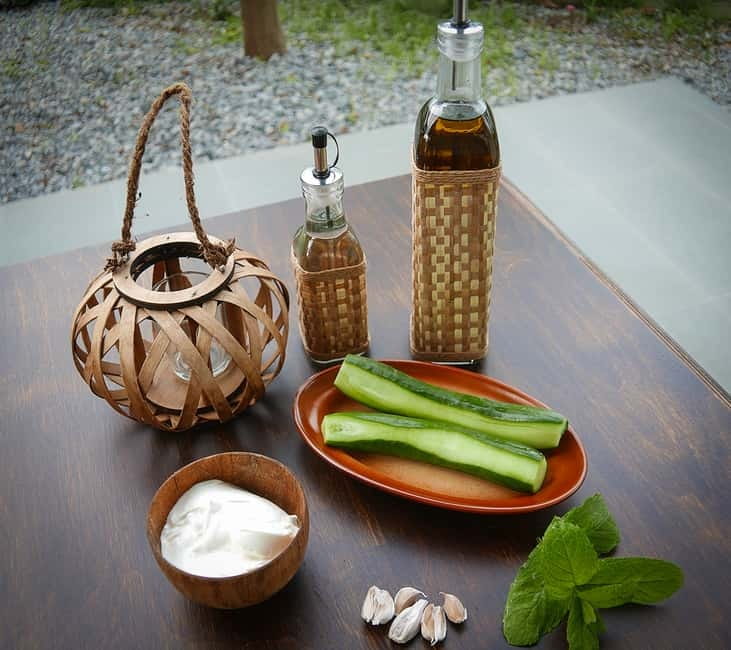
Dakos combines tomato, cheese, olive oil, and herbs, usually over a crisp base. It is a good lesson in Cretan cooking because the ingredients are straightforward, but quality matters. Fresh tomatoes, good olive oil, and herbs do most of the work. Tzatziki gives you a chance to prepare the famous yogurt, cucumber, and garlic dip, while Greek salad brings together vegetables, cheese, herbs, and oil in a familiar but satisfying way.
I like this part of the class because you learn recipes that are realistic to repeat at home. There is no need for rare equipment or hard-to-find ingredients. Chrysoula also shares small cooking tips and old practices, helping you understand how the dishes should look and taste rather than merely handing you a list of instructions.
The pace appears relaxed enough for questions and conversation. That makes it a good choice if you want to learn by doing, though anyone expecting a quiet, highly structured lesson may find the social chatter distracting.
Preparing gemista and moussaka by the wood oven
The main course brings more work and more time around the oven. Depending on the menu, you may prepare gemista, moussaka, or related Cretan dishes.
Gemista usually involves stuffing vegetables such as tomatoes, zucchini, peppers, zucchini flowers, or vine leaves. The vegetables are prepared and filled before going into the oven. This gives you a close look at a classic home-cooking method that makes good use of seasonal produce.
Moussaka is likely to be the major project for many people. One participant called it a favorite, while others praised the food as some of the best they ate in Greece. The wood oven adds a strong sense of place, even if you are not operating it alone. You learn how dishes are cooked in a traditional home setting, then eat the results while they are fresh.
Olive oil is central here. The class has a generous Cretan approach to it, and you may hear the practical lesson that a little more is often needed. If you usually cook with modest amounts of oil, this is a chance to see how Cretan recipes use it for flavor, texture, and roasting.
The main course is also where you should judge the class realistically. You will not prepare only one neat dish and leave. You may work on several recipes, taste different foods, and eat a substantial portion. That is wonderful if you enjoy a long meal, but less suitable if you have dinner plans soon afterward.
Same place, a different thing to cook:
- Athens: Classic Cooking Class with Market Visit and Wine
★ 5.0 · 1,101 reviews - Athens: Food Market Visit and Cooking Class with Wine
★ 4.9 · 1,087 reviews - Greek Cuisine Cooking Class in Santorini with Recipes and Wine
★ 5.0 · 969 reviews - Naxos: Half-Day Cooking Class at Basiliko Family Tavern
★ 5.0 · 887 reviews
Finishing with tyropitakia, honey, and fruit
Dessert keeps the meal rooted in local home cooking. You may make tyropitakia, small traditional pies filled with homemade cheese, then serve them with local honey and cinnamon.
The class may also include homemade ice cream and seasonal fruit. Dessert is not treated as an afterthought. It becomes another chance to learn how simple ingredients can make a satisfying final course.
This is also the point when the raki often becomes part of the fun. Local wine and raki are included, and raki may be served while dessert is being prepared or after the meal. If you do not drink alcohol, you can still enjoy the food and nonalcoholic welcome drinks, but you should be aware that drinking is part of the hospitality.
The meal usually ends with plenty of food on the table and time to talk. Several families found the atmosphere warm and funny, and parents appreciated that children and teenagers could take part. The class can work especially well for family groups because there are many different jobs, from picking vegetables to mixing, cutting, filling, and tasting.
What the 3.5-hour format really gives you
Three and a half hours is a good length for this kind of experience. It gives you time to settle in, prepare several courses, bake the food, and eat without turning the class into a hurried demonstration.
You should treat it as a half-day food experience, not a quick activity between sightseeing stops. Starting times vary, so check the available slot when you book. The exact pace may also depend on the group, the dishes being prepared, and how much conversation develops around the table.
The class is conducted in English. Chrysoula and Dee appear to put a strong focus on participation, humor, and conversation, so you should be comfortable joining in rather than standing back. If you are shy, the shared work makes it easy to get involved without needing to talk constantly.
The social element is one of the best reasons to choose this class. You may cook beside another family, a couple, or people from several different countries. One booking was private rather than shared, so the group arrangement may vary. That flexibility can be a benefit if you prefer a more personal experience, though you should not assume every session will have the same group size.
Is $116 a good value?
At $116 per person, this is not a budget meal. You are paying for more than recipes, though. The price includes the cooking lesson, starter, main dish, dessert, local wine, and raki, plus the setting and hospitality of a family home.
The value is strongest if you want a full cultural activity. You receive a substantial meal, hands-on instruction, drinks, and time with a local cook. You may also leave with recipes and techniques you can use at home. Several people even had food left over, although you should not count on leftovers as part of the formal offering.
The value is weaker if your only goal is to eat inexpensive Cretan food. A taverna meal will cost less and requires no kitchen work. This class makes sense when you want to understand the food, meet the people behind it, and spend a relaxed part of your trip around a shared table.
The perfect audience is a couple, family, or small group that enjoys food and conversation. It also suits first-time cooks because the recipes are presented as accessible. Vegetarians and people with allergies can be accommodated, but you should communicate your needs in advance.
Practical details that affect your choice
The experience is wheelchair accessible, and the host or greeter speaks English. Free cancellation is available up to 24 hours before the activity for a full refund. You can also reserve now and pay later, which helps if your Crete plans are still changing.
You may want to skip breakfast or lunch immediately before the class, depending on the start time. The welcome snacks, multiple courses, dessert, wine, and raki add up quickly. The repeated advice from people who enjoyed the class most is simple: arrive hungry and do not schedule a major dinner afterward.
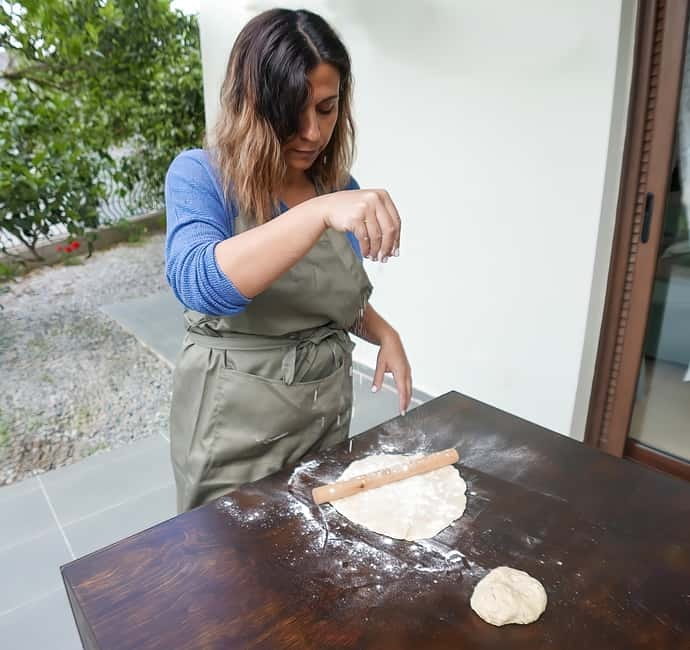
Bring an appetite and a willingness to help. This is not a place to sit at the edge while someone else does the cooking. You may be chopping, stirring, filling vegetables, handling dough, or learning how olive oil is used in the dishes.
If you are traveling with children or teenagers, the hands-on format should give them plenty to do. If you are traveling with a baby, the hosts have shown a thoughtful attitude toward families, including offering toys and help during the cooking. Still, each family should decide how well a 3.5-hour food session fits its children’s needs.
The best part: feeling welcomed into local life
The strongest feature here is not one particular recipe. It is the way the food, home, farm produce, wood oven, and conversation fit together.
Chrysoula’s personality seems to shape the whole experience. She shares cooking tips, talks about Cretan culture, jokes with the group, and treats the meal as an act of welcome. Dee adds support and helps keep the class moving. The result feels closer to being invited into a Cretan family meal than attending a formal workshop.
That does not mean the class is only about eating. You will learn recognizable dishes and useful techniques. But the lessons are tied to the people and place, which makes them easier to remember. Long after you return home, you may remember the advice to use more olive oil, the taste of homemade cheese with honey, or the sound of everyone raising a glass of raki.
Should you book Chrysoula’s Cretan cooking class?
Book it if you want a generous meal, local recipes, a beautiful home setting, and real time with a Cretan host. It is especially well suited to families, food lovers, beginners, and anyone who prefers personal contact over a standard sightseeing stop.
Think twice if you want a short, quiet, highly technical cooking lesson or if you have strict plans immediately afterward. The food and drinks are plentiful, and the social pace is part of the experience.
For most people, the combination of farm produce, wood-oven cooking, shared work, and warm hosting makes the $116 worthwhile. Arrive hungry, tell the hosts about dietary needs, and leave room for dessert and at least a little Cretan hospitality.
FAQ
Where does the cooking class take place?
The class takes place in Chrysoula’s family home in Crete, near Rethymno, with cooking arranged around a traditional wood oven.
How long does the experience last?
The cooking class lasts 3.5 hours.
What language is the class conducted in?
The host or greeter speaks English, and English is the listed language for the experience.
What food will I prepare?
Possible dishes include dakos, tzatziki, Greek salad, gemista, moussaka, and tyropitakia. The exact menu may vary.
Is food included?
Yes. The experience includes a starter, a main dish, and dessert, along with the cooking lessons.
Are drinks included?
Yes. Local wine and raki are included. The welcome may also include Greek coffee, herbal tea, and homemade lemonade.
Can the menu accommodate vegetarians or allergies?
Yes. The menu can be adapted for vegetarian participants and people with allergies. Tell the host about your needs in advance.
Is the experience wheelchair accessible?
Yes, the activity is listed as wheelchair accessible.
Can I cancel or pay later?
You can cancel up to 24 hours in advance for a full refund. Reserve now and pay later is also available.
Just added around Greece
- Authentic and Traditional Cooking Class in Chania Crete★ 5.0 · 5 reviews
- Private Cooking Class – A Culinary Journey in Argostoli★ 5.0 · 2 reviews
- Chania Cooking Class in Crete with rustic, delicious and homely Cretan food!★ 4.5 · 14 reviews
- Private Greek Cooking Class in Athens-Learn to Cook with Angelina★ 5.0 · 3 reviews
- Cook with Katerina: Authentic Greek Home Cooking Class in Athens★ 5.0 · 15 reviews
- Private Walking Meze Cooking Course★ 5.0 · 6 reviews
- Cooking Class in Athens: Learn the Art of Phyllo with Christina★ 5.0 · 24 reviews
- Greek Cooking Class with Acropolis View★ 5.0 · 76 reviews
Home Cooking Classes, compared.
Khmer Cooking Class at a Local’s Home in Krong Siem Reap
Read our review →
Local Home Korean Cooking Class & Market Adventure in Seoul
Read our review →
Mexican Cooking from Scratch in a Local Home in Tulum
Read our review →
Pastamama, Home Cooking Classes at Grace’s Home
Read our review →
Traditional Cooking Class & meal with Local Family
Read our review →
Lists this class appears in