REVIEW · CHIANG MAI, THAILAND
Evening Cooking Class by Chef not over 4 people market visit
Good food starts at the market. This four-hour Chiang Mai cooking class pairs a local fresh-market visit with hands-on instruction at Chef Arm’s home, where groups never exceed four people. I like the tiny class size and the chance to handle every ingredient yourself, rather than simply watching a demonstration. I also like that Arm draws from culinary school, hotel kitchens, and his family’s Northern Thai cooking.
The main consideration is the evening schedule and pickup timing. Collection is planned around 4:00 to 4:15 p.m., with a return around 7:30 p.m., but one booking was cancelled at short notice after a prior agreement. If you choose this class, keep an eye on your phone and email on the day.
Key points at a glance
- Smallest possible group: No more than four people, so you get personal help at your own cooking station.
- Market visit first: You learn how Thai vegetables, mushrooms, fruits, meat, rice, and other staples look before cooking them.
- Seasonal fruit lesson: Chef Arm explains how to choose mango, papaya, rambutan, mangosteen, lychee, and longan when available.
- Herbs growing at home: See lemongrass, kaffir lime, turmeric, pandan, sweet basil, and holy basil in the garden.
- A full dinner is included: You prepare the food, eat what you cook, and receive a printed or PDF recipe book.
- Good value at $37.96: The price includes pickup, an air-conditioned vehicle, drinks, food, instruction, and recipes.
Why this Chiang Mai cooking class feels personal
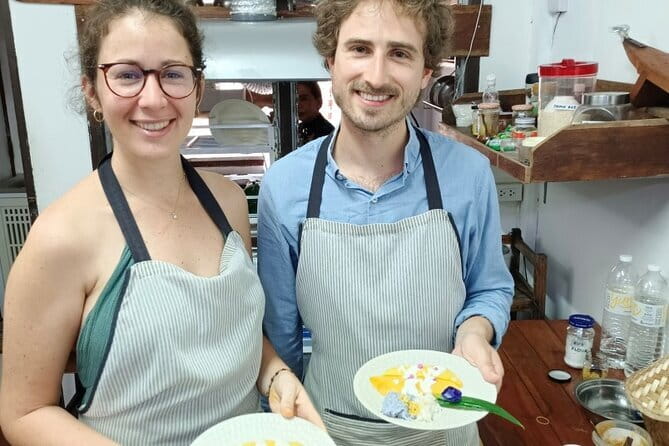
Many cooking classes are built around a large demonstration, followed by a quick turn at a shared counter. This one takes a different route. Chef Arm limits the group to four people and gives each person a separate cooking station.
That small number matters. You can ask questions without waiting behind a crowd, and Arm can help with each step as you work. If you are unsure how finely to cut something, when to add an ingredient, or how a dish should look, you have a better chance of getting an immediate answer.
I also like the local setting. You do not spend the entire class in a polished teaching kitchen designed only for visitors. You visit a Thai market, then continue at Arm’s house, where herbs used in Thai cooking grow nearby. That gives the food a useful connection to everyday ingredients.
Arm’s background adds another layer. He trained at culinary school and worked in a hotel in Chiang Mai. His recipes also draw on his mother’s Northern Thai cooking, so the class is not tied only to restaurant technique. You get a mix of formal training, kitchen experience, and family food traditions.
The class is conducted in English and Japanese. That is a practical point for anyone concerned about following instructions during knife work or cooking. You are not just watching someone cook quickly while trying to guess what happens next.
More Cooking Classes with a Market Tour in Chiang Mai
- Chiang Mai: Cooking Class, Market & Thai Herbs Garden Tour
★ 4.9 · 4,824 reviews - Chiang Mai: Authentic Cooking Class with Market & Farm Visit
★ 4.9 · 4,546 reviews - Chiang Mai: Cooking Class with Market and Pickup
★ 4.9 · 1,365 reviews
4:00 p.m. pickup and the short ride into the evening
The experience begins with pickup from your hotel around 4:00 to 4:15 p.m. An air-conditioned vehicle is included, which is welcome in Chiang Mai even during the cooler part of the day. The exact pickup process is not described in detail, so you should make sure your hotel information is correct when booking.
The late-afternoon start is well chosen. You have enough daylight for the market visit, yet the class becomes your evening meal rather than taking up the middle of the day. The planned return is around 7:30 p.m., giving you time to continue your evening afterward.
The timing also means you should avoid scheduling another fixed activity too close to the class. Market visits can take a little time, and cooking is more enjoyable when you are not checking the clock every few minutes.
If pickup matters to you, confirm the time and meeting details before the afternoon begins. One poor experience involved a cancellation at short notice after an earlier agreement. The practical lesson is simple: watch your phone and incoming messages, especially on the day of the class.
Choosing Thai ingredients at a local fresh market
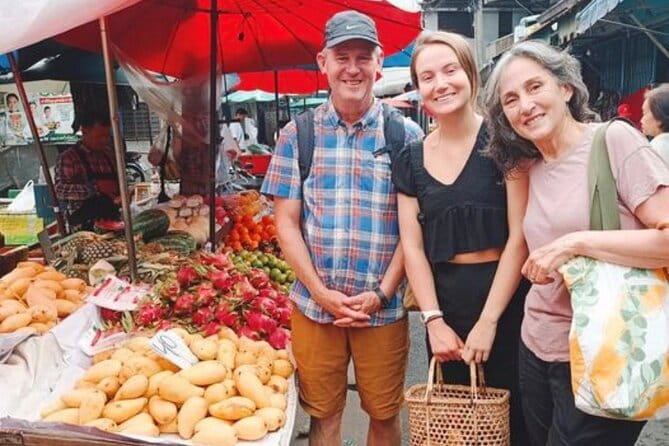
The first real stop is a local Thai fresh market. You may see vegetables, mushrooms, fruit, meat, rice, and other everyday ingredients used in Thai kitchens. This is more useful than buying a premeasured basket of food because you get to see what cooks actually choose before a meal is prepared.
Chef Arm focuses on how to select Thai fruit, including mango, papaya, rambutan, mangosteen, lychee, and longan when they are in season. These fruits do not all ripen in the same way, and their appearance can be unfamiliar if you usually shop in Western supermarkets. A short explanation about texture, color, and condition can make a later market visit much less confusing.
Seasonality is important here. Not every fruit will be available during every visit, so you should treat the fruit lesson as a chance to learn about what is present that day, not as a guarantee that you will sample every item named.
The market also puts Thai food in context. Rice is not an afterthought. Herbs, vegetables, mushrooms, meat, and fruit each have a place in the meal and in the wider cooking tradition. Seeing these ingredients together helps you understand why Thai recipes often depend on balance, freshness, and the right preparation.
This part of the class may suit curious cooks more than people who only want a meal. You will get more from it if you pay attention to the ingredients and ask questions about how they are used at home.
The herb garden at Chef Arm’s house
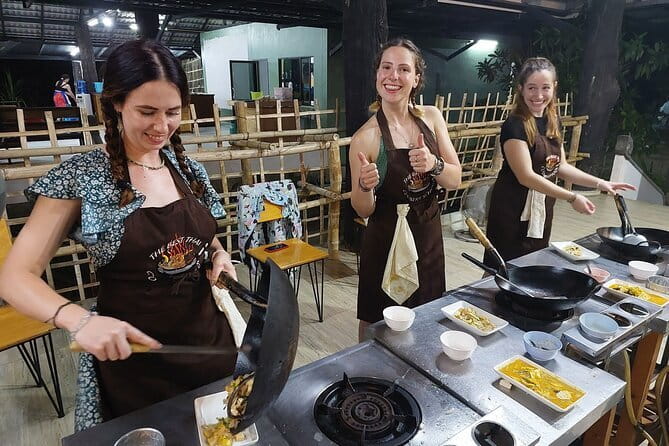
After the market, you visit Arm’s house and see a small herb garden for Thai cooking. Listed plants include kaffir lime, lemongrass, turmeric, pandan, sweet basil, and holy basil.
That is a useful stop because fresh herbs can be difficult to identify once they are chopped or mixed into a sauce. Seeing the plants themselves gives you a better sense of what they look like and how they differ. It also shows that Thai cooking does not rely only on packets of curry paste or dried seasonings.
Kaffir lime leaves, lemongrass, turmeric, pandan, sweet basil, and holy basil each bring a different scent and purpose. The class description does not specify which dishes use which herbs, so you should ask Arm to connect the garden to the recipes you prepare that evening.
The garden is also one of the more personal features of the experience. A hotel restaurant can teach you technique, but a home herb garden shows how ingredients relate to daily cooking. It is a small detail, yet it makes the class feel less like a generic food demonstration.
More Cooking Classes with a Market Tour in Thailand
- Chiang Mai: Evening Cooking Class and Local Market Visit
★ 4.9 · 648 reviews - Evening Cooking Class in Organic Farm with Local Market Tour
★ 5.0 · 394 reviews - Cooking Morning Class Chiang Mai Visit Organic Garden and Market
★ 5.0 · 211 reviews - Cooking Evening Class Chiang Mai Visit Organic Garden and Market
★ 5.0 · 187 reviews
Your own station and hands-on preparation
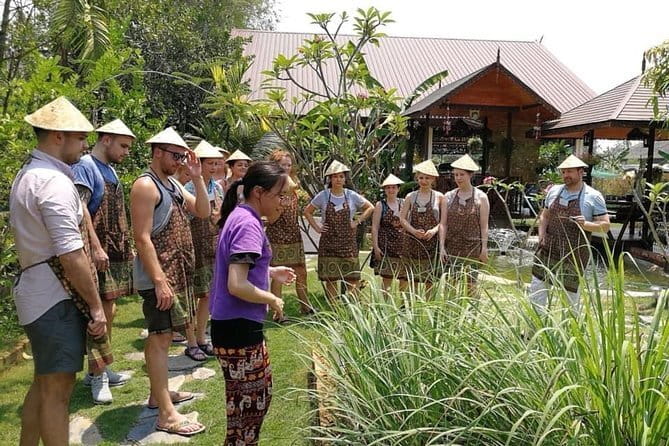
At the house, you prepare all the ingredients yourself. You also have your own cooking station, with Arm helping at each stage.
This is the heart of the class. You are not simply watching a chef chop, stir, and plate food for you. You work through the preparation and then eat the result as dinner. For a first Thai cooking lesson, that hands-on format is much more useful than a long talk followed by a sample bite.
A separate station also makes it easier to work at your own pace. If you are already comfortable with cooking, you can focus on technique and ingredient balance. If you are new to Thai food, you can stop and ask for help without holding up a large group.
The wording of the experience promises explanations of each dish’s background. That is worth paying attention to. Thai recipes often involve more than simply adding heat. The balance of herbs, spices, salty ingredients, sweetness, and acidity is part of what makes the finished dish work.
Arm’s help is especially important during the steps that are hard to learn from a printed recipe alone. He can show you how ingredients should be prepared and how the cooking process should look. The strongest praise connected to this class focused on Arm as a teacher, and that is the feature to value most when deciding if the price is right for you.
Recipes shaped by school, hotels, and family cooking
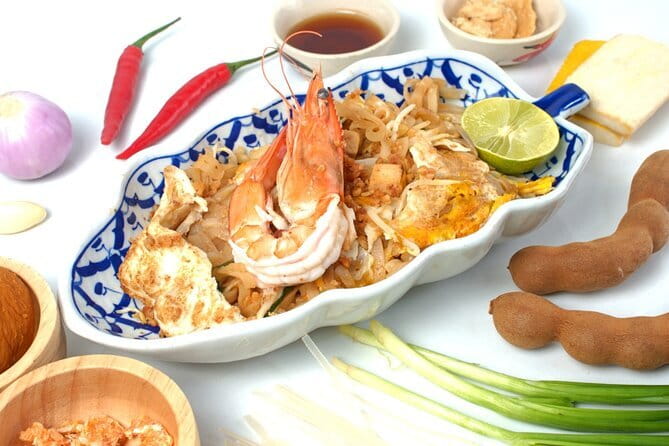
Chef Arm’s recipes come from three sources: culinary school, hotel kitchen experience, and his mother’s Northern Thai cooking. That combination gives the class a useful balance.
Culinary school can bring structure and technique. Hotel work can bring consistency and a professional approach to preparation. Family cooking can bring the regional character that makes a meal feel connected to Chiang Mai rather than copied from a standard international menu.
The class is described as teaching authentic Thai food, but no fixed menu is provided in the details available here. You should not book expecting a specific named dish unless the menu is confirmed separately. Instead, think of the experience as a lesson in Thai cooking guided by the ingredients and recipes Arm has chosen.
The Northern Thai influence is particularly interesting. Chiang Mai is in a region with its own food traditions, and a family recipe can offer something different from the dishes commonly found on tourist menus. The experience does not promise a full Northern Thai menu, but Arm’s family background may shape the recipes and explanations.
You receive an authentic Thai food recipe book in printed or PDF form. One especially positive comment praised the cookbook as something to treasure. That is more than a souvenir if the recipes are clear enough to use later, since it gives you a way to repeat the lesson at home.
Dinner, drinks, and the value of $37.96
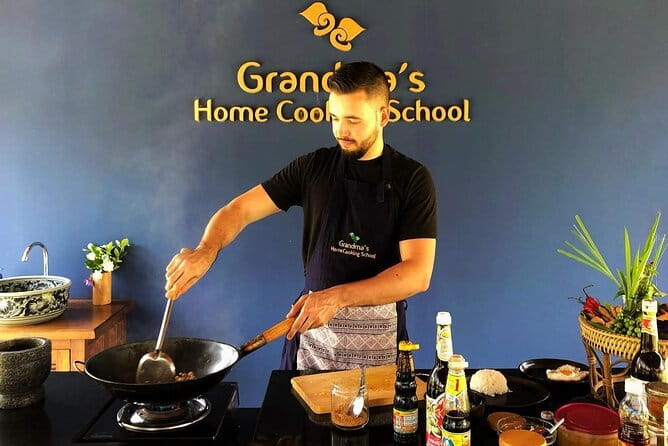
At $37.96 per person, this is priced as an activity and dinner in one. The fee includes pickup, an air-conditioned vehicle, bottled water, coffee or tea, the meal you prepare, instruction, and the recipe book.
I consider that a fair price for a genuinely small class. A group capped at four gives you more access to the teacher than a large class, and the market visit adds an educational stop before the cooking begins. You are paying for time with Arm, not just for a plate of food.
The value depends on what you want from the evening. If your only goal is an inexpensive dinner, you can eat for less elsewhere in Chiang Mai. If you want personal instruction, ingredient knowledge, transport, and recipes to take home, the package makes more sense.
The included drinks and bottled water are modest but useful. Coffee or tea gives the evening a little hospitality, while bottled water is practical during preparation and travel. The important inclusion is dinner itself. You cook the meal and then eat it, so the class does not leave you searching for food afterward.
Group discounts are offered, although no discount amount is provided. If you are booking with friends or family, check the final price before paying. Since the maximum is four, a small private-feeling group may be possible without hiring a fully private class.
Who will enjoy this class most
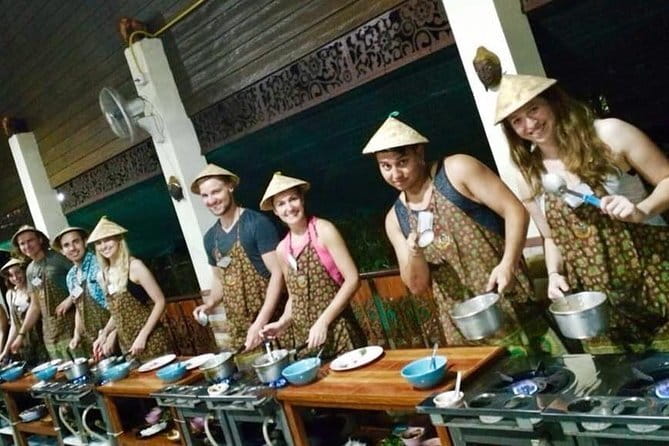
I would recommend this experience to you if you like learning by doing. You should be willing to chop, prepare ingredients, follow instructions, and ask questions. The class is a good match for someone who wants to understand Thai food rather than simply taste it.
It also suits couples, friends, and small families who value personal attention. With only four people, you avoid the common problem of being one face in a crowded cooking school. The English and Japanese instruction makes it more accessible for people who want clear guidance during the practical parts.
The class may be less suitable if you need a guaranteed menu, dislike market visits, or want a fast and highly polished restaurant-style event. The itinerary includes ingredient shopping and preparation, so some of your four hours are spent learning rather than eating.
You should also be comfortable with a home-based setting. The attraction is its personal character, but that may not suit someone looking for a large commercial school with a fixed format and many facilities.
Booking ahead and managing the schedule
The experience is booked about 19 days in advance on average, which suggests that you should not leave it until the last day of your Chiang Mai stay. The maximum group size is four, so available spaces can be limited on popular dates.
Confirmation is provided when you book. Pickup is offered, but you should supply accurate hotel details and keep your phone available around the stated collection time.
The cancellation policy allows a full refund if you cancel at least 24 hours before the 4:00 p.m. start time. Cancellations or changes made less than 24 hours before the start are not accepted for a refund. Since one cancellation problem involved late communication, checking messages before pickup is sensible.
The advertised rating information is limited, with a listed rating of 3 from two entries. One detailed account gave very strong praise to Arm’s teaching, explanations, and cookbook. Another raised a serious concern about a short-notice cancellation. With such a small amount of feedback, I would give more weight to the clear class structure and also confirm the appointment close to the date.
Should you book Chef Arm’s evening class?
Book it if you want personal instruction, a market lesson, and a home cooking setting in one evening. The four-person limit, individual stations, herb garden, dinner, and recipe book give it more substance than a simple demonstration.
The best reason to choose it is Chef Arm himself. His culinary school training, hotel experience, and family connection to Northern Thai food create a promising mix of technique and local cooking. The strongest praise focused on his teaching, and that is exactly where this experience appears to offer its greatest value.
I would hesitate only if you need a fixed menu or perfectly reliable last-minute communication. Confirm the booking, watch for messages, and leave room around the pickup time. For cooks who want to bring a bit of Chiang Mai home in their hands and recipe book, this is a well-priced evening class worth considering.
FAQ
Where does the cooking class take place?
The experience includes a visit to a local Thai fresh market and cooking at Chef Arm’s house in Chiang Mai.
What time does the class start?
Pickup begins around 4:00 to 4:15 p.m. The stated meeting start time is 4:00 p.m.
How long does the experience last?
The class lasts approximately four hours, with a planned return to your hotel around 7:30 p.m.
How many people can join?
The maximum group size is four travelers.
Is hotel pickup included?
Yes. Pickup is offered, and an air-conditioned vehicle is included.
What can you see at the market?
The market includes vegetables, mushrooms, fruits, meat, rice, and other fresh Thai ingredients.
Which herbs can you see at the house?
The garden includes kaffir lime leaves, lemongrass, turmeric, pandan leaves, sweet basil, and holy basil.
Is dinner included?
Yes. Dinner, bottled water, and coffee or tea are included.
Will I receive the recipes?
Yes. You receive an authentic Thai food recipe book in printed or PDF form.
More Evening Classes in Chiang Mai
- Evening Cooking Class
★ 5.0 · 164 reviews - Sunset Thai Cooking with Grandma – Farm & Evening Feast
★ 5.0 · 127 reviews - Half Day Evening Cooking Class with Market Tour in Chiang Mai
★ 5.0 · 91 reviews - Evening Thai cooking class
★ 5.0 · 28 reviews
Just added around Chiang Mai
- Aroidee’s Farm-Fresh Thai Cooking Experience★ 5.0 · 8 reviews
- Signature Thai Cooking Course★ 5.0 · 79 reviews
- Private Half-Day Thai Cooking Class in Chiang Mai★ 5.0 · 4 reviews
- Half Day Guided Thai Cooking Class in Chiang Mai★ 5.0 · 13 reviews
- Online Thai and Akha Cooking Class★ 5.0 · 70 reviews
- Private Virtual Thai Cooking Class★ 5.0 · 9 reviews
- Northern Thai Cooking Class in Chiang Mai in a Countryside Home★ 5.0 · 2 reviews
- 5 Hour Morning Thai Cooking Course★ 5.0 · 31 reviews
Cooking Classes with a Market Tour, compared.

Hanoi Cooking Class: Culture, Local Market & Meaning CSR Impact
Read our review →
5 Traditional Dishes Hanoi Cooking Class with Market Trip
Read our review →
Cooking Class and Lunch at a Tuscan Farmhouse with Local Market Tour from Florence
Read our review →
Cooking Class, Market & Thai Herbs Garden Tour
Read our review →
Authentic Cooking Class with Market & Farm Visit
Read our review →
Paella Cooking Experience & Boqueria Market Tour
Read our review →
Cooking Class Hoi An:Local Market, Basket Boat, Fishing & Cooking
Read our review →