
REVIEW · CHIANG MAI, THAILAND
Evening Thai cooking class
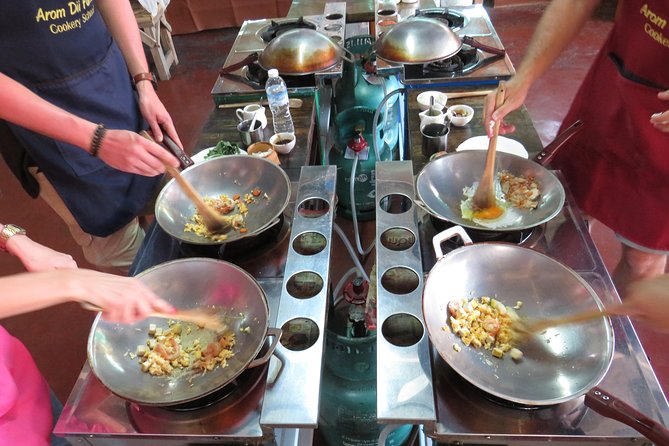
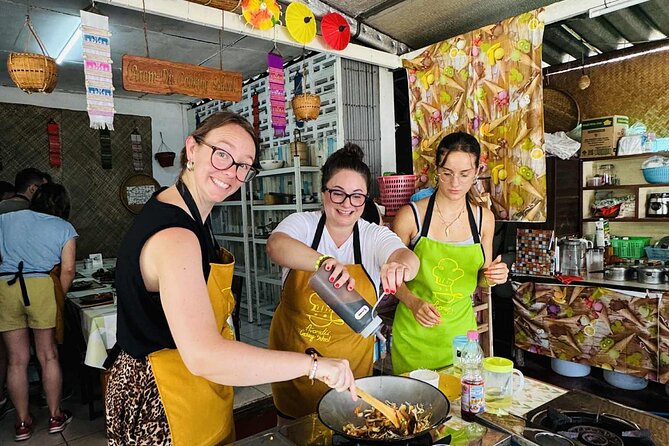
Thai food tastes better when you make it. I like the fresh-market start, where you learn about Thai vegetables, herbs, and spices before cooking, and I like choosing dishes rather than receiving a fixed menu. The main drawback is the lack of air-conditioning, so Chiang Mai’s warm evening air becomes part of the lesson.
This is a friendly, practical class for beginners, with step-by-step help and a maximum of eight people. The $27.58 price is fair for about four and a half hours of cooking, eating, market shopping, water, a snack, recipes, and transport within three kilometers, though pickup is not available from every hotel.
Key points to know before booking
- Start at Kad Kom Market at 3:30 pm: You select your menu and shop for the ingredients you will use.
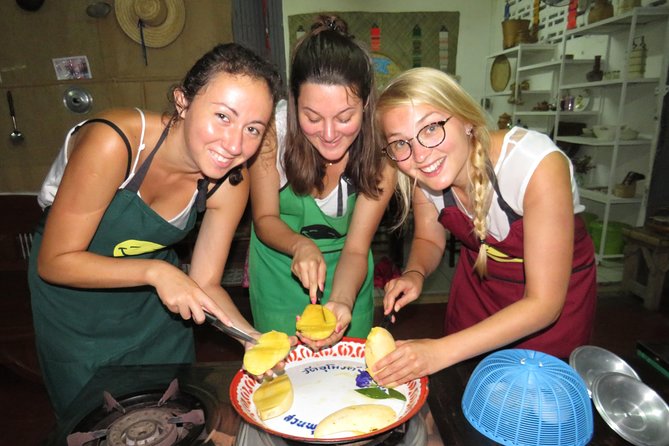
- Choose across five Thai food categories: Options include Pad Thai, papaya salad, Tom Yum, Khao Soi, green curry, and mango sticky rice.
- Make curry paste from scratch: This adds real hands-on work beyond simply following a prepared recipe.
- Small class, maximum eight people: The format allows the instructor to give personal help.
- No air-conditioning: The kitchen and dining room use fans only, so dress for a warm cooking session.
- Food is the main reward: You eat the dishes you prepare, with dinner included but alcohol charged separately.
Starting with Thai ingredients at Kad Kom Market
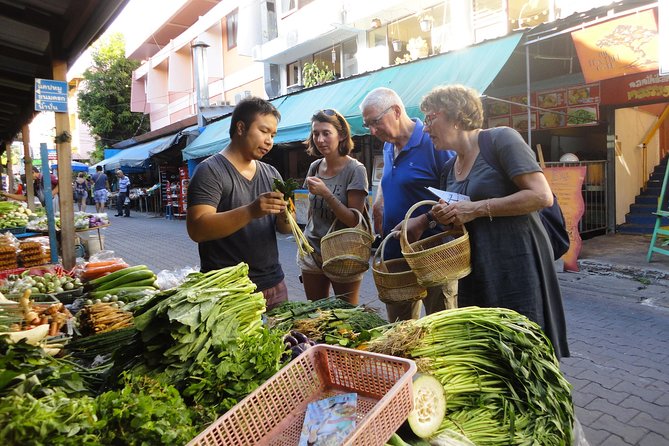
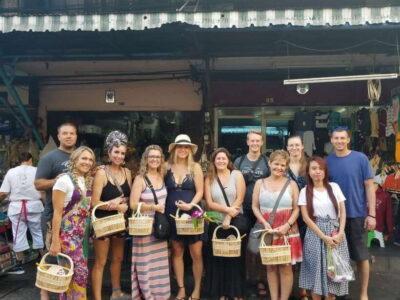
Your evening begins at Kad Kom Market, with the class scheduled to start at 3:30 pm. The market visit lasts about 15 to 20 minutes, so this is a focused introduction rather than a long market tour.
First, everyone chooses the dishes for the class. You then help pick up the vegetables, herbs, spices, and other ingredients needed for your selections. That simple step changes the mood of the evening. Instead of meeting Thai food only after it has been chopped, fried, or simmered, you see the raw ingredients first.
I especially like this part for anyone who does not know the difference between Thai herbs or unfamiliar vegetables. The instructor explains what you are seeing, and you can walk around, take photos, or buy spices to take home. The shopping gives you useful context for recipes that can otherwise look like a long list of hard-to-find items.
The market stop also helps you decide what you actually want to cook. If Pad Thai is familiar but Khao Soi is new to you, this is a good point to choose between the two. Since each person selects dishes, the meal can feel more personal than a class where everybody prepares exactly the same menu.
Do not expect a full afternoon at the market. The visit is short and practical. Its purpose is to gather ingredients and explain them, not to provide a long guided tour of every stall.
More Thai Cooking Classes in Chiang Mai:
- Half-Day Thai Cooking Class at Organic Farm in Chiang Mai
★ 5.0 · 19,087 reviews - Chiang Mai: Cooking Class, Market & Thai Herbs Garden Tour
★ 4.9 · 4,824 reviews - Thai and Akha Cooking Class in Chiang Mai
★ 5.0 · 4,358 reviews
Five parts of the menu, from noodles to dessert
The cooking session is organized around several parts of a Thai meal. The listed order begins with stir-fried dishes, followed by soup and an appetizer, then dessert and curry. The class includes dinner, so you eat what you prepare as the evening progresses.
Stir-fried dishes
Your choices include Pad Thai, fried drunken noodles, Pad See Ew, and fried cashew nut. These dishes give you a useful lesson in noodles, sauces, vegetables, and high-heat cooking.
Pad Thai is the obvious choice if you want a famous Thai classic. Pad See Ew is a good alternative if you prefer broad noodles and a different sauce profile, while drunken noodles offer a stronger, more savory option. Fried cashew nut provides a non-noodle choice.
The instructor takes you through the process step by step. That matters because stir-frying moves quickly. Ingredients need to be ready before the pan gets hot, and the class format lets you see how the pieces come together instead of trying to keep up with a restaurant cook.
Soup and appetizer
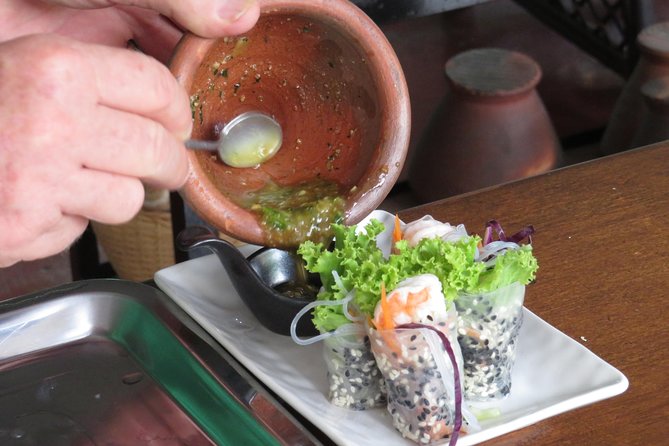
The appetizer list includes papaya salad, fresh spring rolls, fried spring rolls, and mixed fruits salad. For soup, you can choose hot and sour prawns thick soup, coconut chicken, Tom Yum chicken, or hot and sour prawns clear soup.
This part of the menu shows the range of Thai cooking. Papaya salad brings fresh, sharp flavors, while spring rolls focus on preparation and assembly. The fried version adds cooking work, and the fresh version keeps things lighter.
For soup, the choices range from creamy coconut chicken to hot and sour recipes. You can select a thick prawn soup or a clear version, which makes the choice more than a simple question of ingredients. It lets you compare different textures and styles of Thai soup.
The class does not just hand you a finished bowl. You prepare your selected soup and appetizer, then taste them one by one. That staged meal is one of the strongest parts of the evening because you can notice how each dish differs.
More Evening Classes in Chiang Mai:
- Chiang Mai: Evening Cooking Class and Local Market Visit
★ 4.9 · 648 reviews - Evening Cooking Class in Organic Farm with Local Market Tour
★ 5.0 · 394 reviews - Cooking Evening Class Chiang Mai Visit Organic Garden and Market
★ 5.0 · 187 reviews - Evening Cooking Class
★ 5.0 · 164 reviews
Curry and homemade curry paste
The curry choices are Khao Soi, green curry, Massaman curry, and red curry. The class also includes making curry paste from scratch, which is one of the most valuable lessons here.
Prepared curry paste is convenient, but making it yourself shows how herbs, spices, and aromatics build the final flavor. You get a better sense of why Thai curry is more than a sauce poured over meat or vegetables.
Khao Soi is particularly fitting in Chiang Mai. The dish uses Chiang Mai noodles and gives you a local specialty to compare with better-known green or red curry. Massaman curry offers another style, while green and red curry provide familiar reference points for anyone who has eaten Thai food outside Thailand.
I would choose Khao Soi if you want something closely tied to northern Thailand. Choose green or red curry if your main goal is to learn a recipe you are more likely to repeat at home. Since the menu is selected before the class, think about that choice ahead of time.
Dessert
Dessert choices are mango sticky rice and pumpkin in coconut milk. Both are simple enough to fit into a busy class, but they finish the meal with very different textures.
Mango sticky rice is the better-known option and a natural pick if you want a classic Thai dessert. Pumpkin in coconut milk is a less familiar choice and may appeal to you if you want to try something you are less likely to order on your own.
Including dessert makes the class feel like a full meal rather than a lesson built around one main dish. It also gives you a sweet recipe to take home along with the savory dishes.
A small class with room for personal help
The class has a maximum of eight people. That limit is important because cooking lessons can become frustrating when one instructor has to watch a large crowd around several hot pans.
With a small group, you should have a better chance of getting help with chopping, timing, seasoning, and cooking technique. The class is designed for all skill levels, and the step-by-step format means you do not need Thai cooking experience before arriving.
The tone also seems suited to people who want a relaxed evening rather than a formal culinary course. The instructors are described as patient and cheerful, and the class is run by a couple who make people feel comfortable. That warmth matters when you are handling unfamiliar ingredients or trying to judge whether a curry paste is ready.
You should still expect to take part. This is not a demonstration where you sit back and watch a professional do everything. The appeal is in choosing dishes, preparing ingredients, cooking them, and eating the result.
The cooking room is practical, not polished
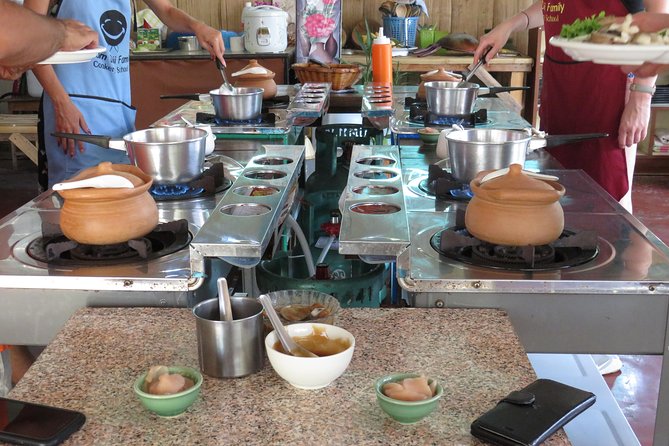
A key point is easy to miss: there is no air-conditioning in the kitchen or dining room. Fans are used instead.
Chiang Mai’s evening temperatures vary by season, but cooking over heat in a room with only fans can feel warm. Wear light clothing and avoid treating this as a dressy dinner. The lack of air-conditioning is not a flaw for everyone, but it is a real consideration if you are sensitive to heat.
The class takes place across the market stop and cooking school, with about four and a half hours listed for the entire activity. That is a substantial evening commitment. You are not squeezing in a quick recipe lesson between sightseeing stops, so leave enough time in your schedule.
The seasons are identified as summer from March through June, rainy season from July through October, and winter from November through February. Weather matters because the activity requires good conditions. If poor weather causes cancellation, you are offered another date or a full refund.
What the $27.58 price covers
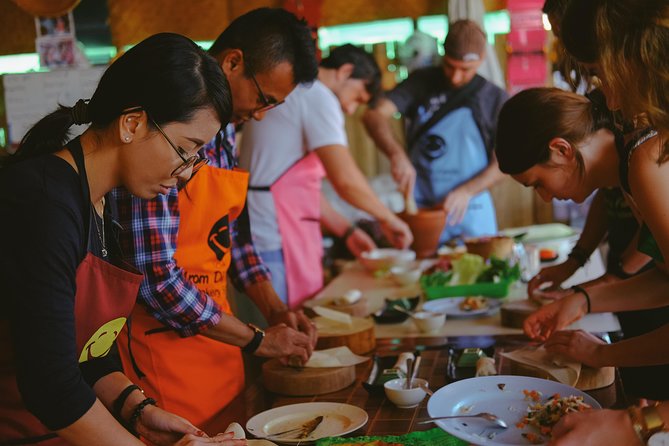
At $27.58 per person, the value is strong if you plan to eat dinner and want more than a standard restaurant meal. The price includes the market visit, instruction, ingredients for the selected dishes, a welcome snack, bottled water, dinner, and access to a handmade recipe download from the school’s website.
Transportation is included if you are staying within three kilometers of the school. That can make the evening easier, but do not assume every hotel qualifies. The meeting point is Kad Kom Market, and the activity ends back at the meeting point.
Alcohol is not included. Beer or other drinks cost extra, so budget separately if you want something with dinner.
The value is not only in the amount of food. You receive a practical lesson in ingredient selection, menu planning, curry paste, and cooking order. If you later use the downloadable recipes, the class continues to pay off after you leave Chiang Mai.
For comparison, a restaurant dinner would let you taste several Thai dishes without any work. This class gives you the meal plus the method. If you dislike cooking or want an entirely passive evening, the restaurant is simpler. If you enjoy learning by doing, the price makes good sense.
The food is better when you made it yourself
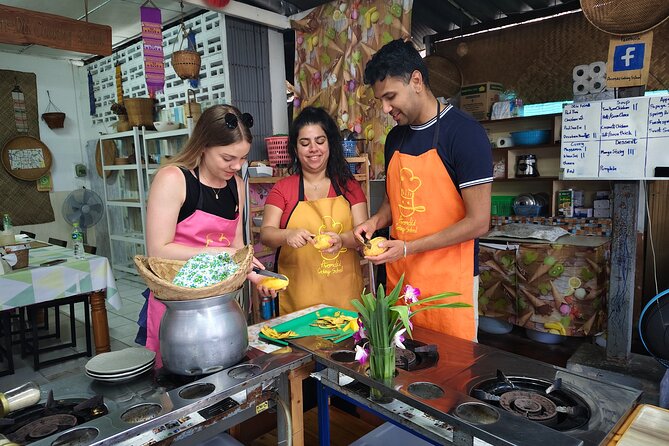
A strong feature of the evening is that you taste dishes one by one instead of waiting until everything is finished. That creates a more useful lesson because you can focus on each soup, appetizer, stir-fry, curry, and dessert while it is fresh.
The food also becomes personal. You select your dishes, prepare them with guidance, and then sit down to eat what you made. The couple who attended together found the results so satisfying that they felt the dishes were better than restaurant food. That is partly the pleasure of cooking, but it also shows how much attention the class gives to the final meal.
You will leave with a full stomach, but probably with more than that. The market tour helps you recognize ingredients, and the class gives you a way to repeat the dishes at home. The recipe download is useful here, especially for anyone who wants to continue making Thai food after the trip.
Who will enjoy this Chiang Mai cooking class?
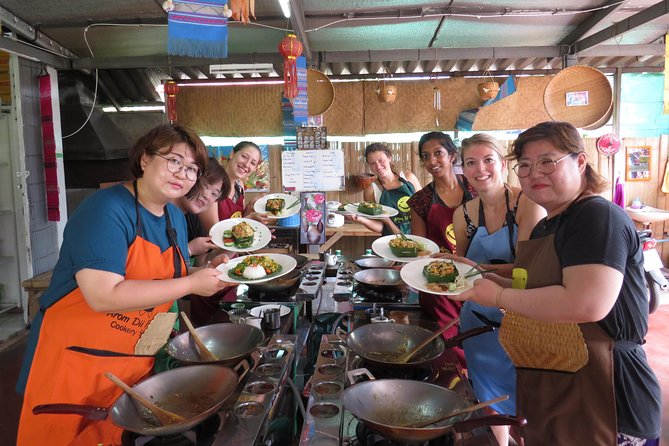
I would recommend this class to first-time Thai cooks, couples, solo visitors who enjoy small-group activities, and anyone who wants a meal connected to local ingredients. The maximum group size of eight makes it a better choice than a large demonstration if you want to ask questions and receive hands-on guidance.
It also suits people who want to try northern Thai food. Khao Soi gives you a direct connection to Chiang Mai’s food culture, while the market stop explains ingredients you may otherwise pass without noticing.
Families and mixed-skill groups may also find the format workable because the instructions are designed for all levels. Still, younger children may find a four-and-a-half-hour cooking session long, and the warm, fan-cooled room may not suit everyone.
I would hesitate to book it if you need a fully air-conditioned setting, have very limited time in the afternoon and evening, or dislike choosing and preparing food. The activity is friendly, but it is still an active cooking class.
Pickup, meeting point, and cancellation details
The meeting point is Kad Kom Market at 3:30 pm, at the listed address in Chang Khlan, Chiang Mai. The activity ends at that same meeting point.
Pickup is offered from select areas and included for locations within three kilometers of the cooking school. Confirm your pickup details when booking rather than assuming your accommodation is covered.
Confirmation is provided at booking, and the location is near public transportation. Free cancellation is available until 24 hours before the start time. Canceling or changing the booking less than 24 hours ahead does not qualify for a refund.
The class also requires a minimum number of participants. If that minimum is not reached, the provider offers another date or experience, or a full refund.
Should you book Aromdii Cooking School?
Book it if you want a warm, personal evening built around food rather than a quick tourist activity. The market visit, choice of dishes, homemade curry paste, small group, and included dinner give this class more substance than a simple recipe demonstration.
The main tradeoff is comfort. The room has fans but no air-conditioning, and the evening lasts about four and a half hours. For me, the value is strongest for people who enjoy cooking and want to understand Thai ingredients, not just photograph a finished plate.
If you can handle the heat and have the time, this is a good-value Chiang Mai activity at $27.58. Choose Khao Soi for a northern Thai connection, ask about transport if you are staying nearby, and arrive ready to cook, eat, and learn.
FAQ
What time does the Thai cooking class start?
The class starts at 3:30 pm.
Where does the activity begin?
It begins at Kad Kom Market in Chang Khlan, Chiang Mai.
How long does the experience last?
The total duration is approximately four hours and 30 minutes. The market visit takes about 15 to 20 minutes, followed by the cooking-school session.
How many people can join the class?
The activity has a maximum of eight participants.
Is transportation included?
Transportation is included for locations within three kilometers of the cooking school. Pickup is also offered from select areas.
Is alcohol included in the price?
No. Beer and other alcoholic drinks are not included.
Just added around Chiang Mai
- Aroidee’s Farm-Fresh Thai Cooking Experience★ 5.0 · 8 reviews
- Signature Thai Cooking Course★ 5.0 · 79 reviews
- Private Half-Day Thai Cooking Class in Chiang Mai★ 5.0 · 4 reviews
- Half Day Guided Thai Cooking Class in Chiang Mai★ 5.0 · 13 reviews
- Online Thai and Akha Cooking Class★ 5.0 · 70 reviews
- Private Virtual Thai Cooking Class★ 5.0 · 9 reviews
- Northern Thai Cooking Class in Chiang Mai in a Countryside Home★ 5.0 · 2 reviews
- 5 Hour Morning Thai Cooking Course★ 5.0 · 31 reviews
Thai Cooking Classes, compared.

Half-Day Thai Cooking Class at Organic Farm in Chiang Mai
Read our review →
Cooking Class, Market & Thai Herbs Garden Tour
Read our review →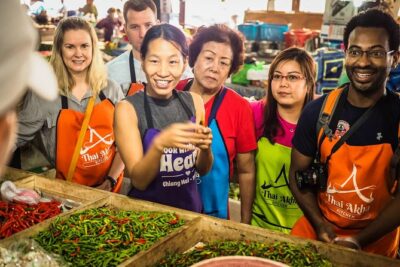
Phuket Thai Cooking Class with Market Tour Option
Read our review →
Tingly Thai Cooking School Half-Day Cooking Class
Read our review →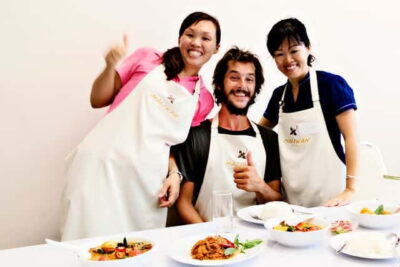
Lists this class appears in