
REVIEW · CHENGDU, CHINA
Half-Day Sichuan Cooking Class Experience in Chengdu
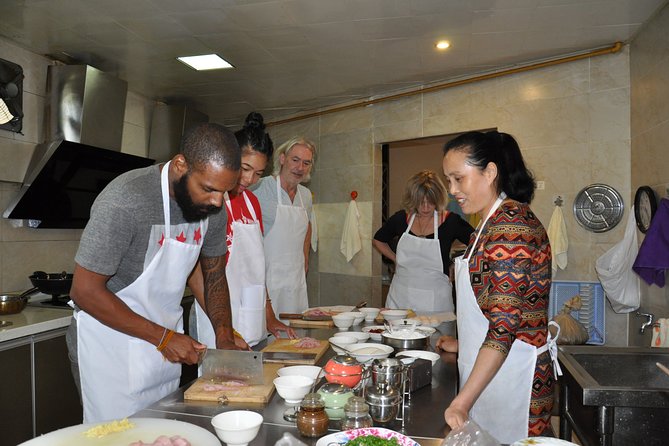
Bring an appetite and a willingness to chop. This four-hour Chengdu cooking class gives you a practical introduction to Sichuan food, from fragrant spices and hot wok cooking to dumpling folding and the sweet-sour balance of local dishes. I like the very small groups, capped at five people, and I like that you eat what you cook instead of watching a demonstration and walking away hungry.
The class also gets high marks for its friendly, hands-on teaching and flexible menu. You may cook Kung Pao chicken, sweet and sour pork, Sichuan-style eggplant, and steamed dumplings, or request another dish in advance. The main caution is that English ability varies by chef. Some sessions include clear explanations and translation, while others focus more on copying the cooking steps than on learning the background of Sichuan cuisine.
Key Points to Know Before You Book
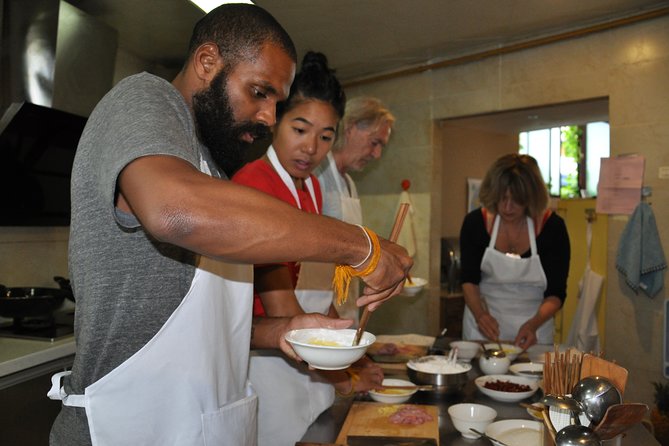
- Four traditional dishes in about four hours: Expect a full meal, not a quick demonstration.
- Small groups of five or fewer: You get a turn at the stove and more direct help.
- Pickup and dinner are included: The experience begins with hotel pickup at about 4:00 pm and ends after your meal.
- The setting can vary: Classes have taken place in a small hostel kitchen, family-run cafe, guesthouse kitchen, or the chef’s home.
- Request a different dish early: The chef may accommodate a special request, but it is not guaranteed.
- Recipes go home with you: The printed recipes make the class useful after your China trip.
Why Sichuan Food Makes a Good Cooking Lesson
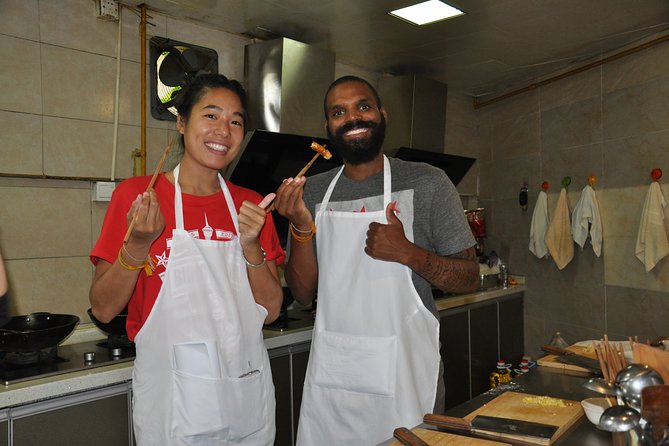
Sichuan cooking is a good subject for a class because the food depends on more than heat. You learn how several tastes work together: savory, sweet, sour, spicy, and the distinctive numbing quality associated with Sichuan pepper.
The class is built around that balance. The chef explains the spices and flavor combinations, then shows you how to prepare the ingredients and cook them. You are not simply handed a finished plate. You get to see how ordinary ingredients become dishes with a strong local character.
The menu also gives you variety. Kung Pao chicken introduces one of the best-known Sichuan-style dishes. Sweet and sour pork shows a different side of Chinese cooking, especially when prepared with restraint rather than the heavy sweetness common in some Western versions. Fish-flavored eggplant is a useful lesson in Sichuan seasoning because it contains no fish, despite its name. Dumplings add a slower, more tactile task, with folding practice at the table.
The exact menu can change. One session included mapo tofu, twice-cooked pork, dandan noodles, and pork ribs with potatoes. Another included bean curd in XO sauce and shrimp dumplings. That flexibility is useful if you already know how to make Kung Pao chicken or want to focus on a dish you have not encountered at home.
More Half-Day Experiences in China:
- Half-Day Chengdu Cooking Class with a Local Market Visit
★ 5.0 · 465 reviews - Half-Day steamed Buns Cooking Class with a Local Market Visit
★ 5.0 · 26 reviews - Half-Day Professional Mapo Tofu Cooking with a Local Market Visit
★ 5.0 · 19 reviews
Pickup at 4:00 pm and the Trip to the Kitchen
The class starts at about 4:00 pm, with hotel pickup offered. A driver takes you to the cooking venue, and hotel drop-off is included at the end.
This arrangement is helpful in Chengdu, where a first-time visitor may not know the smaller streets or the exact location of a working kitchen. It also keeps the evening simple. You do not need to find the school, locate a taxi afterward, or work out the return route after a large meal.
The ride itself may be quiet. Some drivers speak little or no English, so do not count on a guided introduction to the city during the transfer. The purpose of the pickup is transport, not sightseeing.
The venue is not always a polished cooking studio. Past classes have used a hostel kitchen, a family-run cafe, a guesthouse cafe, and the chef’s own home. That variation matters. If you want a formal school with a display kitchen and a carefully scripted presentation, this may feel plain. If you want to see how a local cook works in a modest, clean kitchen, the setting can feel more genuine.
One useful detail is that the number of participants can shape the whole session. The maximum is five, but some classes have had only one or two students. A private lesson is possible when bookings are light, though you should not assume it will happen.
What Happens Once You Put on the Chef’s Hat
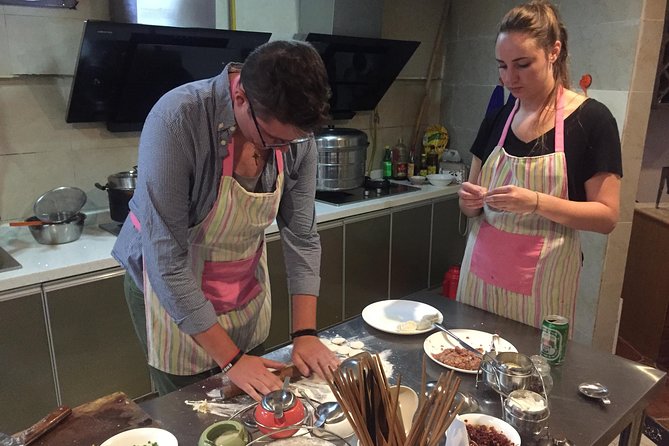
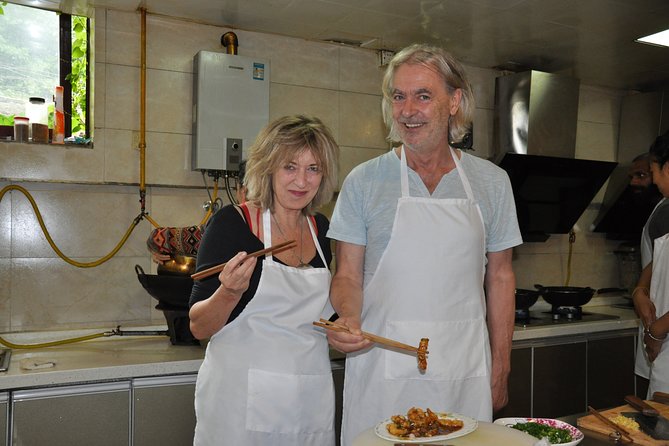
At the kitchen, you put on a chef’s hat and begin with an explanation of the ingredients and methods. The chef demonstrates the work, then you repeat it yourself. The class is designed to be hands-on, so you should expect to chop, mix, fold, stir, and cook rather than stand at the back of the room.
This approach suits you if you learn best by doing. Several people found the recipes easy to follow and felt able to prepare the dishes again at home. That is one of the strongest reasons to choose this class over a standard food tour. You finish with techniques you can use, not only memories of something you tasted.
The cooking also proceeds dish by dish. In some sessions, you eat each dish as it is completed. That keeps the food fresh, but it also means you should arrive hungry. A morning version has been offered at times, and the sensible advice is to skip breakfast if you take that slot. The listed experience begins at 4:00 pm, so for this version, plan on it serving as your dinner.
Expect some heat in the kitchen and a steady pace once cooking begins. The class lasts about four hours, but the exact length depends on the number of participants. A solo or two-person session may move differently from a full small group.
The Four Dishes and What You Learn From Them
The advertised menu centers on four traditional dishes. Here is what each one adds to the class.
Kung Pao chicken: This familiar dish gives you a clear lesson in balancing spice, salt, sweetness, and savory flavor. It is also a practical choice for home cooks because the finished dish is recognizable and easy to serve as part of a meal.
Sweet and sour pork: This shows how Chinese cooks can use acidity and sweetness without producing the syrupy sauce found in some takeout versions. One class participant particularly appreciated the more balanced, home-style preparation.
Fish-flavored eggplant: The name can confuse first-time diners, since the dish does not necessarily contain fish. The phrase describes a seasoning style. Eggplant absorbs sauces well, making it a good vehicle for Sichuan flavors.
Steamed dumplings: Dumpling folding is the most tactile part of the lesson. You may need a little practice before the shapes look tidy, but the task adds a social, relaxed element to the class. It is also a skill you can repeat with family once you return home.
Other possible dishes include mapo tofu, twice-cooked pork, dandan noodles, pork ribs with potatoes, shrimp dumplings, and bean curd in XO sauce. If one of these appeals to you, put the request in the special requirements box when booking. The chef will try to accommodate it, but the change is not promised.
A few more cooking classes around China worth a look
- Online Cooking Class Beijing Dumplings and Cuisine by Sunflowerli Renowned Chef
★ 5.0 · 65 reviews - Chengdu: Cooking Class with Fresh Market Half Day Experience
★ 5.0 · 42 reviews - Shanghai-Cooking Dumpling & Meal in Local Family-w/Vegan
★ 4.9 · 36 reviews - Private Cooking Class: Make Your Own Dim Sum In Shanghai
★ 5.0 · 27 reviews
The English Question: What Kind of Teaching Should You Expect?
English communication is the biggest variable in this experience. Some sessions have had a chef with very good English and the ability to answer questions about ingredients and technique. Other sessions have relied on a helper to translate, while one chef spoke almost no English.
That does not automatically ruin the class. Cooking is visual, and a demonstration followed by repetition can work even when conversation is limited. Friendly staff and a patient manner also make a difference.
Still, you should set your expectations correctly. If your main goal is a detailed lecture on the origins of Sichuan pepper, regional variations, or the role of each ingredient in Chinese food, this class may feel basic. Some participants received little background information and mainly learned by watching and copying.
I would choose this experience for practical instruction first and cultural explanation second. You are likely to come away with recipes, cooking confidence, and a good meal. You may not receive a long discussion of Sichuan food traditions.
A Small Group Makes the Cooking Easier
The maximum group size is five, which is a real advantage in a kitchen. You should have more room to work and more chances to ask for help than you would in a large class. Small numbers are especially useful when folding dumplings or working at the stove, since you are less likely to spend the evening watching someone else handle every task.
The class can be especially good for families. A parent and two teenage children found the difficulty level manageable, with the lesson beginning with easier classics and moving toward more demanding tasks such as dumpling folding. That progression gives younger cooks something to do without making the adults feel held back.
Couples and solo visitors can also benefit. Two people have sometimes received what amounted to a private lesson, and solo students have been able to ask for substitutions and receive direct help. The tradeoff is that a very small class may feel less social if you hoped to meet a large group of food lovers.
Eating Your Work and Taking the Recipes Home
Once the dishes are ready, you sit down and eat the meal at the cooking venue. Dinner is included in the price, so the class is both an activity and an evening meal.
I like this format because you can taste the results while the instructions are still fresh. You can also ask about a sauce or technique at the moment you notice it on the plate. The meal is not a separate restaurant stop, and that is part of its charm. You are eating food connected directly to your own work.
The quality of the food has been a major strength. Several people felt their dishes were as good as restaurant versions, and at least one person cooked a dish again soon after returning home with excellent results. That is a useful test of a cooking class: the recipes should be clear enough to leave the classroom.
You receive recipe cards to take home. They give you a way to repeat the dishes, though you may need to find suitable Sichuan spices after your trip. The class teaches the method, but access to exactly the same ingredients will depend on where you live.
Price, Timing, and Overall Value
The price is $83.99 per person. That is not cheap for a four-hour activity in Chengdu, especially when some sessions take place in a simple home or hostel kitchen rather than a purpose-built school.
The value improves if you use the full package: hotel pickup and drop-off, an English-speaking chef or translation help, a small group, a full dinner, hands-on cooking, and recipes for later. A private or two-person session can also make the cost feel more reasonable because you receive close attention.
The value is weaker if you want a polished culinary lecture or a formal professional kitchen. The experience is more about local home cooking than restaurant theatrics. You are paying for access, instruction, food, and convenience, not luxury surroundings.
The average booking time is about 31 days in advance, so early planning is sensible, particularly if you have a fixed Chengdu schedule. Free cancellation is available up to 24 hours before the start time. Changes or cancellations inside that window are not accepted for a refund.
Who Should Book This Chengdu Cooking Class?
I would recommend it to food-focused visitors who want to do more than eat Sichuan dishes in restaurants. It is also a good fit for couples, solo visitors, families with older children, and anyone who enjoys practical activities.
You will probably like it if:
- You want a hands-on class rather than a cooking demonstration.
- You enjoy trying several Sichuan dishes in one evening.
- You appreciate small groups and the possibility of a private lesson.
- You want recipes you can use after returning home.
- You are comfortable with a simple, local kitchen setting.
- You can handle some uncertainty about the exact menu and level of English instruction.
I would hesitate if you need a luxury cooking school, guaranteed fluent English, or a detailed academic explanation of Sichuan cuisine. The class can be basic, and the teaching quality depends on the chef assigned to your session.
My Verdict: A Friendly, Practical Food Experience
This cooking class is at its best when you treat it as a local kitchen lesson, not a polished culinary production. You get to work with Sichuan ingredients, prepare four dishes, eat the results, and leave with recipes that may actually find their way into your home kitchen.
The small group and hands-on format are the biggest strengths. The variable English instruction and changing venues are the main weaknesses. Book it if you want an active evening, a generous meal, and a useful taste of Chengdu home cooking. Skip it if you are mainly seeking detailed food history or a guaranteed high-end classroom.
FAQ
How long does the cooking class last?
The experience lasts about four hours, although the exact course length depends on the number of participants.
What time does the class start?
The listed start time is 4:00 pm.
Is hotel pickup included?
Yes. Hotel pickup and drop-off are included, with pickup arranged before the class and return transport afterward.
How many people can join the class?
The maximum group size is five people.
What dishes will I cook?
The advertised menu includes Kung Pao chicken, sweet and sour pork, fish-flavored eggplant, and soft steamed dumplings. The menu can vary, and you may request another Sichuan dish in advance.
Can I request a special dish?
Yes. Add your request in the Special Requirements box when booking. The chef will try to accommodate it, but the request cannot be guaranteed.
Are recipes included?
Yes. You receive recipe cards so you can prepare the dishes again at home.
Just added around China
- Private Panda Tour with Cooking Class One-day Trip★ 5.0 · 11 reviews
- Half-day Dandan Noodles Cooking Class with a Local Market Visit★ 5.0 · 8 reviews
- Half-Day Private Hot-Pot Cooking Class with a Local Market Visit★ 5.0 · 3 reviews
- Half-day Chengdu Handmade Tofu Making and Mapo Tofu Cooking Class★ 5.0 · 3 reviews
- Chengdu Dujiangyan Leshan Buddha Tea Plantation and Sichuan Cooking 3 Days★ 5.0 · 2 reviews
- Half day Chengdu Dumpling Class: Make from Scratch★ 5.0 · 8 reviews
- Beijing: Private Dumpling Cooking Class in Local Family★ 5.0 · 3 reviews
- Dumpling Cooking Class and Local Market Tour★ 5.0 · 3 reviews
Cooking Classes, compared.

Half-Day Thai Cooking Class at Organic Farm in Chiang Mai
Read our review →

3 in 1 Cooking Class near Navona: Fettuccine, Ravioli & Tiramisu
Read our review →
Pasta & Tiramisu Cooking Class with Unlimited Wine
Read our review →
Hanoi Cooking Class: Culture, Local Market & Meaning CSR Impact
Read our review →
5 Traditional Dishes Hanoi Cooking Class with Market Trip
Read our review →
Cooking Class and Lunch at a Tuscan Farmhouse with Local Market Tour from Florence
Read our review →
Cooking Class, Market & Thai Herbs Garden Tour
Read our review →Lists this class appears in