
REVIEW · CHENGDU, CHINA
Chengdu Dujiangyan Leshan Buddha Tea Plantation and Sichuan Cooking 3 Days
Pandas are only the beginning here. This three-day trip links Chengdu’s famous animals with the Dujiangyan irrigation system, Leshan’s enormous cliff-carved Buddha, a tea plantation, old workshops, and a hands-on Sichuan cooking class. I like the range: you get major sights, countryside, food, and ordinary local life in one organized trip.
I also like the personal touches, especially the old courtyard house, traditional teahouse, tea picking, and local market challenge. The main drawback is the amount of time on the road. Leshan alone involves a 2.5-hour drive, and the schedule suits people who want to see a lot rather than linger in one place.
Key things to know before booking
- Early panda viewing: The first morning begins at 7:30 a.m., timed for panda breakfast and play, with red pandas and possibly baby pandas in the nursery.
- Two major heritage sights: Dujiangyan and the Leshan Giant Buddha bring ancient engineering and monumental Buddhist art into the same trip.
- Tea from leaf to cup: You pick tea buds, visit a tea-making family, learn about processing, and use your picked tea during the cooking day.
- Local life beyond the headline sights: The Leshan-area walk includes blacksmith, bamboo, and barber workshops, an old teahouse, and a 100-year-old courtyard home.
- A real cooking session: You prepare Sichuan noodles, steamed beef with fried rice flour, spicy lotus roots, and your own chili oil.
- Small-group format: The maximum group size is 15, with an English-speaking guide, air-conditioned vehicle, and hotel pickup.
Why this three-day route works
Chengdu is easy to associate with pandas and spicy food. This route gives you both, but it also shows the systems and traditions behind them. Dujiangyan explains how people managed water centuries ago. The tea visit shows how a simple cup begins in the hills. The cooking class turns Sichuan food from something you order into something you can repeat at home.
I like that the trip does not stop at polished attractions. You walk through an old town, enter working traditional shops, sit with tea, and hear stories from the owner of an old courtyard house. These are modest experiences, but they often tell you more about daily life than another grand monument.
The tradeoff is pace. You cover Chengdu, Dujiangyan, Leshan, a rural tea area, and several food stops in three days. That makes the tour useful if your time is limited, but it leaves little room for a slow morning or an unplanned detour.
The package costs $433.85 per person. That is not a budget independent outing, but the price includes a private-feeling structure within a group of no more than 15, transportation, an English-speaking guide, admissions to the panda center and Dujiangyan, the Leshan boat, tea activities, meals, cooking-class drinks, a souvenir, and recipes. The value improves if you would otherwise need to arrange several long-distance transfers and day trips yourself.
Other cooking classes people book around China:
- Half-Day Chengdu Cooking Class with a Local Market Visit
★ 5.0 · 465 reviews - Flavors of Beijing: Eat Like A Real Chinese
★ 5.0 · 78 reviews - Online Cooking Class Beijing Dumplings and Cuisine by Sunflowerli Renowned Chef
★ 5.0 · 65 reviews
Day one: pandas before Dujiangyan
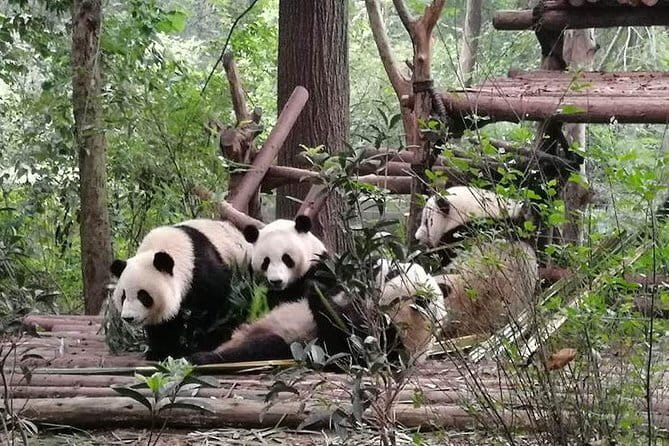
Your guide meets you in the hotel lobby at 7:30 a.m. The drive to the Giant Panda Breeding Research Base takes about 1.5 hours. That early start matters because the pandas are scheduled around breakfast and play time, when they are more likely to be active.
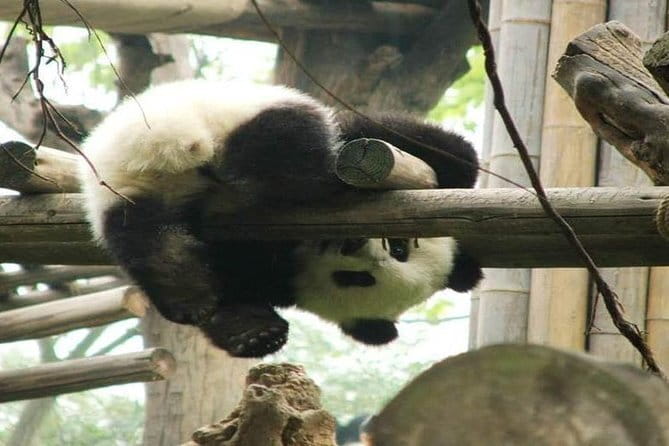
Allow about 2.5 hours inside the base. You can see giant pandas and red pandas, with a chance of seeing baby pandas in the nursery. The park setting gives the visit more space than a quick animal encounter, and you will want your phone or camera ready. The practical tip is simple: charge your devices fully before leaving. Panda viewing can be hard on both batteries and storage.
The panda center is the most famous stop, so it can also be the busiest and most camera-heavy part of the morning. Your guide’s value here is not only direction. A good guide helps you understand the panda program and the local setting, then keeps the morning moving so you are not late for the next stop.
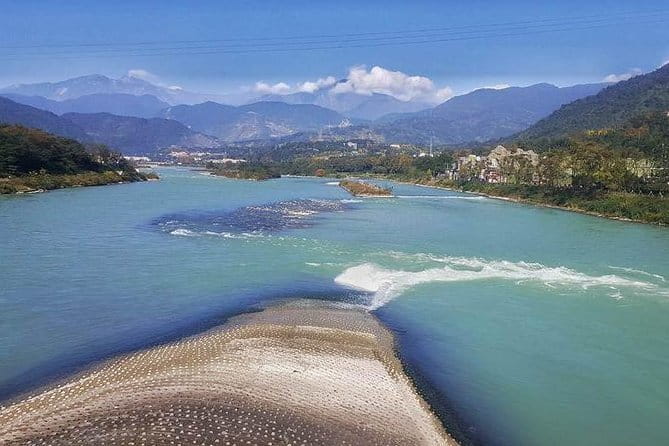
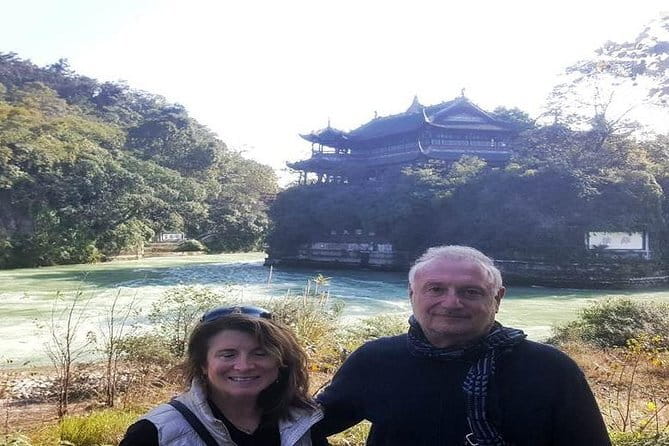
After the panda base, the vehicle continues for about 30 minutes to Dujiangyan. This is a World Heritage site built around an ancient irrigation project. Rather than treating it as a pile of old stone, the visit shows how water control shaped the region and supported agriculture.
You spend about 2.5 hours in the irrigation park, where you can see old bridges, temples, local visitors, and natural scenery. On a clear day, you might even see a distant snow mountain. The park offers a change of pace after the panda center: more walking, more open space, and a stronger sense of place.
A golf cart at Dujiangyan is not included, so expect to walk through the park. That is worth knowing if you prefer a low-effort sightseeing day. The first day combines two popular sites, but the stops are different enough to avoid feeling repetitive.
Day two: the Leshan Buddha from the river
Day two begins with a much longer drive. From your Chengdu hotel, the journey to Leshan takes about 2.5 hours. That is a serious stretch of road, but the attraction is one of Sichuan’s most memorable sights: the Leshan Giant Buddha, or Da Fo.
The boat ride gives you a broad view of the statue from the water. This is especially useful because the Buddha is carved into the cliff and is difficult to appreciate from only one close viewpoint. You spend about 50 minutes at this stop, including the boat experience.
Climbing is not included. The supplied information specifically excludes climbing for the Giant Buddha, so this tour is better suited to people who want the panoramic boat view rather than a climbing-focused visit. The boat also keeps the stop relatively efficient, which matters on a long driving day.
After Leshan, you drive about 40 minutes to an old town where traditional ways of working still remain. This is one of the strongest parts of the route for anyone who wants more than famous monuments. You walk past traditional workshops, including a blacksmith’s shop, bamboo workshop, and barber shop.
The point is not to rush through a museum display. You have time to look at working traditions, sit in an old teahouse, and chat with local people. The guide helps with the conversation and explains the setting. The tour also includes a visit to a roughly 100-year-old courtyard house, where the owner shares stories about the home.
That kind of visit depends on the owner’s personality and the pace of the conversation. It is less predictable than a standard attraction, which is part of its appeal. If you want a perfectly timed procession of photo stops, this may feel loose. If you like hearing how people use and care for old buildings, it is a valuable pause.
Lunch in the old town features Leshan local food and Sichuan flavors. The included meals make the price easier to justify, especially on a day when you are away from Chengdu for many hours. Expect spice to be part of the experience, with dishes such as rice jelly with a spicy topping, Chinese bacon, and grilled garlic shoots included among the local food highlights.
Tea country in Jiajiang County
From the old town, a short drive takes you up into Jiajiang County. The tea stop lasts about 1.5 hours, but it packs several activities into that time.
A tea farmer explains how to pick the best sprouts and buds, how weather affects tea, and why growing regions matter. You get to pick tea leaves yourself, which makes the later tasting more meaningful. Bring the leaves you collect because they are intended for use during the cooking class on day three.
The next step is a visit to a tea-producing family. You learn how different teas are made, then sit outside the farmhouse to drink tea and hear more stories. The guide compares tea varieties to wine varieties, using familiar ideas such as Cabernet Sauvignon and Pinot Noir to explain that tea also differs by type, growing place, and production method.
This is not a formal tea ceremony with a long performance. It is more practical and connected to farming. You see the plant, learn about the early stages of production, and taste tea where it is made. For me, that makes the stop more useful than a shop visit alone.
The tea section is also a good reason to pack lightly and wear comfortable shoes. You will be moving from a tea field to a family business and farmhouse setting, not staying on a paved attraction route. The supplied information does not give a detailed accessibility plan, so anyone with mobility concerns should ask the provider before booking.
A few more cooking classes around China worth a look
- Chengdu: Cooking Class with Fresh Market Half Day Experience
★ 5.0 · 42 reviews - Shanghai-Cooking Dumpling & Meal in Local Family-w/Vegan
★ 4.9 · 36 reviews - Private Cooking Class: Make Your Own Dim Sum In Shanghai
★ 5.0 · 27 reviews - Half-Day steamed Buns Cooking Class with a Local Market Visit
★ 5.0 · 26 reviews
Day three: a Chengdu market with a cooking mission
The final day turns Chengdu into your classroom. You meet your guide at the hotel and head to a local spice market. Instead of only walking through and looking, you receive a challenge to find special ingredients and spices for the cooking class later.
That small task gives the market visit a purpose. You are not simply being shown jars and piles of ingredients. You are learning to identify some of the building blocks of Sichuan cooking, then carrying them into the next part of the day.
The market and back-street food walk take about two hours. Lunch is served through local food stops along the way. This is a chance to try Chengdu food in a less formal setting before you sit down for the cooking lesson.
After lunch, you go to a traditional Sichuan courtyard restaurant. The market ingredients now become part of the meal preparation. Before cooking, you take a tea break with Sichuan gaiwan tea, a customary way to welcome guests and share tea.
The class lasts about 2.5 hours and is led step by step by a professional chef. You prepare Sichuan-style noodles, steamed beef with fried rice flour, and spicy lotus roots. You also learn to make your own spicy chili oil, one of the most useful take-home skills in the whole experience.
Free beer or tea is included during the cooking class. You also receive a souvenir and recipes, which add practical value. The recipes matter more than a token gift because they give you a way to repeat at least part of the meal after returning home.
One wording detail is worth clarifying before you book: the inclusions list refers to dinner and two lunches, while the day-by-day plan describes lunch on the first two days and lunch during the Chengdu food walk. Ask the provider exactly which meals are included for your departure date. That avoids confusion, especially for dietary needs.
Guides, transport, and group size

The tour includes an experienced English-speaking guide and an air-conditioned vehicle. Hotel pickup is offered, and the stated meeting time is 7:30 a.m. The maximum group size is 15, so this is not a private tour, but it is also not a large coach operation.
Guide quality matters here because the experience depends on explanation and local contact. Lucy is specifically named in the available information, and she is described as friendly and well informed. A guide who can explain the panda center, irrigation project, tea production, old homes, markets, and cooking techniques adds real value.
You should also be ready for long drives. The Leshan day can run close to 13 hours in total, including the Buddha, old town, tea country, and transport. One family of three, including an adult daughter, completed that full day and enjoyed it, but the length remains an important consideration.
This format suits you if you prefer someone else to manage the route, tickets, and vehicle. It is less suitable if you dislike early starts, long road transfers, or a schedule that moves quickly between regions.
Who should book this experience?
I would recommend it to first-time visitors who want a broad introduction to the Chengdu area. You get wildlife, engineering, religious art, village life, tea, markets, and cooking without having to arrange separate transport for every stop.
Food lovers will get the most from the last day, while culture-focused visitors may prefer the old town, courtyard home, tea farm, and teahouse. Families may enjoy the pandas and cooking class, though the long driving times could test younger children.
You should think twice if your main goal is a relaxed holiday. The tour covers a lot of ground, begins early, and includes long vehicle journeys. Also note that gratuities are not included, though they are recommended.
Free cancellation is available up to 24 hours before the start time. Changes or cancellations inside that window are not accepted, and poor weather or an insufficient number of participants can lead to a rescheduled experience or full refund.
The final call
Book this tour if you want variety with local contact and have only three days around Chengdu. Its best moments are not limited to the panda center or Leshan Buddha. The old workshops, farmhouse tea, courtyard stories, market challenge, and cooking class give the trip a human scale.
Skip it if you want slow sightseeing or dislike long drives. For everyone else, the $433.85 price can be fair because it combines transport, admissions, guiding, meals, tea activities, the boat, cooking, recipes, and a souvenir in one organized route. Charge your devices, wear comfortable shoes, and leave room in your bag for tea.
FAQ
How long is the experience?
The experience lasts approximately three days.
What time does the tour start?
The stated start time is 7:30 a.m.
Is hotel pickup offered?
Yes. The guide meets you in the hotel lobby, and pickup is offered.
How large is the group?
The maximum group size is 15 travelers.
Is transportation included?
Yes. An air-conditioned vehicle is included.
Is the Leshan Giant Buddha boat ride included?
Yes. The boat for viewing the Giant Buddha is included.
Is climbing the Leshan Giant Buddha included?
No. Climbing for the Giant Buddha is listed as not included.
What dishes do you make during the cooking class?
The class covers Sichuan-style noodles, steamed beef with fried rice flour, spicy lotus roots, and spicy chili oil.
Can you cancel for a full refund?
Yes, if you cancel at least 24 hours before the experience starts. Cancellations made less than 24 hours before the start time are not refunded.
Just added around China
- Private Panda Tour with Cooking Class One-day Trip★ 5.0 · 11 reviews
- Half-day Dandan Noodles Cooking Class with a Local Market Visit★ 5.0 · 8 reviews
- Half-Day Private Hot-Pot Cooking Class with a Local Market Visit★ 5.0 · 3 reviews
- Half-day Chengdu Handmade Tofu Making and Mapo Tofu Cooking Class★ 5.0 · 3 reviews
- Half day Chengdu Dumpling Class: Make from Scratch★ 5.0 · 8 reviews
- Half-Day Sichuan Cooking Class Experience in Chengdu★ 4.0 · 17 reviews
- Beijing: Private Dumpling Cooking Class in Local Family★ 5.0 · 3 reviews
- Dumpling Cooking Class and Local Market Tour★ 5.0 · 3 reviews
Cooking Classes, compared.

Half-Day Thai Cooking Class at Organic Farm in Chiang Mai
Read our review →

3 in 1 Cooking Class near Navona: Fettuccine, Ravioli & Tiramisu
Read our review →
Pasta & Tiramisu Cooking Class with Unlimited Wine
Read our review →
Hanoi Cooking Class: Culture, Local Market & Meaning CSR Impact
Read our review →
5 Traditional Dishes Hanoi Cooking Class with Market Trip
Read our review →
Cooking Class and Lunch at a Tuscan Farmhouse with Local Market Tour from Florence
Read our review →
Cooking Class, Market & Thai Herbs Garden Tour
Read our review →Lists this class appears in