REVIEW · CATANIA, ITALY
Cooking lesson in Catania with lunch or dinner
Bring your appetite to the kitchen. This three-hour Catania cooking lesson gives you a practical way to meet Sicilian food, with a professional chef guiding you through caponata, fresh pasta alla Norma, bruschetta, and cannoli. I especially like the small maximum group of 14 and the chance to sit down afterward with the food you helped prepare. The included bottle of Sicilian wine also adds value to the meal.
The class is offered in English, and past sessions have been led by chefs including Agata, Simona, and Chef Salerno. I like that the kitchen provides professional equipment and a recipe booklet, so you can try the dishes again at home. The main drawback is the setting: this is a working cooking laboratory, not a polished restaurant or beautifully decorated farmhouse. If atmosphere matters more to you than hands-on cooking, the $119.77 price may feel high.
Key points to know before booking
- Catania dishes take center stage: Expect recipes such as sweet-and-sour caponata, pasta alla Norma, eggplant parmigiana, and Sicilian cannoli.
- You cook the meal yourself: The class includes chopping, preparing fresh pasta, cooking the dishes, and filling the cannoli.
- Wine is part of the meal: A bottle of Sicilian wine is included, with coffee or limoncello sometimes available.
- English instruction is provided: The chefs have been praised for clear English explanations, though the level of conversation may vary by staff member.
- The group stays fairly small: The maximum is 14 people, and some sessions may be much smaller or even private.
- The location is easy to reach: The kitchen is on Via Cervignano, near the Galatea and Italia subway stops.
What this Catania cooking class is really like
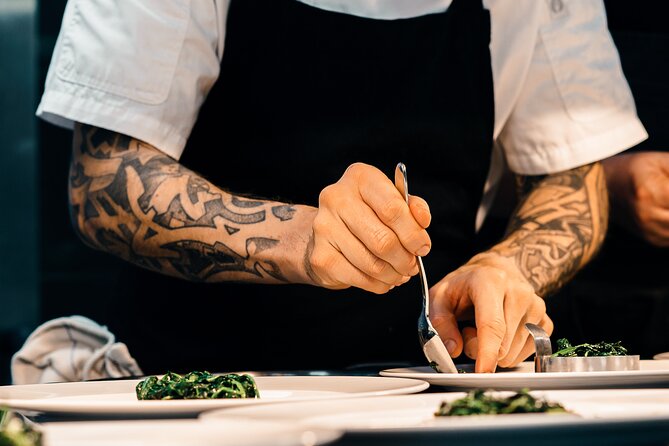
This is not a demonstration where you sit back and watch a chef do all the work. You fasten an apron, move around a professional kitchen, and help prepare a Sicilian meal from start to finish.
The class lasts about three hours. That is enough time to cook several dishes without turning the afternoon into a rushed race against the clock. You will usually prepare a starter, one or two main dishes, and dessert before sitting down to eat together.
The exact menu can vary. One version includes bruschetta with basil pesto and cherry tomatoes, sweet-and-sour Sicilian caponata, fresh pasta alla Norma, and a cannolo. Another menu may feature eggplant parmigiana and pasta with cherry tomatoes, ricotta, and basil.
That variation matters. If you have your heart set on one particular dish, ask when booking. The menus are built around Sicilian staples, but the class may adapt the recipes to your request. One session was adjusted for vegan diners, and another accommodated gluten intolerance. Still, you should list all allergies or intolerances in advance rather than relying on a last-minute change.
More Cooking Classes with a Meal in Catania:
- Cooking Class with lunch or dinner
★ 4.9 · 7 reviews - Cooking Class in Taormina with Lunch Included
★ 5.0 · 2 reviews - Pasta Making & Wine Tasting with Dinner in Frascati from Rome
★ 5.0 · 1,326 reviews
Starting with bruschetta and Sicilian ingredients
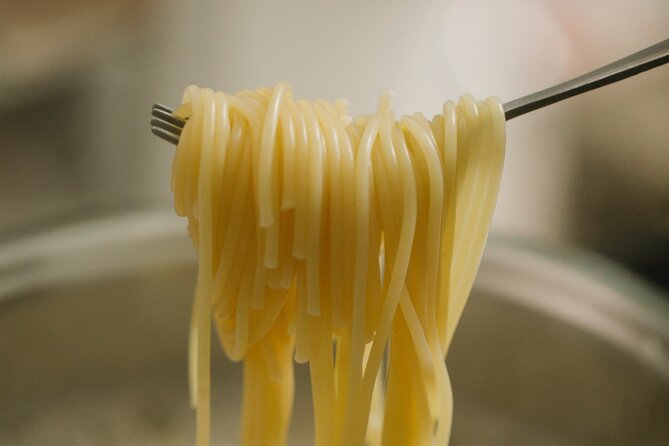
The meal commonly begins with bruschetta. You may prepare toasted bread with basil pesto and cherry tomatoes, a simple combination that lets the ingredients do most of the work.
This first step is useful because it gets everyone working quickly. You are not waiting through a long chef demonstration. You begin with manageable preparation, then move into the more involved dishes.
The class also introduces the ingredients that shape Sicilian cooking. Eggplant appears often, along with tomatoes, basil, ricotta, and salted ricotta. If you are not fond of eggplant, pay attention to the menu before booking. Several sample menus include more than one eggplant dish, and one menu may pair caponata with eggplant parmigiana or rolled eggplant.
That is either a feature or a drawback, depending on your taste. I enjoy the chance to see how one local ingredient changes when it is fried, stewed, layered, or combined with pasta. You may find the meal repetitive if you prefer meat or seafood. The menus described here are vegetable-focused and do not include meat.
Making caponata the Sicilian way
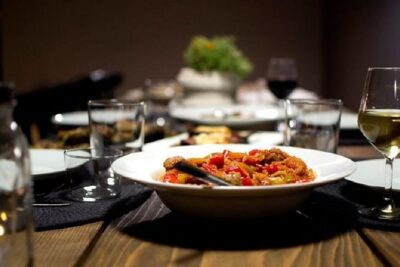
Caponata is likely to be the most distinctive dish of the class. This Sicilian specialty combines vegetables with a sweet-and-sour flavor, giving the dish a character that is quite different from a standard vegetable stew.
The class lets you prepare the caponata rather than simply sample it. That means you can see how the ingredients are handled and how the sweet-and-sour balance comes together. The process also gives the chef a natural chance to explain local food traditions and small cooking techniques.
Several people singled out the caponata as a favorite, with one calling it the best they had tasted. That is high praise, but the dish may not suit every palate. Its sweet-and-sour profile is part of the point, so diners expecting a plain tomato-based vegetable dish may be surprised.
You should also be aware that Sicilian food often uses salted ricotta in pasta alla Norma. If you find the flavor too strong, the chef may be able to suggest a substitute, but it is better to mention your preferences during the class.
Fresh pasta alla Norma and the main course
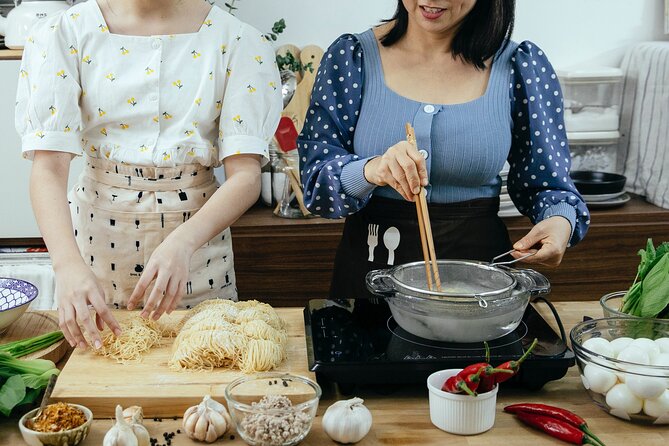
The pasta course is one of the more hands-on parts of the lesson. You may prepare fresh pasta, then combine it with the ingredients used in pasta alla Norma.
Pasta alla Norma is closely tied to Catania. The familiar version pairs pasta with tomato, eggplant, basil, and ricotta salata, or salted ricotta. Preparing it here gives you more context than simply ordering it from a restaurant menu. You learn what the ingredients look like before they reach the plate and how the final cheese changes the taste.
The class does not appear designed for advanced cooks. The recipes are explained step by step, and several people found them easy enough to repeat at home. That makes this a good choice if you want practical instruction rather than a demanding culinary exam.
If you already cook Italian food regularly, you may find parts of the lesson basic. The value then comes less from technical difficulty and more from preparing local recipes with a Catanian chef and learning how Sicilian ingredients are used.
More Lunch Trips in Catania:
- Cooking class, visit to the Catania market and light lunch
★ 5.0 · 7 reviews - Cooking Class and Lunch at a Tuscan Farmhouse with Local Market Tour from Florence
★ 5.0 · 4,831 reviews - Paris Cooking Class and Lunch with Wine plus Market Visit Option
★ 5.0 · 1,024 reviews - Austrian Apple Strudel Cooking Class including Lunch in Salzburg
★ 5.0 · 929 reviews
Filling cannoli for dessert
Dessert is not an afterthought. You prepare the cannoli filling and fill the shells, creating a sweet finish to the meal.
Cannoli are one of Sicily’s best-known foods, so making them during the class gives the experience a clear local focus. The process is also social and approachable. It is easy to join in, even if you have little cooking experience.
The cannoli have received particularly warm praise, and some sessions included more than one per person. The meal can be generous, so arrive hungry and avoid scheduling a large dinner immediately afterward.
A recipe booklet is provided, and some people also received a small goody bag or prepared food to take away. These extras may vary, but the recipe booklet is useful. It turns the class into something you can continue after leaving Catania, especially if you want to recreate the caponata or pasta at home.
Sitting down to eat what you prepared
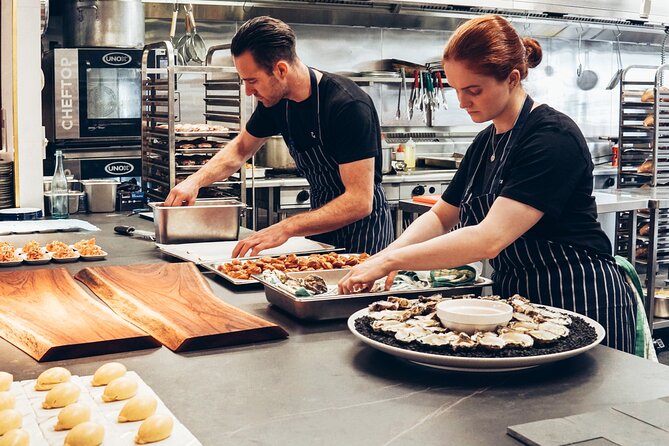
Once the cooking is finished, you sit down with the other participants and eat the meal together. The class includes lunch or dinner, depending on the time you book, and a bottle of Sicilian wine is included.
This shared meal is an important part of the experience. You get to taste the results while the preparation is still fresh in your mind. It also gives you time to compare techniques, talk about Catania, and enjoy the food without rushing away as soon as the last pan leaves the stove.
Coffee or limoncello may also be offered. Tea is not available, so do not count on it as an alternative to coffee or a digestif.
One practical point: wine may not be served the moment you arrive. The staff may wait until the cooking is underway, particularly on a hot day. If you want wine with the meal and it has not appeared, simply ask.
The chefs and the level of English
The class is offered in English, and the strongest praise has gone to the chefs who explain each stage clearly. Agata is described as friendly, talkative, and humorous, while Simona has been praised for her cooking guidance and calm manner. Chef Salerno has also received warm comments.
The quality of the instruction seems to depend partly on which chef leads your session. Some staff members speak excellent English, while the owner or other helpers may speak less. That does not prevent the class from working, but it can affect how much conversation and cultural explanation you receive.
You should also expect a real working kitchen, where staff may be preparing food or speaking with one another. One unhappy participant found background conversation distracting. The response from the school explained that staff were repeating instructions for someone who had not understood them. This points to a practical tip: if you miss a step, ask the chef to repeat it rather than trying to catch every word over kitchen noise.
A professional kitchen, not a picture-perfect room
The kitchen is described as a professional laboratory with professional equipment. That is good news if you care about learning practical cooking skills, sanitation, and the mechanics of preparing a meal.
It is less appealing if you are looking for a decorative setting. The room has been described as plain and industrial, and the area is within a residential block. The experience is about cooking, not theatrical presentation.
The equipment has also drawn mixed reactions. Most people appreciated the working setup, while one person considered some items outdated and the room under-air-conditioned during an unusually hot day. The school said another location was offered but declined, and that the heat had affected the air-conditioning system.
In other words, manage your expectations. You are paying for chef-led instruction, food, wine, and a meal in a working kitchen. You are not paying for a grand dining room or a scenic countryside setting.
Is $119.77 a fair price?
At $119.77 per person, this is not a budget meal. The price makes more sense when you count what is included: about three hours of instruction, professional kitchen use, ingredients, the meal you prepare, and a bottle of Sicilian wine.
The value is strongest if you enjoy active experiences. You are not simply buying lunch. You are paying for a class, the chance to prepare several dishes, and the guidance of a chef. The recipe booklet adds some after-trip value.
The price is harder to justify if you mainly want to eat Sicilian food. Catania has less expensive restaurants, and a plain laboratory setting may not feel special enough if cooking is only a side interest.
Group size helps. The maximum is 14, but some sessions have had only two people or a private group. A smaller class gives you more direct access to the chef and can make it easier to ask questions. You cannot count on a private session, but the small-group format is a genuine strength.
Getting there from central Catania
The meeting point is Via Cervignano, 42, 95129 Catania CT. The kitchen is close to public transportation, with the Galatea and Italia subway stops just a short walk away.
That makes the location practical for a class before or after sightseeing. Check the exact route from your accommodation, since the experience does not include hotel pickup. If you are coming from the cruise port, one person paid about 20 euros each way for a taxi, though your fare may differ.
The activity ends back at the same meeting point. Plan your schedule around the full three-hour session, plus a little extra time if the meal runs long. The class is social, and sitting down to eat is part of the experience rather than a quick final course.
Who will enjoy this class most?
I would recommend it to you if you want to:
- Learn recognizable Sicilian recipes you can repeat at home
- Spend a relaxed half-day cooking rather than only sightseeing
- Meet other people around a shared meal
- Eat mostly vegetable-based Sicilian dishes
- Receive instruction in English
- Enjoy wine with a meal you helped prepare
- Try a class that can sometimes adapt to vegan or gluten-free needs
It may not suit you if you want meat-heavy cooking, elaborate restaurant presentation, air-conditioned comfort on a very hot day, or advanced culinary training.
Families and friends can also make good use of the format, especially if everyone wants to work together. The class is simple enough for beginners but still gives experienced home cooks a few local ideas to take away.
Booking details and cancellation
Confirmation is sent at the time of booking. You should list food allergies and intolerances when reserving, particularly because the sample menus use eggplant, dairy, wheat, and other common ingredients.
Free cancellation is available up to 24 hours before the start time for a full refund. Changes or cancellations inside that 24-hour window are not accepted for a refund.
The activity may be canceled if the minimum number of participants is not reached or if poor weather affects the operation. In those cases, you are offered another date or experience, or a full refund.
Should you book the Catania cooking lesson?
Yes, if you want a hands-on introduction to Catanian food and do not need a fancy setting. The strongest reasons to book are the small group, English instruction, generous meal, Sicilian wine, and the chance to make dishes such as caponata, pasta alla Norma, and cannoli with a chef.
Before paying, check the menu and tell the school about allergies, dietary needs, or foods you dislike. If you prefer meat, polished decor, or restaurant-style service, choose another food experience. If you like learning by doing, this class offers a useful and tasty way to spend three hours in Catania.
FAQ
How long does the cooking lesson last?
The lesson lasts approximately three hours, including the cooking and the lunch or dinner afterward.
Where does the experience begin and end?
It begins at Via Cervignano, 42, 95129 Catania CT, Italy, and ends back at the same meeting point.
Is the class offered in English?
Yes. English instruction is available, and several chefs who lead the class have been praised for explaining the recipes clearly in English.
What food might I prepare?
Menus may include bruschetta, sweet-and-sour Sicilian caponata, fresh pasta alla Norma, eggplant parmigiana, pasta with cherry tomatoes, ricotta and basil, and Sicilian cannoli.
Is wine included?
Yes. Lunch or dinner includes a bottle of Sicilian wine. Coffee or limoncello may also be available, but tea is not offered.
Can I report food allergies or intolerances?
Yes. You should list all food allergies and intolerances when booking. The class has also accommodated vegan and gluten-free requests in some sessions.
How many people can join the class?
The maximum group size is 14 participants. Some sessions may be smaller, and a private class can occur if only a small number of people book.
Can I cancel for a full refund?
Yes, if you cancel at least 24 hours before the experience start time. Cancellations or changes made less than 24 hours in advance are not eligible for a refund.
More Meals Out in Catania
- Tuscan Cooking Class and Dinner in Florence
★ 4.5 · 732 reviews - Greek Small-Group Athens Cooking Class & Dinner
★ 5.0 · 574 reviews - Paella Cooking Class with Professional Chef: Four Course Dinner
★ 5.0 · 561 reviews - Lisbon Portuguese Cooking Class with 3-Course Dinner
★ 5.0 · 445 reviews
More Dinner Trips in Catania
- Rome: Pasta Making with Wine Tasting and Dinner in Frascati
★ 4.9 · 979 reviews - Palermo: Pizza and Gelato Cooking Class with Dinner and Wine
★ 4.9 · 951 reviews - Seville: Spanish Cooking Class with Dinner
★ 4.9 · 900 reviews - Greek Cooking Class in Athens Including Rooftop Dinner with Acropolis View
★ 5.0 · 826 reviews
Just added around Catania
- Cesarine: Home Cooking Class & Meal with a Local in Catania★ 4.5 · 10 reviews
- Cesarine: Market Tour & Home Cooking Class in Catania★ 4.0 · 6 reviews
- Cooking Class in Taormina with Lunch Included★ 5.0 · 2 reviews
- Join us for a Sicilian cooking class in a professional kitchen on Etna, using fresh ingredients from our organic garden★ 4.2 · 4 reviews
- Cooking Class with lunch or dinner★ 4.9 · 7 reviews
- Cooking class, visit to the Catania market and light lunch★ 5.0 · 7 reviews
- Catania: Pizza Cooking Class★ 4.9 · 18 reviews
- Cooking class fresh pasta★ 4.8 · 17 reviews
Cooking Classes with Lunch or Dinner, compared.
Pasta Making & Wine Tasting with Dinner in Frascati from Rome
Read our review →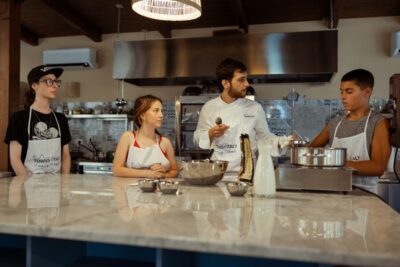
Pizza and Gelato Cooking Class with Dinner and Wine
Read our review →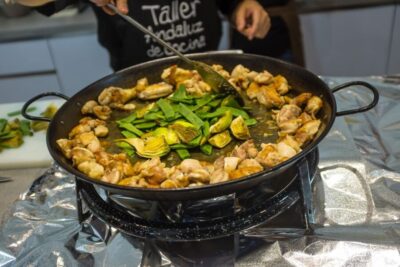
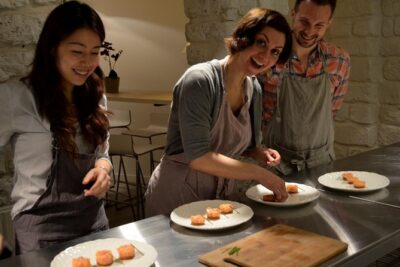
Paris Evening Cooking Class French Dinner and Market Visit Option
Read our review →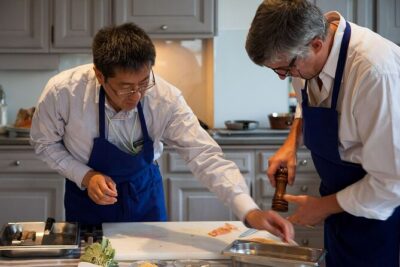
Paris French Cuisine Small Group Cooking Class with Lunch
Read our review →
Cooking class, dinner and wine tasting near Lecce
Read our review →