
REVIEW · SICILY, ITALY
Cooking class fresh pasta
Fresh pasta makes a fine souvenir. In this three-hour Sicilian class, you work with a professional chef from flour and eggs to finished dishes, then sit down to eat what you made. I like the hands-on pasta work and the chance to learn several sauces, not just roll one sheet and call it lunch. The tasting, paired with Sicilian wine, gives the class a proper ending.
I also like the personal touch provided by Chef Simona and her mother, who have been praised for their warmth and patience. You will make three kinds of pasta, including egg pasta and Sicilian durum wheat pasta, then prepare ragù, Norma, and Sicilian pesto. The main consideration is the price: at $112.15 per person, this is not a cheap meal, although the instruction, food, wine, and generous portions make it more than a simple cooking demonstration.
Quick takeaways from the Sicilian pasta class
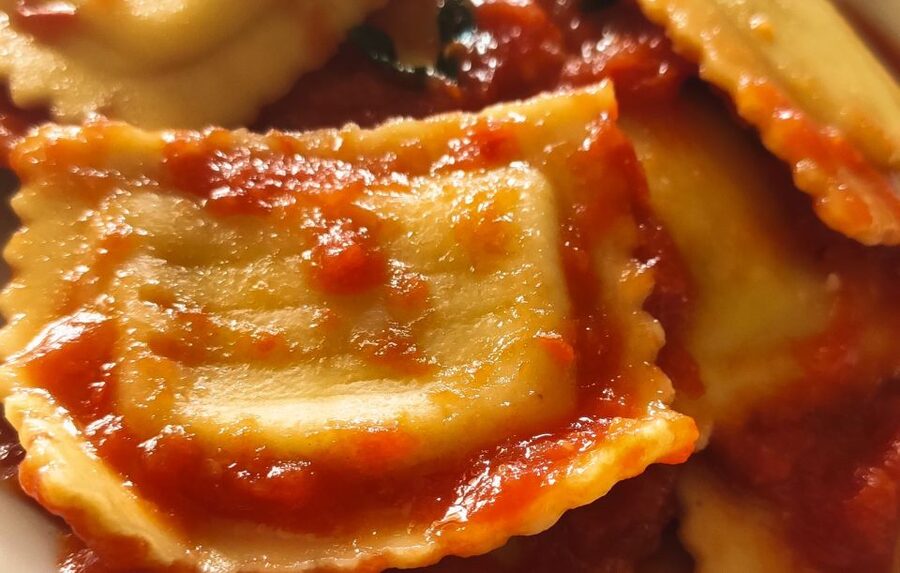
- Three pasta styles in one class: Make tagliatelle, stuffed pasta such as ravioli, and maltagliati.
- Two dough traditions: Learn classic egg pasta alongside Sicilian durum wheat dough.
- Three sauces to prepare: Work on ragù, pasta alla Norma, and Sicilian pesto.
- Chef-led instruction: Simona guides the lesson in a professional cooking laboratory, with English and Italian instruction.
- A full meal at the end: Taste the pasta you prepare with Sicilian wine, with portions described as generous.
- Useful take-home skills: Recipes and practical techniques can help you repeat the dishes at home.
What the three-hour class is really about
This is not a quick pasta-making photo stop. You spend about two to three hours moving through the full process, from raw ingredients to cooked food on your plate. That matters because pasta is easier to appreciate when you understand how the dough changes under your hands.
The lesson takes place in a professional cooking laboratory. That gives the experience a practical feel. You are not simply watching a chef shape pasta while standing at the back of a room. You take part in preparing the dough, forming pasta, building sauces, and tasting the results.
The class is offered in English and Italian. If you need every cooking term explained in English, it is worth confirming the exact session arrangements when you book. The published information confirms English and Italian instruction, but it does not give a fixed group size or a detailed language format.
More Pasta Making Classes in Catania:
- Catania: Pistachio Ravioli, Pasta Home Cooking Class w/ Wine
★ 4.7 · 204 reviews - Catania: Pasta & Tiramisu Cooking Class at a Local’s Home
★ 4.8 · 39 reviews - Florence: Pasta Cooking Class with Unlimited Wine
★ 4.9 · 10,285 reviews
Starting with two kinds of Sicilian pasta dough
The first stage focuses on dough. You learn how to make classic egg pasta, then prepare a Sicilian-style dough based on durum wheat. This comparison is one of the strongest parts of the experience because the two doughs have different roles and textures.
Egg pasta is the familiar soft, supple dough used for many northern Italian pasta shapes. The durum wheat dough connects more directly with southern Italian cooking and Sicilian tradition. You will see how the ingredients affect the dough and how each mixture is suited to different shapes.
This is also where the class moves beyond a standard pasta lesson. Making only one dough can leave you with a single skill. Here, you get a useful foundation for both egg-based pasta and a firmer durum wheat preparation.
The exact method depends on the chef’s instruction, so pay attention to texture rather than treating the recipe as a rigid formula. Flour absorbs moisture differently, and the feel of the dough tells you when it needs more work. That kind of practical tip is often more valuable than a recipe measured down to the last gram.
Tagliatelle, stuffed pasta, and maltagliati
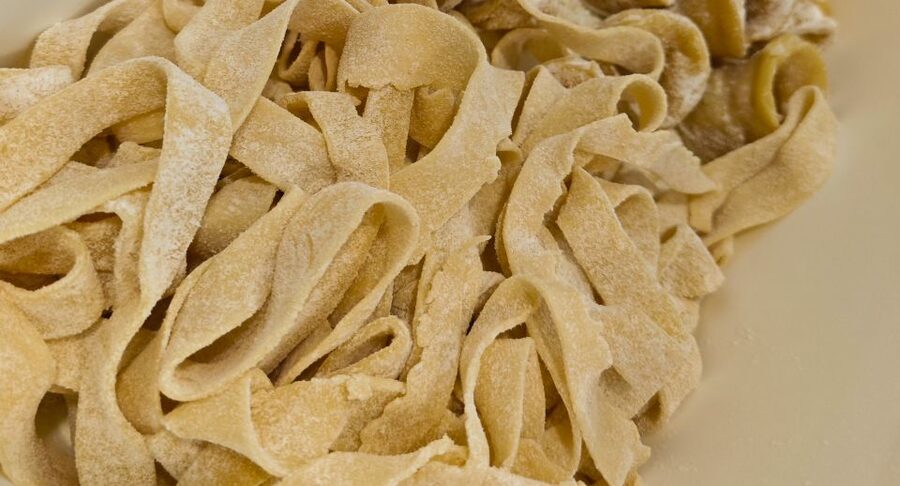
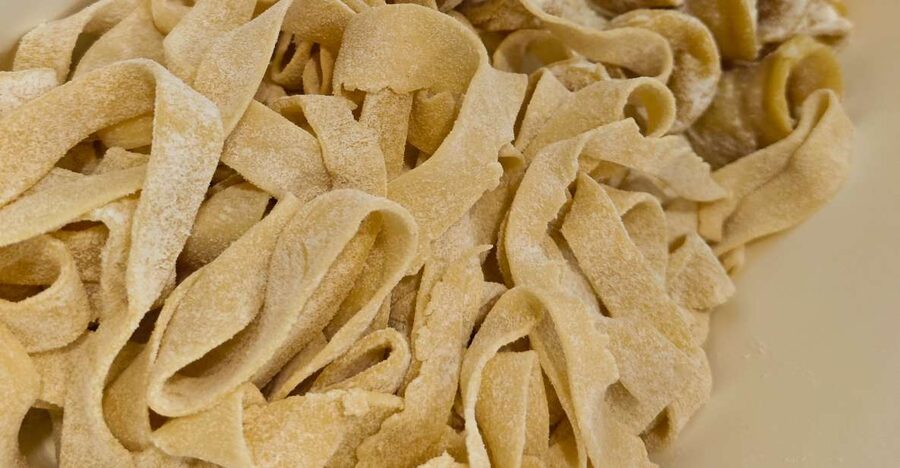
Once the dough is ready, you make three different forms of pasta. Tagliatelle gives you the clean, familiar ribbons that are easy to recognize and satisfying to cut. It is a good place to learn how thin the sheet should be and how wide the strands need to become.
Stuffed pasta, including ravioli, adds another skill. You need to place the filling carefully, avoid trapped air, and seal the edges properly. One of the strongest parts of the class is learning that stuffed pasta is not only about the filling. The dough, the sealing, and the cooking time all matter.
Maltagliati means badly cut pasta, though the name is part of the charm. These uneven pieces are traditionally practical and rustic. They are useful when you have scraps or irregular dough, and they remind you that good pasta does not need to look factory-made.
The class also gives you three different shapes to match with sauces. That makes the lesson useful beyond the afternoon itself. You can repeat the same techniques at home, even if you do not own special equipment.
Ragù, Norma, and Sicilian pesto
The second cooking stage turns the pasta into a meal. You learn to prepare ragù, pasta alla Norma, and Sicilian pesto. Each sauce gives you a different taste and a different lesson in how pasta is finished.
Ragù is the slow, savory option, and it was singled out for its strong flavor. It works naturally with tagliatelle, whose broad strands can hold a substantial sauce. If you already cook Italian food at home, this is where small choices in seasoning and cooking time may give you the most useful ideas.
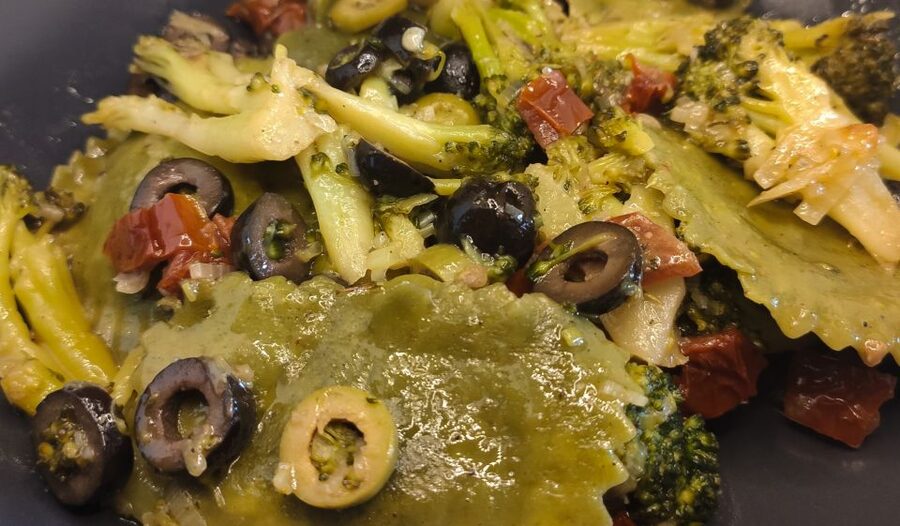
Pasta alla Norma is one of Sicily’s best-known pasta dishes. Its presence makes the class feel tied to the region rather than being a generic Italian cooking course. The dish brings a distinct Sicilian character to the meal and gives you another way to think about pairing sauce and pasta.
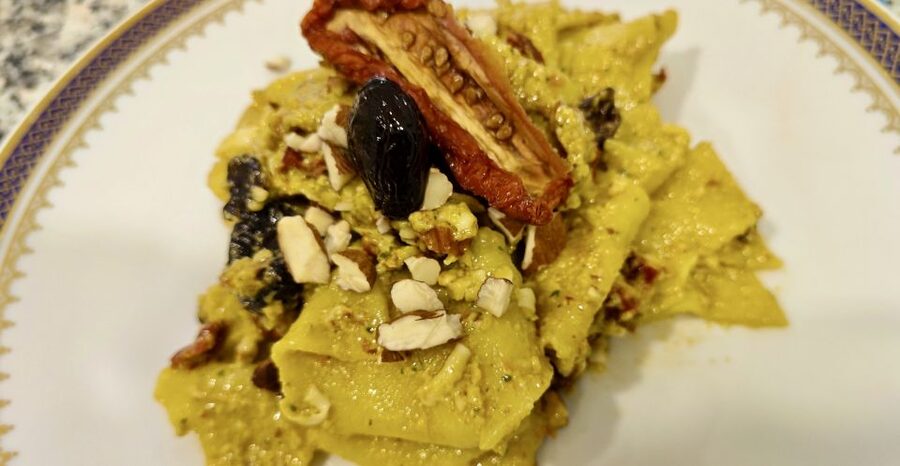
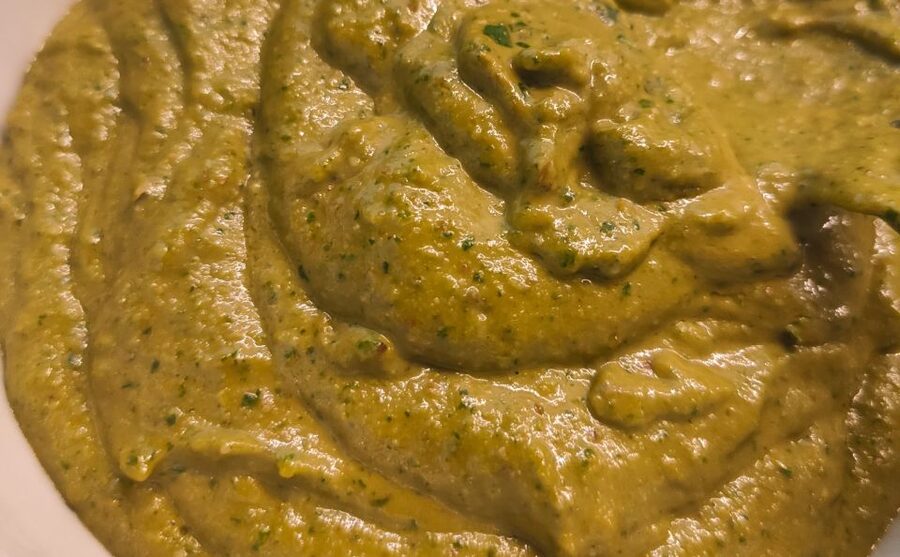
Sicilian pesto provides a fresher contrast to ragù. Preparing it in the same session gives you a good range: one rich sauce, one regional classic, and one lighter preparation. The menu is broad enough to keep the lesson interesting without turning the class into a long list of unrelated dishes.
The information also mentions a filling for ravioli. That means the stuffed pasta is not just shaped for display. You learn how to prepare a filling and then taste the finished result. A separate account also praised cannoli served during the experience, but cannoli is not listed as a guaranteed part of the class, so I would not book expecting it.
A few more cooking classes around Catania worth a look
- Cooking lesson in Catania with lunch or dinner
★ 5.0 · 154 reviews - Catania: Market Tour and Cooking Class with Chef Riccardo
★ 5.0 · 40 reviews - Cooking Class Arancini in Catania
★ 4.8 · 20 reviews - Catania: Pizza Cooking Class
★ 4.9 · 18 reviews
Sitting down to eat what you made
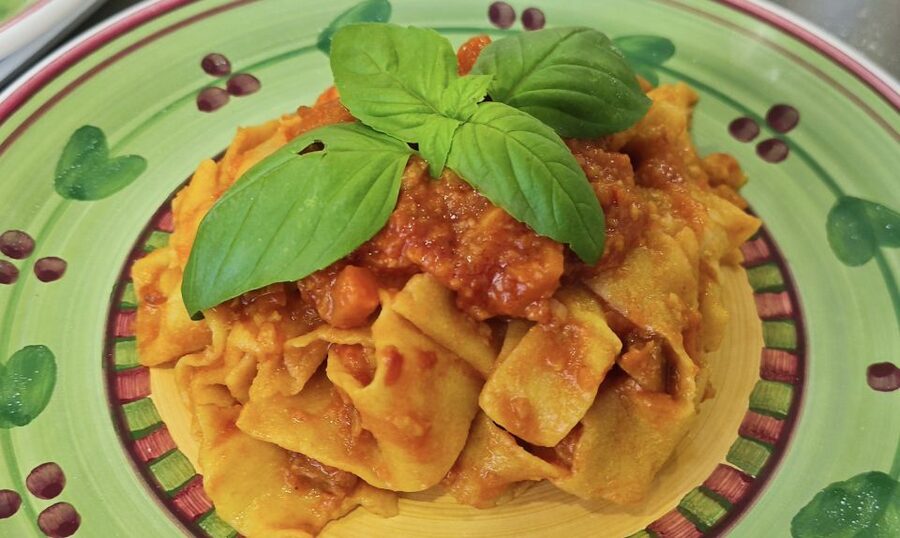
At the end, the chef cooks the pasta for you. You then sit at the table and taste the finished dishes with Sicilian wine. This is a smart way to end the class because cooking and eating are treated as two connected parts of the experience.
You can judge the texture of your pasta right away. You can see how the tagliatelle holds ragù, how the stuffed pasta behaves after cooking, and how the sauces change the character of each shape. That immediate feedback helps the techniques stick.
The meal is described as generous, and one session included rosé wine. Another included a bottle of wine to take home, though that should be treated as a pleasant extra rather than a standard inclusion unless confirmed at booking.
I especially like that the tasting is based on the food you helped prepare. It gives the class a clear purpose. You are not making decorative pasta and then being served an unrelated meal from the kitchen.
Simona, her mother, and the teaching style
Chef Simona has received especially warm praise for her patient teaching and passion for Italian food. Her mother also helps create the welcoming family feel that people associate with cooking in Sicily, rather than attending a formal culinary lecture.
The instruction is described as professional, kind, and interactive. That combination matters. A chef can know a great deal and still rush through a lesson. Here, the strongest accounts describe time for questions, practical tips, and encouragement while shaping the pasta.
You do not need to be an expert cook to benefit. Beginners can learn the basic dough process, while experienced home cooks may still pick up useful details about pasta shapes, fillings, sauces, and texture. One experienced pasta maker found the class worthwhile and came away with new techniques.
The family element may appeal to you if you want a warm, personal food experience. If you prefer a highly formal cooking school with a strict timetable and advanced culinary theory, this may feel more relaxed than expected.
Is $112.15 per person good value?
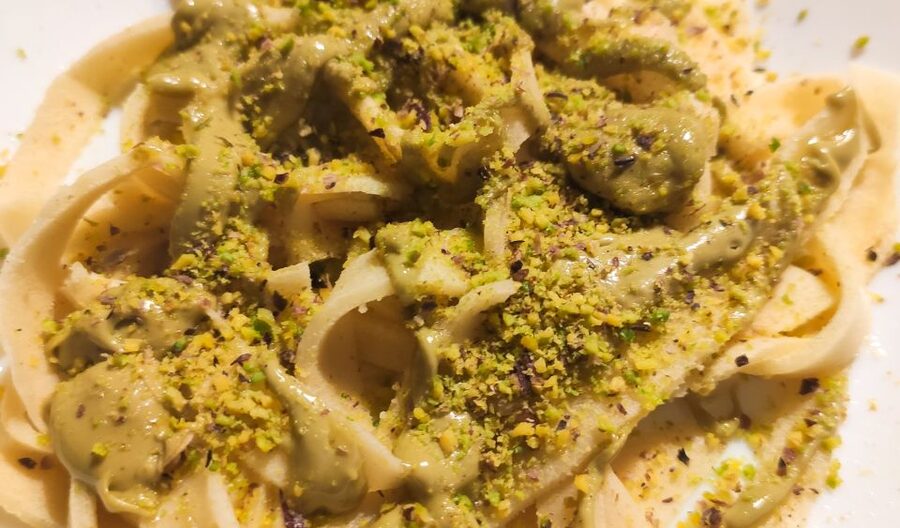
At $112.15 per person, the price sits well above the cost of buying a plate of pasta. That comparison is not quite fair, since you are paying for a three-hour activity, a chef-led lesson, several dishes, wine, and a full tasting.
The value is strongest if you want to learn skills you can use after your trip. You make three types of pasta, prepare several sauces, and may receive recipes for cooking at home. The lesson is not limited to one shape or one sauce, so the cost is spread across a substantial amount of instruction.
The food itself also matters. Generous portions make this closer to a cooking class and meal combined than a short workshop followed by a small sample. If the class includes the wine described in the experience details, that adds to the overall value.
Still, I would not call it a budget activity. If your main goal is simply to eat handmade pasta, you can do that for less at a restaurant. Book this class when you want to understand how the food is made and enjoy an experience with a personal, family-run feel.
Who will enjoy this class most?
I would recommend it most strongly to several kinds of visitors:
- First-time pasta makers who want clear guidance from dough to dinner.
- Home cooks who want recipes and techniques to repeat after returning home.
- Food-focused couples and families looking for a shared activity rather than another restaurant meal.
- Experienced cooks who are open to learning regional Sicilian methods.
- Visitors with three free hours who want a structured activity that ends with lunch or dinner.
The class may be less suitable if you have food restrictions that have not been discussed in the available information. The menu includes egg pasta, stuffed pasta, ragù, Norma, pesto, and wine, but no allergen or dietary details are provided. Ask before booking if this affects you.
The same applies to mobility or access needs. The activity takes place in a professional cooking laboratory, but specific accessibility information is not provided. Confirm the setup directly before paying if you need particular arrangements.
Timing, cancellation, and planning advice
The duration is listed as three hours, with starting times available based on the date you select. Set aside the full block rather than trying to squeeze the class between two tightly timed activities.
You can cancel up to 24 hours in advance for a full refund. A reserve-now, pay-later option is also offered, which helps if your Sicilian schedule is still changing.
The class is in Sicily, Italy, but the supplied details do not identify the exact town, meeting point, transport options, or group size. You should check those practical points before booking, especially if you are staying outside the host area.
I would also arrive ready to work rather than dressed for a formal evening. The class involves making dough and sauces, and the food preparation is the main event. The available information does not specify clothing, equipment, or whether aprons are supplied, so ask if that matters to you.
What makes this more than a pasta demonstration
The best part is the range. You are not only shown how to roll pasta. You compare two doughs, make three shapes, prepare three sauces, and then taste the results with wine.
The regional focus adds another layer. Durum wheat dough, pasta alla Norma, Sicilian pesto, and ravioli filling connect the lesson to Sicily rather than treating Italy as one large, generic food culture.
The teaching also seems to be a major part of the value. Simona’s patience, her mother’s welcome, and the clean, functional cooking space create a setting where you can learn without feeling tested. That is useful when pasta dough refuses to cooperate, which it occasionally does even for people who claim to know what they are doing.
Should you book the Sicilian fresh pasta class?
I would book this class if you want a hands-on Sicilian food experience with a real meal at the end. The combination of three pasta types, three sauces, professional guidance, wine, and recipes gives you plenty to take home besides a full stomach.
At $112.15, it is best viewed as a cooking lesson plus lunch or dinner, not as a cheap meal. Confirm the meeting location, group size, dietary options, and any promised extras before booking. If those details work for your plans, the high rating and repeated praise for Simona, her mother, the food, and the useful instruction make this a strong choice for food lovers.
FAQ
How long does the fresh pasta cooking class last?
The class lasts about three hours. Starting times vary, so check availability for the date you want.
How much does the cooking class cost?
The listed price is $112.15 per person.
What kinds of pasta will I make?
You will make three types of pasta: tagliatelle, stuffed pasta such as ravioli, and maltagliati.
Which sauces will I learn to prepare?
The class covers ragù, pasta alla Norma, and Sicilian pesto.
Is the pasta class taught in English?
Yes. Instruction is offered in English and Italian.
Is food and wine included?
You will taste the pasta and sauces made during the class, and Sicilian wine is included in the tasting experience. A rosé wine was served in one session. A take-home bottle was also provided in one account, but this is not stated as a standard inclusion.
Can I cancel for a refund?
Yes. You can cancel up to 24 hours in advance for a full refund. A reserve-now, pay-later option is also available.
Just added around Catania
- Cesarine: Home Cooking Class & Meal with a Local in Catania★ 4.5 · 10 reviews
- Cesarine: Market Tour & Home Cooking Class in Catania★ 4.0 · 6 reviews
- Cooking Class in Taormina with Lunch Included★ 5.0 · 2 reviews
- Join us for a Sicilian cooking class in a professional kitchen on Etna, using fresh ingredients from our organic garden★ 4.2 · 4 reviews
- Cooking Class with lunch or dinner★ 4.9 · 7 reviews
- Cooking class, visit to the Catania market and light lunch★ 5.0 · 7 reviews
- Catania: Pizza Cooking Class★ 4.9 · 18 reviews
- Cooking Class Arancini in Catania★ 4.8 · 20 reviews
Pasta Making Classes, compared.


3 in 1 Cooking Class near Navona: Fettuccine, Ravioli & Tiramisu
Read our review →
Pasta & Tiramisu Cooking Class with Unlimited Wine
Read our review →
Pasta Making Class with Wine, Limoncello, and Dessert
Read our review →
Rome Cooking Class: Make Pasta and 3 Spritz Cocktails
Read our review →
3-in-1 Fettuccine, Ravioli, and Tiramisu Cooking Class
Read our review →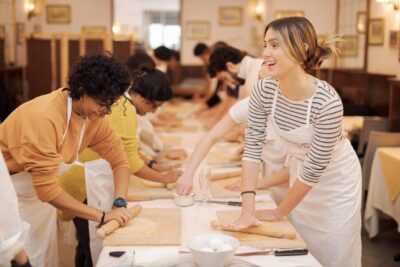
Fettuccine Pasta Cooking Class in Rome’s City Center
Read our review →Lists this class appears in