REVIEW · EMILIA-ROMAGNA, ITALY
Bologna: Pasta Cooking Class, Ragu, Spritz, Wine & Gelato
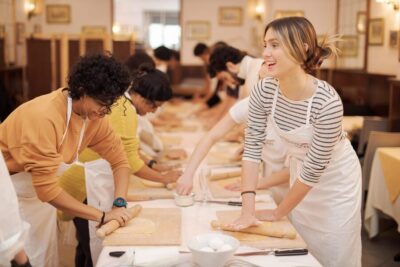
Fresh pasta makes Bologna feel personal. This three-hour class combines hands-on tagliatelle making with Piadina, Mortadella, local wine, a Casoni Spritz, ragù, coffee, and gelato. I especially like the rolling-pin pasta lesson and the easy social atmosphere created by instructors such as Stella, Valentina, Steffi, Roberta, and Luca. The main drawback is that you do not prepare the ragù yourself, and the large flight of stairs makes this a poor choice for anyone with significant mobility needs.
At $79 per person, I find the class good value if you want a full meal as well as a lesson. You get several drinks, regional specialties, dessert, recipes by email, and leftovers to take away. It is not suitable for vegans, vegetarians, or people with gluten intolerance, so check the food requirements carefully before booking.
Key points at a glance
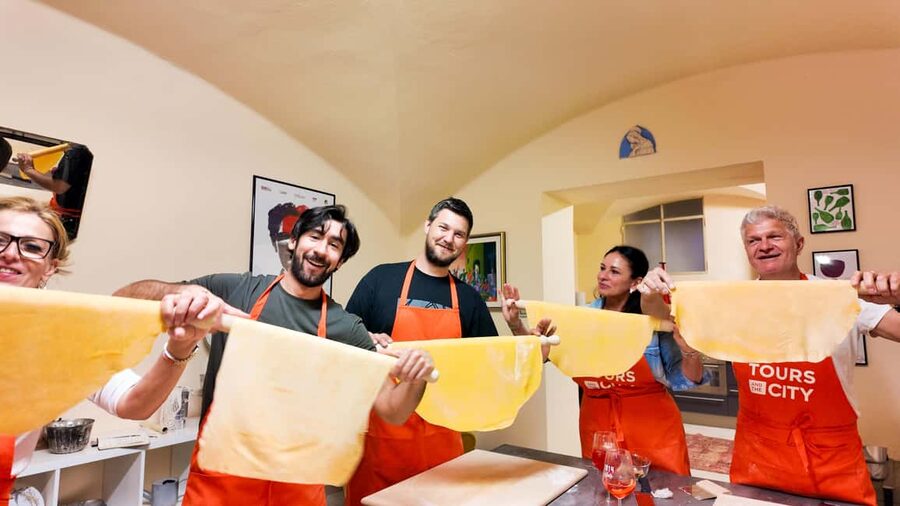
- Hand-rolled tagliatelle: Make the dough with fresh eggs and flour, then roll and cut it by hand with a rolling pin.
- A full Bolognese meal: Eat your pasta with house-made ragù, 24-month-aged Parmigiano Reggiano, and local Sangiovese.
- More than a pasta class: The experience includes Piadina, Mortadella, Pignoletto, a Casoni Spritz, Moka coffee, amaro, and gelato with balsamic vinegar.
- Friendly teaching style: Instructors use games, conversation, and patient demonstrations to get solo visitors and mixed groups talking.
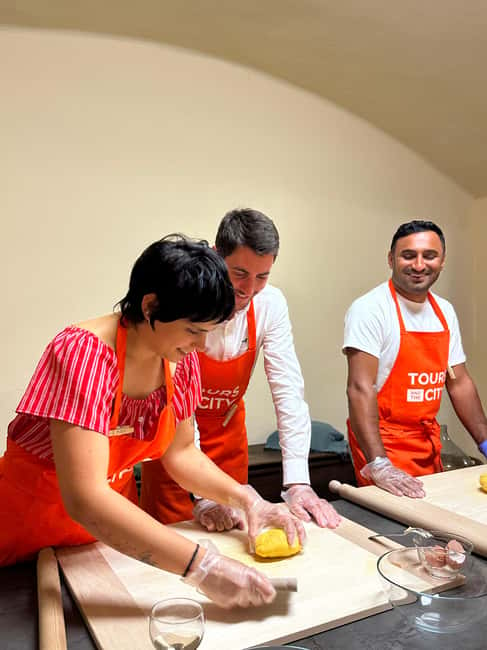
- A central location: Guides meet you outside at the booked time, wearing orange aprons, then lead you into the traditional kitchen.
- Important limitations: Ragù is prepared in advance, and a large staircase makes the class unsuitable for some visitors with mobility needs.
Why this Bologna class works so well
Bologna is one of Italy’s best cities for a food class because the local cooking is both famous and practical. Here, pasta is not treated as a decorative restaurant dish. It is a daily tradition built from flour, eggs, patient hands, and a few simple techniques.
I like that the class brings several parts of Bolognese food culture together rather than focusing only on pasta. You begin with an aperitivo, learn a local cocktail, make your own noodles, sit down for a proper meal, and finish with coffee, amaro, and gelato. That makes the three hours feel like a small social meal with instruction built into it.
The class also has a useful balance of demonstration and participation. You are not simply watching a sfoglina, or pasta master, work at a table while everyone else takes photographs. You make the dough, roll it, shape it, slice it, and cook it. If you have never made fresh pasta before, the instructors break the process into manageable steps.
The tone appears to be relaxed rather than formal. Stella, Martina, Luca, Valentina, Roberta, Beatrice, Steffi, Claudia, and other instructors are praised for being friendly, patient, and clear. The teaching team changes, but the consistent point is that the class is designed to help beginners feel comfortable.
More Cooking Classes with Wine Tasting in Bologna
- Bologna Local Pasta Cooking Class, Ragu, Spritz, Wine & Gelato
★ 5.0 · 527 reviews - Bologna: Pasta and Tiramisu Cooking Class with Wine
★ 4.7 · 507 reviews - Bologna: Pasta and Tiramisu Small Group Cooking Class with Wine
★ 5.0 · 409 reviews
Meeting the group over Piadina and Mortadella
The first course is an informal welcome aperitivo. You receive Piadina, a thin flatbread associated with Emilia-Romagna, along with Mortadella and a glass of Pignoletto sparkling white wine.
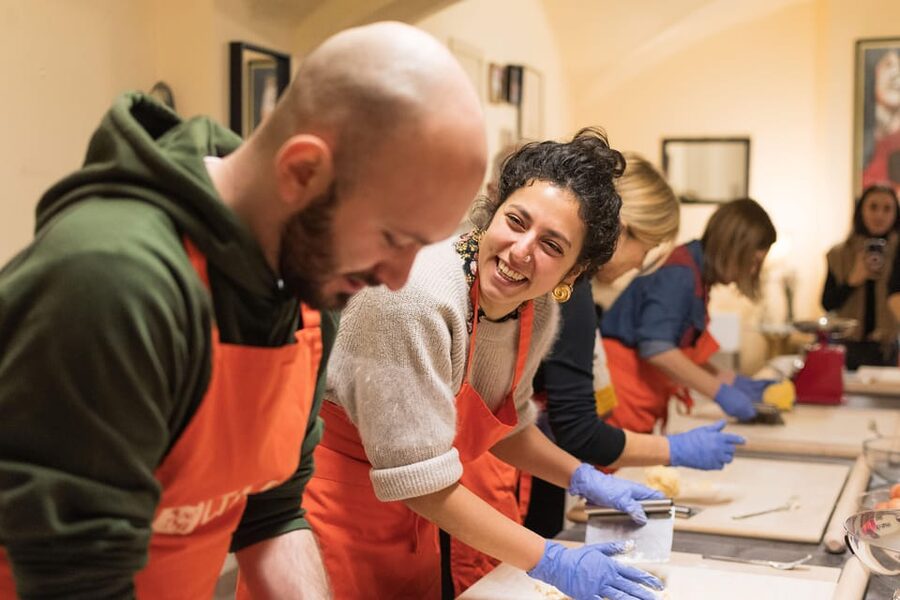
This opening matters because it removes the awkwardness that can come with joining a cooking class full of strangers. The instructors use conversation and, at times, an icebreaker game to get people talking. Solo visitors can fit in easily, and couples or families are not left sitting quietly with only their own companions.
The Piadina and Mortadella also give you an immediate taste of the region before you start cooking. Mortadella is strongly tied to Bologna, and the combination makes a fitting introduction to local food rather than a generic snack.
You should not expect a long lesson about each ingredient. The focus is social and culinary, not academic. Still, the instructors add local and historical details as the class develops. Christopher specifically praised Steffi for explaining the food and the Bologna area while keeping the instructions clear.
Making Casoni Spritz with local spirits
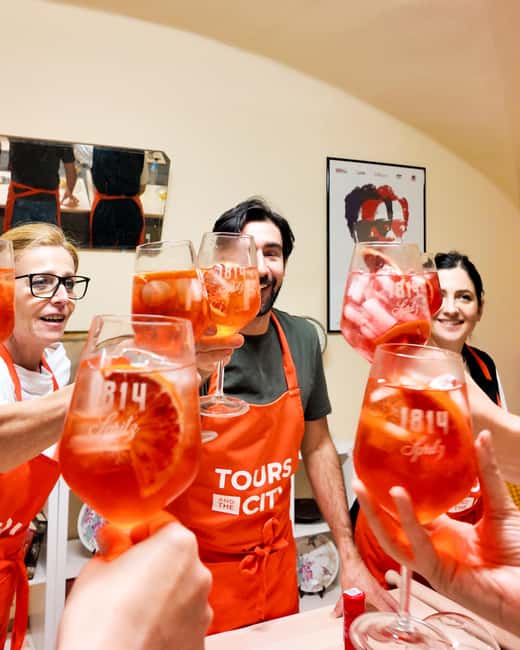
Partway through the class, you prepare a Casoni Spritz. This is different from the standard international Aperol version. The drink uses Casoni, an Emilia-Romagna spirit flavored with local herbs and made according to older regional recipes.
I like this part because it gives you something easy to do while the pasta process continues. You prepare your own drink, learn a little about its background, and sip it during the lesson. It is a small detail, but it makes the class feel tied to the region instead of being a standard pasta workshop that could happen anywhere.
The included drinks are generous by cooking-class standards. Along with the Casoni Spritz, you receive Pignoletto at the start and Sangiovese with the meal. Water and soft drinks are also included.
The alcohol is worth keeping in mind. This is a social class built around wine, cocktails, and food. If you do not drink alcohol, the activity still includes the cooking and meal, but the drinks are a noticeable part of the experience.
Rolling pasta the old-fashioned way
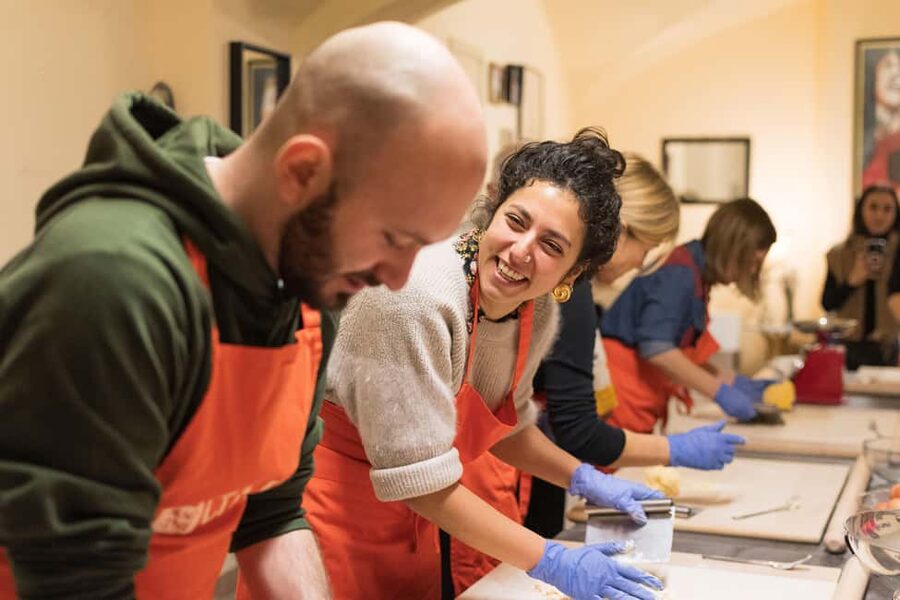
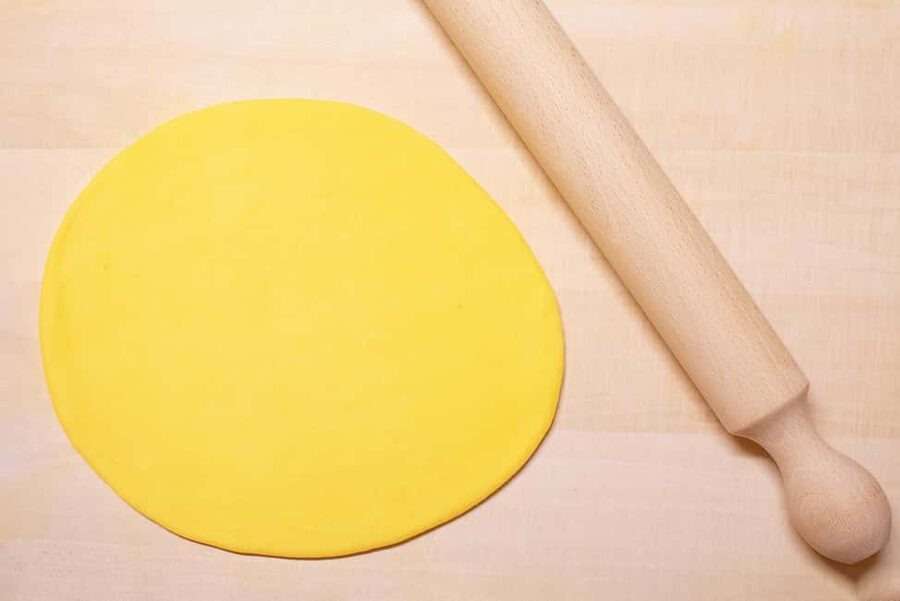
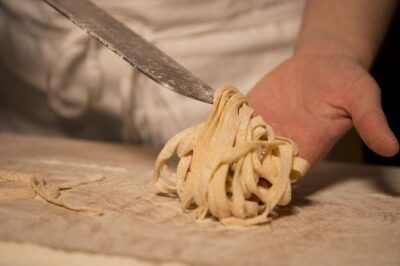
The central lesson is tagliatelle made from fresh eggs and local flour. You mix the dough, work it by hand, let it rest, and then roll it with a traditional rolling pin. There are no pasta machines.
That is the best reason to book this class. Machine-rolled pasta can be quick and even, but using a rolling pin shows you the feel of the dough. You learn to notice when it needs more work, how thin to roll it, and how to cut the sheets into tagliatelle.
The instructors demonstrate each stage and help when the dough becomes difficult. Several participants specifically valued the patient teaching, and one solo visitor described the experience as a good choice for independent travelers. You do not need advanced cooking skills.
The practical benefit continues after the class. Recipes are sent by email as a PDF on request, and you can take leftover pasta away. That gives you something useful to bring home instead of leaving with only a pleasant memory and a full stomach.
The class is hands-on, but you should keep your expectations sensible. You are making one type of pasta in a group setting, not completing a professional culinary course. The emphasis is on learning a traditional method, enjoying the company, and eating the result.
More Cooking Classes with Wine Tasting in Italy
- Bologna: Pasta Tagliatelle al Ragu Cooking Class with Wine
★ 4.7 · 225 reviews - Bologna: In-Home Italian Pasta Making Workshop with Wine
★ 4.7 · 131 reviews - Bologna: Pasta Cooking Class, Ragu & Wine with Local Host
★ 4.9 · 113 reviews - Bologna: Tagliatelle & Ragù Home Cooking Class with wine
★ 4.5 · 55 reviews
The ragù is prepared before you arrive
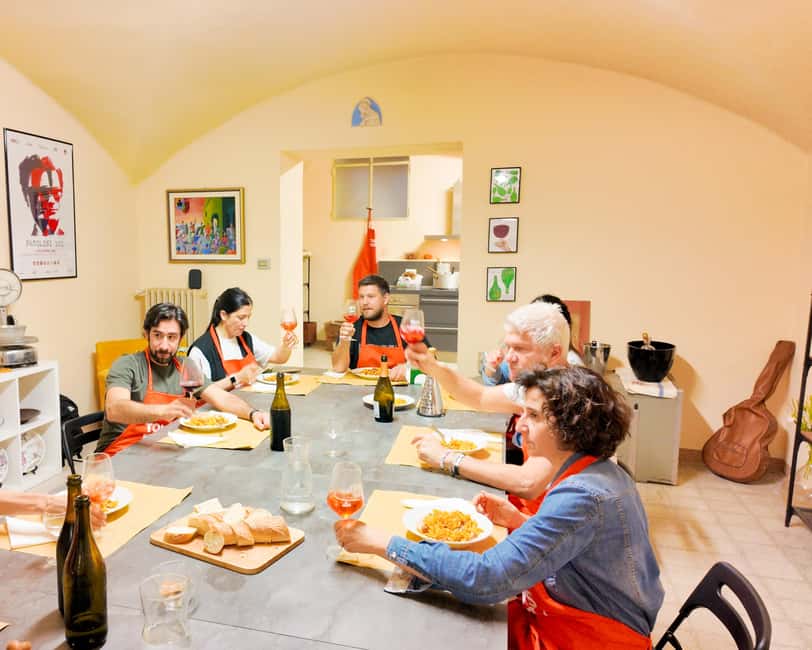
Your tagliatelle is served with house-made Bolognese ragù. The sauce is prepared in advance each week and follows a family tradition. It is finished with 24-month-aged Parmigiano Reggiano from a local dairy.
This is an important distinction. The class teaches you the pasta, but ragù preparation is not included. If your main goal is to learn a complete ragù recipe from start to finish, this class will not meet that expectation.
The reason is practical. A proper ragù takes longer than the class allows, so making it in advance means you can eat a finished dish during the same session. It also lets the cooking team control the timing while the group works on pasta.
I see this as a reasonable compromise, provided you know about it before booking. You still taste the sauce in the setting where it belongs, alongside fresh tagliatelle and local cheese. You simply do not take part in making it.
This meal is one of the most praised parts of the experience. The pasta is cooked for the group, then served with ragù and Parmigiano. Sangiovese accompanies the dish, turning the final stage into a shared lunch or dinner rather than a quick sample.
Coffee, amaro, and gelato with balsamic vinegar
The final course brings several classic Italian finishes together. You have Moka coffee, a digestif of amaro, and gelato with balsamic vinegar.
The gelato is the unusual ending. Balsamic vinegar may sound odd with ice cream, but Emilia-Romagna is closely associated with traditional balsamic production, so the pairing gives the dessert a local twist. It is described as a mystery dessert and is not presented as an everyday international flavor.
The Moka coffee is made with beans from a Modena roastery, and the spirits used in the class come from Emilia-Romagna. These details support the larger idea behind the experience: use nearby producers when possible and show you more than the most famous pasta dish.
If you do not drink alcohol or coffee, you can still enjoy the gelato and meal, but the ending is built around all three. You may want to mention your preferences when booking.
A warm group atmosphere, not a stiff demonstration
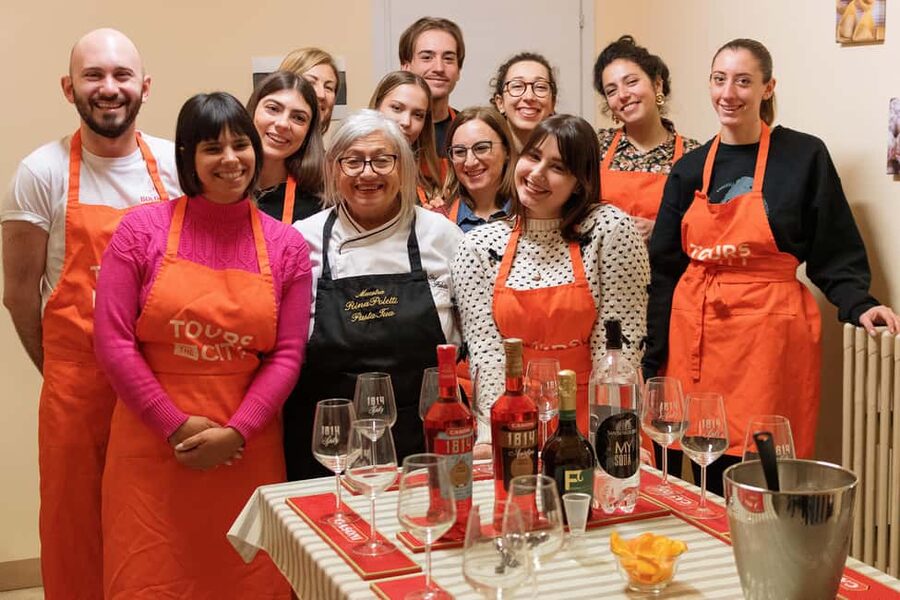
The atmosphere is one of the class’s strongest features. The instructors are not only there to give technical instructions. They keep the room moving, encourage conversation, and help strangers become a temporary dinner group.
Several instructors receive special praise for patience and energy. Luca, Stella, and Martina are described as welcoming from the first drink to the final dish. Valentina is repeatedly noted for making beginners comfortable, while Steffi and Claudia are praised for clear explanations and a friendly approach.
The group itself can shape your experience. With a lively class, the icebreaker games and shared meal can become a major part of the evening. If you prefer quiet, individual instruction, a busy group may feel less intimate.
There is also a chance of a particularly small class. One pair booked a session that turned into a private lesson because nobody else had booked that date. That is not something you should count on, but it shows that class size can vary.
The kitchen is described as spacious and traditional. One participant also appreciated that extra pasta was donated to a nearby church. That community-minded touch is not the main reason to book, but it adds meaning to the way surplus food is handled.
What the $79 price really includes
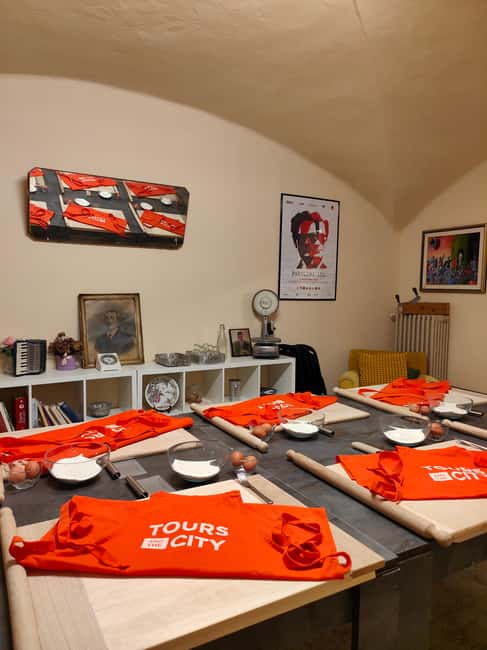
At $79, this is not simply a one-hour pasta lesson. You receive approximately three hours of instruction, food, cocktails, wine, dessert, coffee, a digestif, water, and leftovers.
A typical outline includes:
- Piadina, Mortadella, and Pignoletto
- Casoni Spritz preparation
- Fresh tagliatelle made by hand
- Tagliatelle with prepared ragù
- Sangiovese and 24-month Parmigiano Reggiano
- Moka coffee and amaro
- Gelato with balsamic vinegar
- Leftovers to take away
- PDF recipes by email on request
That makes the price reasonable for visitors who want a complete food experience in central Bologna. You are paying for teaching, ingredients, drinks, and a substantial meal, not just access to a workstation.
The value is weaker if you avoid gluten, do not eat meat, or want to prepare ragù yourself. It is also less suitable if your idea of a cooking class is a quiet, highly technical lesson with no alcohol or group games.
Practical details before booking
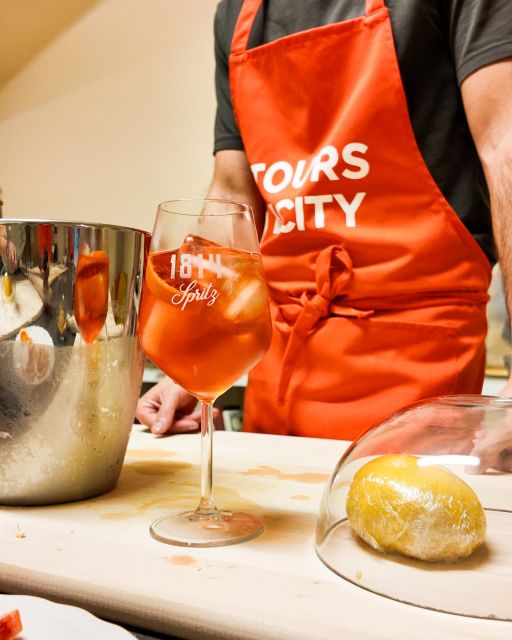
The experience lasts three hours, with starting times based on availability. Guides meet you outside the building at your exact booking time and wear orange aprons, so finding the entrance should be straightforward.
Wear comfortable shoes and comfortable clothes. Pasta making involves standing, leaning over a work surface, and handling flour, so this is not the moment for delicate clothing or uncomfortable footwear.
Tell the operator about dietary requirements in advance. Severe food allergies may prevent the team from hosting you. The class is specifically not suitable for vegans, vegetarians, or people with gluten intolerance.
There is a large flight of stairs. If you use a wheelchair or crutches, or have serious difficulty with stairs, this experience is not recommended. That is a key practical concern, not a minor footnote.
The teaching language is English. The class has a 4.9 rating from 775 reviews, and 93 percent of ratings are perfect scores. Those figures point to a strong record, but they do not remove the practical limits around food restrictions, stairs, or the prepared ragù.
Cancellation is free up to 24 hours before the scheduled start, and you can reserve while paying later. That gives you some flexibility when planning a Bologna itinerary.
Who should book this class?
I would choose this for first-time pasta makers, food-focused visitors, solo visitors who want an easy social activity, and families with older children who can take part in a three-hour kitchen session. It also works well near the beginning of a Bologna stay because the class introduces local ingredients and gives you a useful pasta method to practice later.
It suits people who enjoy a full evening of food and conversation more than those seeking a formal chef’s course. The social games, shared wine, and changing instructor teams are part of the appeal.
Couples can enjoy it, but I would not book it expecting a private date-night setting. You will be working with a group and sharing the meal with new people.
Should you book the Bologna pasta class?
Book it if you want to make pasta by hand, eat a proper Bolognese meal, and meet people in a relaxed setting. The combination of tagliatelle, Casoni Spritz, Pignoletto, Sangiovese, coffee, amaro, and gelato gives you a lot for $79.
Skip it if you need a vegetarian or gluten-free menu, require step-free access, or insist on preparing the ragù yourself. For everyone else, this is a practical and cheerful way to spend three hours in Bologna, with skills you can use once you are back home.
FAQ
How long does the Bologna pasta class last?
The experience lasts three hours.
What pasta do you make?
You make fresh tagliatelle from eggs and flour, using your hands and a rolling pin rather than a pasta machine.
Is the ragù made during the class?
No. The ragù is prepared in advance by the cooking team, then served with your freshly made tagliatelle.
What drinks and food are included?
The class includes Piadina, Mortadella, Pignoletto sparkling wine, a Casoni Spritz, Sangiovese red wine, tagliatelle with ragù, water, soft drinks, Moka coffee, amaro, and gelato with balsamic vinegar.
Is the experience suitable for vegetarians, vegans, or people with gluten intolerance?
No. The class is not suitable for vegans, vegetarians, or people with gluten intolerance. You should also report dietary requirements and severe allergies before booking.
Is the cooking class wheelchair accessible?
No. There is a large flight of stairs, and the experience is not recommended for people who use a wheelchair or crutches or have similar mobility needs.
More Tiramisu and Dessert Classes in Bologna
- Bologna: Original Lasagna & Gelato Class at a Cooking School
★ 4.9 · 59 reviews - Gelato Making Class in Bologna City center Cooking School
★ 4.7 · 43 reviews
More Pasta Making Classes in Bologna
- Authentic Bologna Home Cooking Class: Tagliatelle & Tortellini
★ 4.5 · 136 reviews - Bologna: Pasta & Tiramisu Cooking Class at a Local’s Home
★ 4.9 · 67 reviews - Bologna: Pasta & Tiramisu Cooking Class at a Local’s Home
★ 4.9 · 54 reviews - Learn and taste the real bolognese ragù and pasta making
★ 4.8 · 32 reviews
Just added around Bologna
- 3 hour Lasagna Bolognese cooking class★ 5.0 · 6 reviews
- Tortelloni and Tagliatelle Cooking Class in Bologna + Wine★ 3.0 · 2 reviews
- Traditional Bolognese Cooking Class in Bologna with Giovanna S★ 5.0 · 6 reviews
- Pasta Making Class: Tagliatelle & Bolognese Sauce★ 5.0 · 15 reviews
- Bologna Walking Tour & Traditional Cooking Class with Wine★ 5.0 · 3 reviews
- Bolognese Cooking Class with Margherita in the Historic Center★ 5.0 · 26 reviews
- Home Cooking: Pasta Making with Natural Colors in a Tiny Group★ 5.0 · 6 reviews
- Private Market Tour and Cooking Class in Bologna with Giovanna C★ 5.0 · 20 reviews
Pasta Making Classes, compared.
3 in 1 Cooking Class near Navona: Fettuccine, Ravioli & Tiramisu
Read our review →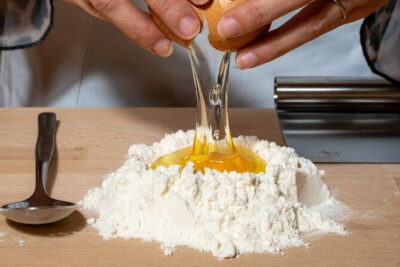
Pasta & Tiramisu Cooking Class with Unlimited Wine
Read our review →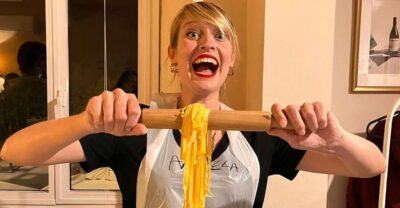
Pasta Making Class with Wine, Limoncello, and Dessert
Read our review →
Rome Cooking Class: Make Pasta and 3 Spritz Cocktails
Read our review →
3-in-1 Fettuccine, Ravioli, and Tiramisu Cooking Class
Read our review →