REVIEW · BOLOGNA, ITALY
Bologna Local Pasta Cooking Class, Ragu, Spritz, Wine & Gelato
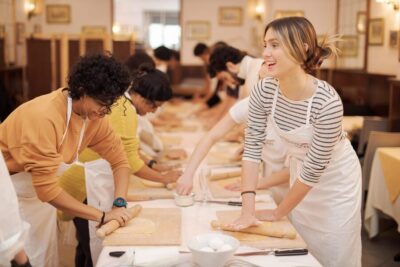
Flour, eggs, wine, and good company make Bologna shine. This three-hour cooking class gives you a practical taste of the city’s food culture, with hand-rolled tagliatelle, homemade ragù, local aperitivo, San Giovese, coffee, amaro, and gelato. I like the small-group format and the fact that you make pasta by hand rather than watching a machine do the work.
I also like how much food and drink are folded into the lesson. You begin with Mortadella, piadina or Crescenta, and Pignoletto, then prepare a Casoni spritz before sitting down to eat. The main consideration is that the ragù is prepared before class, so you learn to make the pasta but not the sauce itself.
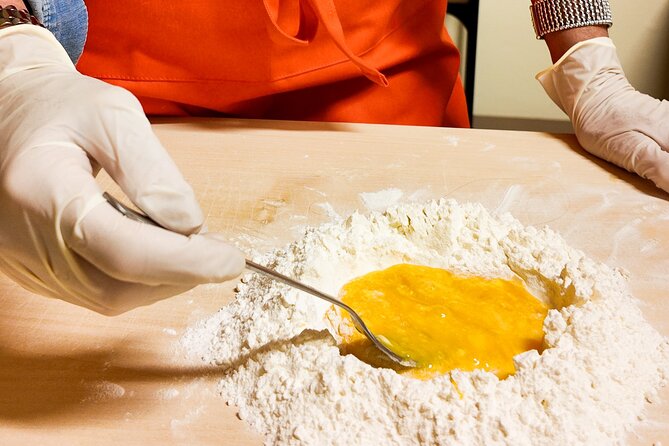
- Handmade tagliatelle: Mix eggs and flour, roll the dough with a pin, and cut the pasta yourself.
- Bolognese aperitivo: Start with Mortadella, Crescenta or piadina, and local Pignoletto wine.
- Casoni spritz lesson: Learn a regional cocktail made with local herbs and recipes.
- Full meal included: Eat tagliatelle with homemade ragù, Parmigiano Reggiano, and San Giovese.
- Small, social setting: The class is designed for a maximum of 13 people, with sessions often kept smaller.
- Recipes for home: Recipes can be sent by email as PDFs, and extra pasta may be available to cook later.
A Three-Hour Taste of Bologna’s Food Culture
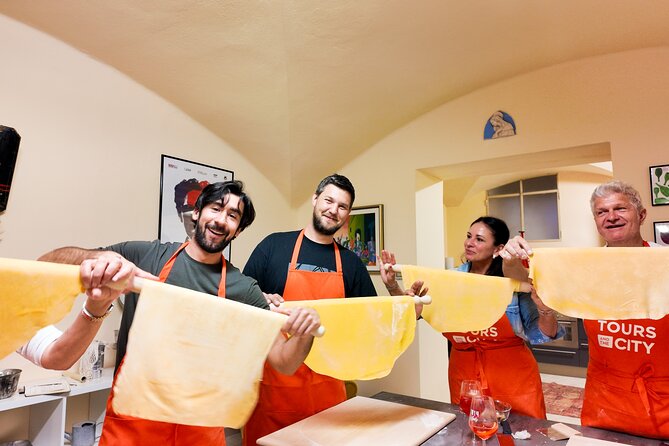
Bologna is often called Italy’s food capital, and this class gives that title some practical meaning. You are not simply shown a plate of pasta and told that it is traditional. You work with the basic ingredients, handle the dough, shape the noodles, and eat what you make.
The setting is a traditional Bolognese kitchen near Piazza Galileo Galilei in the old town. That central meeting point matters. You can fit the class into a day of sightseeing without making a separate trip across the city, and the activity ends where it begins.
The class is offered in English. Guides vary by session, but past classes have included instructors such as Sonia, Stella, Stefania, Claudia, Roberta, Lucrezia, Valentina, and Beatrice. The names change, yet the pattern is consistent: two instructors often share the work, with one leading the pasta lesson and another handling drinks, food, and the flow of the meal.
The tone is informal and social. You sit, cook, taste, and talk with the other participants. That makes this a good choice if you are traveling alone, as well as if you are booking as a couple, family, or group of friends.
Starting with Mortadella, Crescenta, and Pignoletto
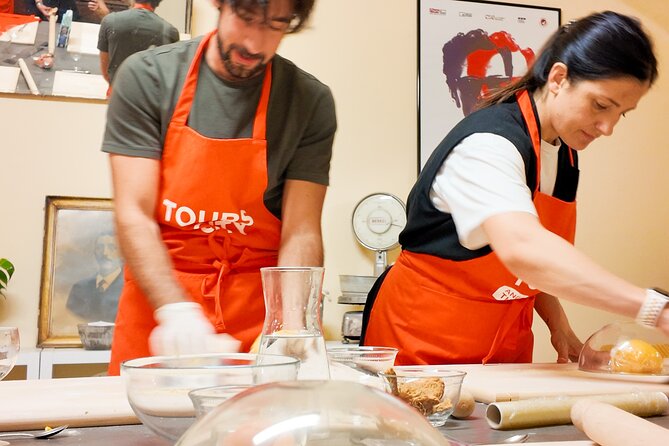
The opening aperitivo is more than a snack while you wait for the flour. You begin with local Pignoletto, a white wine from Emilia-Romagna, along with Mortadella and Crescenta or piadina. These are useful introductions to the region’s everyday food rather than restaurant-style decorations.
Mortadella is Bologna’s famous sausage, smooth and delicately seasoned. Crescenta and piadina bring in the bread side of the local table. The portions are intended to get the group comfortable and ready to cook, not replace lunch or dinner.
I like this start because it gives the class a natural rhythm. You meet the people at your table over food, hear the first cooking instructions, and get a taste of local products before tackling the dough.
The drinks are also part of the lesson. You are not expected to drink wine in silence while someone else cooks. The point is to connect the food with the way people eat in Bologna: slowly, socially, and with several small pleasures along the way.
More Cooking Classes with Wine Tasting in Bologna
- Bologna: Pasta Cooking Class, Ragu, Spritz, Wine & Gelato
★ 4.9 · 775 reviews - Bologna: Pasta and Tiramisu Cooking Class with Wine
★ 4.7 · 507 reviews - Bologna: Pasta and Tiramisu Small Group Cooking Class with Wine
★ 5.0 · 409 reviews
Mixing Egg and Flour by Hand
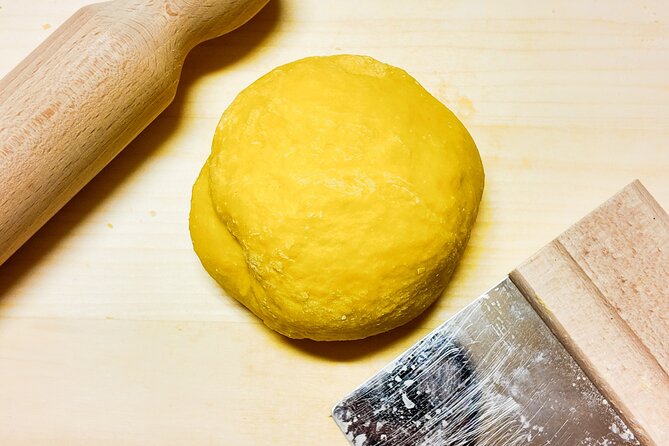
The central lesson uses only eggs and flour. That simplicity is part of the appeal. You quickly see that fresh pasta does not require a long shopping list or expensive equipment, but it does require attention to texture.
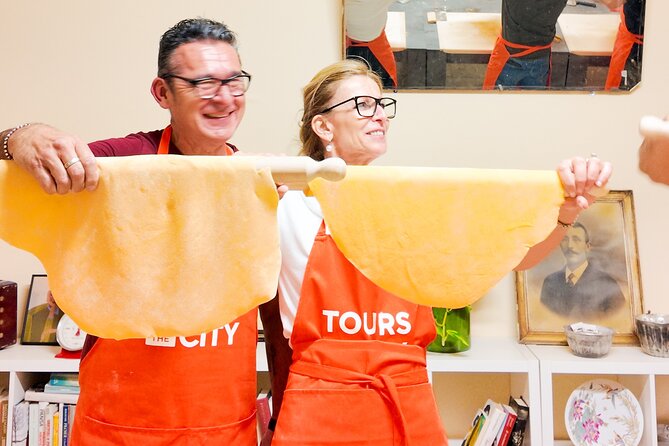
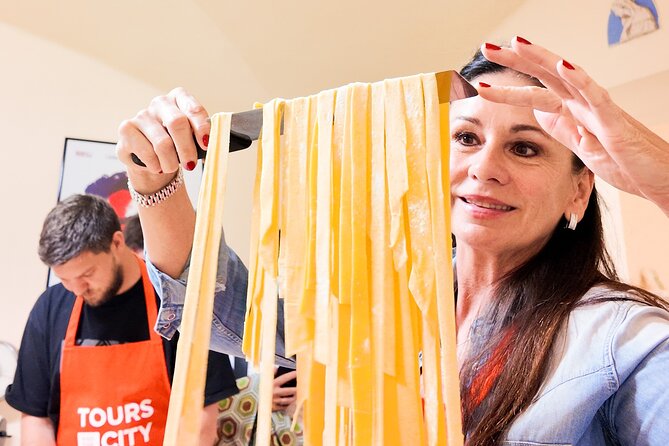
The instructor guides you through mixing the dough and explains how to bring it together. Then comes the physical part: rolling the dough by hand. There are no pasta machines doing the work for you, so your rolling pin becomes the main tool.
For beginners, this is reassuring. Several instructors are used to helping people through rough patches, and the class is designed so that a first-time pasta maker can take part. You do not need to arrive with Italian cooking skills.
For experienced home cooks, the lesson still has value. The hands-on format lets you compare your own technique with a local method, and the food context adds something beyond a standard recipe demonstration. One participant who already made pasta at home still found useful tips in the class.
The work can be messy. Flour gets on the table, dough may need extra attention, and cutting even strips of tagliatelle takes a little care. That is exactly why this works better than a polished demonstration. You remember the process because your hands do it.
Learning the Casoni Spritz
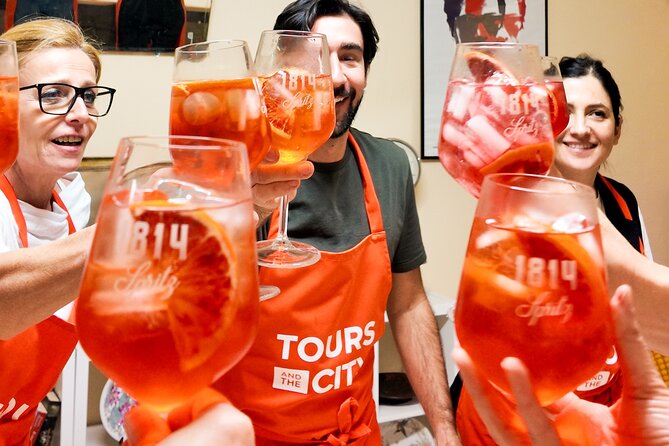
While the pasta dough is being prepared, you also learn to make a Casoni spritz. This is not simply a standard international aperitivo poured from a bottle. Casoni is associated with Emilia-Romagna and uses local herbs and recipes.
The class gives the spritz its own place in the meal. You make the drink, taste it, and continue cooking with it on the table. Some sessions have also included comparisons between Campari and Aperol spritzes, which can help you notice how bitter or sweet aperitivo drinks differ.
This part suits anyone who likes food classes with a social side. It also breaks up the pasta work. Rolling dough for a long stretch can become repetitive, while a short drink lesson gives the group another topic to discuss.
Keep in mind that this is an adult-style meal with wine, liqueurs, and amaro. Children are welcome, but the menu and pace are aimed more at adults than at young children who need constant entertainment.
Tagliatelle with Homemade Ragù
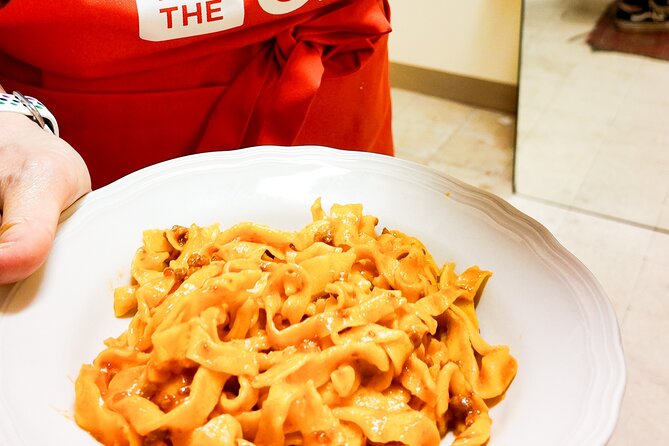
Once the dough is rolled and cut, the pasta is dried briefly before cooking. The class then boils it and pairs it with the house-made ragù, Parmigiano Reggiano aged for 24 months, and local red San Giovese wine.
The pasta is the part you make yourself. The ragù is homemade, but it is prepared in advance because there is not enough time to cook the sauce from start to finish during a three-hour session. That distinction is important if you are booking specifically to learn traditional Bolognese sauce.
Still, tasting the sauce alongside fresh tagliatelle teaches you something useful. You can feel the difference between soft, freshly made pasta and dried pasta from a packet, and you can see why the shape matters. Tagliatelle holds a meat sauce well, giving the dish a generous, balanced bite.
The meal also gives you time to sit down properly. You are not eating a quick sample between demonstrations. The food you made becomes the main course, with wine and conversation continuing around the table.
Several sessions have left participants with extra pasta to cook at home. That is a nice practical bonus, though you should not assume every class will produce leftovers. Recipes can also be sent by email in PDF form on request, which makes it easier to repeat the dish after returning home.
More Cooking Classes with Wine Tasting in Italy
- Bologna: Pasta Tagliatelle al Ragu Cooking Class with Wine
★ 4.7 · 225 reviews - Bologna: In-Home Italian Pasta Making Workshop with Wine
★ 4.7 · 131 reviews - Bologna: Pasta Cooking Class, Ragu & Wine with Local Host
★ 4.9 · 113 reviews - Bologna: Tagliatelle & Ragù Home Cooking Class with wine
★ 4.5 · 55 reviews
Coffee, Amaro, and Mystery Gelato
The final course keeps the focus on local habits. You finish with coffee, amaro, and a mystery gelato. The surprise flavor is part of the fun, and past meals have included regional touches such as aged balsamic vinegar from Modena served with dessert.
Amaro is an herbal after-dinner drink, often taken in a small portion. If you prefer not to drink it, the meal still includes coffee and gelato. The finish feels more like a shared Italian meal than a cooking school graduation.
The dessert is also a good reason not to schedule something immediately after class. The advertised length is about three hours, but cooking, eating, and conversation work best when you are not watching the clock.
What the Group Size Means
The class is promoted as a small-group activity, with a stated limit of 10 in the highlights and a maximum of 13 in the additional information. That difference is worth noting when you book. Even at 13 people, the format remains much more personal than a large demonstration, but it may not feel intimate in the same way as a four-person session.
Some classes have been especially small, with four people working in a well-arranged room. Other sessions have had around eight participants. The instructors appear to adjust their attention to the group, helping with dough, rolling, cutting, and drink preparation.
A social group is one of the best parts of this experience. You eat together, compare pasta shapes, and may leave with new dinner companions. If you want a silent, private lesson, this is not the right format. If you enjoy meeting people over food, the shared table is a major advantage.
The Price: Strong Value for a Full Meal
At $59.26 per person, the class is priced well for a three-hour activity that includes instruction, food, wine, cocktails, coffee, liqueur, and gelato. You are also paying for a skill you can repeat at home, not just for a meal that disappears after one sitting.
The value is strongest for anyone who would otherwise book a pasta-making class and then pay separately for lunch or dinner. Here, the cooking lesson and meal are combined. The drinks are not an afterthought either, since Pignoletto, Casoni spritz, San Giovese, coffee, and amaro all form part of the experience.
The price may feel less attractive if you want a detailed lesson on ragù, because the sauce is made ahead. It may also be more than you want to spend if you only want a quick food tasting. For a hands-on class with a substantial meal, though, it is a fair deal.
The activity is popular enough that it is booked an average of 27 days ahead. If your Bologna dates are fixed, I would reserve early, especially if you want a particular day or are traveling during a busy period.
Who Will Enjoy This Class Most
I would recommend this class to first-time pasta makers, couples, solo visitors, families with older children, and anyone who likes meeting people over a shared meal. The instructors keep the process approachable, and the recipes are simple enough to repeat.
It also works for experienced cooks. You may not learn every secret of Bolognese cuisine in three hours, but you will get a local method, useful practice with hand-rolled pasta, and a better sense of how tagliatelle fits into the regional table.
You should think twice if you have severe allergies or strict dietary requirements. Gluten-free pasta and vegetarian sauces can be accommodated, but you need to give advance notice, and the experience may not suit every restriction. The menu is built around wheat, eggs, meat, dairy, and alcohol, so ask before booking if your needs are complex.
Children can attend, but this is not designed as a children’s entertainment program. Young participants need to be comfortable with a three-hour cooking and dining session.
Practical Details Before You Go
The meeting point is Piazza Galileo Galilei, 40123 Bologna, and the activity returns there at the end. The location is near public transportation, making it easy to connect with the rest of your Bologna plans.
Wear something comfortable and suitable for cooking. The class is hands-on, so you will be working with flour and dough rather than sitting back for the whole session. You may also want to leave room in your schedule afterward for a relaxed walk, since the meal includes several courses and drinks.
Tell the provider about dietary restrictions before the class. Do not wait until you arrive, especially if you need gluten-free pasta or a vegetarian sauce.
Cancellation is free up to 24 hours before the start time. Inside that window, the payment is not refunded and changes are not accepted.
Should You Book the Bologna Pasta Class?
Book it if you want a friendly, practical food activity that combines cooking with a full Bolognese meal. The strongest reasons are the hand-rolled tagliatelle, the relaxed instructors, the local drinks, and the chance to sit down and eat with the people you met while cooking.
Do not book it expecting a full ragù workshop. The sauce is homemade, but it is prepared before the class. Also check the group size and dietary arrangements if either matters greatly to you.
For most visitors, this is a good-value introduction to Bologna’s food traditions. You leave with a meal in your memory, a recipe in your inbox, and enough pasta-making confidence to try again at home.
FAQ
How long does the Bologna pasta cooking class last?
The activity lasts approximately three hours.
Where does the class meet?
The meeting point is Piazza Galileo Galilei, 40123 Bologna, Italy. The activity ends back at the meeting point.
What pasta will I make?
You will make tagliatelle by hand using eggs and flour. The dough is rolled with a rolling pin and cut into pasta without using machines.
Is the ragù made during the class?
No. The ragù is homemade but prepared in advance because there is not enough time to make it during the class.
What food and drinks are included?
The menu includes Pignoletto, Mortadella, Crescenta or piadina, a Casoni spritz, handmade tagliatelle with ragù and Parmigiano Reggiano, San Giovese, coffee, amaro, and mystery gelato.
Is the class suitable for vegetarians or people who need gluten-free food?
Gluten-free pasta and vegetarian sauces can be accommodated, but you must provide advance notice. The experience may not suit people with severe allergies or strict dietary requirements.
How many people attend the class?
The activity is described as a small-group class. The highlights mention a limit of 10 people, while the additional information gives a maximum of 13 participants.
Can children join the cooking class?
Yes, children are welcome. However, the menu and the three-hour experience are designed mainly for adult participation.
More Tiramisu and Dessert Classes in Bologna
- Bologna: Original Lasagna & Gelato Class at a Cooking School
★ 4.9 · 59 reviews - Gelato Making Class in Bologna City center Cooking School
★ 4.7 · 43 reviews
More Pasta Making Classes in Bologna
- Authentic Bologna Home Cooking Class: Tagliatelle & Tortellini
★ 4.5 · 136 reviews - Bologna: Pasta & Tiramisu Cooking Class at a Local’s Home
★ 4.9 · 67 reviews - Bologna: Pasta & Tiramisu Cooking Class at a Local’s Home
★ 4.9 · 54 reviews - Learn and taste the real bolognese ragù and pasta making
★ 4.8 · 32 reviews
Just added around Bologna
- Traditional Bolognese Cooking Class in Bologna with Giovanna S★ 5.0 · 6 reviews
- 3 hour Lasagna Bolognese cooking class★ 5.0 · 6 reviews
- Tortelloni and Tagliatelle Cooking Class in Bologna + Wine★ 3.0 · 2 reviews
- Pasta Making Class: Tagliatelle & Bolognese Sauce★ 5.0 · 15 reviews
- Bologna Walking Tour & Traditional Cooking Class with Wine★ 5.0 · 3 reviews
- Bolognese Cooking Class with Margherita in the Historic Center★ 5.0 · 26 reviews
- Home Cooking: Pasta Making with Natural Colors in a Tiny Group★ 5.0 · 6 reviews
- Private Market Tour and Cooking Class in Bologna with Giovanna C★ 5.0 · 20 reviews
Pasta Making Classes, compared.
3 in 1 Cooking Class near Navona: Fettuccine, Ravioli & Tiramisu
Read our review →
Pasta & Tiramisu Cooking Class with Unlimited Wine
Read our review →
Pasta Making Class with Wine, Limoncello, and Dessert
Read our review →
Rome Cooking Class: Make Pasta and 3 Spritz Cocktails
Read our review →
3-in-1 Fettuccine, Ravioli, and Tiramisu Cooking Class
Read our review →