REVIEW · BEIJING, CHINA
Private Hutong Culture Tour with Dumpling Cooking Class plus Cricket Fighting Game
Old Beijing comes alive in its narrow lanes. This six-hour private tour combines hutong exploration with a rickshaw ride, temple visits, a dumpling lesson, and lunch in a local family home. I like the way it moves beyond major sights, and I like that your guide stays with you throughout the day. The main consideration is the price: at $176.72 per person, this is a costly outing unless you value private transport, a personal guide, and several included activities.
The schedule is full but well shaped. Lily, one of the guides, helped make the dumpling class especially enjoyable, according to the available feedback. You should also be ready for walking, stairs at the Drum Tower, and outdoor time in all weather.
Key points to know before booking

- Rickshaw through Beijing’s hutongs: Ride through narrow old lanes while your guide explains traditional gates, shops, and local life.
- Dumplings made in a family home: The cooking lesson leads directly to a home-style lunch, making this more than a sightseeing stop.
- Cricket fighting included: This unusual traditional game adds a distinctly local touch, though it may not appeal to everyone.
- Two important temple visits: Lama Temple shows Han and Tibetan design, while the Confucius Temple offers old trees and 198 stone steles.
- Drum Tower views: Climbing the tower gives you a broad look toward old Beijing and the Shichahai area.
- Private pickup and return: Hotel transport, entrance tickets, parking, tolls, lunch, and the rickshaw ride are included.
Why this six-hour tour feels different
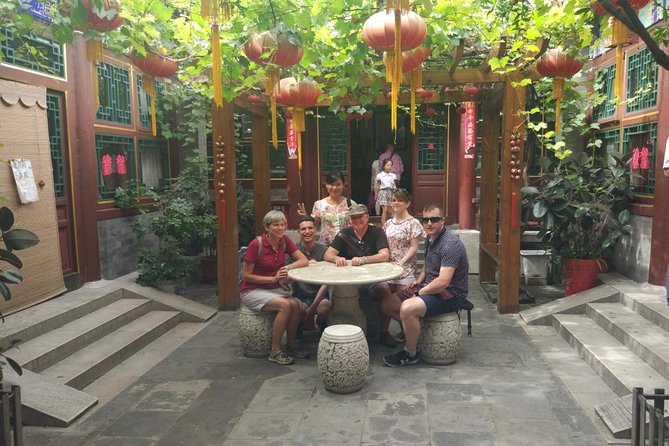
Many Beijing sightseeing days focus on grand imperial buildings and huge public squares. This one shifts your attention to the city’s smaller scale: temple courtyards, old alleyways, family cooking, and the waterways around Shichahai.
That mix is the central strength. You get cultural landmarks in the morning, a personal food experience around midday, and a view over the old city in the afternoon. The day gives you several ways to understand Beijing rather than asking you to look at one more impressive building and move on.
I also like the private format. Your guide can explain what you are seeing, adjust the pace, and help with the cooking session. The maximum group size is 15, but the tour is described as private, so it is worth confirming the exact arrangement when booking if a fully private vehicle and guide are important to you.
The tour costs $176.72 per person. That is not a bargain for a six-hour activity, especially for a solo visitor. Still, the price includes hotel pickup and drop-off, a private vehicle, entrance tickets, a rickshaw ride, lunch, parking, tolls, and a professional guide. If you would otherwise arrange separate transport to several sights and pay for meals and admissions, the cost becomes easier to justify.
More Private Cooking Classes in China
- Private Cooking Class: Make Your Own Dim Sum In Shanghai
★ 5.0 · 27 reviews - Private Home Cooking Class with Shanghai Mama
★ 5.0 · 14 reviews - Private Panda Tour with Cooking Class One-day Trip
★ 5.0 · 11 reviews
Lama Temple and its enormous wooden Buddha
The morning begins with pickup from your centrally located Beijing hotel. A private vehicle takes you to Lama Temple, also known as Yonghegong, one of the city’s best-known Tibetan Buddhist monasteries.
The site began as a prince’s palace before becoming a temple in the 18th century. Its design blends Han Chinese and Tibetan Buddhist elements, giving you a useful introduction to the different traditions that shaped the complex.
The major highlight is the enormous wooden Buddha statue. The tour description identifies it as the world’s largest wooden Buddha statue, so this is not a quick courtyard visit with nothing specific to look for. Your guide can help you understand which halls and details matter, rather than leaving you to wander without context.
You have about one hour here. That is enough for a focused visit, though not enough for an unhurried look at every corner. Wear shoes that are easy to walk in, since the tour continues through temple grounds and old lanes later in the day.
Confucius Temple and the quiet Guozijian setting
Next comes the Temple of Confucius and Guozijian Museum. The temple honors Confucius and was used during the Yuan, Ming, and Qing dynasties. It offers a different mood from Lama Temple, with more emphasis on learning, ceremony, and classical Chinese thought.
The complex contains more than 100 ancient trees and 198 stone steles. Those steles are one of the most specific reasons to visit. They give the site a physical record of scholarship and official tradition, while the trees soften the setting and make this a calmer stop than many of Beijing’s larger attractions.
You have another hour here. I would pay attention to the contrast between the two temples. Lama Temple is known for its Buddhist worship and Tibetan influence. The Confucius Temple reflects the civic and educational ideals that shaped Chinese government and society for centuries.
This portion suits anyone who likes context. If you only want dramatic photo stops, it may feel slower. Your guide matters here, because a good explanation can turn old trees and stone inscriptions into a readable part of Beijing’s past.
A rickshaw ride into the old hutongs
The tour then shifts from formal monuments to the hutongs, Beijing’s old residential lanes. You board a rickshaw and travel through narrow alleys lined with traditional-style gates and small shops.
The rickshaw is useful because it lets you see more than you could comfortably cover on foot in a short time. It also changes your viewpoint. Instead of looking at the lanes from a main road, you move at a slower pace through the older neighborhood fabric.
Your guide points out gates and shops along the route. The supplied information does not promise a particular neighborhood story or a specific rickshaw route, so expect the exact sights to depend on local conditions and the day’s schedule. That is not a flaw, but it means you should think of this as a guided introduction rather than a detailed architectural survey.
The hutong portion is one of the most authentic parts of the day because it focuses on ordinary urban spaces, not only famous monuments. It also requires courtesy. These lanes are connected to homes and daily life, so follow your guide’s lead and avoid treating every doorway as a photo prop.
More Chinese Cooking Classes in China:
- Flavors of Beijing: Eat Like A Real Chinese
★ 5.0 · 78 reviews - Online Cooking Class Beijing Dumplings and Cuisine by Sunflowerli Renowned Chef
★ 5.0 · 65 reviews - Shanghai-Cooking Dumpling & Meal in Local Family-w/Vegan
★ 4.9 · 36 reviews - 2.5hrs Chinese Kitchen Cooking Class: Xiaolongbao Soup Dumplings
★ 5.0 · 12 reviews
Dumpling making in a local family home
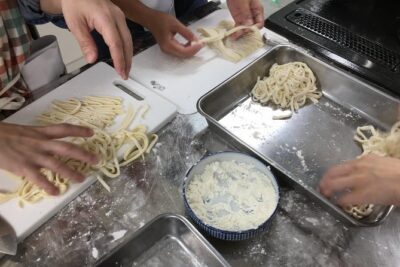
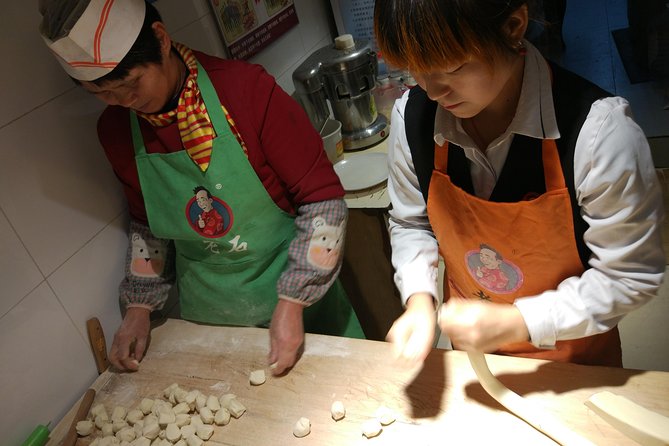
The strongest part of the tour is likely the cooking session. You visit a local family’s home, watch a demonstration, and learn to make Chinese dumplings before sitting down to a home-style lunch.
This is where the tour becomes hands-on. You are not simply being served a dish in a restaurant. You take part in preparing it, then eat the result as part of the same visit. The experience also gives you a practical connection to Chinese food traditions without requiring a formal cooking school.
One available review praises Lily by name and specifically highlights the dumpling making and the food. That makes the guide’s role worth noting. The quality of this stop will depend heavily on how clearly your guide explains the process and how comfortable the household is with hosting visitors.
Tell the company about dietary needs when you book. A vegetarian option is available, but you must request it in advance. The included lunch is a major value point, especially because it follows an activity rather than being an unrelated restaurant meal.
You should also allow for a little mess. Cooking dumplings is a hands-on activity, and that is part of its appeal. Do not expect a polished cooking demonstration where you only watch. The point is to try the task yourself.
Cricket fighting, an unusual cultural stop
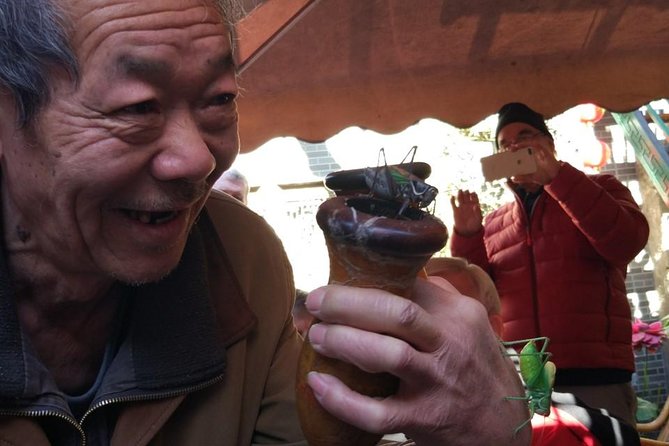
During the family visit, you watch a cricket fighting game. This is an uncommon inclusion on a standard Beijing sightseeing day, and it gives the tour a memorable local detail.
The activity may appeal to you if you enjoy traditional games and small cultural customs that do not appear on every city itinerary. It may be less comfortable if you dislike animal contests or expected the day to focus only on food and architecture. The information provided does not explain the rules, length, or exact format, so your guide will be the best source of explanation on the day.
I would treat this as a short cultural demonstration rather than the main reason to book. The dumpling lesson, family meal, hutongs, and temples carry most of the tour’s value. Cricket fighting adds character, but it will not be a universal favorite.
Climbing the Drum Tower for an old Beijing view
After lunch, you climb the Drum Tower for a panoramic view of the old Beijing and Shichahai area. This is the day’s best high point, literally and visually.
The tower gives you a chance to look back at the city you have been walking through. From ground level, hutongs can feel enclosed and maze-like. From above, you can better understand their layout and see how the old neighborhoods sit within modern Beijing.
The tour includes admission, but the climb does require effort. Comfortable walking shoes are specifically recommended, and you should be prepared for stairs. Anyone with concerns about climbing should consider that this stop is part of the planned schedule.
The view also works well after the family visit. You have spent the earlier part of the day looking closely at courtyards and alleys. The Drum Tower lets you widen your view before returning to street level.
Yandai Xie Street and the walk toward Houhai Lake
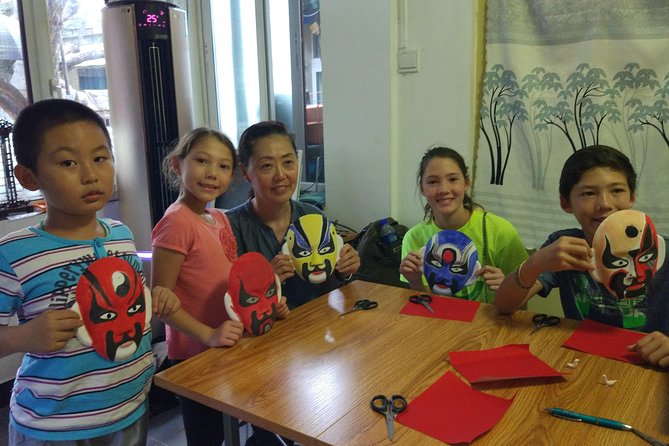
From the Drum Tower, the route continues on foot to Yandai Xie Street, an old lane dating to the Yuan Dynasty period in the 13th and 14th centuries. The walk lasts about 30 minutes, followed by time around the Shichahai Scenic Resort and Houhai Lake.
Yandai Xie Street gives you another look at historic Beijing, this time along a well-known old lane rather than a quieter residential passage. Because it is an established sightseeing area, it may feel more commercial and more visitor-oriented than the hutongs visited by rickshaw. That contrast is useful: you see both the lived-in lanes and a preserved historic street.
The tour ends at Houhai, part of the Shichahai area. The final stop is relatively short, but it gives the day a pleasant sense of movement from temple courtyards to hutongs, then toward the water.
Afterward, private transport returns you to your hotel. That return matters after six hours of walking, climbing, and sightseeing. You are not left to work out a complicated route back across Beijing.
Timing, walking, and group details
The full experience lasts about six hours. The listed stops include one hour at Lama Temple, one hour at the Confucius Temple, two hours for the hutong ride, cooking, cricket fighting, and lunch, one hour for the Drum Tower area, 30 minutes on Yandai Xie Street, and 30 minutes around Shichahai.
The schedule is active but not built around rushing from one major attraction to another. You will walk through temple grounds, ride in a rickshaw, climb the Drum Tower, and walk between the later stops. Comfortable shoes are essential.
The tour operates in all weather. Dress for the forecast, since some of the day takes place outdoors and the hutong portion is not a fully indoor activity. Children must be accompanied by an adult, and most people can participate.
Hotel pickup is offered from centrally located Beijing hotels. The information does not state the exact pickup area, so check your hotel location before booking. Mobile tickets are supported, and confirmation is received at booking.
Who gets the most value from this experience
I would recommend this tour to you if you want a first look at old Beijing without arranging several separate bookings. It suits couples, families, and small groups who like mixing major cultural sites with food and hands-on activities.
It is also a good choice if you want a guide who can connect the stops. The temples, hutongs, family meal, Drum Tower, and Shichahai area make more sense when someone explains how they fit into the city.
The tour may not suit you if you prefer a slow day at one museum, want a fully independent route, or dislike scheduled activities. The cricket fighting game may also be a personal concern. At $176.72 per person, budget-conscious visitors may prefer public transport and separate admission tickets, though that approach will not provide the same private transport or family cooking visit.
The available rating is five out of five from five reviews, with particular praise for Lily, the dumpling activity, and the food. That is a small sample, so I would not treat it as a guarantee. Still, the praise points toward the tour’s real strength: the personal feel of the meal and cooking session.
Should you book this Beijing hutong tour?
Book it if you want a guided, all-in-one day that combines temples, old lanes, local food, a rickshaw ride, and a city view. The family dumpling session gives the tour more personality than a standard sightseeing loop, while hotel transport keeps the day simple.
Skip it if the price feels high for six hours or if you prefer to explore at your own pace. For the right person, the cost pays for convenience and access to experiences that are not easy to arrange alone. Request a vegetarian meal or other dietary needs in advance, wear comfortable shoes, and confirm pickup details before you go. Free cancellation is available when you cancel at least 24 hours before the start time.
FAQ
How long does the tour last?
The tour lasts approximately six hours.
Is hotel pickup included?
Yes. Pickup and drop-off are included for centrally located hotels in Beijing.
Is lunch included?
Yes. The tour includes a home-style lunch at a local family’s home after the dumpling-making activity.
Can I request vegetarian food?
Yes. A vegetarian option is available, but you should advise the company of your dietary requirement when booking.
Is the rickshaw ride included?
Yes. The rickshaw ride through the hutongs is included in the tour.
Does the tour include entrance tickets?
Yes. Entrance tickets for the included attractions are covered.
Is the tour private?
It is described as a private tour with a personal guide. The maximum group size is 15 travelers.
What happens if I need to cancel?
You can receive a full refund if you cancel at least 24 hours before the experience start time. Cancellations or changes made less than 24 hours in advance are not accepted for a refund.
Just added around China
- Private Panda Tour with Cooking Class One-day Trip★ 5.0 · 11 reviews
- Half-Day Private Hot-Pot Cooking Class with a Local Market Visit★ 5.0 · 3 reviews
- Half-day Chengdu Handmade Tofu Making and Mapo Tofu Cooking Class★ 5.0 · 3 reviews
- Half-day Dandan Noodles Cooking Class with a Local Market Visit★ 5.0 · 8 reviews
- Chengdu Dujiangyan Leshan Buddha Tea Plantation and Sichuan Cooking 3 Days★ 5.0 · 2 reviews
- Half day Chengdu Dumpling Class: Make from Scratch★ 5.0 · 8 reviews
- Half-Day Sichuan Cooking Class Experience in Chengdu★ 4.0 · 17 reviews
- Beijing: Private Dumpling Cooking Class in Local Family★ 5.0 · 3 reviews
Private Cooking Classes, compared.
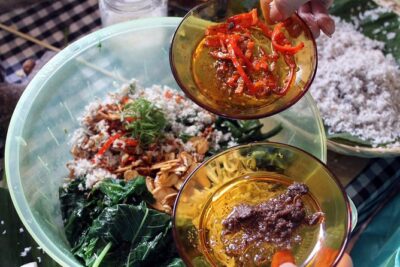
PRIVATE Authentic Balinese Cooking Class in Ubud at Putu’s Home
Read our review →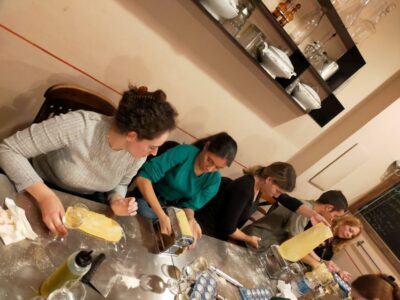
Pasta Making Class with Tiramisu & Wine PRIVATE OPTION
Read our review →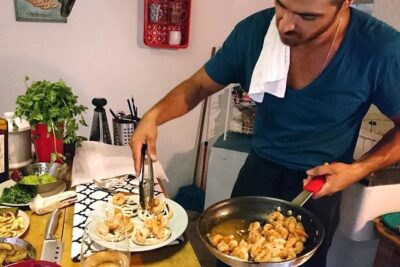
Private Market Tour & Cooking Class in Puerto Vallarta with Manu
Read our review →
Private Cooking Class with 5 dishes of your choice
Read our review →
Veg and Non veg : Private Cooking Class in Delhi home (7 meal)
Read our review →
PRIVATE Balinese Cooking Class in Ubud with Dewa with Transfers
Read our review →
VIP Mekong Delta Adventure Cycling & Kayaking – Private Day Trip
Read our review →