
REVIEW · BASQUE COUNTRY, SPAIN
Basque cooking class in San Sebastian
San Sebastián tastes better when you cook it. This hands-on class takes you from the Old Town to a private kitchen, where you prepare four Basque favorites and then sit down to eat them. I like the small-group setting, which allows room for knife tips, sauce help, and questions. I also like the local drinks pairing, especially the chance to try wine, txakoli, or cider with food you helped make.
The main consideration is the price: at $153 per person, this is not a cheap meal. You are paying for instruction, ingredients, drinks, and a guided introduction to Basque food, so it makes the most sense if you want to cook, not simply eat. The class lasts about 2.5 to 2 hours 45 minutes, and the group may include up to 10 people, although some sessions are much smaller.
Key points at a glance
- Four classic Basque dishes: Prepare tortilla, cod al pil pil, txuleta, and Basque cheesecake.
- A private Old Town kitchen: Meet at the San Sebastián tourism office, then walk with your guide to the cooking space.
- Personal help at the stove: The small group format leaves time for knife skills, timing, and sauce technique.
- Local drinks with the meal: Taste your food with wine, txakoli, or cider from the region.
- Friendly bilingual support: The class is offered in English, with translation available when needed.
- Strong satisfaction record: The experience has a 4.8 rating from 10 reviews, with particular praise for the chefs, guides, food, and welcoming tone.
Meeting in San Sebastián’s Old Town
Your meeting point is the San Sebastián tourism main office at Alameda del Blvd., 8. Wait outside the office for your guide rather than going inside to search for the group.
From there, the guide leads you through the Old Town to the cooking location. The kitchen is described as a private, tucked-away space, which gives the class a more personal feel than a large commercial cooking studio. The short walk also helps place the meal in its setting: this is not a generic Spanish cooking lesson, but a class tied to Donostia and its strong food culture.
Guides have added more than directions. Fabio, for example, was praised for explaining local customs and history, while another guide offered suggestions for nearby sights during the walk. Ana was also singled out for making the experience more interesting. These small touches matter because they help connect the recipes to the city around you.
The meeting point is central, but you should still arrive with enough time to find the tourism office. The class does not begin at the kitchen itself, and the instructions specifically ask you to wait outside the office for the guide.
A few more cooking classes around Spain worth a look
- Barcelona: Paella Cooking Experience & Boqueria Market Tour
★ 4.8 · 3,661 reviews - Barcelona Paella Cooking Class with Market Visit, Tapas & Sangria
★ 5.0 · 2,531 reviews - Barcelona Interactive Spanish Cooking Experience
★ 4.5 · 2,155 reviews
Four dishes that explain Basque cooking
The class focuses on four dishes, each teaching a different part of the Basque kitchen. You will not simply watch a chef prepare lunch. You will work through the recipes with guidance, then eat the results as a meal.
Spanish omelette and the art of timing
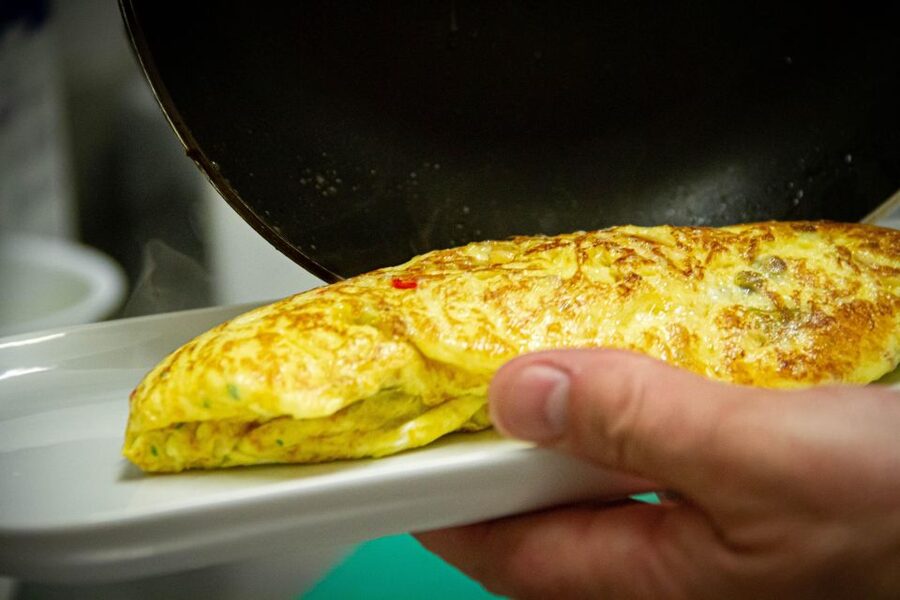
The creamy Spanish omelette, or tortilla, looks simple on the plate. It is not always simple to get right. You learn how to manage the potatoes, eggs, heat, and turning process so the center stays soft rather than dry.
This is the sort of recipe where small adjustments matter. A cooking class gives you a chance to see the texture at each stage and ask why the chef makes a particular move. The lesson is useful beyond San Sebastián because tortilla is one of the most practical Spanish dishes to recreate at home.
Cod al pil pil and a difficult sauce
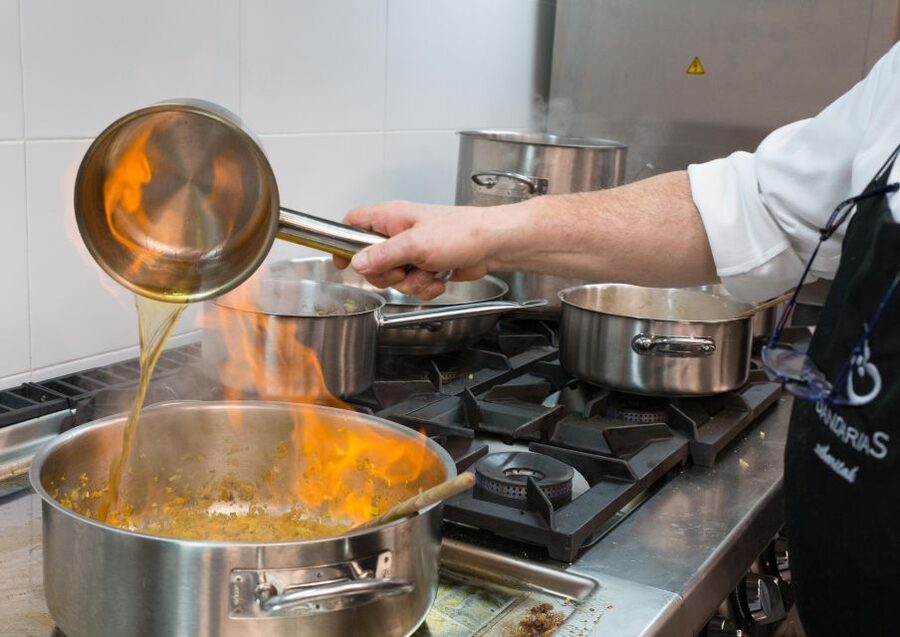
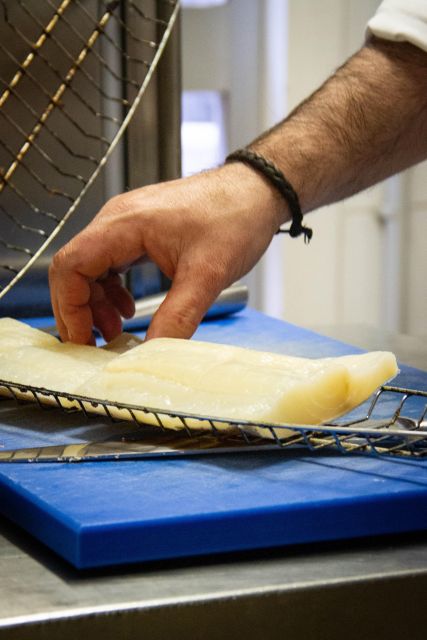
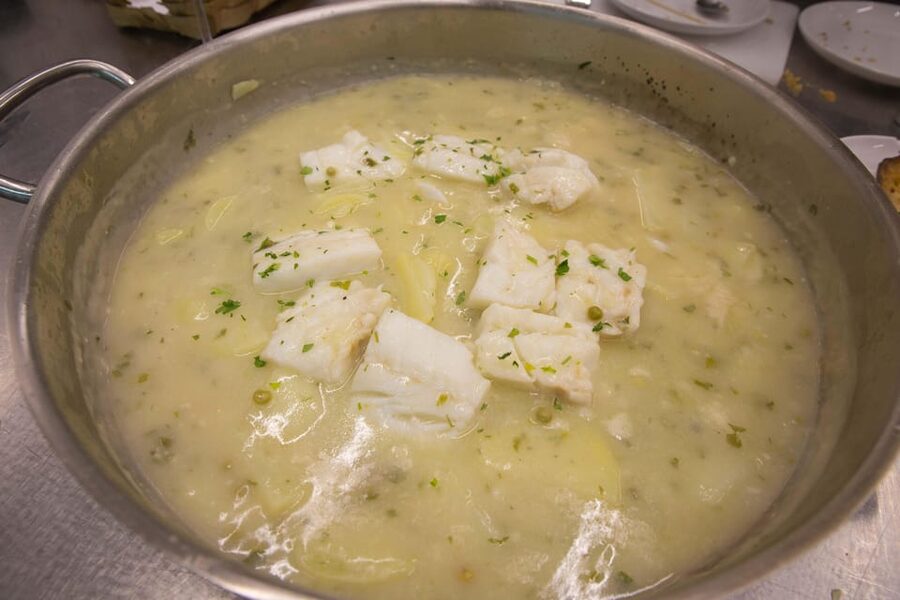
Cod al pil pil is the most technical dish in the lineup. Its sauce depends on creating a smooth emulsion from the fish juices and oil. The goal is a creamy sauce without simply adding dairy or relying on a packaged ingredient.
This is where individual instruction earns its keep. Your chef can show you how to control the heat and movement, then correct you before the sauce breaks. If you enjoy learning technique rather than collecting recipes, this may be the most valuable part of the class.
Same place, a different thing to cook:
- Spanish Cooking Class Paella Tapas and Sangria in Madrid
★ 5.0 · 1,340 reviews - Paella Cooking Class, Wine Tasting & Central Market in Valencia
★ 5.0 · 1,150 reviews - Paella Cooking Class in Madrid with Bottomless Wine Pairing
★ 5.0 · 985 reviews - Seville: Spanish Cooking Class with Dinner
★ 4.9 · 900 reviews
Txuleta, the Basque steak
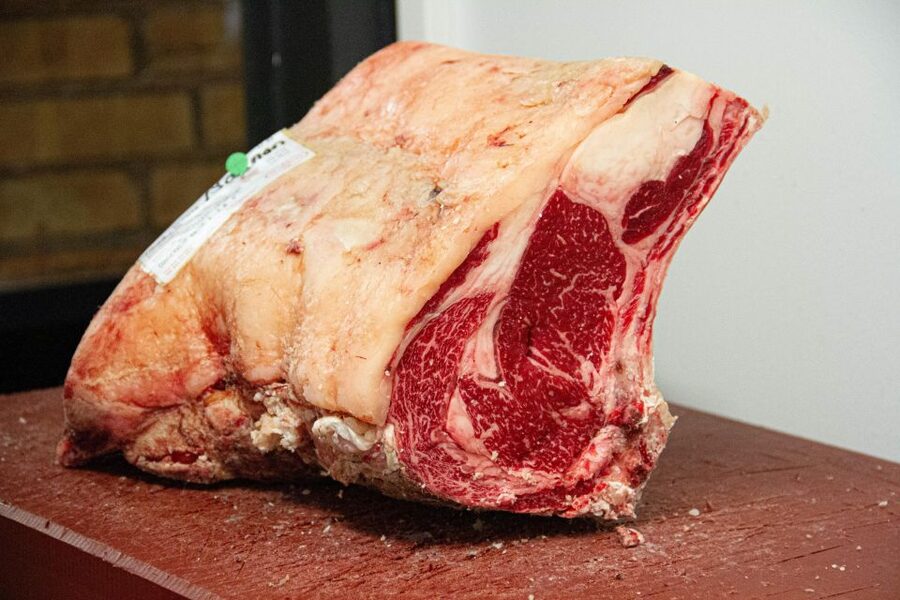
The charred txuleta gives the meal a hearty center. In a Basque setting, the quality of the meat and the way it is cooked matter more than elaborate seasoning. You learn how the chef handles the steak and how timing affects the final result.
The information provided does not specify the cut beyond txuleta, nor does it promise a particular doneness. You should think of this as a lesson in the Basque approach to steak, rather than a highly technical butchery class.
One review described the dish as a New York strip steak, so the exact cut may vary by session. The four-course format, including steak, also means the class is likely to be a full meal rather than a small tasting.
Basque cheesecake for dessert
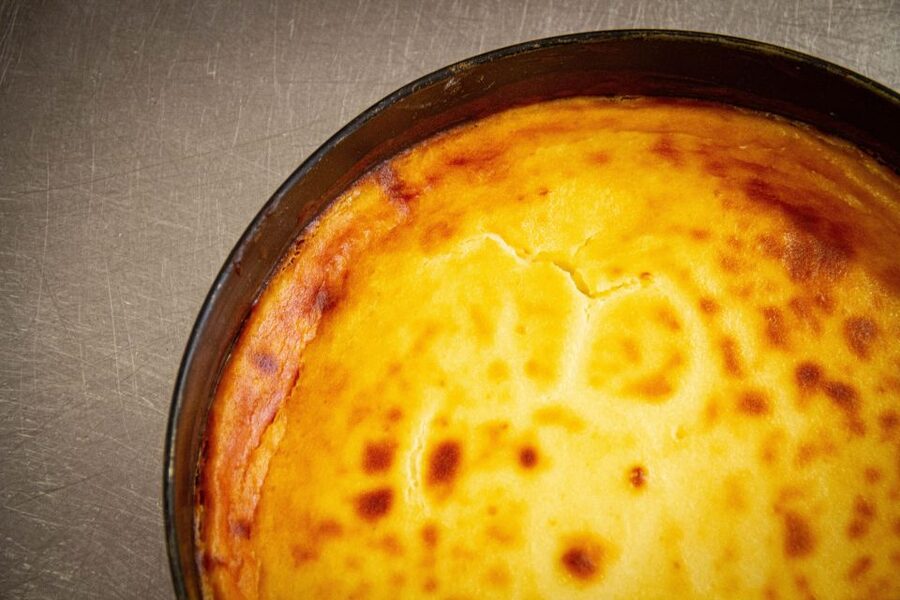
Basque cheesecake is famous for its dark top and soft middle. It is less fussy in appearance than a perfectly pale cheesecake, but getting the inside right still requires attention to temperature and timing.
Ending with dessert is sensible. By this point, you have moved from simple preparation to sauces, heat control, and a full meal. The cheesecake also gives you one more recipe to take home, along with the other dishes and the chef’s practical suggestions.
What the hands-on format is really like
The class is built around a balance of watching and doing. You will see the chef demonstrate key steps, then take part in the preparation yourself. Laura from Canada described the balance between observation and hands-on practice as a major strength, and that is important to keep in mind when deciding if this suits you.
This is not an advanced professional workshop. It is an introduction to traditional Basque cooking, with help available for knife skills, timing, and sauces. You do not need to arrive as an experienced cook, but you should be ready to take part rather than sit back for the entire session.
The group size is described in two ways: the highlights mention a maximum of eight, while the activity details allow up to 10 participants. In practice, the class may be smaller. Christina from Germany happened to attend with only one other person because no one else had booked that session. That kind of small attendance can give you far more time with the chef, but you should not assume every date will be that intimate.
The chefs named in the feedback include Angel, Juan, Natalia, Imanol, and Simone. Natalia was praised for combining instruction with a relaxed manner, while Imanol and Simone were described as especially accommodating in an intimate class. The individual chef may vary, but the pattern is clear: the cooking team is a major part of the experience.
Local drinks make the meal feel rooted
Your food is paired with local drinks, including wine, txakoli, or cider. Txakoli is a lightly sparkling Basque wine, while cider is another important regional drink. The pairing gives you more than a beverage with lunch. It helps show how local people match simple, carefully prepared food with regional pours.
The exact drinks served can vary, so you should not expect all three at every session. The supplied information promises food and wines, while the description also lists txakoli or cider. One class included cider from the area, and another received a wine pairing that was described as tasty.
Extra food and drinks are not included beyond what forms part of the class. That distinction matters if you have a large appetite or plan to keep drinking after the official tasting. The meal itself has been described as generous enough to leave people satisfied, but additional orders would cost extra.
Why the Old Town setting adds value
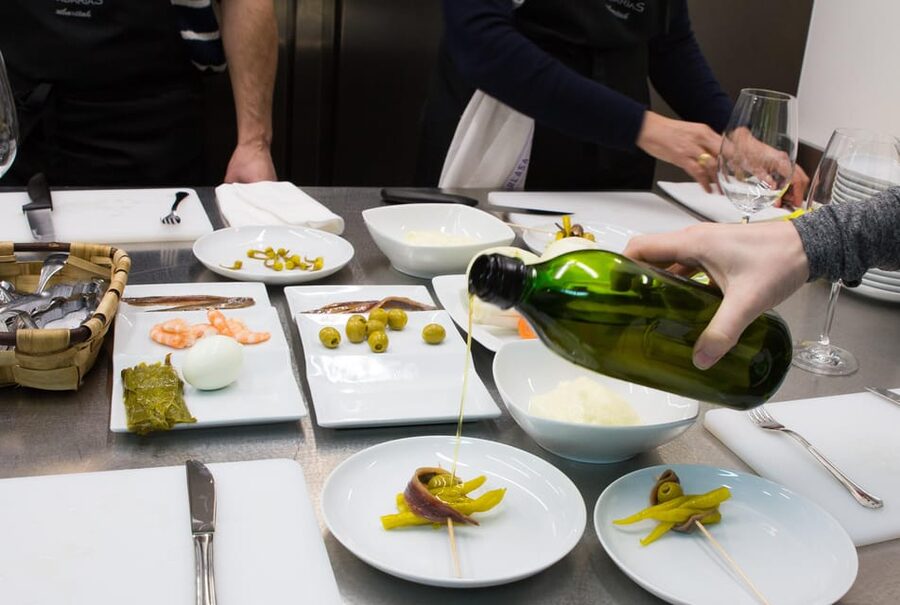
San Sebastián is known for an unusually high concentration of Michelin-starred restaurants, but this class offers a more ordinary and useful look at the city’s food culture. You are not being asked to admire a finished plate from across a dining room. You are learning how familiar dishes are built.
That difference matters. Fine dining can show you the possibilities of Basque cuisine, but a cooking class can explain the everyday skills behind it: careful heat, fresh ingredients, proper timing, and sauces that depend on technique. You leave with recipes and advice on choosing local ingredients, which gives the experience value after your trip.
The class also helps explain why San Sebastián has such a strong food identity without turning the session into a formal lecture. The guide can discuss local customs and history, while the chef keeps the focus on the food. For many visitors, that combination will feel more useful than a standard sightseeing walk followed by another restaurant meal.
The value of $153 per person
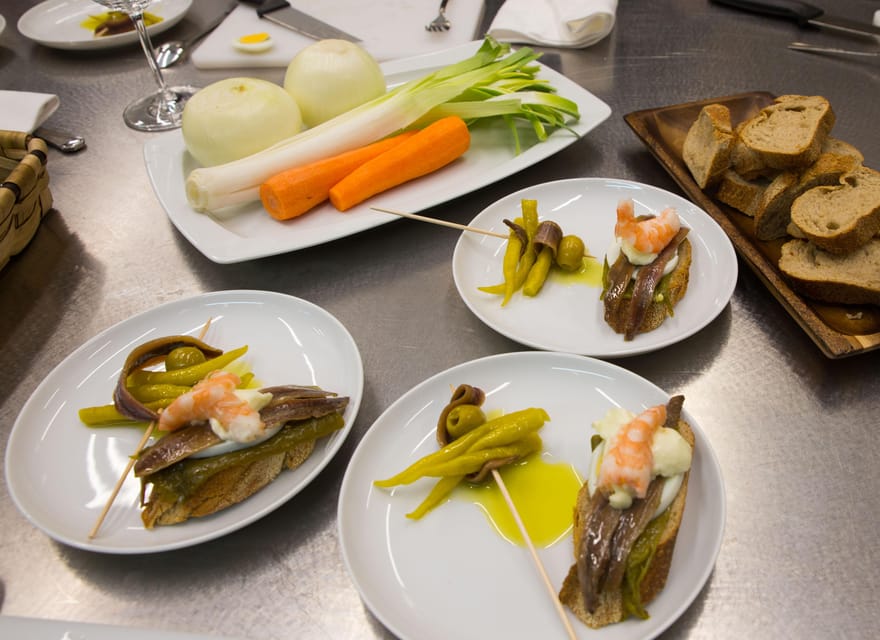
At $153 per person, this experience costs more than a casual lunch in San Sebastián. The price makes more sense when you count what is included: ingredients, an expert chef, translation if needed, the meal you prepare, and wine or other local drinks.
You are also paying for access to instruction in a small group. A restaurant meal might let you taste cod al pil pil and cheesecake, but it will not teach you how to make the sauce or judge the texture. If you cook at home, those skills and recipes may justify the added cost.
The value drops if you do not enjoy cooking or already have a packed food itinerary. San Sebastián is full of places to eat, and you could spend less on a simple meal. This class suits you best if the activity itself is part of the holiday, not just a way to fill time between restaurants.
The strongest value comes when you share the experience with friends or family who enjoy food. You get a meal, a lesson, and a conversation starter in one booking. Solo participants can also benefit, but the social side depends on the other people in the group.
Language, pace, and comfort
The listed teaching language is English, and translation is available if needed. One Spanish-speaking group requested the class in Spanish and was accommodated, so it may be worth asking ahead if Spanish instruction is important to you.
Do not expect a long, slow culinary seminar. The class lasts about 2.5 hours, with the full description giving a more precise estimate of 2 hours 45 minutes. That is enough time to prepare four dishes and eat them, but the pace must remain active.
You will likely spend part of the session standing, preparing food, and moving between demonstrations and tasks. The supplied details do not provide specific accessibility information, so you should contact the provider before booking if you have mobility, dietary, or other practical needs.
The cooking team appears willing to adapt the experience. Laura’s group had its needs accommodated, and several comments describe the chefs as welcoming and flexible. Still, the available information does not promise vegetarian substitutions, allergy handling, or changes to the menu. Ask before you pay if those issues affect your decision.
Who should book this cooking class?
I would recommend it to food-focused visitors who want to understand Basque cooking instead of simply photographing it. It is also a good fit for couples, friends, and families who like shared activities and want a meal with a story behind it.
Beginners should feel comfortable. The class covers basic techniques and provides help with knives, sauces, and timing. You do not need to know how to make tortilla or pil pil sauce before arriving.
It is less suitable if you want a quiet meal, a quick demonstration, or a very formal cooking school. The group can reach 10 people, and the experience depends on active participation. The class is also a poor match if you are trying to keep food costs low.
The reviews consistently praise the chefs and guides. Angel, Juan, Natalia, Imanol, Simone, Ana, and Fabio each received strong personal praise for warmth, instruction, or local insight. That human element may be the biggest reason the experience works: you are not just following a printed recipe, you are cooking with people who can respond to your questions.
Should you book it?
Book this class if you want to turn San Sebastián’s food reputation into practical skills. The combination of tortilla, cod al pil pil, txuleta, and cheesecake gives you a broad sample of Basque cooking, while the local drinks and Old Town setting make the meal feel tied to the city.
Skip it if your main goal is the lowest-cost meal or a completely passive activity. At $153, the class needs to deliver more than dinner, and it does: instruction, ingredients, drinks, recipes, and personal help. With a 4.8 rating and repeated praise for the chefs, food, and friendly guidance, I see it as a solid splurge for cooks and curious eaters.
Free cancellation is available up to 24 hours before the start time, and you can reserve now and pay later. Those flexible terms help if your San Sebastián plans are still shifting, but the real decision is simpler: if making the food sounds as appealing as eating it, this is a good use of one afternoon.
FAQ
Where does the cooking class meet?
Meet your guide outside the San Sebastián tourism main office at Alameda del Blvd., 8, 20003 Donostia-San Sebastian, Gipuzkoa.
How long does the experience last?
The activity lasts about 2.5 hours. The detailed description gives the hands-on session as approximately 2 hours and 45 minutes.
How many people can join the class?
The experience is offered as a small group. The highlights state a maximum of eight people, while the activity details allow up to 10 participants.
What dishes will I prepare?
The menu includes a creamy Spanish omelette, cod al pil pil, charred txuleta, and Basque cheesecake.
Are drinks included?
Yes. Food and local drinks are included, with wine, txakoli, or cider listed as possible pairings. Extra food and drinks are not included.
Is the class taught in English?
Yes. English is the listed teaching language. Translation is available if needed.
Can the class be held in Spanish?
A Spanish-speaking group was able to arrange the class in Spanish. You should request this in advance.
What is included in the price?
The price includes ingredients, an expert chef, translation support, food, and the included drinks pairing.
Can I cancel for a refund?
You can cancel up to 24 hours in advance for a full refund. The booking option also allows you to reserve your place and pay later.
Just added around Spain
- Basque Pintxos and Tapas Cooking Class in Bilbao★ 5.0 · 73 reviews
- Paella and Burnt Basque Cheesecake Cooking Class (in Bilbao)★ 5.0 · 46 reviews
- Small-group Immersive Basque Cooking Class in Bilbao with Open Bar★ 5.0 · 65 reviews
- Pintxos and Tapas Cooking Class in Bilbao★ 5.0 · 38 reviews
- Rooftop Paella Seafood Cooking Class Experience in Barcelona★ 5.0 · 59 reviews
- Private Authentic Paella Cooking Class in Barcelona with Josh★ 5.0 · 3 reviews
- Private Barcelona Market Tour & Paella Cooking Class with Josh★ 5.0 · 4 reviews
- Premium Paella & Tapas Feast: Unlimited Wine & Rambla Views★ 5.0 · 13 reviews
Cooking Classes, compared.

Half-Day Thai Cooking Class at Organic Farm in Chiang Mai
Read our review →

3 in 1 Cooking Class near Navona: Fettuccine, Ravioli & Tiramisu
Read our review →
Pasta & Tiramisu Cooking Class with Unlimited Wine
Read our review →
Hanoi Cooking Class: Culture, Local Market & Meaning CSR Impact
Read our review →
5 Traditional Dishes Hanoi Cooking Class with Market Trip
Read our review →
Cooking Class and Lunch at a Tuscan Farmhouse with Local Market Tour from Florence
Read our review →
Cooking Class, Market & Thai Herbs Garden Tour
Read our review →Lists this class appears in