
REVIEW · LAZIO, ITALY
Testaccio: Home Cooking Cacio e Pepe, Amatriciana, Carbonara
Come hungry and bring your appetite. In Testaccio, you’ll make three classic Roman pasta sauces from scratch, then sit down to eat them with wine, dessert, and coffee. The setting is a private Roman home, hosted by Milvia and Andrea, which gives the evening a personal touch that a standard restaurant class cannot match.
I especially like the hands-on pasta making and the chance to learn the differences between Cacio e Pepe, Amatriciana, and Carbonara. I also like that the meal is not rushed: you cook, eat, talk, and leave with recipes. The main consideration is the home setting. It feels warm and informal, but anyone with serious dog or cat allergies should choose another experience.
Key points to know before booking
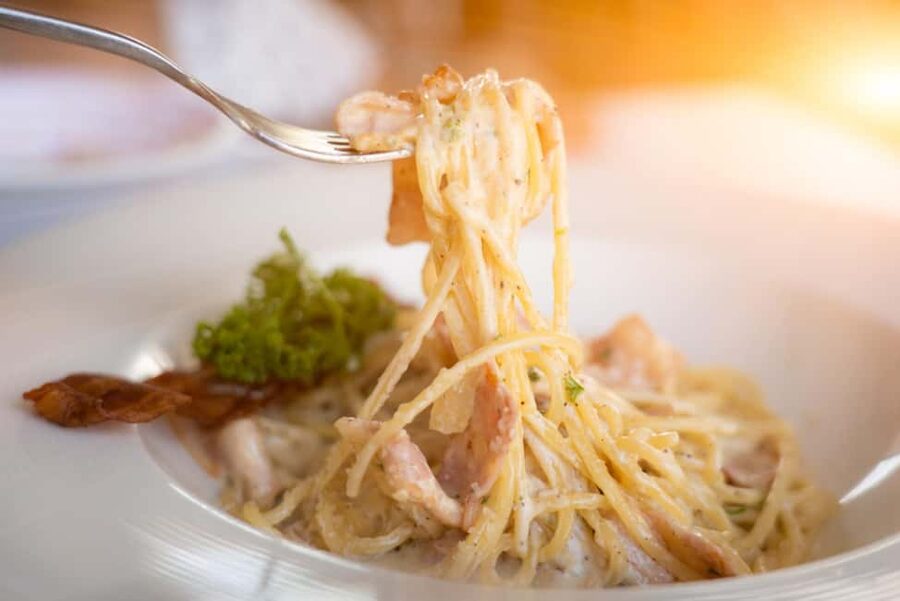
- Three Roman pasta classics: Learn the methods behind Cacio e Pepe, Amatriciana, and Carbonara rather than simply eating them.
- A real home kitchen: The class takes place in a Roman residence in Testaccio, with the relaxed feel of cooking with relatives.
- A three-course pasta tasting: Your handmade pasta is served in three different preparations, followed by dessert and coffee.
- Wine is included: You can enjoy local wine with the meal, along with drinks and coffee.
- Small groups help: With no more than 10 participants, you should have room to follow the demonstrations and ask questions.
- Recipes go home with you: Notes let you repeat the sauces and pasta methods after your trip.
Why Testaccio is a fitting place for Roman cooking
Testaccio is one of Rome’s best neighborhoods for a food-focused experience. It has a strong connection to everyday Roman life, and it feels more like a lived-in district than a sightseeing corridor built around major monuments.
The meeting point is at Via Galvani 4, Building C, Buzz 11. You’ll need to make your own way there because hotel pickup and local transport tickets are not included. Check your route before leaving, and allow enough time to arrive without turning the start of the class into a sprint.
The location matters because this is not a cooking school in a hotel or a polished restaurant classroom. You are entering a home and cooking with hosts who open their kitchen to a small group. That changes the mood from formal instruction to a shared evening.
I like that distinction. You get food education, but you also get a look at how pasta and hospitality can fit into a Roman household. Several of the strongest experiences came from this simple setup, with people describing the hosts as friendly, patient, and welcoming.
More Home Cooking Classes in Italy
- Pastamama, Home Cooking Classes at Grace’s Home
★ 5.0 · 521 reviews - Traditional Home Cooking Experience in Venice
★ 5.0 · 377 reviews - Catania: Pistachio Ravioli, Pasta Home Cooking Class w/ Wine
★ 4.7 · 204 reviews
Meeting Milvia and Andrea in their Roman home
Milvia and Andrea are the central part of the experience. The food matters, but the warmth of the hosts is what gives the class its character. You can expect explanations, practical tips, and plenty of conversation while the pasta comes together.
The teaching style sounds encouraging rather than intimidating. One useful feature is the attention given to why each step matters. You are not just told to mix, knead, or stir. You learn how those actions affect the final texture and taste.
That makes the class a good fit if you have little cooking experience. It also suits you if you have made pasta before but want to understand Roman sauces more clearly. One participant who already had experience making fresh pasta still found new tips worth taking home.
The home has also been described as cozy and similar to visiting grandparents. That is a helpful expectation to set. You should not think of this as a slick, high-volume demonstration. It is a social meal with instruction woven through it.
A dog is part of the household, and the animal has received plenty of affection from past participants. For most people, that adds to the family atmosphere. For anyone with serious allergies to dogs or cats, it is a clear reason to skip this activity.
Starting with fresh pasta from flour, eggs, or water
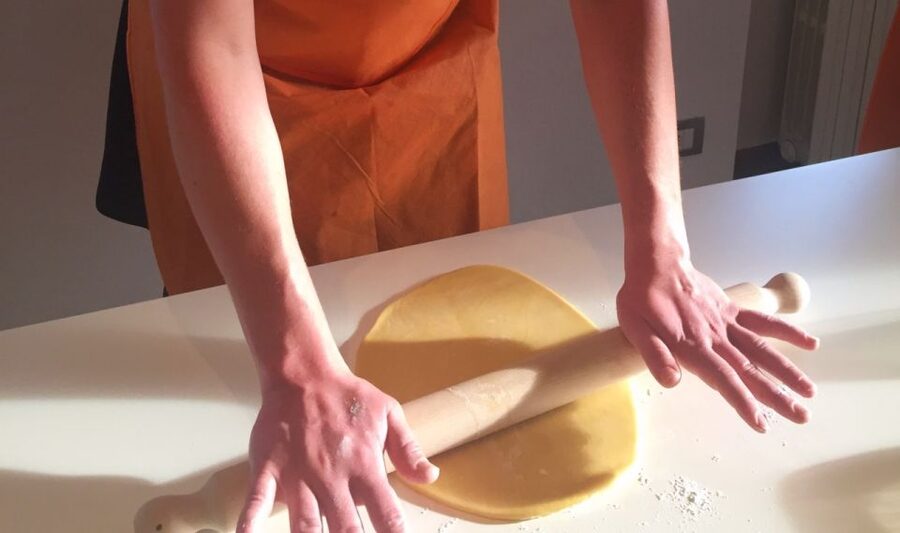
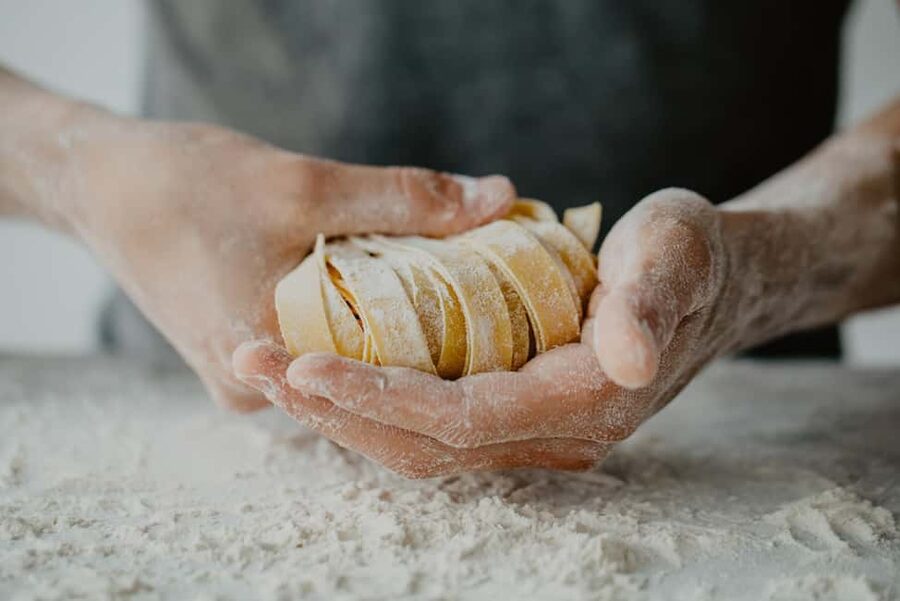
The cooking begins with the pasta base. Depending on the preparation, you may work with flour, eggs, or water, learning how a few basic ingredients become a workable dough.
This is one of the most useful parts of the class because fresh pasta can seem harder than it really is. The lesson breaks the process into manageable steps. You learn how to combine the ingredients, develop the dough, and prepare it for cooking.
The point is not only to produce pasta for dinner. The hosts explain the small choices that affect the result, from consistency to handling. Those details are what help you repeat the process at home without needing a Roman kitchen or specialized equipment.
You should expect a participatory class rather than a show. You will have an opportunity to work with the dough and follow the instructions directly. Since the group is limited to 10 people, the format should feel more personal than a large cooking demonstration, though the exact amount of individual attention can vary with the group.
If you are traveling with someone who prefers eating to cooking, keep in mind that the class is built around participation. The reward comes later, when you sit down to eat what you helped prepare.
Cacio e Pepe, the lesson in restraint
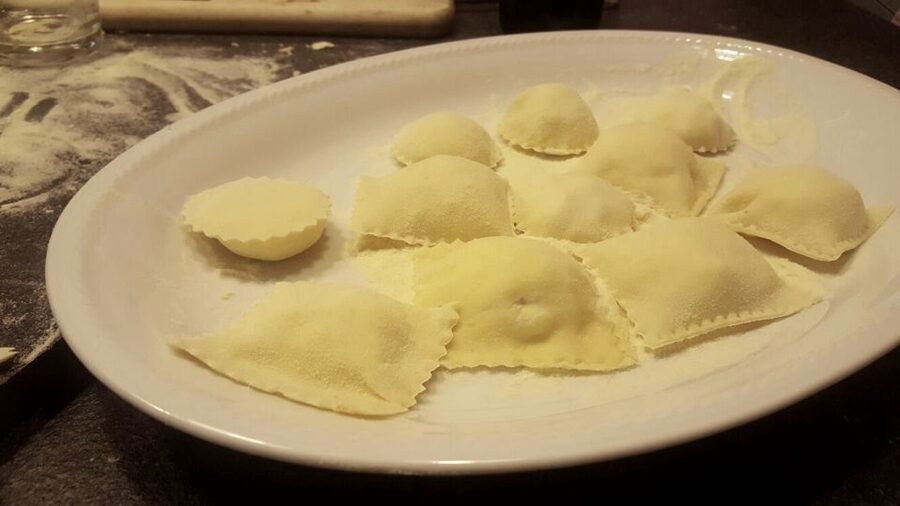
Cacio e Pepe is one of Rome’s simplest pasta dishes, and that simplicity makes it a useful first lesson. The basic idea depends on pasta, cheese, and pepper, but the result can go wrong if the sauce becomes clumpy or too dry.
You learn how to bring these few ingredients together into a smooth coating. The lesson shows why technique matters when there are no heavy ingredients to hide mistakes.
For you, the value is practical. Once you understand the balance of cheese, pasta, and cooking water, you can make a satisfying meal with a short shopping list. It is also a good reminder that Roman cooking often depends on handling basic ingredients well rather than adding more and more to the plate.
Cacio e Pepe is included as one of the three pasta courses, so you get to compare it directly with the other sauces. That side-by-side tasting helps you notice how much the flavor and texture change even when the pasta remains the common thread.
More Home Cooking Classes in Rome:
- Khmer Cooking Class at a Local’s Home in Krong Siem Reap
★ 5.0 · 2,731 reviews - Local Home Korean Cooking Class & Market Adventure in Seoul
★ 5.0 · 1,024 reviews - Marrakech: Moroccan Cooking Class with a Local Family
★ 4.9 · 668 reviews - Mexican Cooking from Scratch in a Local Home in Tulum
★ 5.0 · 585 reviews
Amatriciana, a sauce with more punch
Amatriciana brings a different character to the table. It has a stronger, more savory profile than Cacio e Pepe, and it gives the class a chance to show how a Roman sauce develops through a small number of carefully chosen ingredients.
The lesson focuses on traditional preparation rather than a simplified tourist version. You see how the sauce is made, how it is matched with pasta, and how its flavor differs from the other two dishes.
I like the structure of teaching all three sauces in one sitting. If you took a class focused on only one recipe, you might leave with a tasty dish but a limited sense of Roman pasta. Here, you get a small vocabulary of sauces that you can use in different meals.
The drawback is that this is a full meal, not a light snack. By the time you reach the third pasta course and dessert, you will have eaten a great deal. Pace yourself early, especially if you want to appreciate all three preparations.
Carbonara, the sauce that rewards careful timing
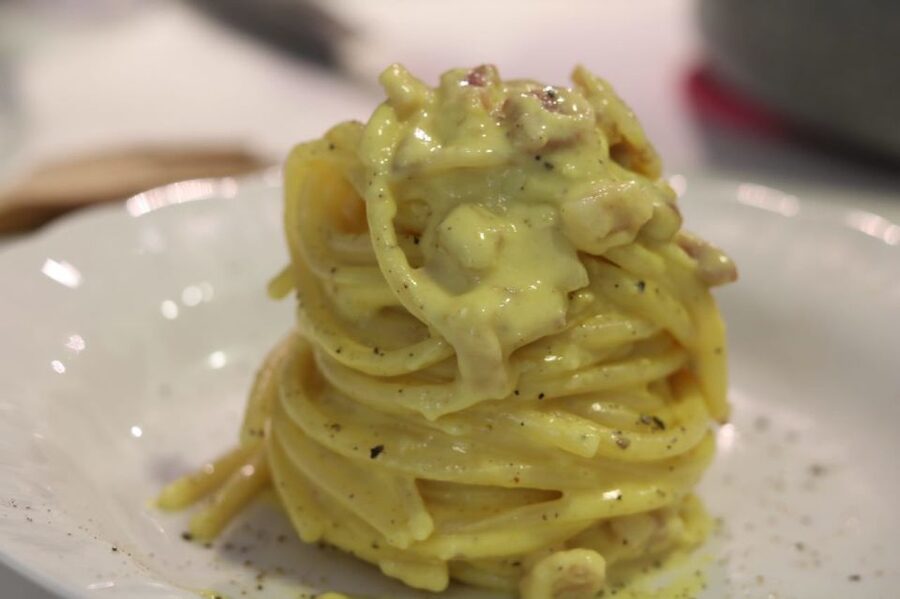
Carbonara is another Roman classic where timing and technique matter. Its ingredients are simple, but the sauce needs careful handling so it stays creamy rather than turning into scrambled egg.
The class gives you a chance to understand that process instead of treating Carbonara as a dish that only a restaurant chef can make. You learn how the ingredients work with the hot pasta and how the sauce reaches the right consistency.
This is especially useful for home cooks because Carbonara is often misunderstood. A clear explanation can help you avoid common mistakes and make the dish with more confidence.
The three sauces also tell different stories about Roman taste. Cacio e Pepe is spare and peppery. Amatriciana is more forceful. Carbonara is creamy and savory without relying on cream. Tasting them together turns the class into a lesson in contrast, not just a sequence of recipes.
Sitting down for three pasta courses
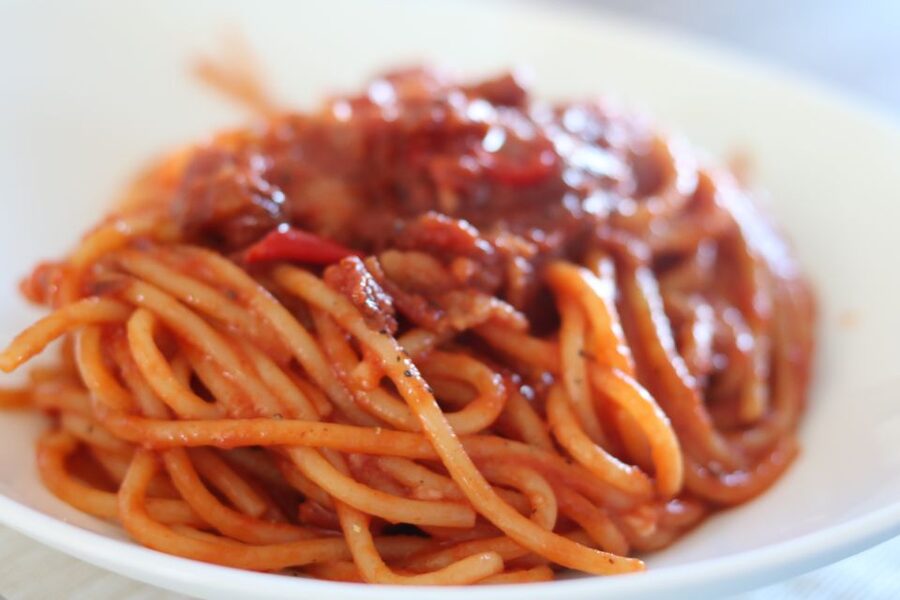
After the preparation, you sit down to eat the finished dishes. The meal includes three pasta courses, followed by homemade dessert and Italian coffee.
That shared table is one of the strongest reasons to book this experience. You are not simply handed a container of food at the end of class. You have time to enjoy the results, talk with the hosts, and compare notes with the other people in the group.
The atmosphere has been likened to cooking with grandparents or visiting family. That description fits the format: warm, informal, and personal. Andrea and Milvia also share stories about their lives and experiences, giving the meal a conversational side beyond the recipes.
Wine and other drinks are included, and the wine is served with the meal. Coffee follows dessert, giving the evening a proper Italian finish. Unlimited wine is part of the advertised experience, but you should still drink at a pace that keeps the cooking and conversation enjoyable.
The dessert is homemade, though the exact dessert can vary. Past meals have included treats such as chocolate rum balls, but you should not book expecting that specific item every time.
Recipes you can actually use at home
Many cooking classes are enjoyable for a few hours and then disappear from memory. This one has a practical advantage: you receive recipe notes for the dishes you make.
That matters because the hardest part of recreating a restaurant dish is often remembering the method. Here, the written recipes can help you repeat the pasta and sauces after returning home. You can also share the results with friends or family, which gives the class a longer life than the evening itself.
The recipes are traditional Roman preparations, and the teaching focuses on simple methods. You do not need to be an accomplished cook to benefit. The class has been praised for making pasta feel achievable rather than overwhelming.
If you already cook regularly, the notes may be most useful as a reference for sauce technique and proportions. If you are new to fresh pasta, they give you a clear starting point.
Dietary needs, allergies, and the home setting
Vegetarian and vegan adaptations are available using traditional Roman recipes. Gluten-free options can also be arranged for people with celiac disease, which is an important benefit for a pasta-centered meal.
You should communicate your needs when booking rather than waiting until the class begins. The experience can adapt the menu, but the supplied details do not specify the exact substitute dishes or ingredients, so ask for confirmation if your restrictions are especially strict.
The allergy warning about dogs and cats deserves attention. This is a private home, and a household dog is part of the setting. If you have a serious animal allergy, this activity is not recommended.
The class is taught in English and Italian. If you need instruction in another language, this may not be the right choice. The small group size, capped at 10, should make it easier to follow along, but language comfort still matters in a hands-on lesson.
Is $105 a fair price?
At $105 per person, this is not the cheapest way to eat pasta in Rome. It is also not simply a restaurant dinner. The price covers a 3.5-hour experience with instruction, fresh pasta preparation, three pasta courses, dessert, drinks, wine, coffee, and recipe notes.
I see the value in the combination. You receive a meal, but you also receive a skill and a personal setting. A standard dinner may cost less, but it will not show you how to make the sauces or let you take the recipes home.
The price makes the most sense if you enjoy cooking, want a social evening, or place a high value on meeting local hosts. It is less appealing if you are mainly looking for a quick meal or a formal chef-led demonstration.
The included drinks and dessert also help. You do not need to arrange another dinner afterward, and the three pasta courses make this a substantial evening rather than a short workshop.
Timing, group size, and cancellation flexibility
The experience lasts 3.5 hours, so set aside most of an afternoon or evening. Starting times vary, and you need to check availability when booking.
A group maximum of 10 keeps the activity relatively small. You will be sharing a home kitchen and dining space, so a smaller group is part of what makes the format comfortable. It also means this may not suit you if you want a private class reserved only for your own party.
Hotel pickup and drop-off are not included. You are also responsible for local transport tickets, and the meeting point is Via Galvani 4 in Testaccio.
The booking terms are fairly flexible. You can reserve now and pay later, and cancellation up to 24 hours in advance qualifies for a full refund. That is useful if your Rome schedule is still changing.
Who will enjoy this most?
I would recommend this class to:
- Couples looking for a relaxed evening together
- Families who enjoy cooking and eating as a group
- First-time pasta makers who want patient instruction
- Experienced home cooks who want Roman sauce techniques
- Visitors who prefer local hospitality to a formal restaurant setting
- Anyone who wants recipes they can recreate at home
It is less suitable for someone who dislikes group activities, wants a polished professional kitchen, or has a serious animal allergy. It is also a poor choice if you need a short activity, since the full experience takes 3.5 hours.
Should you book the Testaccio pasta experience?
Book it if you want Rome to feel personal for an evening. The strongest feature is not one particular sauce, but the whole rhythm: make pasta, learn three Roman preparations, sit down with wine, eat dessert, and talk with Milvia and Andrea in their home.
I like the balance of instruction and hospitality. You learn enough to make the experience useful, but the evening never sounds like a technical exam. The main cautions are the home setting, animal allergy issue, group format, and fairly high price.
For a food lover, the $105 cost is reasonable because it includes a full meal, drinks, recipes, and several hours of direct teaching. If you want a quiet restaurant dinner, spend your money elsewhere. If you want to leave Rome with a few new skills and the memory of being welcomed into a Roman home, this is a strong choice.
FAQ
Where does the cooking experience take place?
It takes place in a private Roman home at Via Galvani 4, 00153 Rome, Building C, Buzz 11, in the Testaccio neighborhood.
How long does the experience last?
The cooking class and meal last 3.5 hours.
What pasta sauces will I learn to make?
You will learn to prepare Cacio e Pepe, Amatriciana, and Carbonara.
Is food included?
Yes. The experience includes three pasta courses, a homemade dessert, drinks, wine, and Italian coffee.
Are recipes included?
Yes. You receive notes for the traditional Roman recipes prepared during the class.
Is the class taught in English?
Yes. The instructors speak English and Italian.
How many people can join the class?
The group is limited to 10 participants.
Can vegetarian, vegan, or gluten-free diets be accommodated?
Yes. Vegetarian and vegan adaptations are available, and gluten-free options can be arranged for people with celiac disease.
Is the experience suitable for people with animal allergies?
No. It is not recommended for people with serious allergies to dogs or cats because the class takes place in a home with an animal.
Just added around Rome
- Super Fun Pasta and Gelato Cooking Class by the Vatican★ 5.0 · 6 reviews
- Spritz and Spaghetti Traditional Cooking Class in Rome★ 4.9 · 30 reviews
- ROME:Hands-On Lasagna & Marsala Tiramisu Cooking Experience”★ 5.0 · 3 reviews
- Rome: Trastevere Pasta Making Class★ 4.9 · 33 reviews
- Rome: Traditional Pasta and Tiramisu Cooking Class★ 5.0 · 4 reviews
- Rome: Vatican Food Tours, Cooking classes & Free Tours★ 4.9 · 11 reviews
- Rome: Small Group Pasta cooking class near Piazza Navona★ 4.9 · 8 reviews
- Rome: Traditional Cooking Class in the Jewish Ghetto★ 4.9 · 75 reviews
Home Cooking Classes, compared.
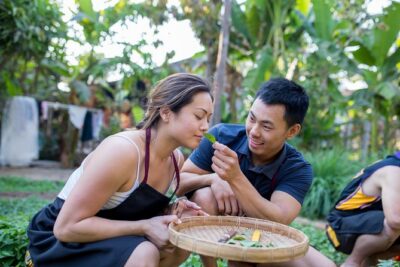
Khmer Cooking Class at a Local’s Home in Krong Siem Reap
Read our review →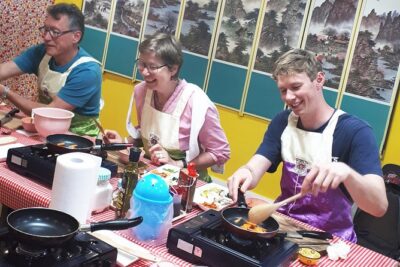
Local Home Korean Cooking Class & Market Adventure in Seoul
Read our review →
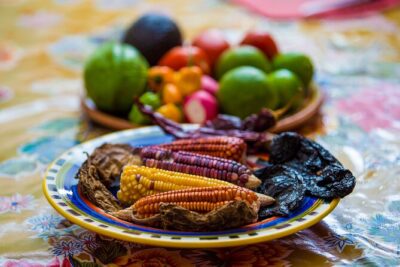
Mexican Cooking from Scratch in a Local Home in Tulum
Read our review →
Pastamama, Home Cooking Classes at Grace’s Home
Read our review →
Traditional Cooking Class & meal with Local Family
Read our review →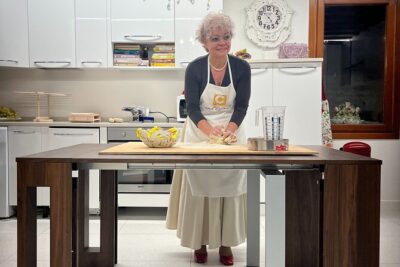
Lists this class appears in