
REVIEW · LAZIO, ITALY
Rome: Traditional Cooking Class in the Jewish Ghetto
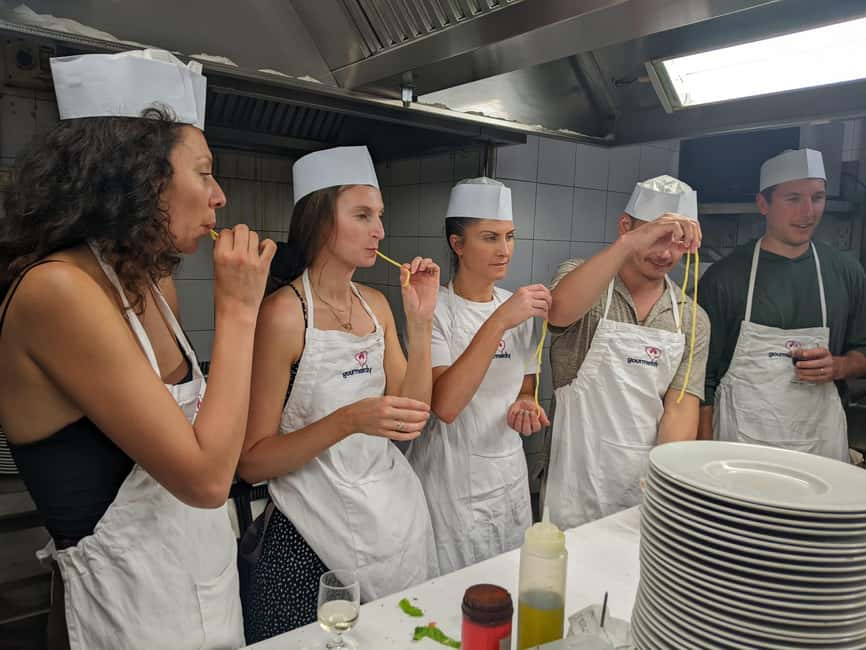
Fresh pasta brings Rome to the table. This three-hour class in the Jewish Ghetto combines hands-on pasta making with local food traditions, a restaurant kitchen, and a full meal. I especially like the seasonal cooking, such as Jewish-style artichokes in winter or fried zucchini flowers in summer, and the warm teaching style praised for guides including Lilli, Lisa, Asia, and Eleonora. The main drawback is that the cooking can focus more on pasta than on several separate dishes, and the $94 price may feel high if you want a full-day kitchen workshop.
You meet your foodie guide outside Taverna del Ghetto, then learn recipes from a working chef, often with translation from Italian into English. I also like that you receive recipes and practical Rome tips at the end, so the class gives you something useful beyond one meal. The restaurant is not kosher, and the class is not suitable for wheelchair users.
The mood is informal rather than academic. You can roll up your sleeves and work with the dough, or sit back with a glass of wine and watch the chef. That flexibility makes this a good break from monuments, museums, and long walks across Rome.
Key points at a glance
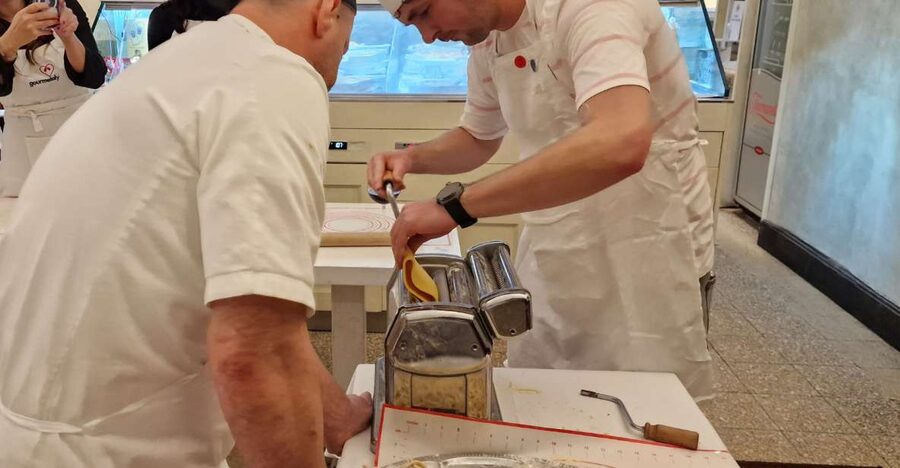
- Fresh pasta in a real restaurant kitchen: Learn the basic dough method, use traditional equipment, and see how a chef finishes the dishes.
- Seasonal Roman cooking: The menu may include Jewish-style artichokes, fried zucchini flowers, or another fresh vegetable depending on the time of year.
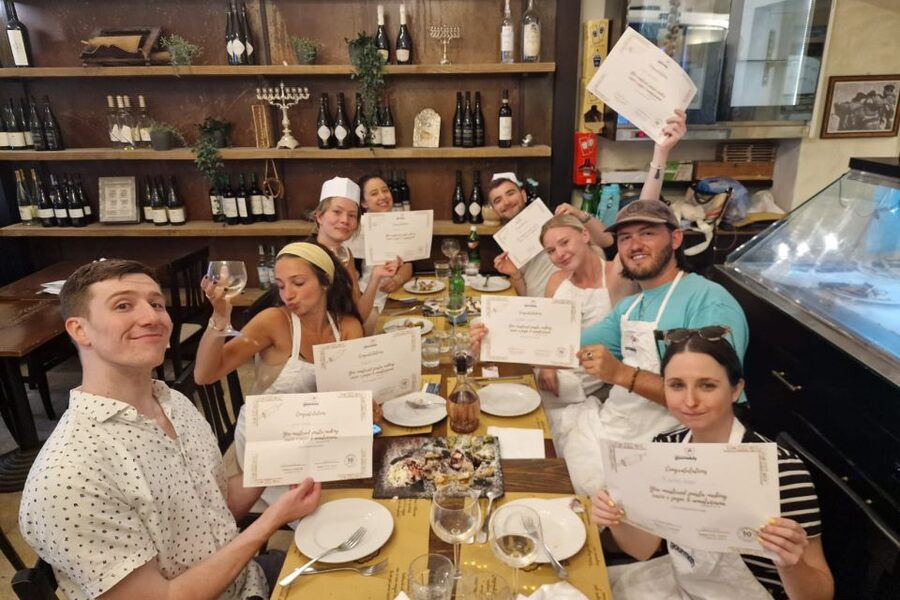
- Three hours with food and wine: The price includes a three-course meal, Italian wine, bottled water, cooking equipment, and recipes.
- Small group setting: The class is limited to 10 participants, allowing for personal help without making the evening feel overly formal.
- More than a cooking lesson: Your guide explains the Jewish Ghetto and shares restaurant, food, and sightseeing tips for the rest of your stay.
- Important food restrictions: The class is not kosher, allergens may include gluten, milk, eggs, soya, mustard, and nuts, and the pasta made in class is not gluten-free.
Meeting your guide in Rome’s Jewish Ghetto
The class begins outside Taverna del Ghetto, in the heart of Rome’s Jewish Quarter. The meeting point is easy to identify, and one participant appreciated finding a guide with a sign outside the restaurant.
This first moment matters because the class is not only about technique. Your guide helps place the food in the setting of the Jewish Ghetto, an area with its own Roman-Jewish cooking traditions and stories. Guides such as Lilli, Lisa, Asia, Clelia, Livia, Elisa, and Eleonora have been praised for being friendly, patient, and good at explaining both food and local culture.
The class is conducted in English, while the chef may speak Italian. That language mix is handled through the guide, who translates instructions and conversation. Several participants especially liked the chance to meet the chef directly and see how an Italian restaurant kitchen works.
You should arrive ready for a social evening rather than a quiet demonstration. The group can include families, couples, solo participants, vegetarians, and vegans. With a maximum of 10 people, the class remains small enough for questions and help, though the exact amount of hands-on work can vary.
A few more cooking classes around Rome worth a look
- 3 in 1 Cooking Class near Navona: Fettuccine, Ravioli & Tiramisu
★ 5.0 · 7,376 reviews - Rome Cooking Class: Make Pasta and 3 Spritz Cocktails
★ 5.0 · 2,937 reviews - Rome: 3-in-1 Fettuccine, Ravioli, and Tiramisu Cooking Class
★ 4.9 · 2,704 reviews
Rolling pasta dough from scratch
The central lesson is fresh pasta. You learn how to combine and work the dough, then shape it using an old-style hand-crank machine. The method is designed to be repeated at home, which is one of the strongest reasons to choose this class over a meal with no instruction.
The chef and guide explain practical points such as which flour works best, how pasta dough should feel, and how traditional Roman recipes are prepared. You do not need advanced cooking skills. The tone is relaxed, and the class is meant to be approachable for beginners.
The equipment is included, so you do not need to bring anything beyond an appetite and comfortable clothing. You can participate directly or watch while sipping wine. That choice is useful if your party includes people with different levels of interest, though anyone hoping to cook every part of the meal may find the experience a little limited.
One honest limitation is the amount of pasta work. A participant who enjoyed the class still felt that only one pasta type and too few dishes were made for the time and price. Another noted that some steps, such as frying, could have involved more hands-on work. I would choose this experience for its social setting and access to the chef, not if your top priority is intensive technical training.
Seasonal vegetables and Roman cooking traditions
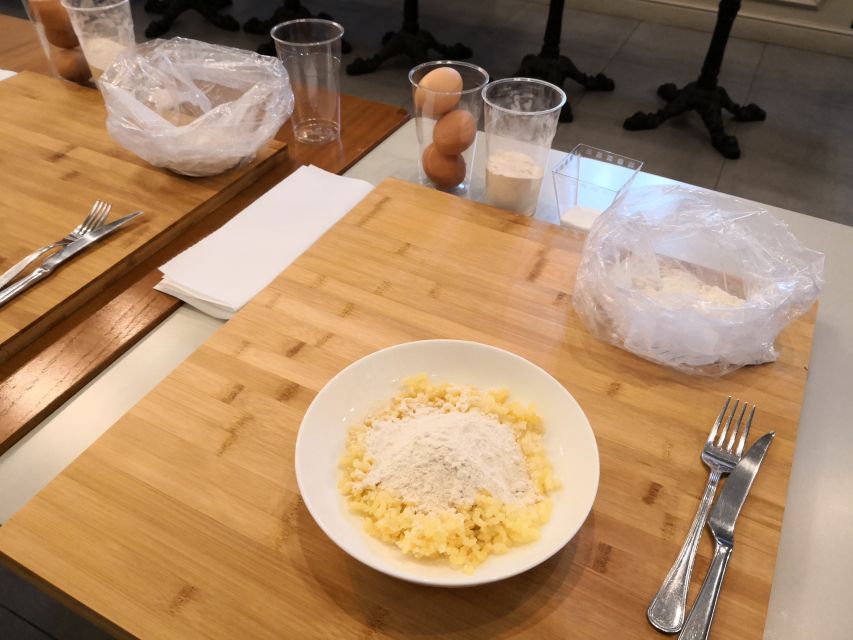
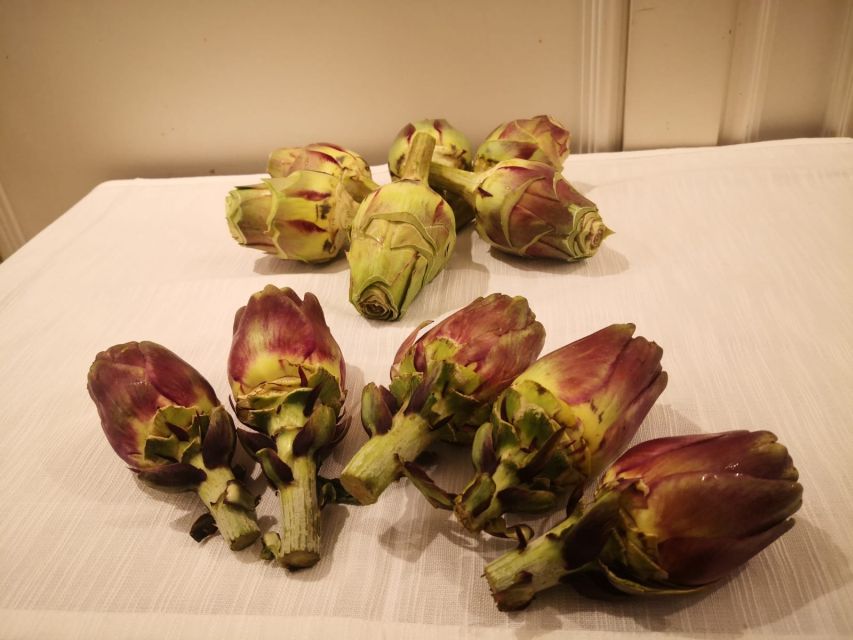
The second cooking element changes with the season. In winter, you may learn how to clean and prepare artichokes in the Jewish style. In summer, the lesson may feature zucchini flowers or another fresh vegetable for fritto romano, Rome’s crisp fried vegetable preparation.
This seasonal approach is a real strength. It shows you how Roman home cooking follows the market and the calendar rather than forcing the same menu all year. It also gives the class a local identity that a generic Italian pasta lesson may lack.
The vegetable preparation is hands-on, but the exact amount of work depends on the menu and the chef’s routine. You may help prepare ingredients, then watch the chef finish or fry them in the restaurant kitchen. Several people valued the chance to step into the professional kitchen, while one participant wanted more direct involvement in the frying.
That balance is worth understanding before booking. You will learn by doing, watching, tasting, and asking questions, but this is not a formal culinary school session. The chef’s role is central, and your guide helps turn the work into an easy conversation about food and place.
Learning from Chef Gabriel and the kitchen team
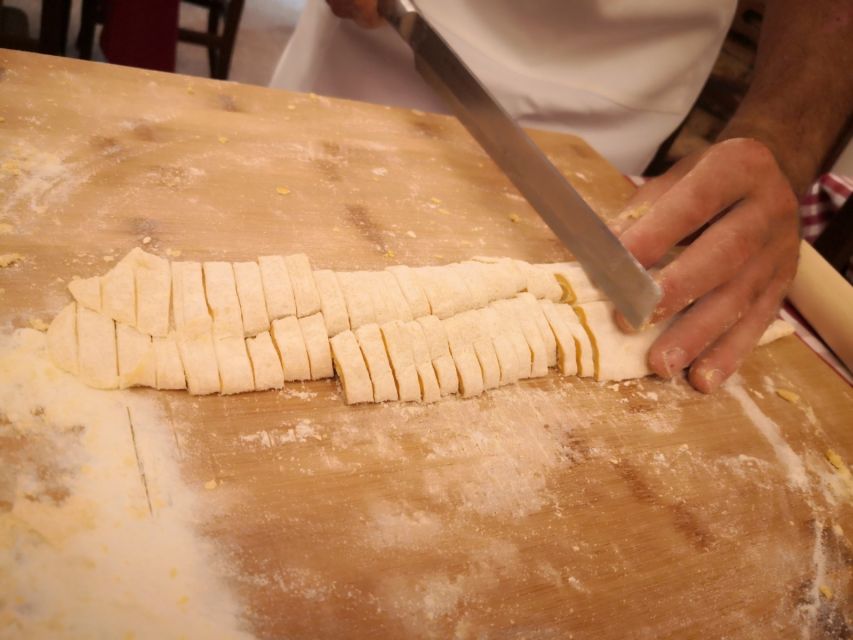
Chef Gabriel is one of the names that appears repeatedly in the experience. He has been praised for opening the restaurant kitchen to the class, explaining dishes, checking the pasta, and keeping the evening light and entertaining. Other chefs, including Yura, have also been praised for careful demonstrations and step-by-step help.
The chef may prepare some parts of the menu while you assist with selected tasks. This is especially useful when you want to see how a restaurant handles timing, sauces, frying, and plating. You are not simply watching a cooking show from across a room, but you should not expect to prepare every dish from start to finish.
The language arrangement adds to the local feel. The guide translates when needed, while the chef brings the practical Italian point of view. Several participants valued this combination because it felt closer to being welcomed into a working kitchen than attending a polished demonstration designed only for tourists.
The atmosphere is one of the class’s biggest strengths. Lilli and Andy, for example, were praised for creating a patient and cheerful setting, while other guides helped families and younger participants feel at ease. Teens aged 13 and 15 were described as rating the class among the best parts of their Italy trip.
Same place, a different thing to cook:
- Rome: Pasta Making Class with Wine, Limoncello, and Dessert
★ 4.9 · 3,177 reviews - Rome: Fettuccine Pasta Cooking Class in Rome’s City Center
★ 4.8 · 2,414 reviews - Fettuccine & Tiramisù: Cooking Class with Wine & Limoncello
★ 4.9 · 2,103 reviews - Pasta Cooking Class Near the Colosseum with 3 Spritz Cocktails
★ 5.0 · 1,686 reviews
Sitting down to a Roman three-course meal
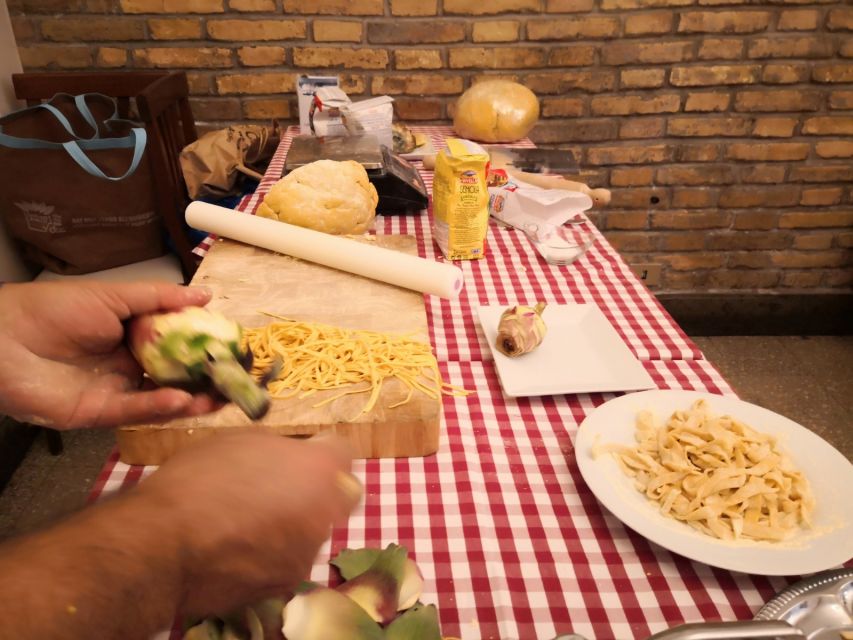
After the preparation, you sit down to eat the food connected to the lesson. The included meal consists of fresh homemade pasta, a seasonal main course, and a traditional dessert. Depending on the menu, the pasta may be served in more than one preparation, and the meal can feel generous.
One participant described enjoying pasta, artichokes, zucchini flowers, wine, and several desserts. Another said the pasta was enough for two courses. The exact menu changes with the season, so you should treat these details as examples rather than promises.
Wine and bottled water are included. Wine is served during the cooking and meal, adding to the social mood, but this is not a wine-tasting course. If you do not drink alcohol, the main value remains the food, instruction, and time with the chef.
Dessert is a particularly Roman finish. The advertised specialty is torta di ricotta e visciola, a ricotta cheesecake made with sour cherry preserves. Some sessions may include a flight of homemade desserts, so the final course can be more varied than the basic three-course description suggests.
The meal also gives you time to talk with the other people in the group. That shared table is part of the experience, not an afterthought. If you want a private romantic dinner or a highly polished restaurant service, this format may feel casual. If you enjoy conversation and a little kitchen noise, it works well.
The Jewish Ghetto adds meaning to the meal
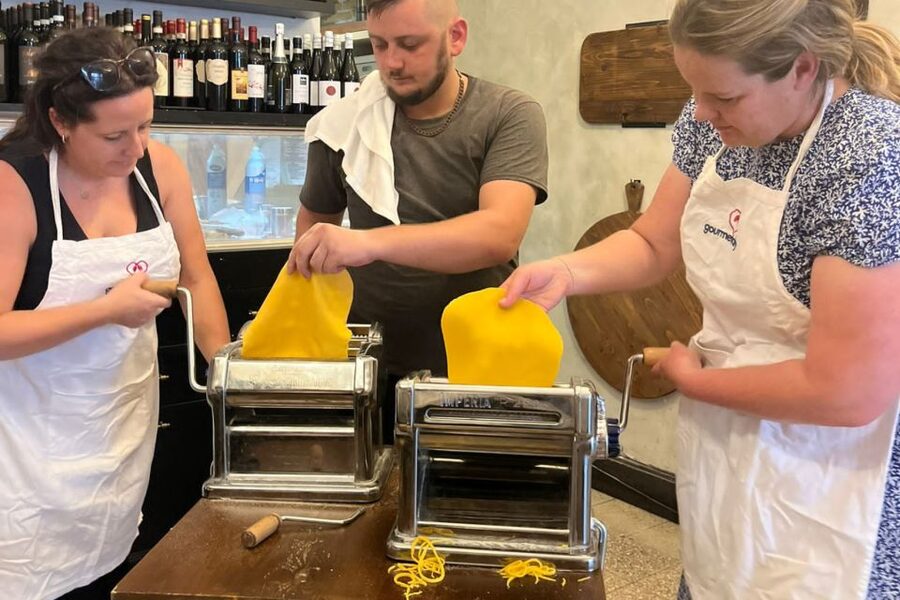
The setting gives the class a clear sense of place. You are not learning pasta in a generic studio removed from Rome. You are cooking in the Jewish Ghetto, hearing about the district, and tasting dishes linked to Roman food traditions.
The class connects the neighborhood’s identity with ingredients and methods. Jewish-style artichokes are the clearest example, but the wider lesson is that Roman food is shaped by local customs, seasonal produce, and home cooking. The guide’s explanation helps you notice those links rather than treating each dish as a simple recipe.
This part also gives you a useful pause in a busy Rome itinerary. After several hours of churches, ruins, and crowded streets, sitting down to work with dough offers a slower way to spend an evening. You leave with recipes, but also with suggestions for the following days, including tips about food and places to visit.
The class has been linked with Rome’s food culture as shown in Stanley Tucci’s television series, which may appeal to viewers who want to see the district through its cooking. Still, the class is not a television-style production. It is a friendly restaurant activity with a guide, a chef, and a small group.
Is $94 a fair price?
At $94 per person, this is not Rome’s cheapest meal or cooking lesson. The price becomes easier to justify when you count the three hours, the instruction, kitchen equipment, wine, bottled water, three-course meal, recipes, and local recommendations.
You are also paying for access to a restaurant chef and kitchen, not just a classroom instructor. If the evening includes a generous pasta course, seasonal vegetables, dessert, and conversation with the staff, the value is stronger than the price of a simple pasta dinner.
Still, the value depends on your expectations. If you want a long, technical course with several pasta shapes, sauce work, and detailed frying practice, you may feel you are paying too much for the amount of cooking. One participant specifically wanted more food preparation for the time and cost.
I think the price makes the most sense for someone who values the full package: neighborhood context, a social meal, recipes to take home, and a chance to work with a real chef. It is less compelling for someone who only wants a large meal or only wants advanced cooking instruction.
Who should book this class?
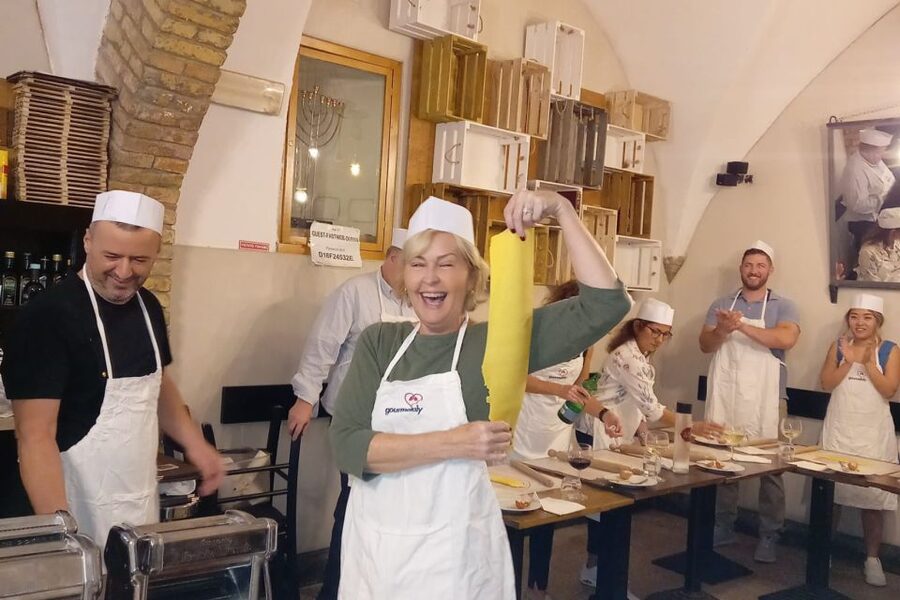
Families are a strong match, especially if children or teenagers need a break from sightseeing. The informal tone, shared meal, and simple pasta technique make it easier for different ages to participate.
Vegetarians and vegans are welcome, and the cooking team has accommodated them. You should still share your requirements when booking, because the menu changes and the kitchen handles several common allergens.
This is also a good choice for first-time visitors who want food suggestions for the rest of their stay. The guide provides practical tips, and the Jewish Ghetto gives you a neighborhood connection that a hotel-based cooking class may not offer.
I would be more cautious if you have severe allergies, need a kosher meal, use a wheelchair, or must avoid gluten. Possible allergens include milk, eggs, soya, mustard, nuts, and gluten. The pasta made in class is not gluten-free, though packaged gluten-free pasta may be served for those who can handle contact with flour. The restaurant is not kosher, pets are not allowed, and hotel pickup and drop-off are not included.
You can cancel up to 24 hours before the activity for a full refund, and the reserve-now, pay-later option gives you some flexibility. The class lasts three hours, with start times varying by availability, so it fits best on an evening when you are not rushing to another reservation.
Should you book the Rome Jewish Ghetto cooking class?
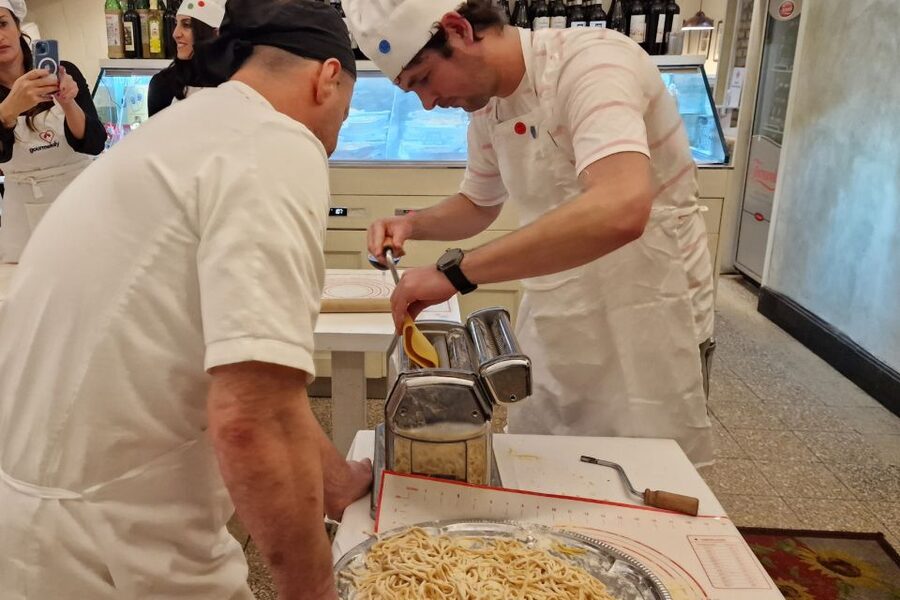
Book it if you want a friendly Roman food evening rather than a strict professional cooking course. The best parts are the seasonal menu, the small group, the restaurant kitchen, the guide’s local explanations, and the chance to eat what you helped prepare.
Skip it if you want to make several pasta shapes, spend most of the time cooking, or require kosher, wheelchair-accessible, or fully gluten-free arrangements. For families, food-focused couples, and curious first-time visitors, the combination of recipes, wine, conversation, and a three-course meal makes this a strong use of three hours in Rome.
FAQ
How long does the cooking class last?
The class lasts three hours.
Where does the experience begin?
You meet your foodie guide outside Taverna del Ghetto in Rome’s Jewish Ghetto.
What language is the class conducted in?
The class is conducted in English. The chef may speak Italian, with the guide translating as needed.
What food is included?
The experience includes a three-course meal with fresh homemade pasta, a seasonal main course, and a traditional dessert. Italian wine and bottled water are also included.
Will I make pasta from scratch?
Yes. You learn how to make fresh pasta dough from scratch and use traditional methods to prepare it. The pasta made during the class is not gluten-free.
Is the class suitable for vegetarians and vegans?
Vegetarians and vegans are welcome, and accommodations have been made for them. You should provide your dietary information when booking.
Is the restaurant kosher?
No. The restaurant and cooking class are not kosher.
Can wheelchair users join the class?
The experience is listed as not suitable for wheelchair users. Pets are also not allowed.
Just added around Rome
- Testaccio: Home Cooking Cacio e Pepe, Amatriciana, Carbonara★ 4.9 · 57 reviews
- Super Fun Pasta and Gelato Cooking Class by the Vatican★ 5.0 · 6 reviews
- Spritz and Spaghetti Traditional Cooking Class in Rome★ 4.9 · 30 reviews
- ROME:Hands-On Lasagna & Marsala Tiramisu Cooking Experience”★ 5.0 · 3 reviews
- Rome: Trastevere Pasta Making Class★ 4.9 · 33 reviews
- Rome: Traditional Pasta and Tiramisu Cooking Class★ 5.0 · 4 reviews
- Rome: Vatican Food Tours, Cooking classes & Free Tours★ 4.9 · 11 reviews
- Rome: Small Group Pasta cooking class near Piazza Navona★ 4.9 · 8 reviews
Cooking Classes, compared.

Half-Day Thai Cooking Class at Organic Farm in Chiang Mai
Read our review →

3 in 1 Cooking Class near Navona: Fettuccine, Ravioli & Tiramisu
Read our review →
Pasta & Tiramisu Cooking Class with Unlimited Wine
Read our review →
Hanoi Cooking Class: Culture, Local Market & Meaning CSR Impact
Read our review →
5 Traditional Dishes Hanoi Cooking Class with Market Trip
Read our review →
Cooking Class and Lunch at a Tuscan Farmhouse with Local Market Tour from Florence
Read our review →
Cooking Class, Market & Thai Herbs Garden Tour
Read our review →Lists this class appears in